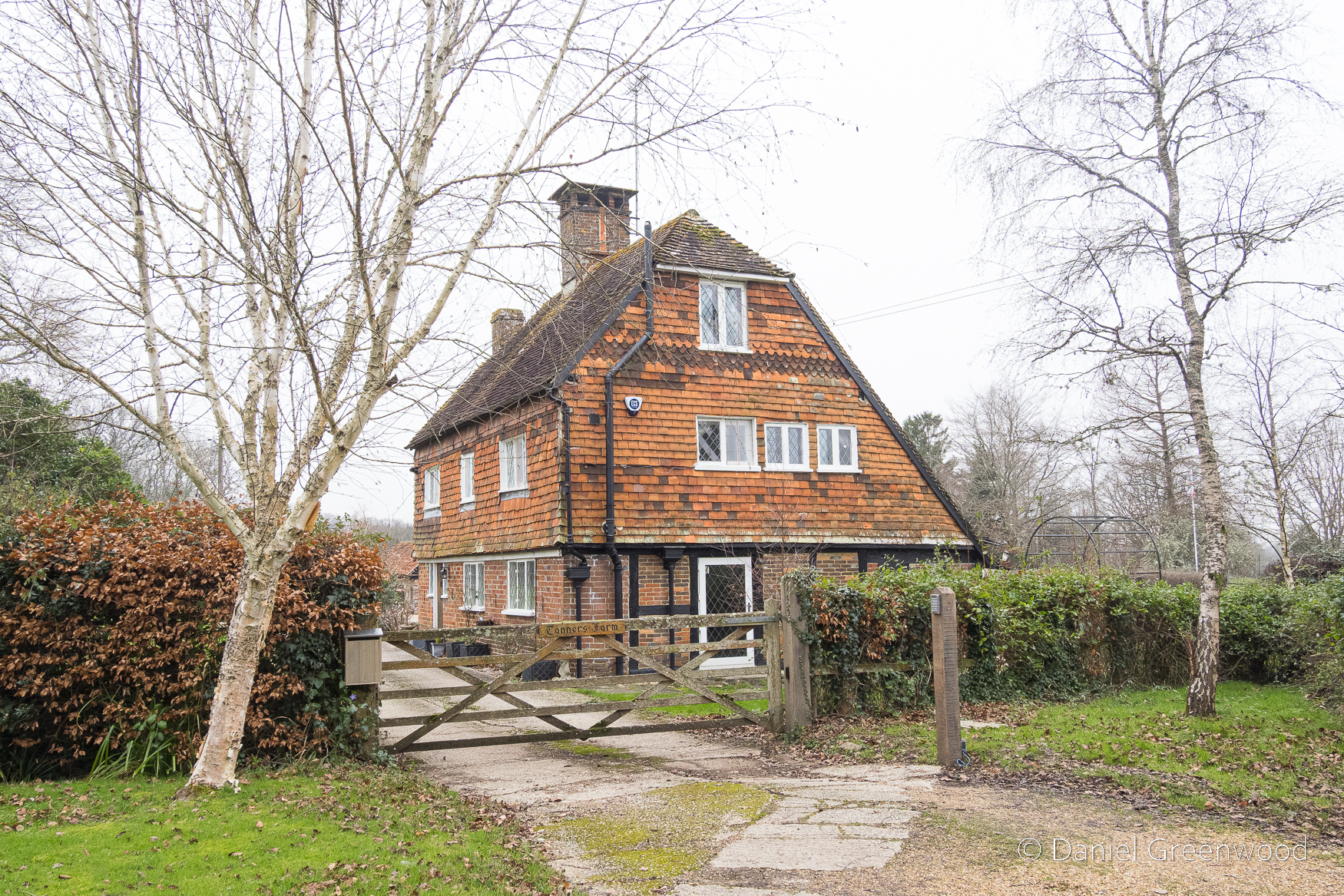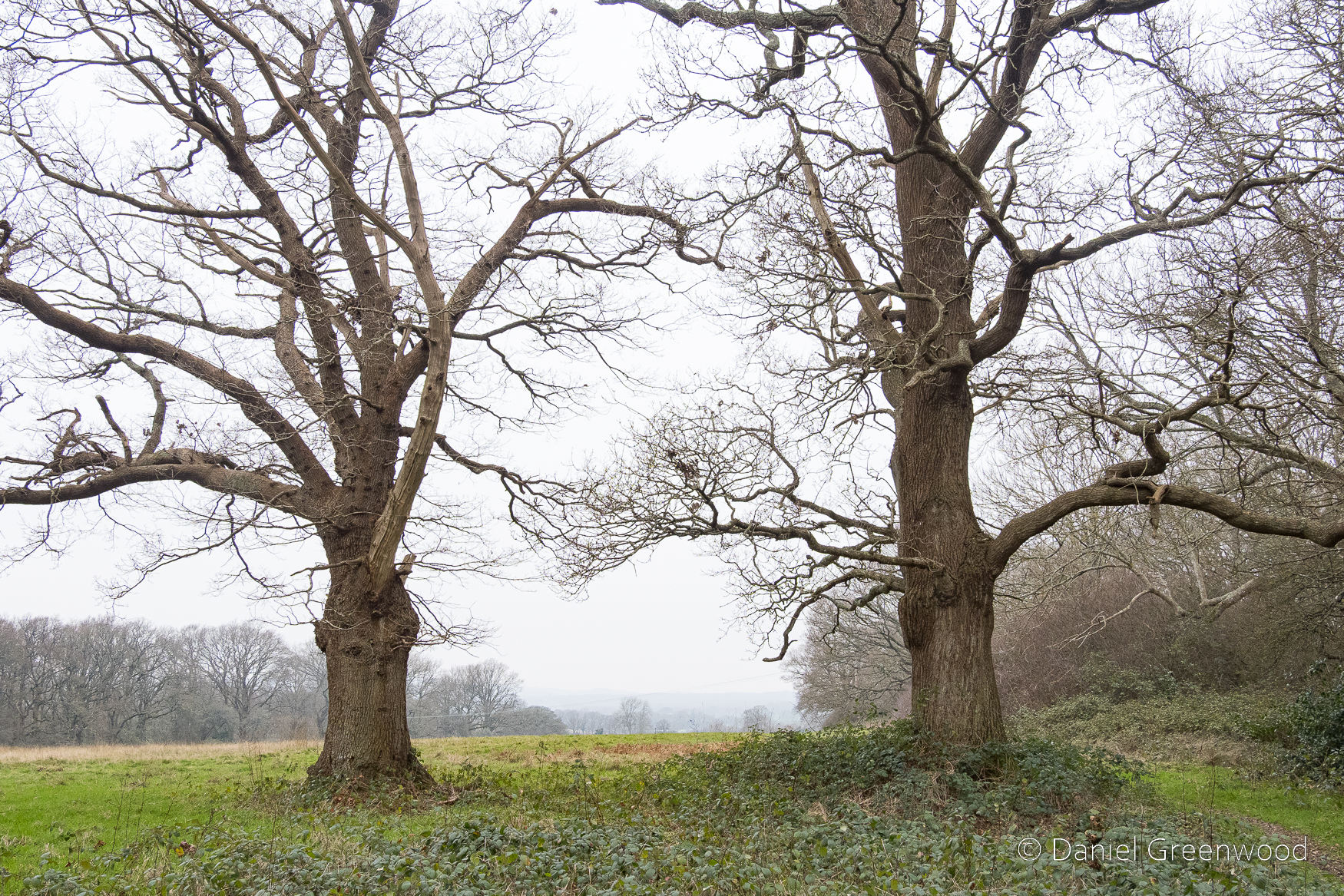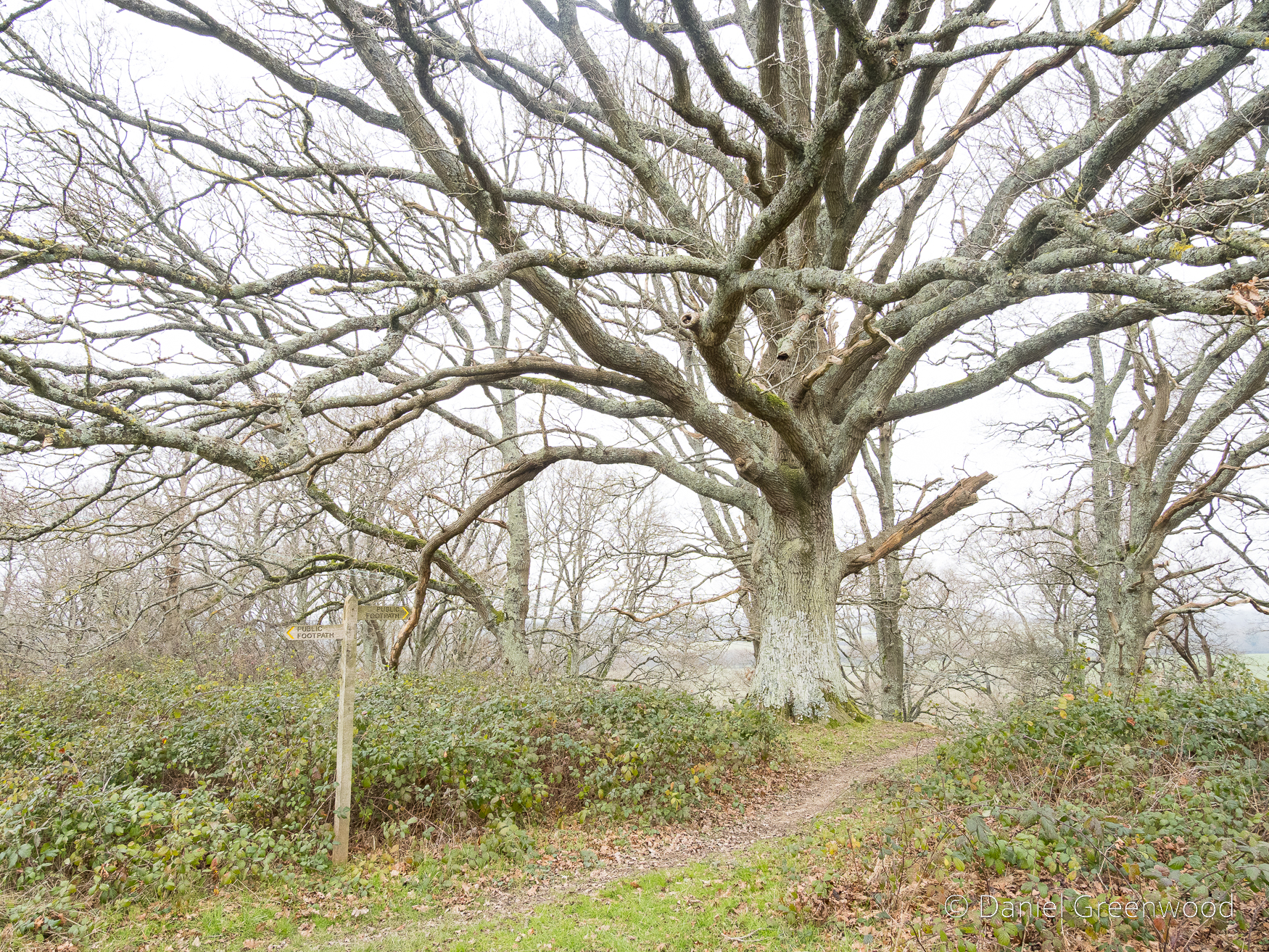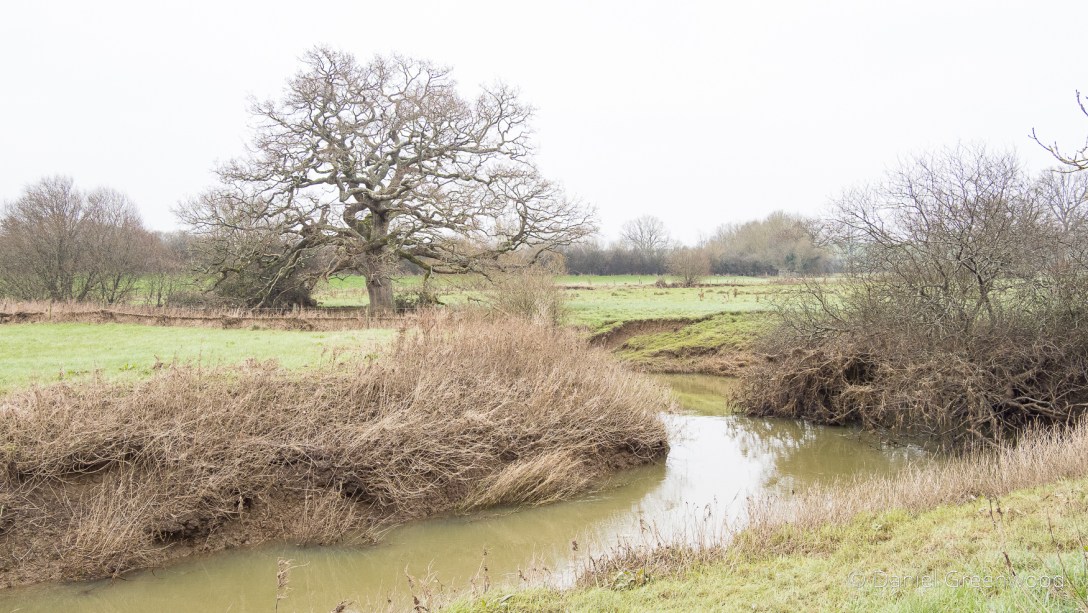
The ash tree’s survival

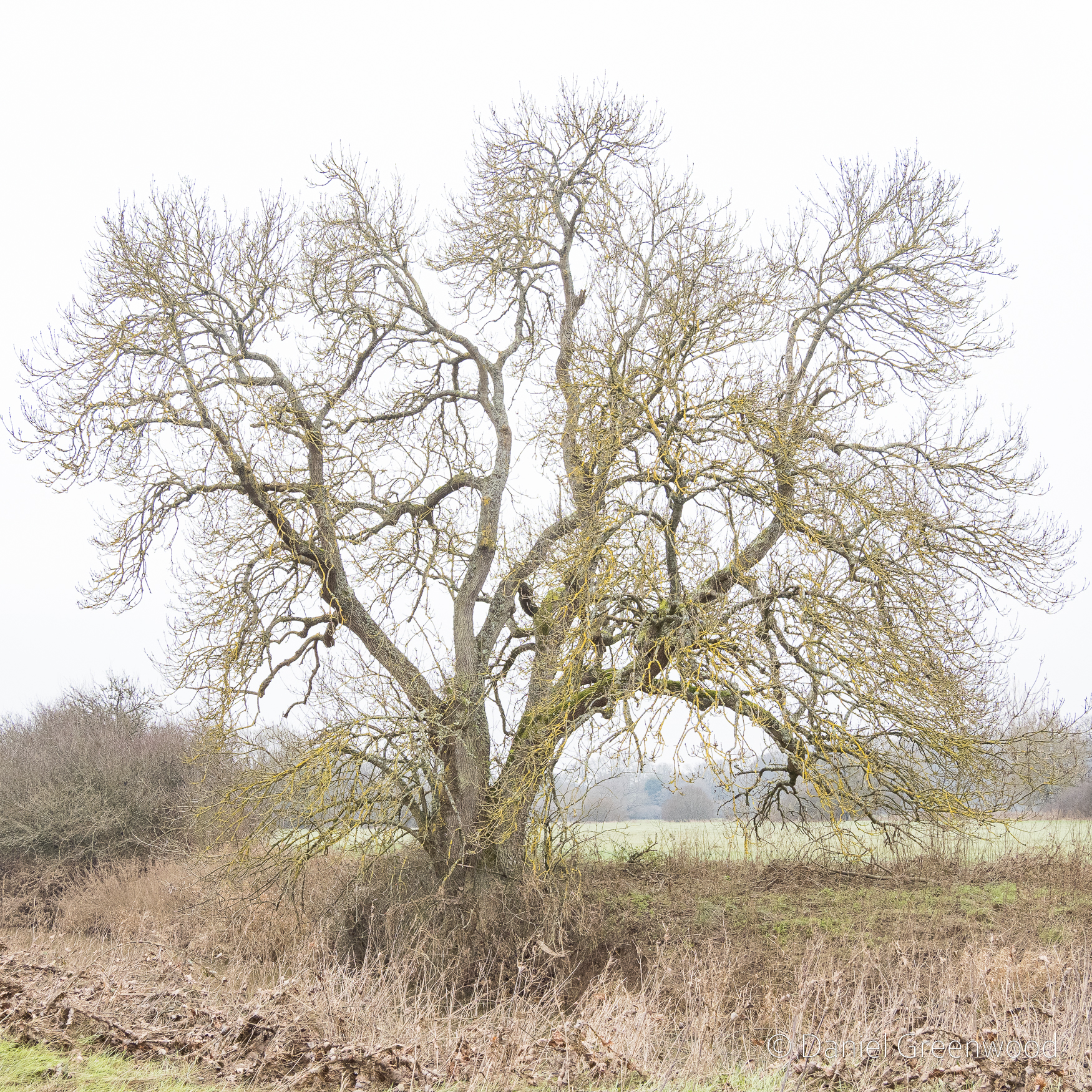
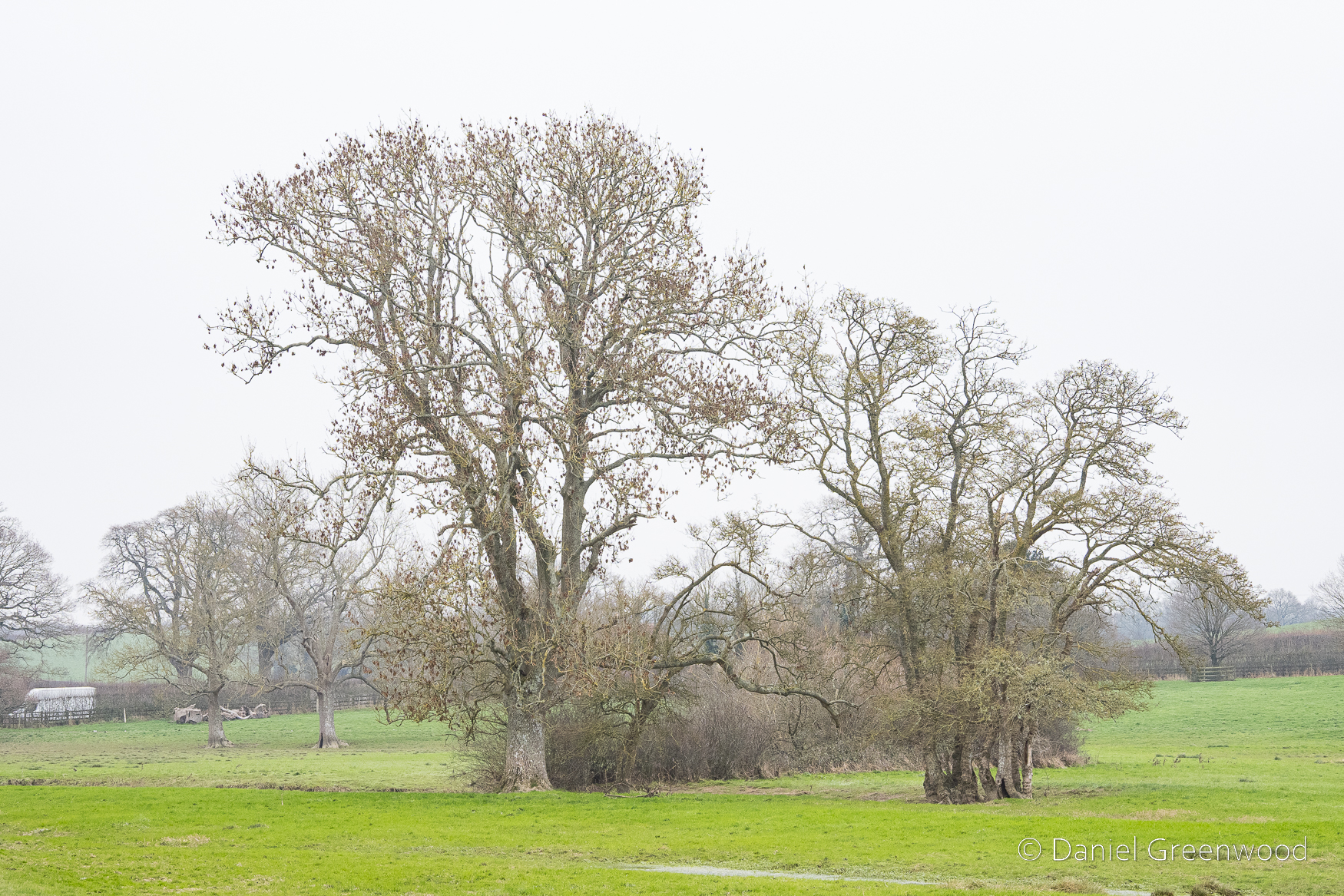
I noticed some good news about ash trees recently and wanted to share my experience of a difficult decade for the European ash (Fraxinus excelsior, referred to here as ‘ash’), as well as some of the photos I’ve taken of this iconic tree. Working through this post, I’ve realised just how many images I’ve compiled down the years. I’ve also realised just how much I care about this tree as a species, and how painful it is to see it effectively being erased from the landscape by disease.

Ash is one of the first tree species that I really began to notice and tried to understand ecologically and culturally. When I started to take notice of wild trees, I saw that ash was everywhere in south London, seeding in railway sidings, parks, gardens, and woods. I’ve cut them down (not particularly big ones), planted them, pollarded them, photographed them and breathed their oxygen (obviously most people in the UK have!).

What do ash trees mean to people?

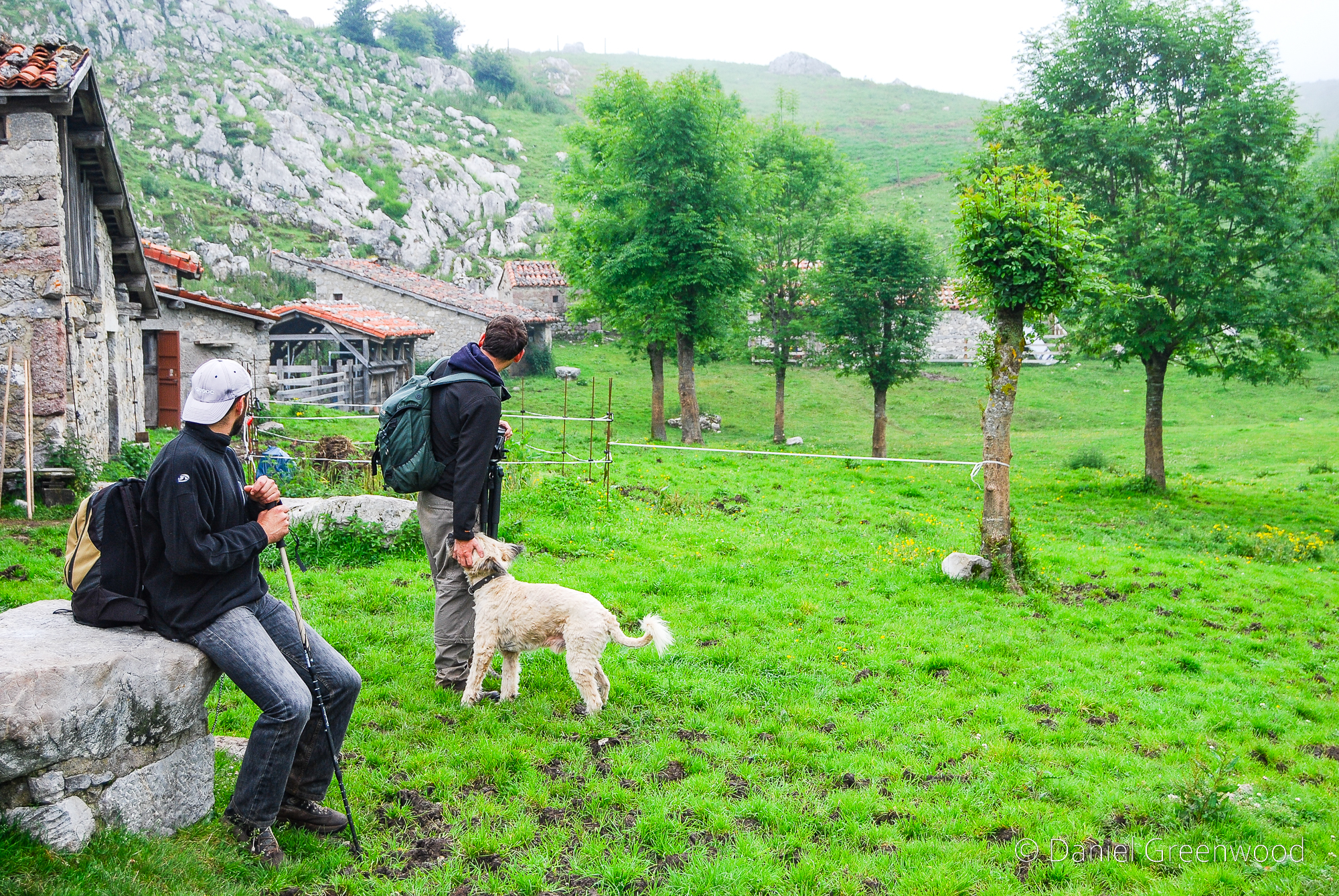
Pollarded (or shredded?) ash trees outside shepherd’s huts in Asturias, Spain in June 2011

I’d like to start overseas, as ash dieback is Europe-wide problem.

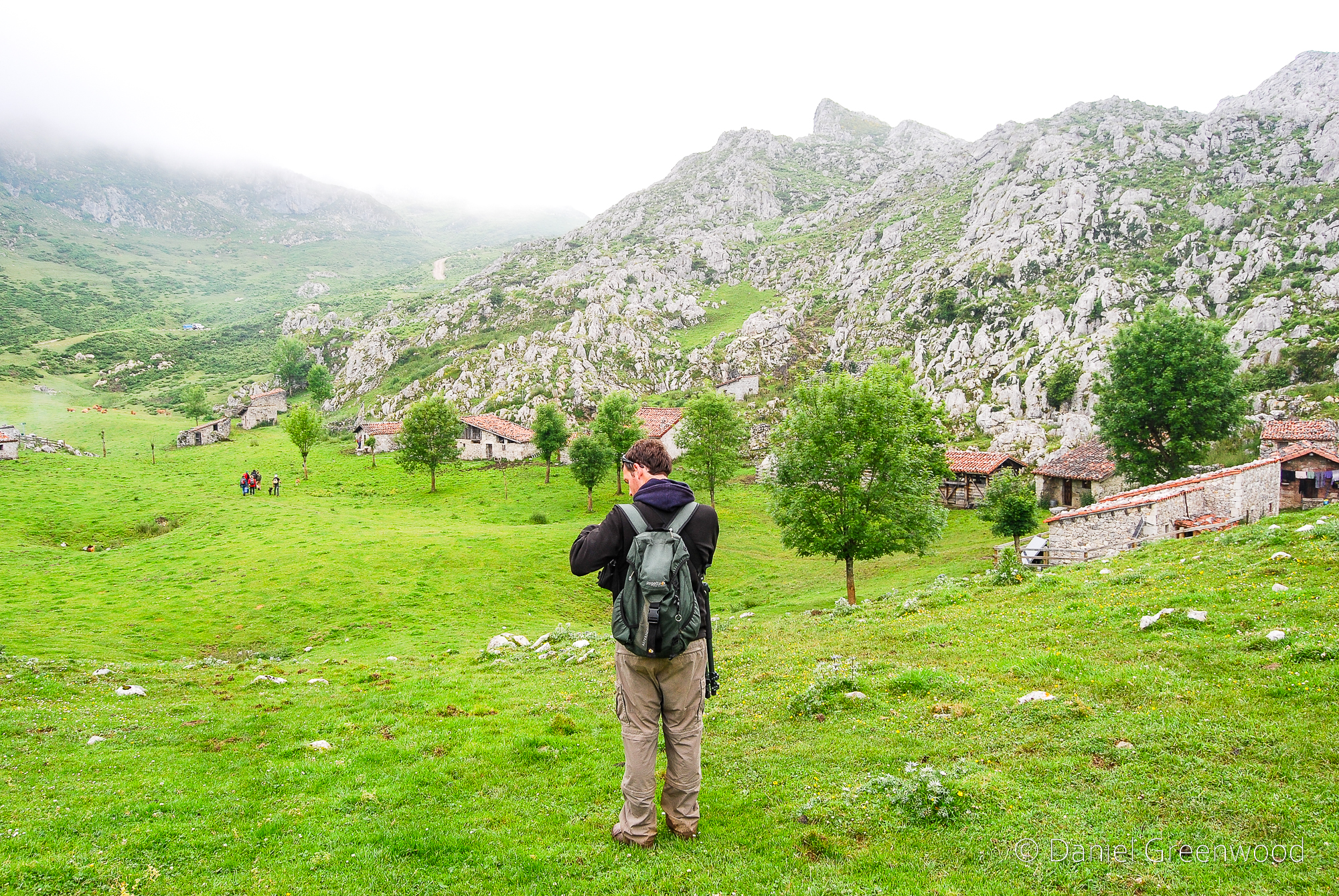
This week it was 14 years since I visited Los Picos de Europe (The Peaks of Europe National Park) in Asturias, Northern Spain as a volunteer.

The photo above came up in my ‘memories’ and it was only then that I remembered the ash trees. This was a remote village high in the mountains where people were making cheese (they didn’t want the name of the village to be shared online). The ash trees here are pollards, with the branches cut back to make a single stick of a trunk. It’s probably severe enough to be considered ‘shredding’, which Oliver Rackham wrote about.

Lollipop ash trees growing close to the old shepherd’s huts in a remote part of the Picos de Europa, June 2011

The reason this is done is to provide food for sheep – the fresh green growth of new ash leaves, which they love.

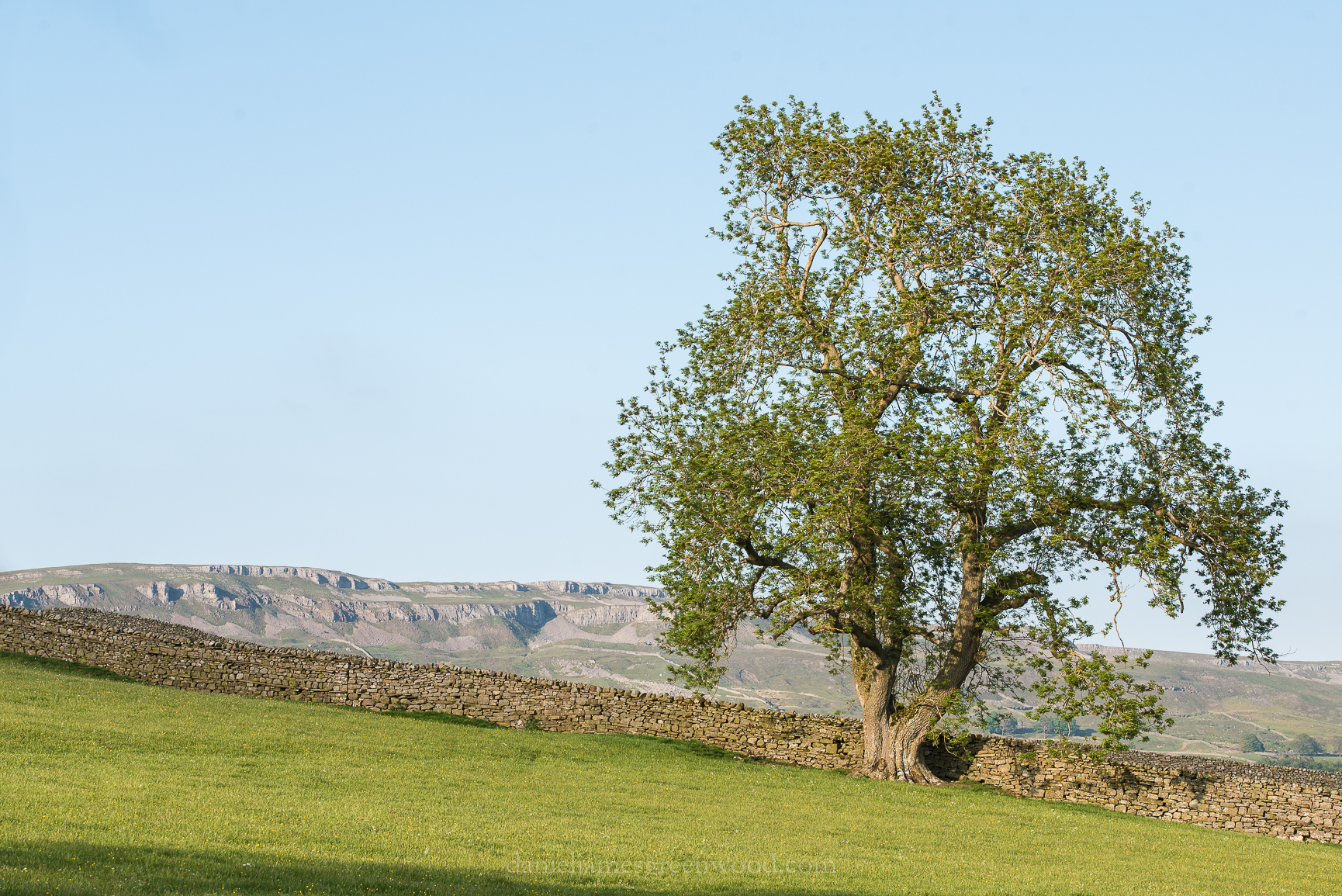
A massive pollarded ash tree next to a restored hay barn in Wensleydale, Yorkshire in 2018

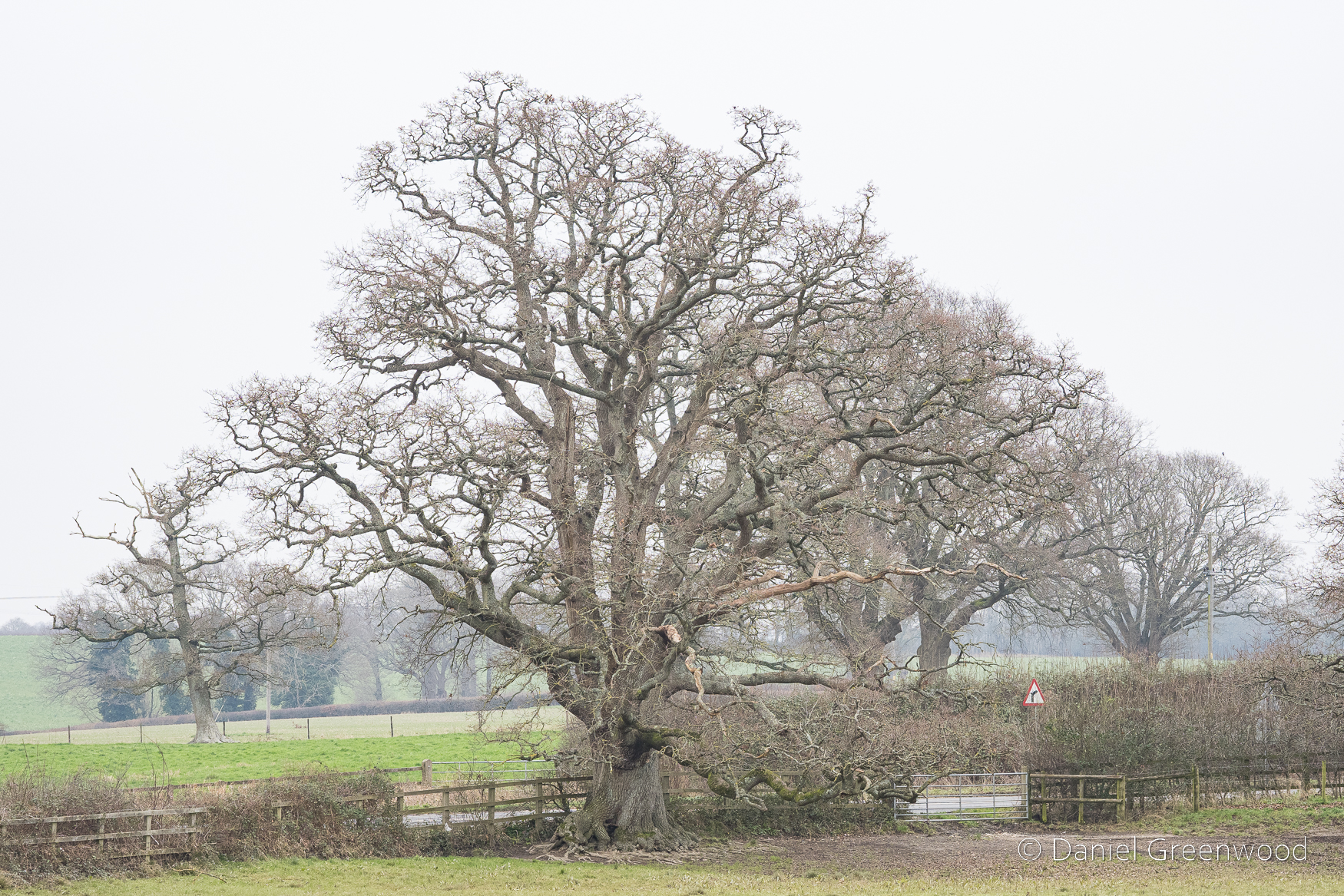
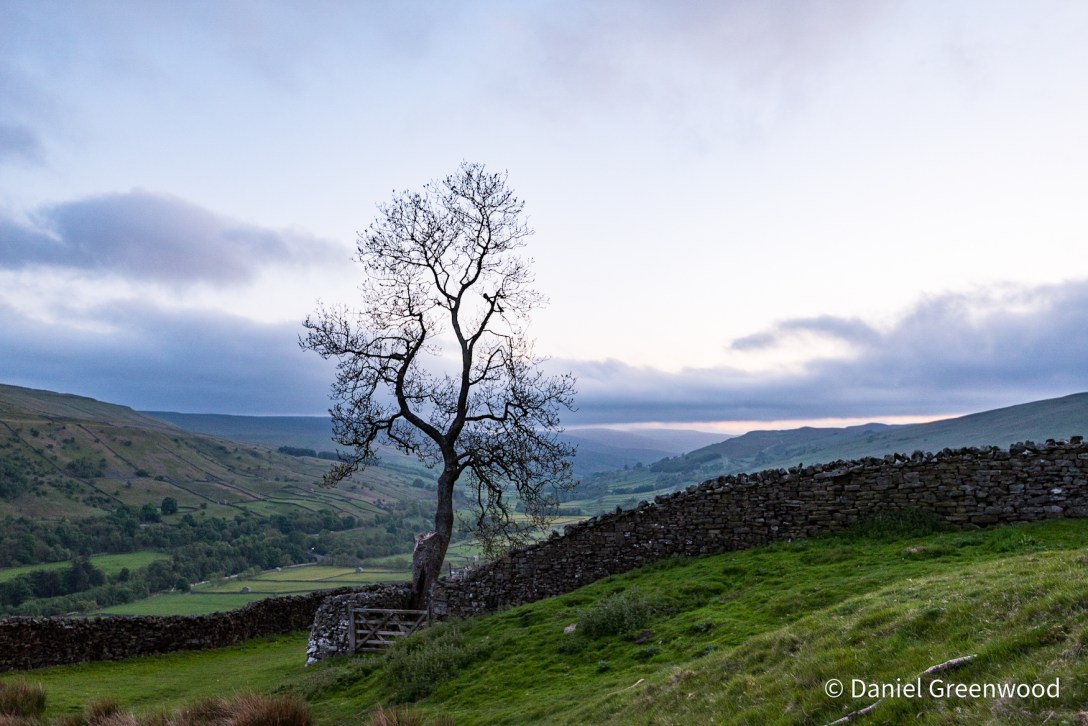
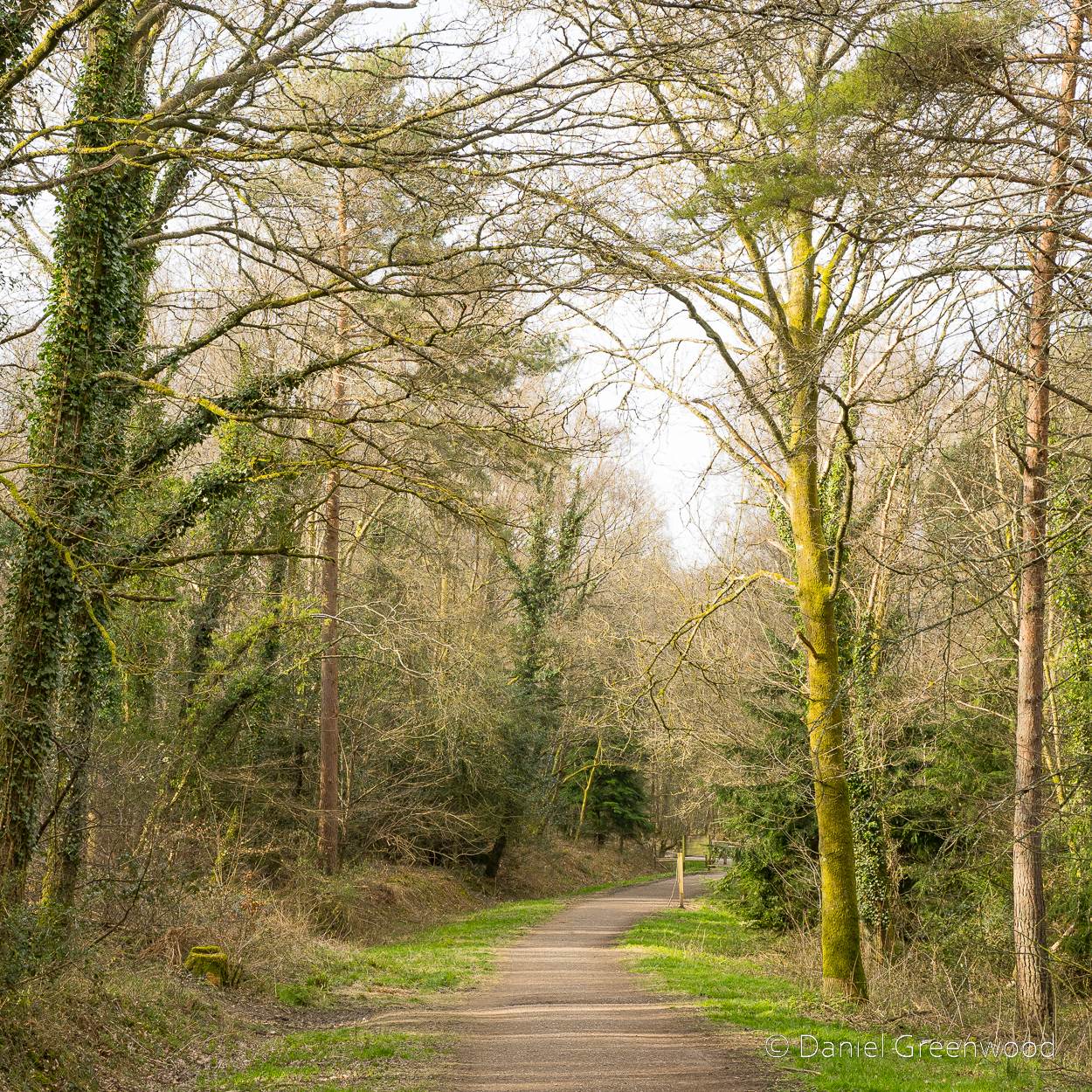
Interestingly, it’s similar in the Yorkshire Dales, where ash trees are abundant (see above and header image) and so are sheep. During one holiday in the Dales, I remember seeing a sheep climbing up a wall in order to nibble the leaves of an ash. What is also interesting to me, is that this is the same model of livestock grazing which spread from the Middle East, across Europe and into Britain thousands of years ago. It doesn’t sound dissimilar to the spread of ash dieback.

A typically large ash stool in a former hedgeline or boundary, coppiced or laid for many years (near Reeth in the Yorkshire Dales, 2019)

It’s not uncommon to see very large ash stools (old trees that have been regularly felled for timber) in boundary lines in places like Yorkshire, Sussex and Kent. I’m sure their coppicing was probably to provide ample feed to sheep, as in Northern Spain, above.

Dartmoor, Devon in 2023

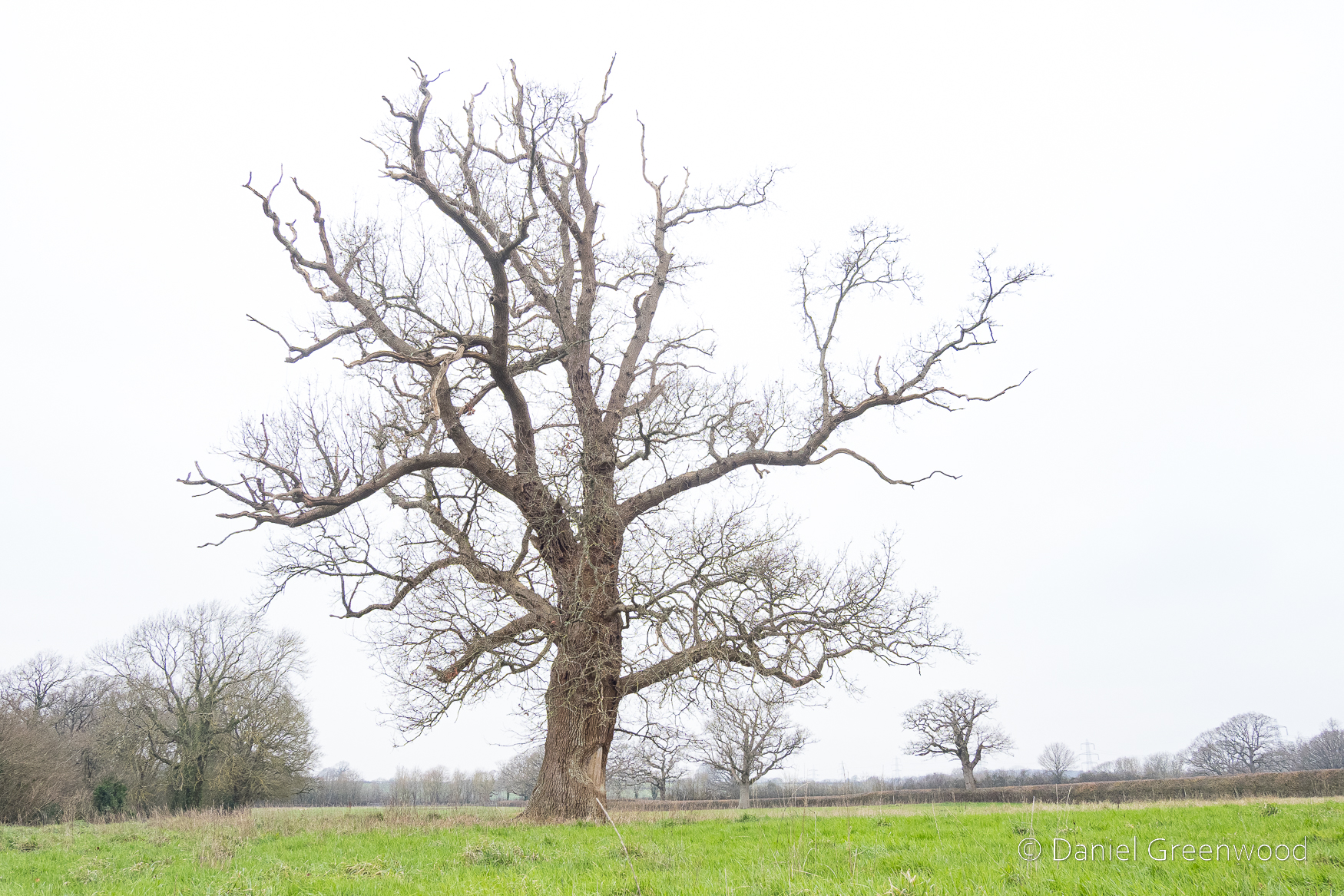
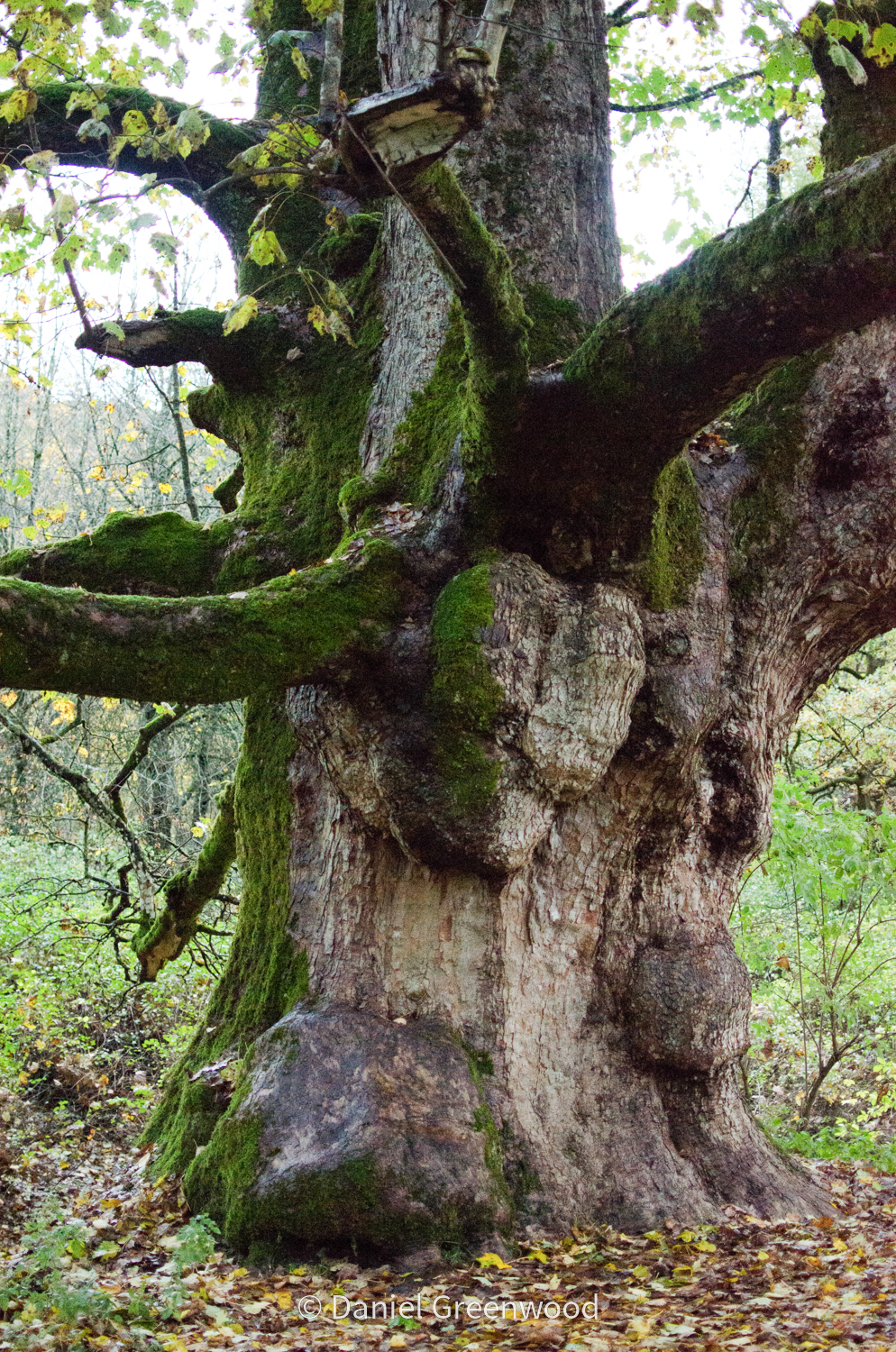
This mammoth ash in Dartmoor National Park in Devon is possibly the biggest I’ve ever seen.

What do ash trees mean to wildlife?

A diseased ash tree with a large number of King Alfred’s Cakes fungi growing on the main trunk in Sussex in 2023

The fungus King Alfred’s Cakes has benefited in the short-term from an explosion in dead ash wood to colonise. The longer-term picture for fungi and lichen is not so good. Ash has a number of lichens that depend on it in places like the Lake District (my knowledge doesn’t extend very far here) which needs living trees.

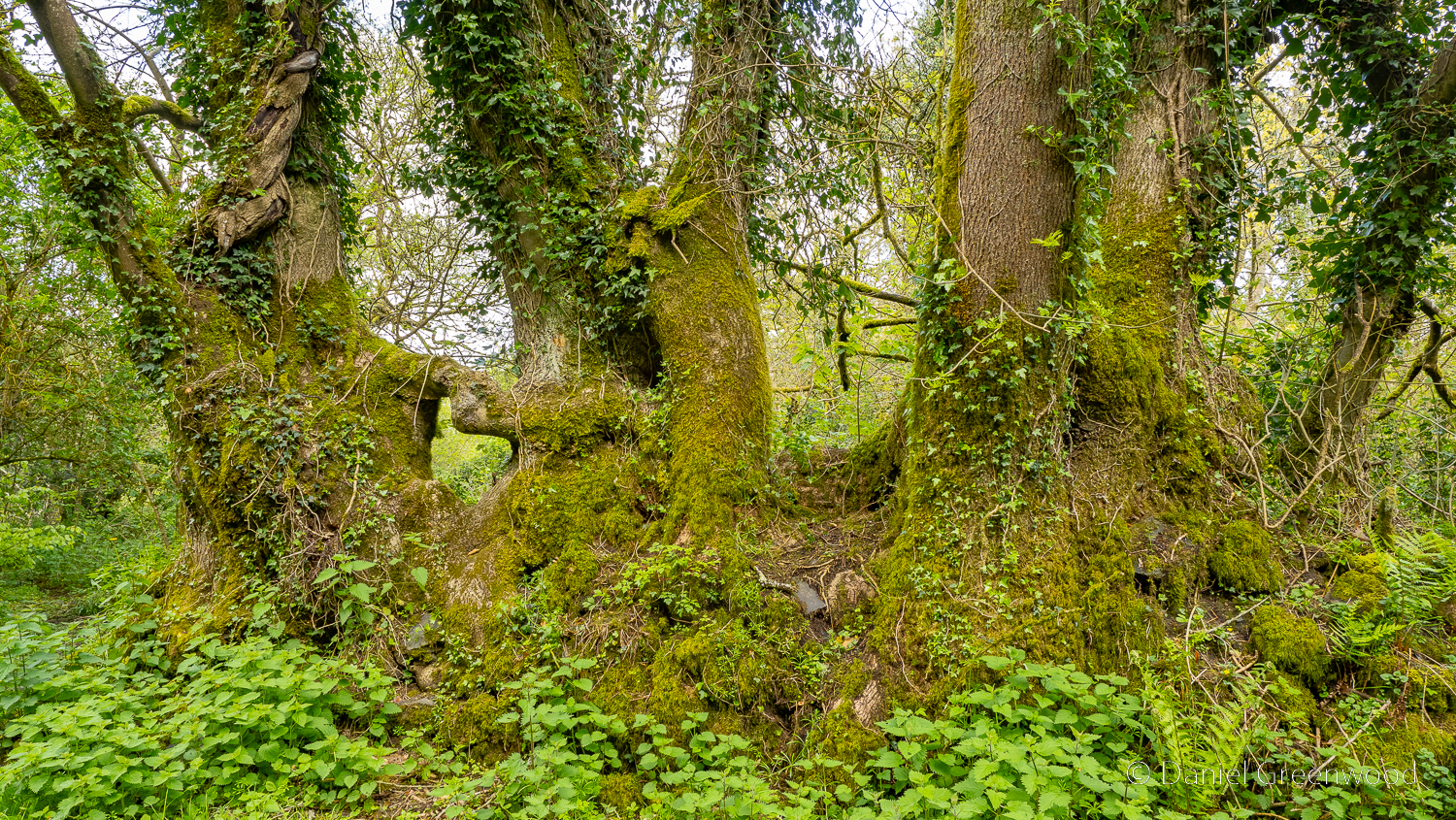
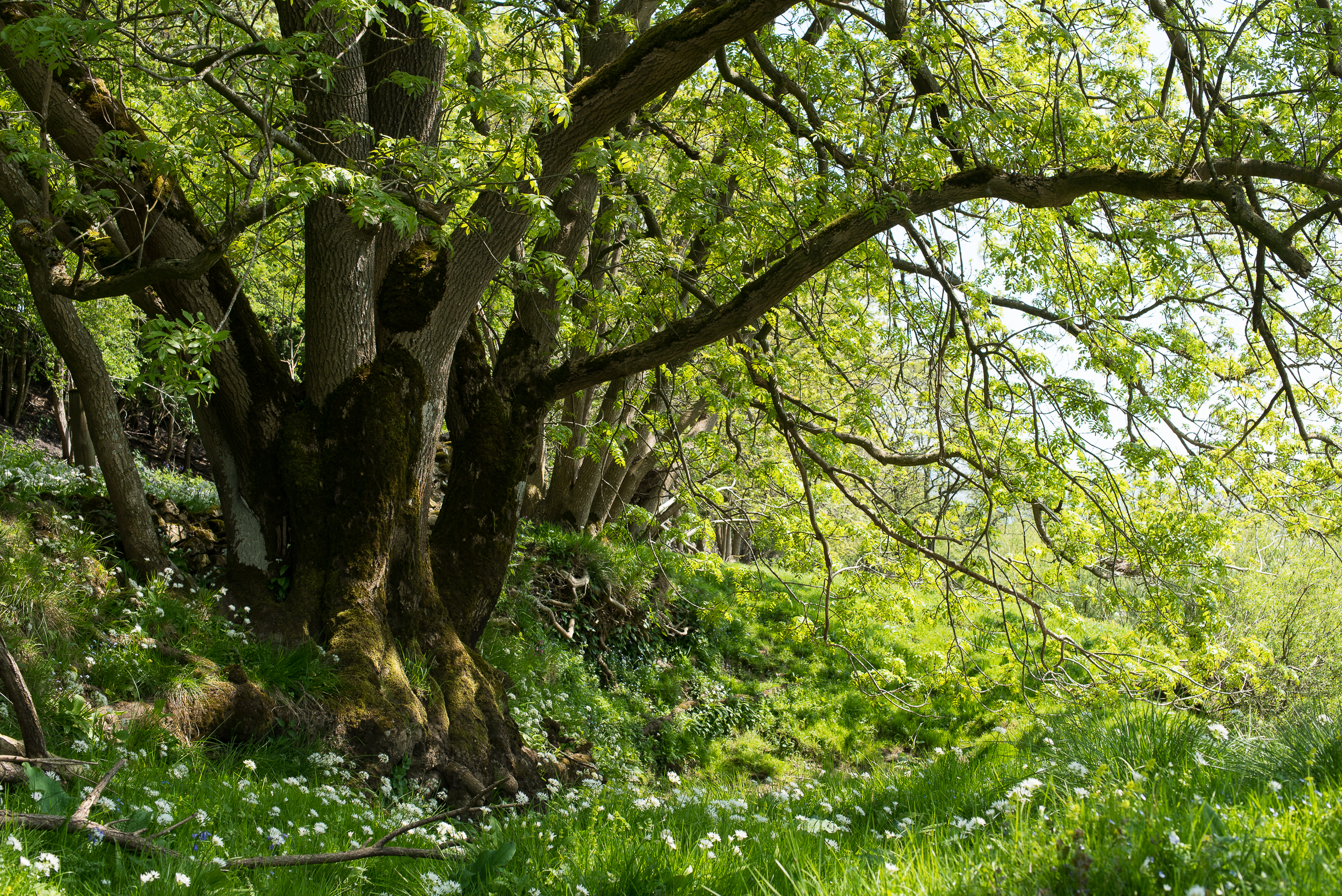
A mossy ash surrounded by wild garlic in Wensleydale, Yorkshire in May 2018

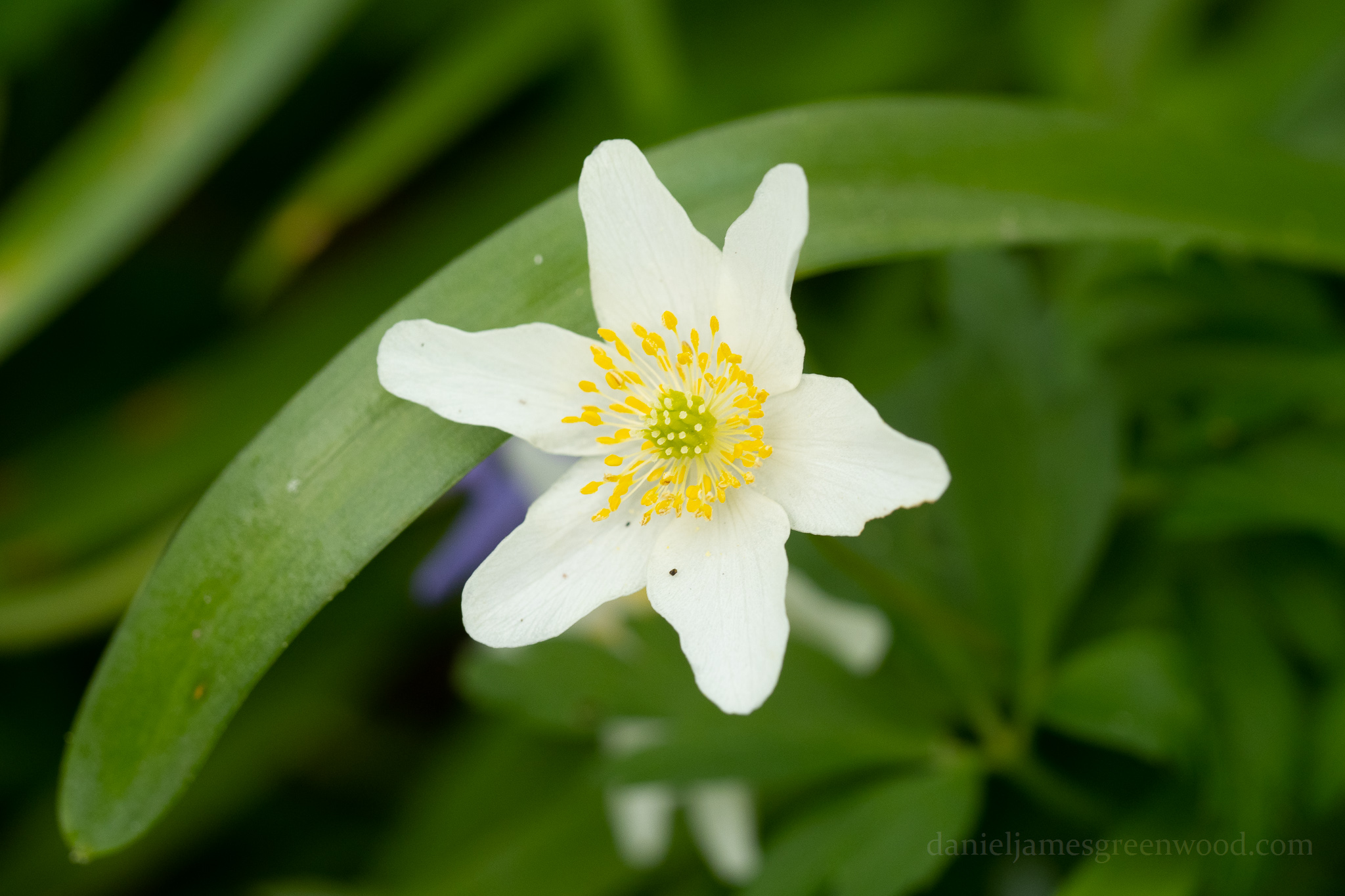
Ash benefits ancient woodland flowers that arrive early in spring because the leaves are compound (they have leaflets, not broad leaves) and allow light into the woodland floor. Species like wood anemone and wild garlic do particularly well in their dappled early spring light.

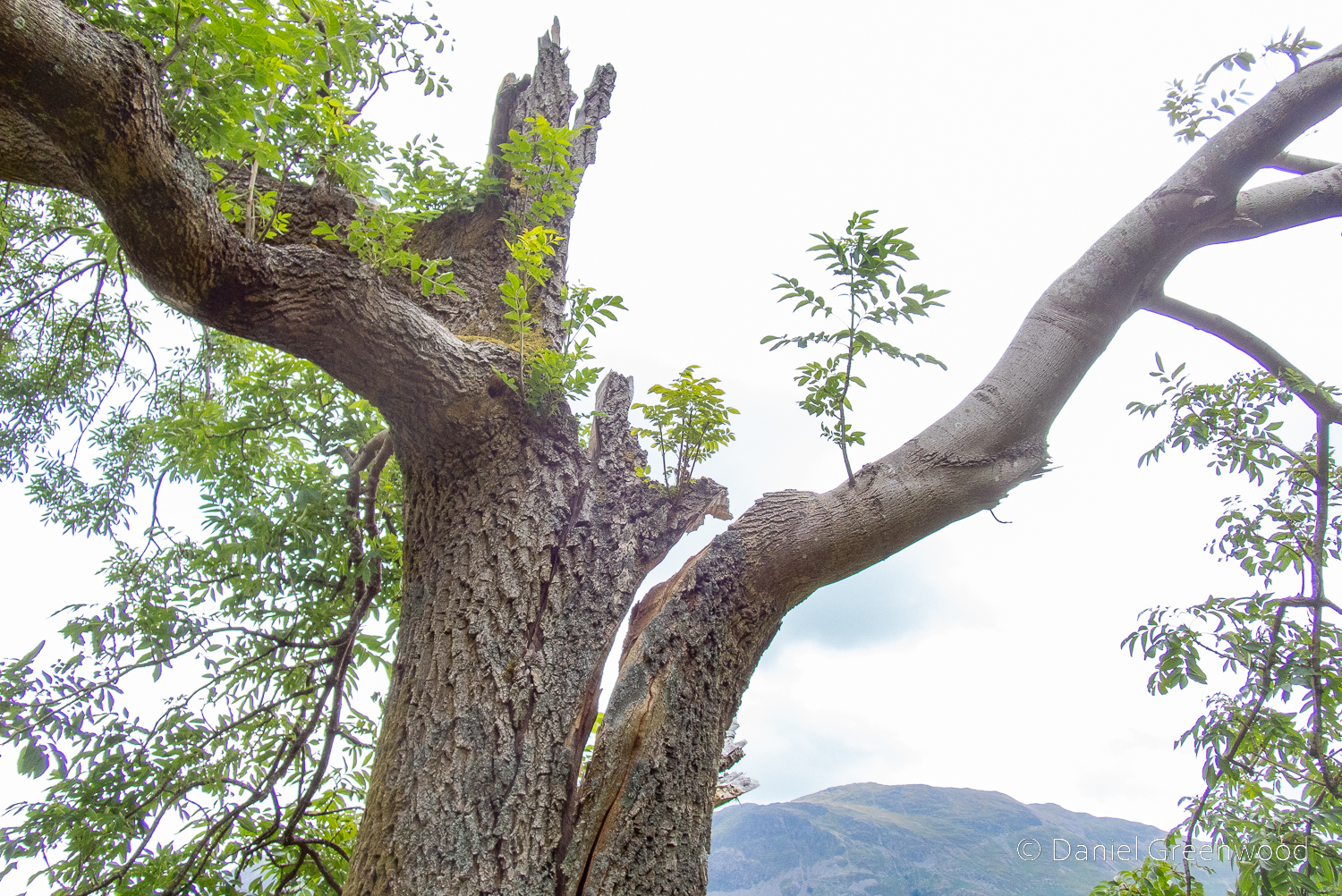
Magnificent veteran ash tree with Ullswater behind it in the Lake District. The top trunk of the tree has collapsed on some farm equipment in the background (2023)

I’ve encountered several ash down the years that have been for the chop on reasonable safety grounds in London, but then have been saved by the fact bats are living in them.

Bats can live under loose bark, in woodpecker holes (which are often found in older ash) and in large crevices. This magnificent ash was near Ullswater in the Lake District and had suffered what the tree officers would deem a catastrophic failure, but the woodland ecologists would be licking their lips at!

The Timeline

2012: when ash dieback arrived in Britain

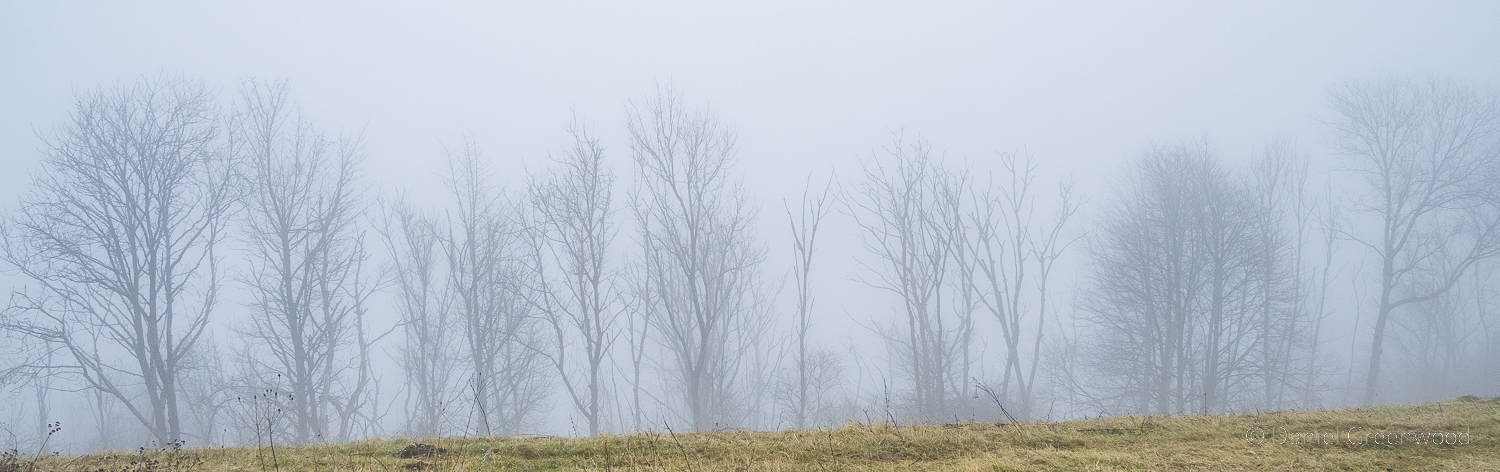
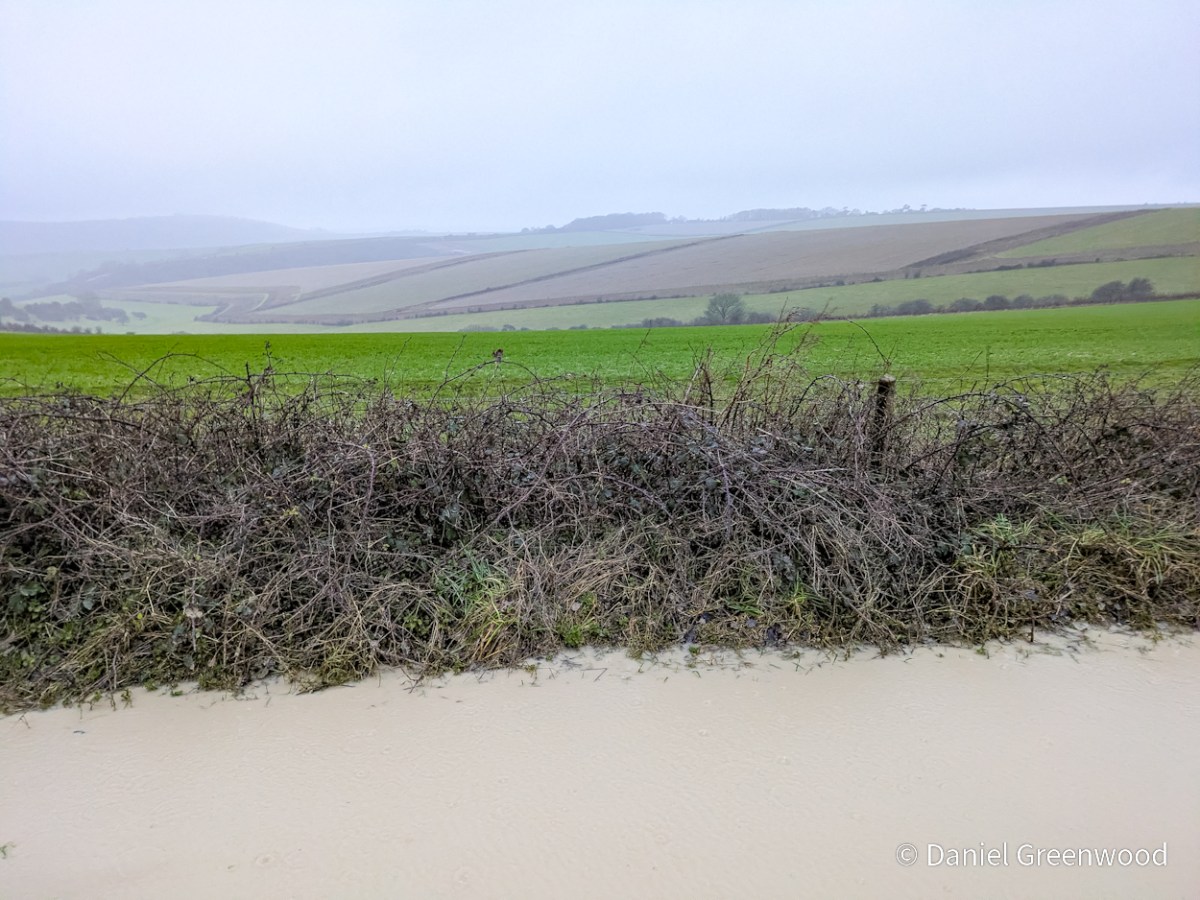
A range of leafless ash trees alongside the South Downs Way near Ditchling in November 2024

One afternoon in the autumn of 2012 I was finishing my working day in the woods when I noticed the dying-back of an ash sapling. The stem had lesions and the leaves were drooping. It was my first year as a community woodland officer and ash tree seedlings were so numerous we actually had to pull them up in certain places. They were the epitome of a sometimes invasive British plant.

It was the first time I had seen a European ash tree (Fraxinus excelsior) infected with ash dieback disease, known scientifically as Hymenoscyphus fraxineus.

The first time I saw and photographed ash dieback disease in Sydenham Hill Wood, autumn 2012

At the time we needed to report every new sighting to the Forestry Commission (as it was then), to help map the spread of this devastating disease. It spread so quickly that reporting became redundant, as were widespread protection measures. I remember someone remarking that asking people to clean their boots would be about as effective as asking the birds to clean their feet.

2017: ash dieback decimates the South Downs

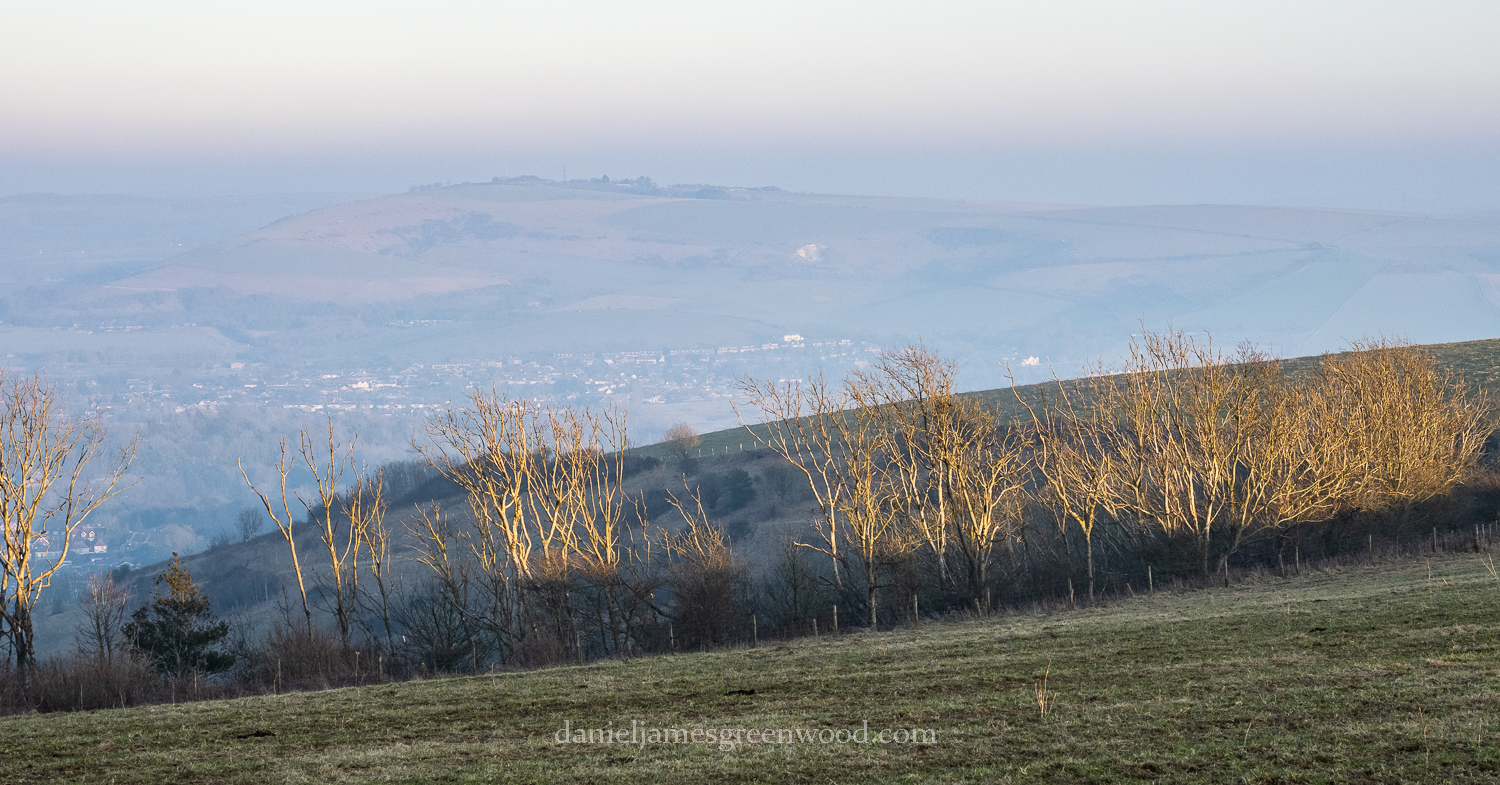
Leafless diseased ash trees above Steyning, seen from the South Downs Way in February 2023

It was only really when I moved to Sussex to work in the South Downs National Park that the real impact dawned on me.

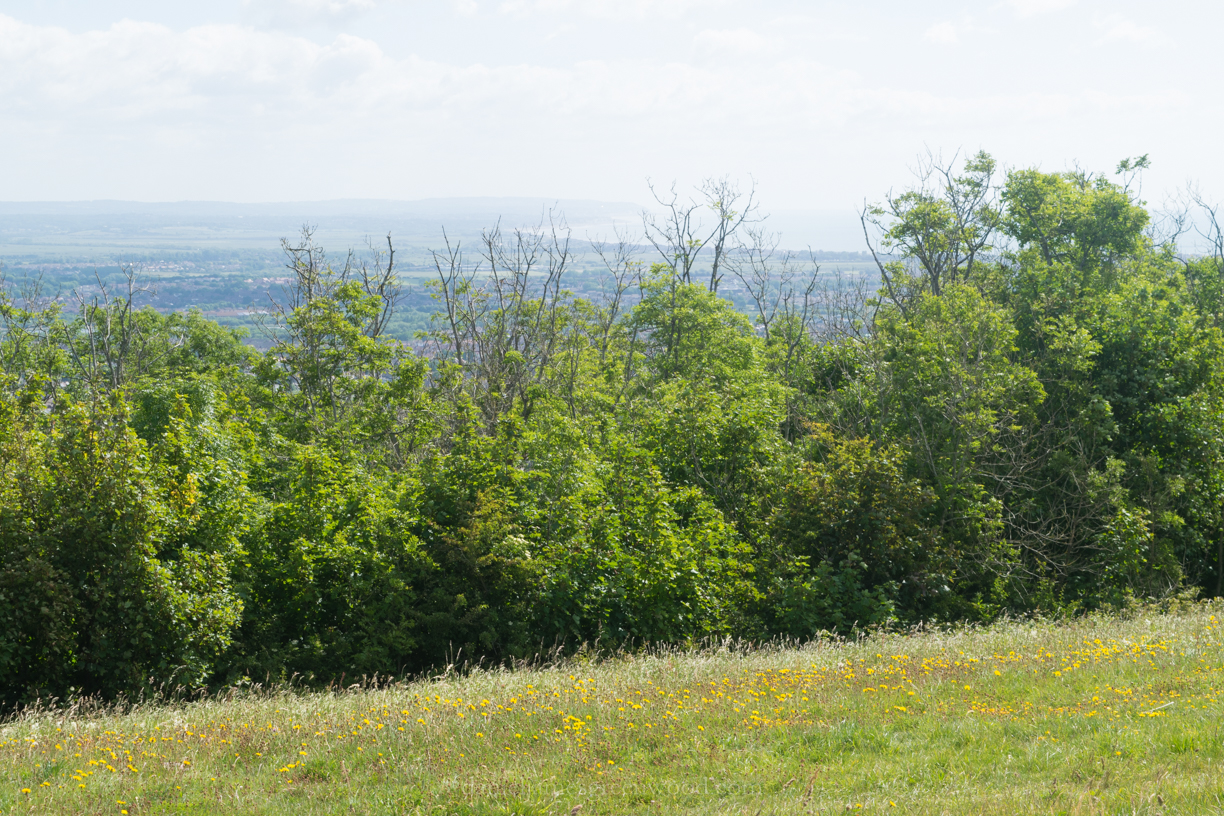
Eastbourne appearing beyond infected ash trees in June 2017

During a walk with the South Downs Eastern Area Ranger team, I was taken aback by the way declining ash trees were opening up views of the coastal town of Eastbourne. It has continued to progress since then.

A young ash tree experiencing ash dieback from the top-down on the South Downs, May 2019

Groves of once green ash woodlands and verdant hedgerow trees were dying en masse. In the past few years trees along highways have been felled due to the threat to public safety from these brittle, dead trees overhanging roads, paths and properties.

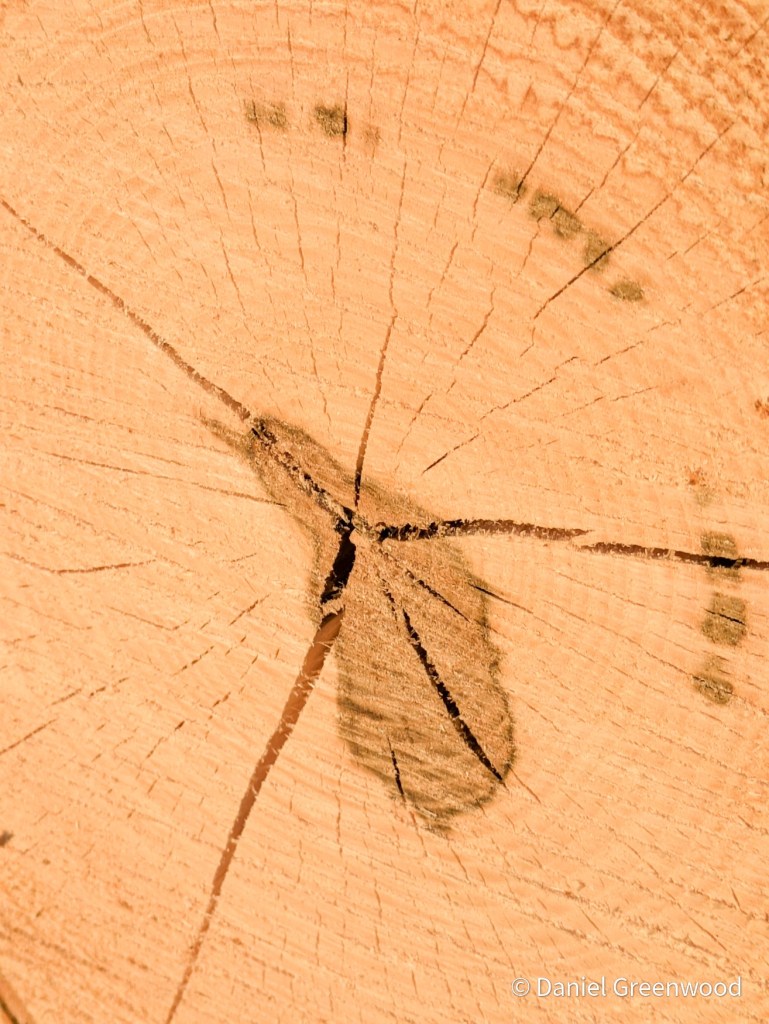
The main concern is how the decay enters the heartwood (as above) and causes structural failure even within living trees, meaning the ash are more likely to fall unexpectedly. I spoke to a council tree officer who said that there have been a number of fatalities of tree workers due to ash trees. It’s tragic.

A diseased ash tree that had fallen across a footpath in the South Downs, logged and cleared in February 2023

But how did ash dieback get to Britain? Fungi spread through spores, tiny particles that ‘seed’ in appropriate places and then grow into a living fungus that produces fruiting bodies. The fruiting bodies (mushrooms, to most people) then produce the spores. The ash dieback fungus is native to Asia, but there’s no way it could get to Europe alone. People helped it, accidentally, to arrive in Europe over 30 years ago. In Britain, it may have been helped by the process of growing UK saplings in Dutch hot houses, alongside infected ash saplings, and bringing them back to the UK.

2024: signs of resistance

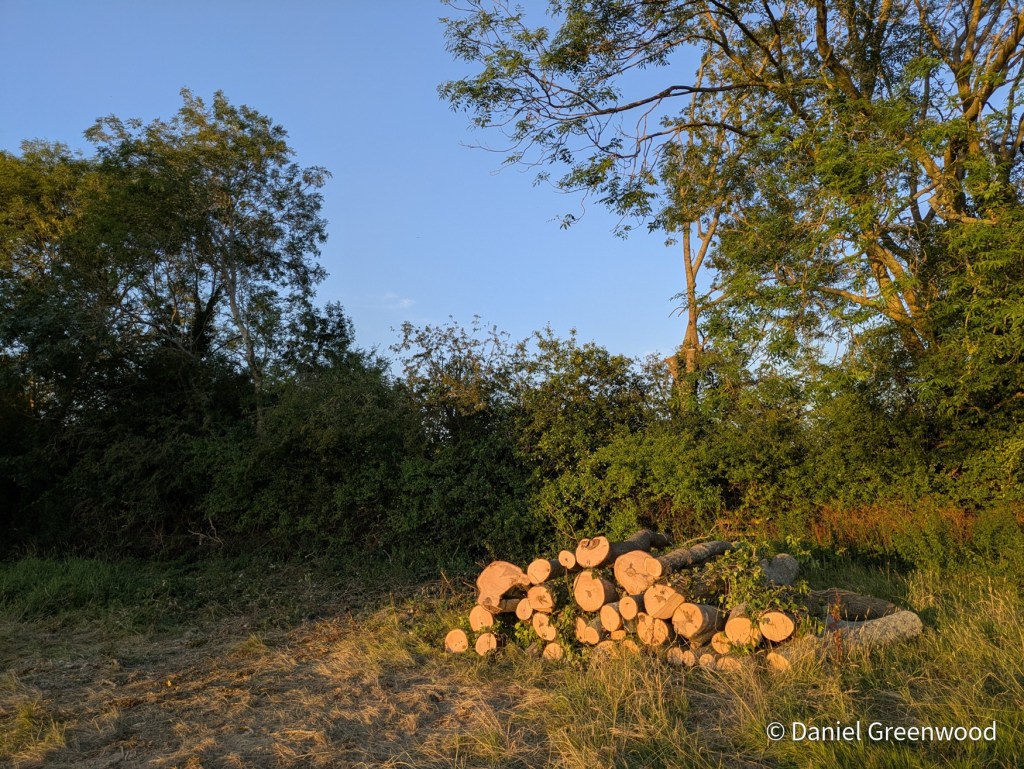
This phone pic was taken in July 2025 when my local green space had been subject to ash removal. The logs show the scars of the disease (see previous) but the scene is not one of disaster. There are healthy ash trees on either side that are surviving and, indeed, thriving considering what they are up against.

That is something The Living Ash Project have been logging(!) – trees showing mild symptoms and overcoming the dieback.

This rather optimistic article highlights more of the positive steps, and advanced scientific interventions being made to save ash trees.

Ash trees in isolated areas, away from ash woodlands, may be in a much better position (literally) to survive the disease epidemic because they are not overwhelmed by spores from ash leaf litter found in thick leaf litter.

A turning point for ash trees?

A mature ash tree in Wensleydale, Yorkshire in May 2018

The news for ash trees in 2025 is much more promising.

An article in The Guardian reports that ash trees in Britain are showing signs of evolving genetic strains of ash that will not succumb to the fungus. This means ash trees could return to the landscape in due course, though not in the same way.

In the south-east of England where I live the disease is said to have peaked.

Other research has shown that some isolated ash trees are surviving. I can vouch for this – there’s an ash tree in my mum’s garden (c.15 years old) in London that I’ve trimmed back once before. It is flourishing, so much so that the neighbours are asking for it to be cut down again. Welcome to London.

Large ash in the Howgill Fells, Yorkshire Dales (close to Cumbria) in 2019

There is also a plea on the back of the latest research for woodlands to be allowed to regenerate on their own. Many people will be keen to point out the role of ‘rewilding’ in helping this process. In many cases it’s just a matter of leaving woodlands in certain places to do their thing, probably behind some fencing.

Here’s hoping that ash trees can be saved across Europe and wild trees are given the space to do their thing. In the end they may outlive us.

Thanks for reading.

Ash trees | Fungi | Support my work

After 17 years, a small miracle

In 2008 I took an interest in growing things.

After eating an apple one evening I decided to copy what my dad was always doing, and plant some seeds. I potted a couple of apple pips in compost and left them on the windowsill.

The pips began to grow into little seedlings. I was astonished, these pips just had to drop into some soil and trees grew.

There’s no doubt to me that this experience, along with time spent under a hawthorn and small willow tree in my parents’ garden as a child, helped me to learn to love trees. It’s the dynamism, the strength, the age, the ability to grow from seemingly nothing we could survive on.

The apple tree matured, was re-potted, and was eventually delivered to me by my parents in 2018 when I moved to Sussex. It’s about 2 metres tall and just sits in its pot, not really doing much, putting out leaves, letting the seasons come and go.

As far as I’ve known, this tree will never flower or produce fruit. That’s all I’ve ever read or been told. It needs to be grafted with some other apple, ready to produce fruit.

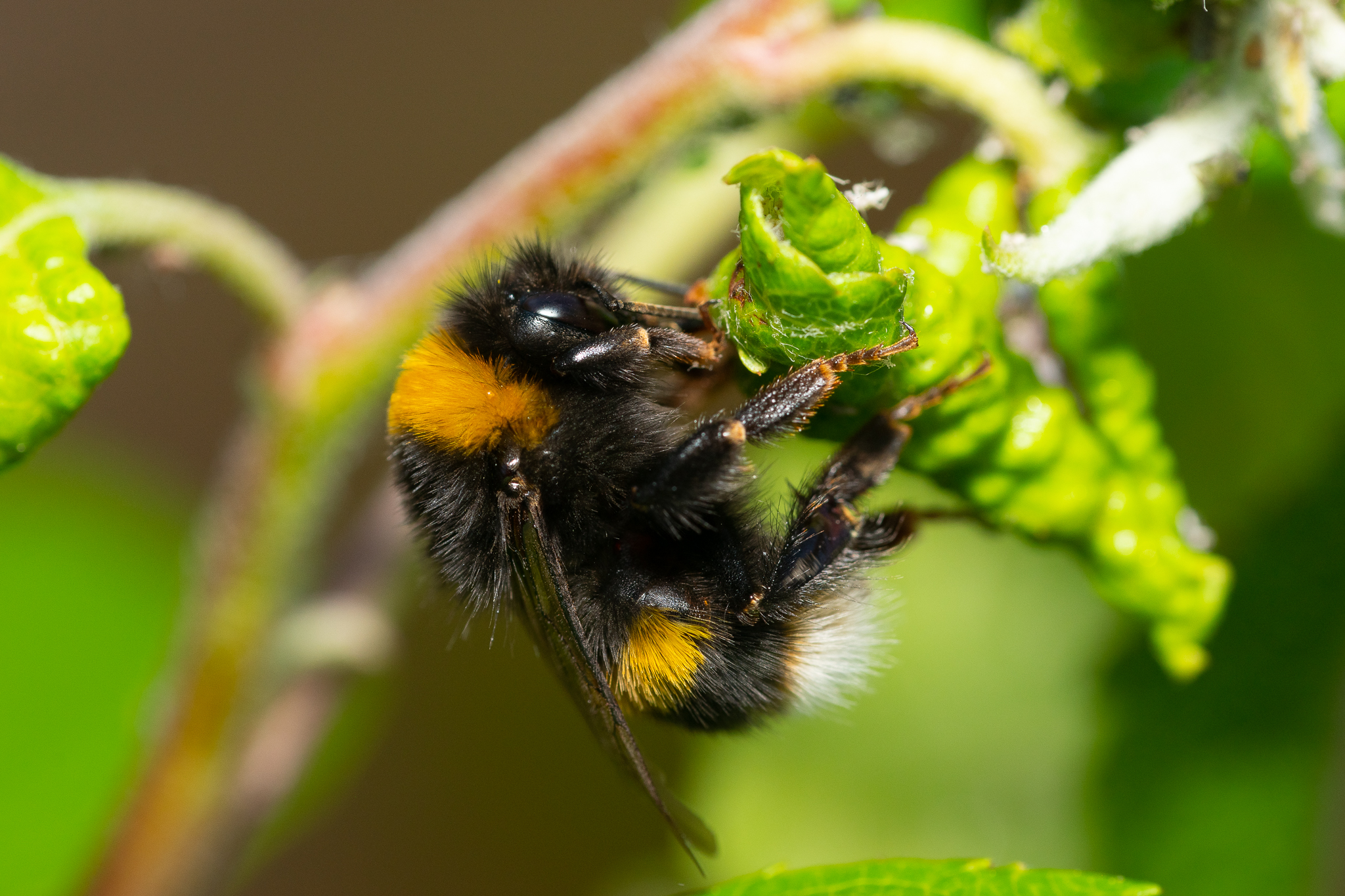
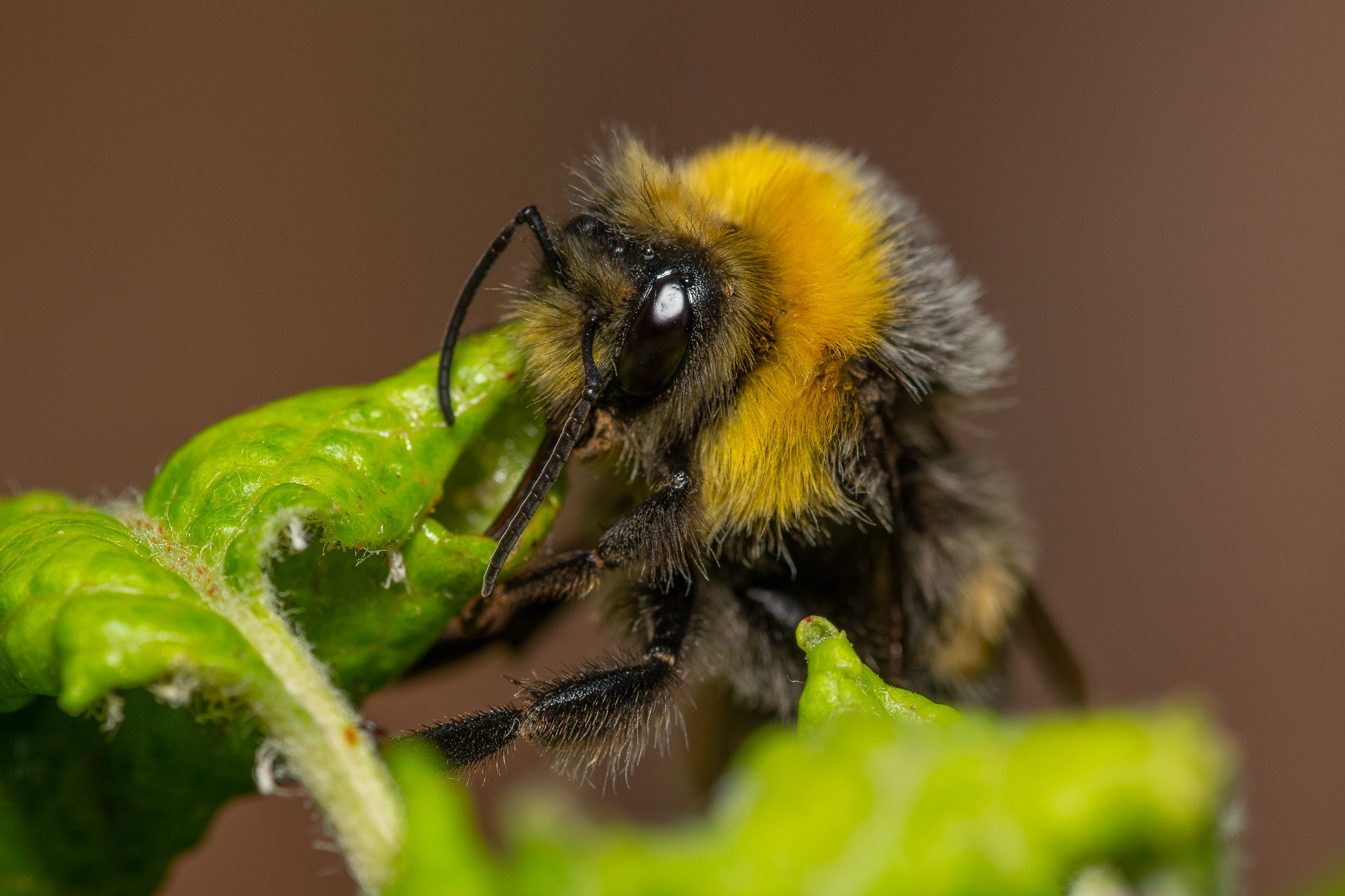
I blogged about the tree in 2021 as part of 30 Days Macro, when bees nectared from the leaves after they became curled up by farming ants(?) and drenched in aphid honeydew.

And so… the other morning I was sitting in my garden enjoying the spring sounds, smells, and sights of new flowers. I stood up and turned to go back inside when I saw a pink flower on the apple tree.

I couldn’t believe my eyes.

17 years of nothing, and then these bright pink and white petals appear.

It made me think of the passing of time, of all that’s happened, where I am in life. It reminded me of where the tree came from, that my dad’s annual sowing of seeds had inspired me to even consider putting that pip in the little pot of compost.

Will it produce fruit? I don’t know, I don’t actually eat apples anymore (too acidic)! I don’t even know what type of apple it is.

But it felt like a signal – life can surprise you – that trees are resilient, dynamic, and beautiful.

Thanks for reading.

Sussex Weald: song thrush rules

I’ve been making an effort to go for a walk in my local slice of the Sussex Weald before work in recent weeks. The impact it has on my brain, body and soul is profound, having lost my connection with woodland somewhat recently.

Early spring is a special time in woodland, watching the the leaves appear, the first spring birds, and the woodland flowers. It is so much better than those hot, shady and sterile days of summer, in my view.

The chiffchaffs have been arriving, but the song thrush rules this chunk of the Weald. Its repeated phrases echo through the still leafless branches.

Wild branches against ranks of pine and birch.

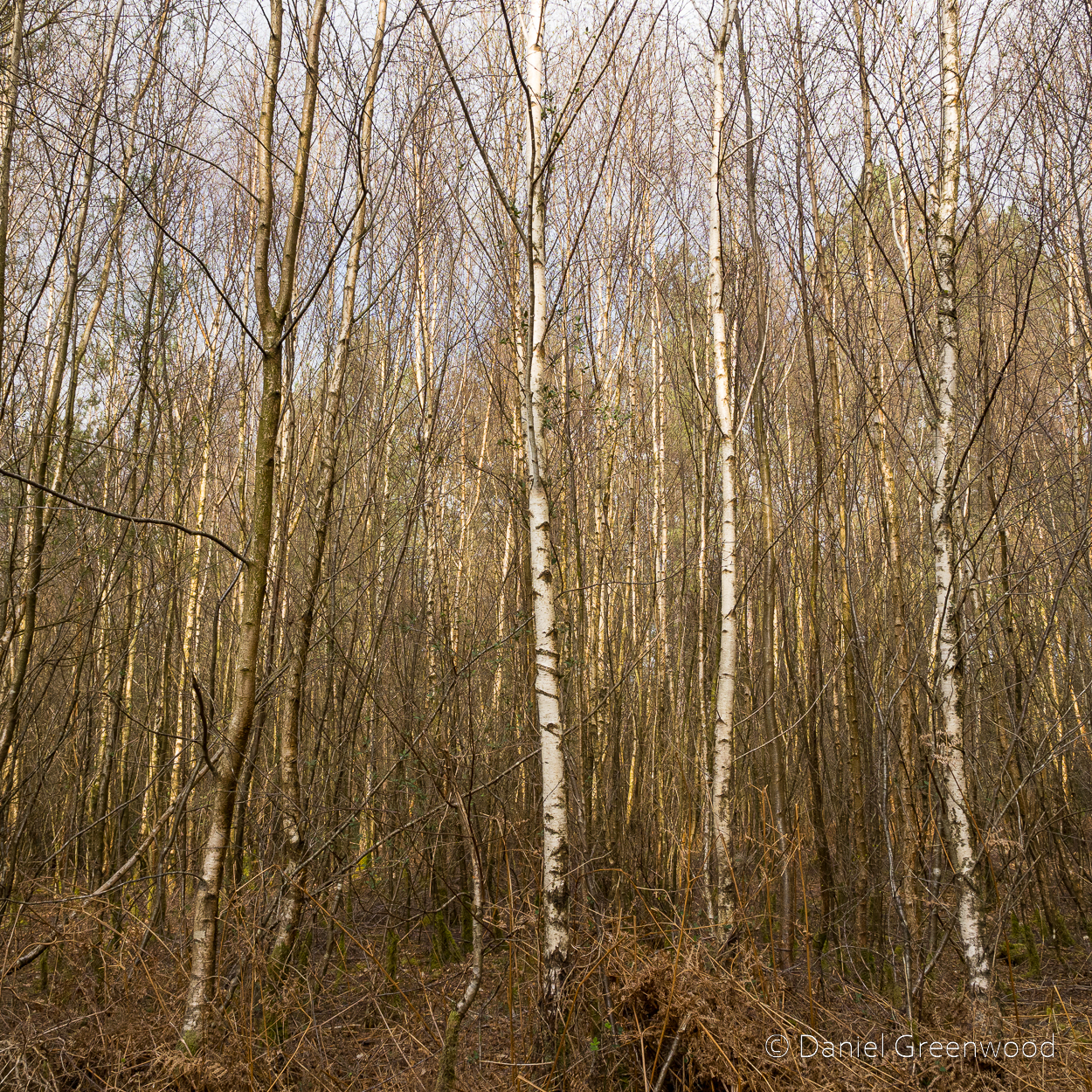
Those birches, growing on old heathland, waiting for the onset of new leaves.

A birch tree harassed by honeysuckle, catching the morning light.

A green beech tree with lots of moss and algae.

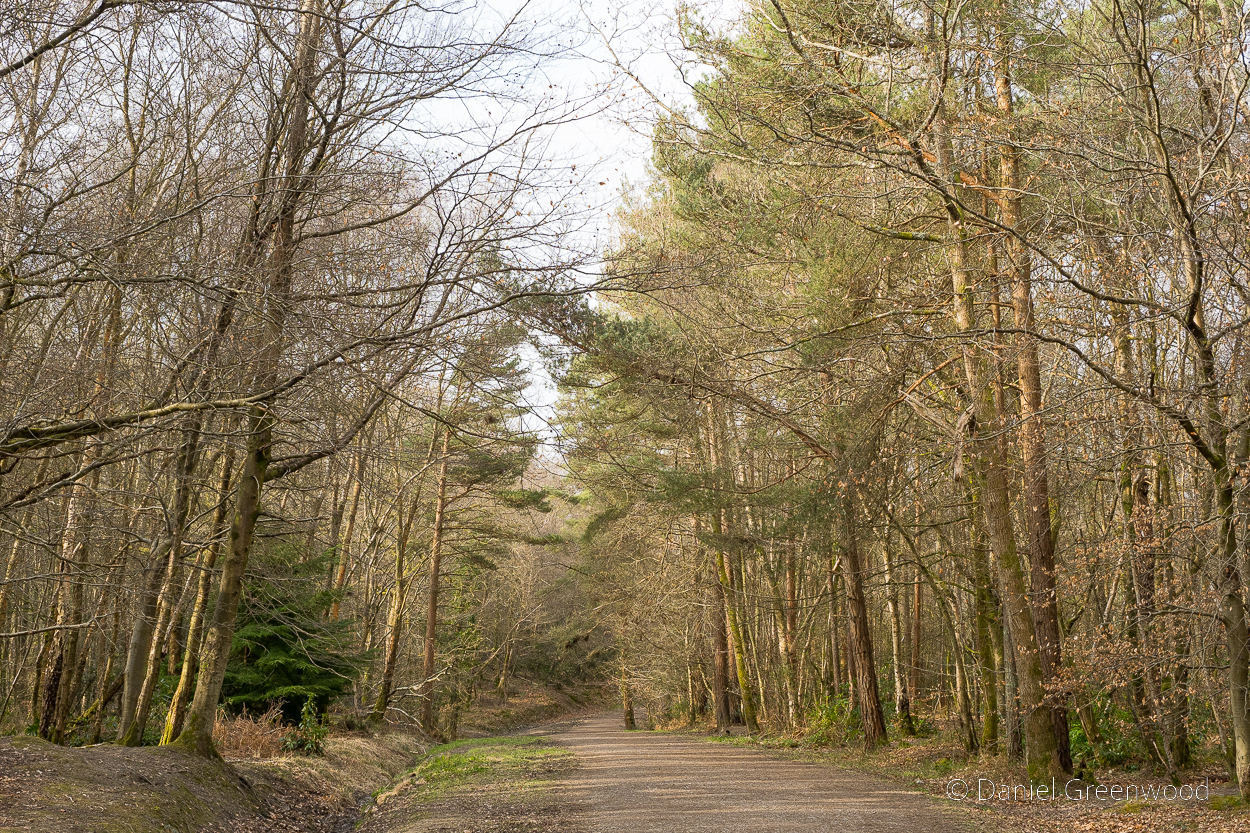
The ride, with pines reaching across on either side.

Silver birches among bluebell leaves.

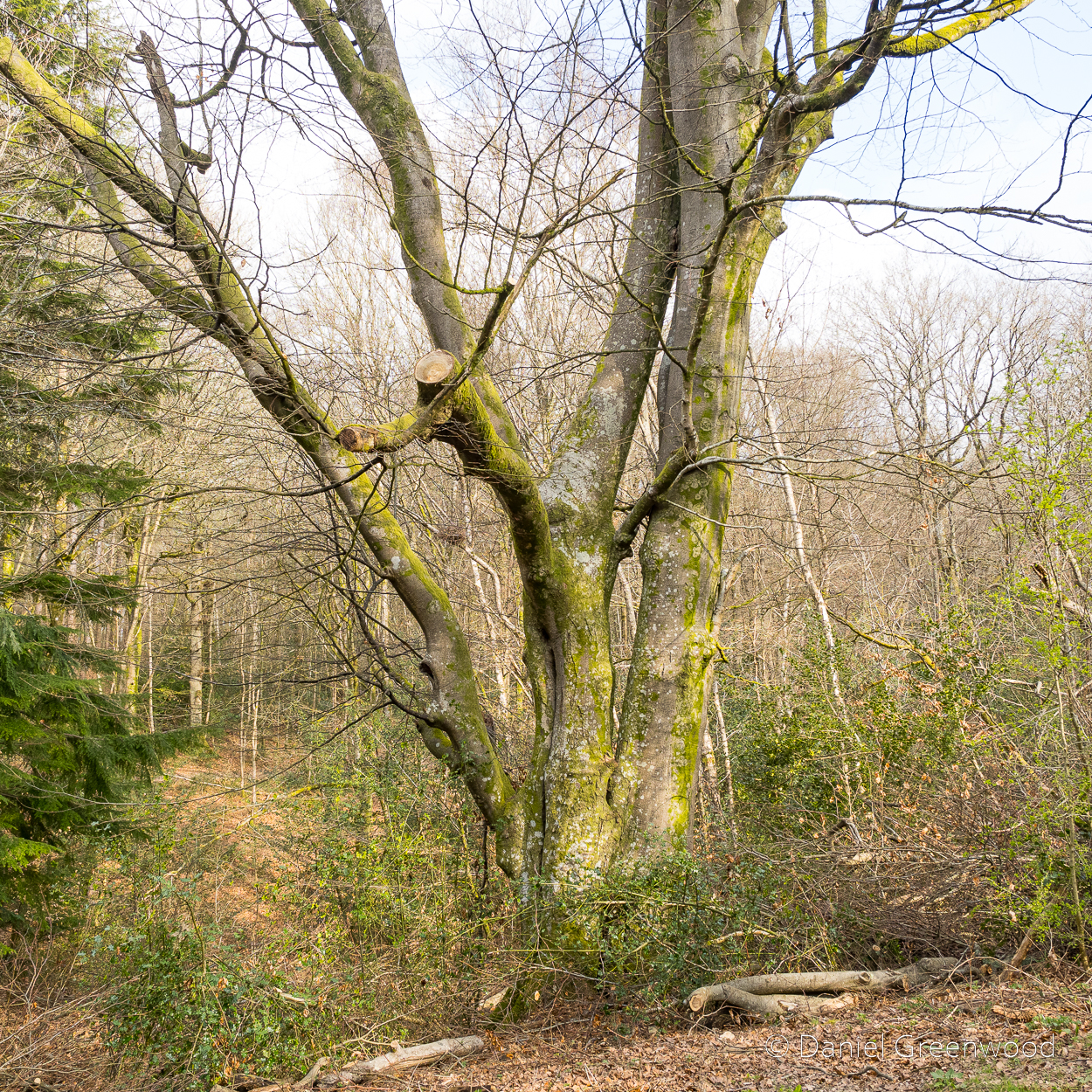
An old beech tree.

Bluebell leaves appearing below a mess of beech twigs and old leaves.

The grassy banks of the woodland ride. I often hear firecrest singing along these edges where the ivy climbs and a few evergreen trees like the cypresses grow.

Thanks for reading.

Britain’s complex relationship with the sycamore tree

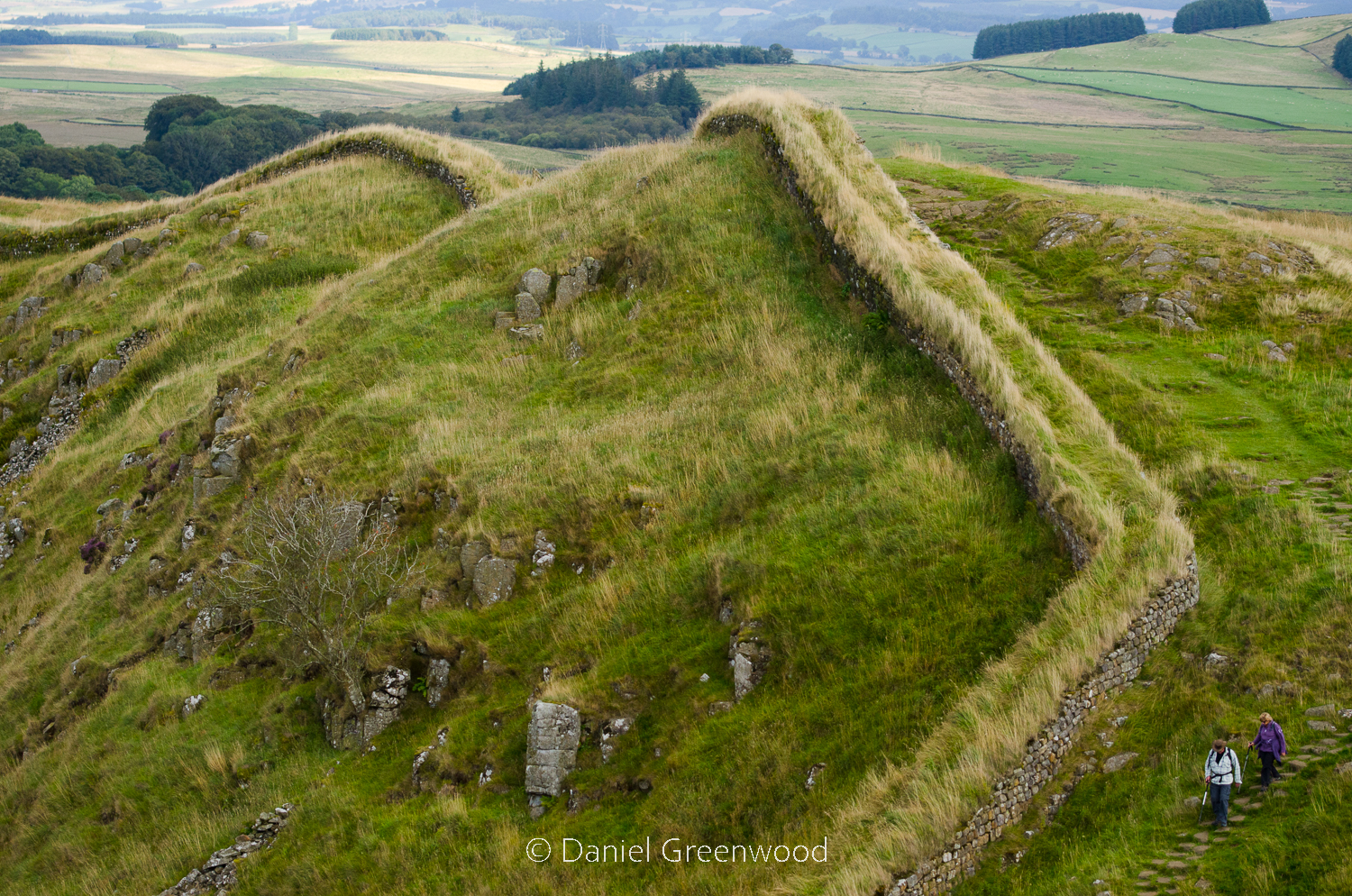
One tree story has captivated the UK media in recent months – the illegal felling of the 200-year-old sycamore that grew at Sycamore Gap, one of the most iconic sections in Hadrian’s Wall. For those who don’t know, Hadrian’s Wall is a Roman wall that is also a National Trail in Northumberland, northern England. It was Roman Britain’s northern frontier, the last holdout against the Scots further north.

The appalling felling of this wonderful tree, and subsequent degradation of Britain’s cultural heritage, has unleashed torrents of anger from many different quarters. The culprits, whoever they are, probably now realise that life will be far from simple for them going forward. The regret, you would hope, is immense.

A stretch of Hadrian’s Wall, August 2014

There is a need to understand why anyone would do this, and for it to be understood in the wider context of nature depletion taking place in England, often under Government sponsorship. We should consider infrastructure projects like HS2, which have felled far larger and older trees, and degraded our landscape heritage in ways that have not been seen in a long time. And it’s not a project that is going particularly well.

I don’t want to go on about tree felling misery too much. Instead I thought this would be a useful opportunity to look at the place of sycamore in Britain. It’s not exactly everyone’s favourite tree, but I do love it. If you have any perspectives on sycamore, please feel free to contribute in the comments.

The helicopter tree

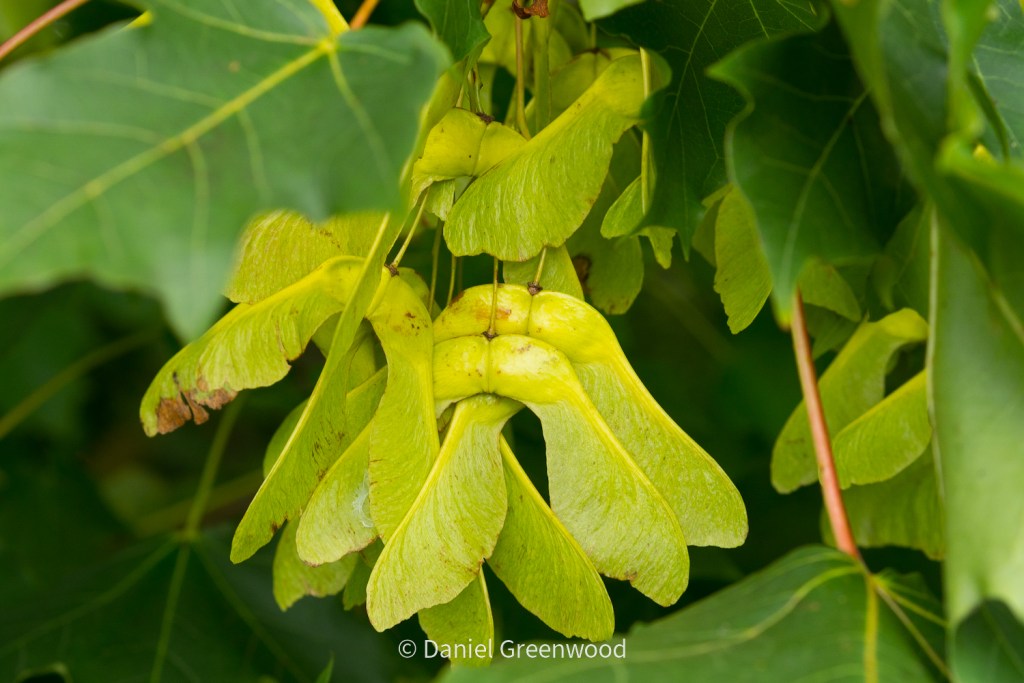
As a child my relationship to trees was about seeds rather than leaves. Acorns, conkers, and ‘helicopters’ were the ones I knew. ‘Helicopters’ was the game we would play in the playground throwing the winged seeds of sycamores into the air to see whose landed first. The seeds spun as they fell from the sky, a very happy memory of childhood nature connection.

It is strange how as children these seeds were used as tools of competition, with conker matches taking place via attached strings (a hole had to be drilled through the middle of the conker) and the seeds smashed against each other until only one was left in one piece. Conkers in this instance are the nuts of horse chestnuts.

Winged-seeds are not uncommon in nature, with birch seeds being one very effective winged-seed that can travel for miles and sprout in many different landscapes.

A lonely sycamore on Cissbury Ring, West Sussex in 2020

An unloved ‘non-native’?

In woodland management circles sycamore is often viewed as a non-native ‘weed’. People hate it! One problem is that its place in Britain is not fully understood, and there are some reversions to arguably xenophobic views of ‘non-native’ species. Oliver Rackham said that sycamore is either 400 years a British tree or from the Roman period (43-400AD). Though it probably had human help in ‘arriving’ in Britain, it has happily naturalised in many places. It’s likely to have been in Britain for longer than 400 years (see below).

Its lack of popularity among land managers, and particularly volunteer community groups (for some weird reason), is that it’s not believed to support a lot of insects or have expansive fungal relationships. But some of these ideas are contested, and I have seen sycamores in the Scottish Highlands that are dripping in lichen, moss and algae.

Sycamores hold a high density of aphids in the spring which makes them an important foraging resources for birds like blue tit, house sparrow and other small passerines during the nesting season. We have lost massive amounts of insect biomass in England since the 1980s, so sycamore has a big role to play in restoring that.

The Birnam Sycamore

In 2012 my late uncle Joe took me to see the Burnham Sycamore, an ancient and gigantic tree in Dunkeld in Perthshire. This tree is said to be 300-years-old, pushing very close the idea that it has only been in Britain for 400 years. I haven’t seen a sycamore of this size since, but it goes to show that it could become one of the giants of the British Isles, given time.

Another special sycamore that has now been felled – seen here in Widecombe in the Moor, Dartmoor June 2019

A potential replacement for ash?

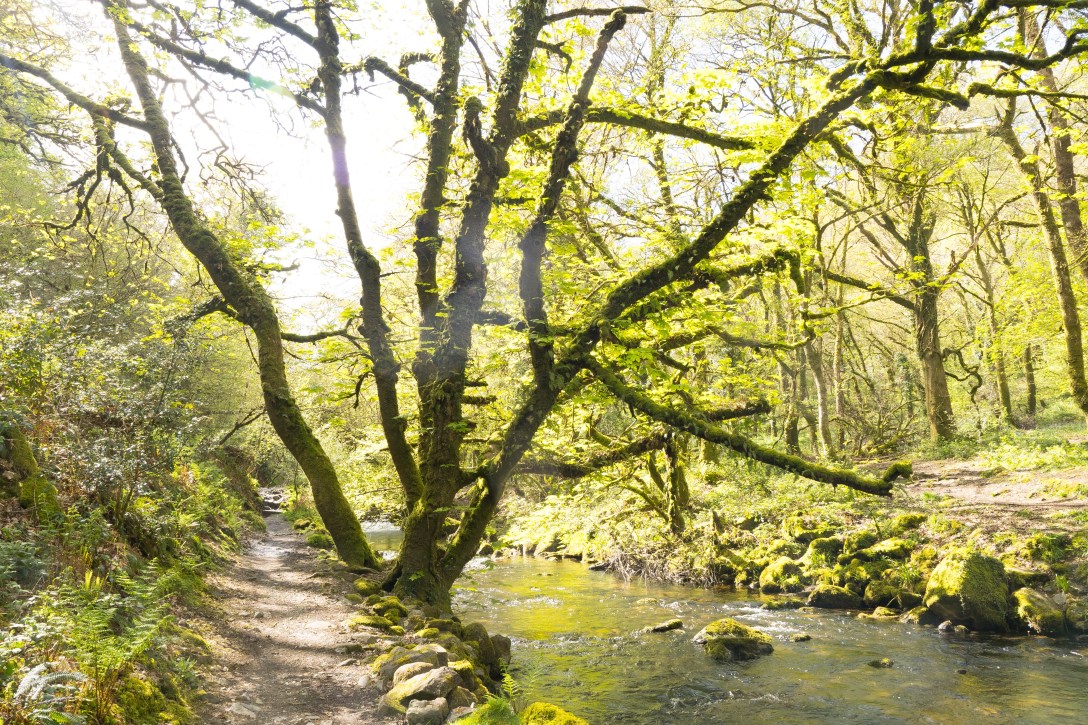
The wet and cooler climates of Britain and Ireland provide a happy home for sycamore. In Dartmoor National Park in Devon, sycamore grows in places where ash no longer can due to its severe dieback. Again it can be seen festooned with mosses and lichens, providing habitat for lots of different organisms. It seems to enjoy the ‘Celtic landscapes’ of Britain and Ireland and their high levels of rainfall, just like the lichens and mosses it hosts.

Sycamore woodland along the river Taw in Sticklepath, Dartmoor 2023

New self-seeded woodlands are rather unloved by most land managers in Britain, but with so many tree diseases affecting native trees, sycamore’s ability to create new woodland from scratch is significant. Ash is no longer able to create new woodland, whereas sycamore can. As a pioneer species it can create the condition for the ancient oak and beech woods of the future that are loved by so many.

Squirrel damage

In London, sycamore is struggling to reach maturity in some woodlands. This is because of the actions of grey squirrels, another non-native but classified invasive species that, unsurprisingly, divides opinion. Squirrels strip the bark of sycamore in summer, probably to gather material for their drays. Perhaps they are also aware of the antiseptic nature of the tree, a bit like how some birds of prey add oak leaves to their nests as a natural insecticide. The impact of squirrels results in a mess of dead brown leaves and fragmented twigs. It veteranises a tree but usually at an age too young to make them of long-term ecological value.

Spoon-maker’s dream

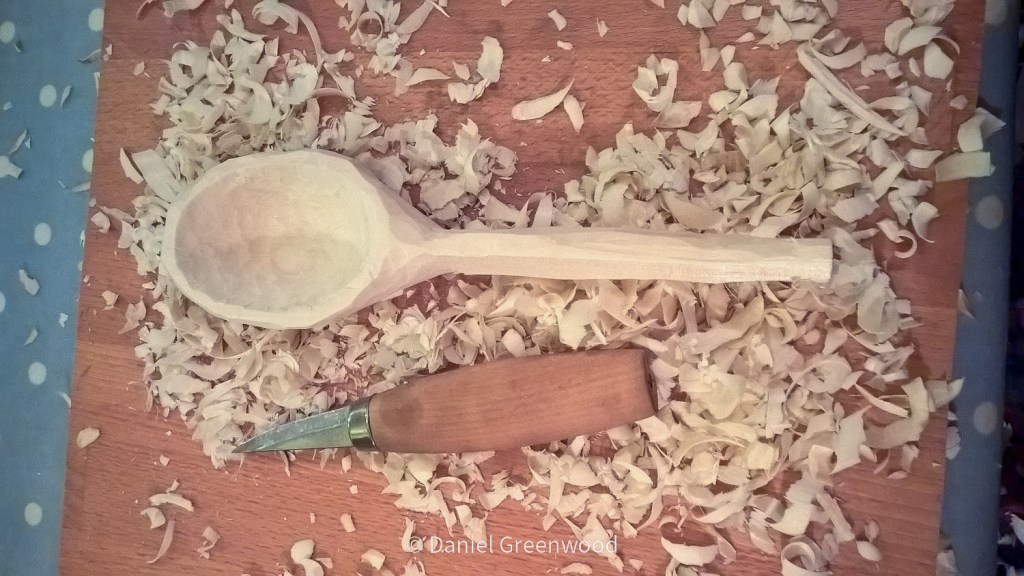
For anyone who’s dabbled in whittling, sycamore is one of the absolute best options available. It is naturally antiseptic and has a lovely soft and smooth wood for carving when fresh. There are untapped industries in this kind of woodland produce that could have reduce the demand for plastic utensils and other wooden products from questionable sources.

So, as many people mourn the illegal felling (or maybe coppicing?!) of the sycamore gap tree, it gives us the chance to see where this wonderful tree species sits in our lives. It appears that the fondness is far greater than people realised.

Thanks for reading.

I write these blogs in my spare time because I want to raise awareness about the beauty and diversity of our landscapes. If you enjoy reading them you can support my blog here.

Can you really ‘transplant’ an ancient woodland?

I was listening to Nicky Campbell’s BBC Radio 5 Live call-in the other day when a comment from one of the guests stopped me in my typing tracks. The subject was whether the government should ditch the midlands/northern leg of High Speed Rail 2 (HS2) from Birmingham to Manchester, which they now have scrapped.

The rail expert said that he had ‘regrown an ancient woodland’ with acorns from a felled or cleared site during the creation of High Speed 1 (HS1), the line that runs from Kent to London St. Pancras International. There was no confirmation of which woodland the man was talking about.

Nicky Campbell did question this clearly unusual comment about ‘ancientness’, but it wasn’t final and the rail expert had the last word. Let’s look at the facts.

Wood anemone, an ancient woodland indicator plant

Ancient woodlands are wooded landscapes home to assemblages of particular species relevant to their locale (trees and wildflowers, fungi, invertebrates) that have been on maps since the year 1600. Their soils are rich in fungi and invertebrates, ecosystems that have developed over a very long time.

So is it possible to remove this landscape and put it somewhere else?

HS2 has been trying. They have been moving soil and, apparently, in some cases trees. This method says so much about our relationship with landscapes today – we can just move things around like pieces of Lego, and surely everything will be fine?

In my view, the equivalent of this is wheeling a patient out of a hospital and leaving them in the car park. ‘There you go,’ the doctors might say. ‘Consider yourself replanted.’

It’s like taking the Mona Lisa and chucking it into the sea.

To some ecologists it’s just beyond belief.

What is so problematic about this rail expert’s statement, beyond the obvious? It’s greenwashing from people, intentional or not, who profit from development of ancient woodland, or who think their expertise in one area allows them free reign elsewhere. I’m sure there are housebuilders out there lamenting environmentalists who think they are also experts in constructing properties.

This kind of greenwashing is a green light for bad planning, dodgy development and accelerated destruction of England’s already depleted wild and natural places. I think it’s important to challenge it when it does rear its head. Once an ancient woodland and all its wildlife and heritage is gone, it’s not coming back.

Thanks for reading.

Somewhere between a cuckoo and a high speed train

Woods under threat from HS2 – The Woodland Trust

The South Downs: old ash tree

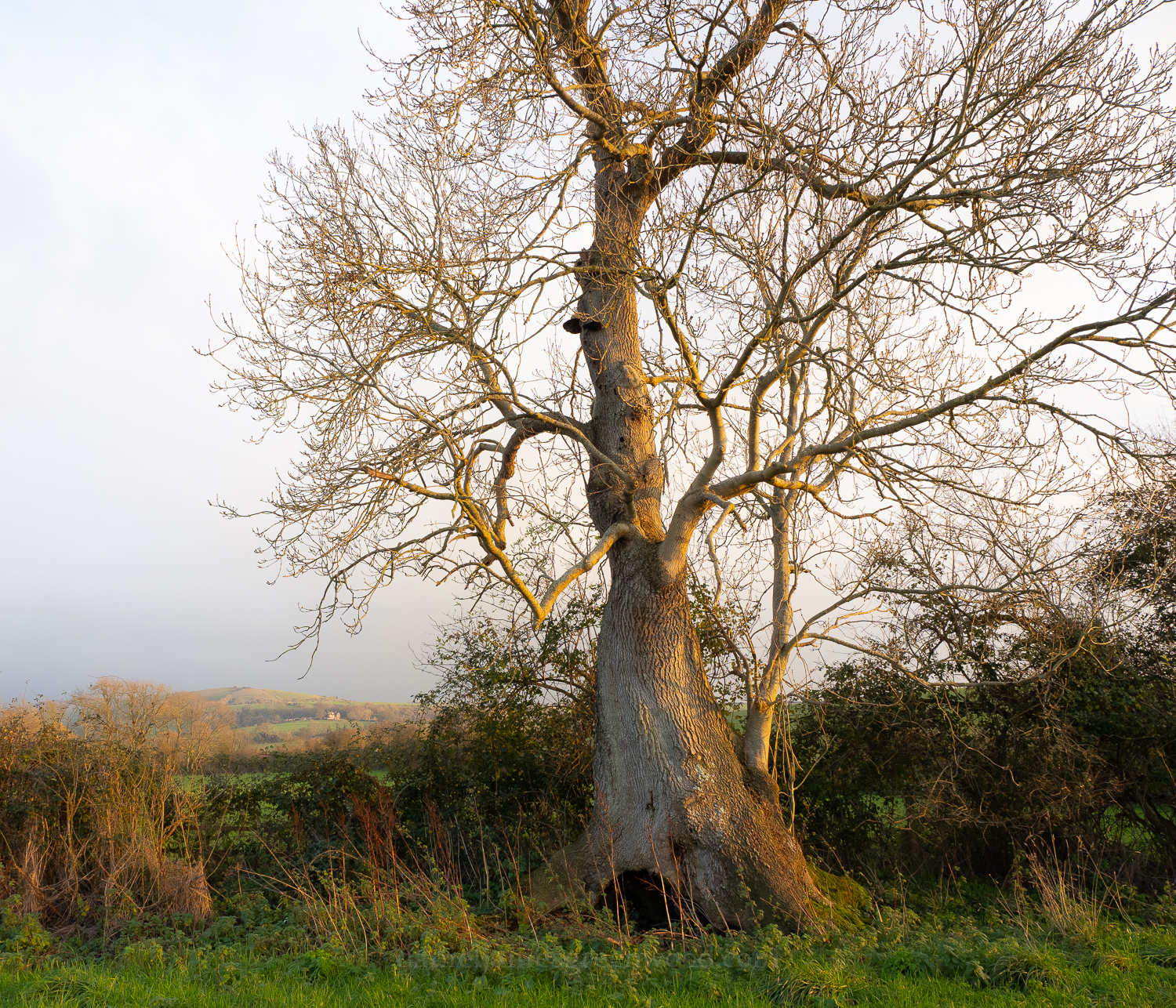
This week’s single photograph is an old ash tree in Amberley, West Sussex, taken on 2nd December 2022. This tree may once have been part of a laid hedgerow, hence its wider base. Ash trees are disappearing from the British landscape thanks to the invasive fungus known as ash dieback. I do try and record the older ash trees when I see them. This tree’s left-hand branch is pointing to one of the highest hills locally, Amberley Mount, up on the South Downs. The bracket fungus seen higher up the tree is probably shaggy bracket.

Thanks for reading.

Further reading: The South Downs

The cheeseburger fungus 🍔

It has been a torrid spring and summer for street trees in southern England. We are breaking all the records for extreme heat and also enduring drought conditions. Street trees have it tough, not only because of the lack of rain but because it can be hard enough for them to access water anyway.

That was hammered home with a tweet I saw recently of someone who had replaced the verge outside their house (not their verge) with plastic grass. The verge was also home to a tree, which will have probably suffocated due to lack of air through the soil and only being able to access water underground.

That said, it has been known for tree roots to seek out water over long distances. Some trees will cross underneath roads to quench their thirst. This becomes increasingly more understandable when you learn that a tree’s roots often extend twice the distance of their height in length under the soil.

Weakened trees on city streets almost always end up with wounds that they struggle to heal, leaving openings for fungi to invade. It is perfectly normal and natural for fungi to grow on trees, and many of them are beneficial. They can help to remove excess dead wood and also act collaboratively with a tree’s roots to trade nutrients.

Some fungi will cause a tree to fail mechanically or biologically. Some will just look like a massive vegan cheeseburger attached to a tree.

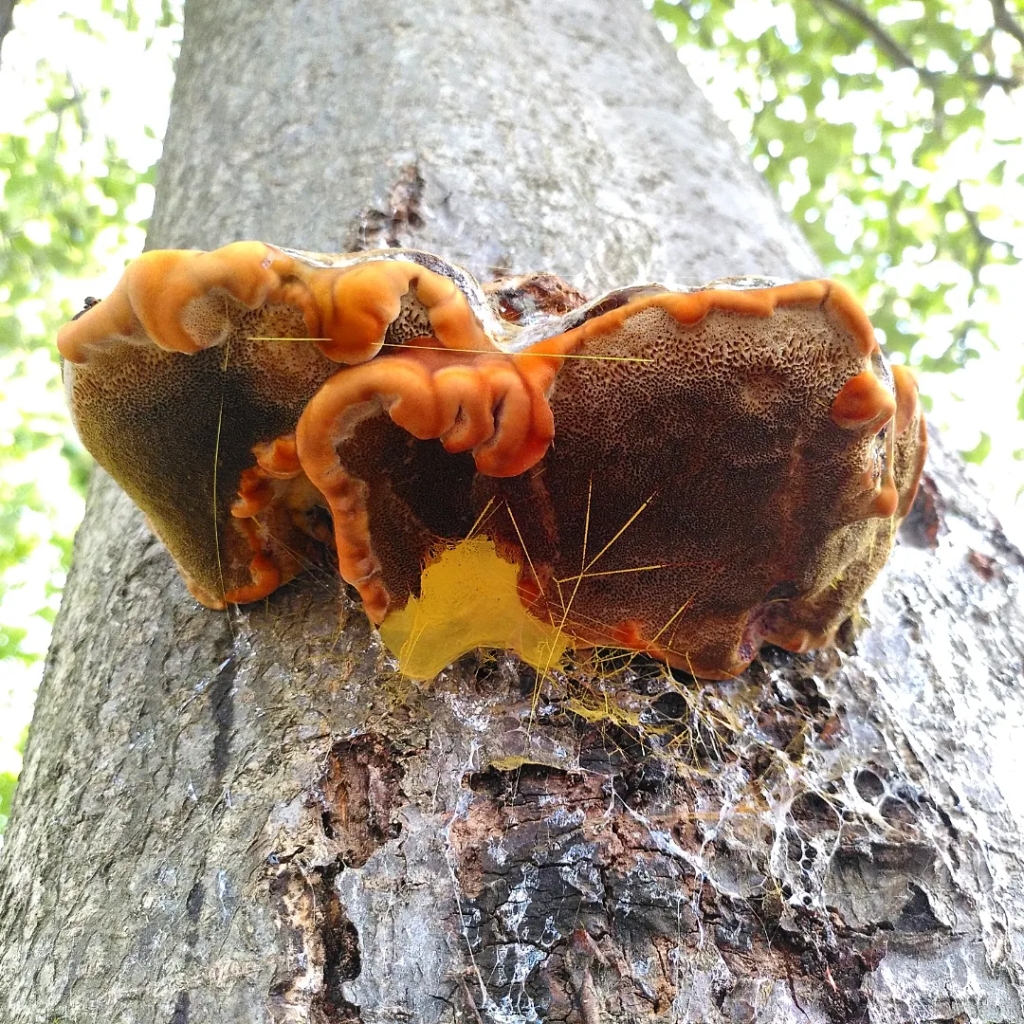
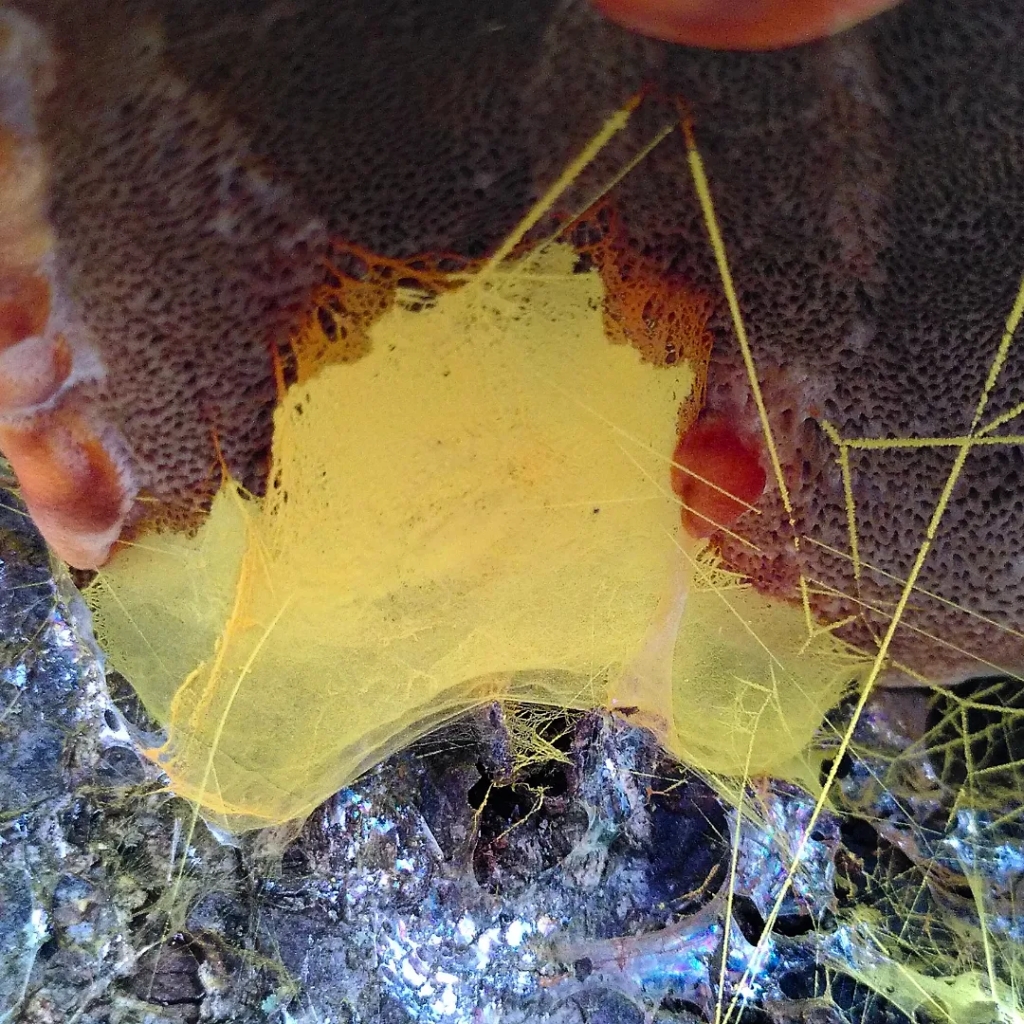
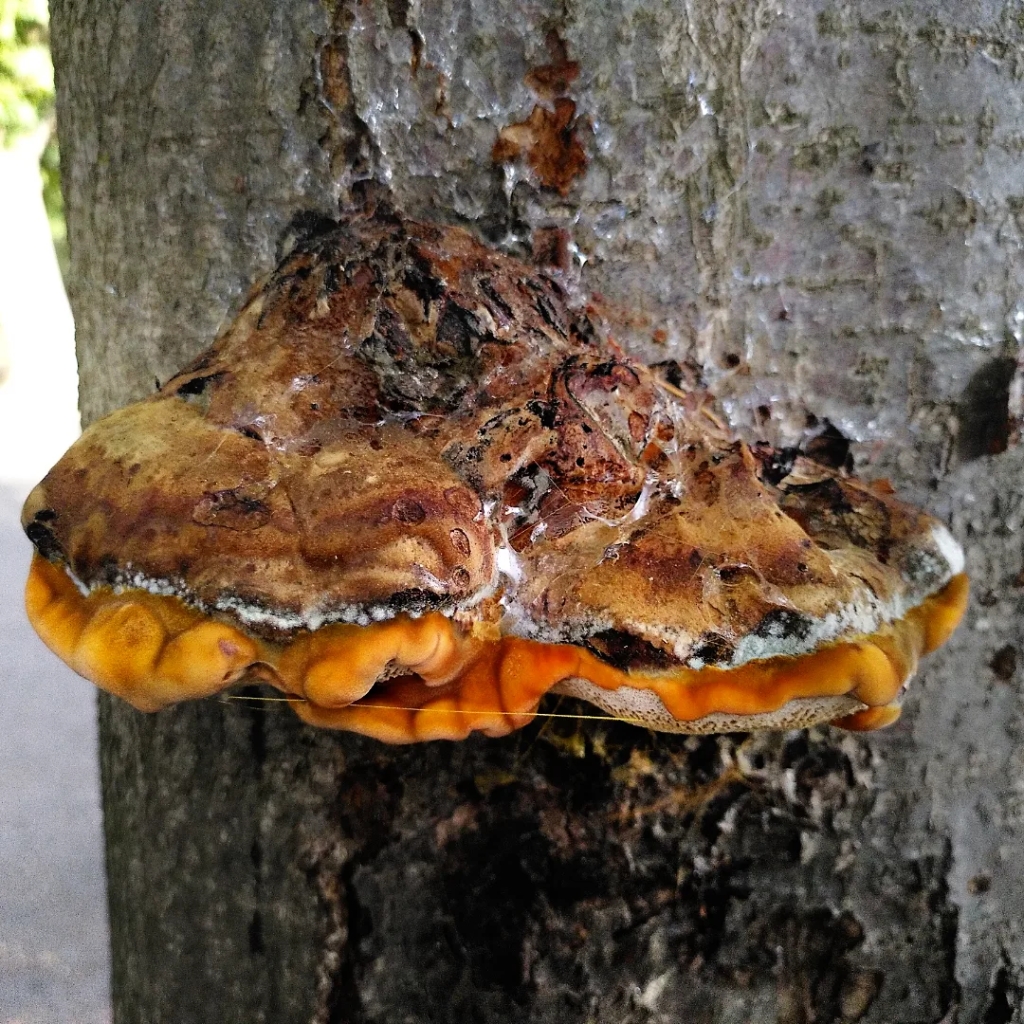
I encountered this bracket fungus on a street tree in south London recently and was amazed by the yellow spider silk and webbing. This is the product of the yellow spores the fungus evidently produces, so miniscule that they attach to the sticky silk and turn it fast-food cheese yellow.

The spider that made this web must really be confused by this situation. Perhaps it’s happy with the random redecoration that’s occurred. I wouldn’t mind, it’s actually the colour of my bedroom wall!

I am fairly certain this is Inonotus hispidus or shaggy bracket. It’s a surprise to see it at eye level, whereas it’s usually very high in a tree. You may have seen it as a black fungus sitting at the bottom of a tree trunk. By that point it has finished fruiting and has fallen from its perch. It’s usually on ash but on this occasion was on a whitebeam (Sorbus). If you go walking in an ash woodland at this time of year do take a moment to crane your neck and see if you can spot one up there in its shaggy glory before it comes crashing down to earth.

Thanks for reading.
More mushrooms

Latest from the Blog

November 2025: beware of pity

I’ve had a burst of American visitors in recent days (to my blog, not my house). So thanks for visiting, y’all, and sorry about the year you’ve had. You may have noticed I’ve slipped to monthly posts on here. Between April and October I posted blogs every Monday without pause, which is a tricky task…

Summer-autumn 2025: unveiling the sun

Here’s my seasonal update of stuff you don’t need to know about, but then welcome to the Internet. What I’m writing Soon I will be self-publishing my third poetry collection, Fool’s Wood. It’s seven years since my last one and this collection has taken longer because of LIFE. There will be a booklet and also…

Pulling up roots and planting “whitethorn” 🇮🇪

On a recent trip to Ireland, my Mum and I spent some time at a garden centre trying to find hedging plants. Having been poisoned by cherry laurel once, and having professionally removed a lot of it, that was not on the agenda. Instead, I was looking along the lines of a good old conservation hedge mixture, with an eye on the local ecosystem.

Northern Mayo is dominated by species like birch, hawthorn, rowan and willow. At the garden centre I was impressed by the beds of saplings where bundles of hawthorn or beech were available for the cost of 1 Euro a whip.

What interested me was that hawthorn wasn’t actually available whereas ‘whitethorn’ was. Don’t be confused for too long, as this is the same species: Crataegus monogyna. The woman who ran the garden centre didn’t understand me quite a lot of the time and then thought we were American. That’s a new one! Either way, we bought 10 whitethorn and 4 potted hollies (Ilex aquifolium) for two separate areas of hedging. Again, these are two species native to the landscape they were being plopped into. This is not an ethno-nationalist statement, it’s considering what will take in the soil, hydrology and what will benefit local wildlife most.

How I plant a hedge

I have been planting native mixed hedges since 2011, usually on public land like parks or nature reserves. I don’t go in much for extra things like plastic weed matting or anything like that.

The hawthorns were going into an area that had just been cleared of bramble, nettle and hogweed by my uncle. We’re fairly sure this area might have been used to grow potatoes by previous residents.

I began by breaking up the ground with a mattock, using both sides of the head to break the soil and to axe through the roots of nettle, bramble and hogweed. When I use a mattock I don’t wear gloves as it gives better grip. The mattock should be directed between the feet so as not to take a chunk out of your shin.

I laid the whips out (with help from my Mum) and planned to put 5 to a metre, but it ended up being about every 12 inches. I’m not fussed on doing this perfectly, the main thing is they survive. When the roots are in and covered by soil I press with my hands, not feet, as sealing the ground can block the space for gases and water to move through, potentially reducing oxygen to the plants.

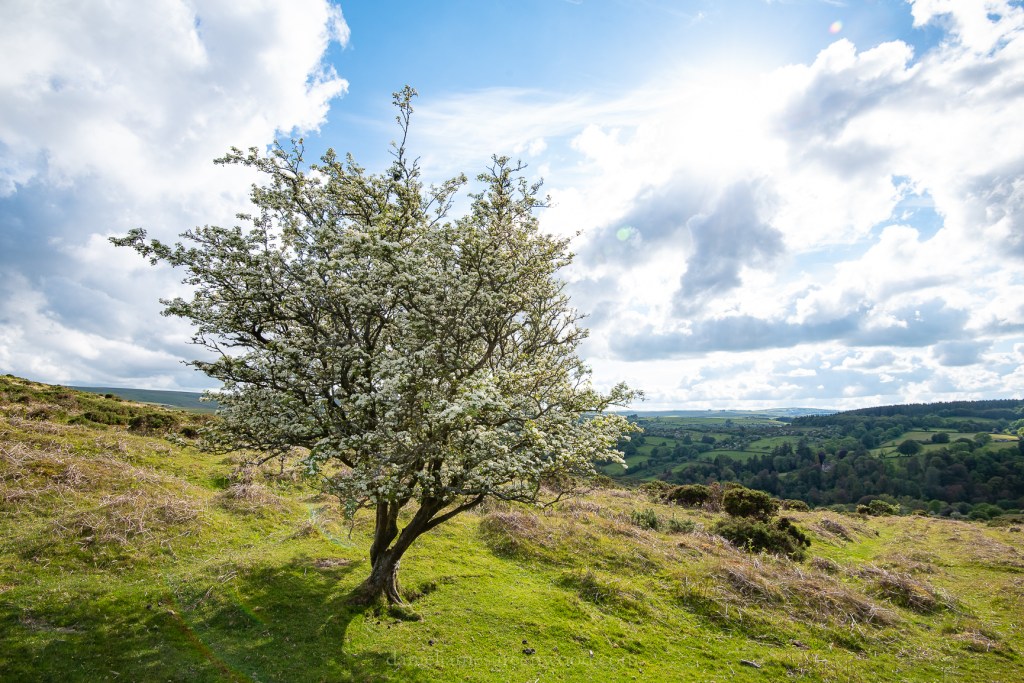
Hawthorn blossom on Dartmoor

Hawthorn in Irish folklore

Whitethorn, as they call it in Mayo, is a significant tree in Irish culture. This article by Marion McGarry tells you a lot about hawthorn’s place in Irish culture. Unfortunately it is seen as, well, unfortunate.

Then again, if it’s bad luck to cut them down it must be a really good idea to plant so many of them!

Thanks for reading.
Ireland

The South Downs: the Sullington yew

Sullington_yew_9-3-2020-7

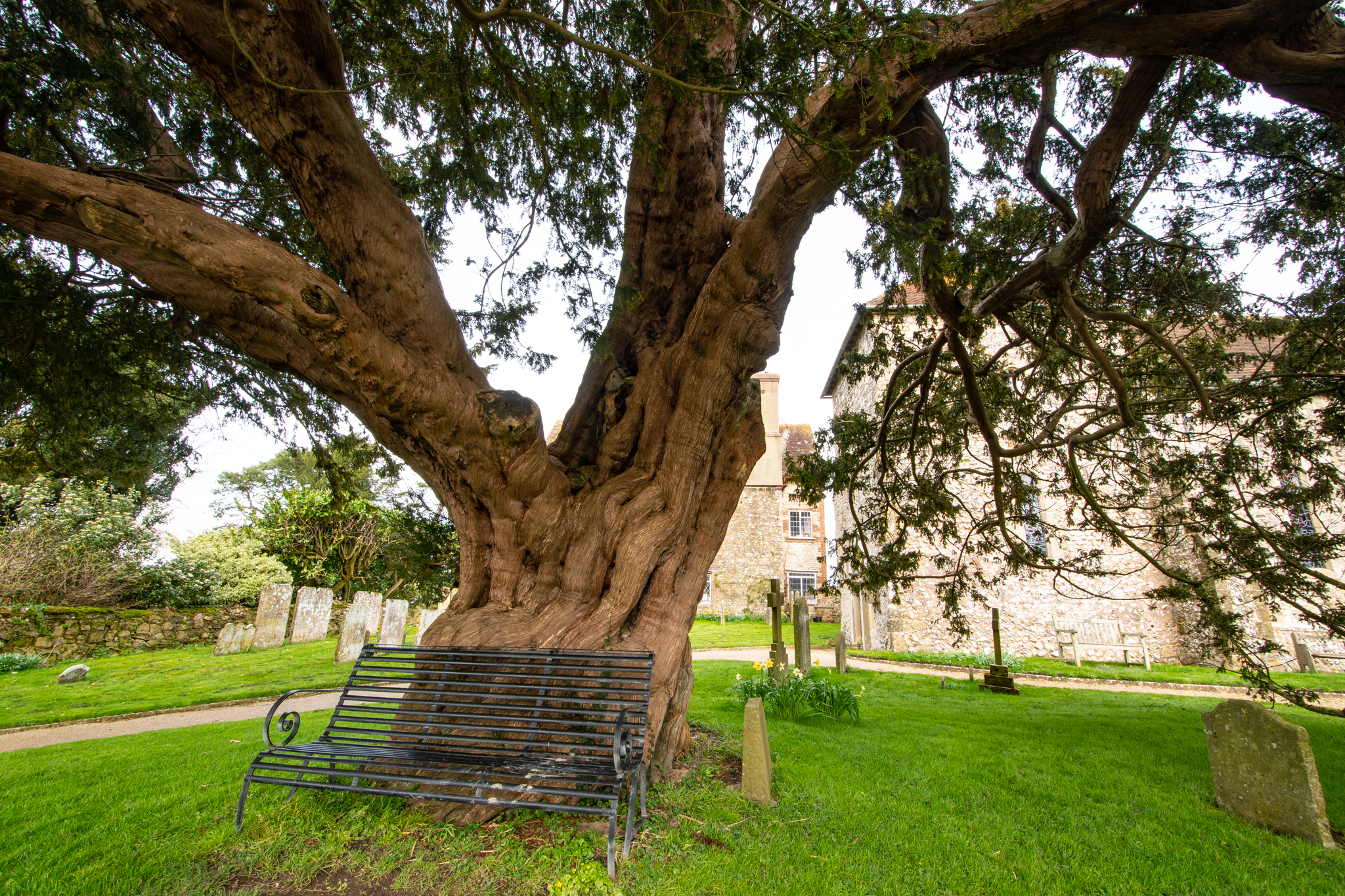
The Sullington Yew, Sullington, West Sussex

The South Downs is renowned for its ancient churches. Its chalk soils have also proven hospitable to yew trees. Some of the most extensive yew woodlands in the UK (if not Europe) are on the chalk of the North and South Downs in southern England.

Sullington_yew_9-3-2020-2

I had a couple of minutes in the village of Sullington at the foot of the South Downs close to Storrington in West Sussex. The village is made up largely of an ancient farmstead and the Church of St. Mary.

Sullington_yew_9-3-2020-6

The Sullington yew sits in the churchyard, supposedly 1200 years old. To me it looks like it could be younger due to its lack of hollowing in the heart of the tree. If it’s that old it would pre-date the church by several hundred years. It is true that many yew trees pre-date the churches they share a plot with. Yew trees hold strong spiritual significance to pre-Roman/Saxon Brits who were Pagan. Therefore churches came later, being Christian, on sacred Pagan sites.

Sullington_yew_9-3-2020-5

The church itself is built of flint, sandstone and other materials. Part of it is Saxon, meaning it survived the Norman Conquest of 1066. It is thought to originate from 1050.

Sullington_yew_9-3-2020-8

Here’s the tree on the Ancient Tree Inventory.


#FungiFriday: deadwood brings the disco

OLYMPUS DIGITAL CAMERA

Fungi Friday: 24th January 2020

A week of blissful winter sunshine and endless starry skies, cut short by low clouds. What is the point of January, many ask. If fungi asked themselves that question, they probably wouldn’t be here and therefore nor would we. Nature does not disappear completely in winter. The paucity of species can help introduce us to new ones we never knew existed.

OLYMPUS DIGITAL CAMERA

January to me is a good time to find slime moulds. Yes, I suppose this is two straight weeks of cheating after last week’s lichen love-in. But if this is the only way to raise awareness about slime moulds, I don’t think fungi will mind. I had an hour to look through the wooded slopes of an old estate in East Sussex, to find this week’s quarry.

OLYMPUS DIGITAL CAMERA

There was very little fungi of the mushroom kind, in fact, none. But one of the bad funguys had been making itself felt in the wood. Ash trees had been felled after becoming infected with ash dieback. I used to monitor a woodland at the time of ash dieback’s arrival in the UK and have, since about 2014, watched it rocket across the country. In Sussex it is killing lots of ash trees that are under 50 years of age and the landscape of the South Downs is losing a lot of its higher woodland.

OLYMPUS DIGITAL CAMERA

Here you can see the effect of the fungus, though of course many other fungal organisms will be benefitting from the decay caused by the disease. The rot has moved from the outside in through what are the softer layers of waste wood. Had the fungus weakened two thirds of the overall mass, the tree would probably have fallen down. Lots of people walk under these trees, so that’s why they have to be pushed before the wind shoves them.

OLYMPUS DIGITAL CAMERA

I have been exchanging emails with a fellow macro photographer this week who has been spending hours looking for slime moulds. One day this week he looked for four hours and found nothing. I was lucky enough to walk straight outdoors for a few minutes and happened upon this epic spread on the tree above:

OLYMPUS DIGITAL CAMERA

No, slime moulds aren’t fungi, they’re not even moulds, which are another kind of fungus. I still don’t have the slime mould ID book so any help is welcome.

OLYMPUS DIGITAL CAMERA

The thing that amazed me about these slimeys was that you could barely see them, even when I knew they were there. They camouflaged so well with the glowering winter light. The photos here have been taken with a flash.

OLYMPUS DIGITAL CAMERA

I could have spent all day with this spread but only had an hour and my small camera. Up close they look like little black kalamata olives. Nom, nom and nom. Though inedible.

OLYMPUS DIGITAL CAMERA

The land managers had left lots of standing dead trees which is excellent. There is some epic misinformation going around about deadwood in woodlands and their contributions to forest fires. It’s guff aimed to misinform people, appeal to people’s fears (what a surprise) and promote the destruction of these habitats. In Britain our native woods of oak, beech and so on, are far too wet to ever burn like a heath.

OLYMPUS DIGITAL CAMERA

The crevices seen above are the perfect places to find slime moulds in cold weather. This is because they provide microclimates and protection from the elements.

OLYMPUS DIGITAL CAMERA

Here I found some old stalkballs which are fungi (or maybe a species of slime mould, am not quite sure), plus the real life of the party:

OLYMPUS DIGITAL CAMERA

DISCO. I’m not sure which species of disco the blue cup fungi are, but the orange fruiting body is definitely a slime mould. They were few and I couldn’t get a good angle on them.

OLYMPUS DIGITAL CAMERA

Thankfully this blue disco brought the party on Fungi Friday.

Please do share your finds this week in the comments below. Also here are some fungi things of interest this week.

Thanks for reading.

First mushrooms appeared earlier than originally thought

More mushrooms