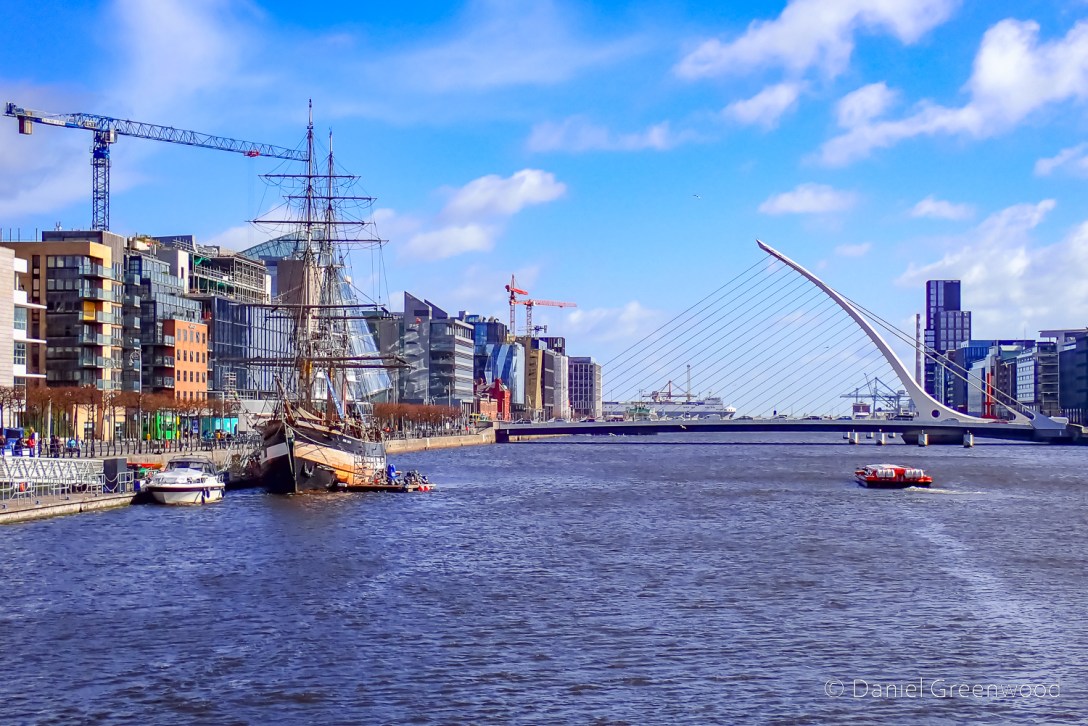
The River Liffey, Dublin, March 2024
2025 will be a year of catching up on last year’s photos. 2024 was a really busy year of travel and life events after the fallow pandemic years (2020-22).
I was in Dublin in March 2023 for – you guessed it – my stag weekend. It was more a spiritual visit, made by ferry, rather than an idiots’ weekend away. This post wouldn’t have been possible without my best man Liam’s work in booking the boat tour, the only one on the river.
For the visit I took my Olympus TG-6 Tough compact camera, but didn’t take photos as raw files so these are edited jpegs, which is obviously a crime against photography. The images from the water are taken through glass, so they have degraded even more (you probably won’t notice). The light was nice though, and image quality isn’t everything.
The title of this blog is a pointer to a lyric in the Radiohead song How to disappear completely.
Passing the Liffey is carved into my memories of Dublin having travelled so many times on the ferry, across and along the river in the car after disembarking. It’s also where my parents bought me my first Everton shirt in 1995.
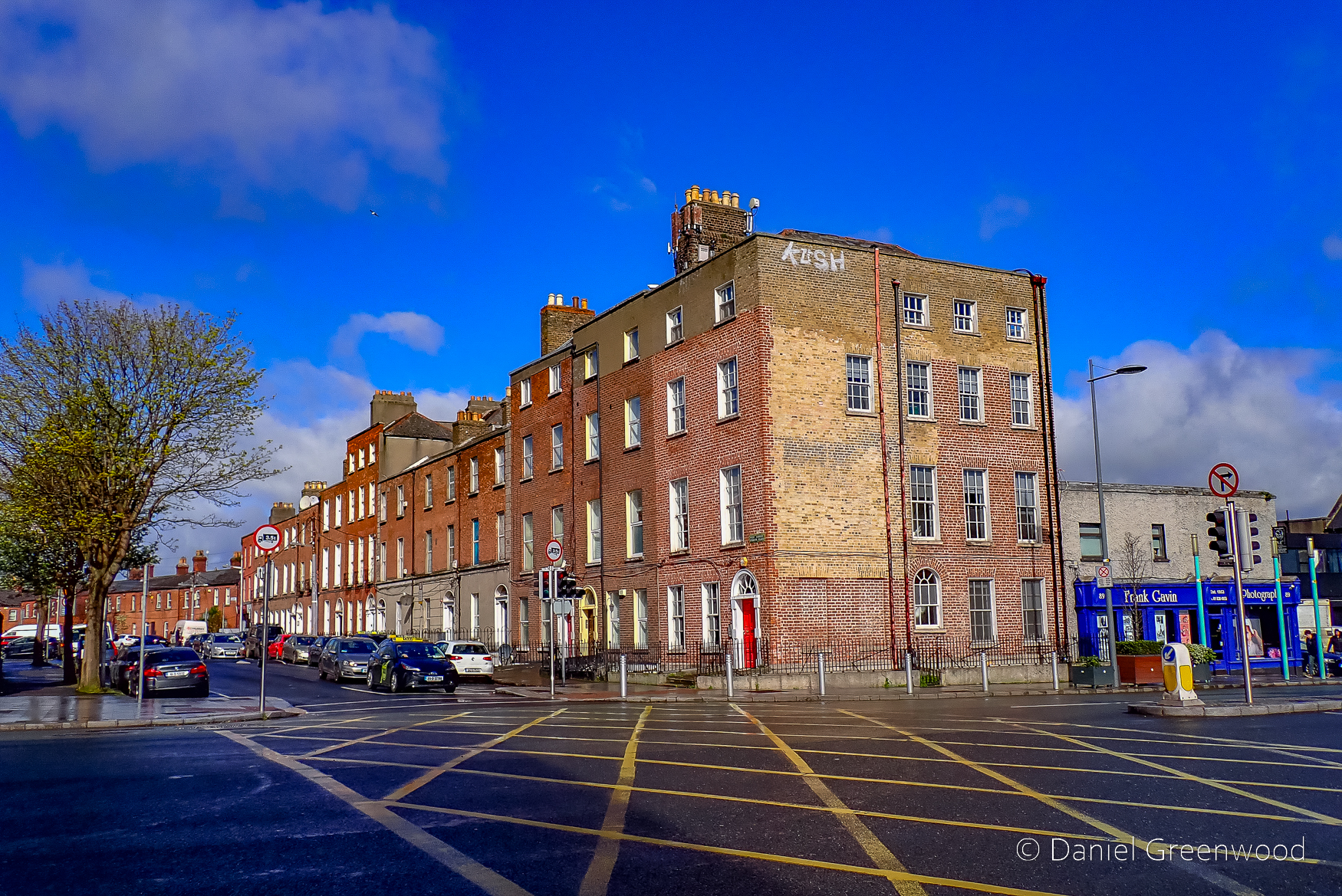
We were staying on the north side of the Liffey, the older part of Dublin.

Who doesn’t like some unofficial street sculpture – if it’s fly-tipping that’s obviously different. Now for a handbrake turn:
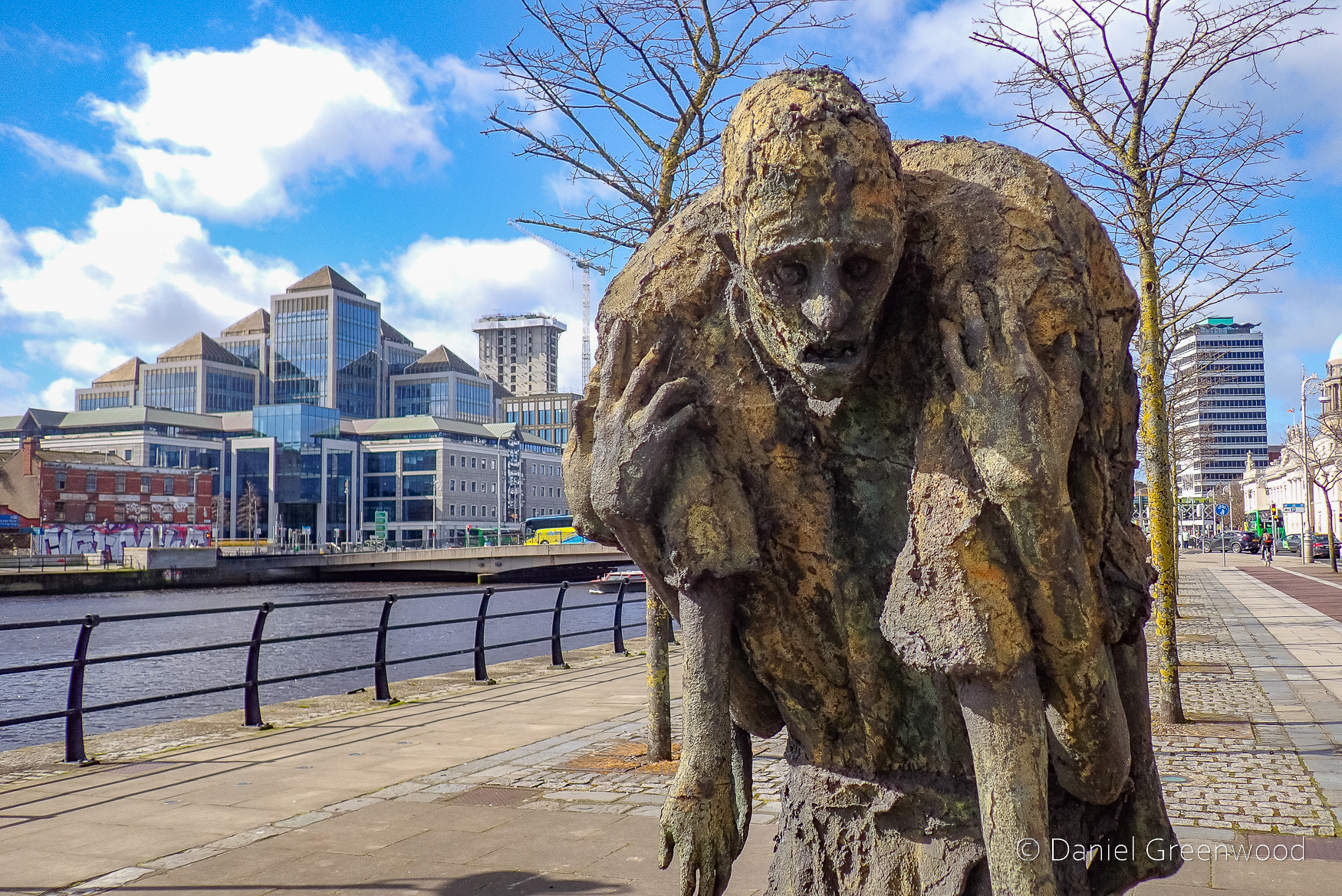
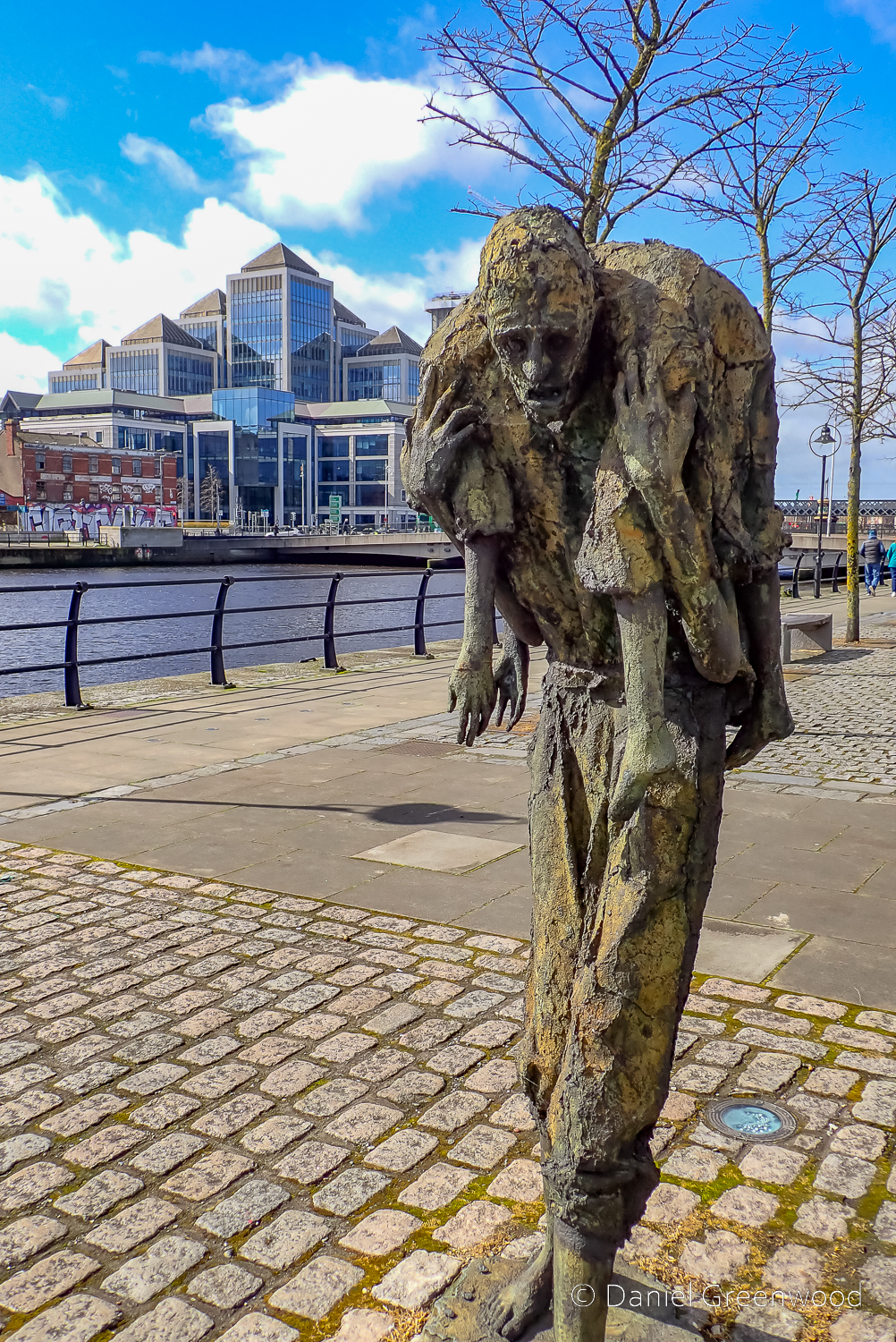
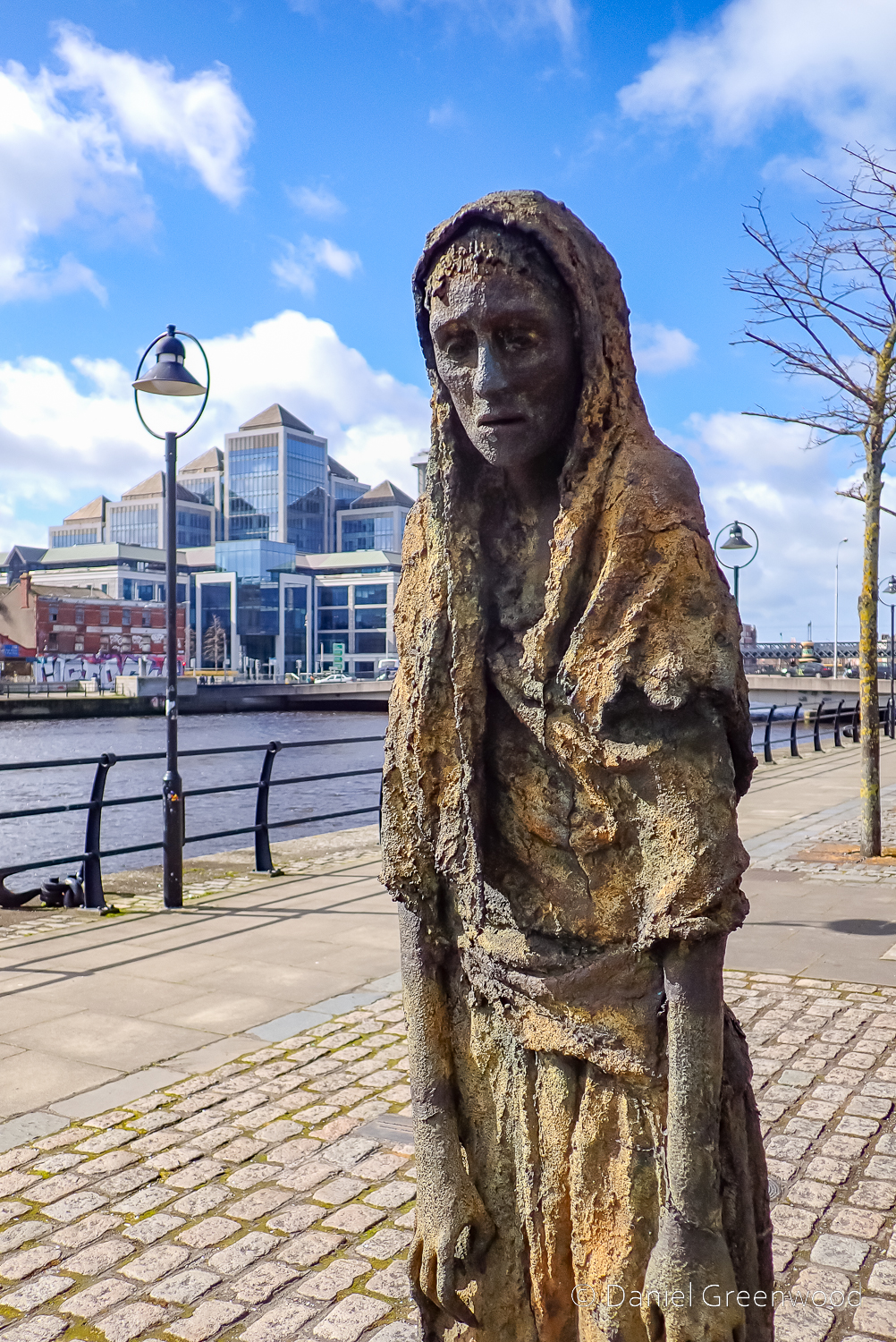

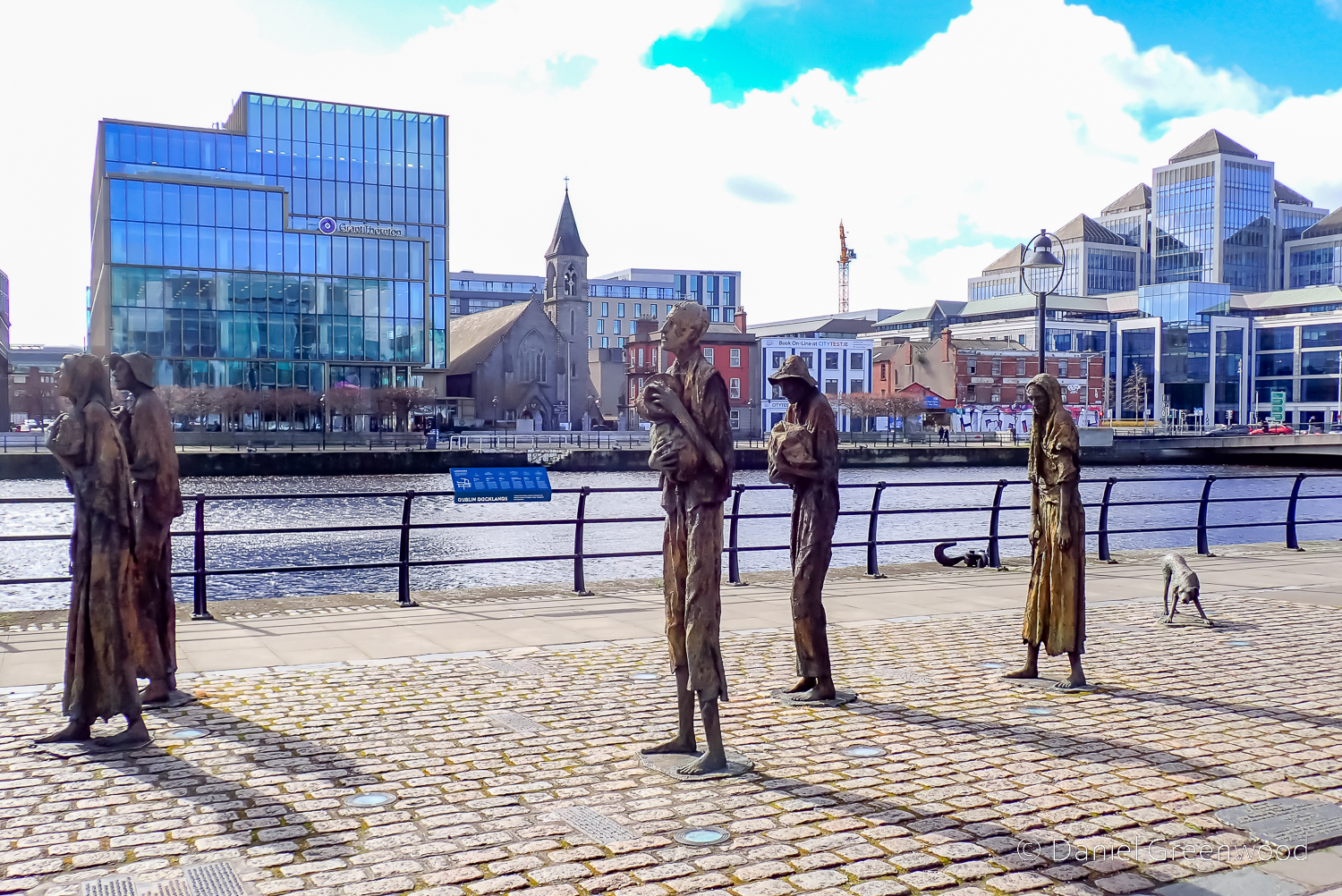
The Famine Sculptures are one of the most striking installations along the Liffey. They act to remind us of the millions of people forced to emigrate or leave their homes during the Great Famine (1845-49). It is a shocking event in British and Irish history and too few people in Britain are educated about it.
I don’t mean that from a place of “victimhood”, as one true British patriot put it to me once. It’s just that I’ve come to appreciate that the understanding of Irish history is very poor in Britain. Irish history is British history, too. There is so much more we could have learned in school about the role of the British Empire and how it explains the country we find ourselves in today.
On a lighter note, this Saturday Night Live sketch with Paul Mescal poking fun at those of us with ‘Irish ancestry’ is very funny:
From a personal perspective the famine drove my Mayo ancestors to attempt new lives in North America. The statues here are in place alongside where one of the “famine ships”, the “Jeanie Johnston” departed for New York:

The original Jeanie Johnston carried 2,500 Irish emigrants across 16 journeys to North America during the Famine.

You can see the Jeanie Johnston moored in the left-hand side of the image below right.

This is the Harp or Samuel Beckett Bridge, looking out towards the Irish Sea. The harp is a significant symbol in Irish national identity. During a walking tour we learned that the Irish government had to get permission from Guinness to use the harp as its national emblem, and with restrictions on how it could be employed.

Custom House dominates part of the north bank of the Liffey. It was burnt down in 1921 as the Irish Republican Army attempted to destroy tax records in a raid.
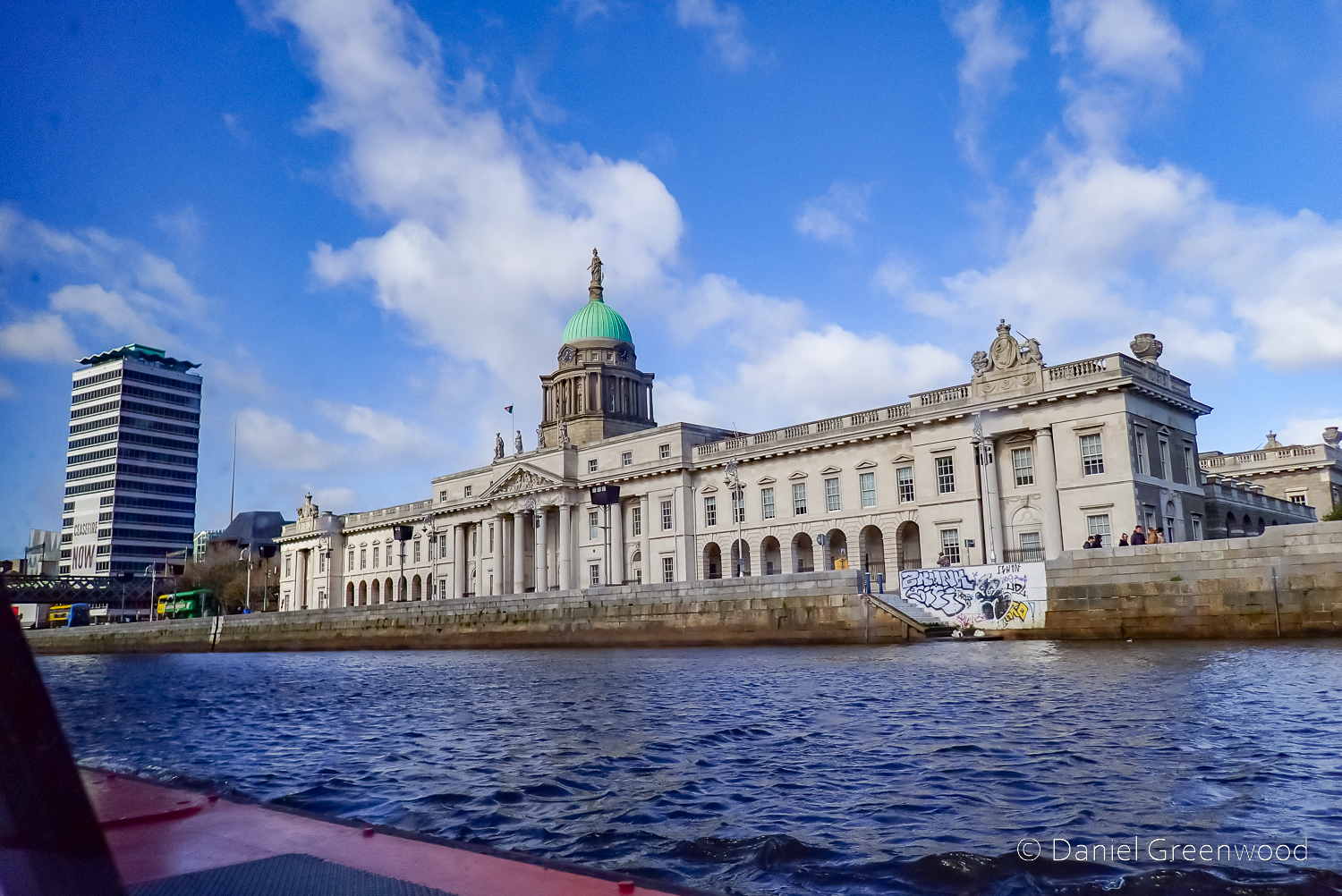
This building once managed the movement of goods up the Liffey into Ireland.

And here it is from street level. The tent on the left is where a person was rough sleeping. We were told that the river was once significantly wider than it is now.
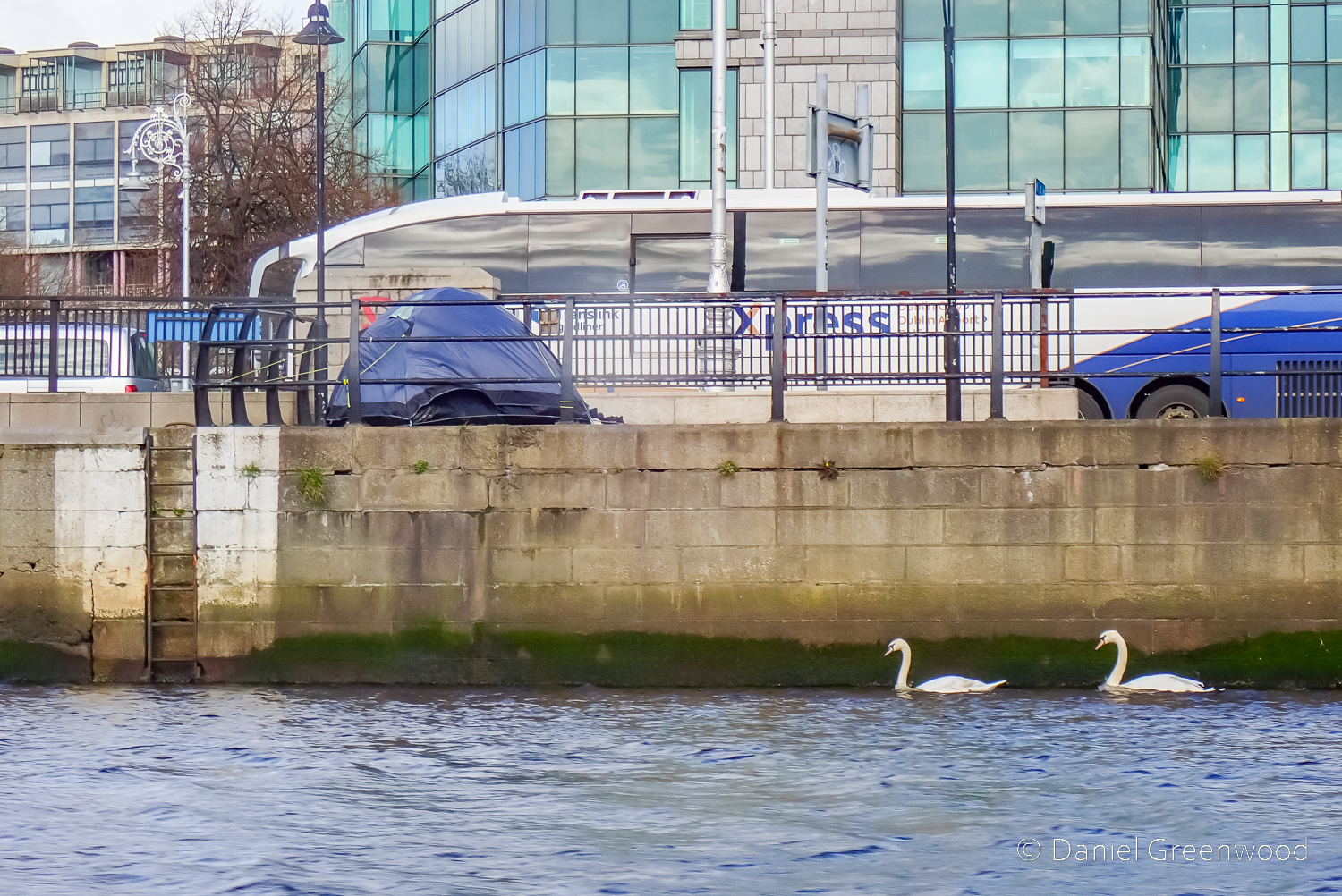
Two swans in the river on the other side – taken a good half an hour later, don’t worry.
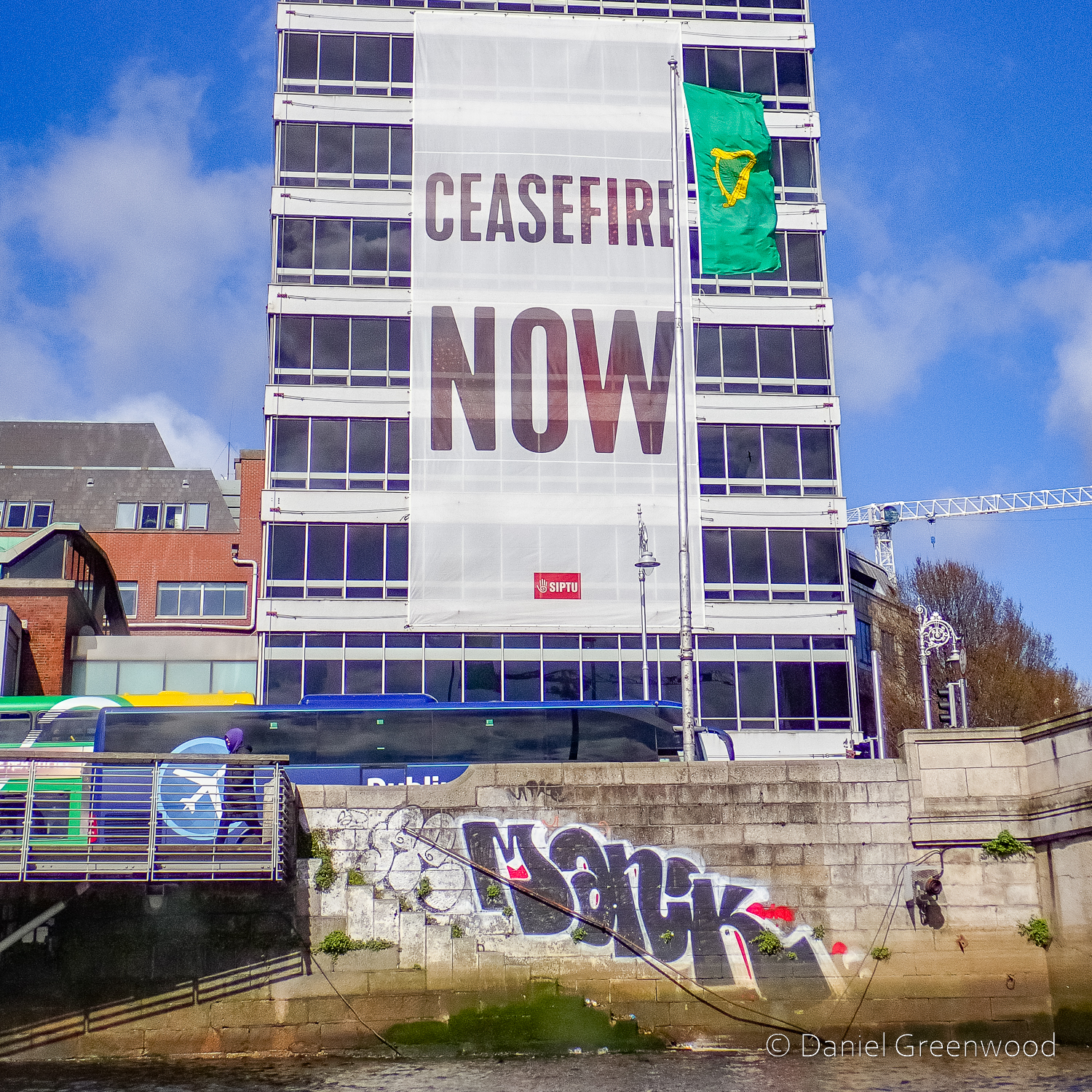
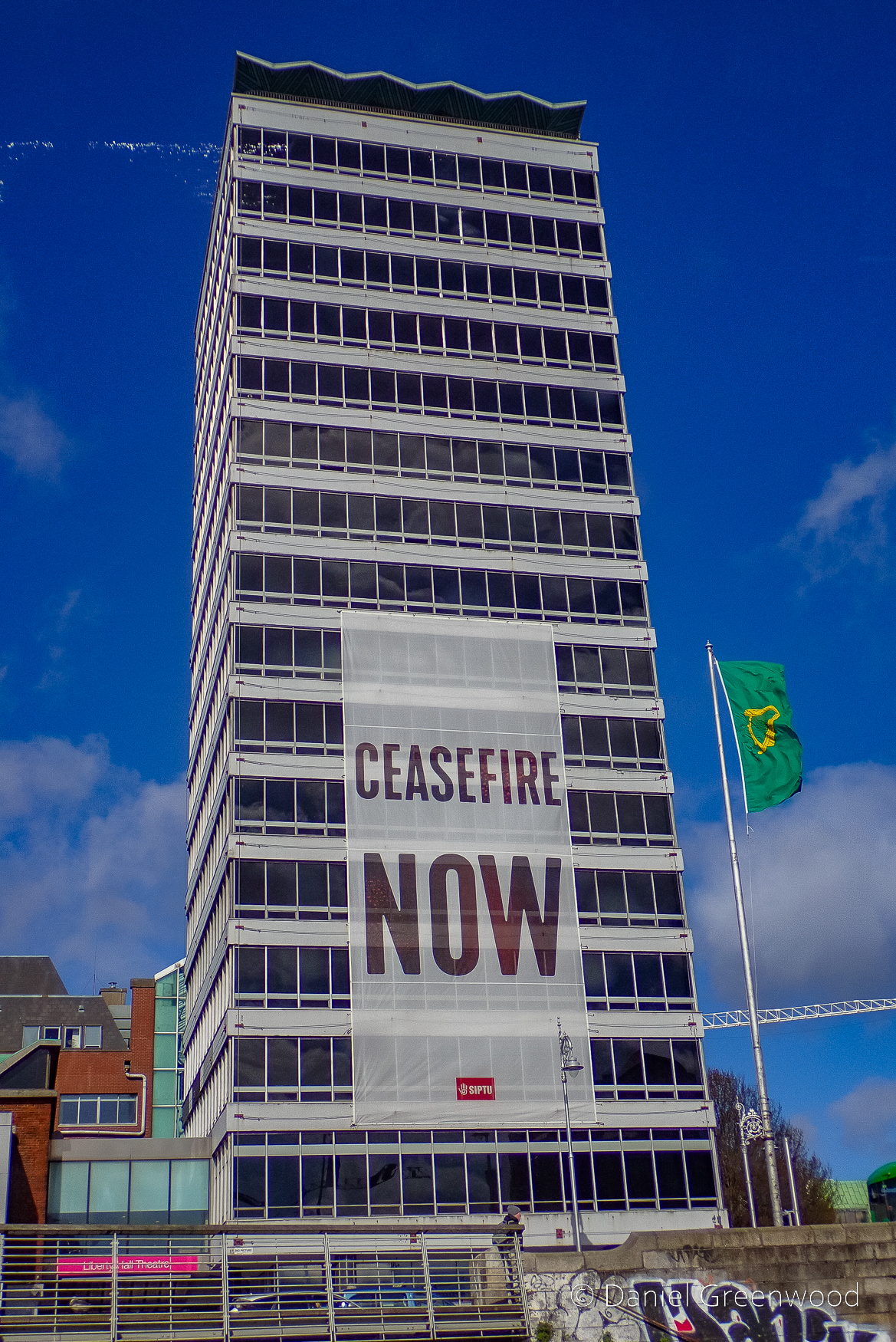
At first this tower looked disused but I’m not sure if it is. The banner’s related to the Israel-Hamas war in Gaza (at least 2023-present day). Ireland is outspoken on the need for a ceasefire, a two-state solution and for an end to the Israeli military’s occupation of Gaza and the West Bank. The banner seems to have the name of SIPTU – a trade union – branded on it. For the those who aren’t aware, the Palestinian cause is one of the most significant humanitarian and political issues for ‘the left’ in Britain and Ireland, probably more so than Russia’s invasion of Ukraine.

This barrel of a building is the Convention Centre, opened to the public in 2010.
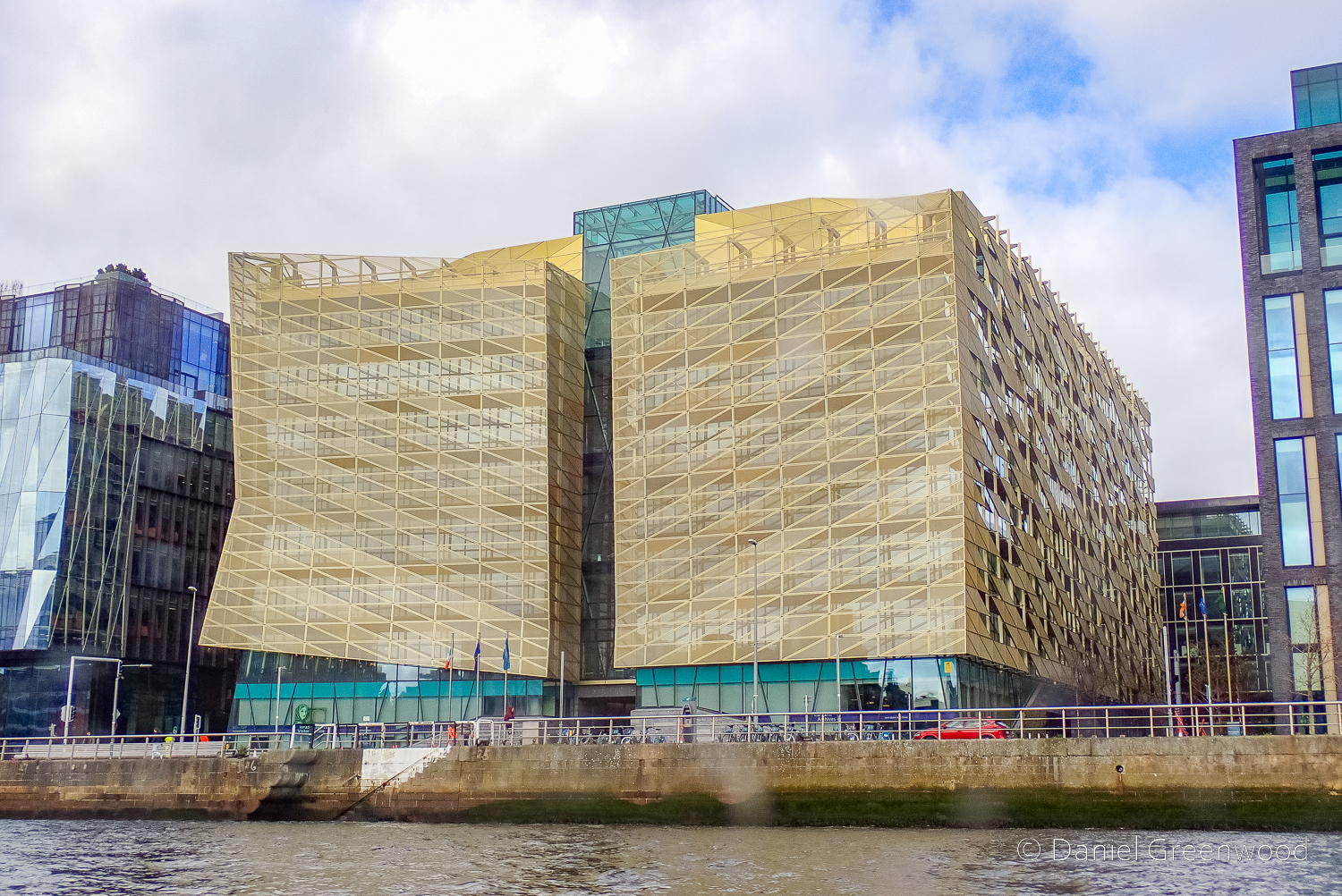
This is the Dockland Campus of the Central Bank of Ireland. The design on the side is supposed to give the impression of leaves rustling (or something) but it didn’t see that when we passed it.
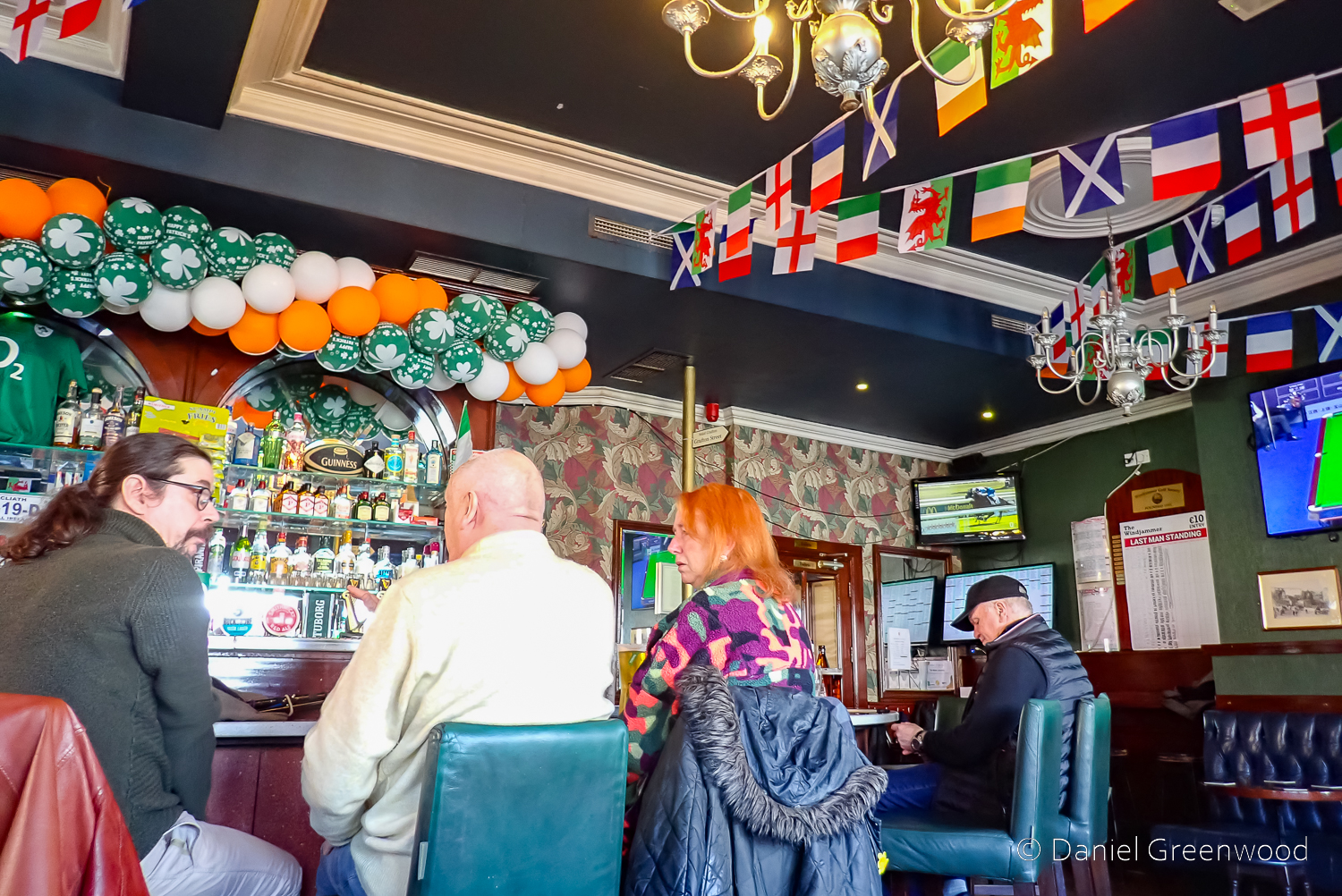
Here are some chilled out Saturday drinkers on the south side of the river.
I’ve got a post to come with images from the ferry leaving Dublin in August 2024, featuring seals, gulls and some interesting old buildings.
Thanks for reading.

















 Unlocking Landscapes