Welcome to my seasonal meltdown.
Regular readers (both of you) may be aware that my blog has become slower in posting, but the posts I am putting out are longer and reaching new depths. Not of depravity, but with more research and history included.
It’s something I spend a fair amount of time thinking about – what is the point of taking all these photos and writing all these words – what is it all for?
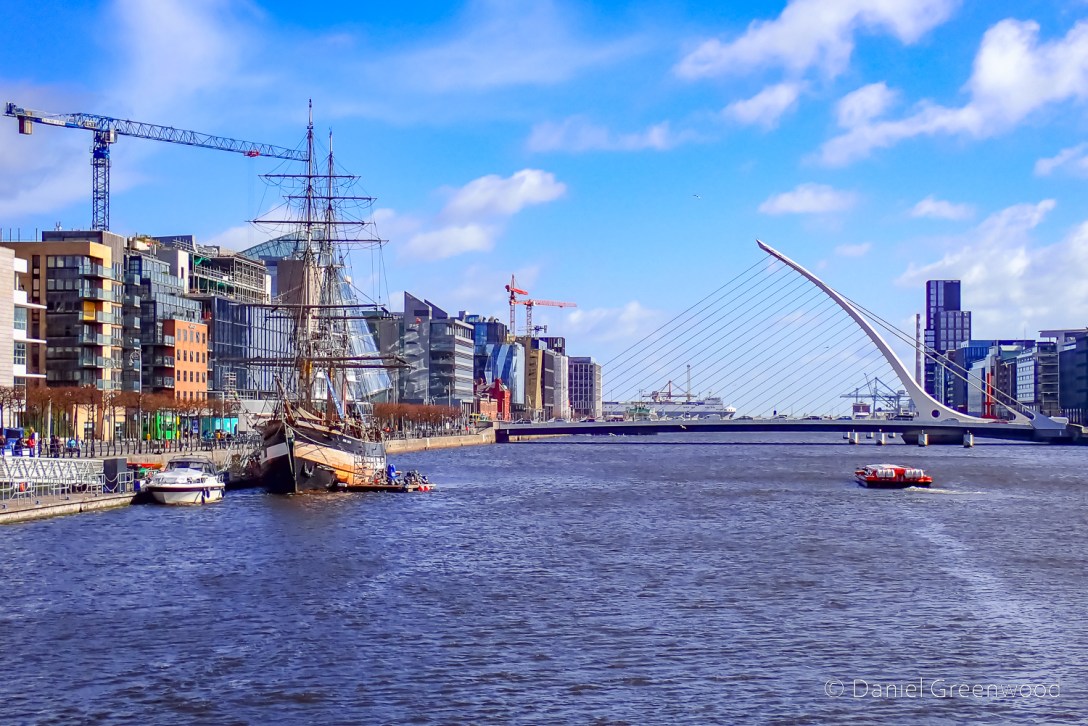
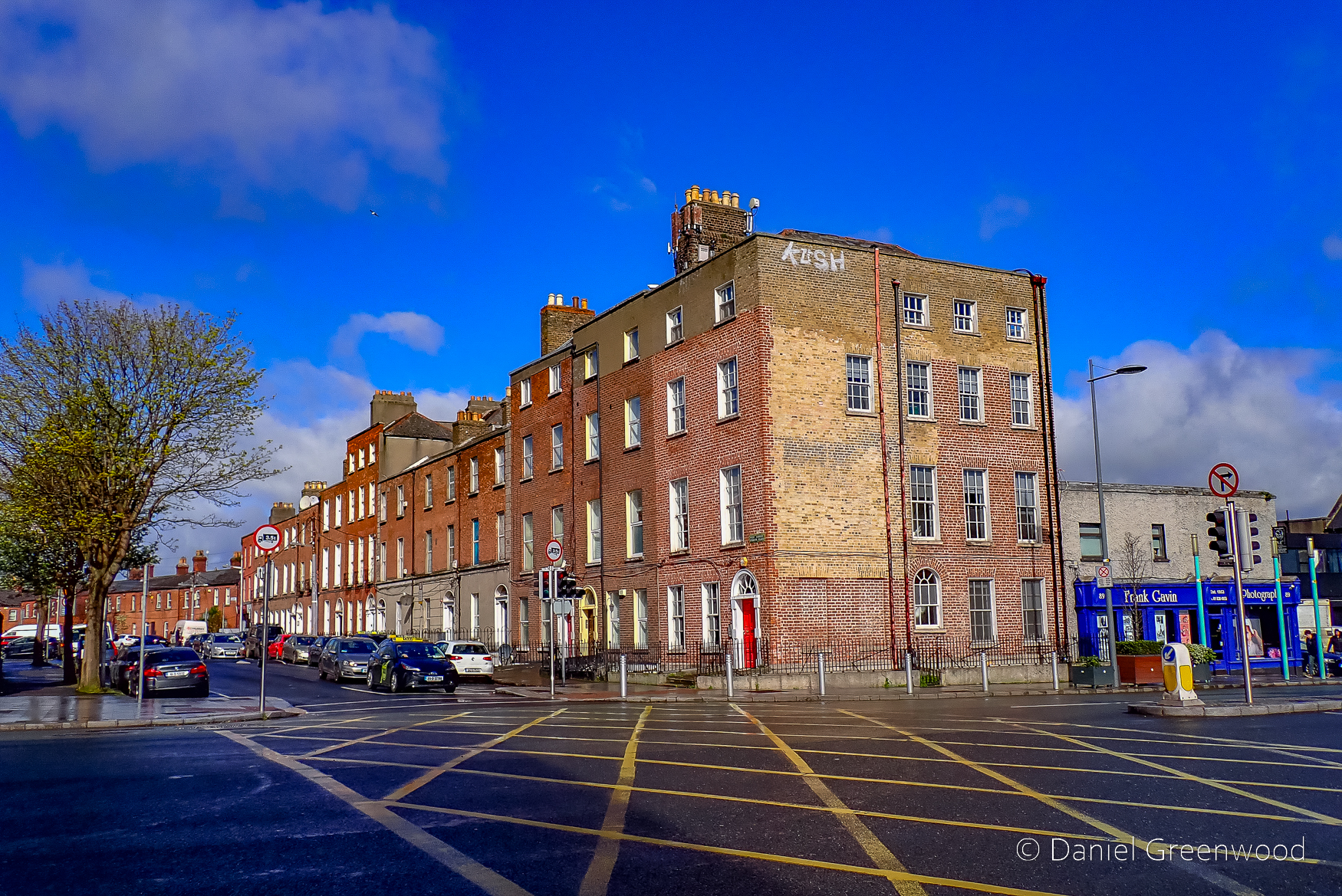
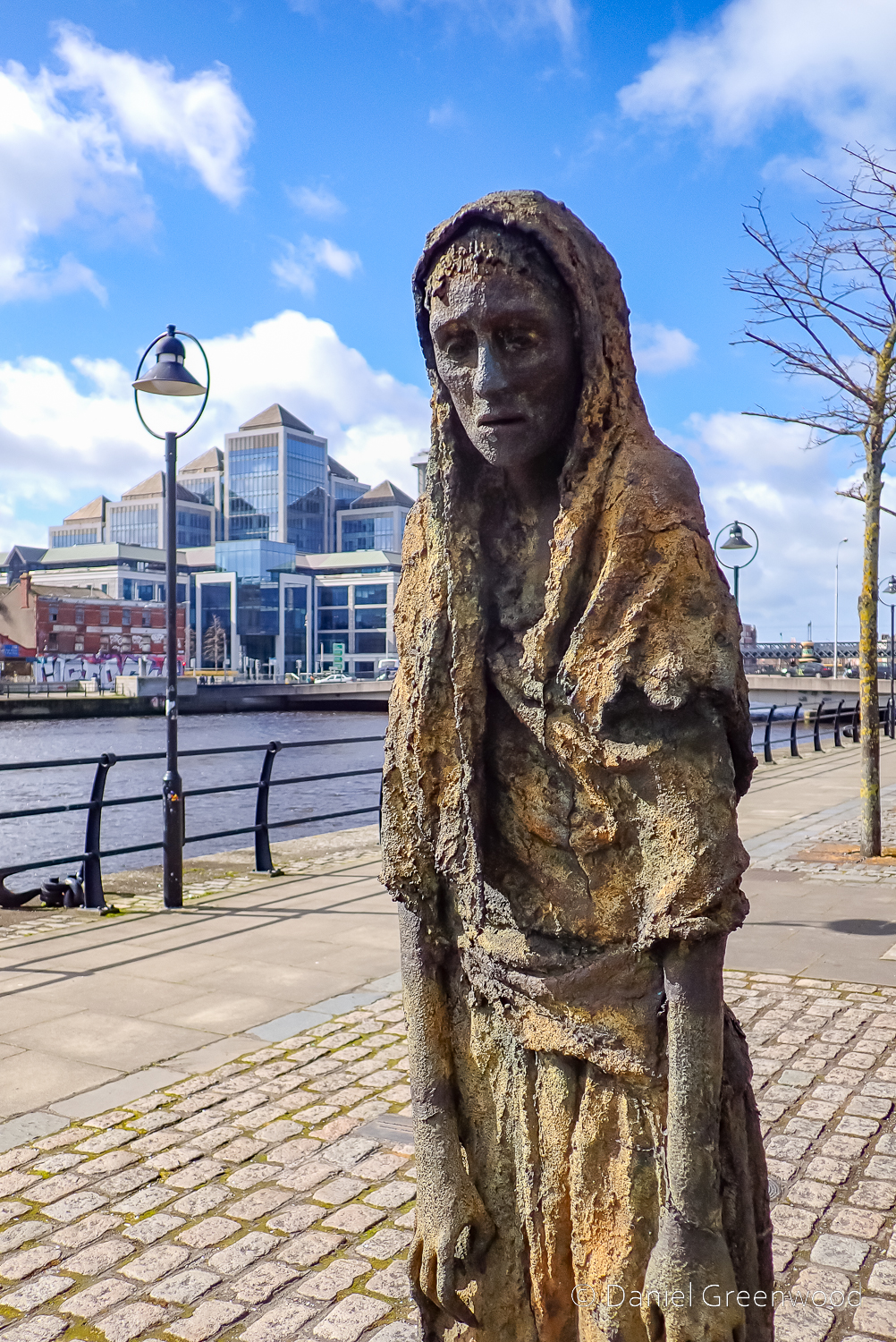
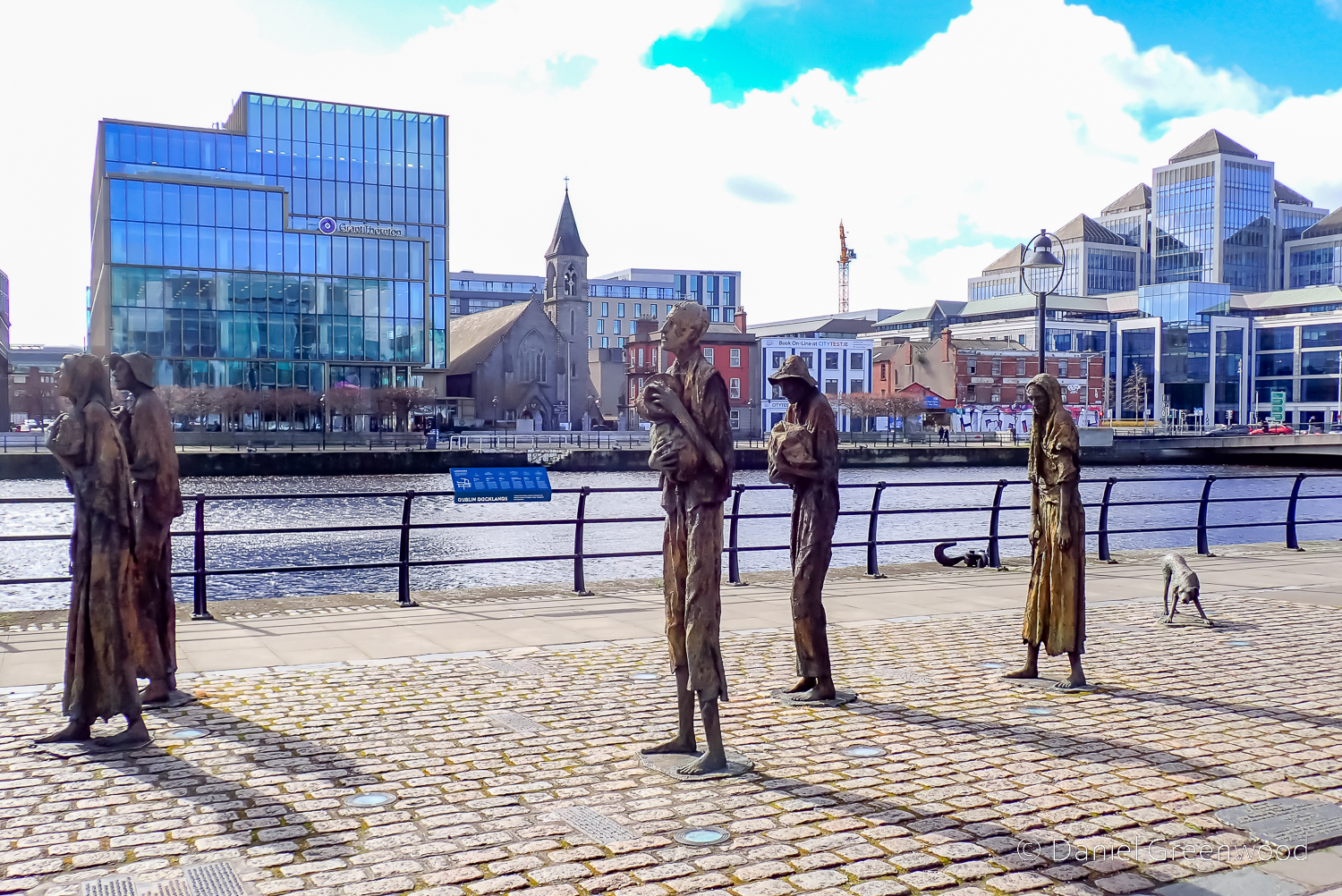
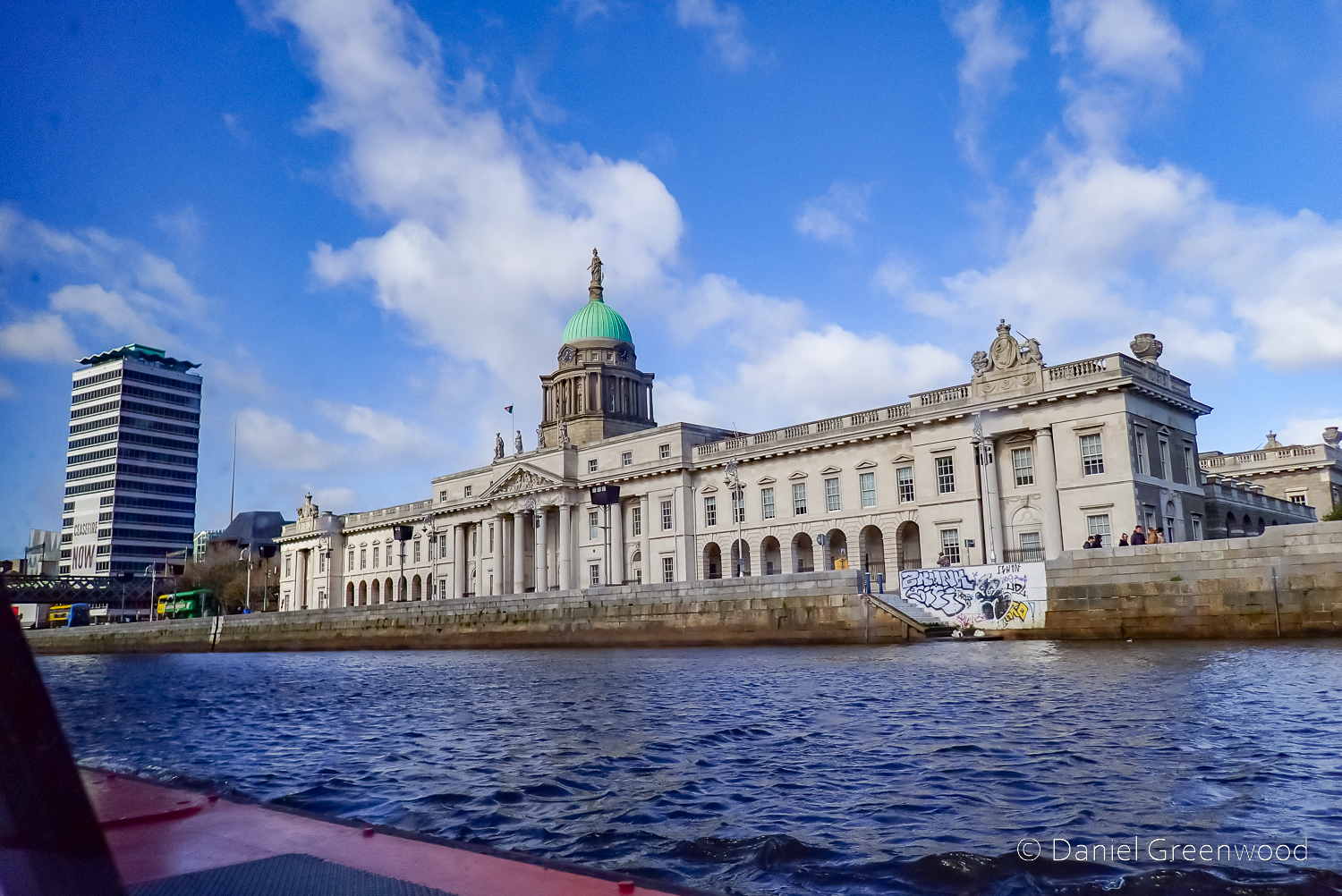
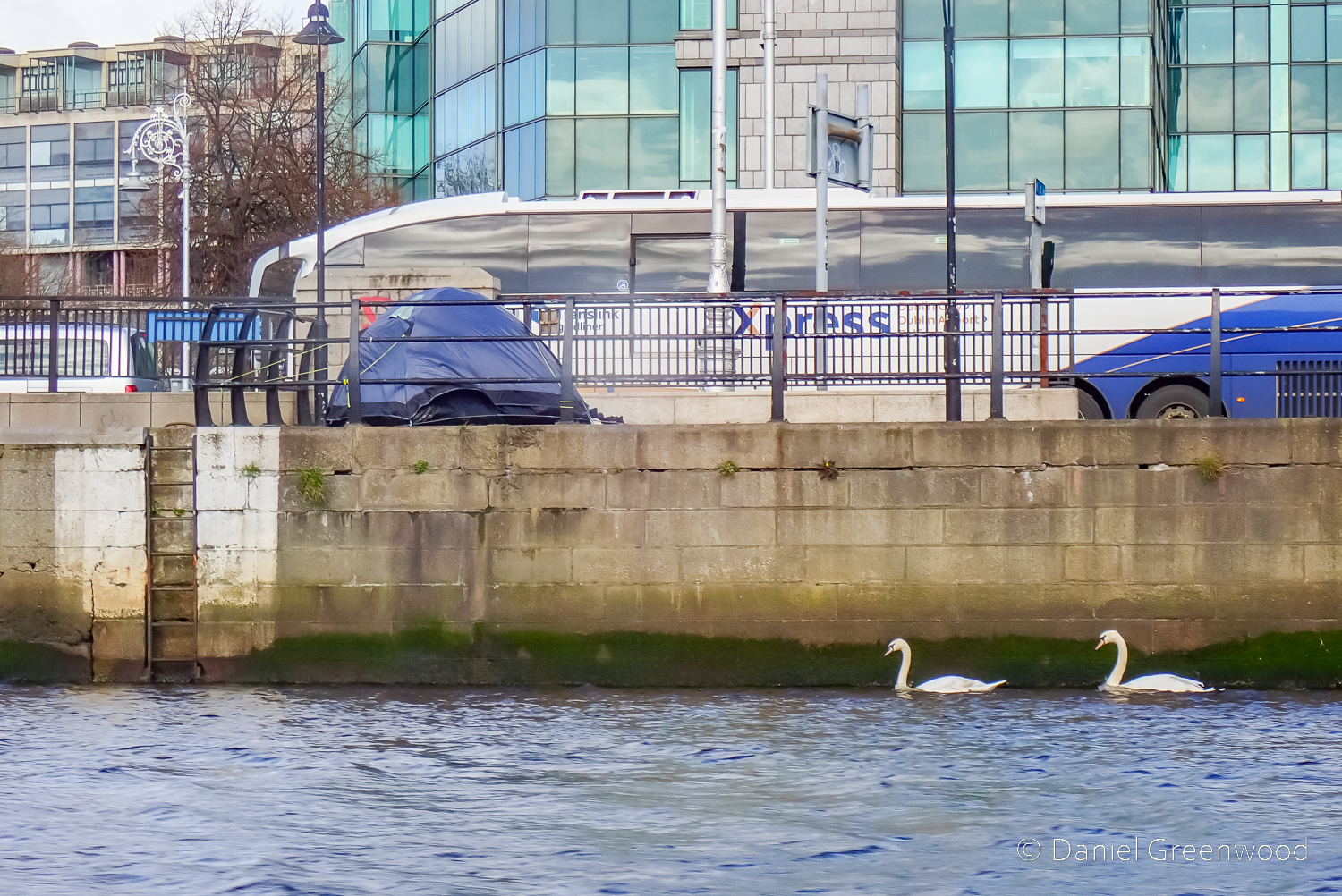
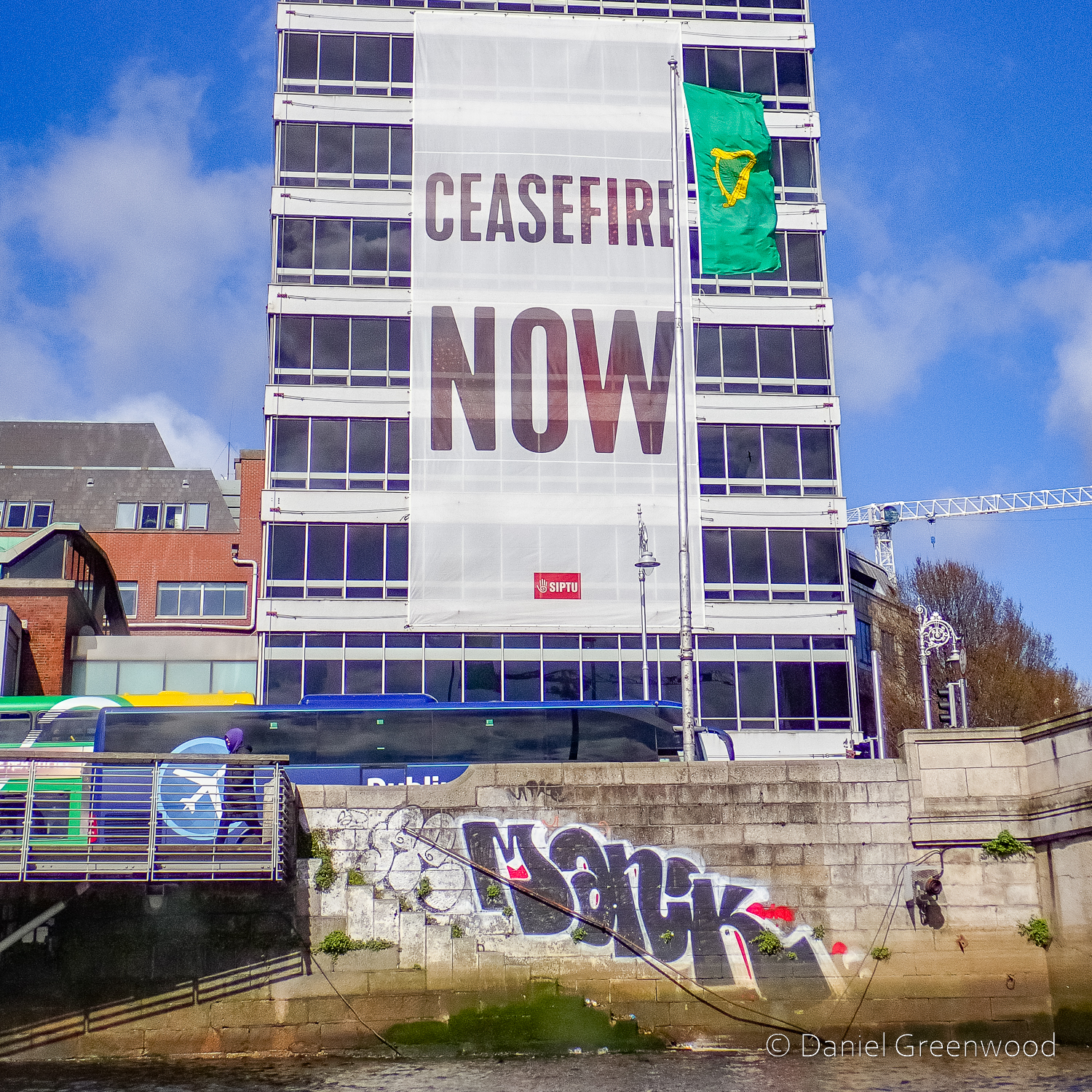
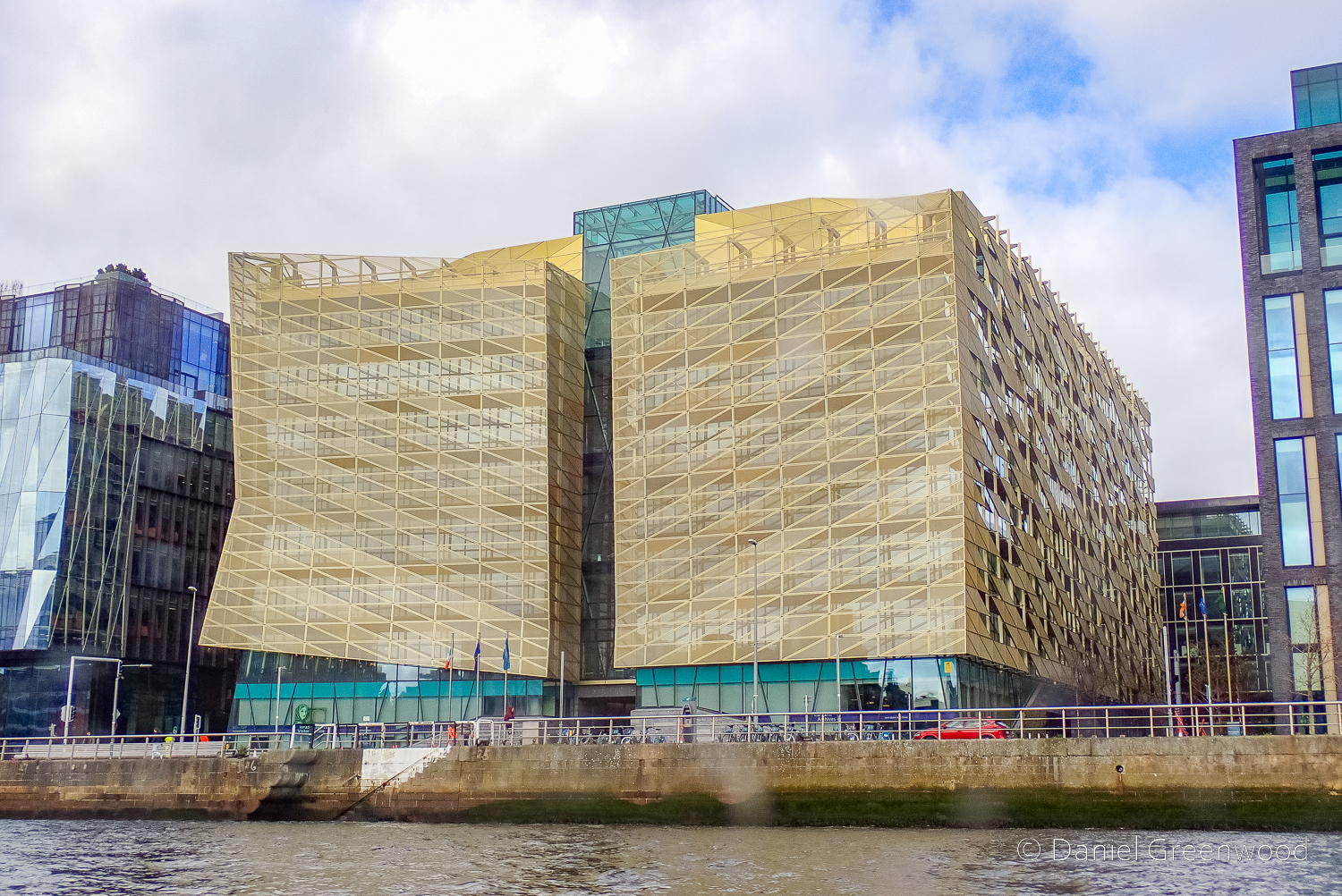
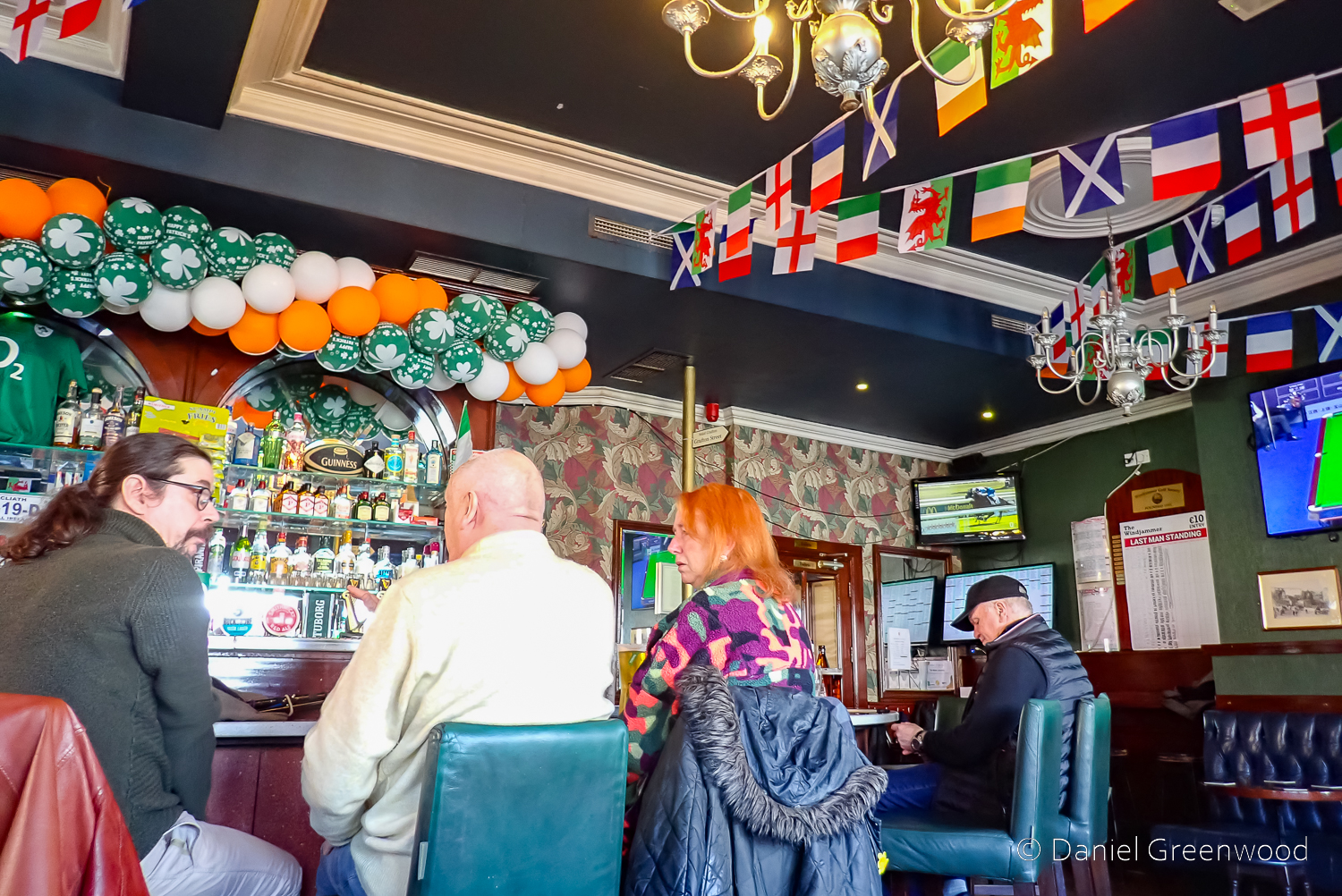
I’ve spliced in photos from a phone camera project I have called ‘rogue vessels’, to make what I’m about to write sound less pretentious.
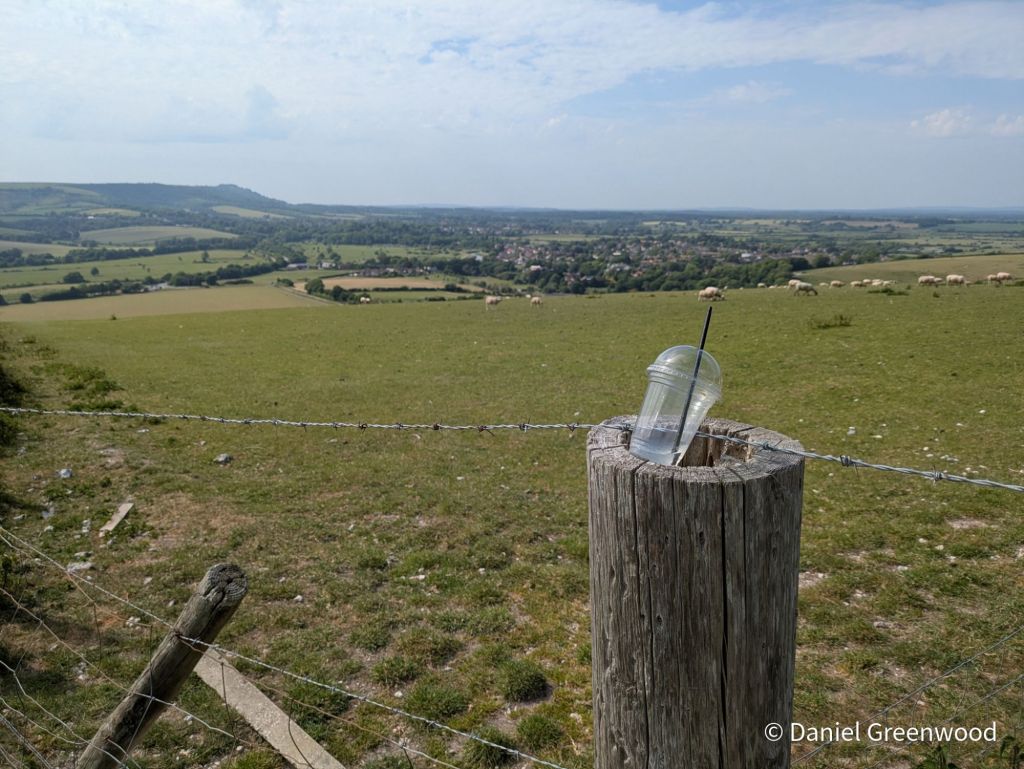
Photoblogs help me in the act of unlocking a landscape™️, peeling back the layers of history, culture and industry, whatever the scale, however far I get with it.
Photography is extremely effective in capturing a seemingly innocuous scene which, in fact, contains multitudes. This is not a boast of what I am putting together but the richness of the world around us. Photography is not just an artform but scientific, too.
The still image can be a pushback against the overwhelming barrage of video, AI-guff, and all-out nonsense that Facebook, whatever Twitter has become, and TikTok churn out. Stills can engage your brain and allow you to think for yourself in ways short video doesn’t.
So will photoblogs save the world? Mine won’t, but they can provide a deeper understanding for both the writer and the reader, which surely is somewhere we all need to be going in this age of political entrenchment, outrage, and mainstreaming of extreme ideology.
Below are some recent photoblogs, many of them from Ireland. I have so many interesting blogs to come in the next year, I hope they provide you with a glimmer of light (as they do for me).
What I’m writing – recent blogs
I’ve been posting my photos from my 2024 visit to Ireland which has proved surprisingly fruitful. I’ve posted several blogs about the trip and there are more to come!
I’ve learned a lot about Dublin Bay from writing this post, and have even started reading James Joyce’s Ulysses to keep the bay in my life. Yes, I have found the novel very hard going, and it’s on pause at the moment while I try and understand what is actually going on in it.
This is a post I’ve been thinking about for quite a while. I needed more time at Rathcroghan, rather than a pit stop, to capture more of the landscape and to learn more about the dynamic Celtic and pagan history of the place.
I’m enjoying learning about the coasts of North Mayo through these posts. Downpatrick Head is a place I had wanted to visit for a long time.
Closer to home I delved into 2024 again to share some images from a lovely summer’s day in the South Downs.
What I’m reading
Below is a selection of what I’ve managed to read cover to cover in recent months:
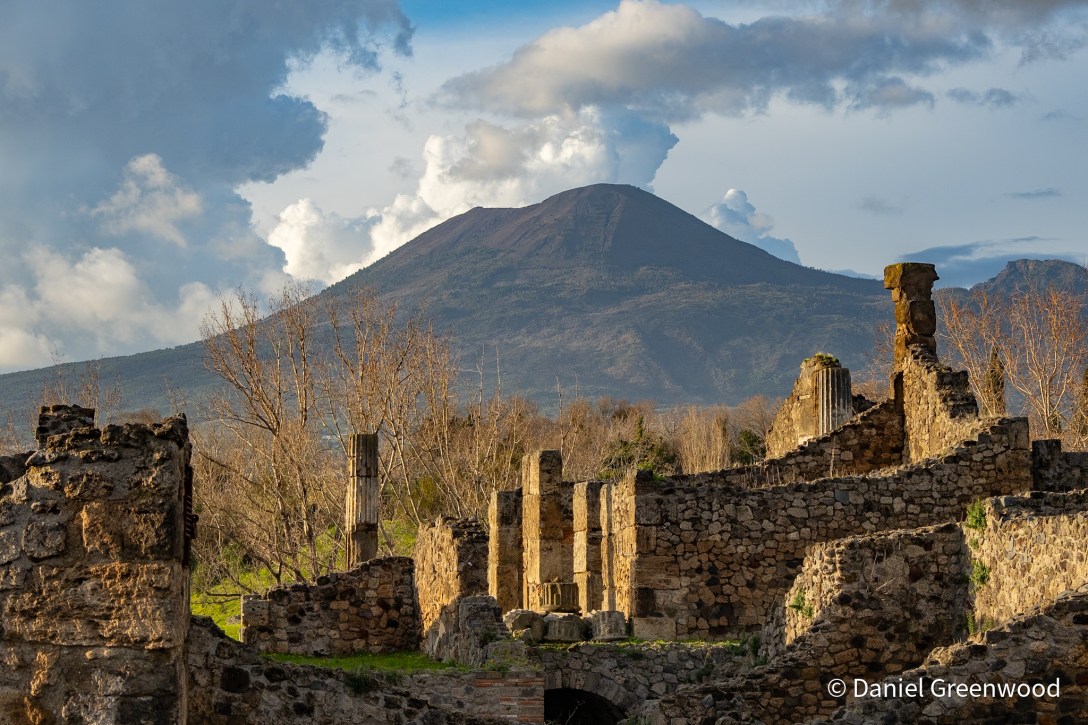
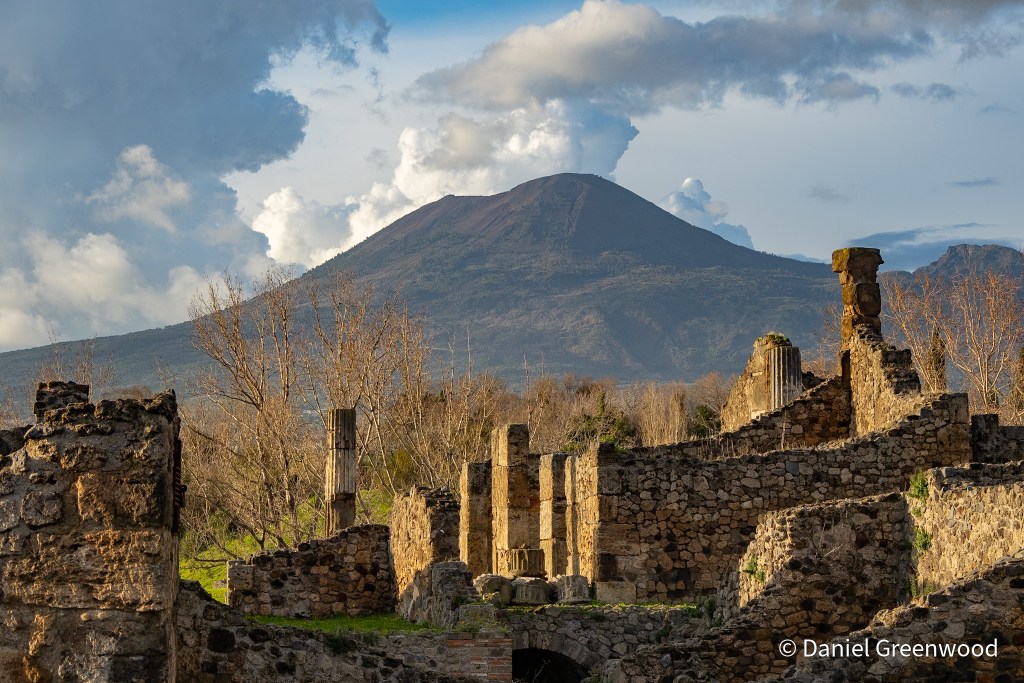
- Pompeii – Mary Beard (above, February 2026). I visited Pompeii for the first time in February and have a post or two in mind for this wonderful place. Mary Beard’s interpretation of Pompeii’s history is essential reading.
- Pax – Tom Holland. I was in total Roman mode when I got back from Italy (as in reading, not militarily), and finally got round to reading one of the more famous books from Tom Holland. I once met and photographed Tom at Sydenham Hill Wood when he was supporting London Wildlife Trust. Lovely man. I’ll be reading more of his work in future. Congratulations, Tom.
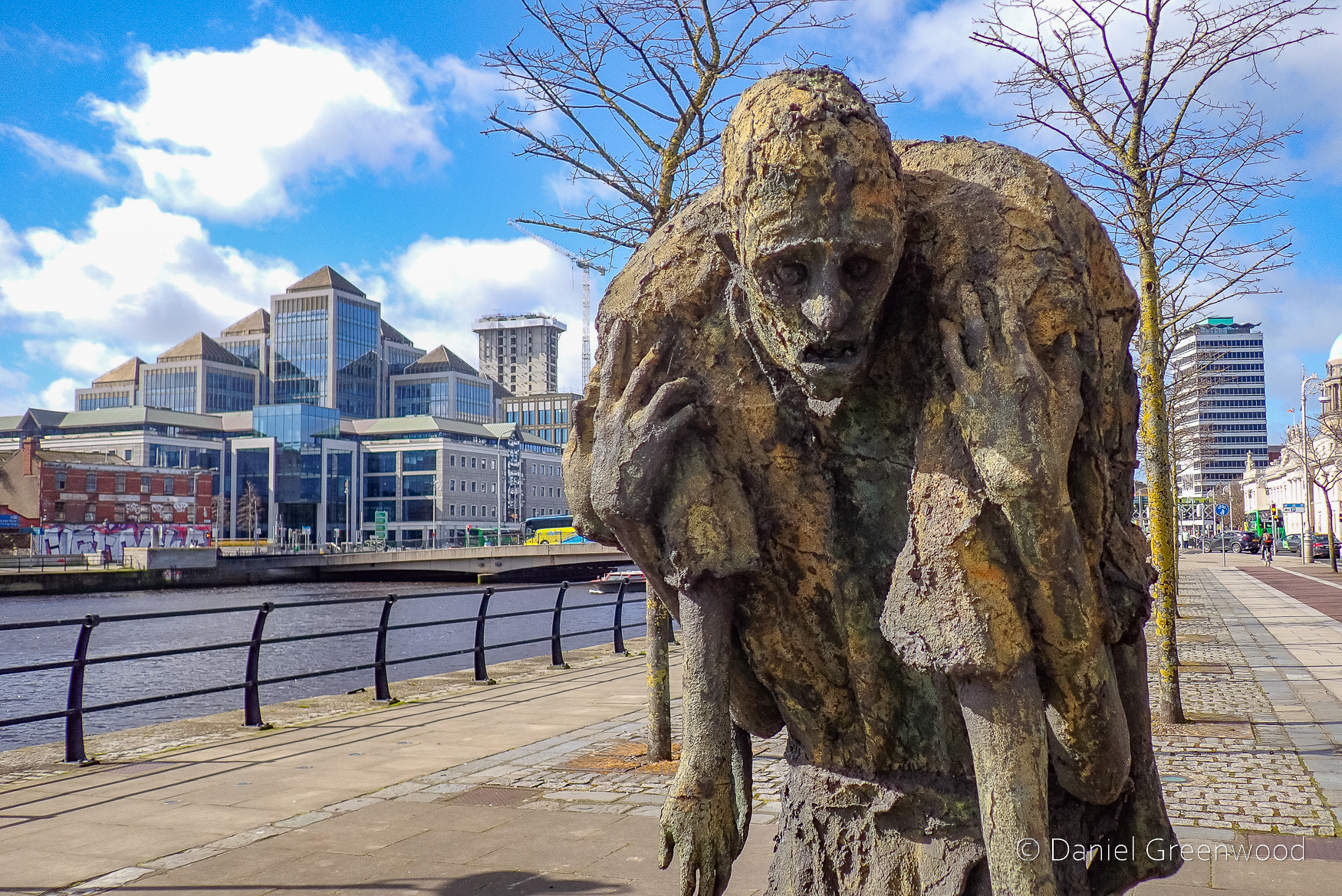
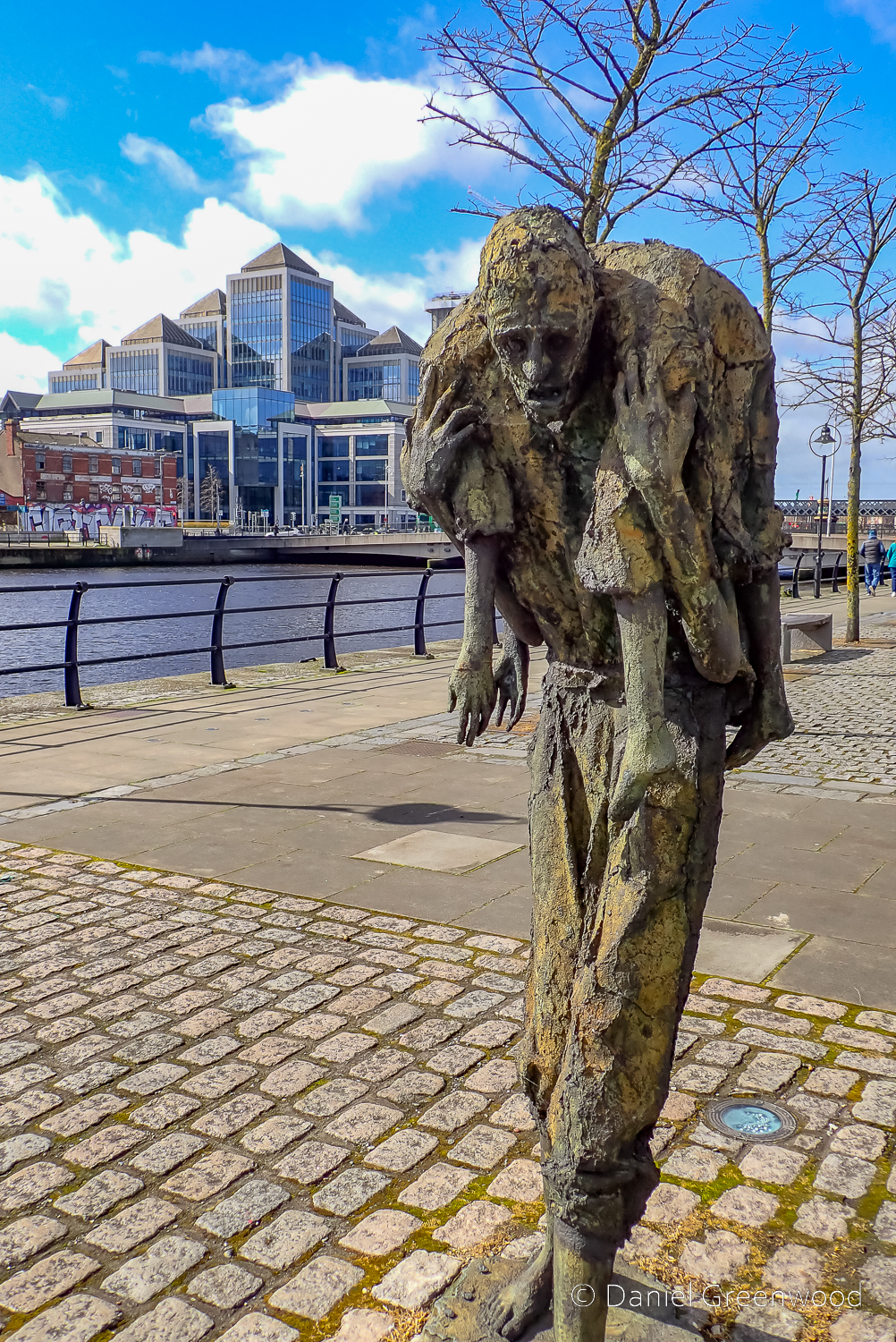
- The Great Irish Famine: A History in Four Lives – Enda Delaney. I borrowed this book from my local library and tore through it with my eyes. The Great Famine of 1845-52 directly impacted my ancestors in Mayo so it’s something I am keen to educate myself about, and it’s an area of Britain’s colonial past we should know more about. It’s a complex subject, but there is plenty of evidence here to argue that English politicians saw the Famine as divine punishment for a people deemed beneath them. I learned that many more people died because ideology and prejudice deterred people in power from taking action. In some places, people even profited from it.
What I’m hearing
I actually went to a gig in June! Ye Vagabonds are a family band from Co. Carlow. The band were fantastic live, the final leg of their tour promoting their new album All Tied Together (January 2026). The songs are lovely.
What I’m watching
Thanks to a wonderful Blindboy podcast episode I learned about the work of David Keohan, who is now famous for reigniting the interest in Irish stone lifting. This short film nicely encapsulates how David goes about his work to rediscover old stones in Ireland, and to lift them again after several decades of mostly being stuck to the ground. David also has a book out called The Wind Beneath the Stone.
Thanks for reading.