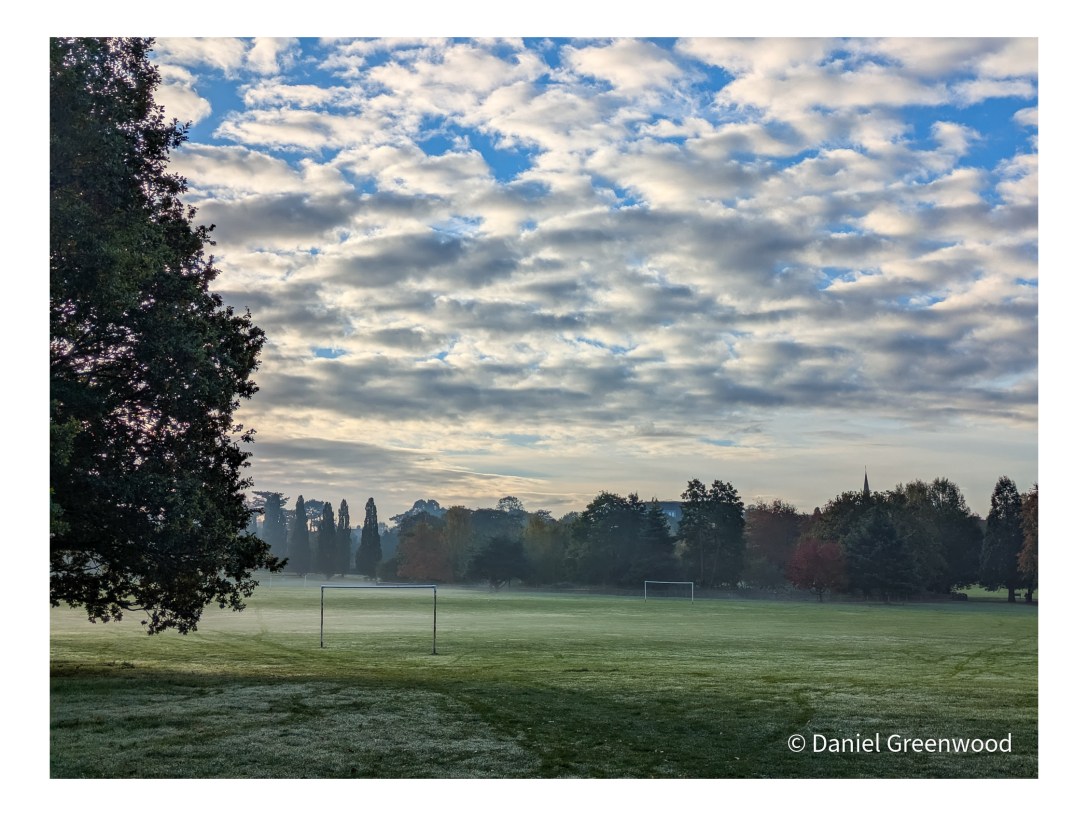
I’ve had a burst of American visitors in recent days (to my blog, not my house). So thanks for visiting, y’all, and sorry about the year you’ve had.
You may have noticed I’ve slipped to monthly posts on here. Between April and October I posted blogs every Monday without pause, which is a tricky task when working full-time. The focus on a regular deadline can be helpful, but it can also take over, meaning I wasn’t taking the time to focus on the bigger blogs that are waiting in the wings. Many of these posts need photo editing time as well as the writing.
What I’m writing

This is more one from the archive.
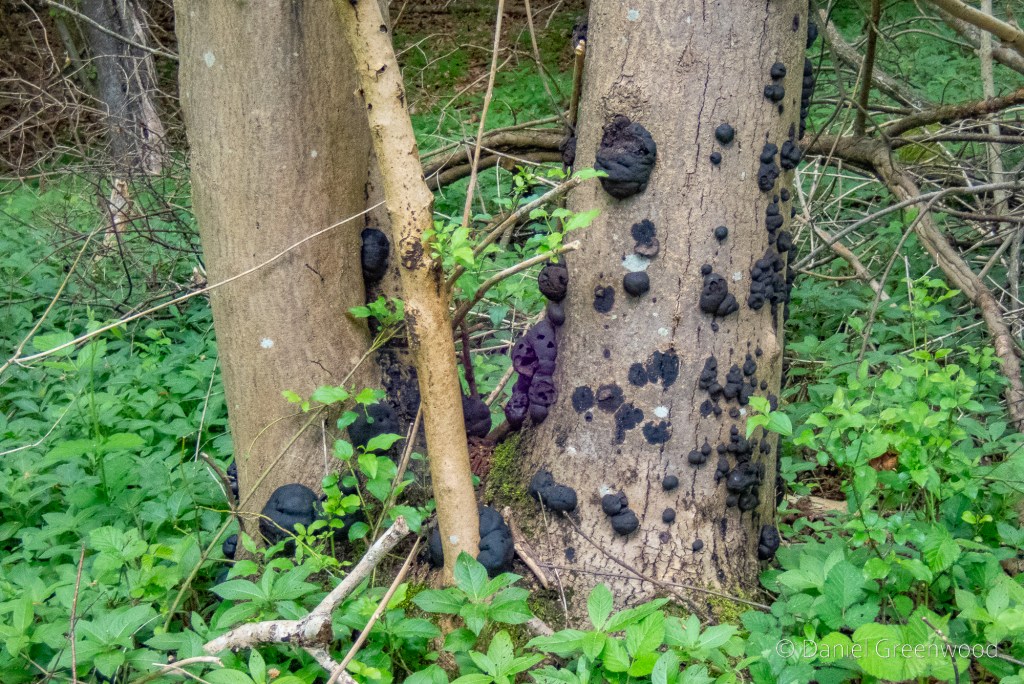
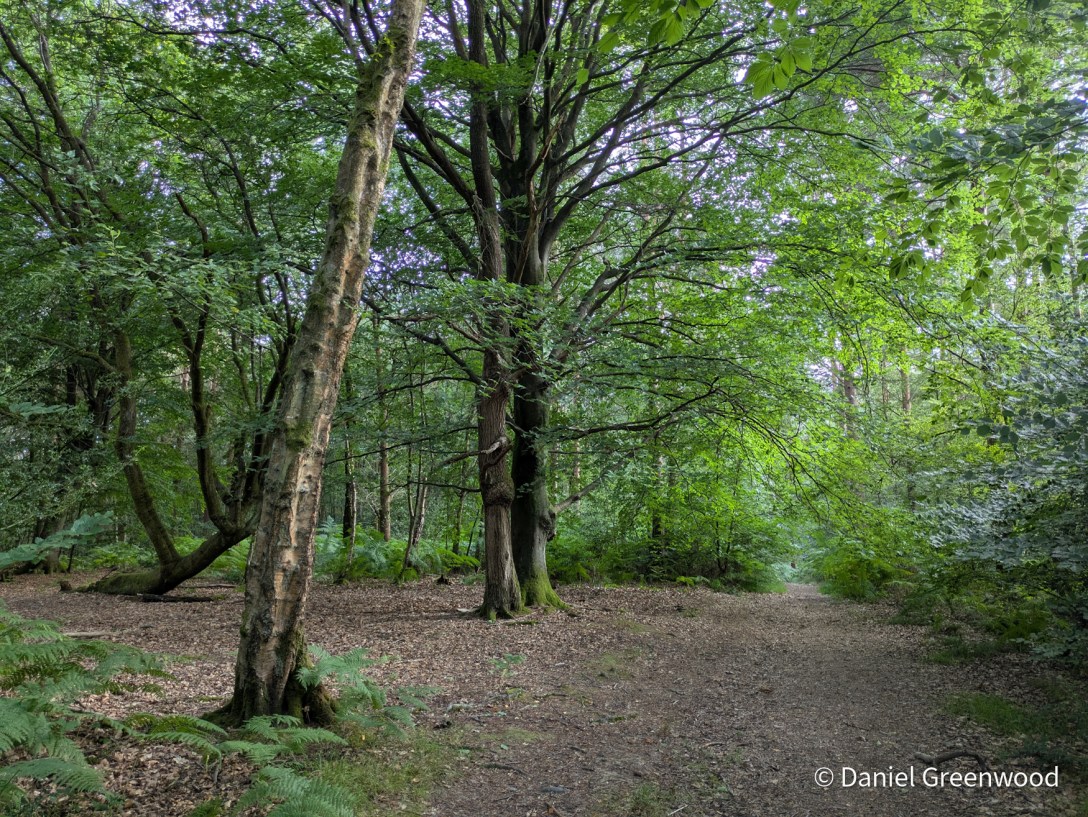
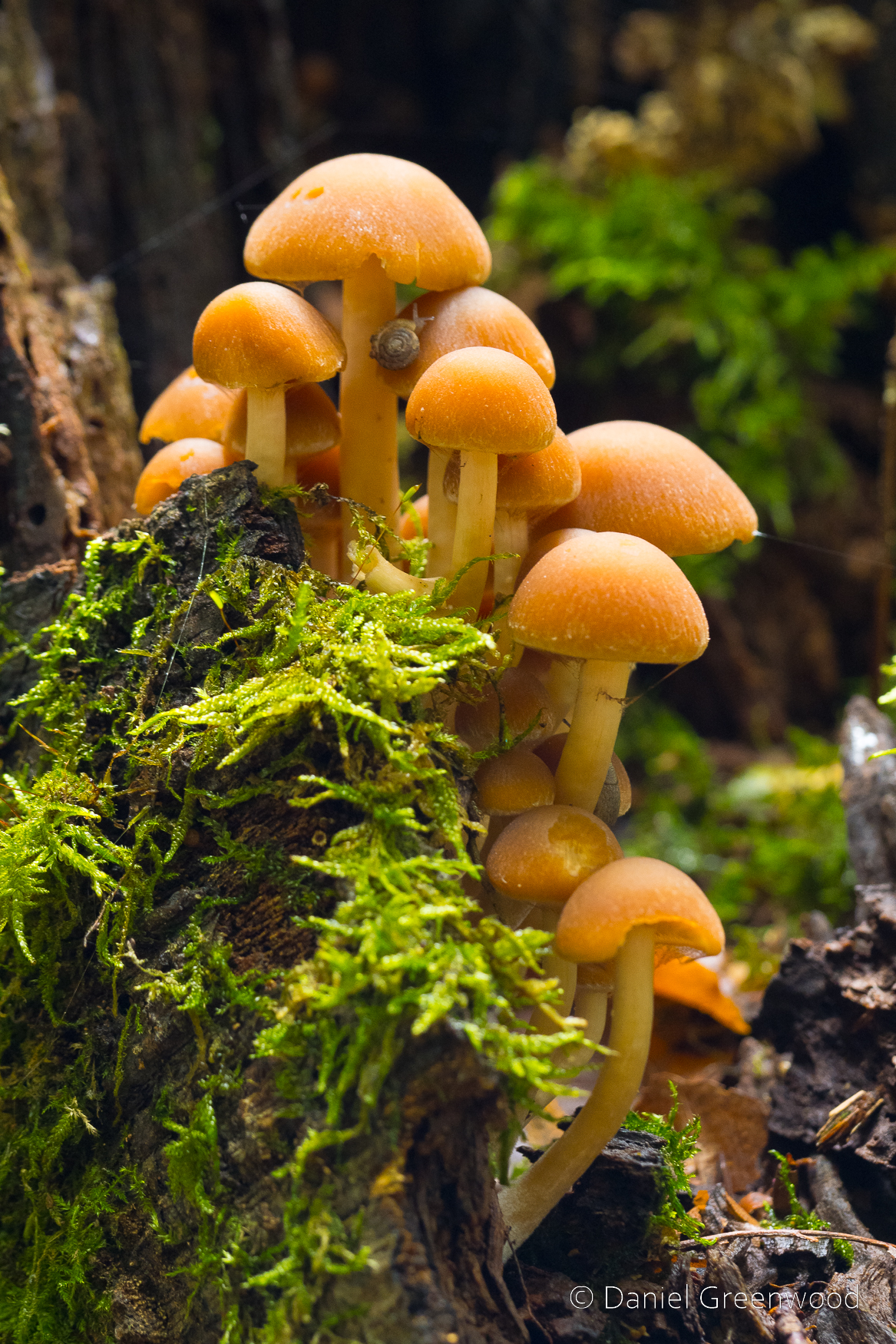
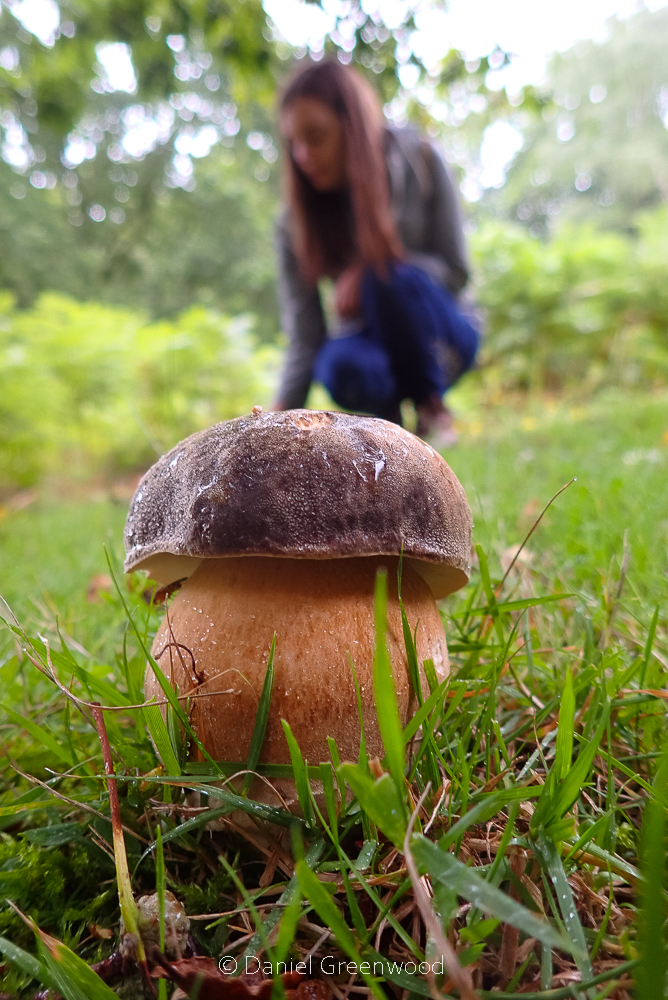
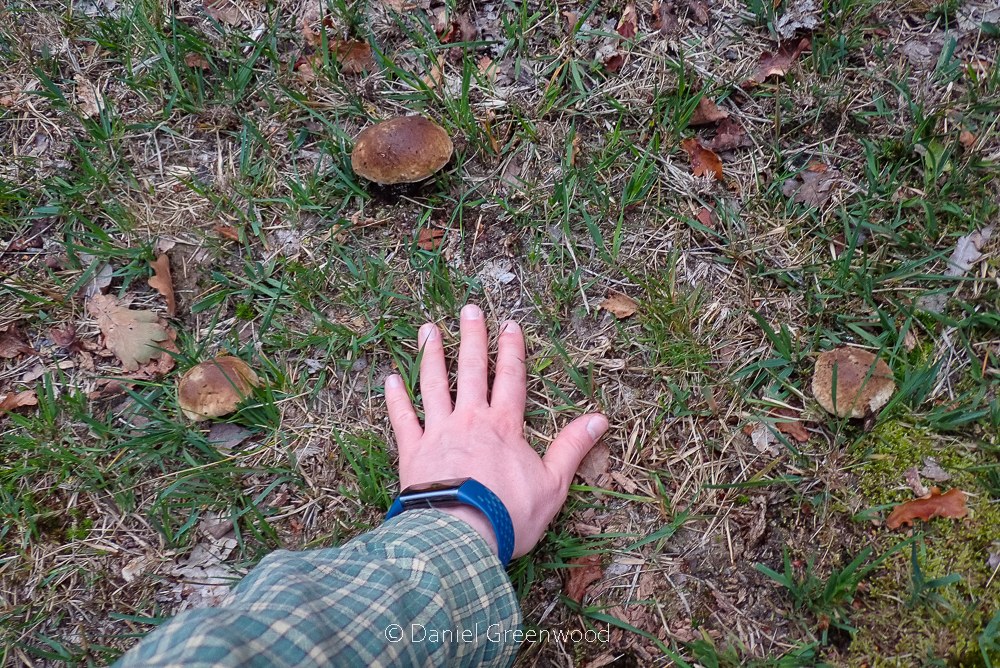
It’s been a very productive year for honey fungus in southern England, and even The Guardian are getting in on the scaremongering (sort of). I had a look back at a blog I wrote about honey fungus in 2020 and thought there were some important points to consider. Honey fungus is a native species, trees die, and they have an afterlife.
I think honey fungus is the messenger telling us our woodlands are suffering, not the ultimate cause. In my opinion any blame lies in climate change brought about by extreme fossil fuel burning, and the lack of funding for our woodlands (jobs, not just volunteers please) and their management.
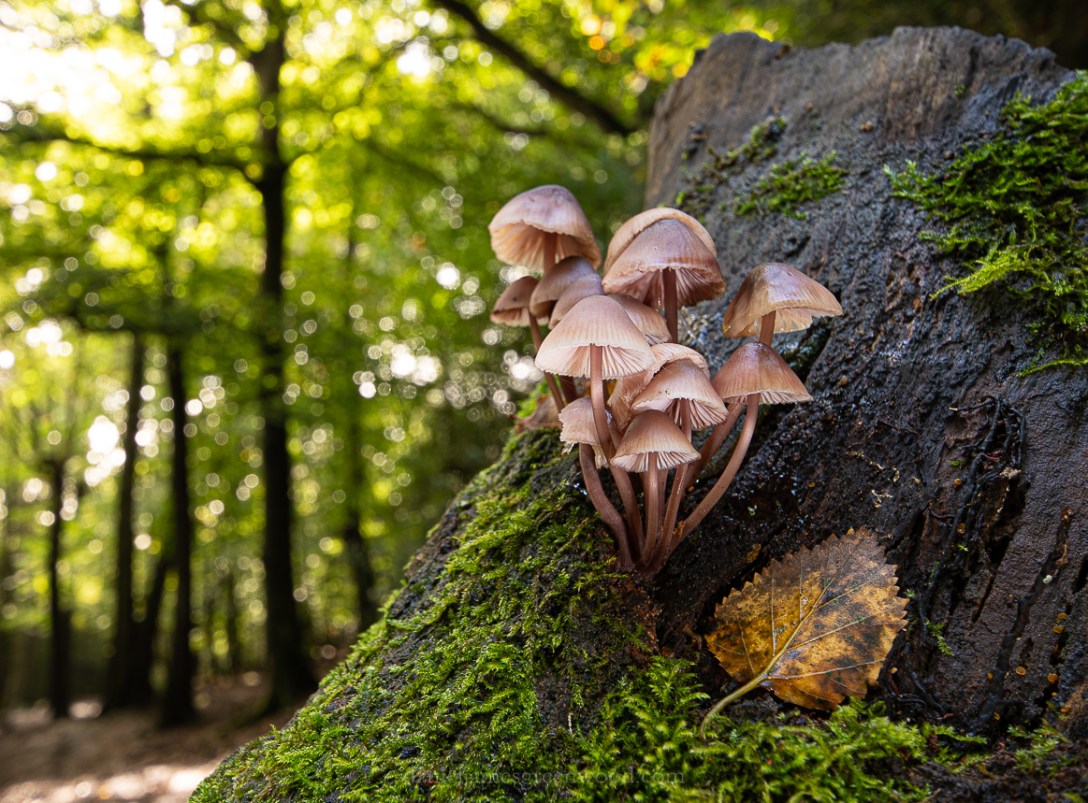
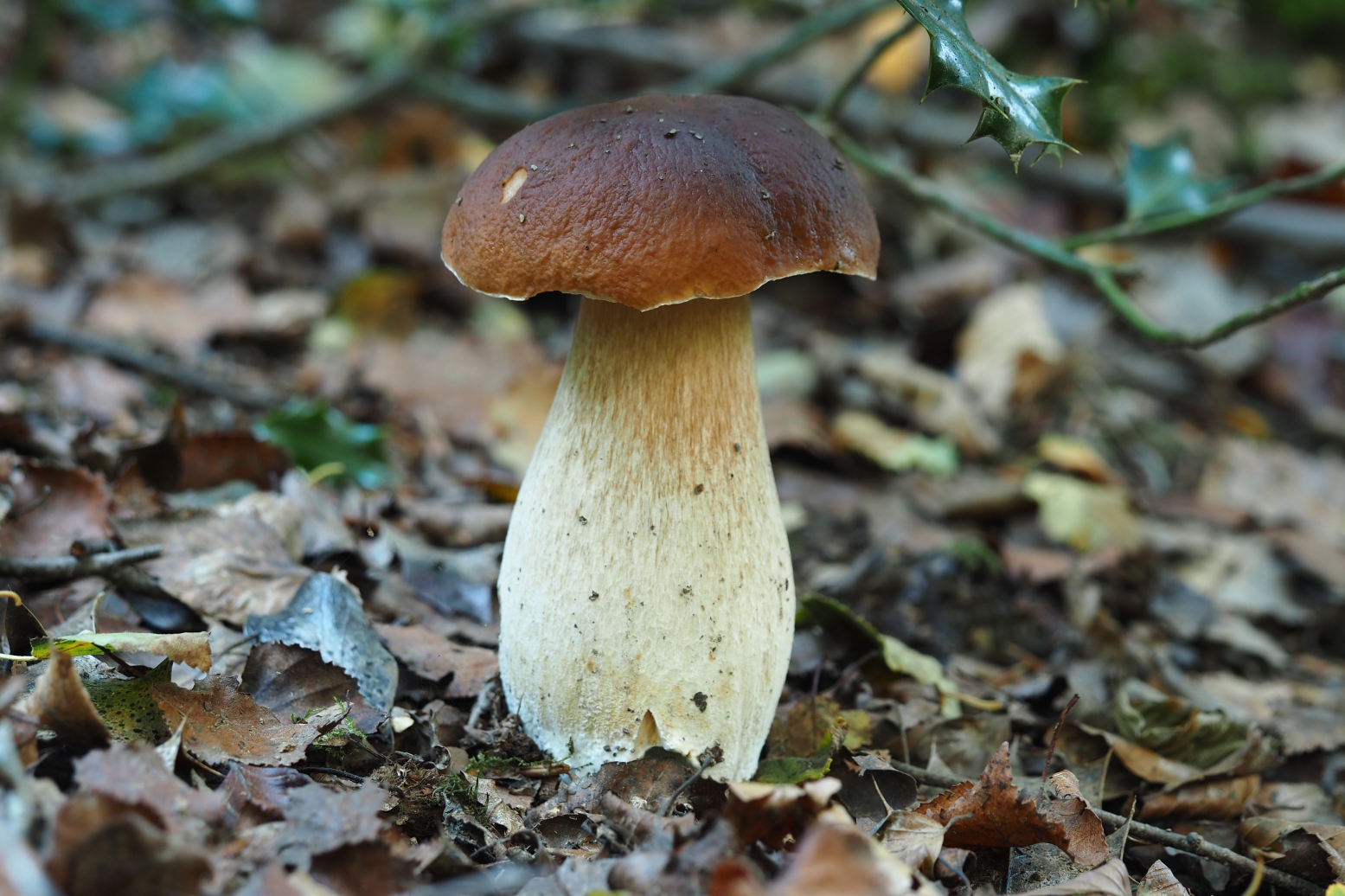
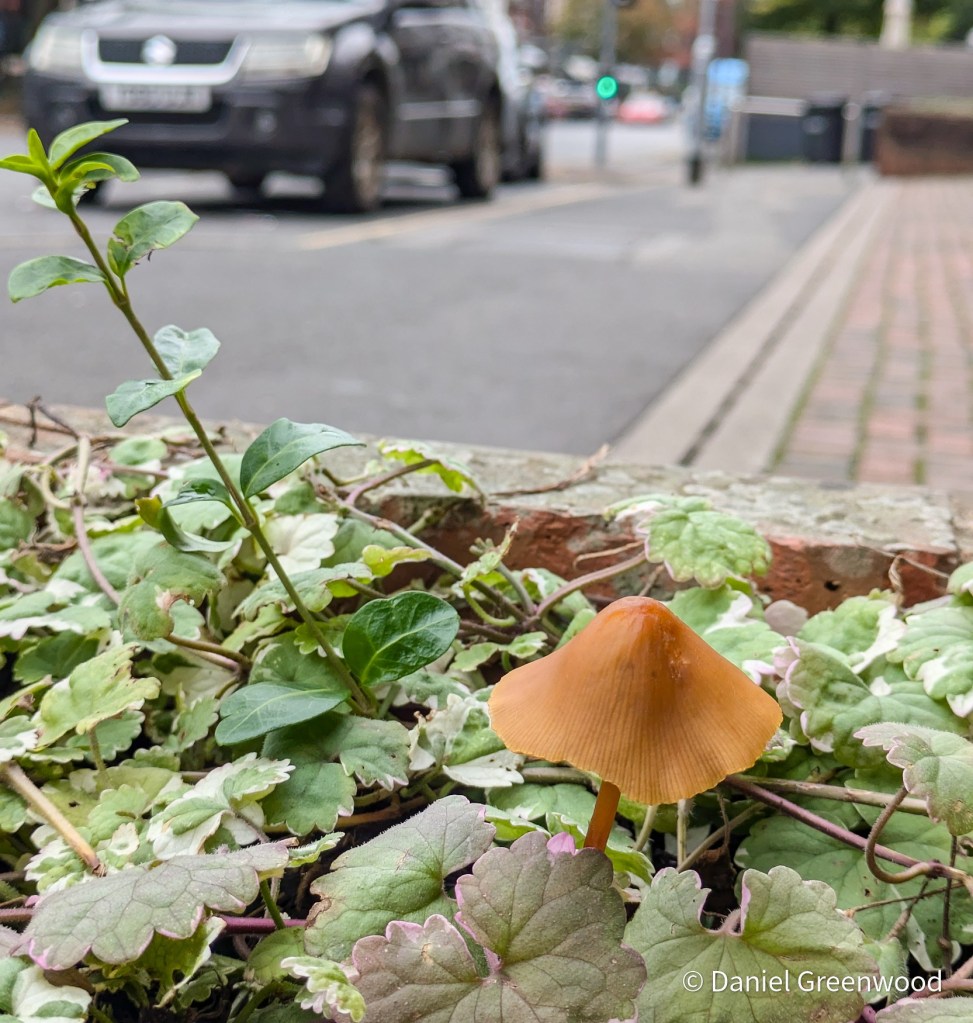
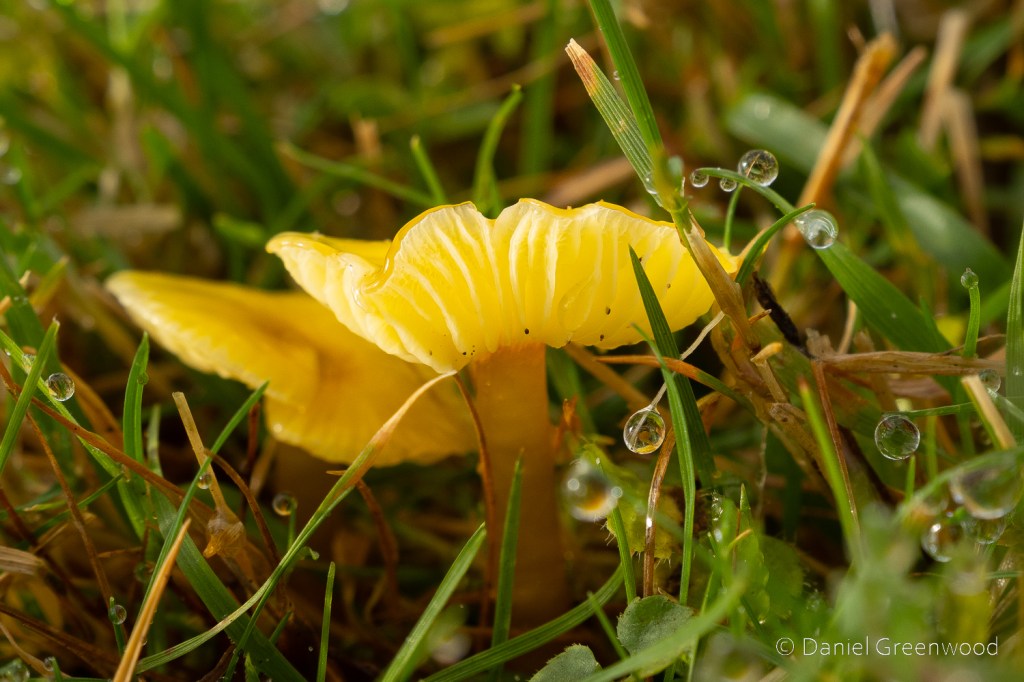
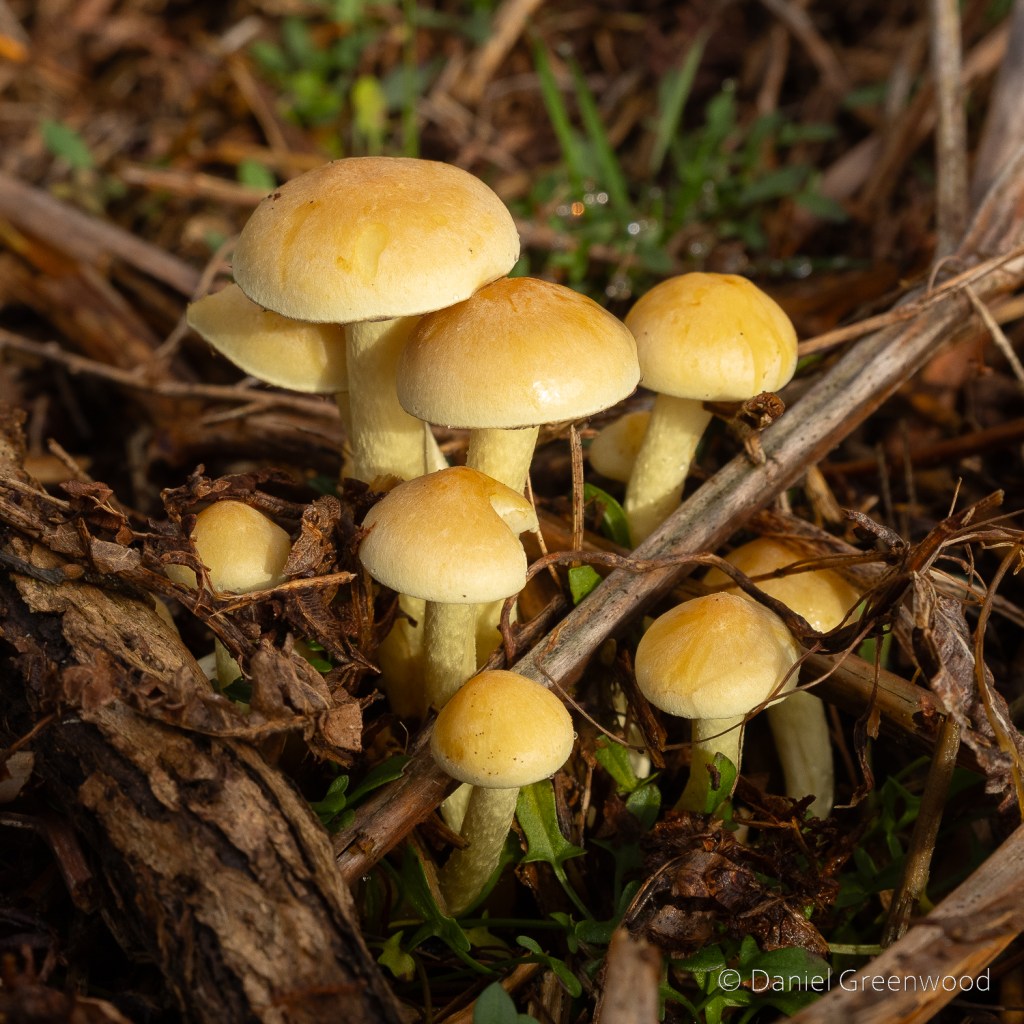
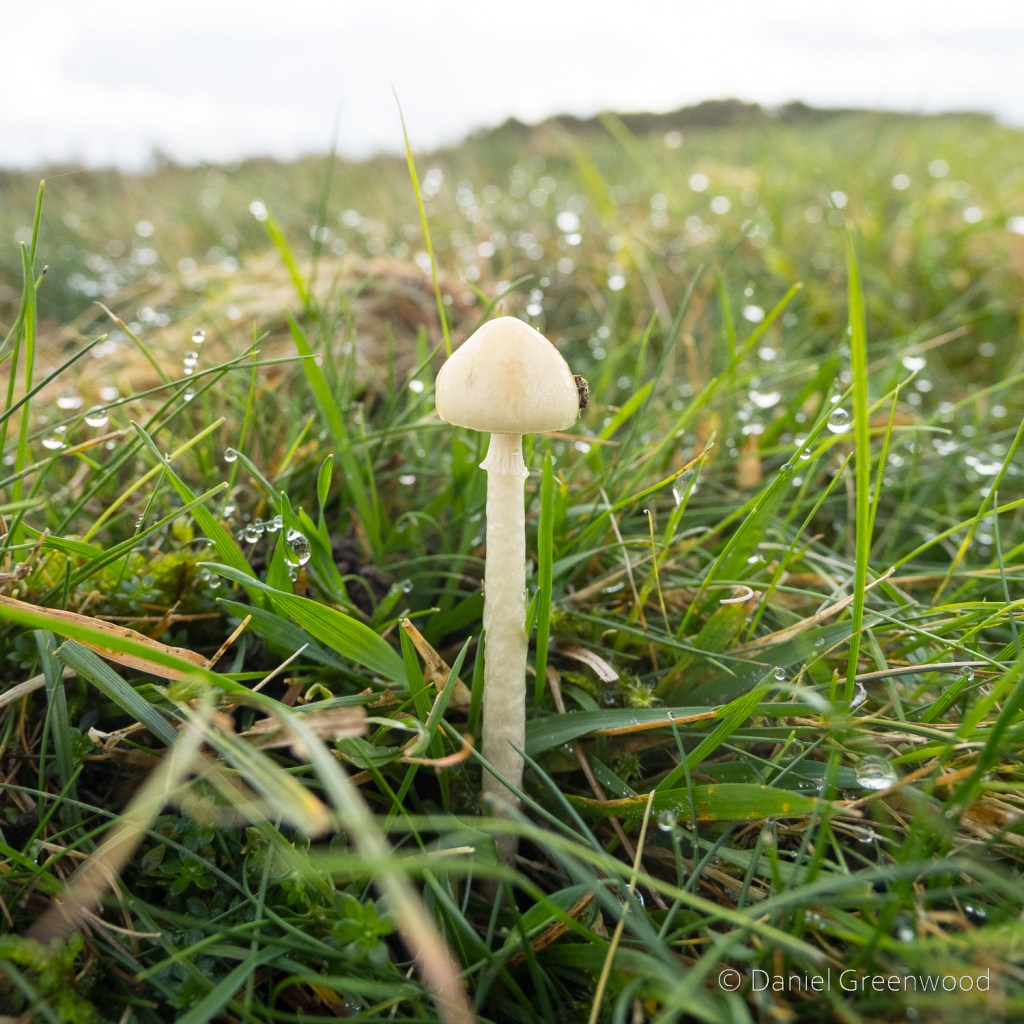
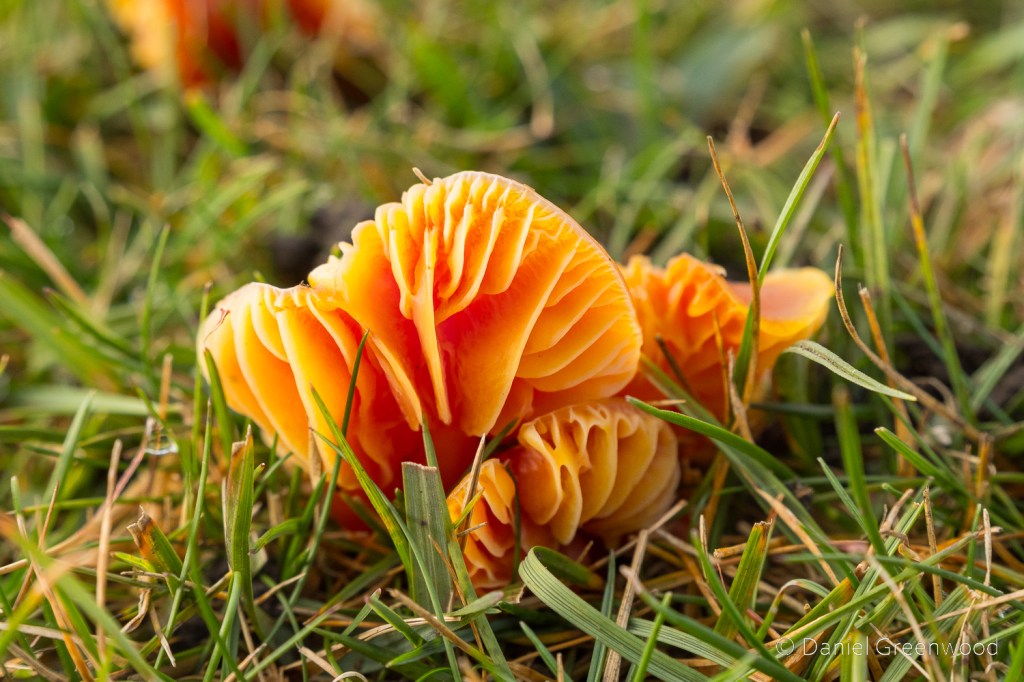
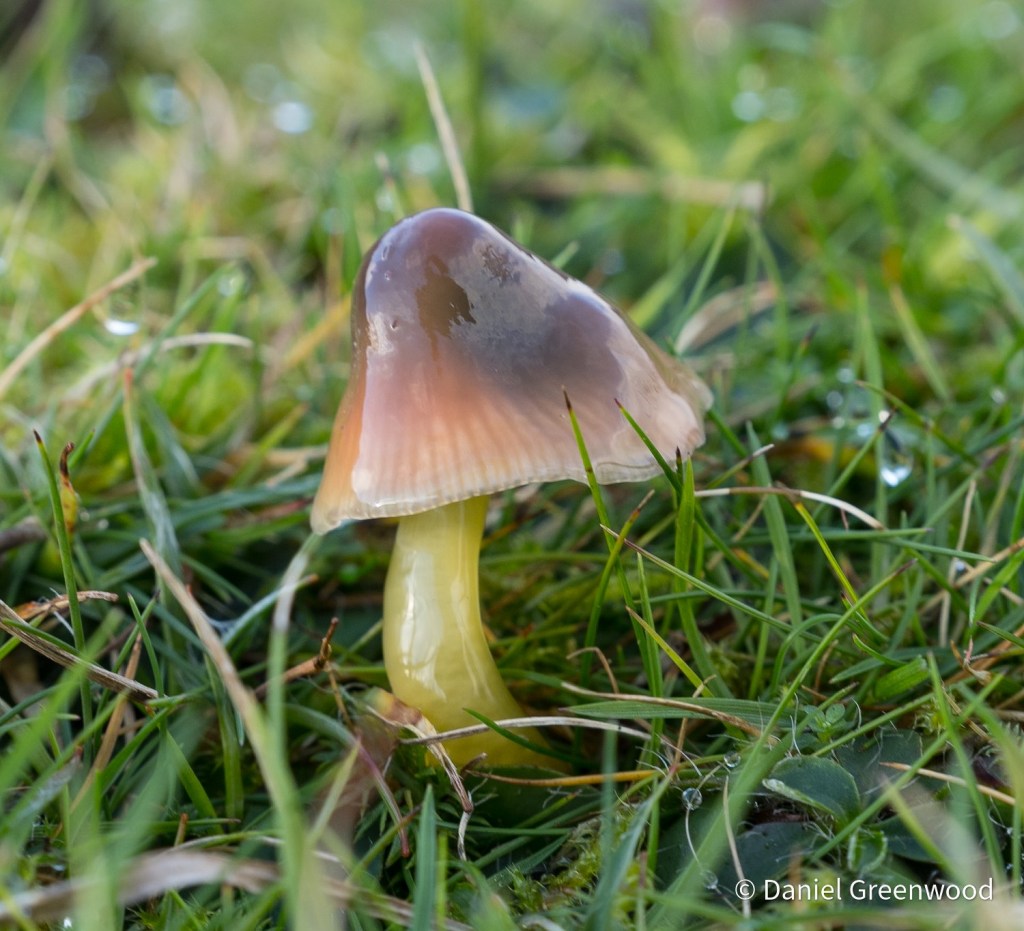
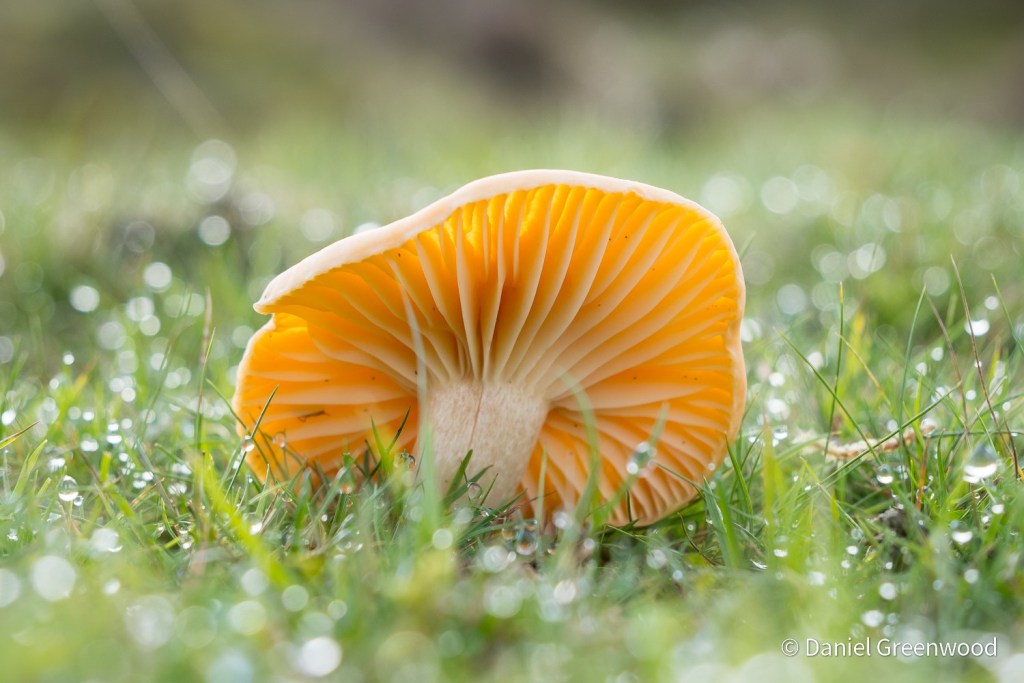
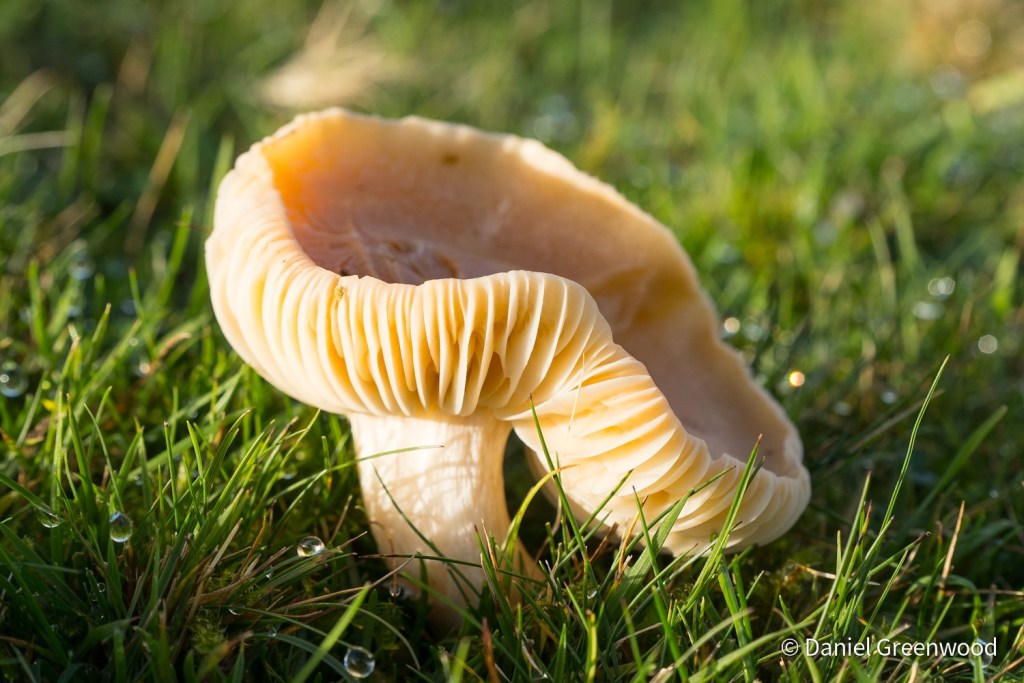
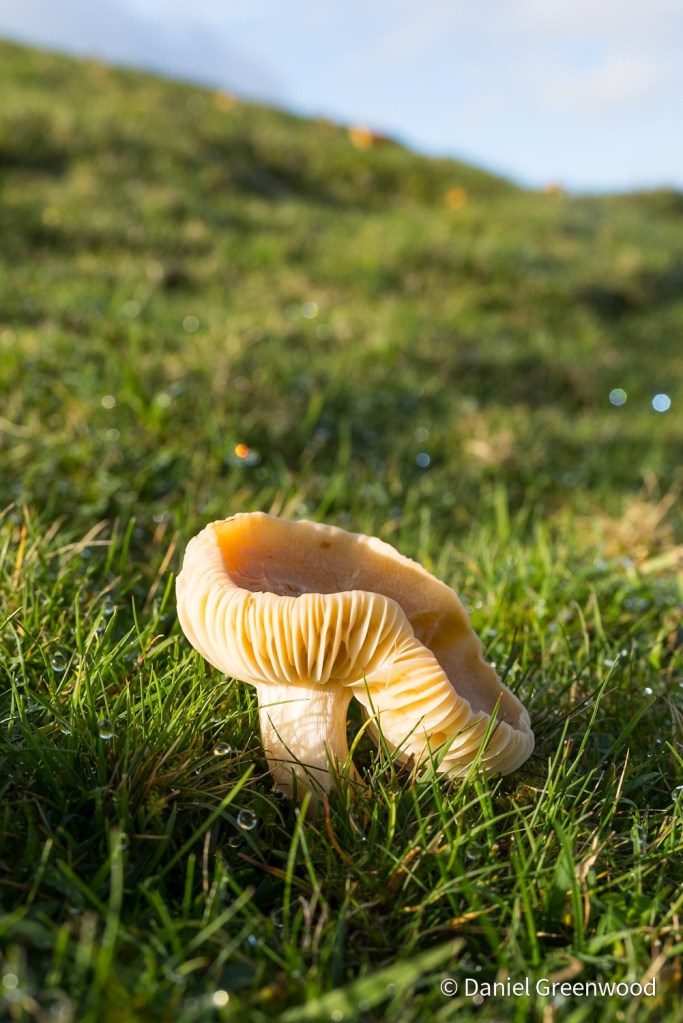
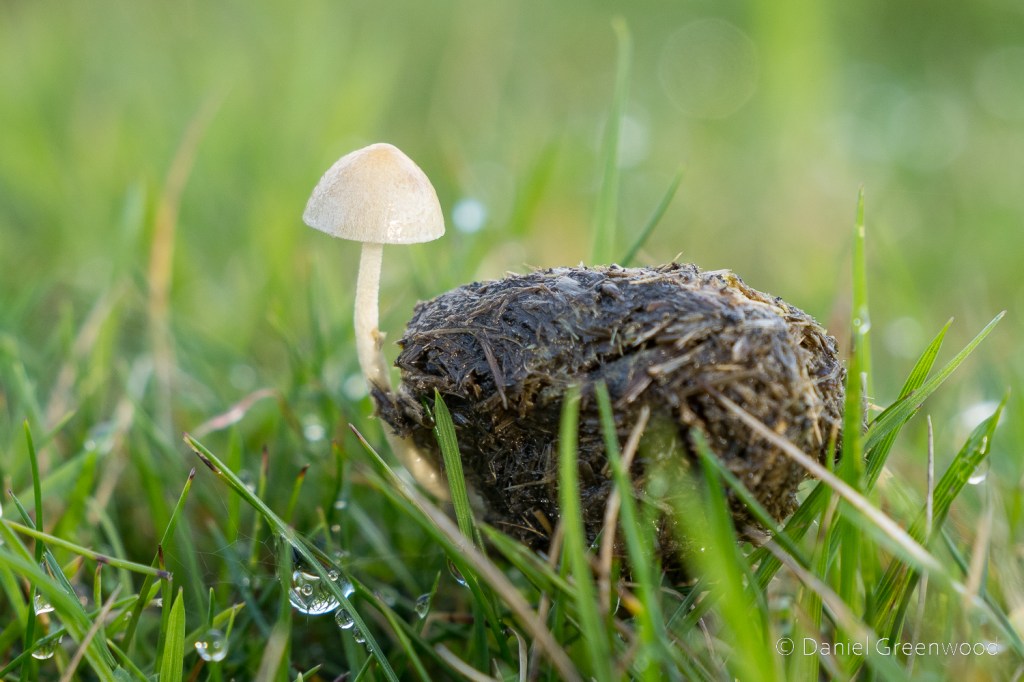
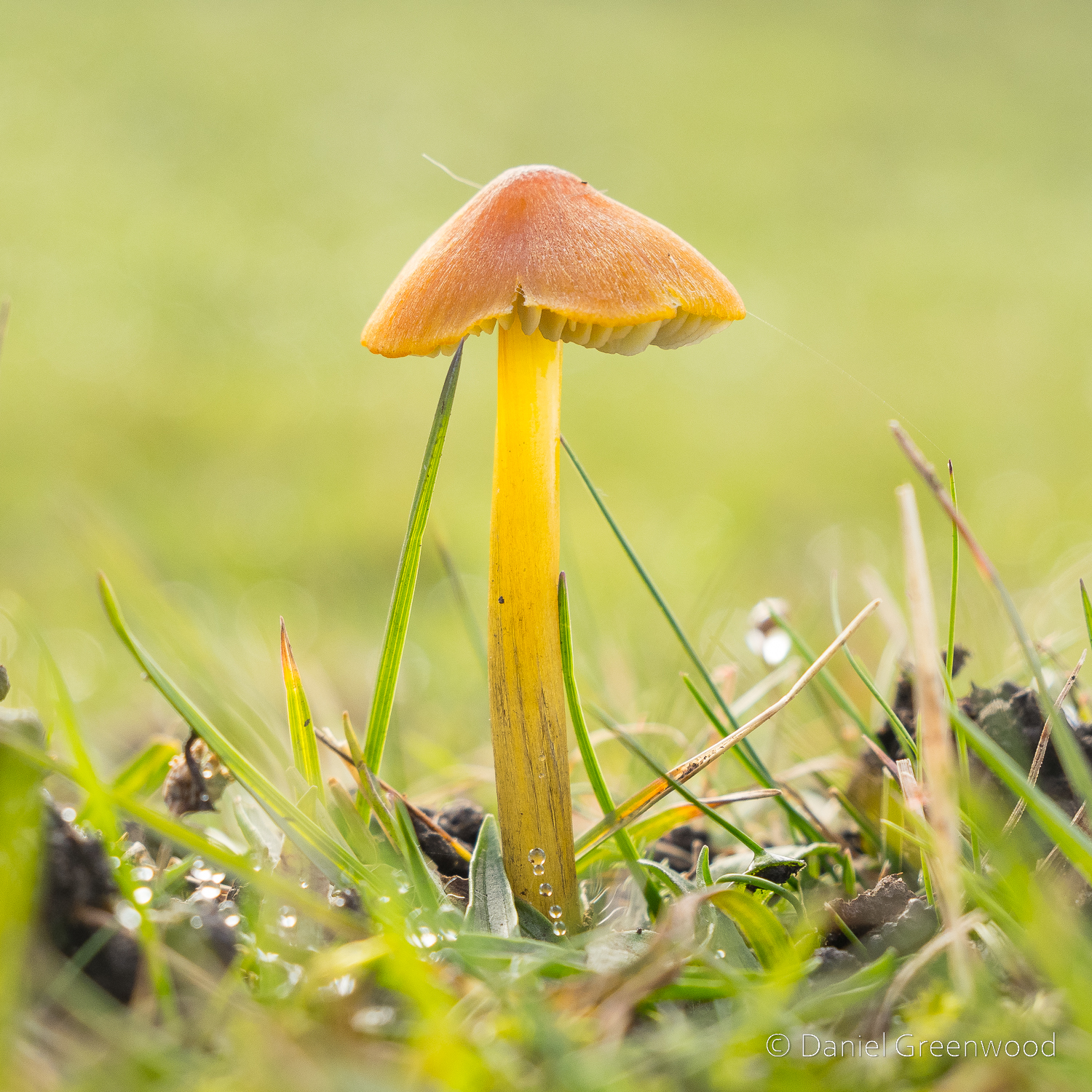
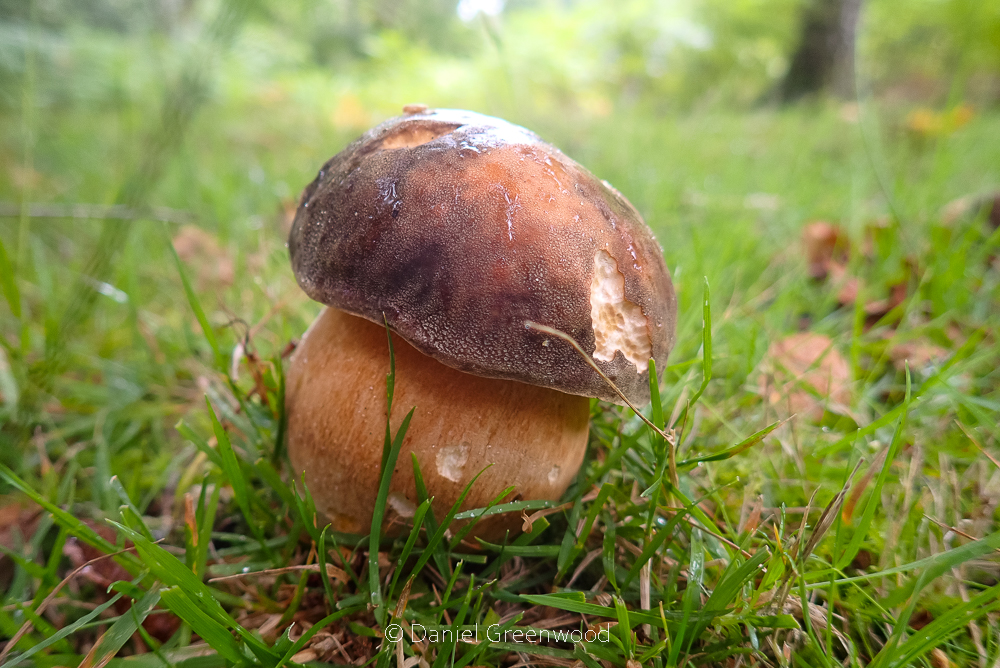
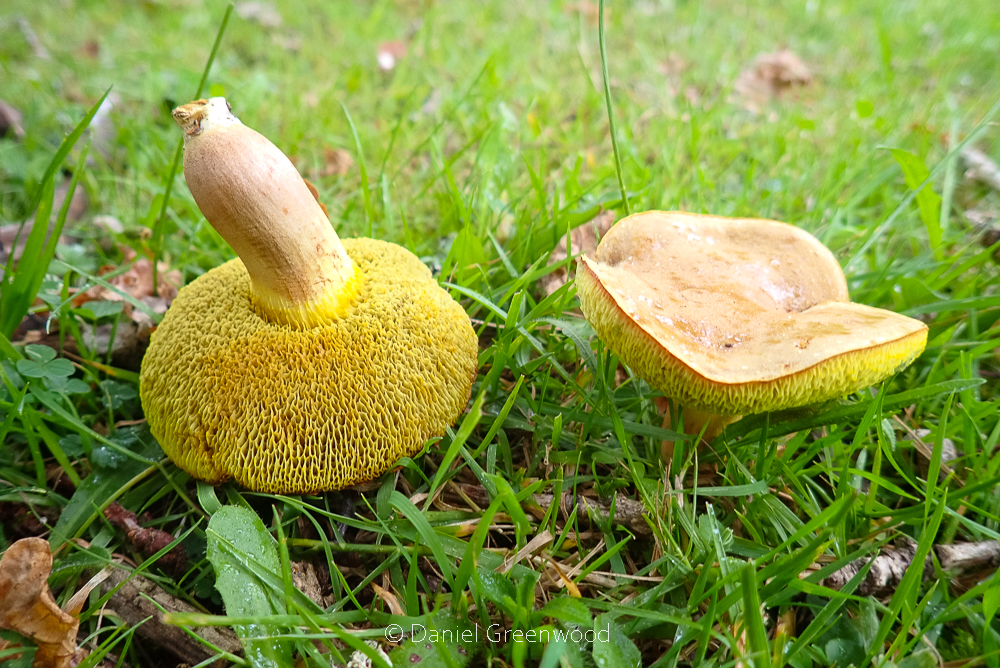
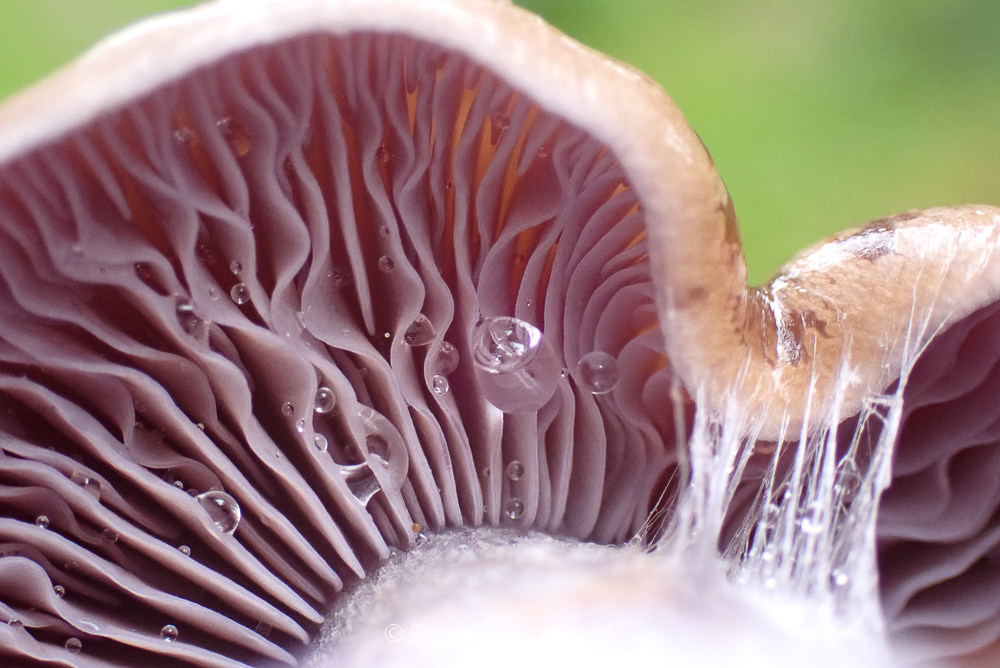
And while we’re on the subject of mushrooms, I’ve just posted my 100th FungiFriday.co.uk blog! Please do subscribe to that blog if you’re a WordPress user, or by email if you’re not.

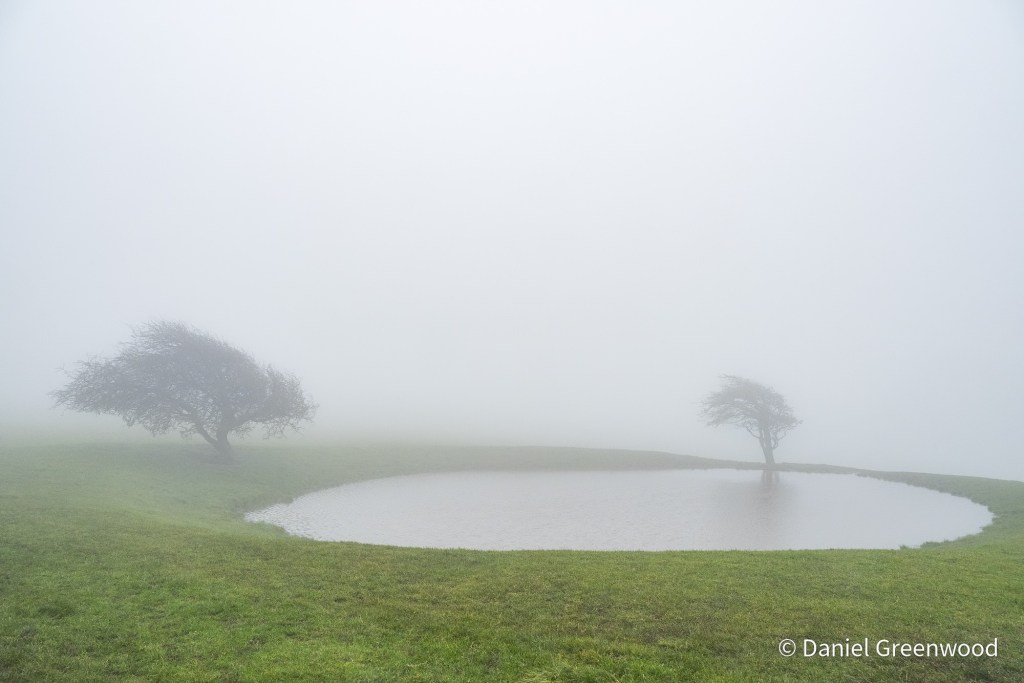
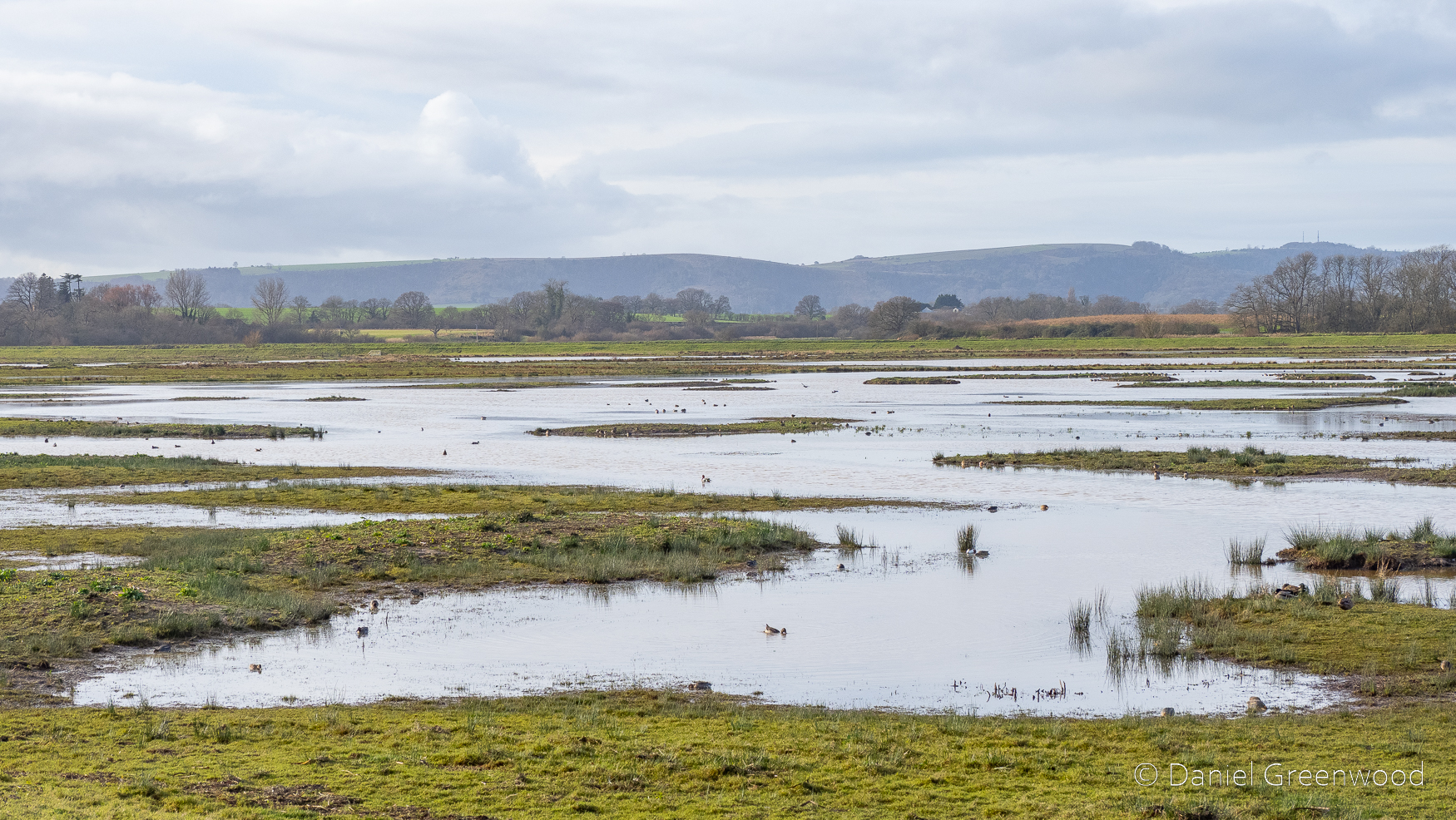
I’ve been reviewing some of my archive of landscape photos and want to do some posts about the Cairngorms in Scotland. About 12 years ago, when I went on trips to the Scottish Highlands, I was focused on using only one image (as above) in blogs and having more prose-focused posts. This means there are some wonderful (IMO) images which are sitting in my storage unpublished. They’re all based around walks so I will probably approach with that angle.
What I’m recording
In September I heard from Oli Steadman, a musician from the band Stornoway, which was a nice surprise. We decided to record a podcast about Oli’s 30-mile walk around south London’s remnant ancient woodlands (the Great North Wood). The walk is to raise funds to support the Fourth Reserve Foundation, a community organisation managing a slice of railway-side woodland in Brockley, south-east London. You can see Oli’s fundraiser here.
What I’m reading

I am in a long-Habsburg phase at the moment, having just finished Beware of Pity by Stefan Zweig (1939), and now reading The Radetzky March by Joseph Roth (1932). Little did I know the authors were so well connected. I enjoyed the experience of reading Zweig but it certainly felt like something from a different era, shall I say. I don’t think the depiction of a disabled woman has stood the test of time.
Zweig’s novel ends with the First World War, which I just can’t seem to stop reading about at the moment!

Elsewhere, I love this collection of bat portraits by José Gabriel Martínez-Fonseca published on Peta Pixel.
What I’m hearing
The legend that is Jens Lekman has released his first album since 2017: Songs for Other People’s Weddings. I have been listening to Jens since I bought a copy of Oh You’re So Silent Jens at HMV Manchester in November 2006. This new album is songs #literally written for other people’s weddings, but developed into a love story between two people. Jens is such a legend – his songs are beautiful, funny and affecting. It also features a diamond in the rough, singer Matilda Sargren.
What I’m watching
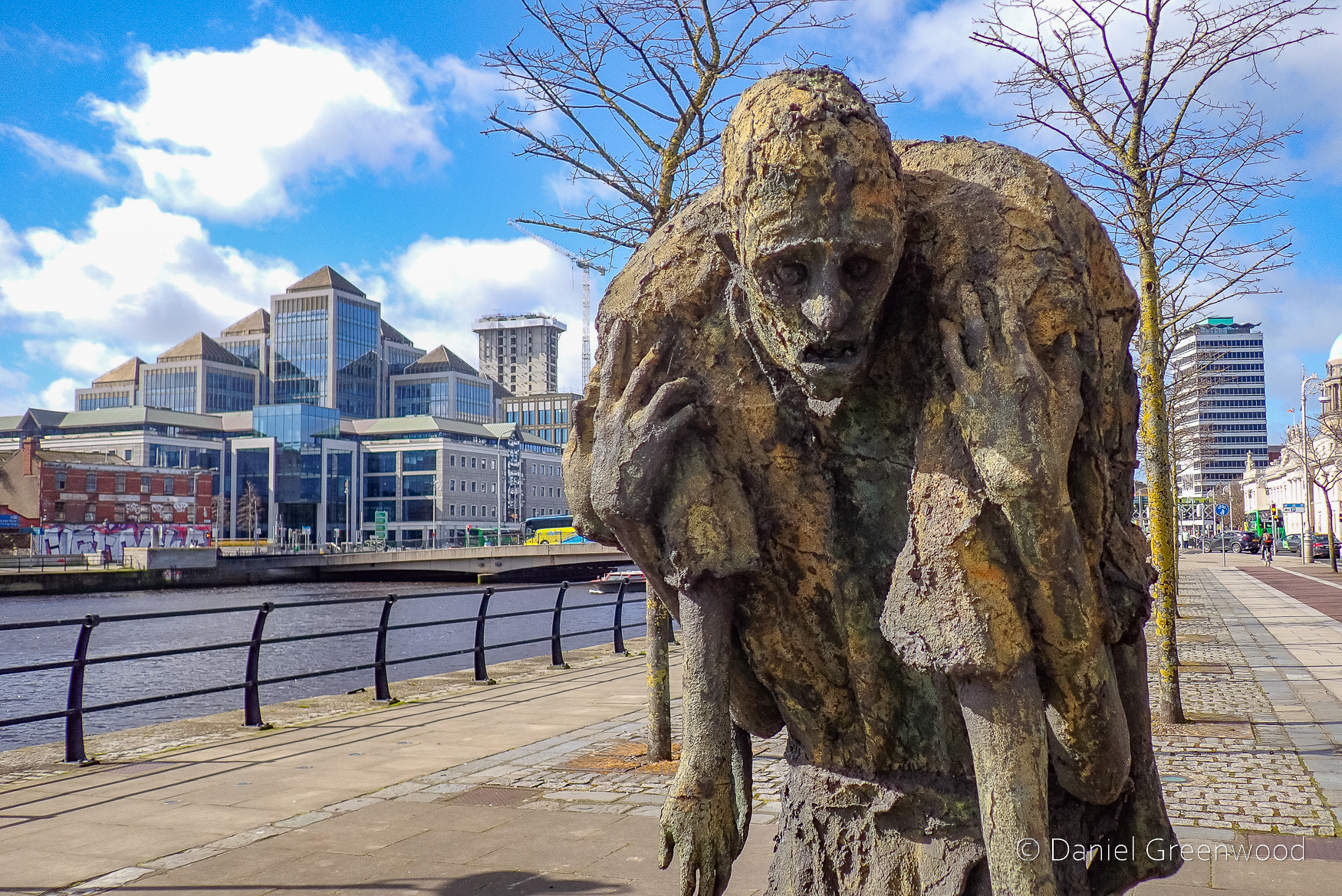
At home we’ve started watching House of Guinness on Netflix, a fictional account of the family behind that beverage. It’s been panned by critics and many Irish people find it patronising. What I found interesting was that the programme covers elements of the Great Famine of 1845, and in my ancestral land of Connacht (now Mayo). It blows my mind to think my relatives would have been living among those scenes depicted in the programme.
Elsewhere I noticed the inclusion of Fontaines DC and Kneecap in the soundtrack (not quite 19th century) and wonder is it an attempt to tap into the burgeoning Gen-Z interest in Irish rebellion and anti-establishment counter culture? You could do worse than read A Star Called Henry by Roddy Doyle, kids.
In more historically-accurate news, I watched a 30 minute long account of the Thirty Years War on Epic History (above). Oh my, glad I wasn’t alive then! It’s a helpful guide to how modern Germany was shaped from many disparate regions and states into one greater whole.
And finally thank you to everyone who has supported my work with a like, comment or contribution. I really appreciate it. You can support the running costs for this blog here.
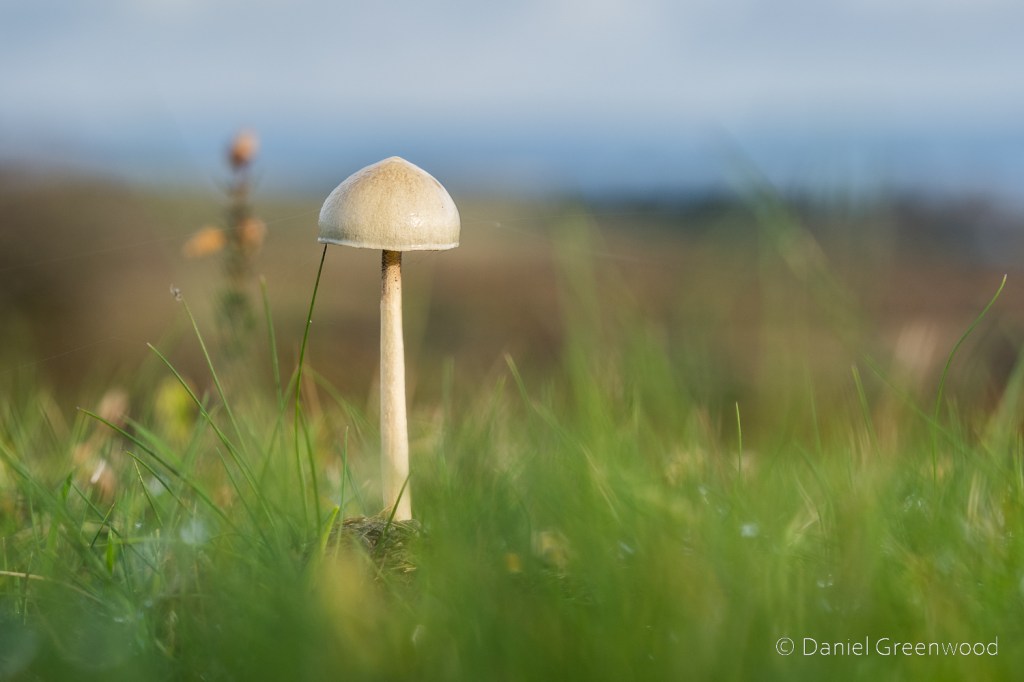
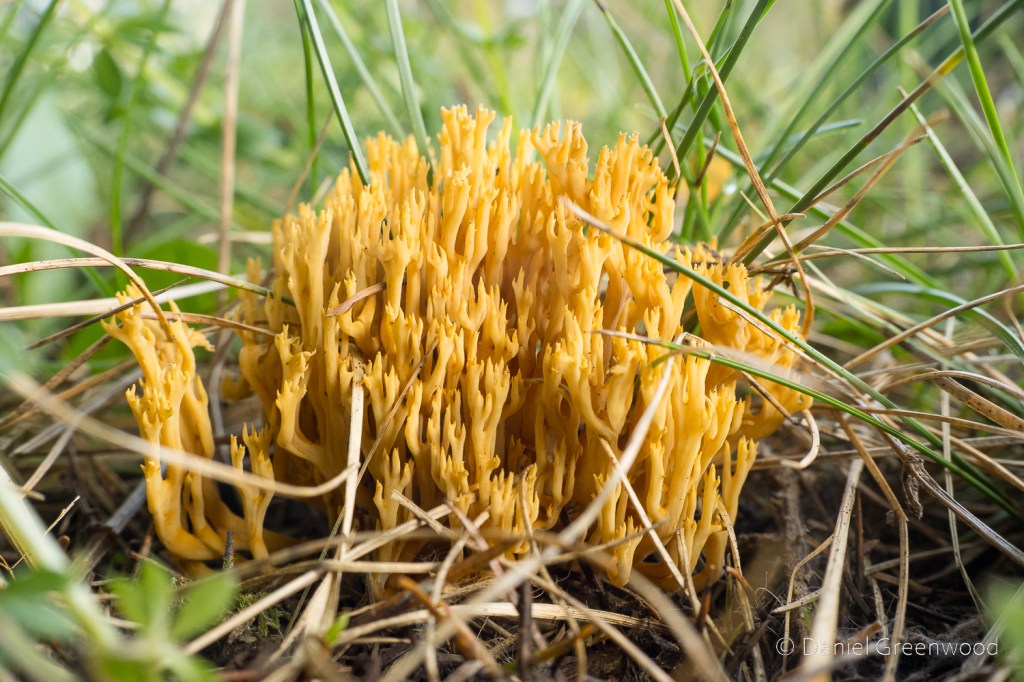
Another reminder to visit Fungi Friday 🍄
Thanks for reading.
















































 Unlocking Landscapes
