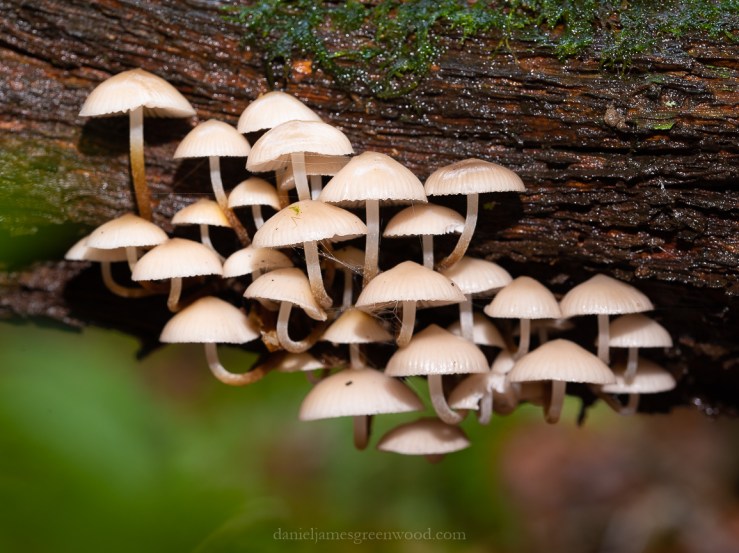
#FungiFriday: looking back on a mushroom classic

Ebernoe - 8-11-2019 blog-75

Fungi Friday 3rd April 2020 (or Friday 9th November 2019)

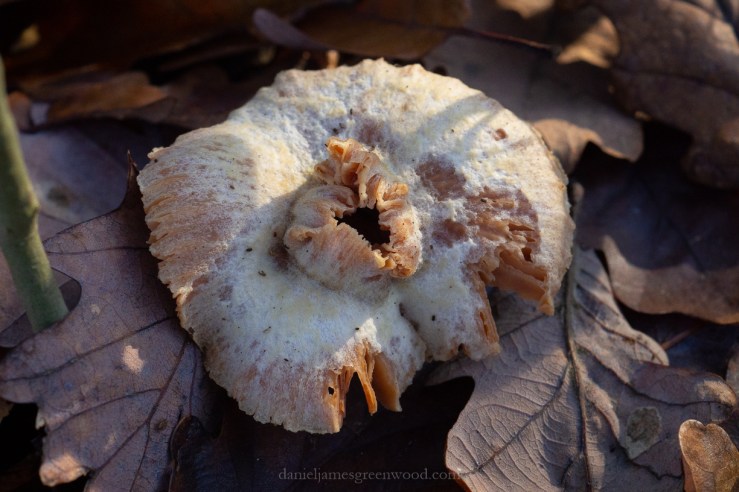
I can’t get out to anywhere that has mushrooms to photograph and we’re also experiencing something of a dry spell in Sussex. That means that this week I’m posting about my fungal highlight of autumn 2019, which took place on Friday 9th November. Consider this a bit of a sporting or cinematic classics TV show, until we’re allowed to venture further and any spring rain arrives. The inconsistent nature of mushroom fruiting bodies means I may have to wheel this out again to keep it going every week.
Ebernoe - 8-11-2019 blog-91

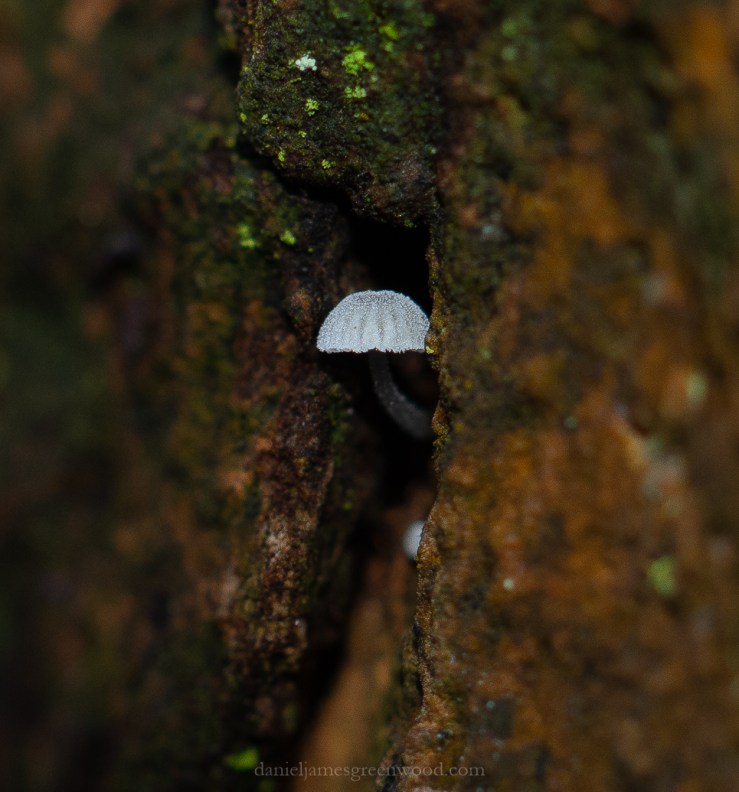
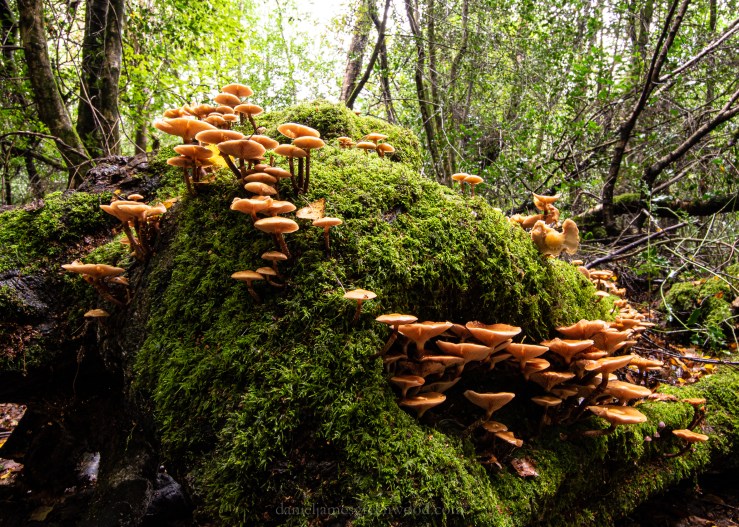
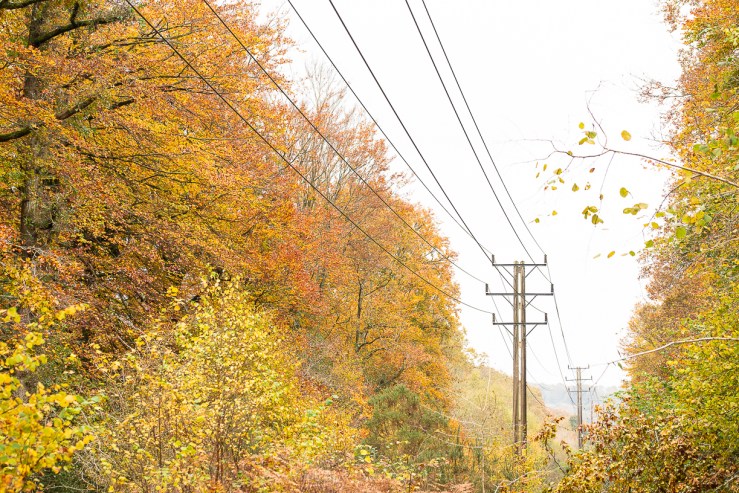
It was mid-November with autumn at its peak. The colours of the beech trees were at their most explosive. In the woodlands of the Sussex Weald, there were millions of mushrooms. They seemed to be under every footstep and fruiting from every fallen tree.
Ebernoe - 8-11-2019 blog-10

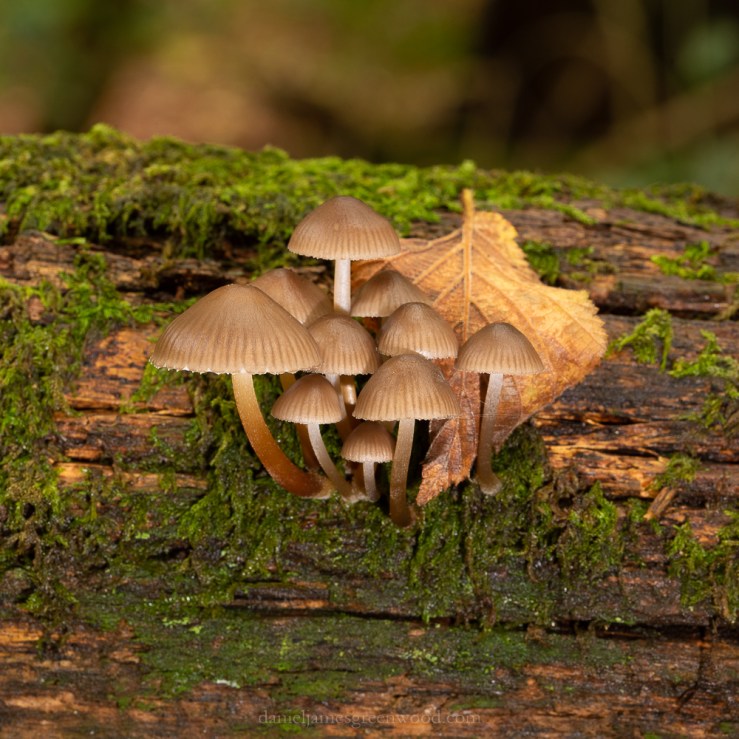
It was clear it was peak mushroom time. The bonnets were out en masse and many leaves were still on the trees. I have come to think that fungi hunting is so much easier before the leaves fall. The leaf litter created by oak and beech is very hefty.
Ebernoe - 8-11-2019 blog-88

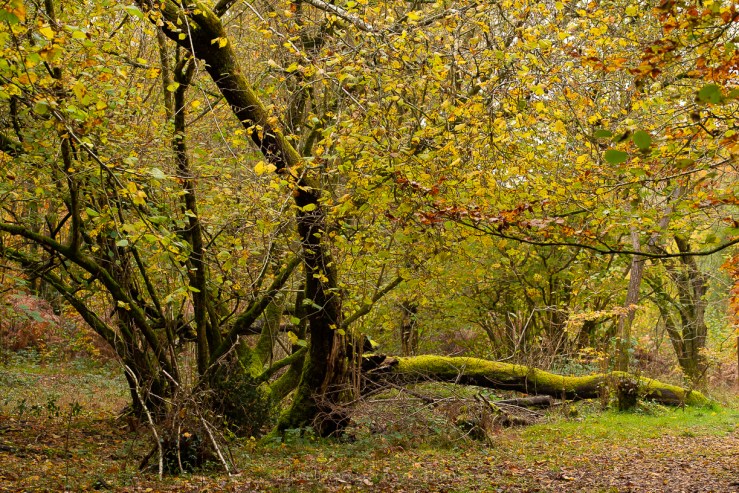
I would also consider using hazel as an indicator. When those leaves start to yellow and fall, you know it’s going to be more difficult. Winter is on its way.
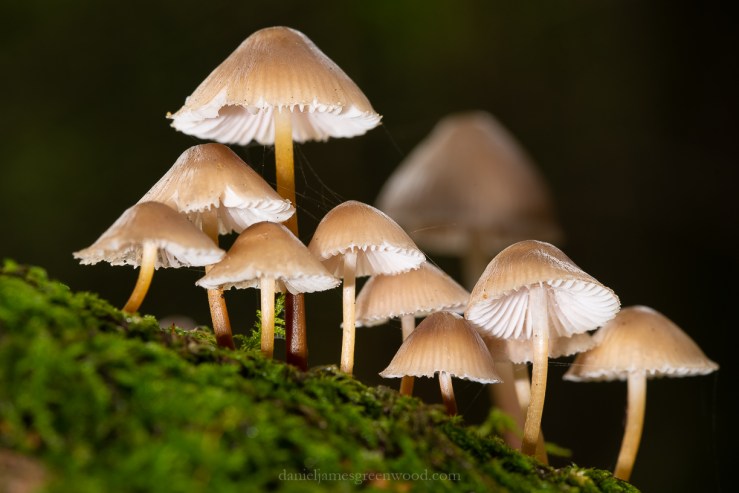
Ebernoe - 8-11-2019 blog-39

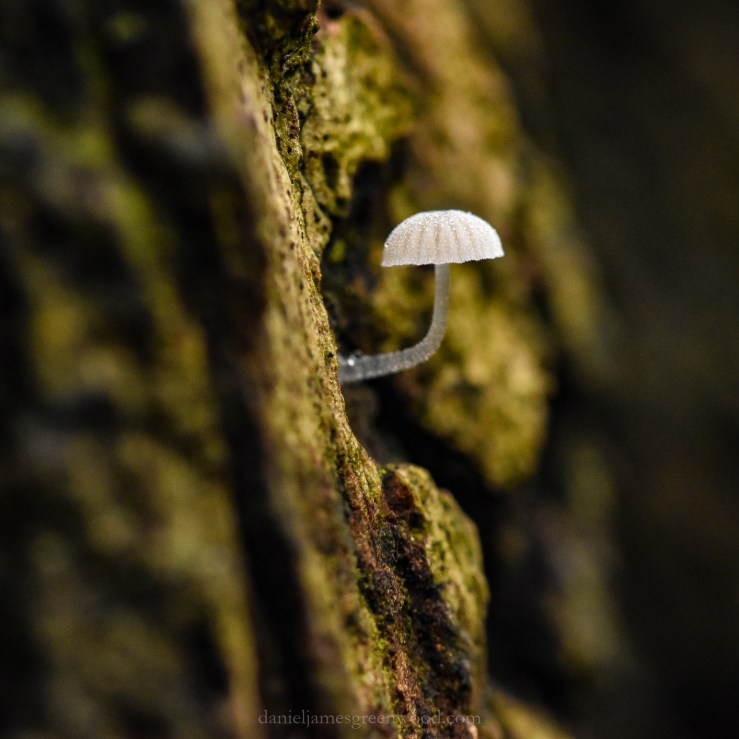
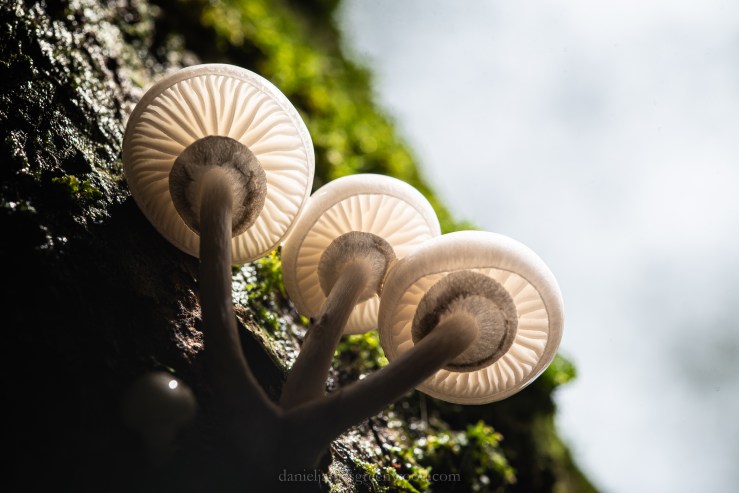
Bonnets are some of the best fungi to photograph because they’re often elevated on the limbs of fallen trees, meaning you don’t have to scrabble around on the ground. It’s also a very nice height for a tripod. A tripod gives you the steadiness to use slow shutter speeds which makes it so much easier to take pics in a dark woodland in autumn. Also, mushrooms don’t move!
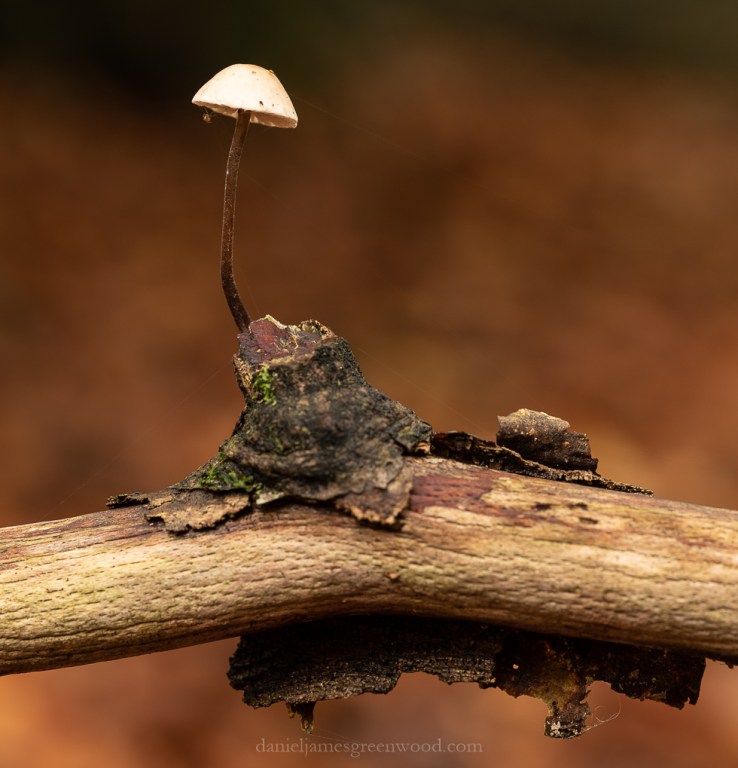
Ebernoe - 8-11-2019 blog-14

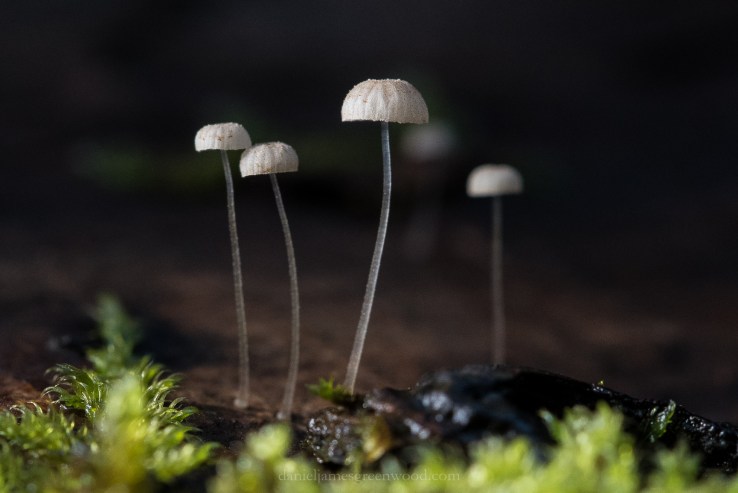
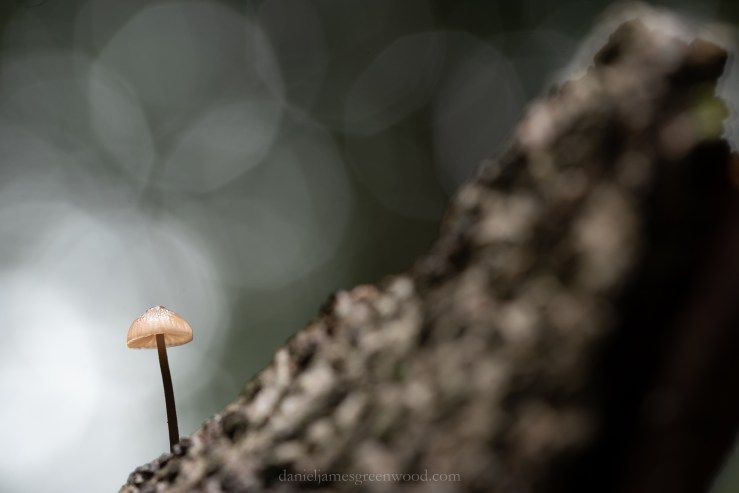
What I am looking for in general is a mushroom that can be isolated. A macro lens gives a very shallow depth of field, which means that the focus is thin and the background easily blurs. This kind of thing is perfect. I don’t focus stack images (a complex process of threading images together which have different stages of focus) but this would look really good with every aspect in focus.
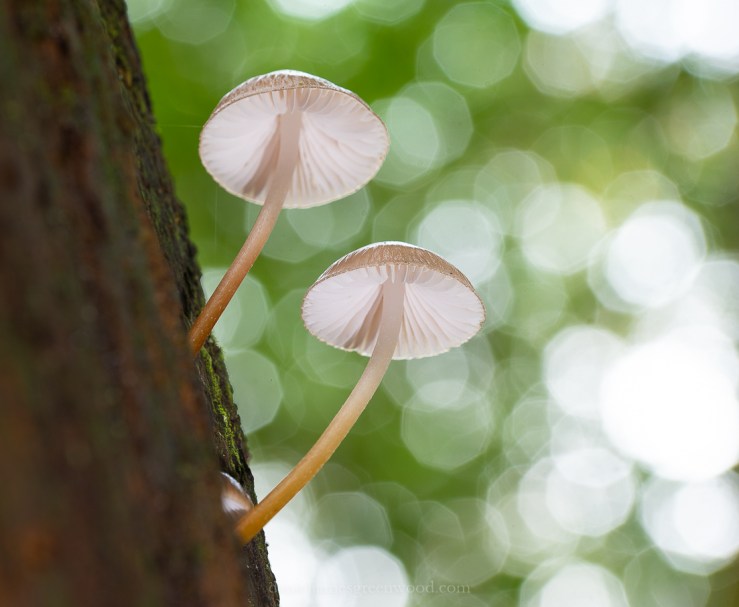
Ebernoe - 8-11-2019 blog-48

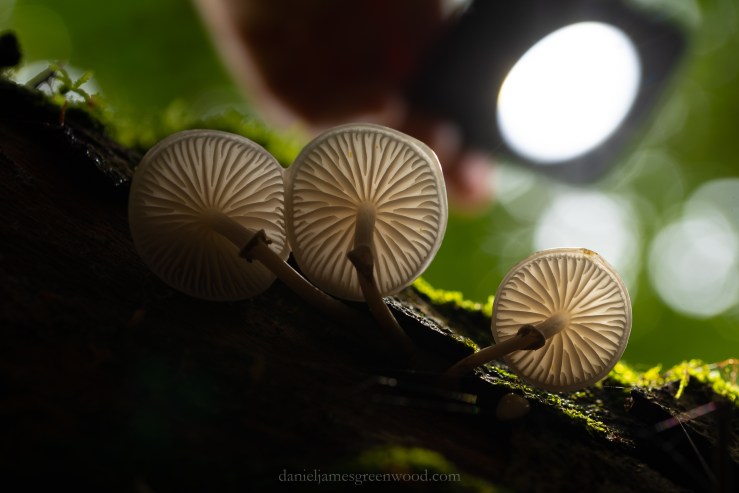
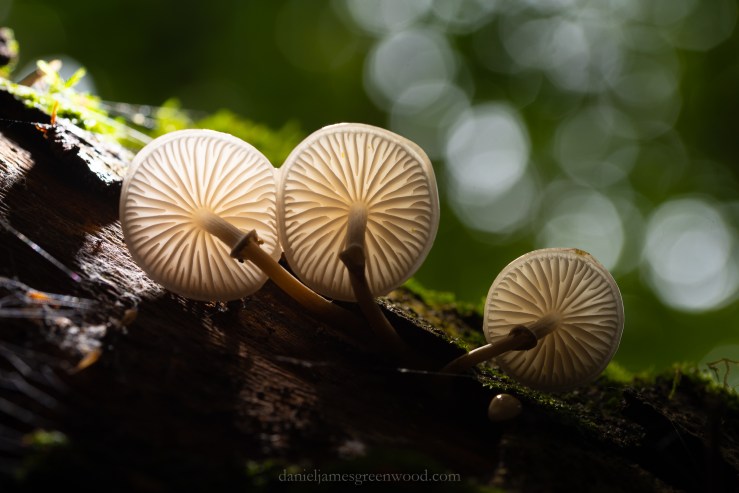
This is also what’s so nice about elevated fungi. You can play around and get some nice bokeh (the circles in the background). This is created by daylight flooding through the leaves – can you see the wash of green? I used a small LED light to light the gills of the bonnets. They look almost like paper or plastic to me. The idea also occurred to me that the white bokeh circles look like the mushrooms, too.
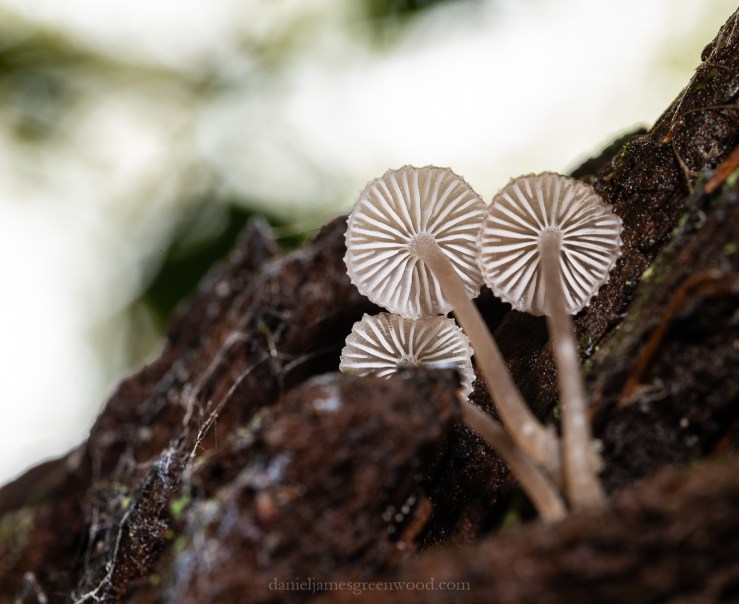
Ebernoe - 8-11-2019 blog-27

These are probably more bonnets. Again, taking a photo of the gills underneath can create a really beautiful effect. I could have pulled the bit of dead wood off to reveal the other mushroom but I fundamentally disagree with damaging habitats for the sake of a photo.
Ebernoe - 8-11-2019 blog-18

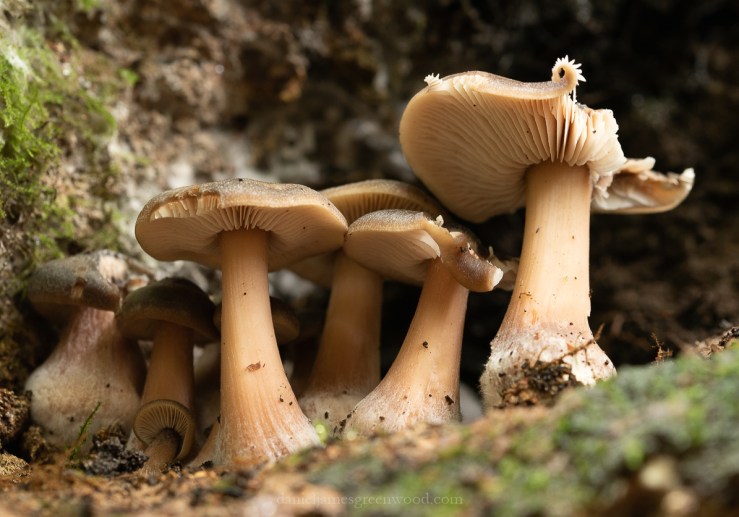
A species I learned last year was buttercap (or at least I think I have). This is said to be a common species. I like the fairytale shape of the stipe as it bulges at the base.
Ebernoe - 8-11-2019 blog-1

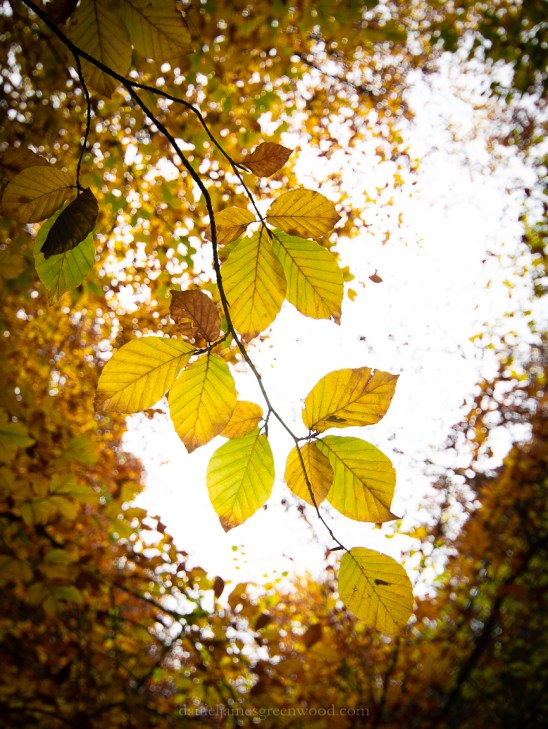
The woodland was entering peak autumn colour. These beech leaves still held traces of their chlorophyll.
Ebernoe - 8-11-2019 blog-62

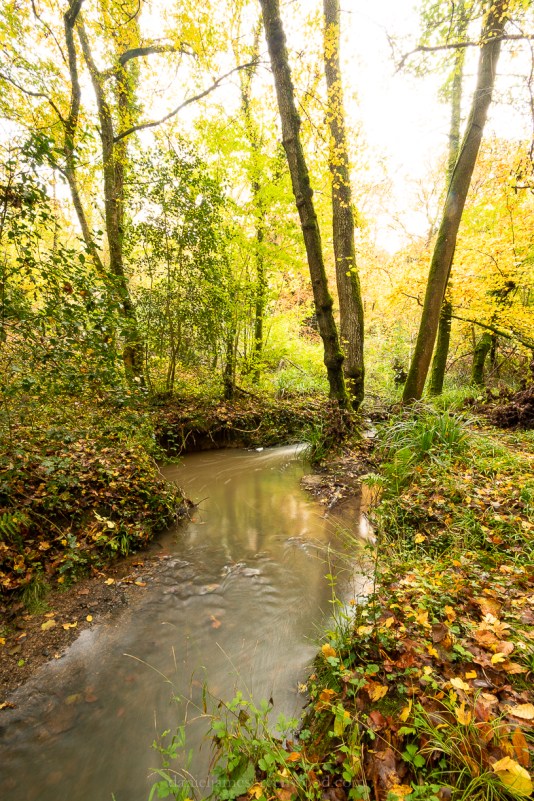
It was a beautiful day to be in the woods. I can’t tell you how much a woodland stream adds to the overall experience!
Ebernoe - 8-11-2019 blog-79

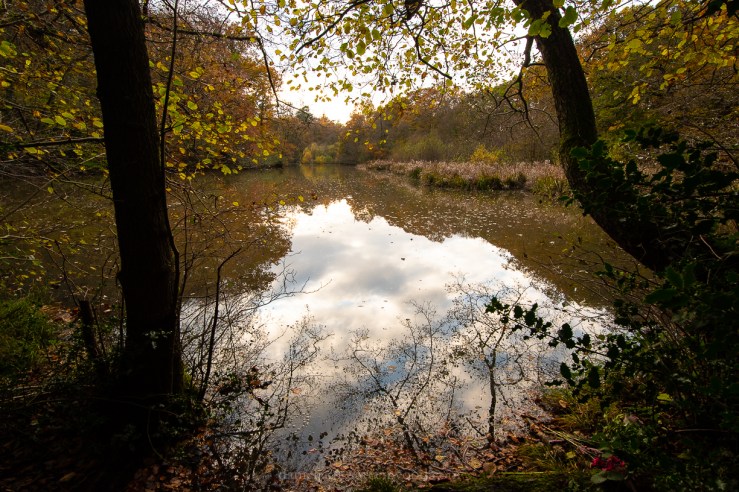
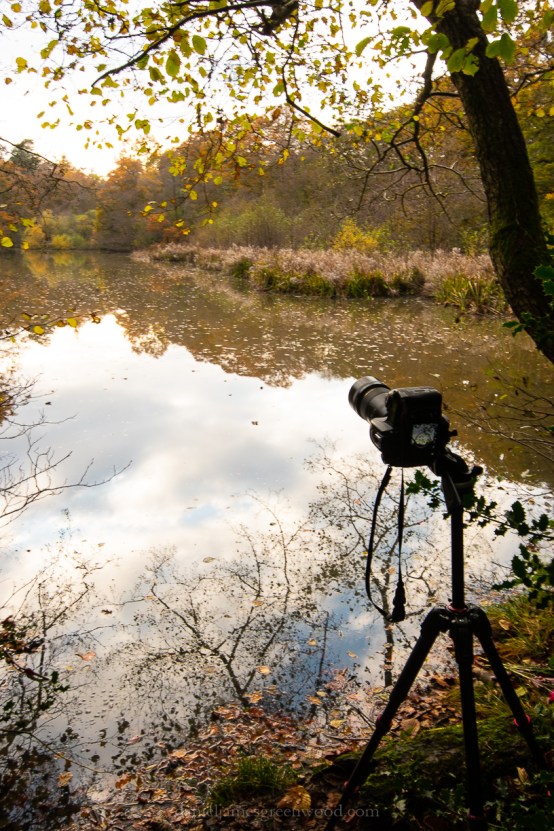
With what is approaching a lake, you’re spoiled rotten.
Ebernoe - 8-11-2019 blog-21

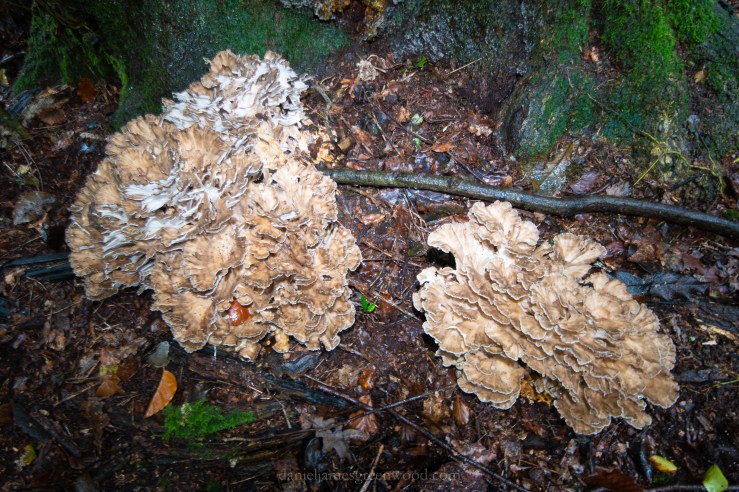
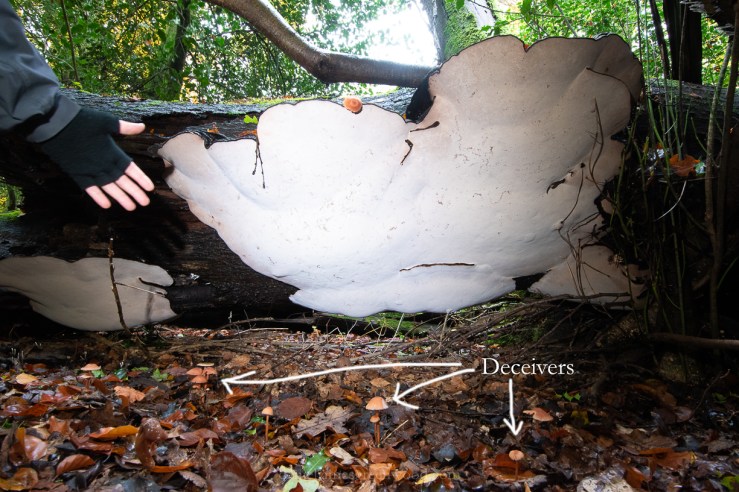
Back to the shrooms. I found probably the biggest fungus I have ever seen, though you could argue it is several fruiting bodies fused together. I even added some in-photo text to help explain the situation to you. Very advanced. This is a bracket fungus that looks more like a ray. It’s probably artist’s bracket, a Ganoderma species. Below it you can see some smaller mushrooms, these are all deceivers. They were just about covering the entire area here. It was almost impossible not to step on one. By the way don’t worry that’s my hand not a mushroom burglar’s.
Ebernoe - 8-11-2019 blog-77

All in all this was my peak mushroom experience in autumn 2019.

Thanks for reading.
More mushrooms


Macro Monday: wildlife under lockdown

Garden_21-3-2020_lo-res-16

Macro Monday 30th March 2020

Like 25% of all humans, I am now confined to a new way of living. Work from home if you can and exercise in your garden if you have one. It’s not military arrest, yet. So like many others who are promoting our #NaturalHealthService online I’m starting a weekly Macro Monday blog series.

This is one of the best times of year for photography, the days have just grown longer and the warmer weather means more wildlife is making its way out of the woodwork. Much of the stuff I see with a macro lens literally comes out of the woodwork.

Garden_18-3-2020_hi-res-1

I’m lucky. I have a small garden, something that is a total privilege when many people do not even have a home. If anyone doesn’t have a garden and wants to see some wildlife during the next few weeks and months, here it is.

Osmia bicornis nesting - 16-4-17 blog-7

I have been photographing wildlife in the garden attached to the place where I’ve lived for a long time now. Above is a personal favourite, a red mason bee living in a garden gate! For me going on safari is not attractive, because of the cost, the trauma of long-distance travel for both me and the environment, and because if you have a macro lens of any kind, you can see so much close to home. You can appreciate the beauty in the everyday. I think there’s a Ralph Waldo Emerson quote for that.

Garden_insects_27-3-2020_lo-res-13

Let’s see how this goes, an outlet for the frustrations to come but also a view into the world that will continue its natural cycles despite what us humans do. This week I have had to apologise to neighbours on several occasions for hanging around the hedge with a camera. I have several macro lenses and one of them is quite long and could easily be mistaken for a snooper’s telephoto lens. To the person who is a couple of gardens away but too far for me to apologise, I’m sorry.

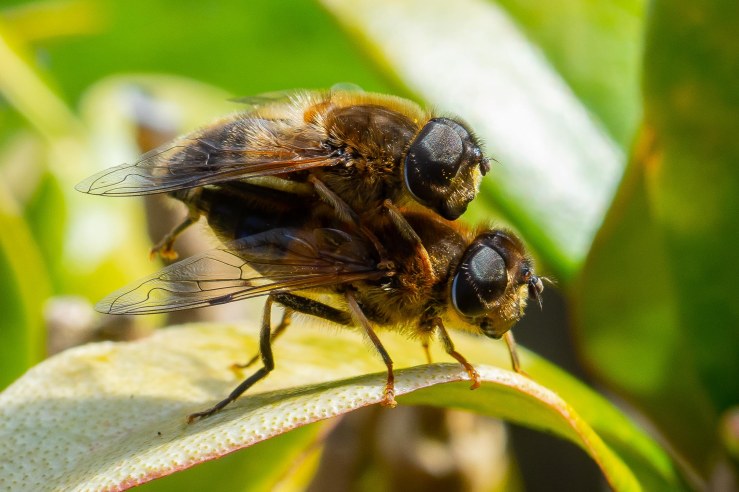
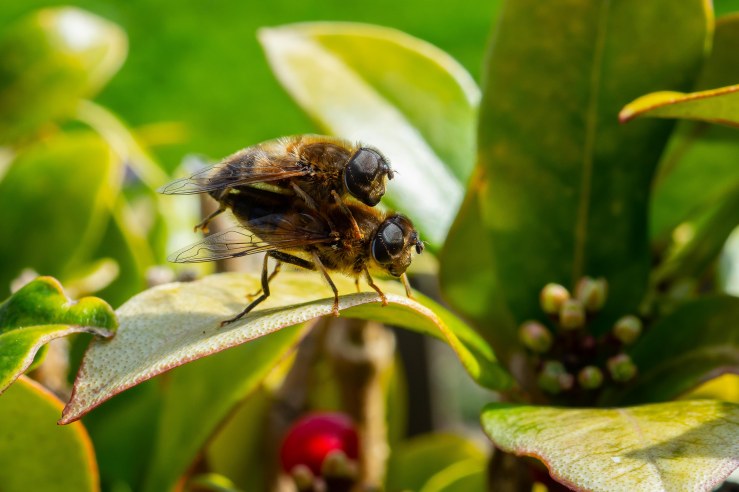
The hedge I’ve been hanging around was one I actually intended to remove because it’s quite dominant and I’d prefer a mixed hedge which will support a greater range of insect species. But this hedge has been brimming with life, especially droneflies, a species of hoverfly that look much like a honeybee. Hold on tight:

Garden_21-3-2020_lo-res-18

You may already have lost count of the amount of images of animals close together with the caption ‘ha, they don’t care a damn about social distancing!’ so I’ll leave that one alone.

Garden_23-3-2020_lo-res-04

The insects I look out for most of all are the bees. We have over 200 species in the UK and the diversity is astonishing. I think this is a yellow-legged mining bee. I’m not sure why but bees and wasps do seem to be more attractive in their side eyes and the three ocelli on top, also providing optical vision.

Garden_insects_27-3-2020_lo-res-03

This is probably one of the leafcutter bees but I’m not sure. It was happy to be approached while basking on the shrub that all the insects seemed to enjoy.

Garden_21-3-2020_lo-res-23

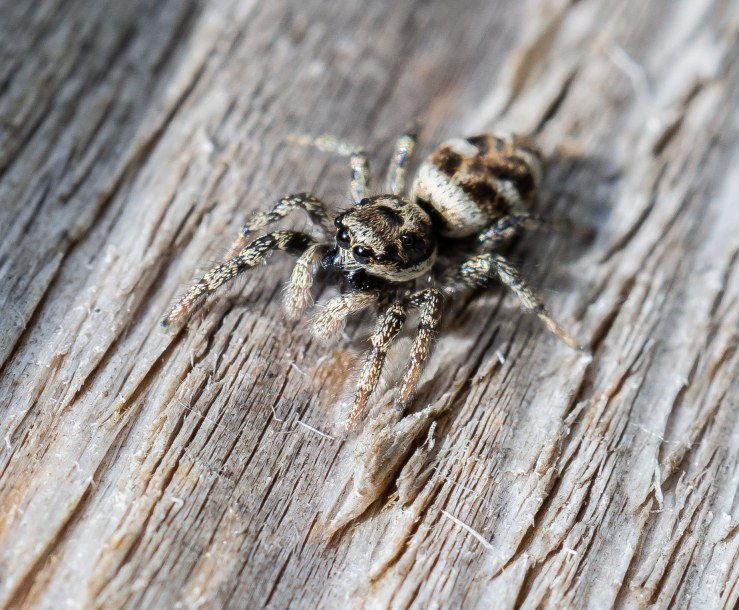
Away from the insects, spiders have a predilection for the wooden fence on one side of the garden in the early morning sun. This zebra jumping spider gave me a right run around. Later that day I actually found one in the house, not the first time, but I think it had squeezed its way under the window.

Garden_insects_27-3-2020_lo-res-18

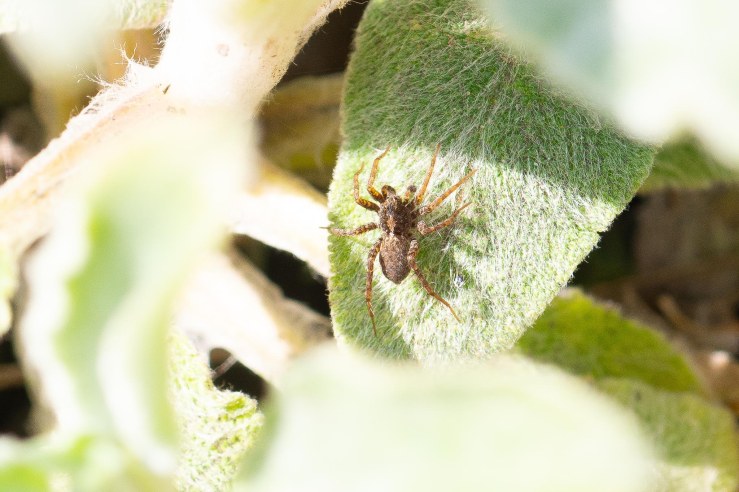
Early spring is also a time when spiders are basking in sunny spots on leaves. I bought this stachys flower last year and planted it out, only for it not to really do anything. Since moving house I transplanted it and am hoping it will come to life this year. It’s a member of the dead-nettle family and proves very good for bees.

Garden_21-3-2020_lo-res-05

Perhaps a little more sinister, this spider looked to me to be eating salt from the soil. I have no ecological basis for that argument other than I know butterflies and other invertebrates do the same.

Thanks for reading.

More macro

#FungiFriday: it’s a mushroom lockdown

Warnham - 20-10-2019 lo-res-30

Fungi Friday 27th March 2020

It’s estimated that 25% of people on Earth are now under some social restriction due to the Covid-19 pandemic. While the non-human organisms are probably enjoying this hiatus, it’s certainly harder to continually produce these finger-on-the-pulse-docu-drama Fungi Friday posts. This week I confess I have no fungi photos worth sharing. I even sat in the garden just now for half an hour trying to get extreme macro images of a mouldy orange. No word of a lie. Look:

Orange_mould_27-3-2020_lo-res-5

So the only sensible thing to do is admit defeat – I have no mushroom images to show you from this incredibly sunny and dry week in Sussex. But this blog has only been running since Christmas and so this is a chance for me to spend some of those Fungi Fridays I’d been storing in the mushroom bank.

Warnham - 20-10-2019 lo-res-31

In early November I took a walk one Sunday around a nature reserve close to where I live. It’s a mixture of wetland, wet woodland and plantation. I featured some pics from it last week before the powers that be sent us packing. I found a very unusual looking mushroom growing along the path edges in patches of woodchip. This was a new species for me and apparently too for our great nation.

I struggled with some serious mushroom envy at times last year due to lots of images of a blue mushroom that every mycologist and her dog had found. I felt a bit better about it after meeting its cousin, the redlead roundhead, for the first time. This beautiful red shroom is a naturalised species which originates in New Zealand. As the Covid-19 pandemic shows us, things can spread easily around the world if their manner of reproduction is microscopic, airborne and supported by intercontinental human travel. Tree diseases, I’m talkin’ to you!

Warnham - 20-10-2019 lo-res-36

I was trying out a new zoom lens on my little mirrorless camera and these funeral bell mushrooms enjoyed their opportunity to show off their poisonousness. Their name should tell you what eating them does. They are very similar to sheathed woodtuft and anyone looking to eat fungi should be very careful when trying to decipher between these two species. I’m just going to flat out discourage that!

Warnham - 20-10-2019 lo-res-28

The path edge was also rich in puffballs. The birch log at the side of the photo is path edging, what is sometimes known as a fungi super-highway. These puffballs are quite weird looking but they’re in their prime. I think they probably common puffballs but they could also be pestle puffball, which I believe is a bit larger than this really. 10 points if you can identify which small mammal has nibbled into the hazelnut in the bottom right.

Warnham - 20-10-2019 lo-res-23

In another coniferous patch I found this expanse of common funnel mushrooms. I spent several years working in a woodland that housed trooping and clouded funnels in the same areas pretty much every year. But the above was a species I’d only seen once before. Also using a zoom lens made it a lot easier to express the scale of their spread, compared with the narrow depth of field a macro lens provides.

Warnham - 20-10-2019 lo-res-22

Next week I’m planning to recap my peak autumn 2019 mushroom experience which I never got round to posting last year. I promise no more mouldy fruit unless it’s aesthetically worth it.

Wishing you well, thanks for reading.

More mushrooms


#FungiFriday: the gifts of spring

Warnham_19-3-2020_lo-res-04

Fungi Friday 20th March 2020

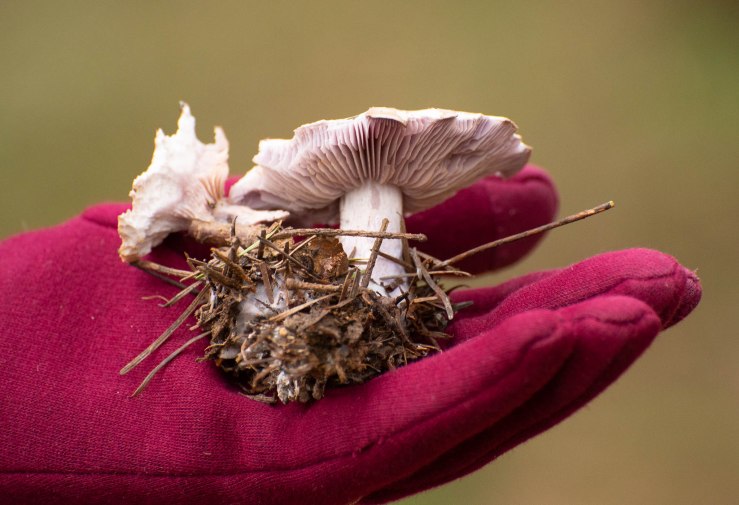
Happy Spring Equinox! Yesterday was a special day, the first proper mushrooms of 2020 made an appearance in Sussex, to me at least. Problem was I completely missed this mushroom, blewit! Wood blewit, that is (sorry). Thankfully it was pointed out to me and I had a glove model on hand (lol) to show it off.

Warnham_19-3-2020_lo-res-08

This has been an incredibly difficult week for people and it’s hard not to talk about it here. Heading out to see which birds are now singing or which mushrooms might be fruiting is a massive tonic to the social frenzy which is hitting pretty much everywhere at the moment. This week I heard my first singing chiffchaff of the year, a rubberstamp of ecological spring. This female great tit may soon become a mum.

Chesworth_17-3-2020_lo-res-6

We have to look to nature now as spring arrives. It puts you back in your place and gives a picture of the longer term. The wild life will go on. But we should also consider that the problems we are now facing are linked to our awful devastation of the natural world, the abuse of its wildlife and ecosystems. Seriously people, we have to consider what we are doing to wildlife and their habitats first hand and also by our consumption of unsustainable products like beef from Brazil or chocolate from companies with poor ethical standards. I really hope that people can find a love of nature now that makes us slow down, consume less and see that our impact has to change forever before nature changes us more abruptly. After this, there can be no going back.

Warnham_19-3-2020_lo-res-03

As I say quite often on this website, I’m not a forager of edible plants and mushrooms, though I know a fair number that I could eat. By that I mean plants and mushrooms, not actual foragers. I have never lived in a place where the foraging of anything beyond blackberries is sustainable. Some foragers must have been banking on this moment of temporarily empty supermarket shelves. Though our numbers are too great and nature’s larder probably too diminished to sustain our diets now. Shame that the toilet roll you find in the woods ain’t ripe yet.

Warnham_19-3-2020_lo-res-01

Most of the fungi I saw yesterday was not edible, either because of its species or just generally because something else had already eaten it. The Coronavirus situation should remind us that there are millions of other species with lifestyles that are far more sustainable than ours, and we are vulnerable to pandemics, especially as we force our way ever deeper into untouched ecosystems that have been intact for millions of years or disturb people who have lived in harmony with those landscapes for a long time. The fungus above is probably shaggy bracket or Inonotus hispidus, one you usually find in bits on the floor having dropped off from higher up. I learned this species conducting tree health surveys with tree inspectors.

Warnham_19-3-2020_lo-res-09

A common mushroom popping up now is glistening inkcap. The ‘record shot’ above is enough to show you how few mushrooms I’ve seen recently. The standards should get better as winter diminishes in the rearview mirror.

Warnham_19-3-2020_lo-res-10

Some fungi need a bit more before they’re ready to go on stage. Here we have a splitgill fungus, which I covered a few weeks ago. Still this snowy white shroomster was a pleasant sight against the blackened rings of this log.

Garden_18-3-2020_lo-res-4

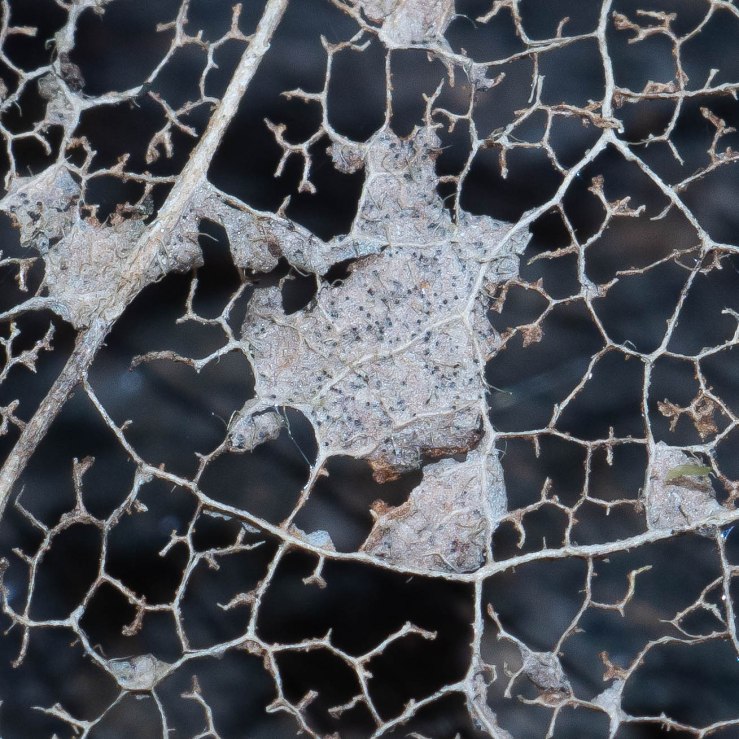
I am getting mentally ready to spend a lot of time in my garden this spring. I am very privileged to have a garden and, having eventually got to this point, I will never take it for granted. During one of this week’s WFH lunch breaks, I found this miniscule fungus frowing on the remains of a magnolia leaf. I wasn’t even looking for it, I saw it later when editing the RAW file on the computer.

Garden_18-3-2020_lo-res-1

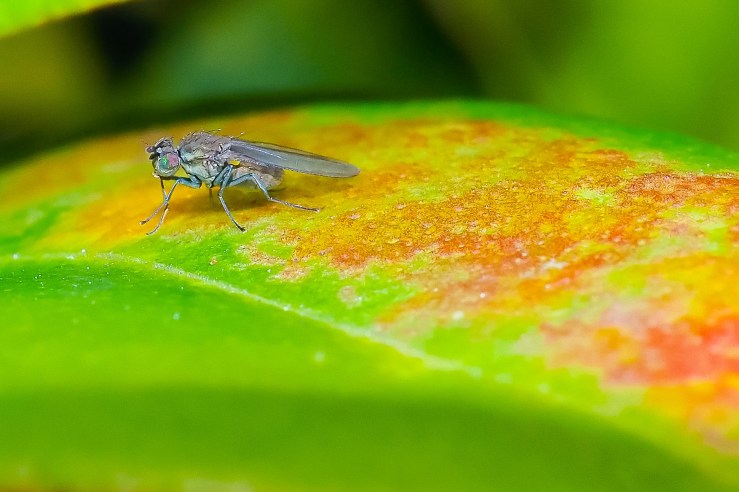
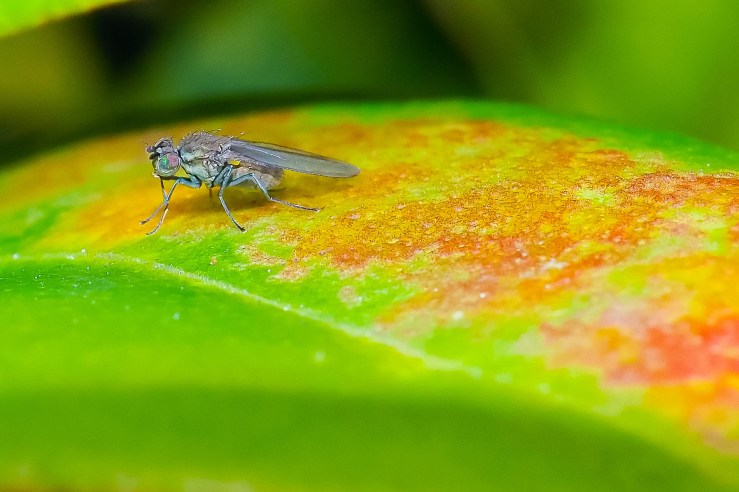
This very tiny fly was resting on a patch of fungus in the pigment of this leaf. I’d like to learn more about these types of fungi but one of the more recognisable ones is that which grows on bilberry (blaeberry, blueberry) leaves.

Warnham_19-3-2020_lo-res-11

I owe lichens for getting this #FungiFriday blog close to completing its third month. Let’s hope that Fungi Friday can help us adapt to the life changes we are all experiencing just now. I plan to do a virtual Fungi Friday guided walk if we’re still allowed out, in a couple of weeks. Stay tuned for that, but most of all stay tuned to the season rather than your news app on your smartphone. It will help you when you need it.

More mushrooms

#FungiFriday: not just lichen it, lovin’ it!

Rother - 28-1-2020 AL (14)

Fungi Friday: 31st January 2020

Anyone who works full time and is trying to keep weekly photographic habits alive will know the challenge that is January. Lunch breaks (if they continue after Bre*it) are the saving grace. This week I got out a couple of times and rescued my pseudo-Fungi Friday. Why pseudo? Because lichens are a mixture of organisms fused together through the evolutionary benefits of their respective differences. As Britain enters the transition phase of leaving the European Union, what better example can you find for the prosperity of working closely together. Algae, cyanobacteria, fungi, together they become so much more than the sum of their parts. Together they created the first soils from seemingly indestructible rocks.

Rother - 29-1-2019 blog-4

The beautiful diversity of life is what makes our world unique, it’s also what makes it live. As we continue to wreck biodiverse landscapes and our ways of farming, building and emitting eradicates species on a scale only seen five times previously in the 4billion years Earth has been a thing, we can’t forget that. Thankfully, lots of people haven’t. Lots of them will be tomorrow’s policymakers and, living with the anxiety of the planet’s poor health, will bring much-needed change.

This attempt to photograph fungi all year round is a silly mission but it has challenged me. In trying to find something to photograph, it’s taken me to read more on the diversity of fungal life that exists in the absence of typical mushrooms. One week I may have to post a photo of the black mould a former landlord is blaming me for. It has also taught me that most of my photography is in fact built around dead stuff. This doesn’t half make you look odd in the real world.

Rother - 29-1-2020 (1)

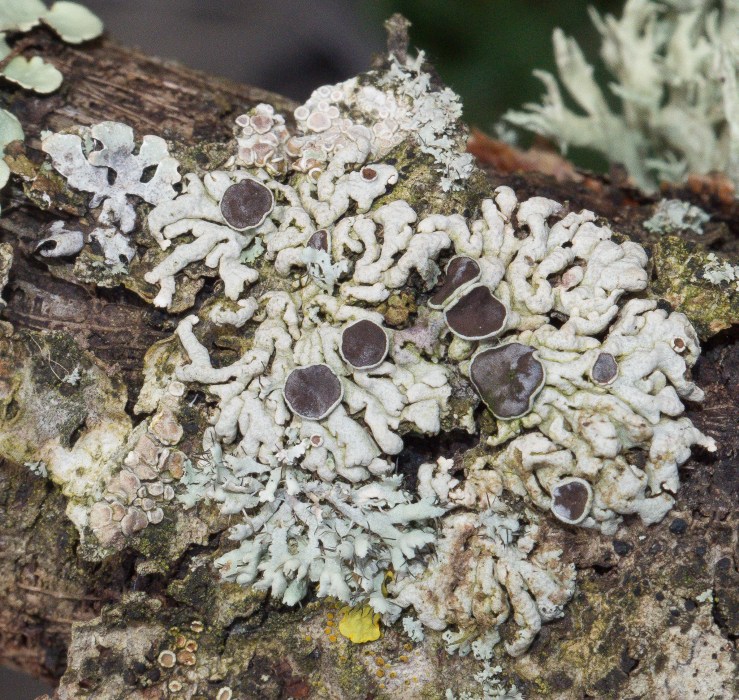
Just like the march of unsustainable consumer-based economies, we should be mindful of the spread ofย Xanthoria parietina, a pollution-tolerant species seen here in bright yellow making its way across the lichen community.

Rother - 28-1-2020 AL (18)

Lichens are good indicators of air quality, due to their intolerance of nitrogen dioxide and sulphur dioxide. These chemicals are produced through emissions from pollution caused by car engines and from farming chemicals respectively. My studio this week is an abandoned poplar plantation along the river Rother in West Sussex surrounded by arable farming. If you look at the uppermost branches in the image above, you can see the spread ofย Xanthoriaย in the golden glow it creates.

Rother - 28-1-2020 AL (11)

Here it is once more, spreading across more species of lichen on a fallen poplar.

Rother - 29-1-2020 (13)

Lichen has saved my photographic January. Whether you use your phone or anything else, I know I’m not the only one.

I’m not just lichen it, I’m lovin’ it!

Fungal decisions can affect climate

Ash trees recovering from ash dieback in Norfolk

More fungi

#FungiFriday: deadwood brings the disco

OLYMPUS DIGITAL CAMERA

Fungi Friday: 24th January 2020

A week of blissful winter sunshine and endless starry skies, cut short by low clouds. What is the point of January, many ask. If fungi asked themselves that question, they probably wouldn’t be here and therefore nor would we. Nature does not disappear completely in winter. The paucity of species can help introduce us to new ones we never knew existed.

OLYMPUS DIGITAL CAMERA

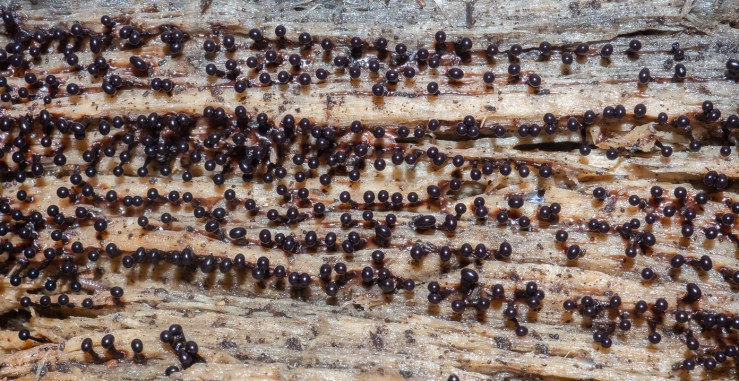
January to me is a good time to find slime moulds. Yes, I suppose this is two straight weeks of cheating after last week’s lichen love-in. But if this is the only way to raise awareness about slime moulds, I don’t think fungi will mind. I had an hour to look through the wooded slopes of an old estate in East Sussex, to find this week’s quarry.

OLYMPUS DIGITAL CAMERA

There was very little fungi of the mushroom kind, in fact, none. But one of the bad funguys had been making itself felt in the wood. Ash trees had been felled after becoming infected with ash dieback. I used to monitor a woodland at the time of ash dieback’s arrival in the UK and have, since about 2014, watched it rocket across the country. In Sussex it is killing lots of ash trees that are under 50 years of age and the landscape of the South Downs is losing a lot of its higher woodland.

OLYMPUS DIGITAL CAMERA

Here you can see the effect of the fungus, though of course many other fungal organisms will be benefitting from the decay caused by the disease. The rot has moved from the outside in through what are the softer layers of waste wood. Had the fungus weakened two thirds of the overall mass, the tree would probably have fallen down. Lots of people walk under these trees, so that’s why they have to be pushed before the wind shoves them.

OLYMPUS DIGITAL CAMERA

I have been exchanging emails with a fellow macro photographer this week who has been spending hours looking for slime moulds. One day this week he looked for four hours and found nothing. I was lucky enough to walk straight outdoors for a few minutes and happened upon this epic spread on the tree above:

OLYMPUS DIGITAL CAMERA

No, slime moulds aren’t fungi, they’re not even moulds, which are another kind of fungus. I still don’t have the slime mould ID book so any help is welcome.

OLYMPUS DIGITAL CAMERA

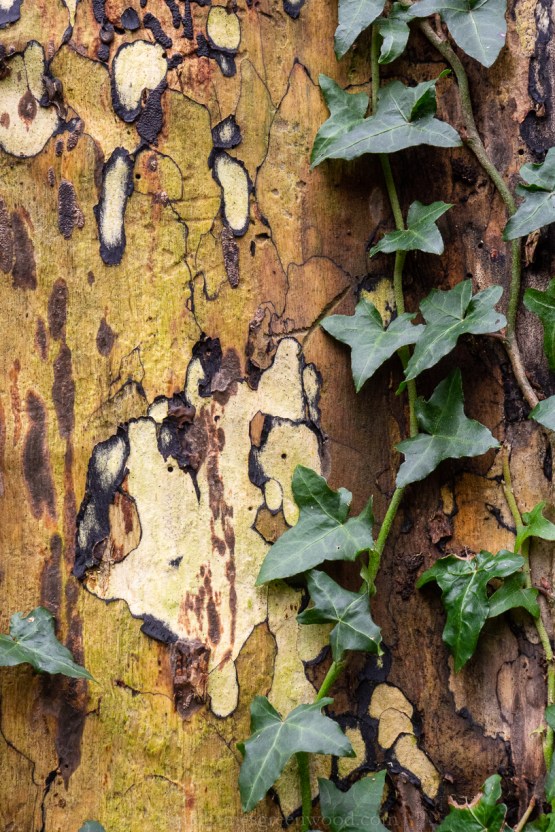
The thing that amazed me about these slimeys was that you could barely see them, even when I knew they were there. They camouflaged so well with the glowering winter light. The photos here have been taken with a flash.

OLYMPUS DIGITAL CAMERA

I could have spent all day with this spread but only had an hour and my small camera. Up close they look like little black kalamata olives. Nom, nom and nom. Though inedible.

OLYMPUS DIGITAL CAMERA

The land managers had left lots of standing dead trees which is excellent. There is some epic misinformation going around about deadwood in woodlands and their contributions to forest fires. It’s guff aimed to misinform people, appeal to people’s fears (what a surprise) and promote the destruction of these habitats. In Britain our native woods of oak, beech and so on, are far too wet to ever burn like a heath.

OLYMPUS DIGITAL CAMERA

The crevices seen above are the perfect places to find slime moulds in cold weather. This is because they provide microclimates and protection from the elements.

OLYMPUS DIGITAL CAMERA

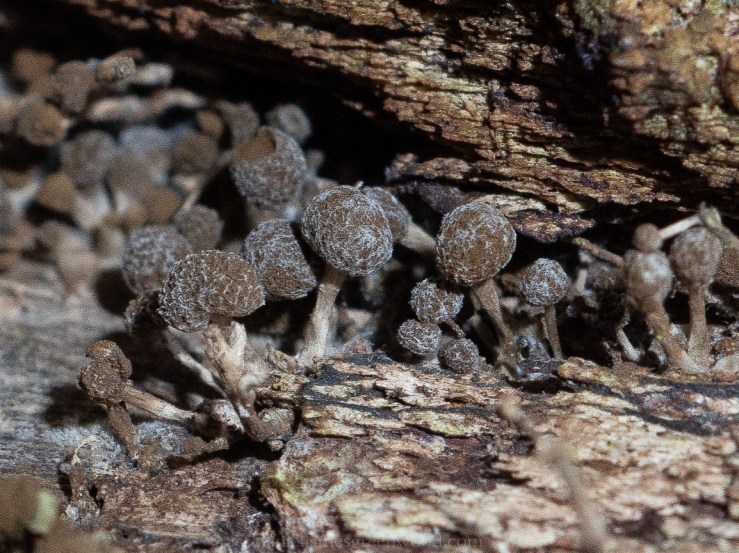
Here I found some old stalkballs which are fungi (or maybe a species of slime mould, am not quite sure), plus the real life of the party:

OLYMPUS DIGITAL CAMERA

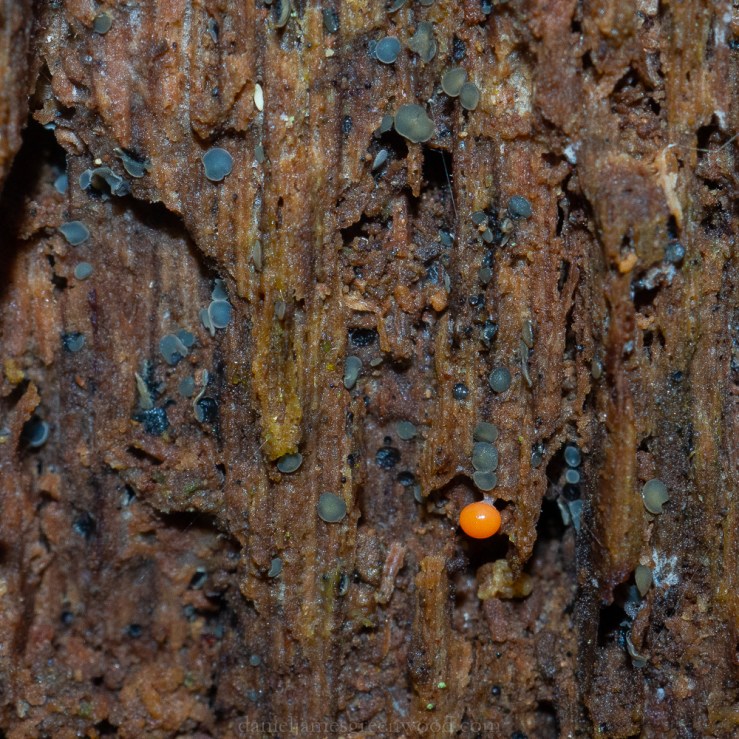
DISCO. I’m not sure which species of disco the blue cup fungi are, but the orange fruiting body is definitely a slime mould. They were few and I couldn’t get a good angle on them.

OLYMPUS DIGITAL CAMERA

Thankfully this blue disco brought the party on Fungi Friday.

Please do share your finds this week in the comments below. Also here are some fungi things of interest this week.

Thanks for reading.

First mushrooms appeared earlier than originally thought

More mushrooms


#FungiFriday: a mushy Christmas in south London

OTH 25-12-2019 blog-4

Happy Fungi Friday everyone!

I’m a Londoner and I learned most of what I know about fungi and nature in London. Take that in physical and psychological terms, having spent most of my life there. One Tree Hill is a Local Nature Reserve in south-east London that has offered many happy wild hours (ecologically). I visit One Tree Hill as often as I can and did so to find some Christmas shrooms this year.

One Tree Hill has a weird history of being a remnant ancient woodland that had been cleared of trees and then has re-wooded itself in the past 60 years. It has old oak trees and new oak woodland spread across areas of old acid grasslands, which are rare but not in good condition anymore. It provides one of the best views of London you can find. You can read more about it here.

OTH April 2016 lo-res-5

December is never a good month for the most exciting fungi species because it’s cold and they struggle to fruit without milder weather. But I found a few species that I look for at this time of year.

OTH - December-2018 djg-1

This photo was actually taken over Christmas 2018 at One Tree Hill but it’s one of the more photogenic things you can find at this time of year. They grow out of the fissures in bark, most of the time on oak. I’m not sure of the species.

The Mens - 19-10-2018 djg (5)

I think this is the same species but growing from a horizontal position in the late summer.

OTH 25-12-2019 blog-6

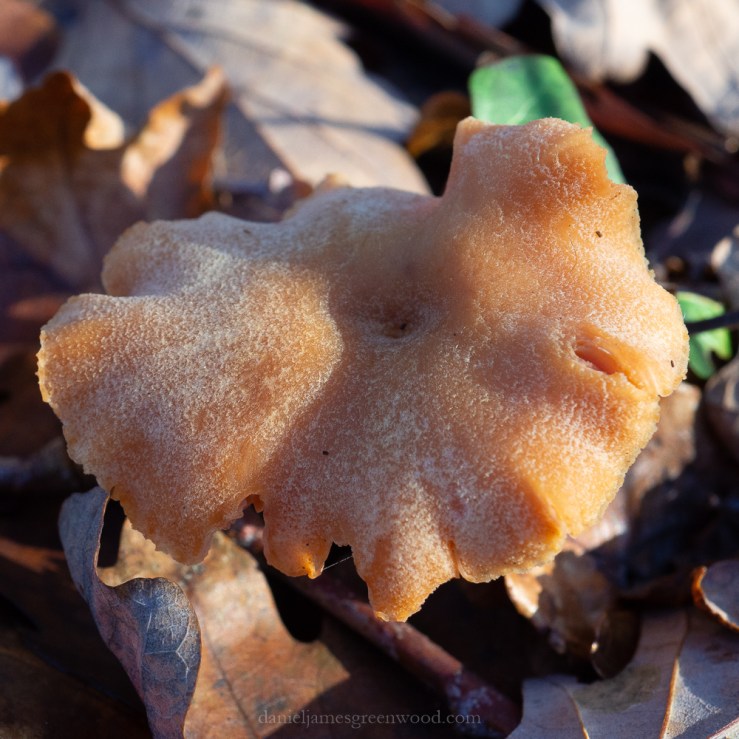
In the more open, grassy areas atop One Tree Hill I found something I’ve not seen before. This is a deceiver (Laccaria laccata) with gills growing out of the top of the cap. I don’t know what the name for this ‘deformity’ is and an internet search definitely didn’t help.

OTH 25-12-2019 blog-8.jpg

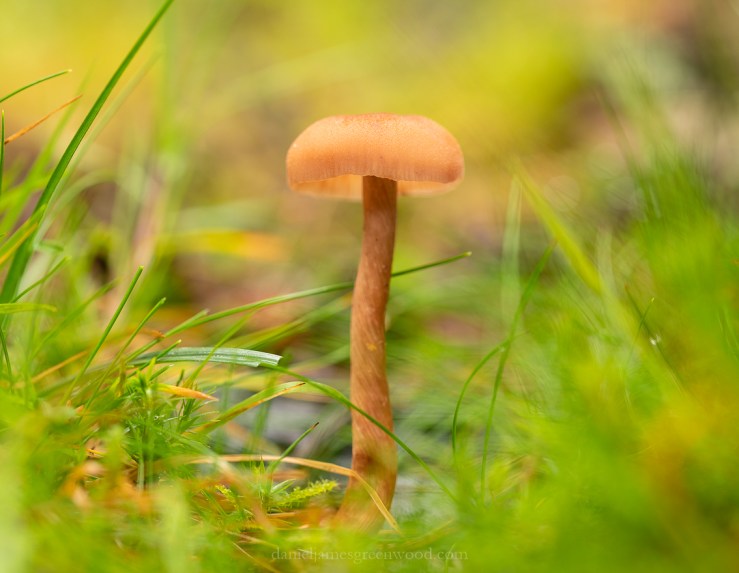
Deceivers get their name because they come in many different shapes and sizes, looking like different species each time. This year I saw huge numbers of them in the Sussex Weald. Here’s one in better condition:

Scotland - September 2019 djg lo-res-2

This is from Scotland in September, which you can read about here.

Wishing you many happy wild adventures in 2020. Thanks for reading and of course please share any interesting sightings or ID requests in the comments below!

Daniel

More mushrooms

#FungiFriday: witches’ butter? Of gorse, it is.

Due to Christmas hols I’m a couple of days late to Fungi Friday on my blog, morphing instead to Mushroom Monday!

A couple of weeks ago I spent some time at Lullington Heath in the South Downs National Park. Lullington Heath is a National Nature Reserve with the super rare habitat chalk heath. It had lots of little waxcaps fruiting at the time.

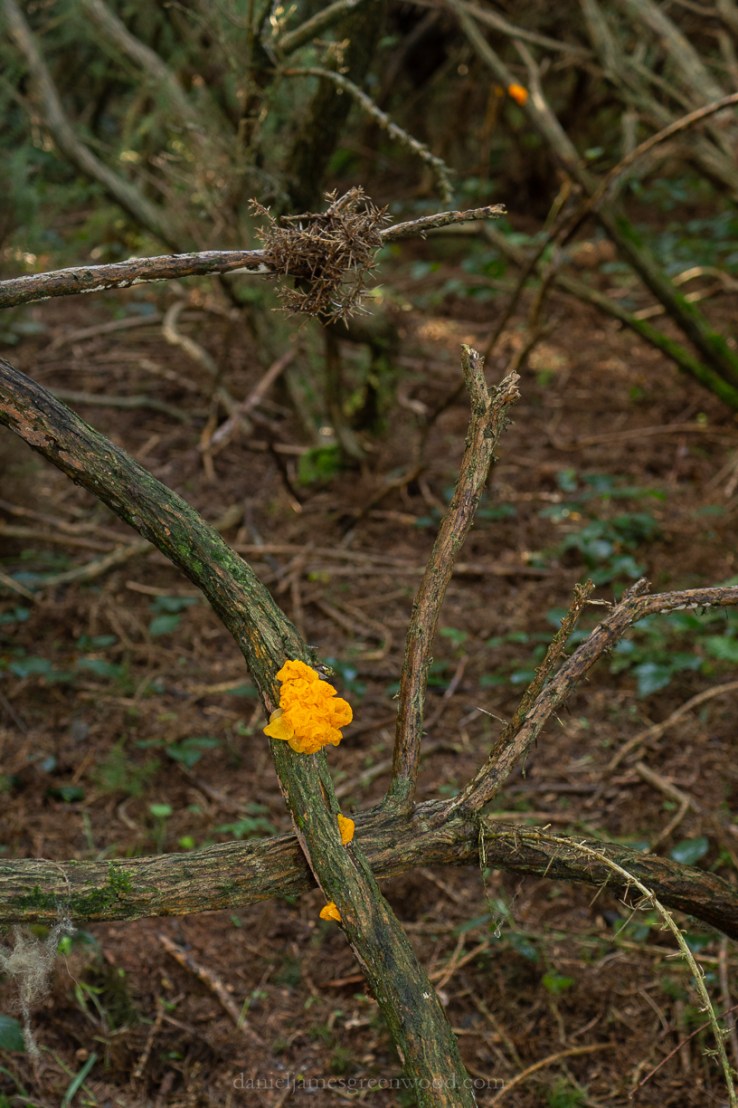
As you can see Lullington Heath is dominated by gorse which affects the diversity of plants and fungi that can prosper there.

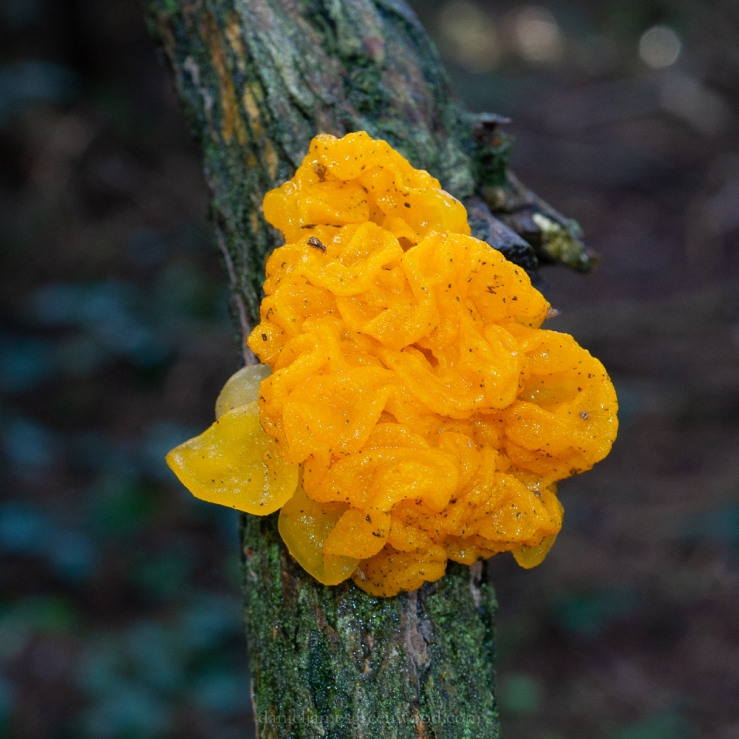
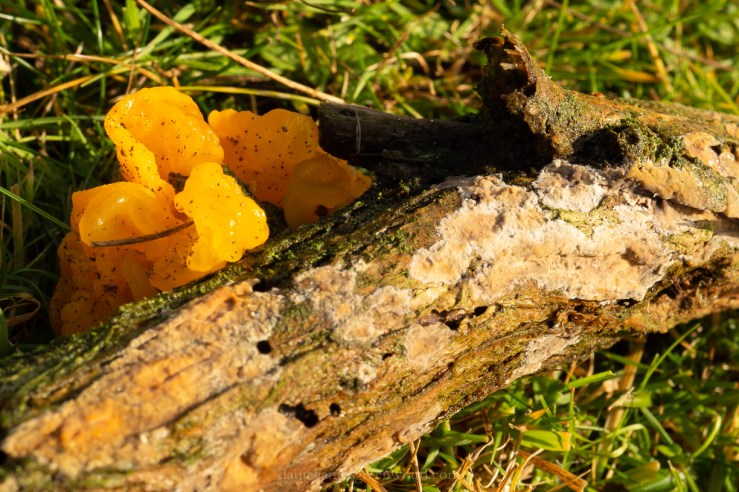
The gorse forms a scrubby woodland and provides ample habitat for one of the most striking species of fungus: yellow brain. It’s also known as witches’ butter, a lovely colloquial name that hints at the role fungi has in British folklore.

This is the yellow brain from the pics above. I cut it out before it was cleared and brought it into the sun. I hid it further away in the gorse afterwards.

It’s actually parasitic on crust fungi which you can see on the right hand side here.

Keep an eye out for my fungal year 2019, an account of things I found and photographed this year, which I’ll be hoping to post in January.

Merry Christmas to all the funguys and gals out there!

More mushrooms

The Sussex Weald: a mushroom cloud rests over West Sussex

Ebernoe - 11-10-2019 djg-3

Ebernoe Common, Sussex Weald, October 2019

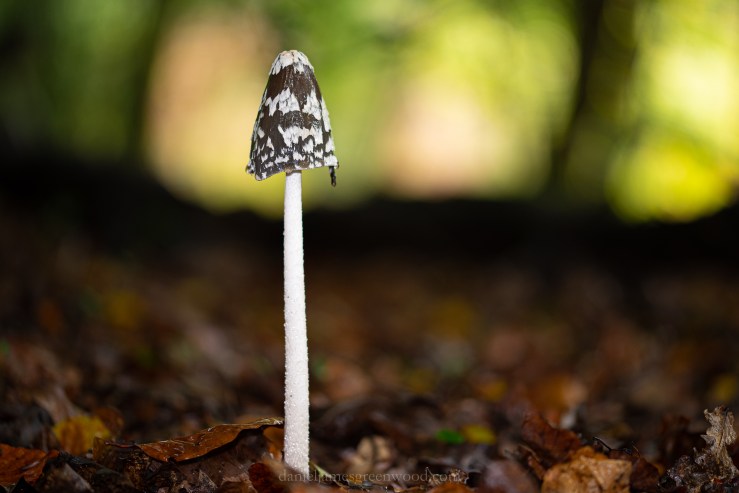
Last week I spent a drizzly and dark afternoon at Ebernoe Common, a National Nature Reserve managed by Sussex Wildlife Trust. It was raining not only water but mushrooms. The first signs of the good times came in the shape of a magpie inkcap. This is something I’ve only seen three times, twice at Ebernoe and once on the North Downs.

Ebernoe - 11-10-2019 djg-1

The word magpie relates to the English phrased ‘pied’ which means black and white. This species goes into the delicious state of deliquesce (an inky kind of melting), just like its relative the shaggy inkcap. Unlike the shaggy inkcap, though, it’s toxic so don’t eat it. The thing I like about this image is the glow of green in the background gradually turning to yellow as autumn progresses. Beech usually provides this kind of backdrop.

Ebernoe - 11-10-2019 djg-4

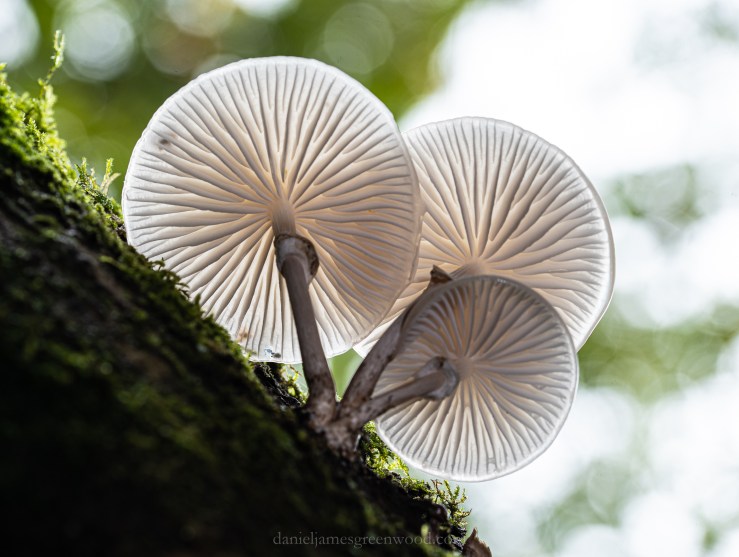
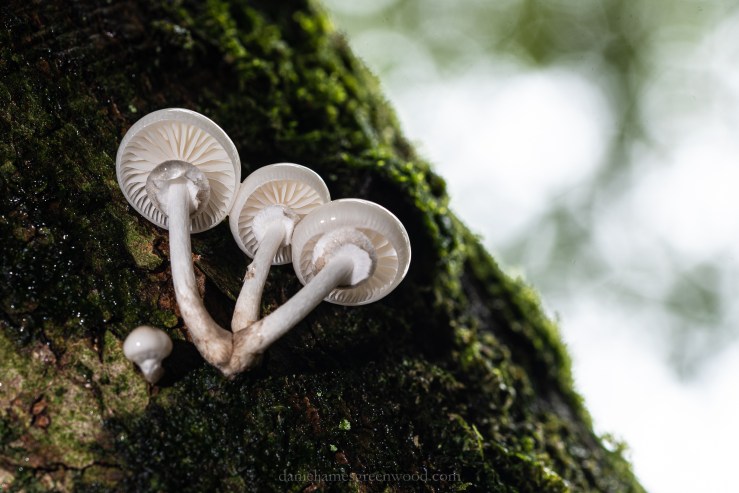
Porcelain fungus is a reliable species. It fruits in the same place, often en masse, each year. It is a beautiful species but the beauty, like so many things, lies underneath.

Ebernoe - 11-10-2019 djg-7

The gloopy glimmer of the cap is photogenic but the gills of porcelain fungus are stunning.

Ebernoe - 11-10-2019 djg-13

I use a small LED light to illuminate mushrooms in this way. I can’t tell you how much more character this can offer to photos. Actually I can: a lot more.

Ebernoe - 11-10-2019 djg-21

Here you can see my roving light (yes, I meant this!) mixing it with some delicious bokeh in the background. Leaves and branches create lovely bokeh because of the break of light in the gaps.

Ebernoe - 11-10-2019 djg-20

Here is one of ‘the finished images’. I like that the light circles can imitate the caps of mushrooms in photos and offer a deeper layer of resonance and reflection. Who knew.

Ebernoe - 11-10-2019 djg-38

In photography, macro is where the fun happens. There are so many amazing things happening at our feet that our eyes are incapable of seeing without the help of magnification. If you want to have a go at macro, don’t hesitate. Just do it. I call this one ‘Climb every mountain’. The piece of deadwood does have the appearance of a peak in this light. The mushroom is like a protagonist, playing on a theme of mushrooms as individuals or sentient beings throughout human history:

16a9e28079e352a3d6d8ff664898b820-christmas-themes-christmas-cards

5d58176f8caa8c1e9faf25e0ab9f6bc8-picture-postcards-mushrooms

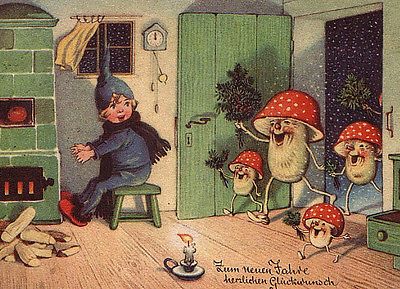
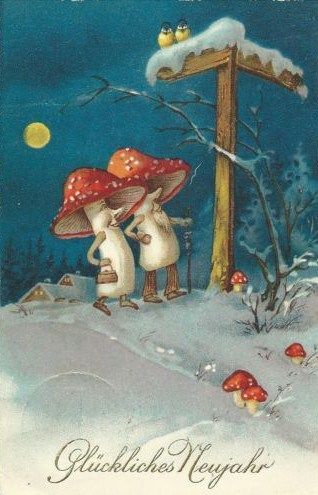
This seems to be particularly prevalent in German culture and Christmas or New Year celebrations. Christmas has evolved from Pagan traditions (Paganism was once considered any religion which was non-Christian) and the place nature has in the human imagination is pretty clear here.

Ebernoe - 11-10-2019 djg-16

Back to life, back to reality. Honey fungus is enjoying its first boom phase and seems to be having a good year.

Ebernoe - 11-10-2019 djg-18

There is a dead veteran beech tree at Ebernoe Common which is basically where all the mushrooms live. This wide angle image shows just how many larger species were making a home within the tree. Here you can see giant polypore (bottom left), honey fungus in the middle and Ganoderma brackets everywhere. This is a stunning tree and of the highest ecological importance because of all the species, not just fungi, it supports. All of these species are contributing to the tree’s decay and recycling into organic matter (soil).

Ebernoe - 11-10-2019 djg-9

Not far away was a patch of hen-of-the-woods, an aggressive root-rotter (harsh). It’s said to smell like mice (more harsh).

Ebernoe - 11-10-2019 djg-42

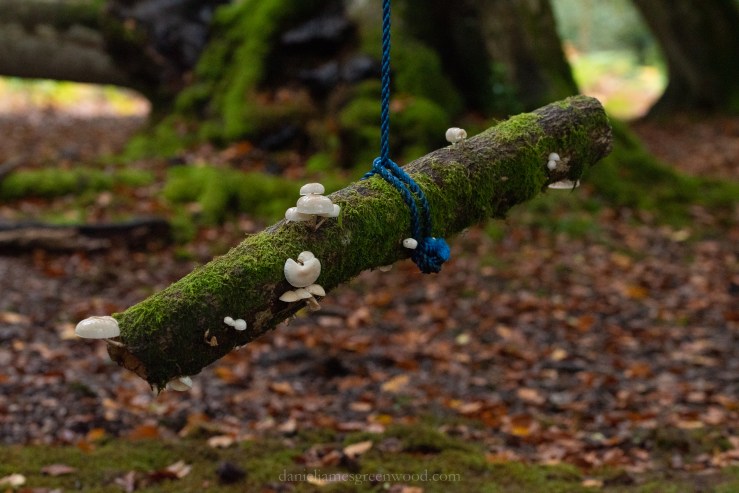
You can imagine how I thought someone was playing a trick when I passed this. A swing made from a beech log that was covered in porcelain fungus. It was embarrassingly hard to photograph well. Thankfully only the mushrooms were looking and they haven’t evolved to use Twitter yet.

Ebernoe - 11-10-2019 djg-47

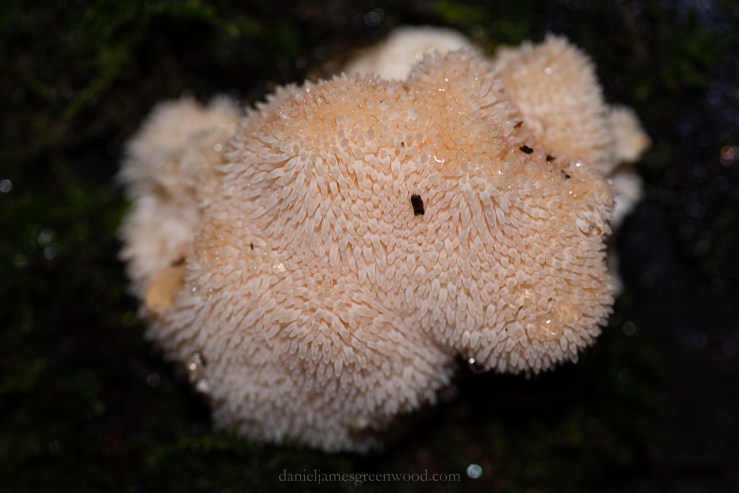
On my way out I spotted this slurp of fungus low on a log by the path.

Ebernoe - 11-10-2019 djg-50

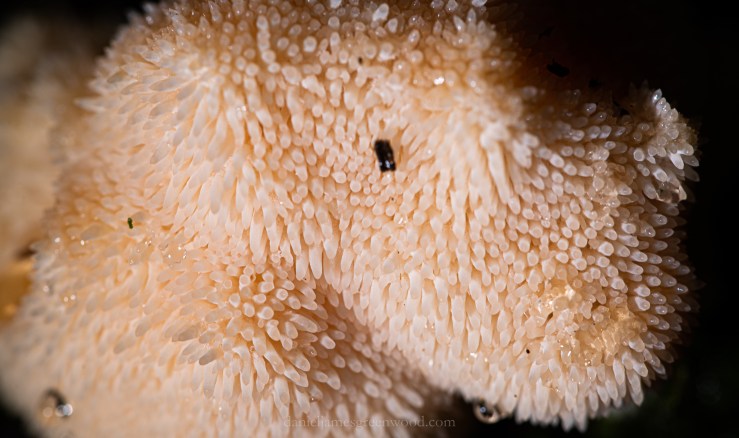
Looking closely with the macro lens it has the appearance of something you might find in a coral reef. Then that’s the beauty of woodland, it has a depth to it that you have to dive in to experience for yourself.

Thanks for reading.


Read more:

The Sussex Weald

My Wood-Wide-Web


September ‘shrooms in the misty hills of Strathyre Forest

Scotland - September 2019 djg lo-res-21

Strathyre Forest, Loch Lomond and the Trossachs National Park, Scotland, September 2019

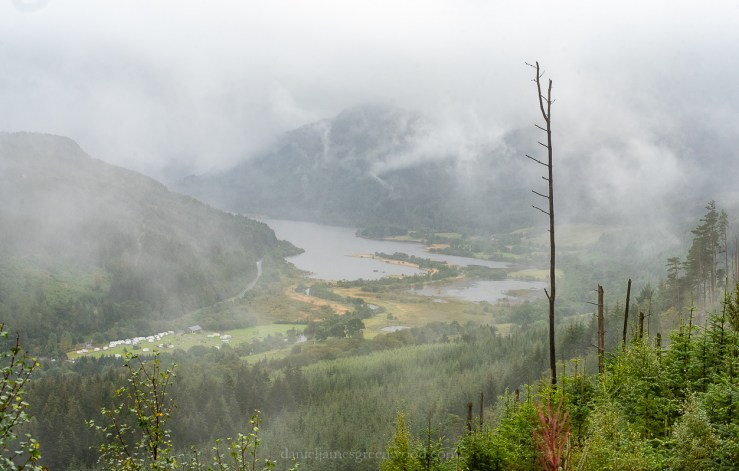
I’m in Strathyre Forest, a Forestry Scotland plantation in the Loch Lomond and the Trossachs National Park. The view of Loch Lubnaig comes and goes as the mist travels between the hills with the cars, lorries and motorbikes along the road down below. I’m sitting on a lump of rock, surrounded by the dead trunks of spruce trees, their successors rising below at their rotting toes. Around old spruce stumps felled by foresters, heather grows and flowers. Birch saplings and rosebay willowherb enjoy this pause in the blanket of monolithic trees.

Looking up for a moment, I’m given a shock by the sudden appearance of the loch and the surrounding hills. The mist has cleared and the shape of the loch’s marshy edges, fringed by the Lego shapes of a caravan park, where the river winds its way in, has appeared. A single spruce stands broken and dead, a mast of decay over Strathyre. A bird flies up, gradually picking a spot to perch on. It sits on the top branch and calls out.

Scotland - September 2019 djg lo-res-13

On the slow and drizzly ascent up to this point, I’ve spent most time on ground level photographing mushrooms. Under the dark monoculture of spruce red russulas are fruiting in profusion. I take photos using the camera’s timer so need to be really still so as not to disturb the camera, otherwise the picture will blur.

Scotland - September 2019 djg lo-res-15

The details are very fine and sometimes the focus is on a very small thing. This means stillness for me.
Scotland - September 2019 djg lo-res-27

My stillness meant birds flocking nearby came very close: goldcrests in their tens, with one within reach of my hand, then a young robin in a half-youth, half-adult plumage.

Scotland - September 2019 djg lo-res-19

It flew right at me and swooped away to land on a branch. It followed me back out onto the track and, perhaps, led me to a the biggest Boletus edulis I have seen. ‘Stick with me,’ I said, ‘and you’ll see mushrooms.’ I didn’t see the robin again after that.

Scotland - September 2019 djg lo-res-24

Away from the dark stands of plantations mosses, lichens and smaller mushrooms flourished at the buttresses of huge spruce and pine trees. One of the largest fly agarics I have ever seen opened like an upturned umbrella amidst its little brothers and sisters. There was light and life here that the close stocking together of trees does not allow.

Scotland - September 2019 djg lo-res-5

There I found lots of small mushrooms like deceivers, webcaps and plenty of others like milkcaps and lots of boletes sodden by days of rain. They reflect the attitude of a woman I heard in the pub last night as she discussed the wet forecast over the coming days. She would still be going out and enjoying her holiday. ‘It’s just water,’ she said.

Explore my Wood Wide Web