Macro Monday: wildlife under lockdown

Garden_21-3-2020_lo-res-16

Macro Monday 30th March 2020

Like 25% of all humans, I am now confined to a new way of living. Work from home if you can and exercise in your garden if you have one. It’s not military arrest, yet. So like many others who are promoting our #NaturalHealthService online I’m starting a weekly Macro Monday blog series.

This is one of the best times of year for photography, the days have just grown longer and the warmer weather means more wildlife is making its way out of the woodwork. Much of the stuff I see with a macro lens literally comes out of the woodwork.
Garden_18-3-2020_hi-res-1

I’m lucky. I have a small garden, something that is a total privilege when many people do not even have a home. If anyone doesn’t have a garden and wants to see some wildlife during the next few weeks and months, here it is.

Osmia bicornis nesting - 16-4-17 blog-7

I have been photographing wildlife in the garden attached to the place where I’ve lived for a long time now. Above is a personal favourite, a red mason bee living in a garden gate! For me going on safari is not attractive, because of the cost, the trauma of long-distance travel for both me and the environment, and because if you have a macro lens of any kind, you can see so much close to home. You can appreciate the beauty in the everyday. I think there’s a Ralph Waldo Emerson quote for that.

Garden_insects_27-3-2020_lo-res-13

Let’s see how this goes, an outlet for the frustrations to come but also a view into the world that will continue its natural cycles despite what us humans do. This week I have had to apologise to neighbours on several occasions for hanging around the hedge with a camera. I have several macro lenses and one of them is quite long and could easily be mistaken for a snooper’s telephoto lens. To the person who is a couple of gardens away but too far for me to apologise, I’m sorry.

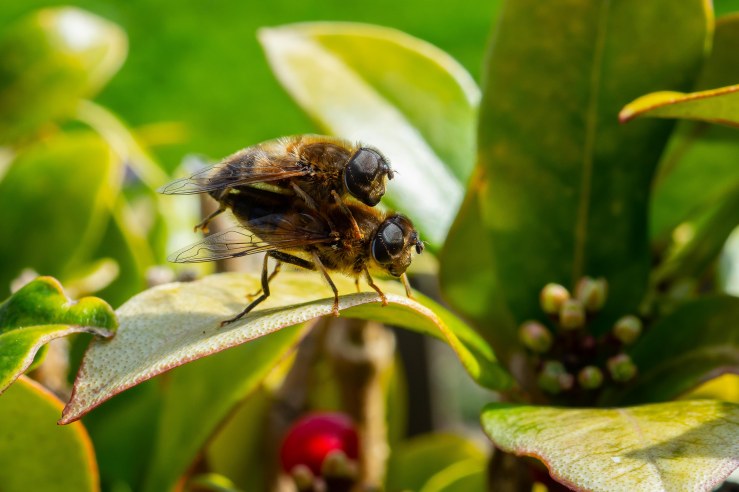
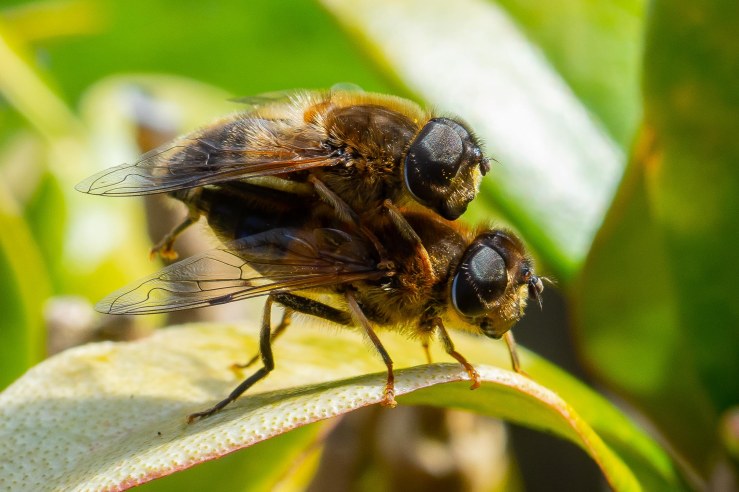
The hedge I’ve been hanging around was one I actually intended to remove because it’s quite dominant and I’d prefer a mixed hedge which will support a greater range of insect species. But this hedge has been brimming with life, especially droneflies, a species of hoverfly that look much like a honeybee. Hold on tight:
Garden_21-3-2020_lo-res-18

You may already have lost count of the amount of images of animals close together with the caption ‘ha, they don’t care a damn about social distancing!’ so I’ll leave that one alone.

Garden_23-3-2020_lo-res-04

The insects I look out for most of all are the bees. We have over 200 species in the UK and the diversity is astonishing. I think this is a yellow-legged mining bee. I’m not sure why but bees and wasps do seem to be more attractive in their side eyes and the three ocelli on top, also providing optical vision.

Garden_insects_27-3-2020_lo-res-03

This is probably one of the leafcutter bees but I’m not sure. It was happy to be approached while basking on the shrub that all the insects seemed to enjoy.
Garden_21-3-2020_lo-res-23

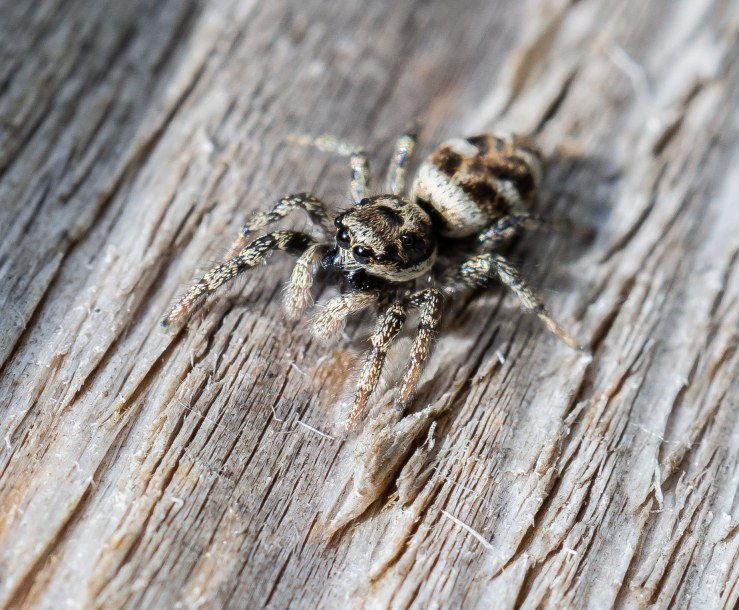
Away from the insects, spiders have a predilection for the wooden fence on one side of the garden in the early morning sun. This zebra jumping spider gave me a right run around. Later that day I actually found one in the house, not the first time, but I think it had squeezed its way under the window.
Garden_insects_27-3-2020_lo-res-18

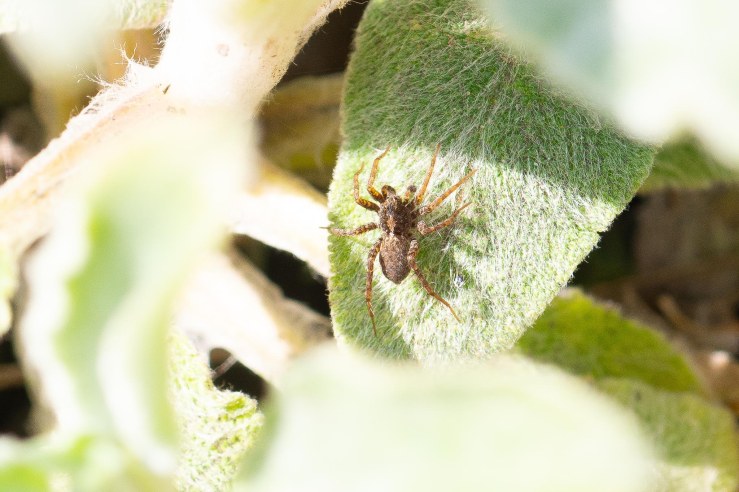
Early spring is also a time when spiders are basking in sunny spots on leaves. I bought this stachys flower last year and planted it out, only for it not to really do anything. Since moving house I transplanted it and am hoping it will come to life this year. It’s a member of the dead-nettle family and proves very good for bees.

Garden_21-3-2020_lo-res-05

Perhaps a little more sinister, this spider looked to me to be eating salt from the soil. I have no ecological basis for that argument other than I know butterflies and other invertebrates do the same.

Thanks for reading.
More macro

#FungiFriday: the gifts of spring

Warnham_19-3-2020_lo-res-04

Fungi Friday 20th March 2020

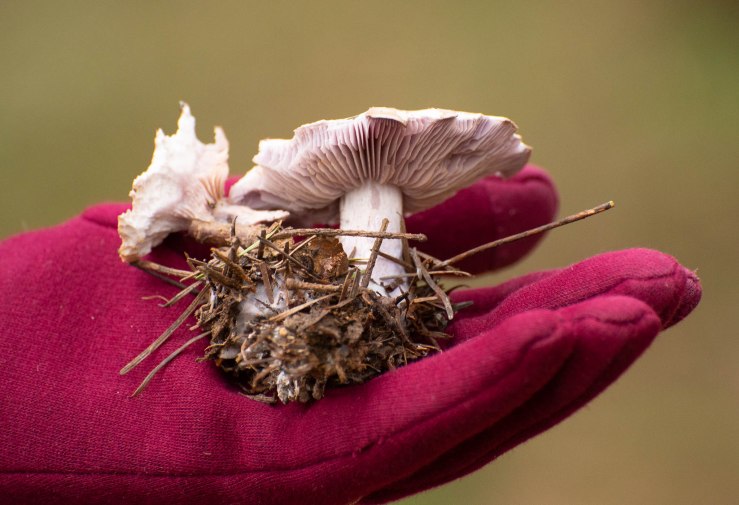
Happy Spring Equinox! Yesterday was a special day, the first proper mushrooms of 2020 made an appearance in Sussex, to me at least. Problem was I completely missed this mushroom, blewit! Wood blewit, that is (sorry). Thankfully it was pointed out to me and I had a glove model on hand (lol) to show it off.

Warnham_19-3-2020_lo-res-08

This has been an incredibly difficult week for people and it’s hard not to talk about it here. Heading out to see which birds are now singing or which mushrooms might be fruiting is a massive tonic to the social frenzy which is hitting pretty much everywhere at the moment. This week I heard my first singing chiffchaff of the year, a rubberstamp of ecological spring. This female great tit may soon become a mum.

Chesworth_17-3-2020_lo-res-6

We have to look to nature now as spring arrives. It puts you back in your place and gives a picture of the longer term. The wild life will go on. But we should also consider that the problems we are now facing are linked to our awful devastation of the natural world, the abuse of its wildlife and ecosystems. Seriously people, we have to consider what we are doing to wildlife and their habitats first hand and also by our consumption of unsustainable products like beef from Brazil or chocolate from companies with poor ethical standards. I really hope that people can find a love of nature now that makes us slow down, consume less and see that our impact has to change forever before nature changes us more abruptly. After this, there can be no going back.

Warnham_19-3-2020_lo-res-03

As I say quite often on this website, I’m not a forager of edible plants and mushrooms, though I know a fair number that I could eat. By that I mean plants and mushrooms, not actual foragers. I have never lived in a place where the foraging of anything beyond blackberries is sustainable. Some foragers must have been banking on this moment of temporarily empty supermarket shelves. Though our numbers are too great and nature’s larder probably too diminished to sustain our diets now. Shame that the toilet roll you find in the woods ain’t ripe yet.

Warnham_19-3-2020_lo-res-01

Most of the fungi I saw yesterday was not edible, either because of its species or just generally because something else had already eaten it. The Coronavirus situation should remind us that there are millions of other species with lifestyles that are far more sustainable than ours, and we are vulnerable to pandemics, especially as we force our way ever deeper into untouched ecosystems that have been intact for millions of years or disturb people who have lived in harmony with those landscapes for a long time. The fungus above is probably shaggy bracket or Inonotus hispidus, one you usually find in bits on the floor having dropped off from higher up. I learned this species conducting tree health surveys with tree inspectors.

Warnham_19-3-2020_lo-res-09

A common mushroom popping up now is glistening inkcap. The ‘record shot’ above is enough to show you how few mushrooms I’ve seen recently. The standards should get better as winter diminishes in the rearview mirror.

Warnham_19-3-2020_lo-res-10

Some fungi need a bit more before they’re ready to go on stage. Here we have a splitgill fungus, which I covered a few weeks ago. Still this snowy white shroomster was a pleasant sight against the blackened rings of this log.

Garden_18-3-2020_lo-res-4

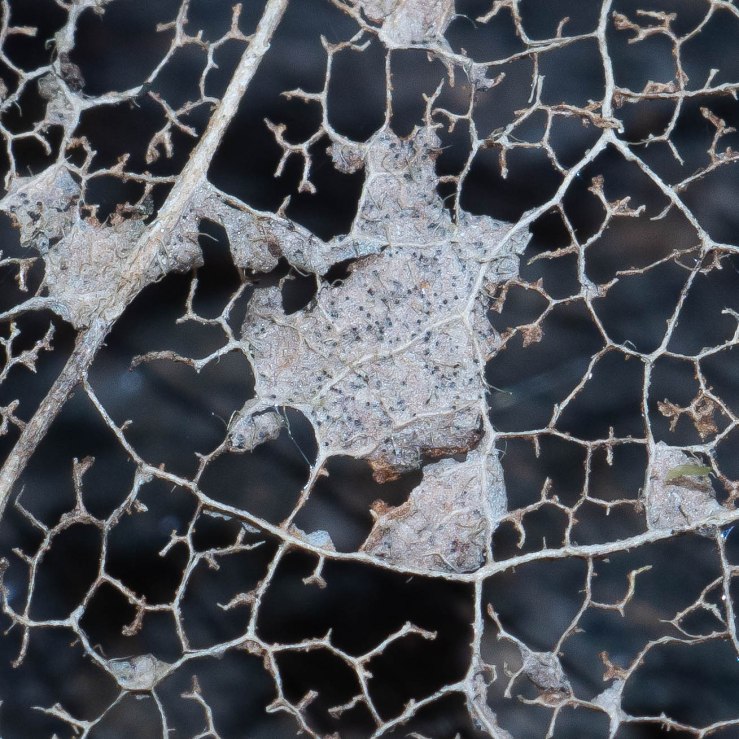
I am getting mentally ready to spend a lot of time in my garden this spring. I am very privileged to have a garden and, having eventually got to this point, I will never take it for granted. During one of this week’s WFH lunch breaks, I found this miniscule fungus frowing on the remains of a magnolia leaf. I wasn’t even looking for it, I saw it later when editing the RAW file on the computer.

Garden_18-3-2020_lo-res-1

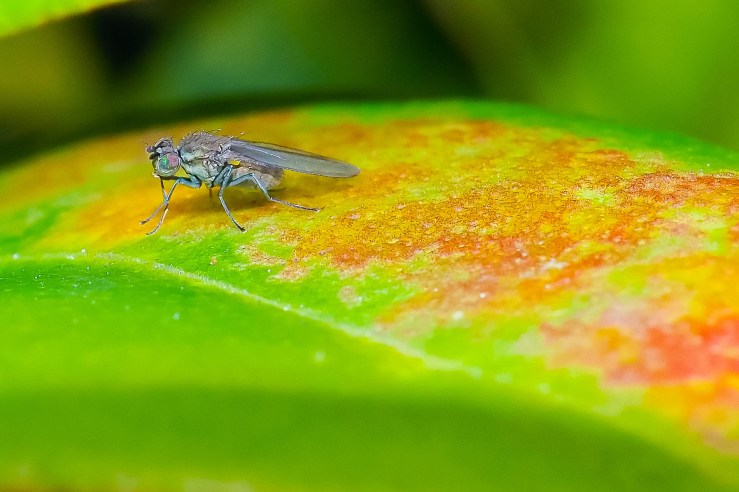
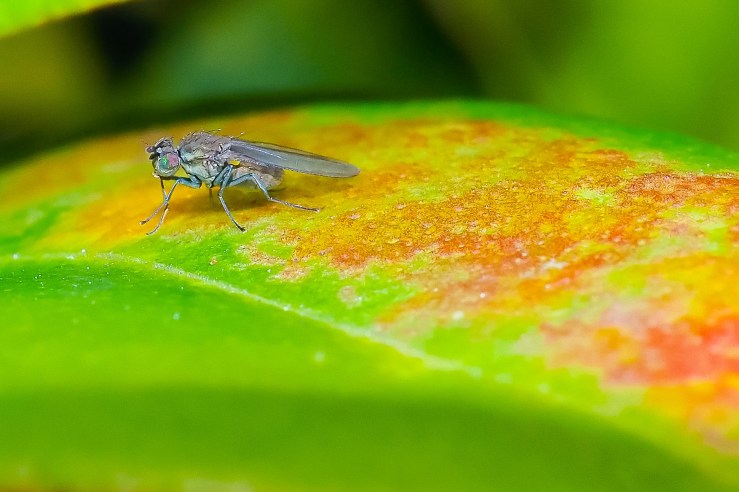
This very tiny fly was resting on a patch of fungus in the pigment of this leaf. I’d like to learn more about these types of fungi but one of the more recognisable ones is that which grows on bilberry (blaeberry, blueberry) leaves.

Warnham_19-3-2020_lo-res-11

I owe lichens for getting this #FungiFriday blog close to completing its third month. Let’s hope that Fungi Friday can help us adapt to the life changes we are all experiencing just now. I plan to do a virtual Fungi Friday guided walk if we’re still allowed out, in a couple of weeks. Stay tuned for that, but most of all stay tuned to the season rather than your news app on your smartphone. It will help you when you need it.

More mushrooms

The Sussex Weald: a mushroom cloud rests over West Sussex

Ebernoe - 11-10-2019 djg-3

Ebernoe Common, Sussex Weald, October 2019

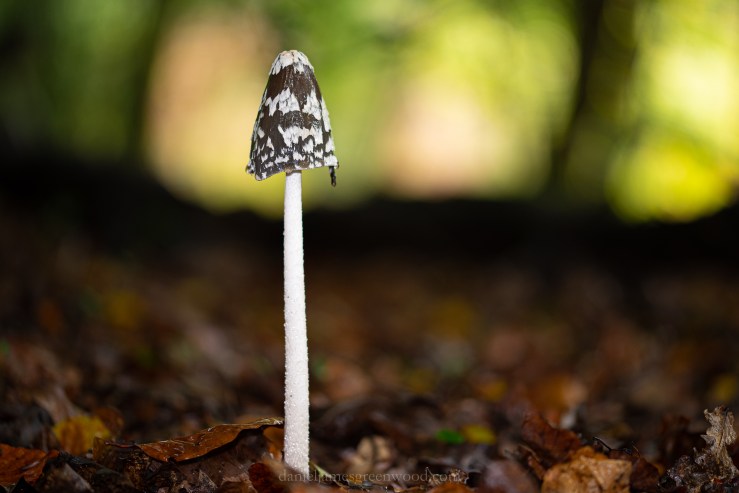
Last week I spent a drizzly and dark afternoon at Ebernoe Common, a National Nature Reserve managed by Sussex Wildlife Trust. It was raining not only water but mushrooms. The first signs of the good times came in the shape of a magpie inkcap. This is something I’ve only seen three times, twice at Ebernoe and once on the North Downs.

Ebernoe - 11-10-2019 djg-1

The word magpie relates to the English phrased ‘pied’ which means black and white. This species goes into the delicious state of deliquesce (an inky kind of melting), just like its relative the shaggy inkcap. Unlike the shaggy inkcap, though, it’s toxic so don’t eat it. The thing I like about this image is the glow of green in the background gradually turning to yellow as autumn progresses. Beech usually provides this kind of backdrop.

Ebernoe - 11-10-2019 djg-4

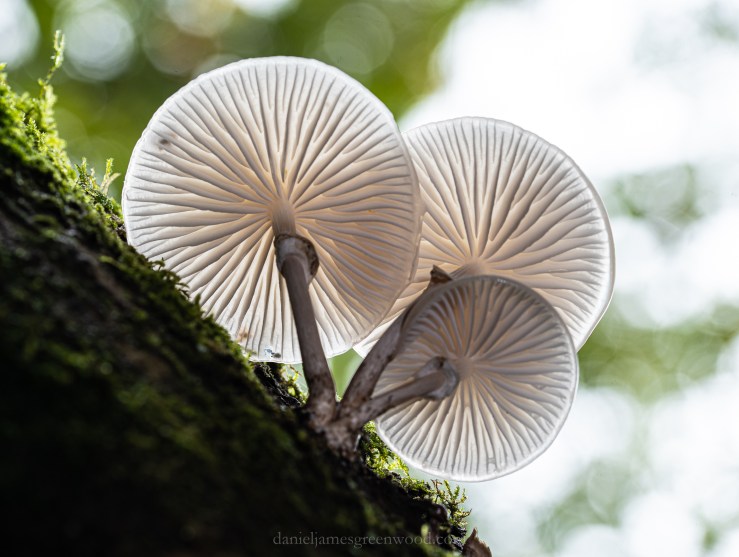
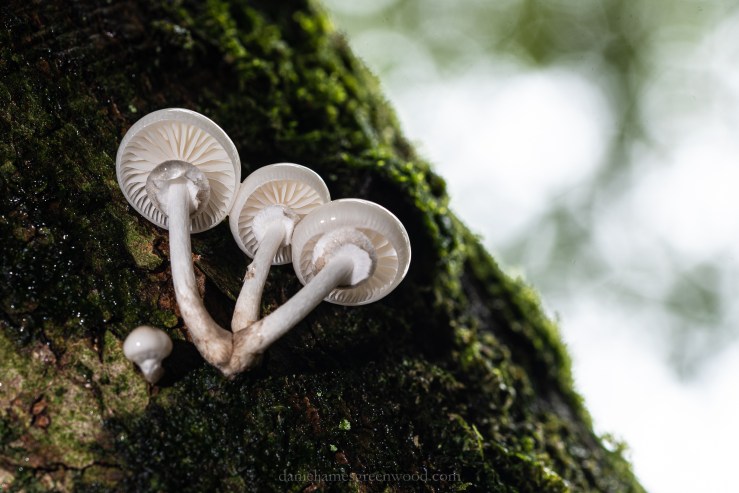
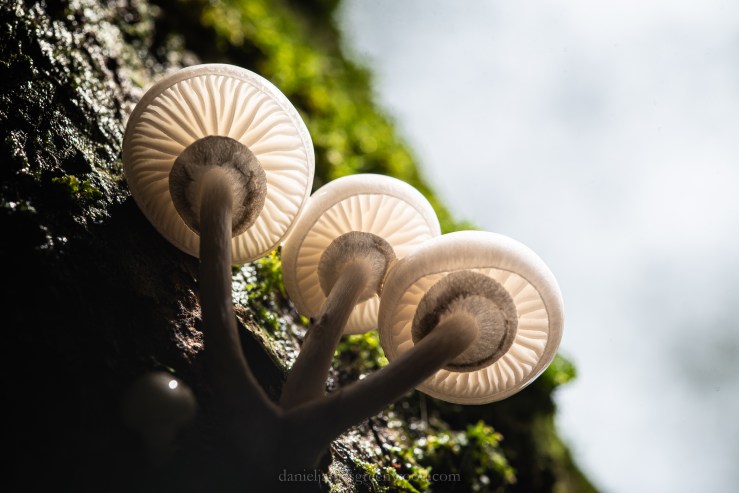
Porcelain fungus is a reliable species. It fruits in the same place, often en masse, each year. It is a beautiful species but the beauty, like so many things, lies underneath.

Ebernoe - 11-10-2019 djg-7

The gloopy glimmer of the cap is photogenic but the gills of porcelain fungus are stunning.

Ebernoe - 11-10-2019 djg-13

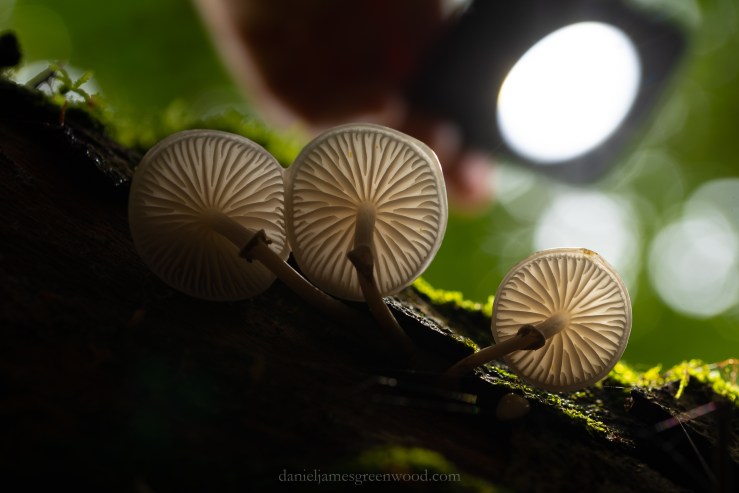
I use a small LED light to illuminate mushrooms in this way. I can’t tell you how much more character this can offer to photos. Actually I can: a lot more.

Ebernoe - 11-10-2019 djg-21

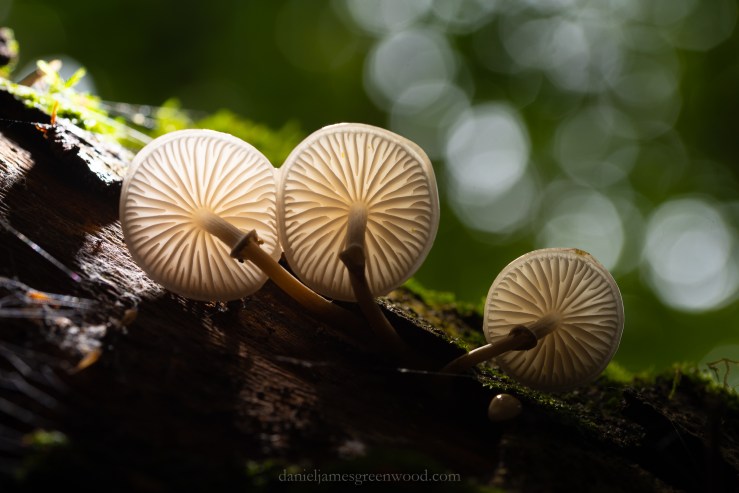
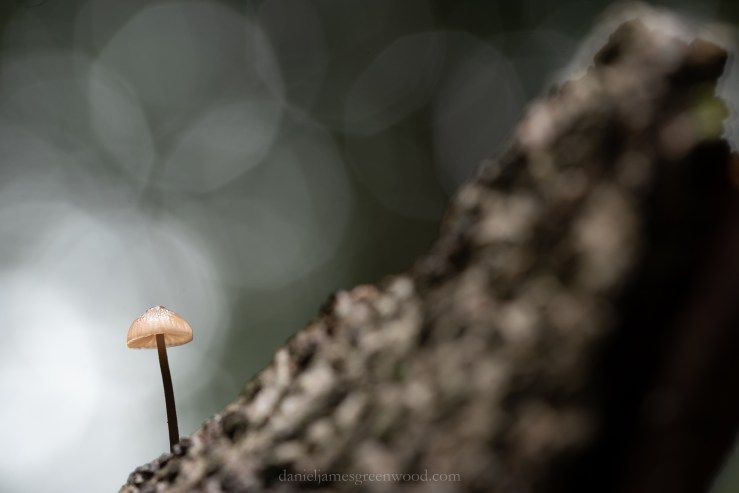
Here you can see my roving light (yes, I meant this!) mixing it with some delicious bokeh in the background. Leaves and branches create lovely bokeh because of the break of light in the gaps.

Ebernoe - 11-10-2019 djg-20

Here is one of ‘the finished images’. I like that the light circles can imitate the caps of mushrooms in photos and offer a deeper layer of resonance and reflection. Who knew.

Ebernoe - 11-10-2019 djg-38

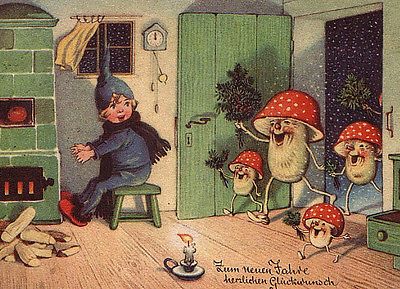
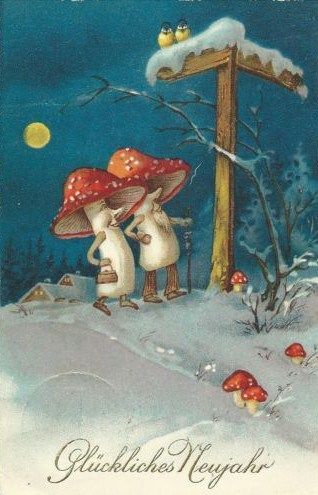
In photography, macro is where the fun happens. There are so many amazing things happening at our feet that our eyes are incapable of seeing without the help of magnification. If you want to have a go at macro, don’t hesitate. Just do it. I call this one ‘Climb every mountain’. The piece of deadwood does have the appearance of a peak in this light. The mushroom is like a protagonist, playing on a theme of mushrooms as individuals or sentient beings throughout human history:

16a9e28079e352a3d6d8ff664898b820-christmas-themes-christmas-cards

5d58176f8caa8c1e9faf25e0ab9f6bc8-picture-postcards-mushrooms

This seems to be particularly prevalent in German culture and Christmas or New Year celebrations. Christmas has evolved from Pagan traditions (Paganism was once considered any religion which was non-Christian) and the place nature has in the human imagination is pretty clear here.

Ebernoe - 11-10-2019 djg-16

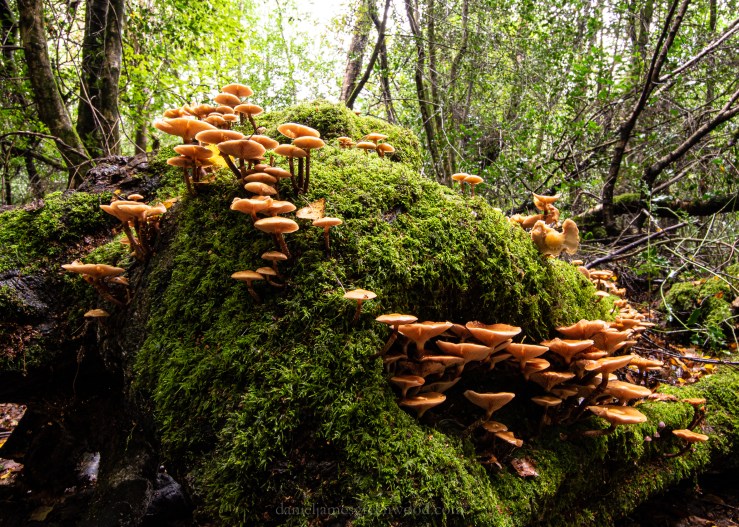
Back to life, back to reality. Honey fungus is enjoying its first boom phase and seems to be having a good year.

Ebernoe - 11-10-2019 djg-18

There is a dead veteran beech tree at Ebernoe Common which is basically where all the mushrooms live. This wide angle image shows just how many larger species were making a home within the tree. Here you can see giant polypore (bottom left), honey fungus in the middle and Ganoderma brackets everywhere. This is a stunning tree and of the highest ecological importance because of all the species, not just fungi, it supports. All of these species are contributing to the tree’s decay and recycling into organic matter (soil).

Ebernoe - 11-10-2019 djg-9

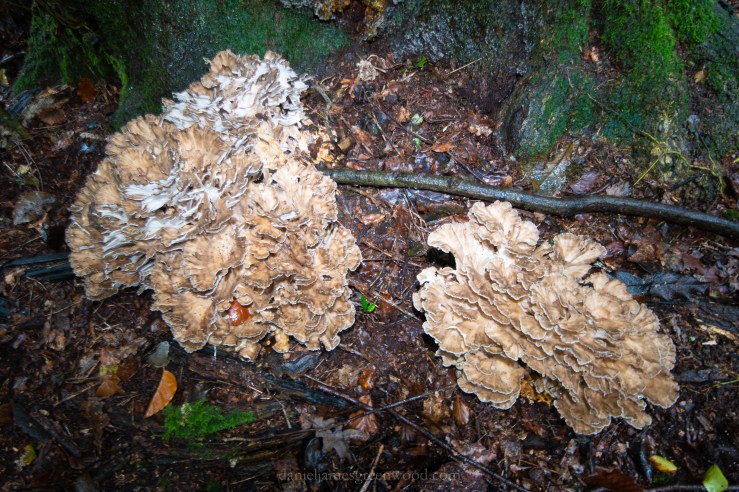
Not far away was a patch of hen-of-the-woods, an aggressive root-rotter (harsh). It’s said to smell like mice (more harsh).

Ebernoe - 11-10-2019 djg-42

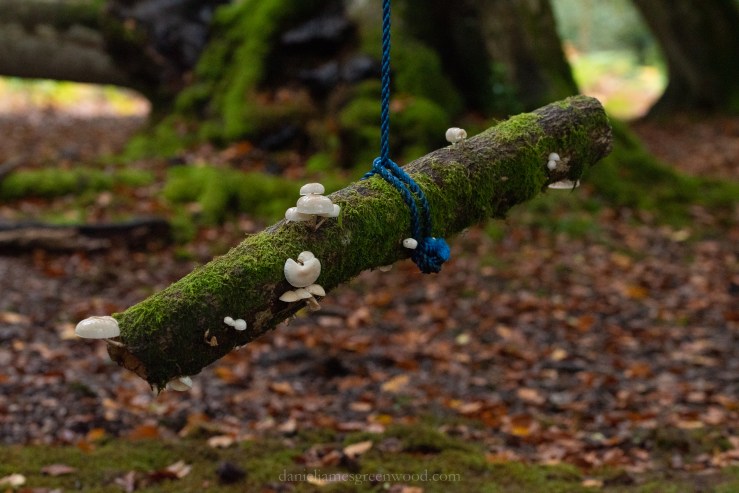
You can imagine how I thought someone was playing a trick when I passed this. A swing made from a beech log that was covered in porcelain fungus. It was embarrassingly hard to photograph well. Thankfully only the mushrooms were looking and they haven’t evolved to use Twitter yet.

Ebernoe - 11-10-2019 djg-47

On my way out I spotted this slurp of fungus low on a log by the path.

Ebernoe - 11-10-2019 djg-50

Looking closely with the macro lens it has the appearance of something you might find in a coral reef. Then that’s the beauty of woodland, it has a depth to it that you have to dive in to experience for yourself.

Thanks for reading.
 

Read more:

The Sussex Weald

My Wood-Wide-Web


The Sussex Weald: Something is right with the world (and it’s mushrooms)

Ebernoe Common, Sussex Weald, August 2019

Looking out of the window at work one morning, a colleague agreed with me:

If there are no mushrooms after this rain, then something is very wrong with the world.

Fast forward a few hours and there is something ok about the world.

Stepping out onto the track and into the woods there was a clear indicator of a mushroom party with lots ofย Boletus-like species typical of the season. This time, I was invited. All too often looking for mushrooms can be like arriving at a party the morning after when everyone is discarded like shells around the living room and slime coats the walls.

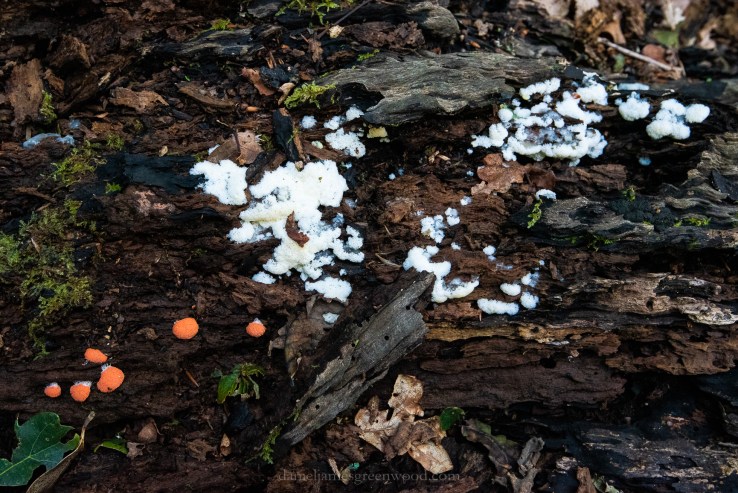
There was still slime on the walls on this pleasant summer’s evening at Sussex Wildlife Trust’s magnificent Ebernoe Common. It’s part of the Low Weald, an area or ancient woodland that is very much intact and once connected Canterbury with the New Forest. The slime here was the real deal, with beautiful splodges of slime mould spreading across fallen oak trunks.

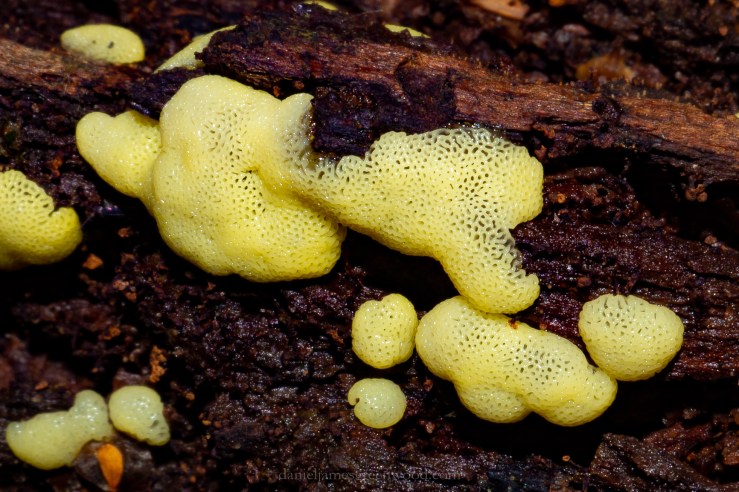
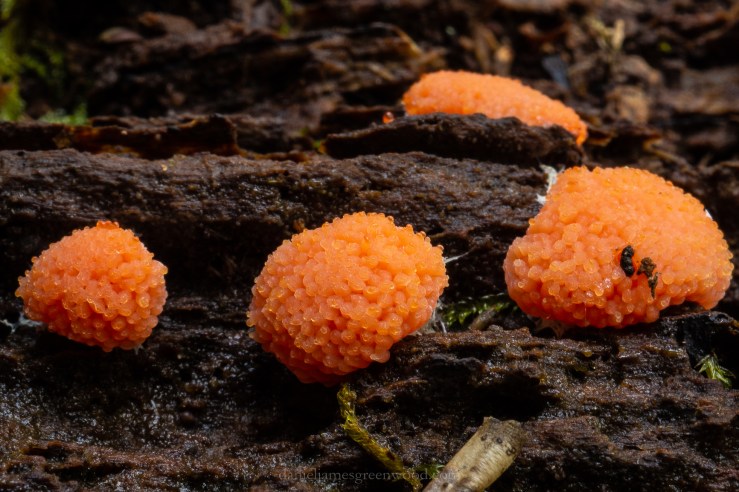
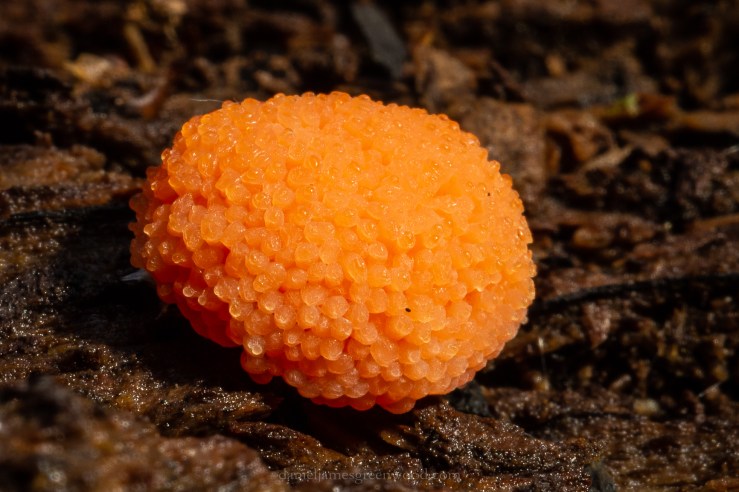
Further inspection with my trusty macro lens showed the intricate beauty of this slime mould. Trouble is I don’t have the field guide yet so I’m stuck for an identification. But really does it matter? I’m not a scientist in the traditional sense and it’s their beauty I cherish most. Scientists, while we’re here, don’t even know where to put slime mould in their taxonomic kingdoms. That sounds like one hell of a euphemism.

This walk was a blitz of about 3 miles with eyes scanning the woodland floor alongside the path. By pure fluke I found this small mushroom, not dissimilar to something like a funeral bell, popping out of the soil. It is surrounded by the most beautiful palmate leaves of star mosses. The wonders of macro photography allow this world to be glimpsed and indeed shared. Macro photography is an art (not necessarily in this case) as fine as landscape photography.

I also had my larger DSLR slung round my neck with a wide angle lens. The golden hour is not quite so golden in an August wood, but it’s still worth appreciating. Notice the growth of lichens and algae on the north-facing side of this beech here for 10 points.

Ebernoe - 15-8-2019 djg-17

One of the recent additions to my mushroom portraiture war-chest is an LED light. It’s a pretty fun way to add a new layer of interest to photos, especially of mushrooms. I also have a mini tripod for it so it is a bit like a pet android that wanders the woodland floor for me illuminating fungi. This shroom was growing down between two big boughs of a fallen beech tree. It was land of the mosquito and I made substantial donations to their bloodthirsty cause. This does look rather angelic if I may say so.

A trio of bonnets were evidence of the recent rain. Up they spring before collapsing not long after.

Ebernoe - 15-8-2019 djg-32

Have you ever noticed just how long bluebell seed casings linger after spring? It’s a good way to identify an ancient woodland out of season. This flower was present on the edge of the woodland where a field opens out. The sun poured in and lit the tulip-like papers of the bluebell.

Ebernoe - 15-8-2019 djg-29

My dad said he read my last post and had to look up what ‘bokeh’ is. It’s the circles or light in this image above that are caused by isolated areas of light. They are most pronounced when you have a wide aperture, so f1.4 on my brightest lens but usually f5.6 on most SLR lenses. It creates a beautiful blurred effect. Of course, I couldn’t resist it here. Looking at this image being photographed in the moment, what you can’t see is the twinkling of the light as the leaves moved in the breeze and the sun slid down. It took the breath far more than the image ever will.

Thanks for reading.
Explore my Wealden archive

Explore my wood-wide-web