My 2024 in photography

Another year completed and lessons learned. Creatively I have found a balance with my equipment and the actual process of photography. I’m into my 6th year of working with Micro Four Thirds cameras and lenses, giving more space to enjoy the process of gathering photos – walking – because the equipment is light.

Cameras used include Olympus EM-5 Mark III, Oly EM-1 Mark III, Olympus TG-6 Tough compact camera, and Pixel 7a phone camera.

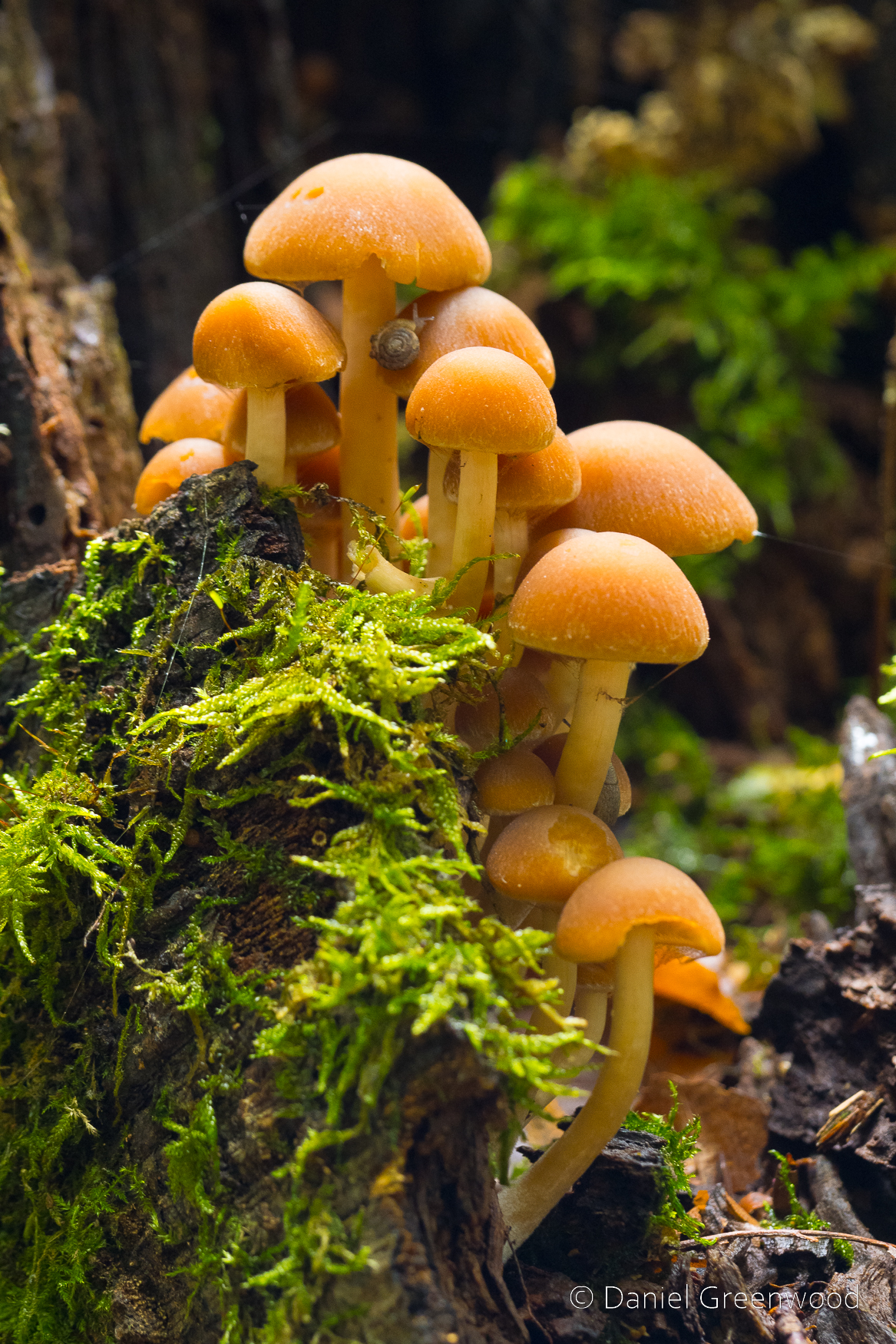
These photos should show the range of things I like to take pics of – not just mushrooms! 😂

With the privileges available to me – health, location, resources, freedom of expression – here are my photographic highlights of 2024:

January

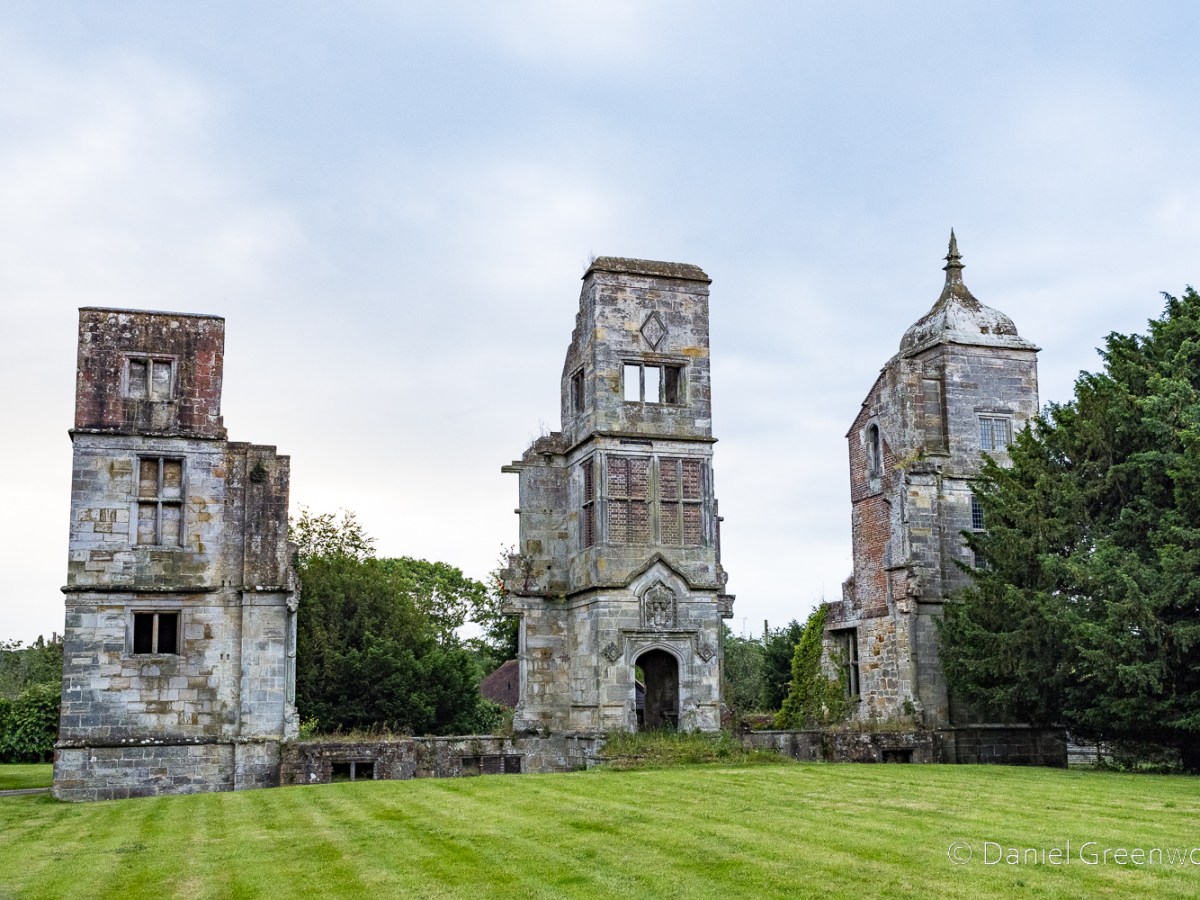
I did a couple of long walks in Sussex at the beginning of the year, exploring some new locations around the South Downs. I visited St. Botolphs church for the first time, one of Sussex’s special ones among thousands of already significant churches. Last year I set up a gallery for my fledging church photographs project which can be viewed here.

February

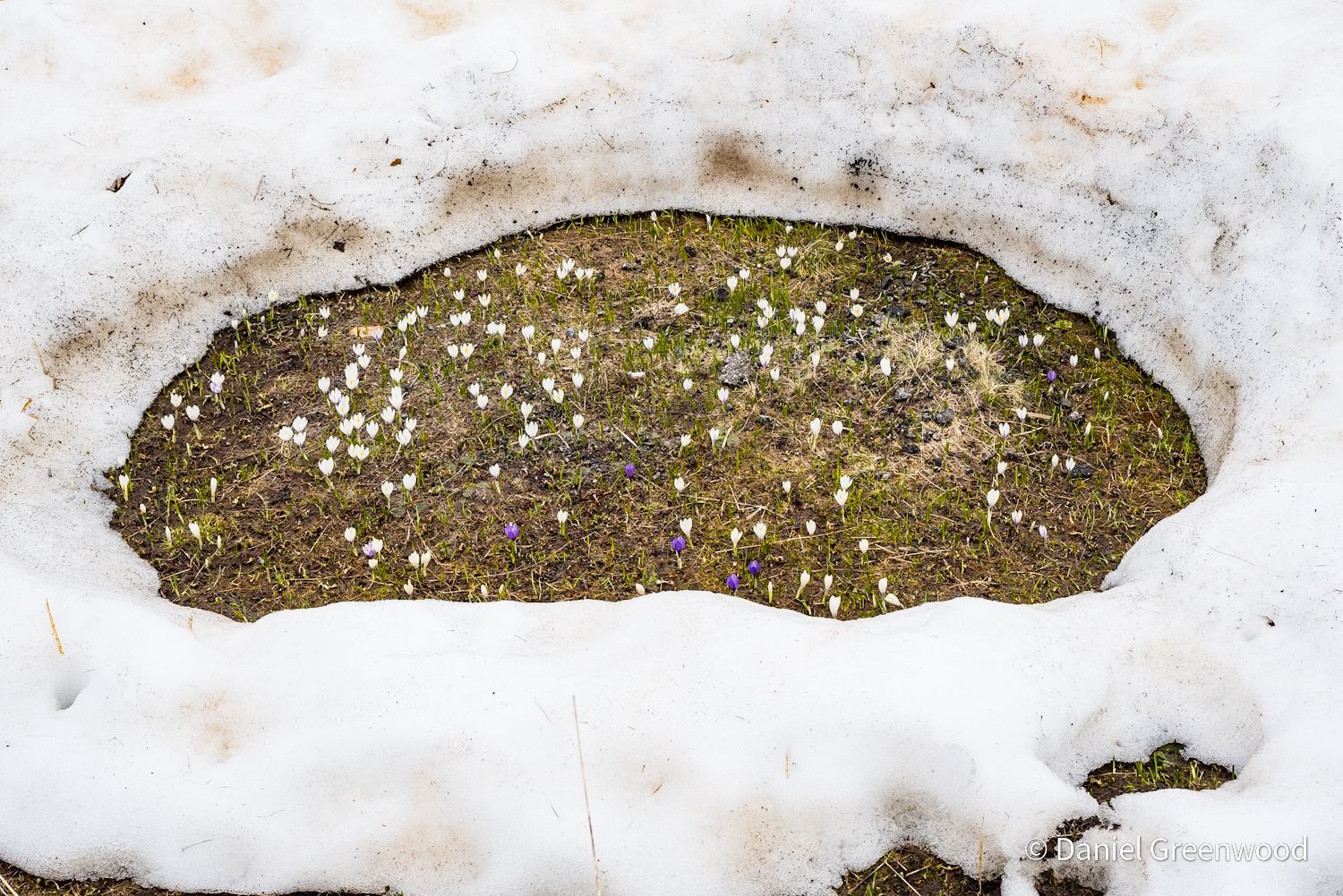
This felt like the moment of the light returning after the dark winter months. The Downs at Amberley are my gateway to the South Downs, and walking here is always worth the gentle climb.

March

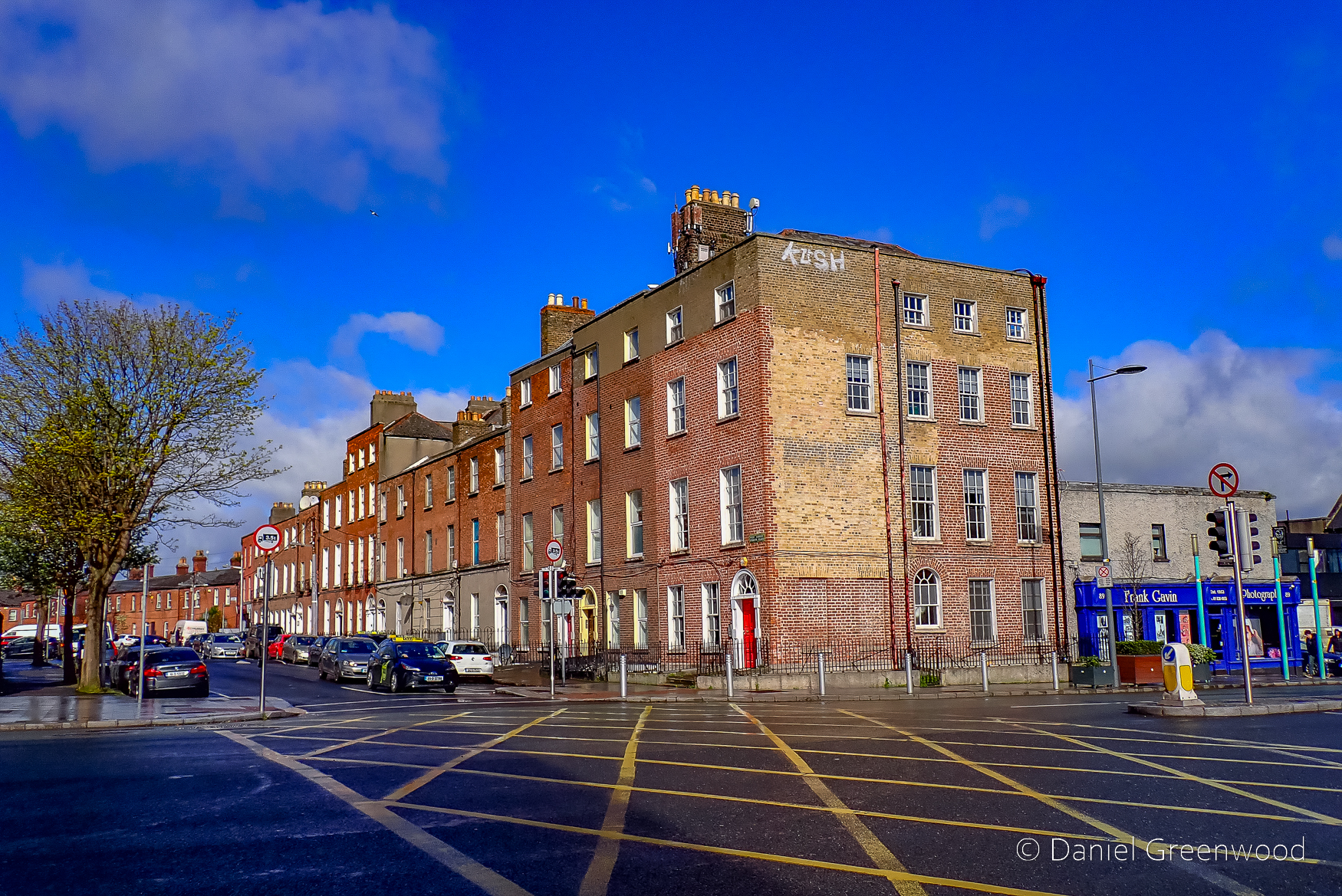
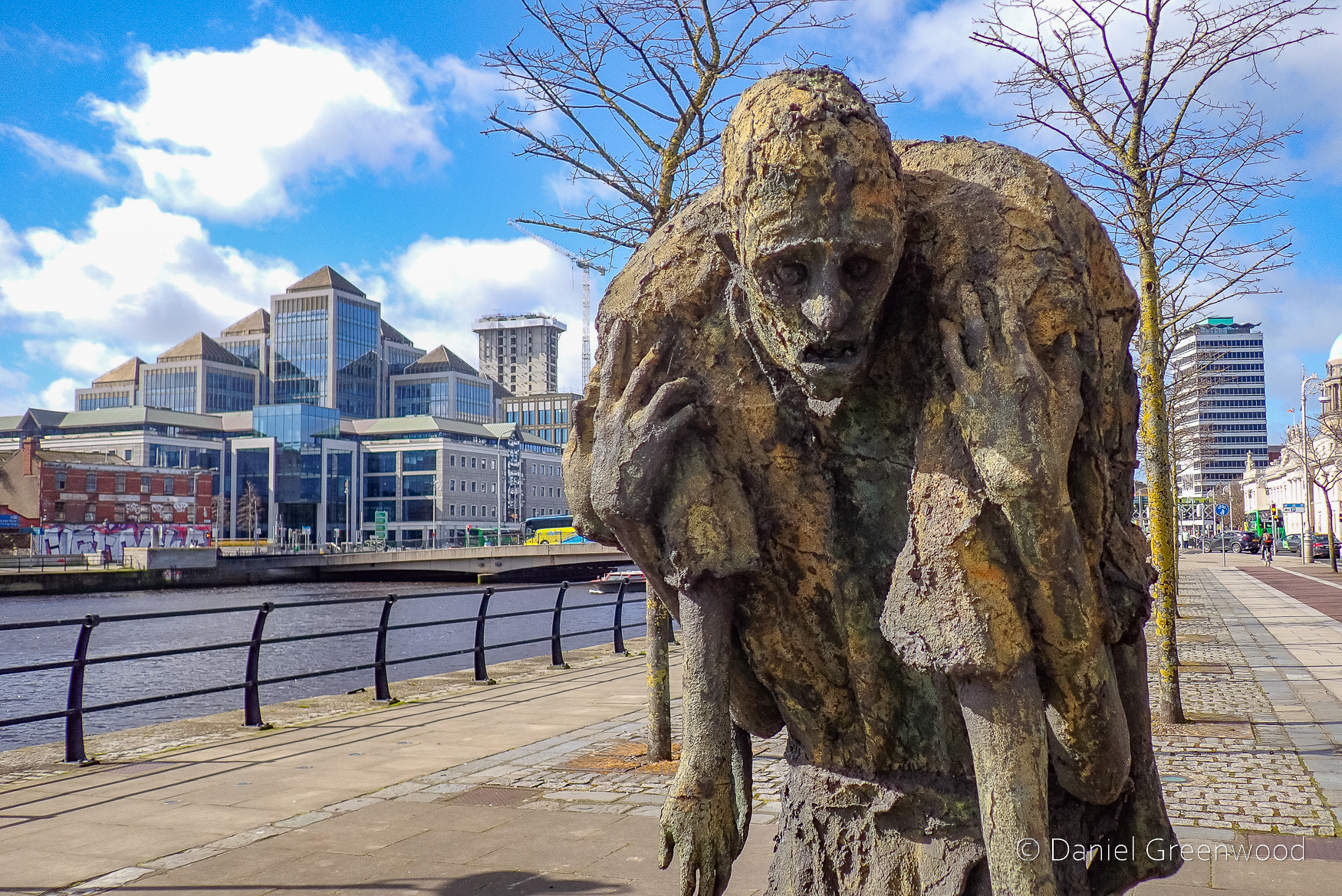
In March I visited Dublin for a weekend and took in the sights along the great river Liffey.

For a friend’s birthday we spent the weekend in York, which gave me a chance to take some compact camera pics of a few of the oak timber framed buildings. I’ve added a gallery for my ‘Oak Timbers’ project here.

April
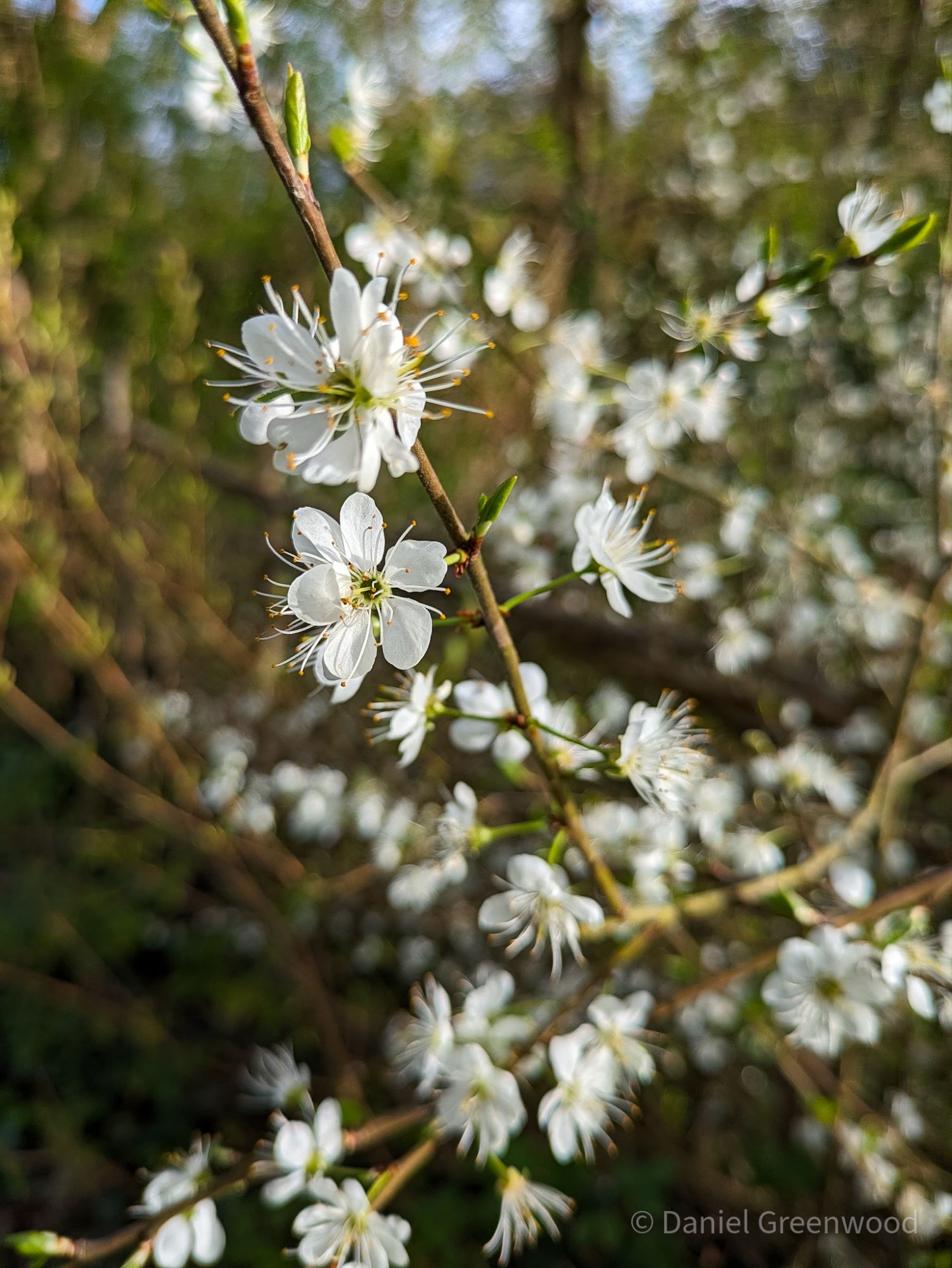
I got married in April so there wasn’t time for much beyond the odd local walk. I was trying out my new Pixel 7a, bought because of its value and reported image quality. The camera is spectacular, I just wish it wasn’t a G**gle product. I blogged about it here.

May

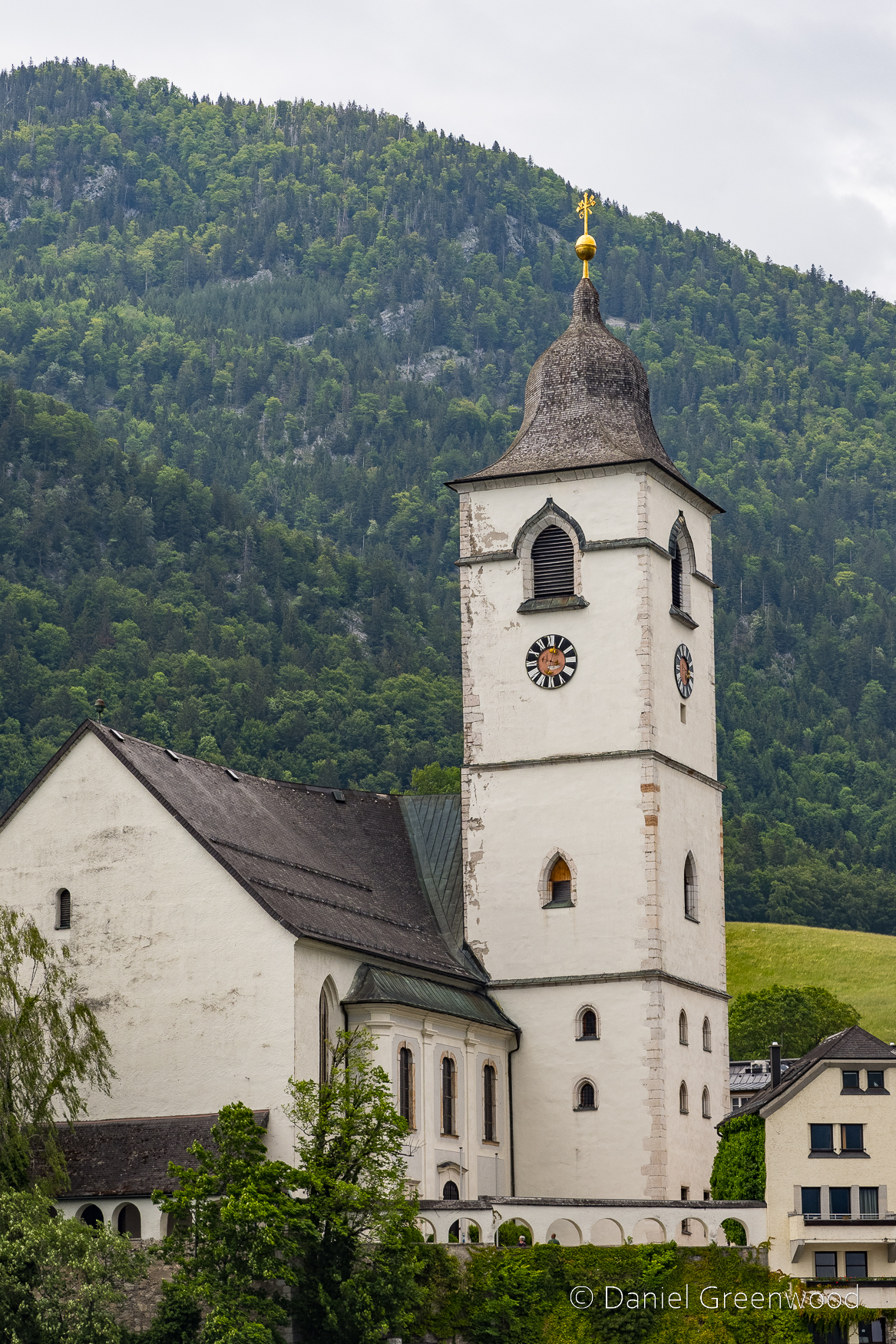
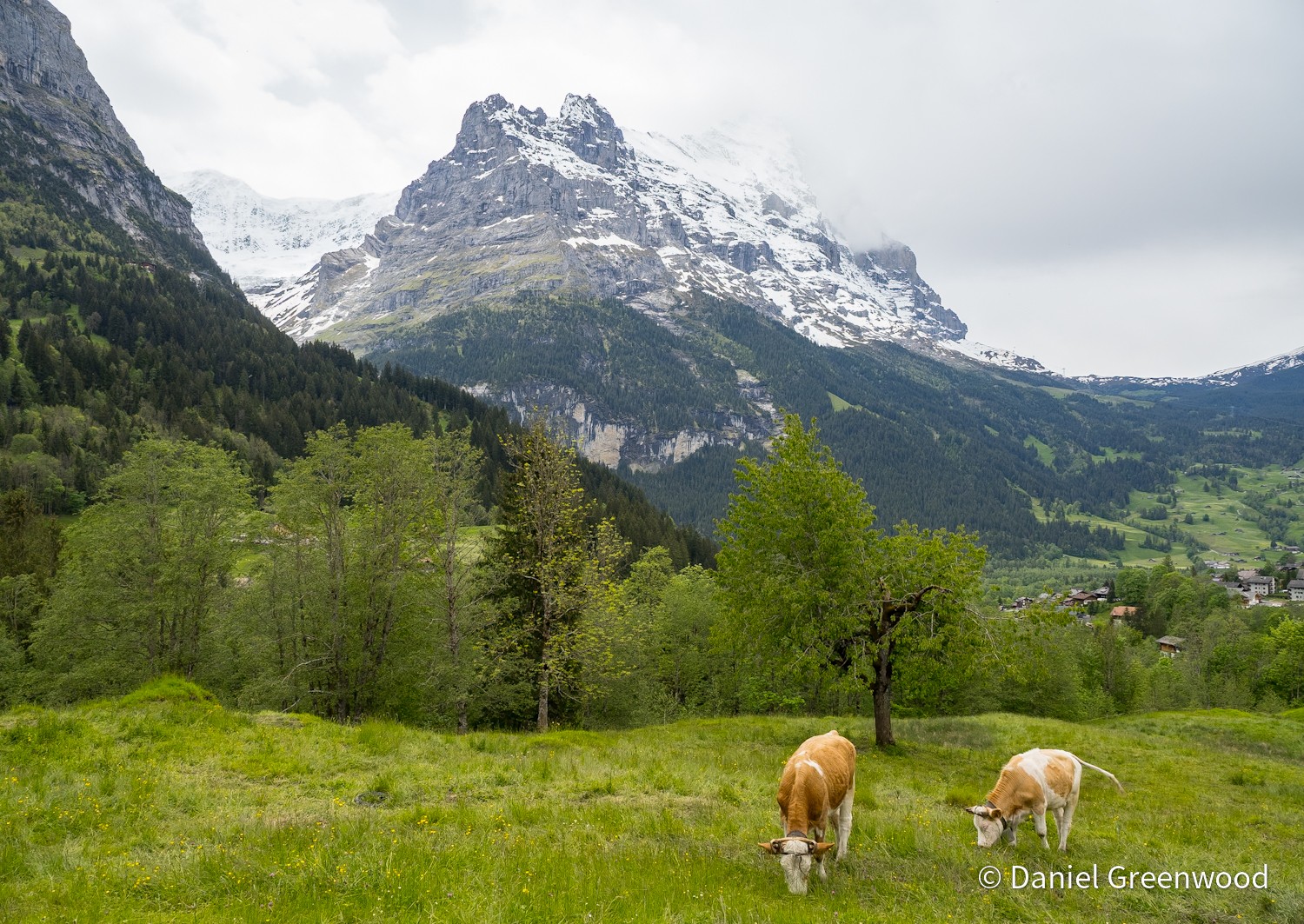
Ah, memories. In May we went on our honeymoon to Austria and Switzerland, all by train. You may be sick of reading about that! I am definitely not sick of blogging about it though!

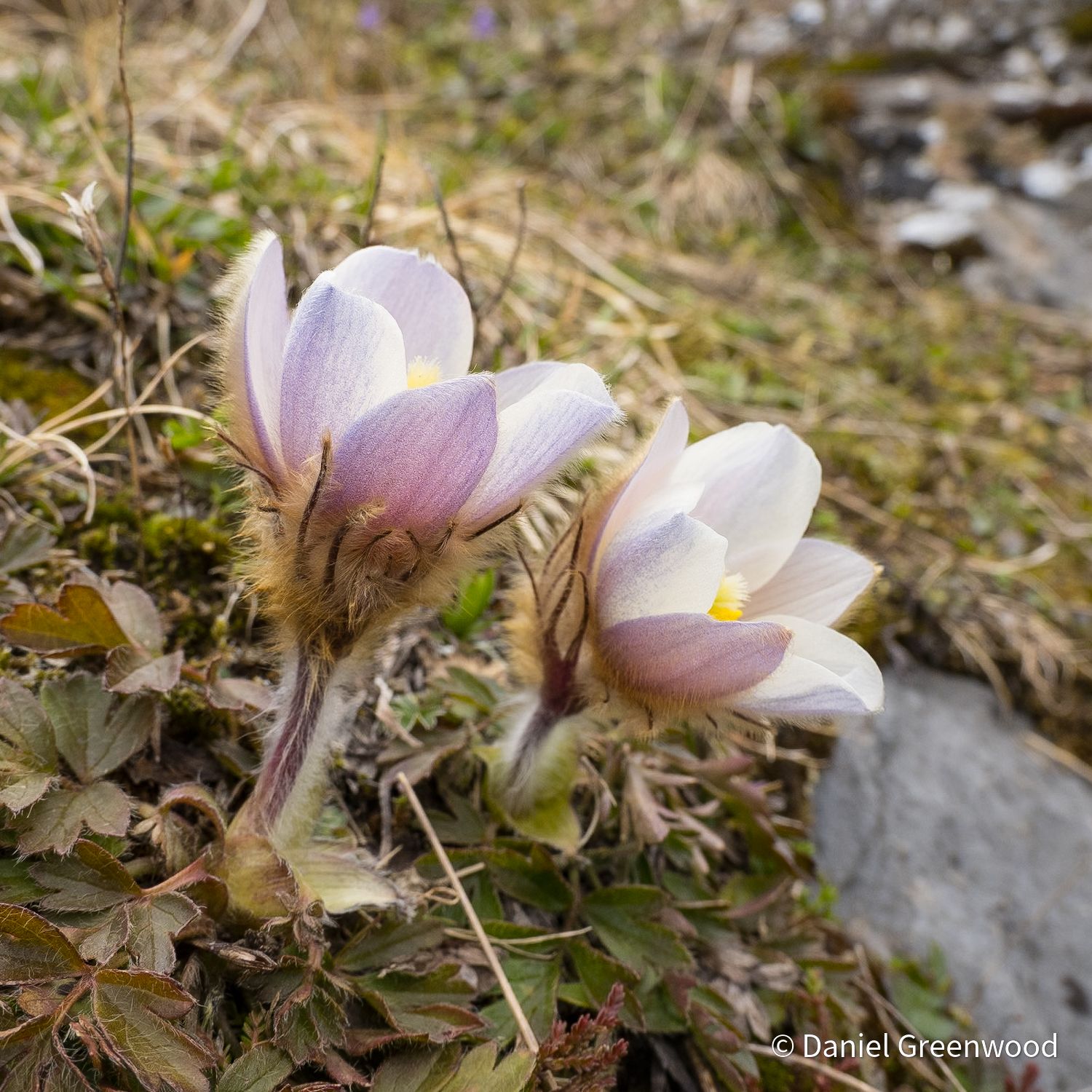
This was one of those one-off photos experiences. Thankfully the weather held and we saw the mountains in much of their glory.

June
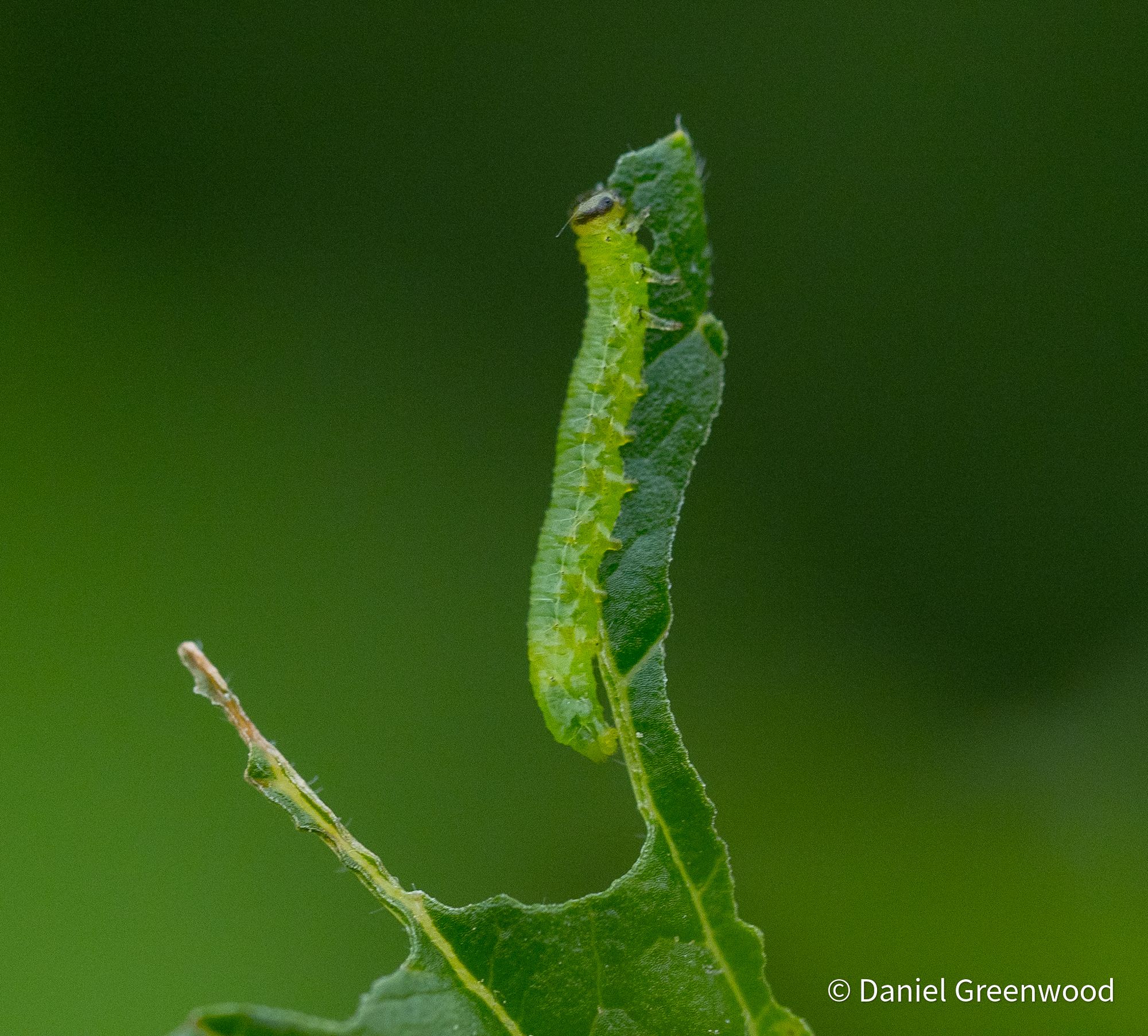
A bit of a lost month for photography because I started (yet another) new job and had to settle into a new routine. The highlight was probably these sawfly larvae which ate through some of the leaves on my gooseberry. Blog here.

July
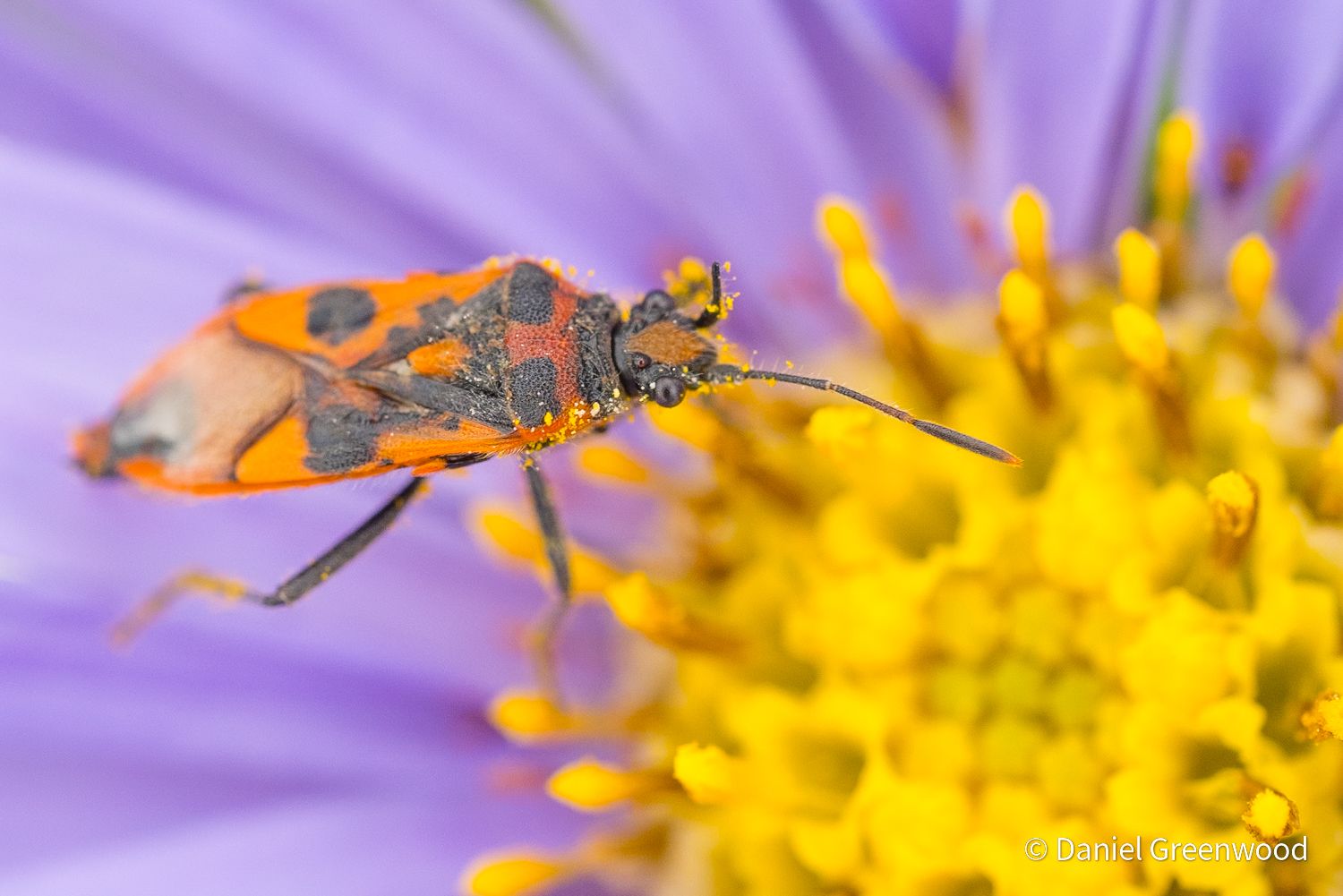
“July, July, it never seemed so strange”, as the Decemberists sang. I caught Covid and didn’t really get back to normal for 3 months afterwards (Vitamin D is very important, people). My macro work was reduced by the evil contagion but I did find some nice bugs near home to share.

August

I managed to pap some pretty fine inverts in August, with this beautiful ichneumon wasp seen in my garden. I’ve not got anywhere near enough out of my Olympus EM-1 Mark iii and 60mm macro, but this showed just how good Micro Four Thirds cameras are for macro.
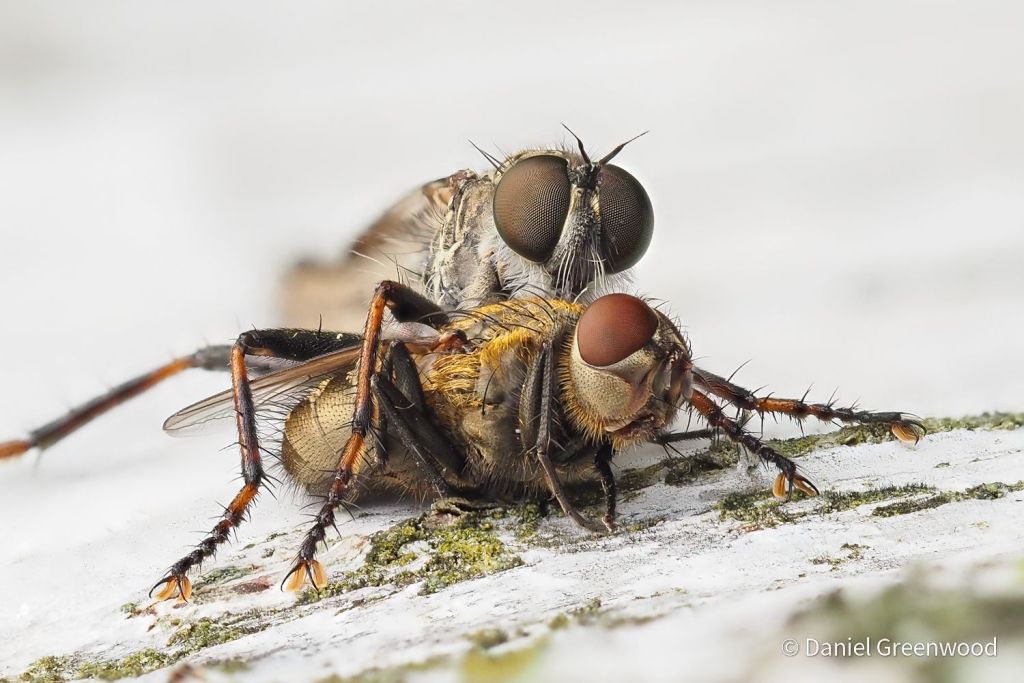
Another strongpoint for M43 cameras is that they can ‘stack’ images internally, something now copied by the big hitters. This is a composite of about 10 photos the camera has laced together to ensure the depth of field covers a deeper focus range. It means more of the, rather gruesome, subject can be seen in detail.

September

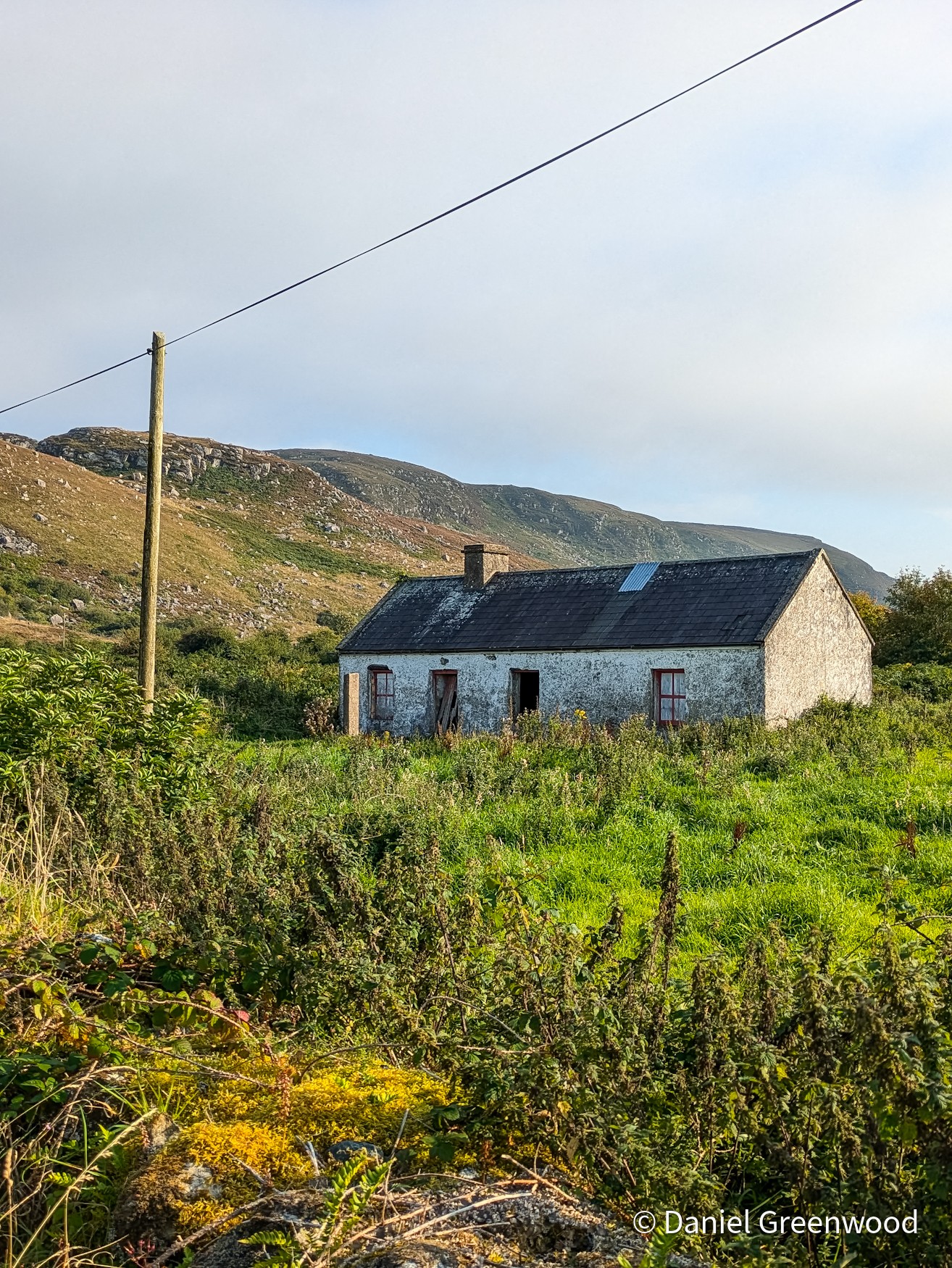
In September I made my first ever visit to the iconic sea stacks at Downpatrick Head on the North Mayo Coast in Ireland. Mayo has an international dark skies designation so I was able to mess around with the Milky Way. But for the astro photo I haven’t processed these images yet so here are a couple of phone photos.

October

As I have lamented on my Fungi Friday blog, 2024 was not the best mushroom season. But there are always things to find out there. I found this knocked over fly agaric, which was in perfect condition, ready for its portrait.

November

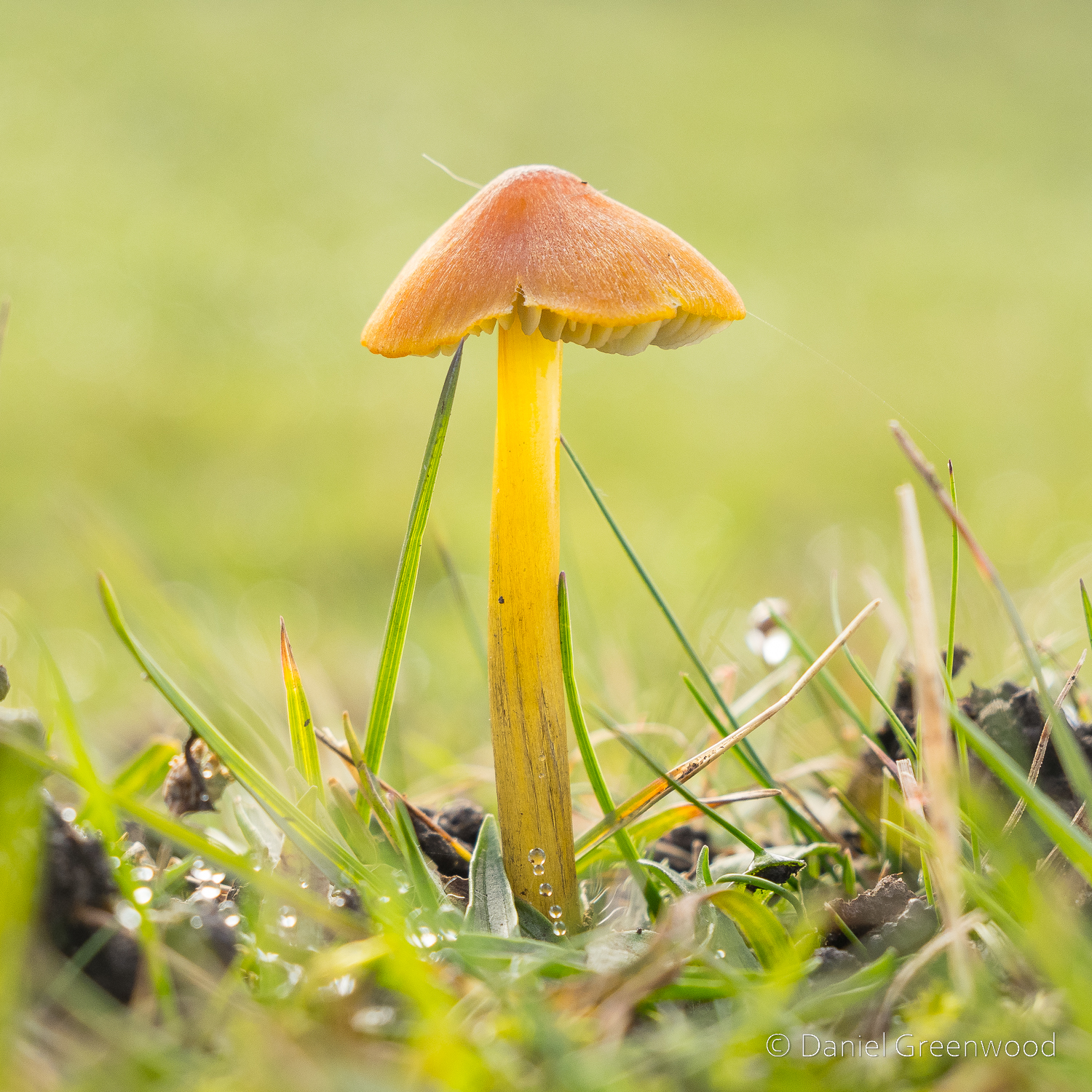
Autumn is a time for Dartmoor for me and my wife, and despite colds we managed some walks onto the moors in the National Park. We found an amazing array of waxcaps, like the crimsons above, which you can see in full on Fungi Friday.
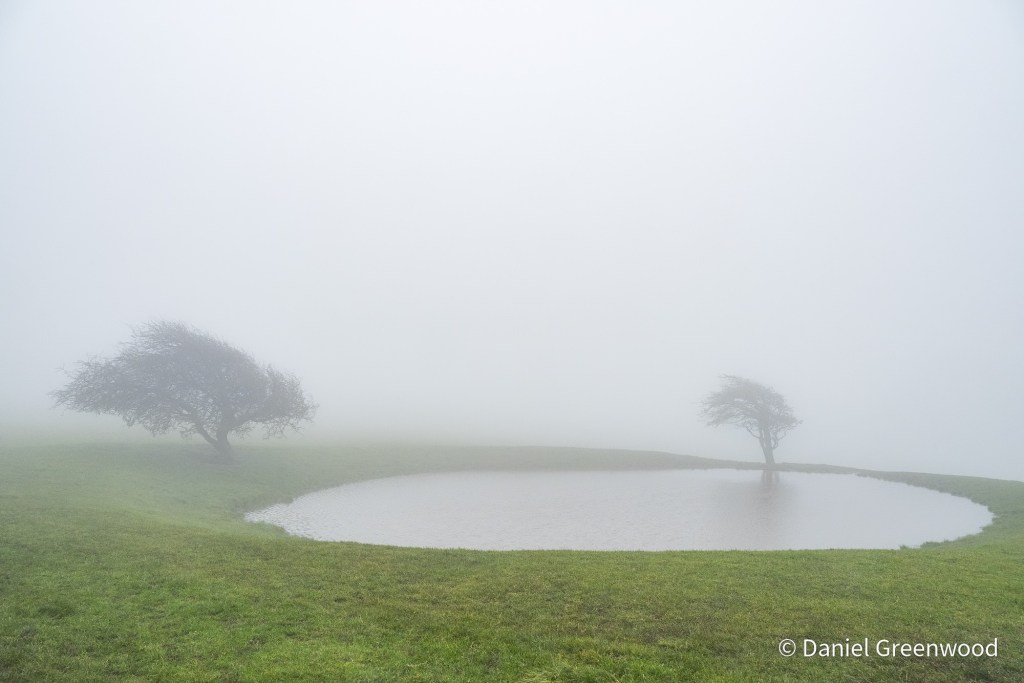
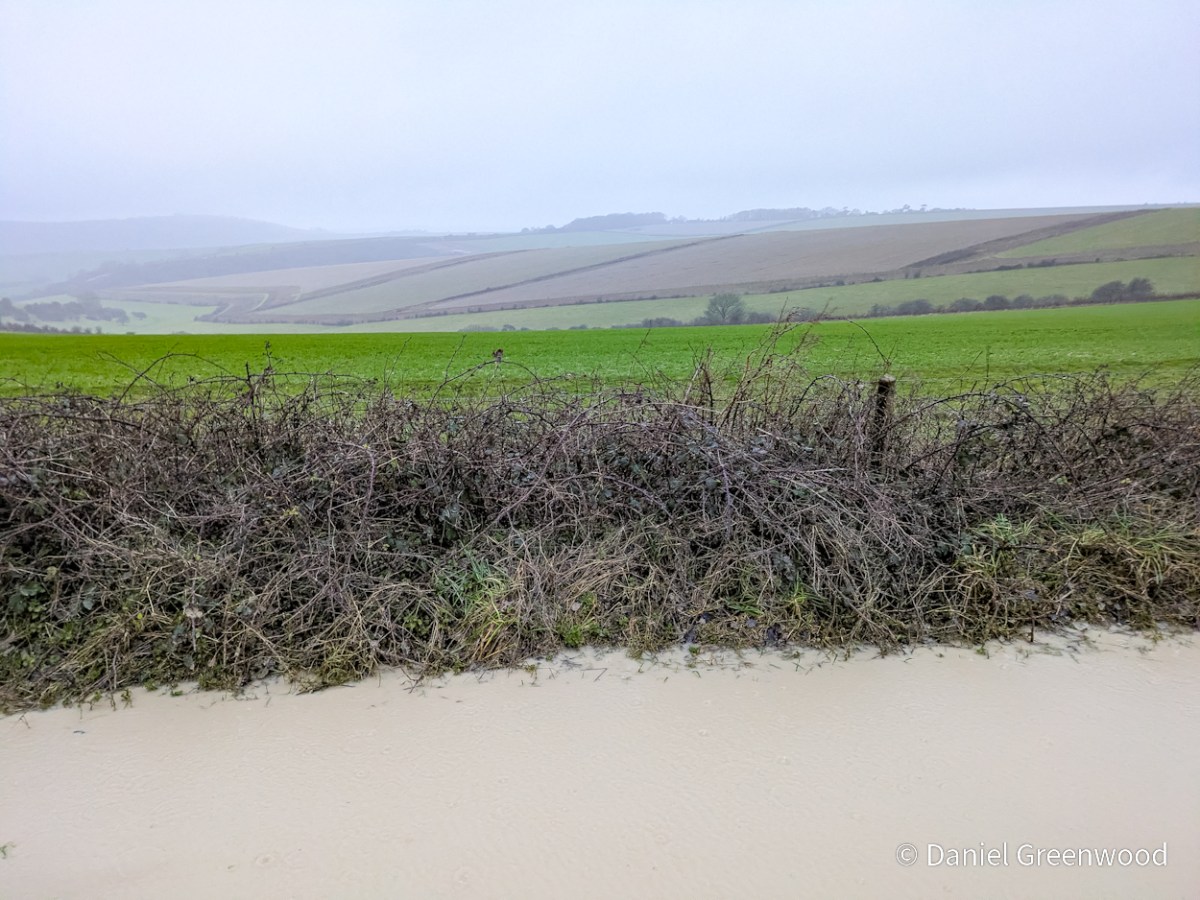
On the last day of November I hiked with my South Downs amigo from Ditchling into the mist. This is the much-photographed Ditchling dew pond, shrouded in mist.

December
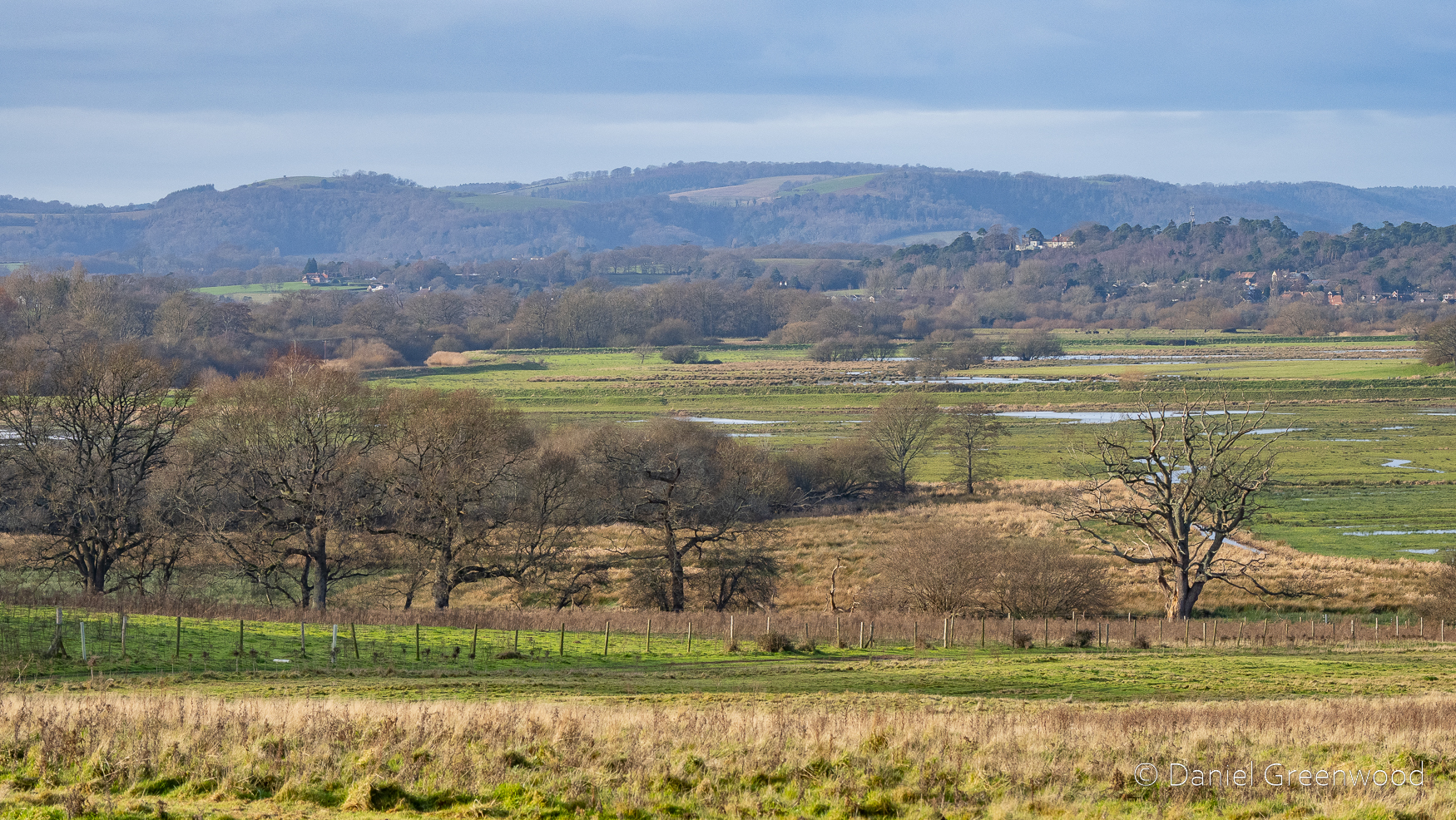
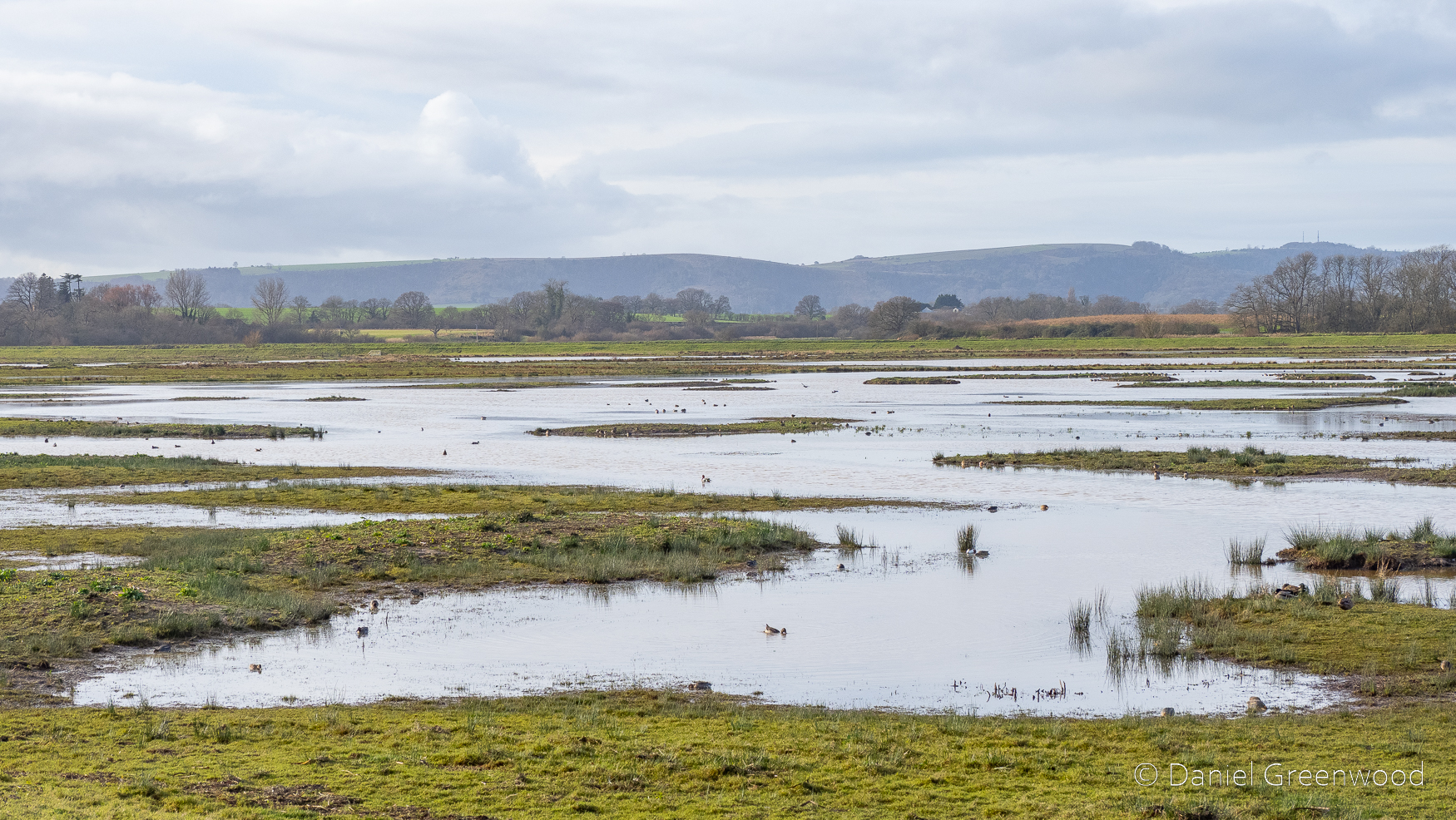
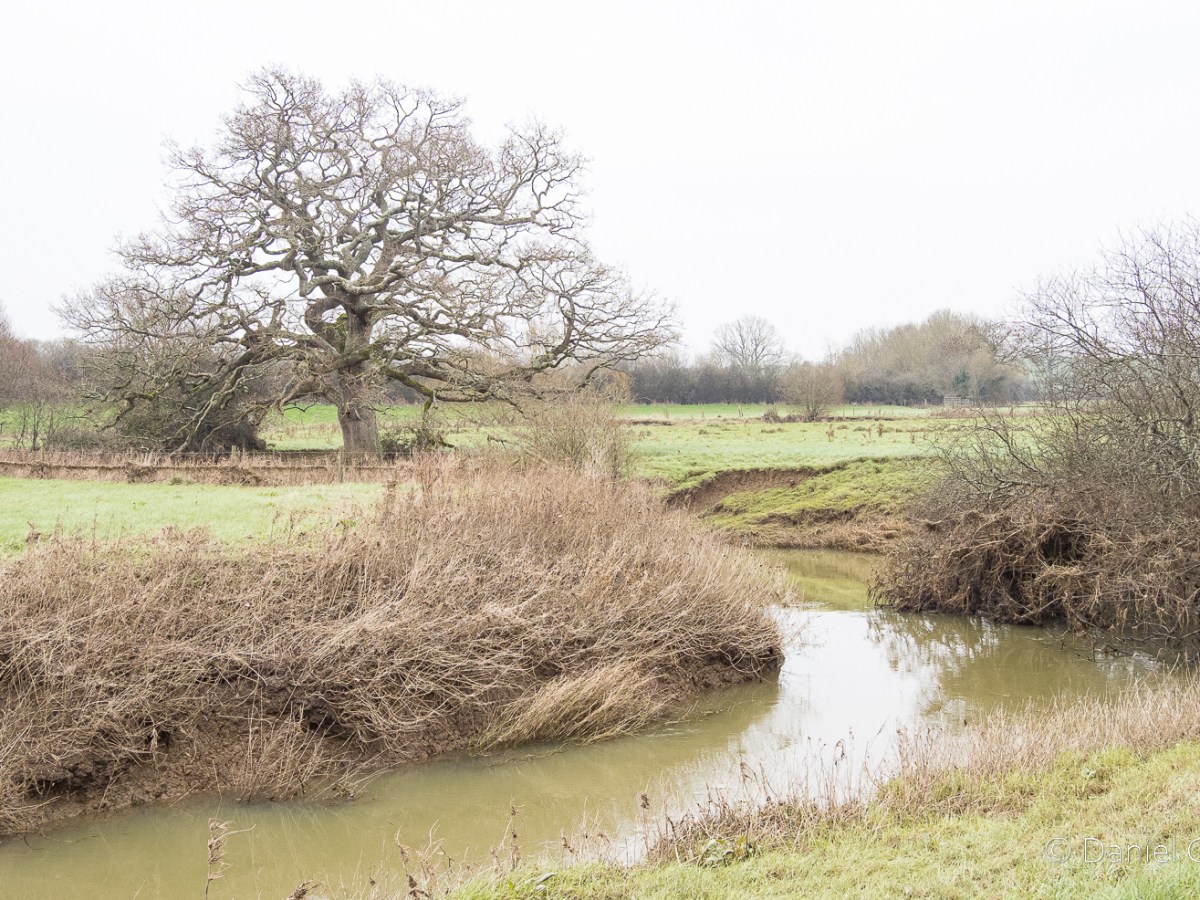
The weather in December was very grey and damp, and all the Christmas demands gave me only one meaningful walk – to Pulborough Brooks in West Sussex.

Thanks for all your support in 2024 and wishing you peace and happiness in 2025.

Wasp-faking at Bedelands 🐝

Last August I recorded a podcast with Dr. Beth Nicholls about bees. The podcast was recorded at Bedelands Local Nature Reserve in the West Sussex Weald. You can listen to that entertaining jaunt (your thoughts and mine) through bees here.

I only had a couple of hours to record with Beth and spent the time afterwards seeing what was living there. There was a lot of wasp-faking going on, that’s for sure. It’s taken me nearly a year to actually find the time to look through the images and process some of them.

Bedelands is a Local Nature Reserve (a local authority designation for green spaces of ecological and public significance on land which is in public ownership or similar) in Burgess Hill. It’s a mixture of Wealden woods of oak and hornbean, some wetlands, and Wealden grasslands. The grasslands seemed to be quite rich to me in both invertebrates and flora. A lovely space.

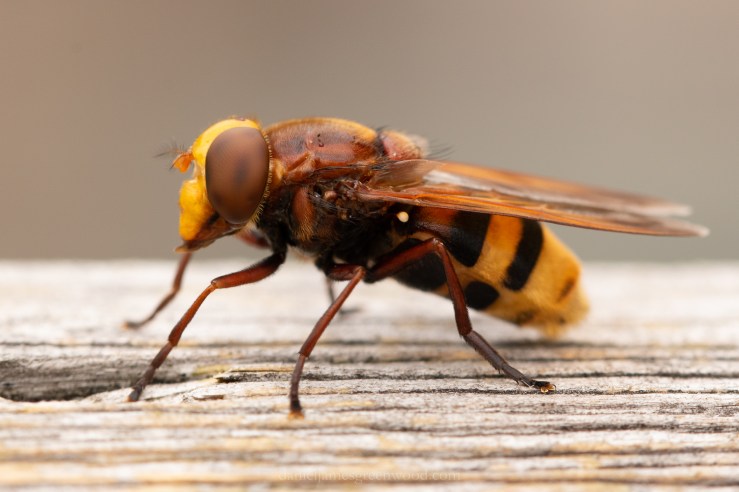
This is a very cool hoverfly that can be found over quite a large international range. It’s one of the more obvious wasp-mimic hoverflies. Its scientific name is Chrysotoxum bicinctum. Absolute wasp-faker.

A more common hoverfly is one with a great common name (among others) – the footballer! It’s another wasp-mimic species. The football name comes from the stripes along the thorax (below the eyes above) which look like Newcastle, Grimsby or Juventus style kit colours.

In the moth world, I found this small grey-brown species that appeared much like a grass head. It was reaching over an oak leaf and wasn’t bothered about my lens getting super close. This appears to be one of the grass veneer moths. Moth knowledge is not strong in this one.

The scales of moths are quite incredible up close, like little roof tiles or pieces of paper.

Here’s a closer look.

Moving into the non-insect, invert world, August is a month of arachnids. This is a European harvestman, a harmless thing. They use their legs to do their ‘seeing’.

The desiccated seed cases of a flowering rush was the hiding place of one of the ground crab spiders.

I have been seeing this in my garden, but they seem to be quite common elsewhere and in places like grasslands.

Perhaps the most exciting and dramatic sighting was this wasp spider, of which there were a couple around. They’re recent arrivals in the British wildlife community, and another addition to the wasp-mimic gang.

The underbelly of the wasp spider doesn’t do justice to its name. From this angle you can see just where it gets its name from.

Thanks for reading.

Latest from the Blog

November 2025: beware of pity

I’ve had a burst of American visitors in recent days (to my blog, not my house). So thanks for visiting, y’all, and sorry about the year you’ve had. You may have noticed I’ve slipped to monthly posts on here. Between April and October I posted blogs every Monday without pause, which is a tricky task…

Summer-autumn 2025: unveiling the sun

Here’s my seasonal update of stuff you don’t need to know about, but then welcome to the Internet. What I’m writing Soon I will be self-publishing my third poetry collection, Fool’s Wood. It’s seven years since my last one and this collection has taken longer because of LIFE. There will be a booklet and also…

Macro 📷: is that a nationally scarce spider sitting on the fence?

*Update: this record has now been accepted as correct by the county expert and has become official 😁*

Most of the jumping spiders I find in my garden are sitting on the fence, LITERALLY.

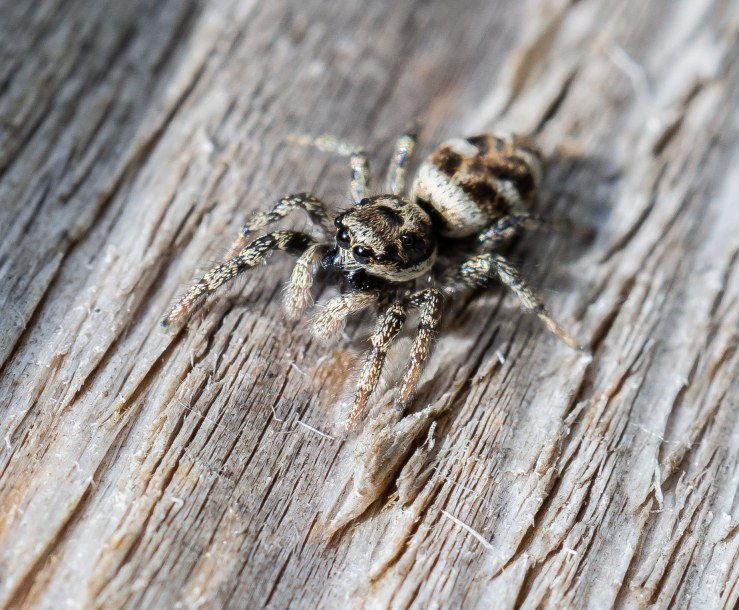
The jumping spiders are a group of beautiful arachnids (spiders and arachnids are not insects FYI) that are renowned for their cartoon eyes and ‘cuteness’. There is something very ‘floofy’ about them. This video by Thomas Shahan has some lovely images of some American species:

I love to see them in my house, exploring the doors and window frames. One got into difficulty recently and was captured as prey by another window-dwelling species. Even the indoor parts of our homes are wild places at macro level.

Most of my macro is getting done through intensive 5 minute breaks during my working day, in which I take rushed and low quality photos (as seen here). I am stuck at a computer all week at the moment and these micro-macro garden safaris are keeping me ‘productive’.

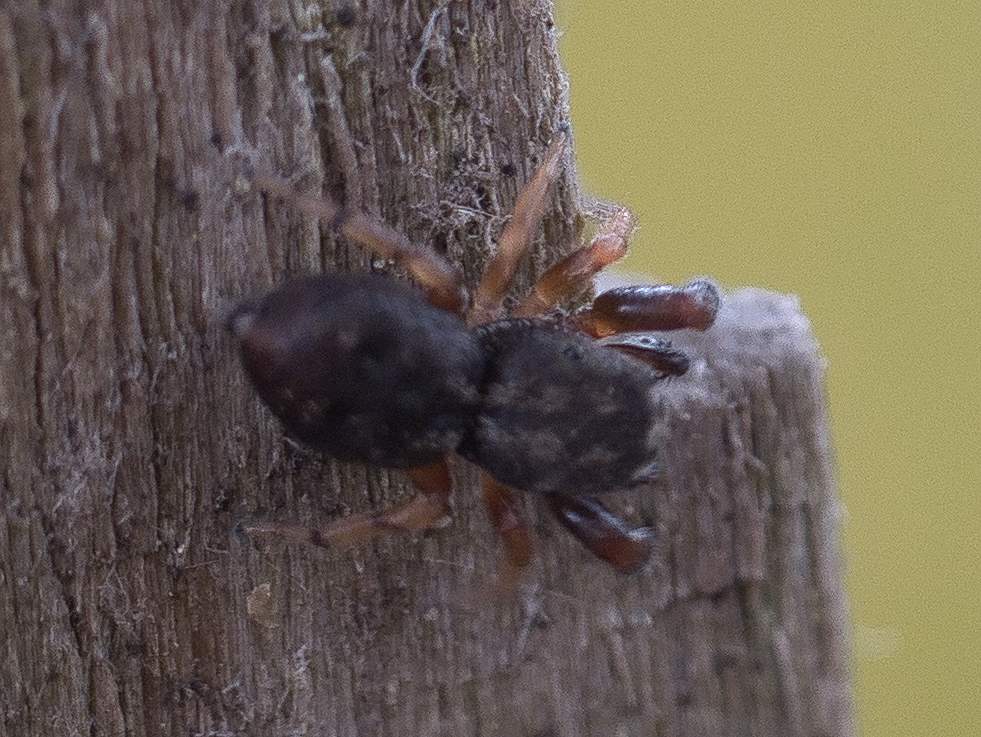
I spent some of the time checking out one of the fences where I’ve found lots of interesting species like hornet-mimic hoverflies, digger wasps and jumping spiders (above).

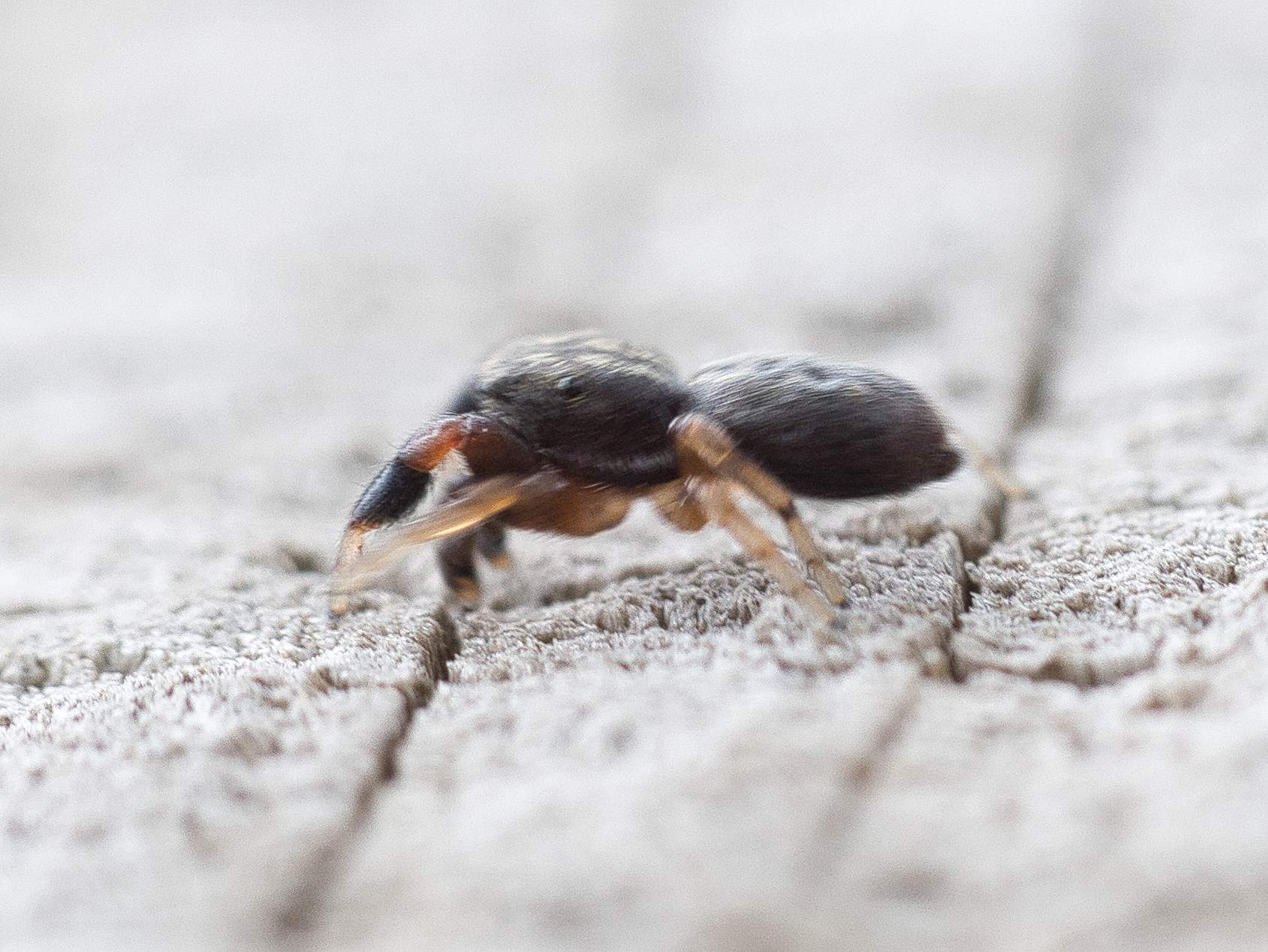
During one break I noticed a tiny jumping spider exploring one of the posts and attempted some snaps. The pics are grainy and nowhere near portfolio quality, but that’s not what matters here. I put the photos on iNaturalist and an Italian spider expert gave an ID of Ballus chalybeius.

I tweeted the British Arachnological Society and they were happy enough that it was this family, with only one species within that family in the UK. Looking at the map of their records, it has not yet been recorded in this part of West Sussex. It’s also Nationally Scarce. Bingo!

One of conservation’s big problems in the UK is its insularity and misanthropic tendencies. Thankfully organisations like BAS are active on sites like Twitter to speak up for spiders and to engage with people online. Nature conservation in the UK is claimed to be better when bigger and more joined up. You could say the same for its ability to communicate and gather information. That’s me off the fence, then.

Thanks for reading.

More macro

Macro Monday: the macro ninja

Last year we installed a pond in our garden. It’s nothing special, just an old washbasin bought from an antique shop sitting on the patio. It has flag iris, some figwort and other aquatic plants bought from the garden centre. I noticed a couple of weeks ago the first resident of the pond, a water beetle zipping around the underwater vegetation. I didn’t get enough of a look to identify it, not that I would have done much there anyway.

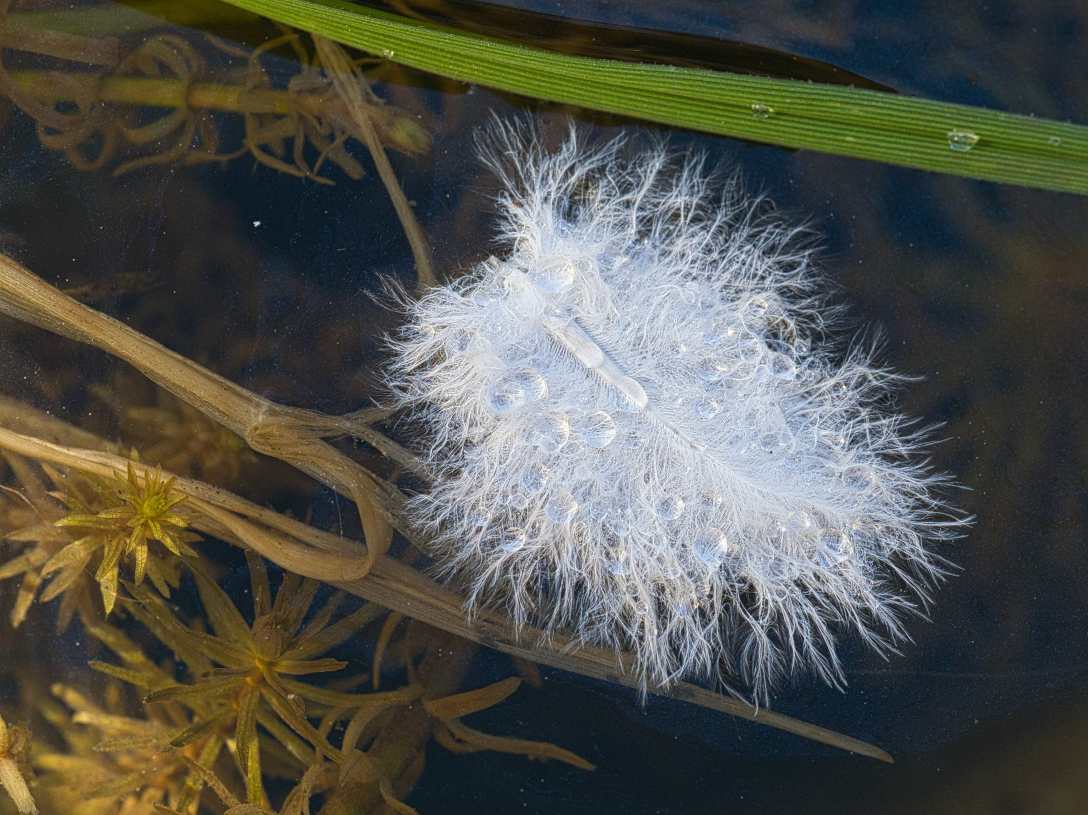
One morning I spotted a downy feather resting on the pond’s surface with some drops of dew sitting on it. Looking closely the feather’s fibres were like lightning bolts or fungal hyphae spreading out across the surface of the water. I was crouched down over the pond to the point that the postman didn’t see me and got a fright:

‘You scared the living daylights out of me there, Dan, you’re like a ninja!’

New Instagram handle: Macro Ninja.

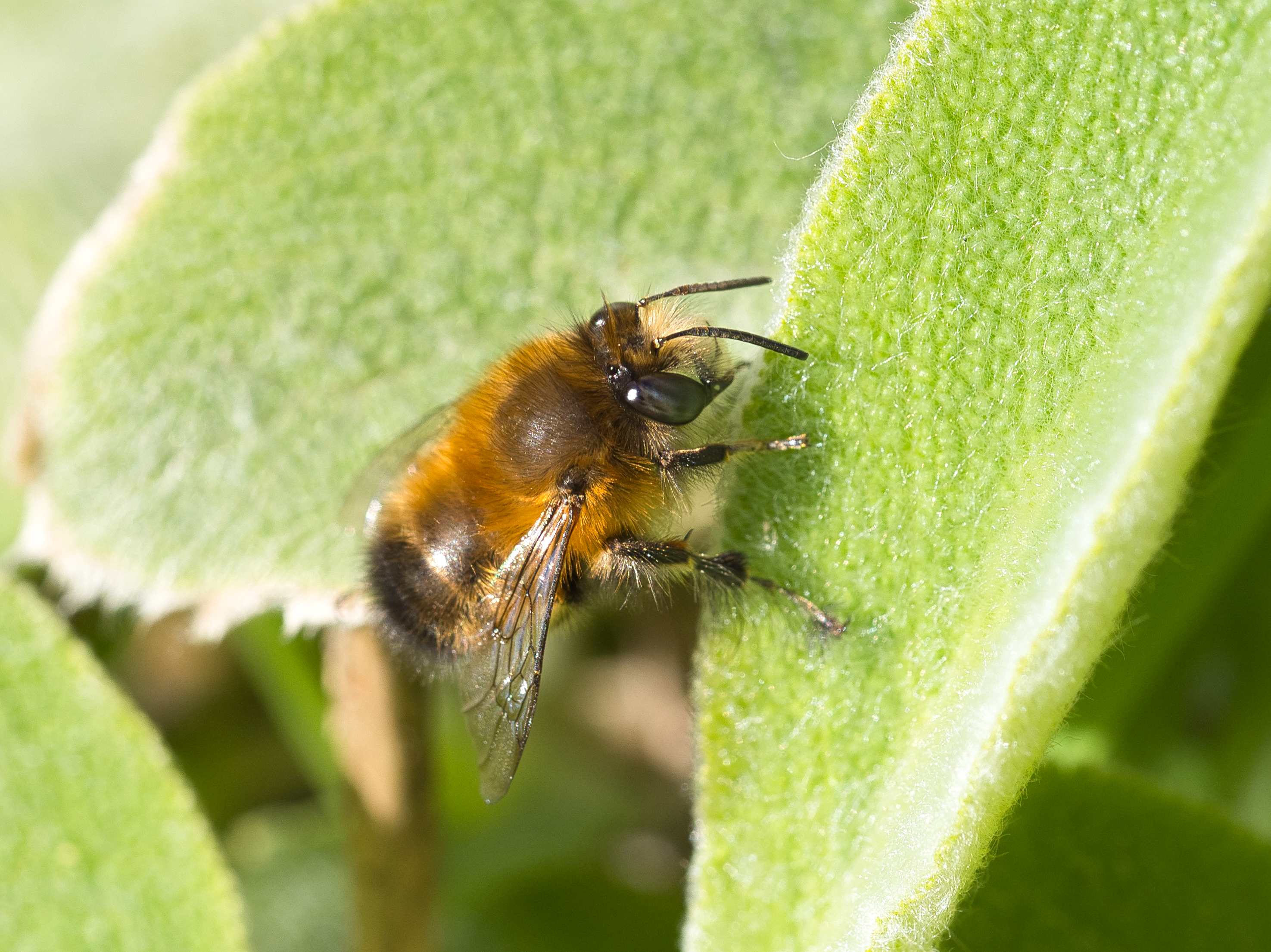
Hairy-footed flower bees have continued their territorial dominance of my garden. The male bees are a flippin’ nightmare to photograph, the image above took a lot of channeling my inner ‘macro ninja’ to approach before it flew away.

In the past two weeks the all-black females have appeared and are now being followed by the male bees as their pairing routines develop. Above is an archive image from a few years ago.

Another sign of my rustiness is this sighting of a queen wasp visiting the small hedge. She was nectaring on flowers of the-plant-I-can-never-remember-the-name-of. I have posted quote a lot in the past year about wasps, I love them. A user on iNaturalist identified this as a common wasp queen, Vespula vulgaris.
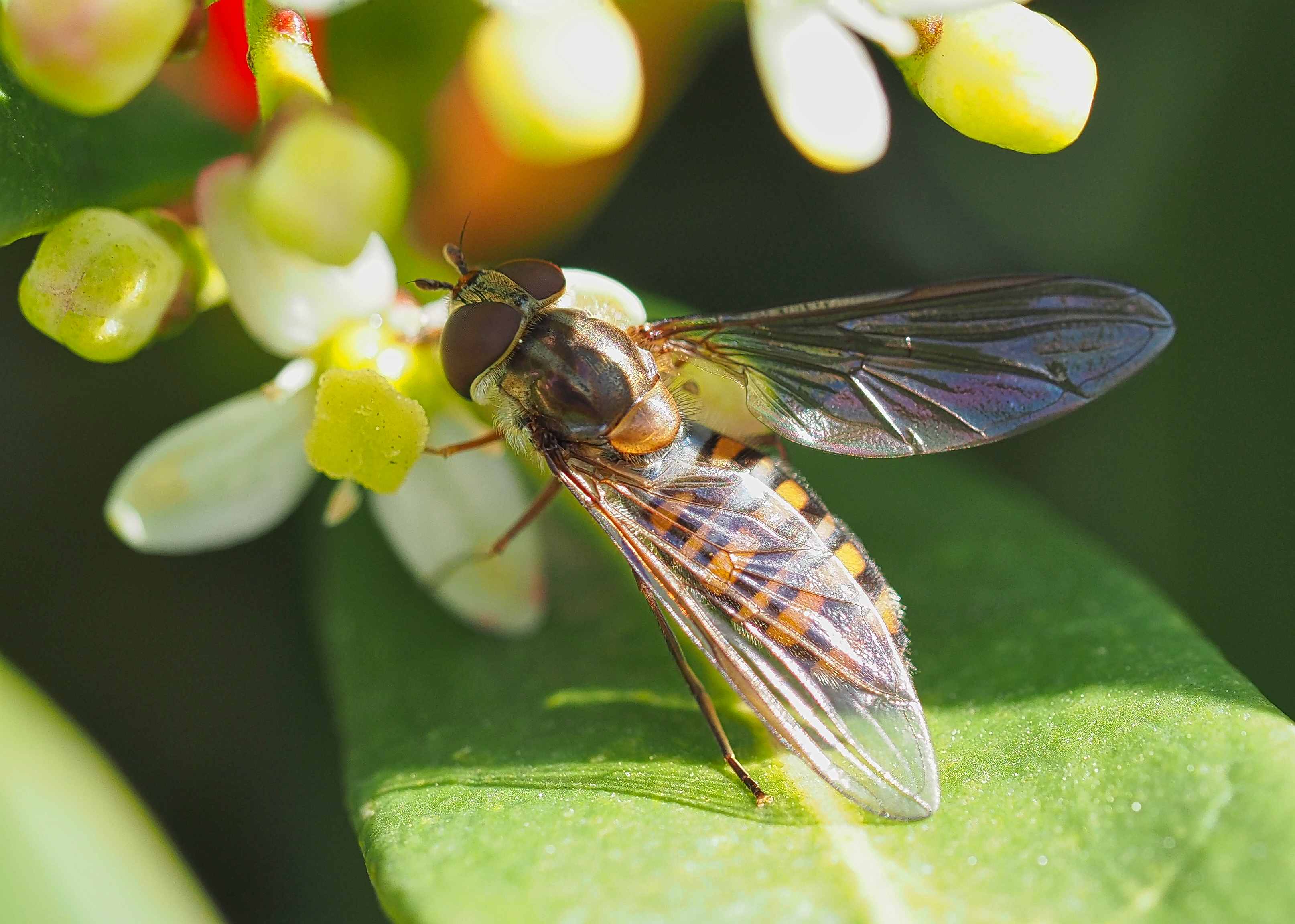
The same plant was supporting both more species and the non-sensical notion that non-native plants or animals have no place on These Great Isles. This was perhaps the second or third marmalade hoverfly I have seen in the garden this year. They are a nice entry into the world of hovers and are super common.

An example of why bright sunlight isn’t good for macro photography can be seen in Exhibit Z, above. This was fly does have an orange beard though which was something I hadn’t noticed until I drove up the shadows bar in the editing software.

The nursery web spiders were basking once more in their spring way. They are lovely spiders and I think could probably help more people to partially overcome any fears they may have. This was an interesting article (with a clickbait title) on spiders being pushed into civilisation by floods in Australia. And then there was this about the discovery of a depiction of a spider god in Peru. I wish people revered invertebrates in the way they did birds and mammals. Also, fungi.

Finally, a sign of spring’s imminent arrival is this bunch of guelder rose flower buds. Enjoy these spring days if you’re living in the Northern Hemisphere, they’re gone before you know it.

Thanks for reading.

Photos taken with Olympus E-M5 MIII and 60mm f2.8 macro lens.

More macro