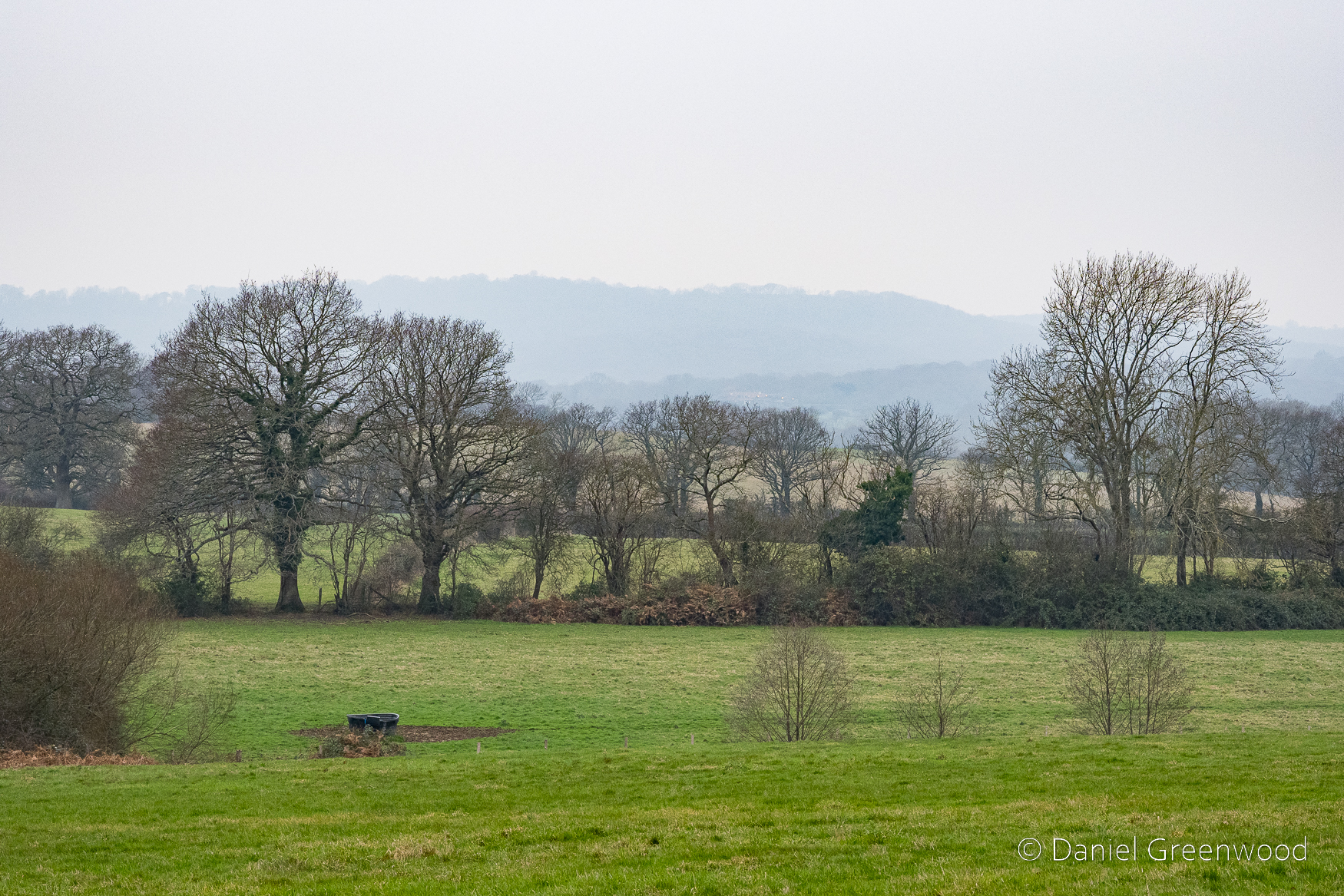
Arun valley oaks around Billingshurst

Billingshurst and the Wey-and-Arun Canal, West Sussex, January 2024

Pre-ramble

This long post (2500 words) is based on the Billingshurst walking route available in the Ordnance Survey guide to walks in West Sussex and the South Downs.

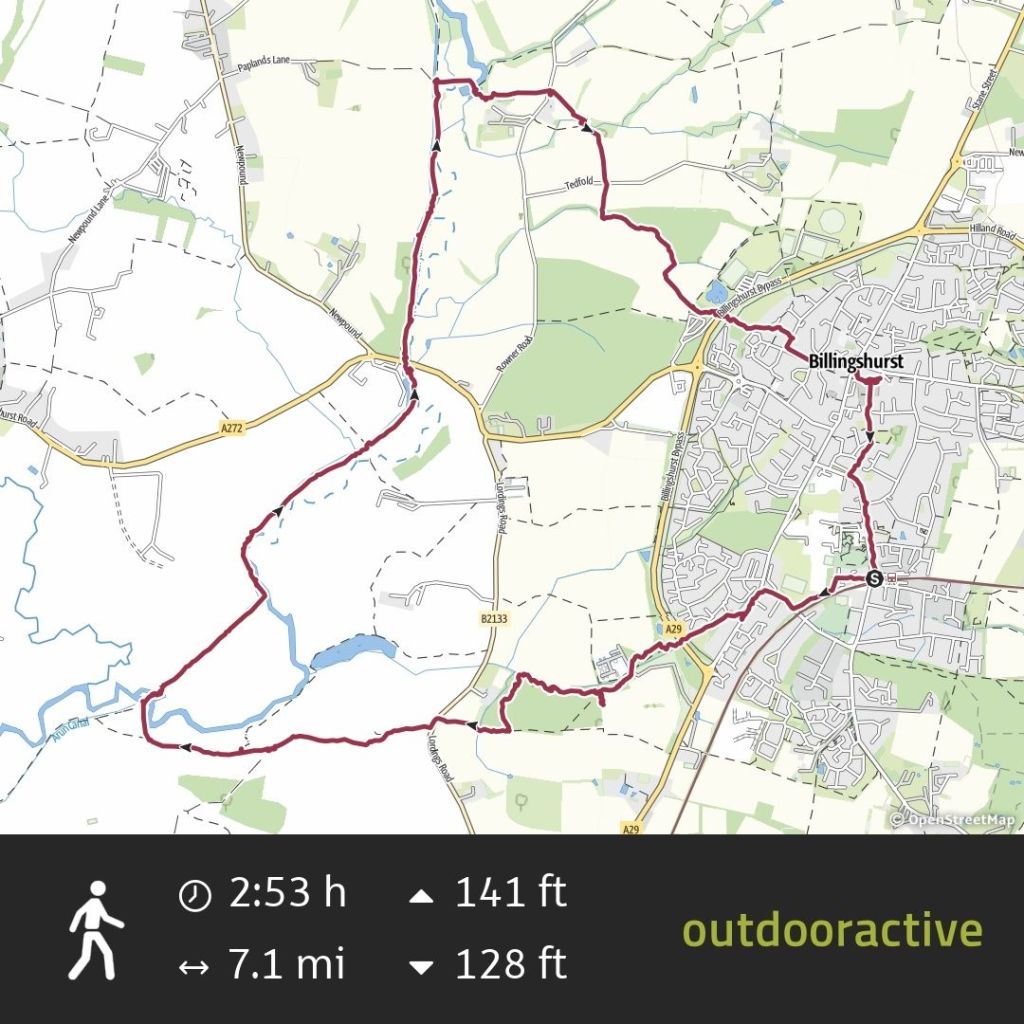
The difference in my route is that I went by train not by car. It’s always better by train if you can do that. I also took a longer route to the south via Parbrook.

Billingshurst is a growing ‘village’ on the from Victoria to Bognor Regis or Chichester.

The name Billingshurst means a wooded hill of the Billa’s people who were perhaps an extended family rather than a large tribe.

Billingshurst Local History Society

For this post I’ve relied on Geoffrey Lawes’ Billingshurst Heritage (2017) for historical references, which I borrowed from my local West Sussex library.

I wouldn’t do the walk after high levels of rain in winter because the Arun is prone to flooding in epic fashion and could make some of the walk impassable, particularly beyond the bridge.

This would be a good one to do in the spring when it’s a bit drier and the birds and woodland flowers are coming to life again.

There are some quite dangerous crossings here, so care needs to be taken when you meet the A29 twice, and another country lane that has poor visibility about a quarter of the way in.

Parbrook

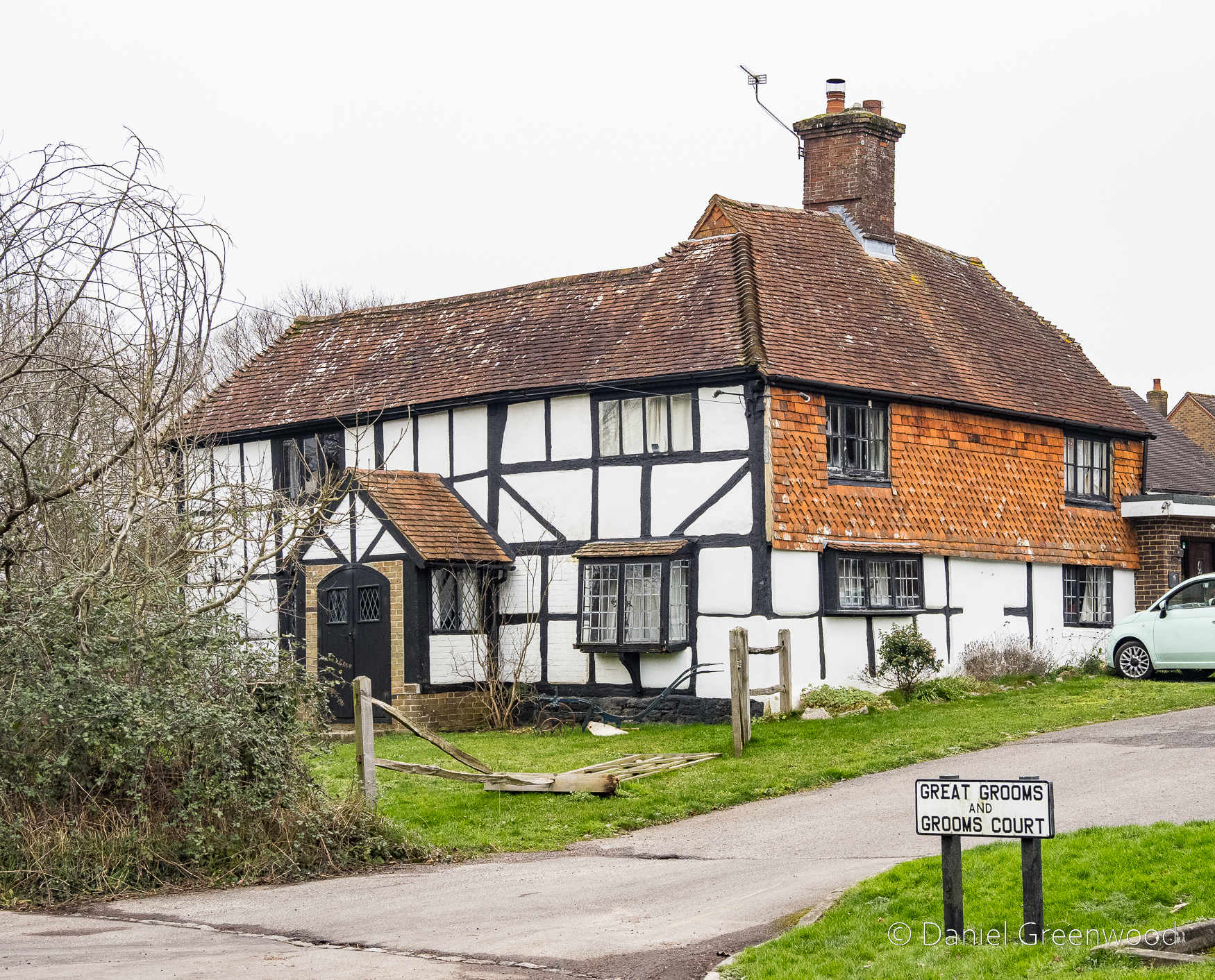
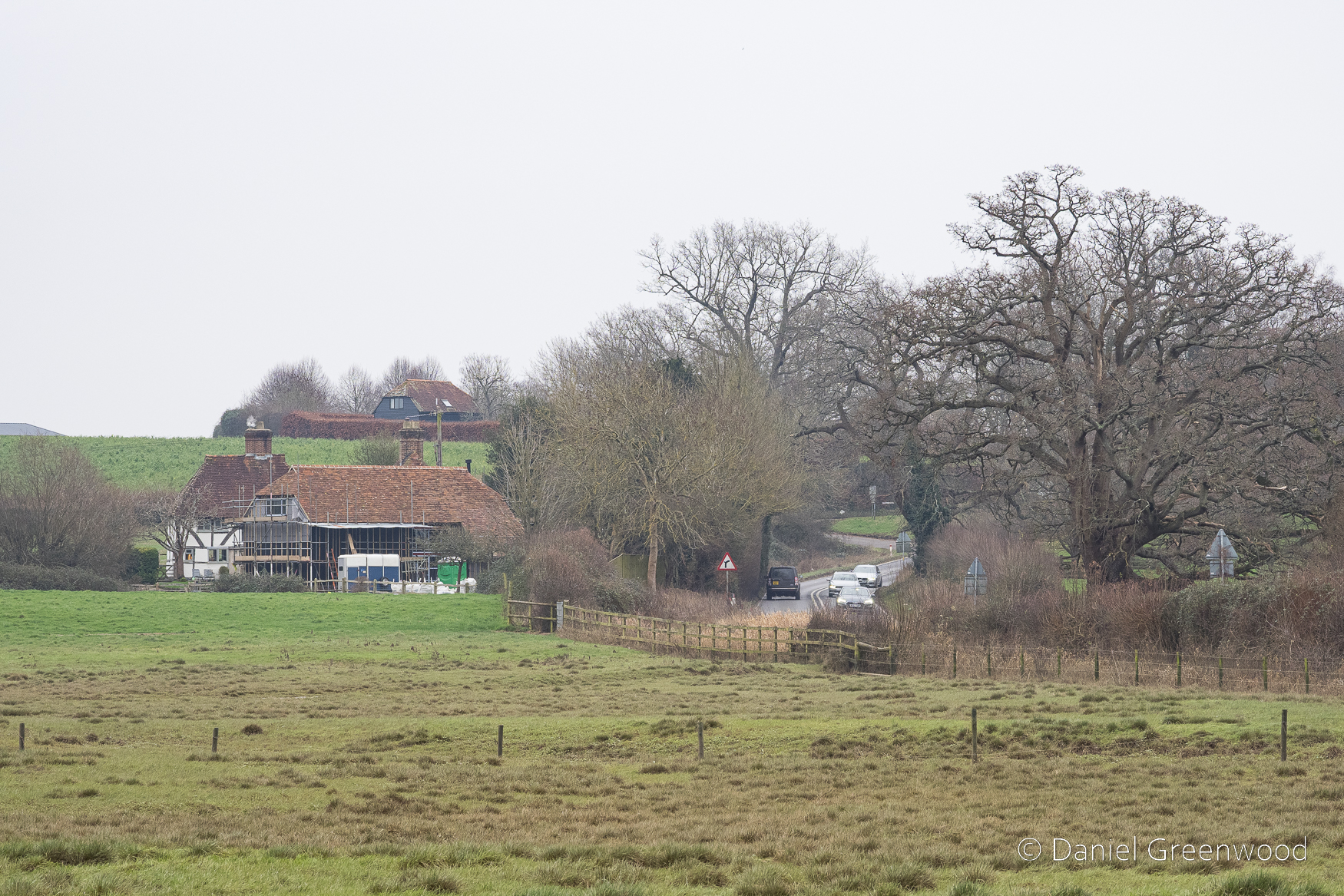
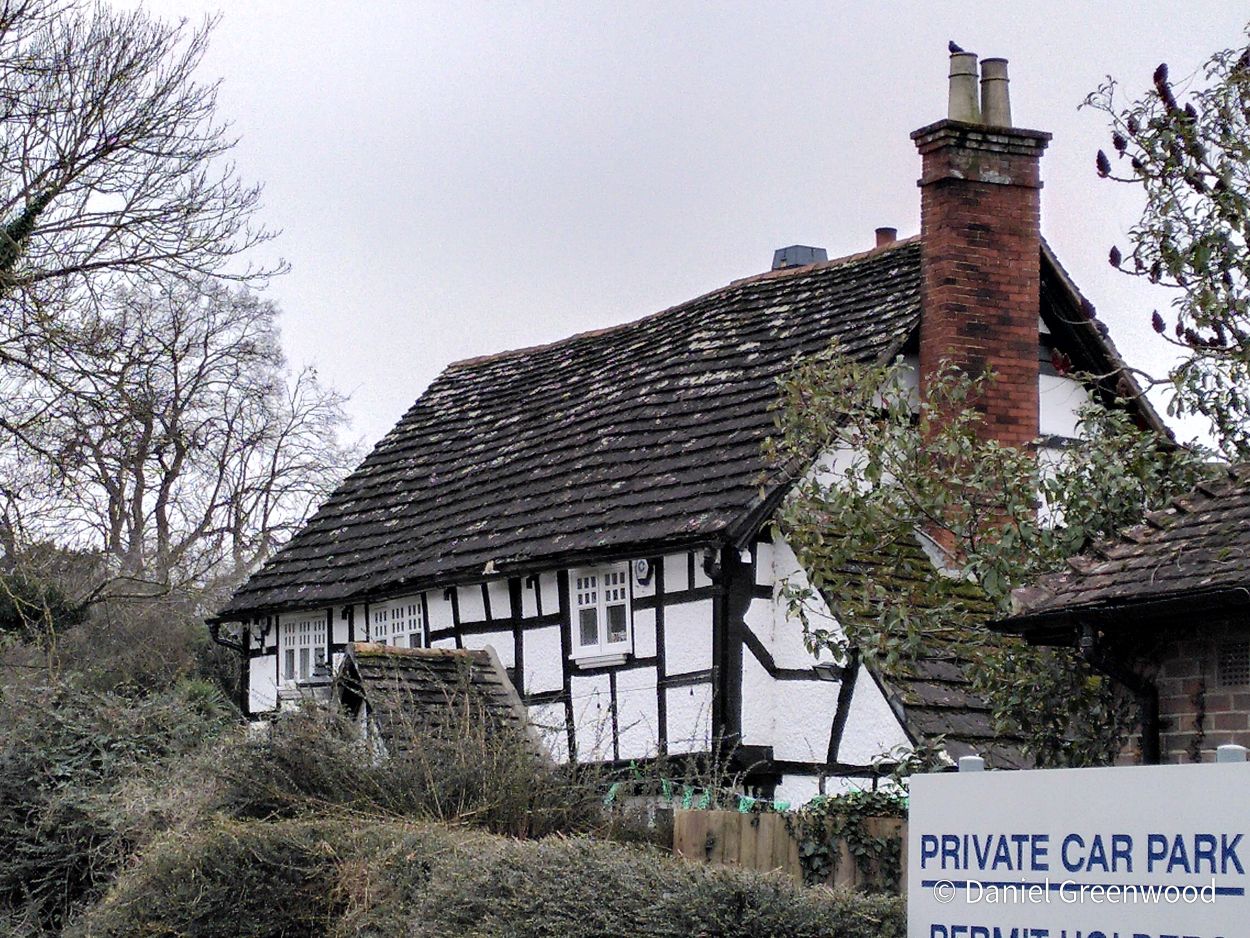
After leaving Billingshurst station you pass through a new housing development to the west of the village, and then the village of Parbrook, which was once separate. There’s an impressive timber-framed building here called Great Grooms, which dates to the 1500s. It’s on the Historic English register as the Jennie Wren Restaurant, as it was recently known.

In Billingshurst’s Heritage there’s an insight into the life of people here around the time of the First World War. Doris Garton describes her childhood in a ‘small, primitive cottage’ in Parbrook, and her father’s life after he returned from the war:

In the 1920s my father did contract to local farms at Parbrook. He would set off at 6:30am with his tools and hay knife strapped on his bicycle. According to the seasons he did hay cutting and tying, harvesting and threshing, thatching and land work, draining, ditching, ploughing with a horse, hedge-cutting and layering of hedges. He was also sometimes hired as a water diviner, using a hazel twig.

Billinghurst’s Heritage: Geoffrey Lawes, 2017: p. 255

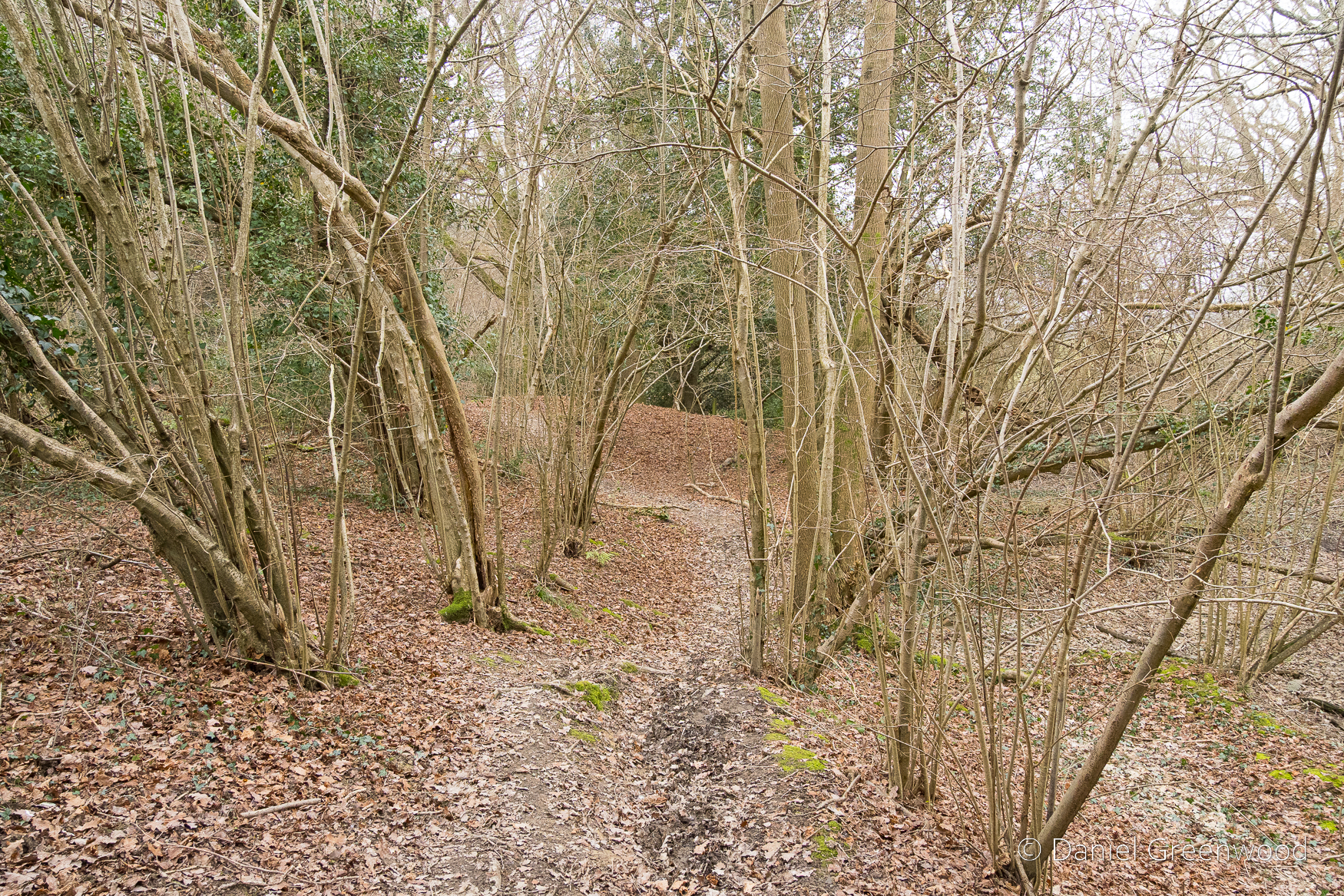
The walk gets serious quite quickly as you cross the A29, which is a diversion from the straight line of Stane Street, a Roman Road that provided a route from London to Chichester. Crossing the A29 gives the immediate reward of this – the sort of place where Doris’s father would have plied his trades in the 1920s:

Ancient woodland

As you probably already know, ancient woodland is a sensitive habitat, so be careful not to trample wildflowers like bluebell and wood anemone in the spring (it’s hard!), and not to disturb ground-nesting birds (March-July). I noticed some bluebells were peeking from the leaf litter, which seems to be fairly normal for January in the last decade.

It was here that I spoke to a local woman about the walk I was doing and what the best route was. I’m always looking for tips.

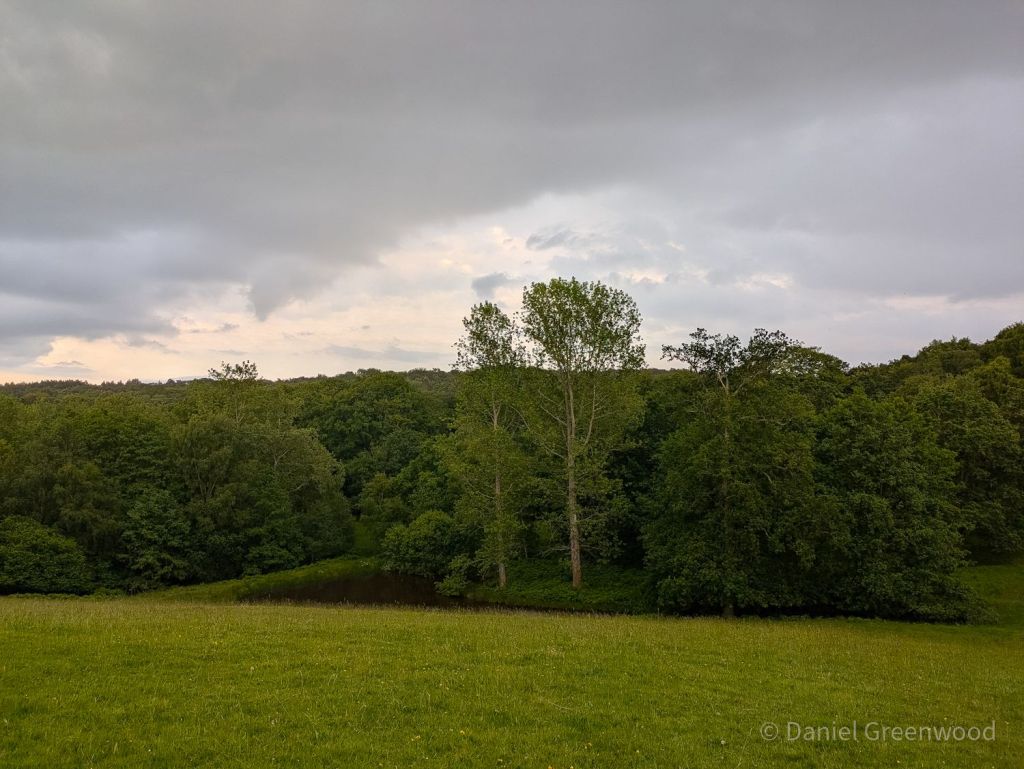
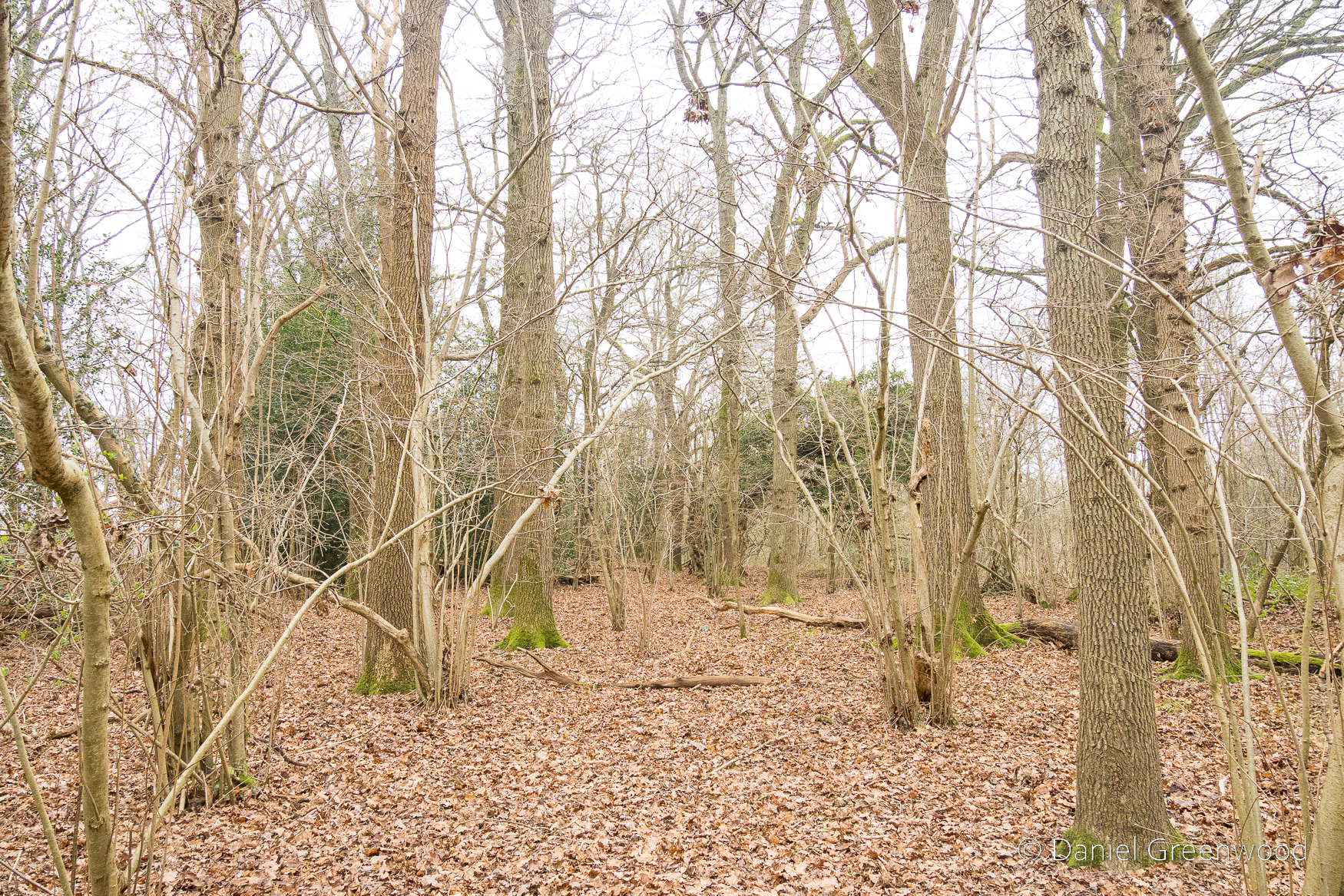
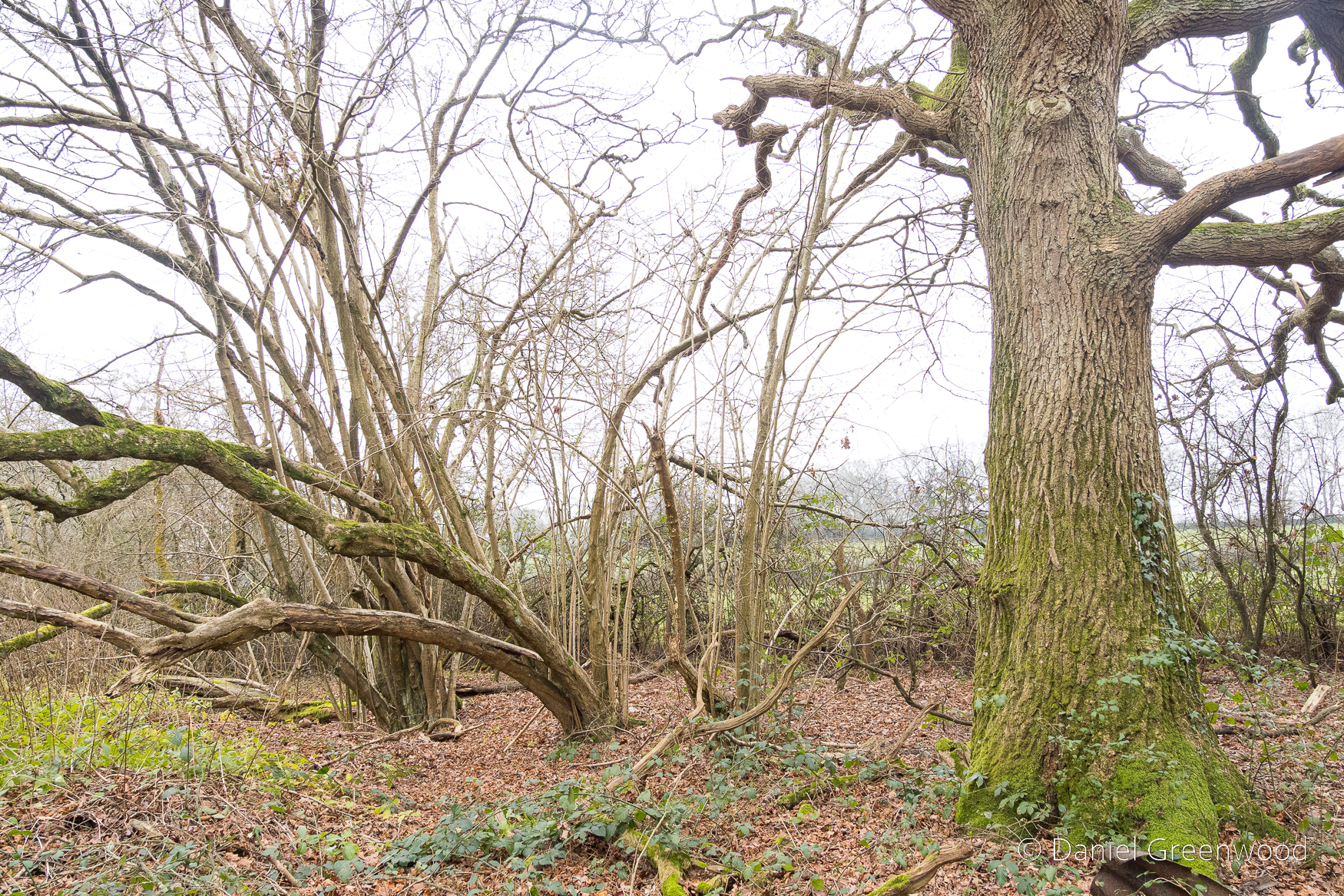
The woods are surrounded by open farmland. The make-up here is typical managed ancient woodland of old – hazel understory with mature oak trees (otherwise known as ‘coppice with standards’). Mr. Garton’s bread and butter.

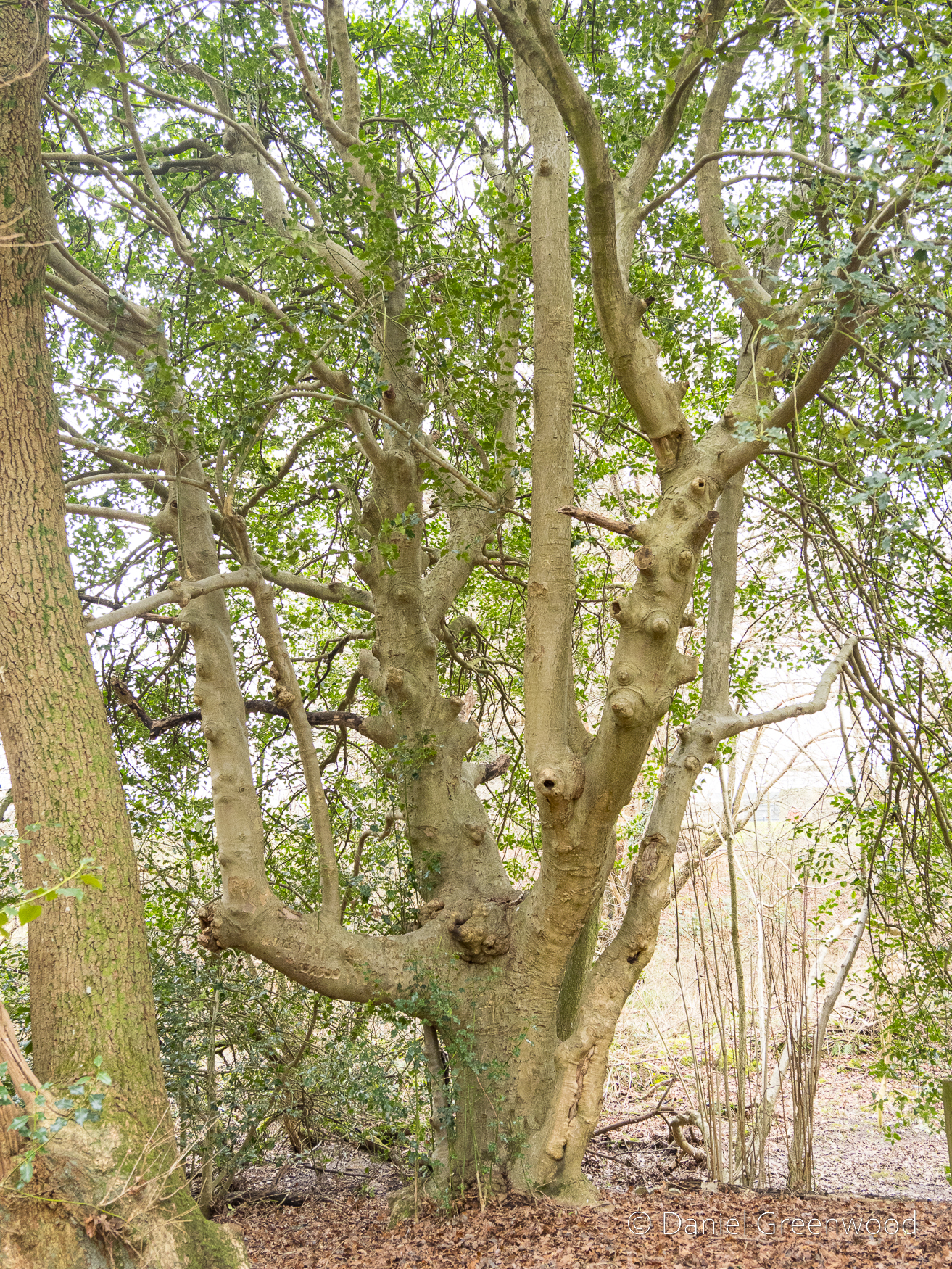
Holly is another element of this prehistoric mix. This isn’t meant to sound patronising but I think that sometimes too much holly can be removed from woodlands by well-meaning people who want to reduce shade for flowers to thrive. I understanding the motivation, but holly’s powers are subtle.

Speaking of which, this magnificent holly was growing on one of the wood banks. I think it’s one of the largest I’ve ever encountered, probably around 200-300 years old, but I’m not sure.

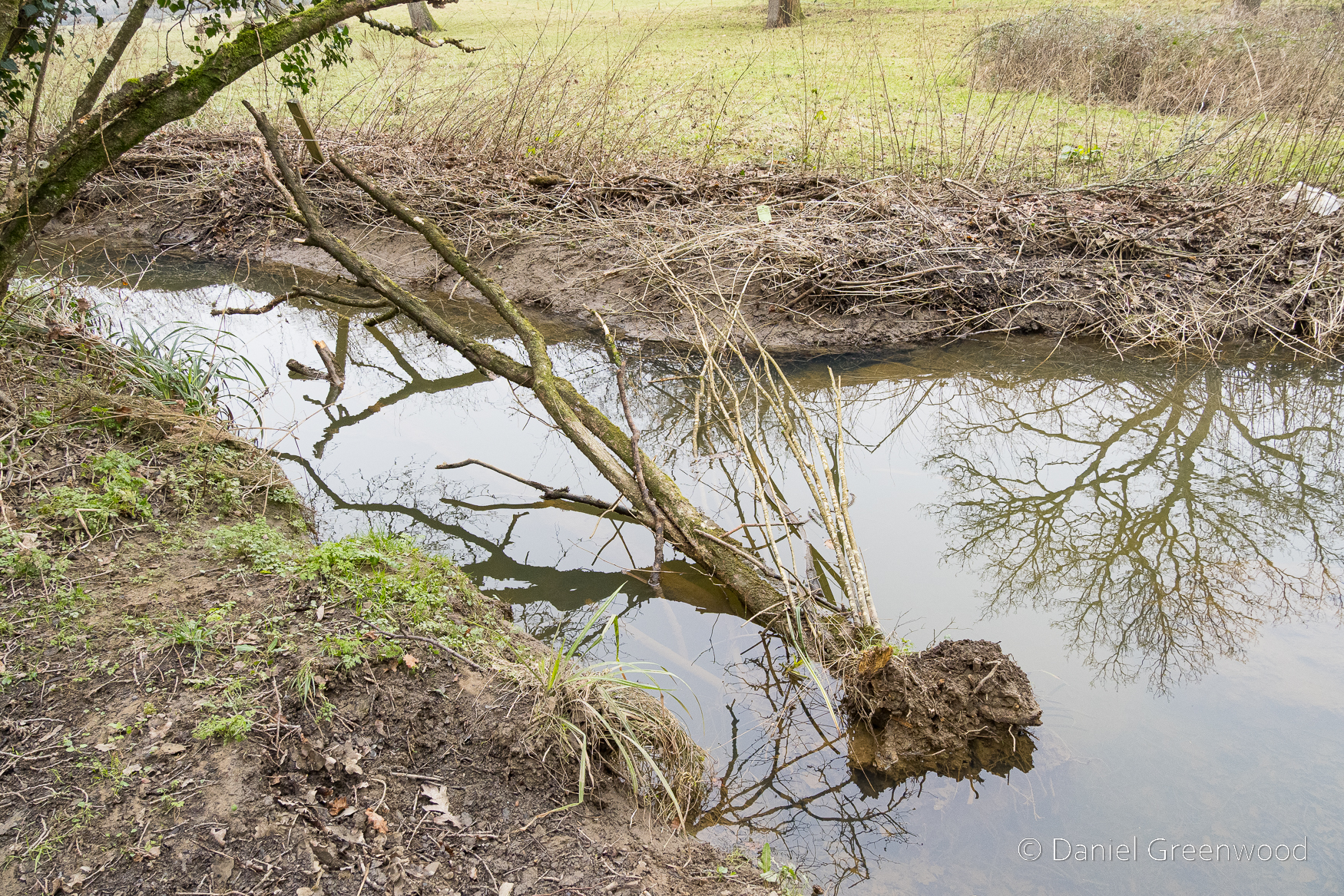
I got a bit lost here and ended up following a desire-line (an informal path) along the edge of this stream, as you can see on the map above. The erosion of the bank (possibly by people and pets entering it) may have contributed to this hazel losing its footing and falling in. It does look quite dead.

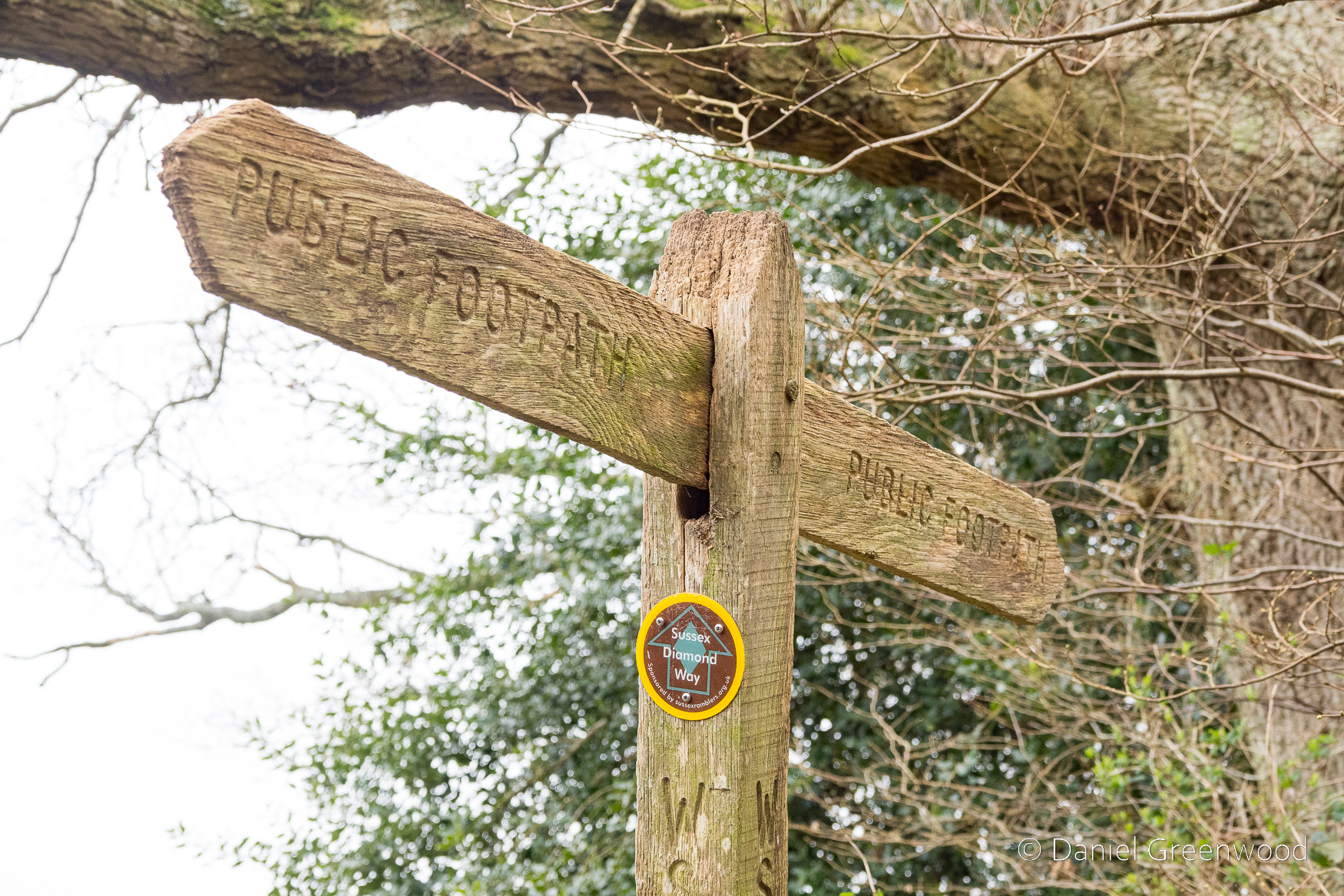
This was my first time on the Sussex Diamond Way!

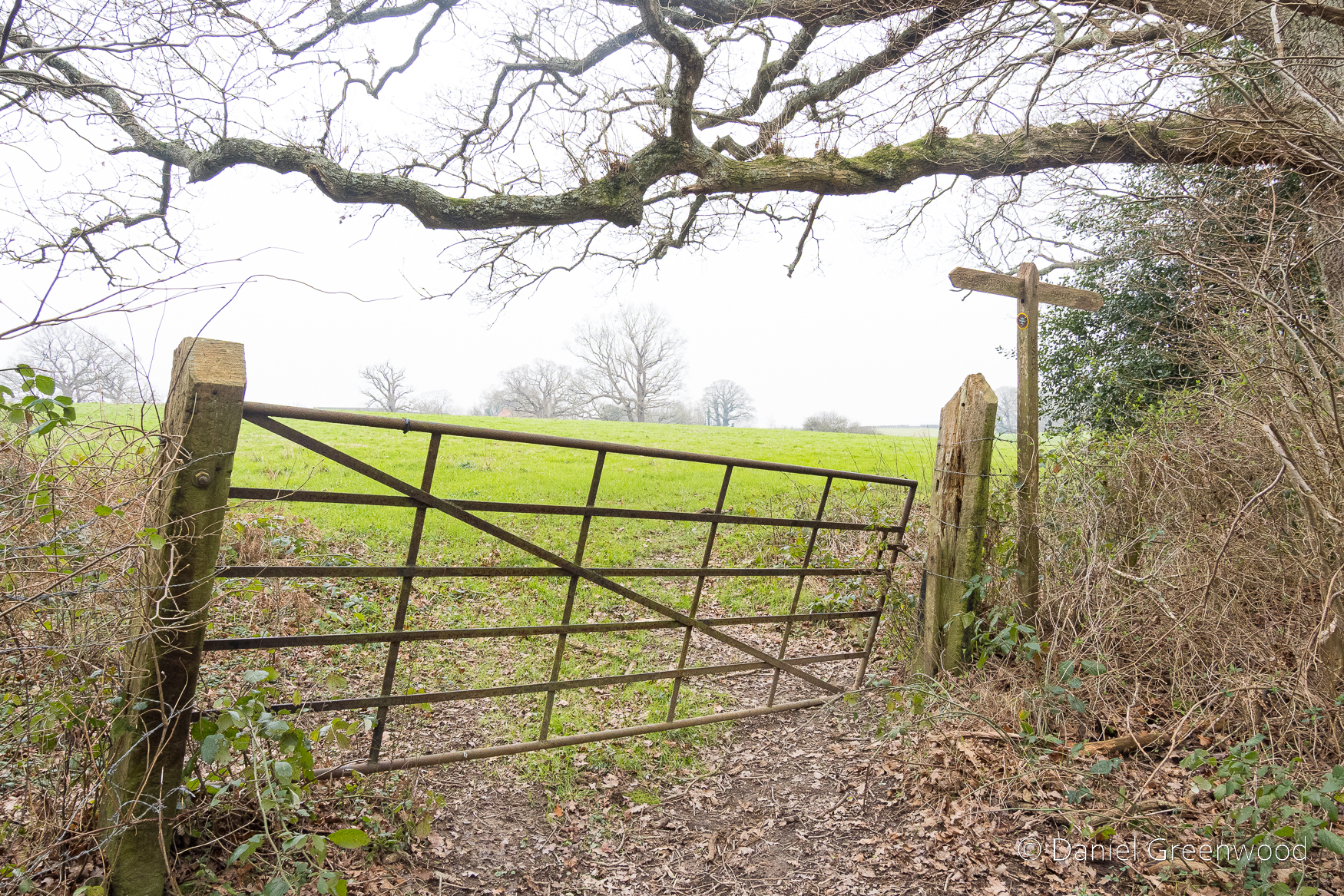
Having found the path again, I passed through this lopsided gate into the field.

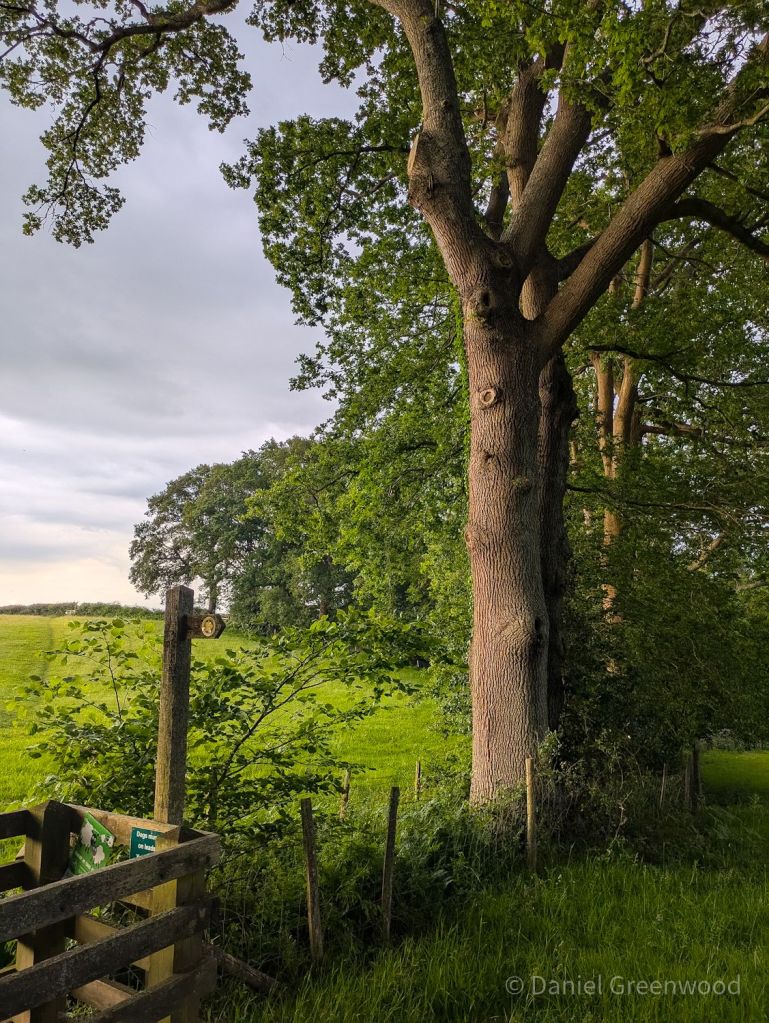
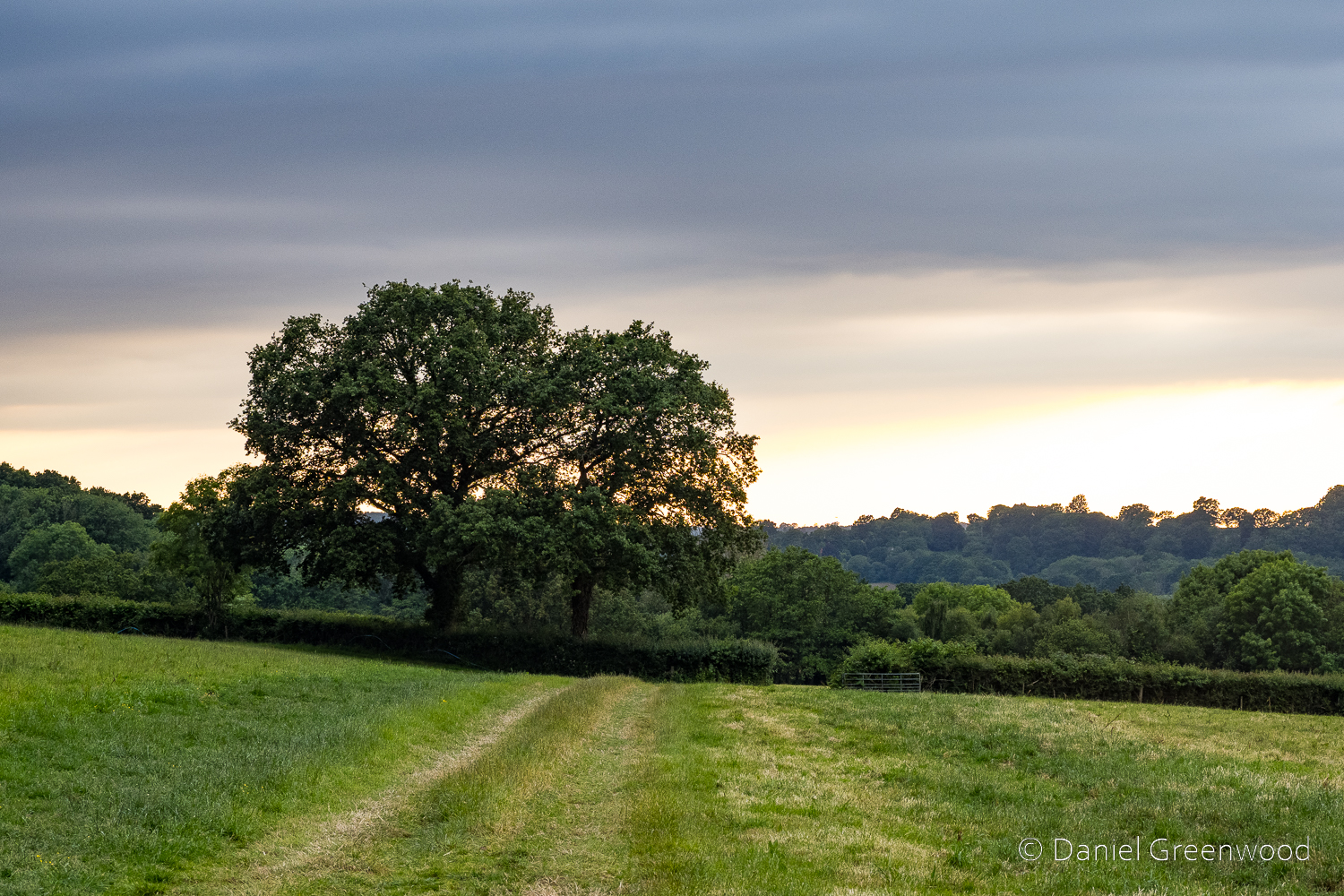
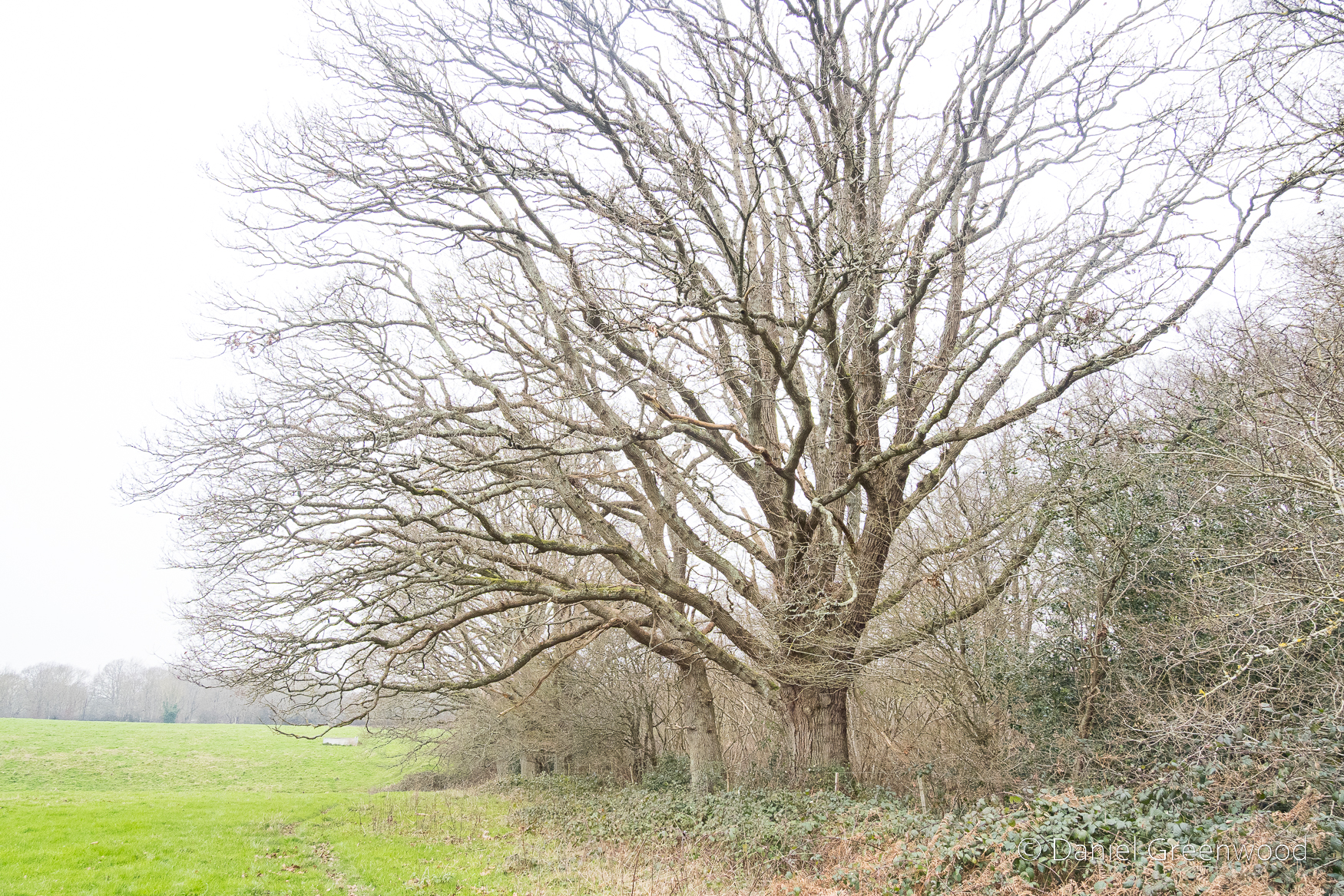
There were some lovely large oaks along the boundary of field and woodland.

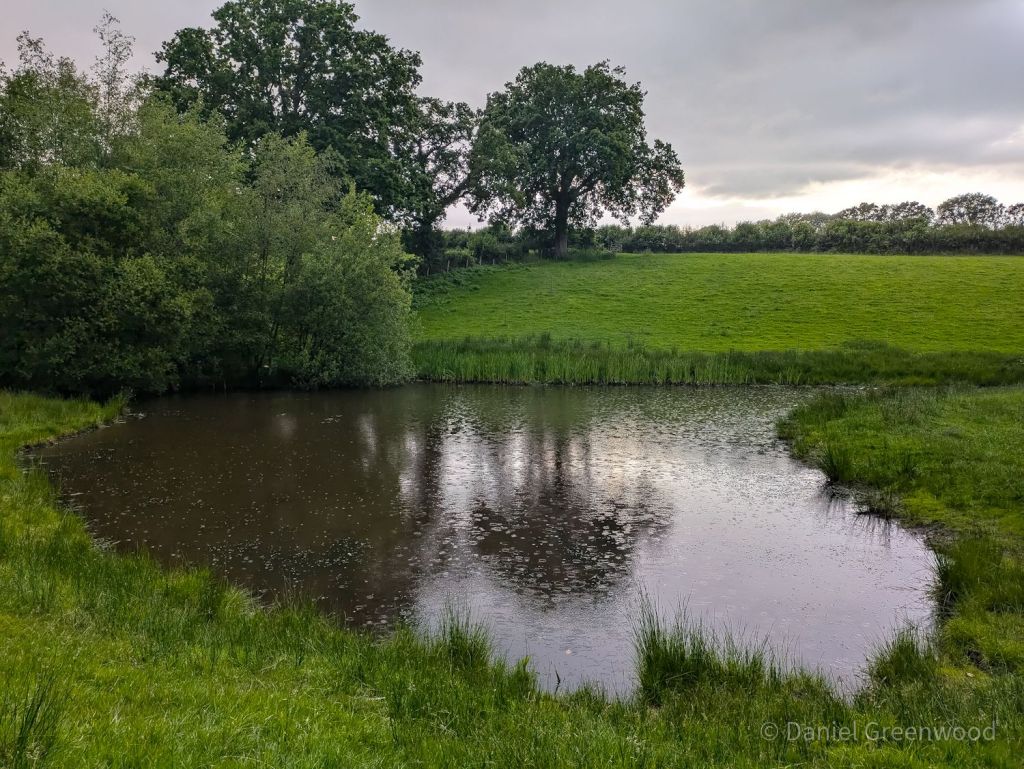
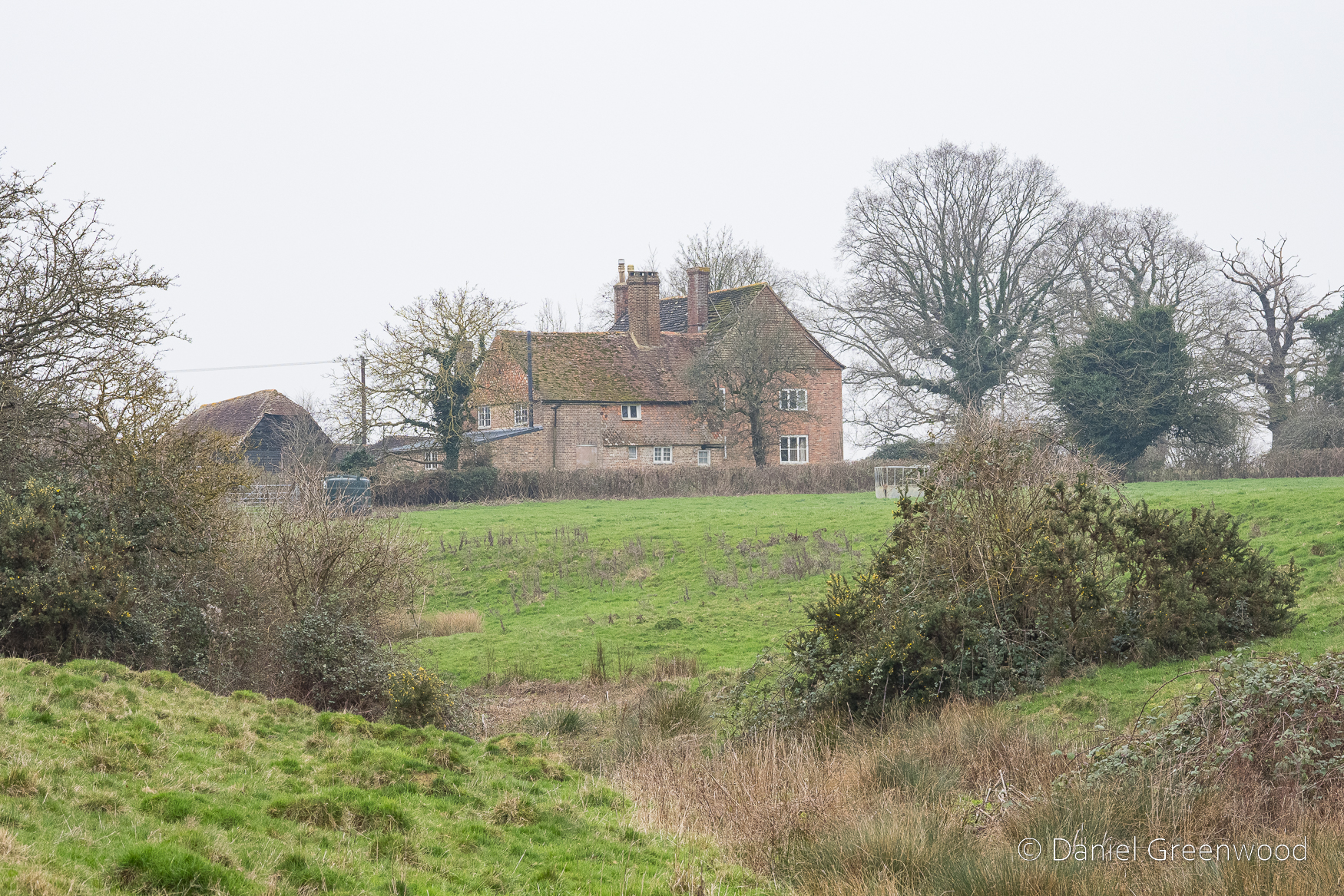
This is The Lordings, a Grade II-listed farmhouse dating to the 1600s (Historic England listing). With its uneven development and attached Sussex barn on the left-hand side, I had wondered how old it was. The windows of the house are in different places and rather small, which did suggest old age. The ditch in the image is part of a stream and pond. The landscape was lovely here, formed by the movement of water over time, which makes me think that’s a natural spring-fed watercourse. Little Lordings Wood sits nearby, and once upon a time woodland will have covered this entire area. ‘Lordings’ appears throughout this walk but I can’t find any more information about the significance of the name.

Now came one of the most dangerous crossings I’ve encountered during my 15 years of rambling (with my legs). The gate opens right out onto a road where the speed limit is 60mph, and you have no way of seeing what’s coming round the corner, or it seeing you. Having a hi-vis is useful in this kind of situation. Reader, I made it.

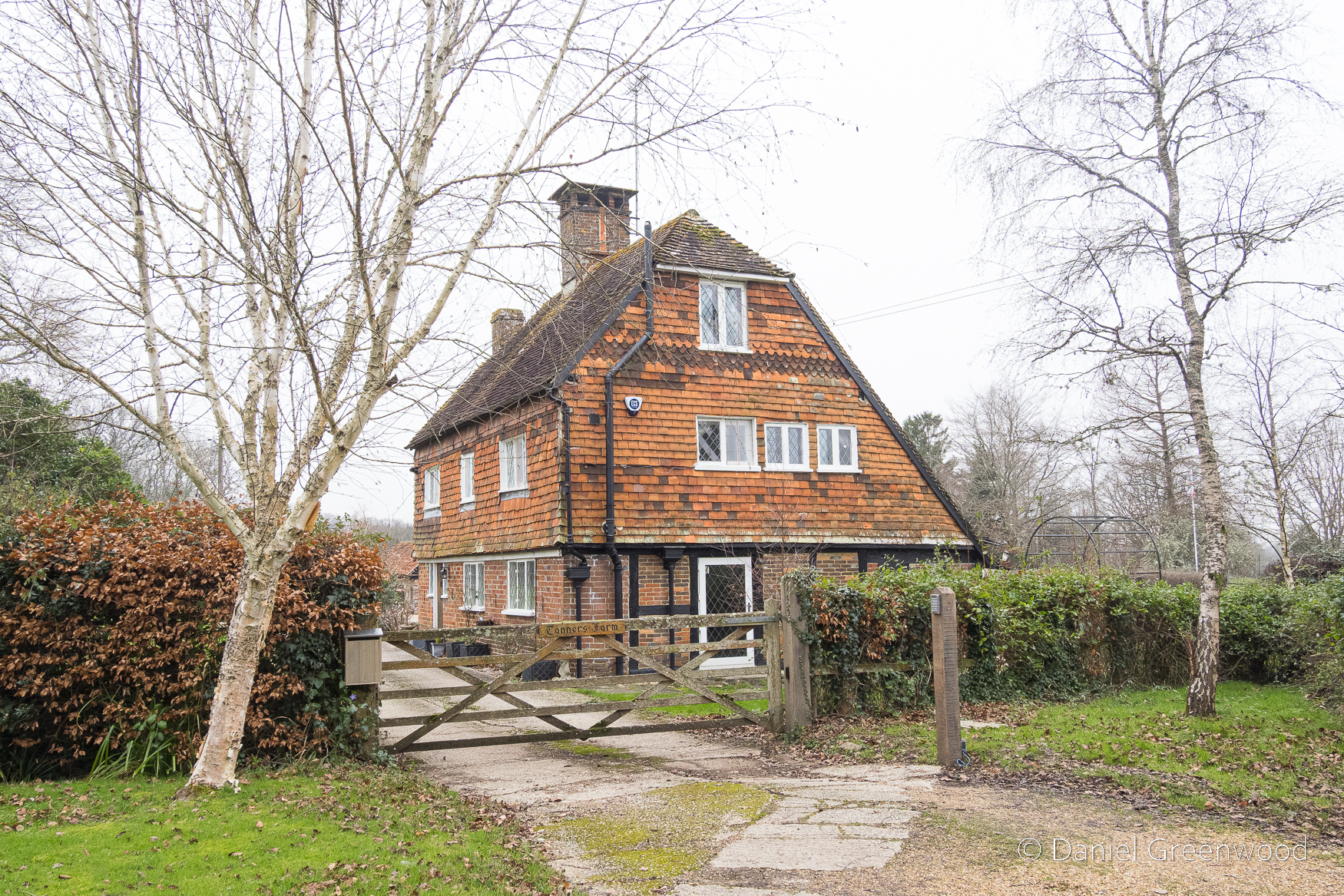
There are a number of old farm houses dotted around this walk. This is Tanners Farm, which ties in nicely with the oaks. Tanning is the job of removing moisture from animal hides in the process of producing leather. Soaking the hides in with oak bark releases the tannins from the bark and helps to waterproof the resulting leather.

It had the feel of an ancient agricultural landscape, with oak a core part of its progress over time.

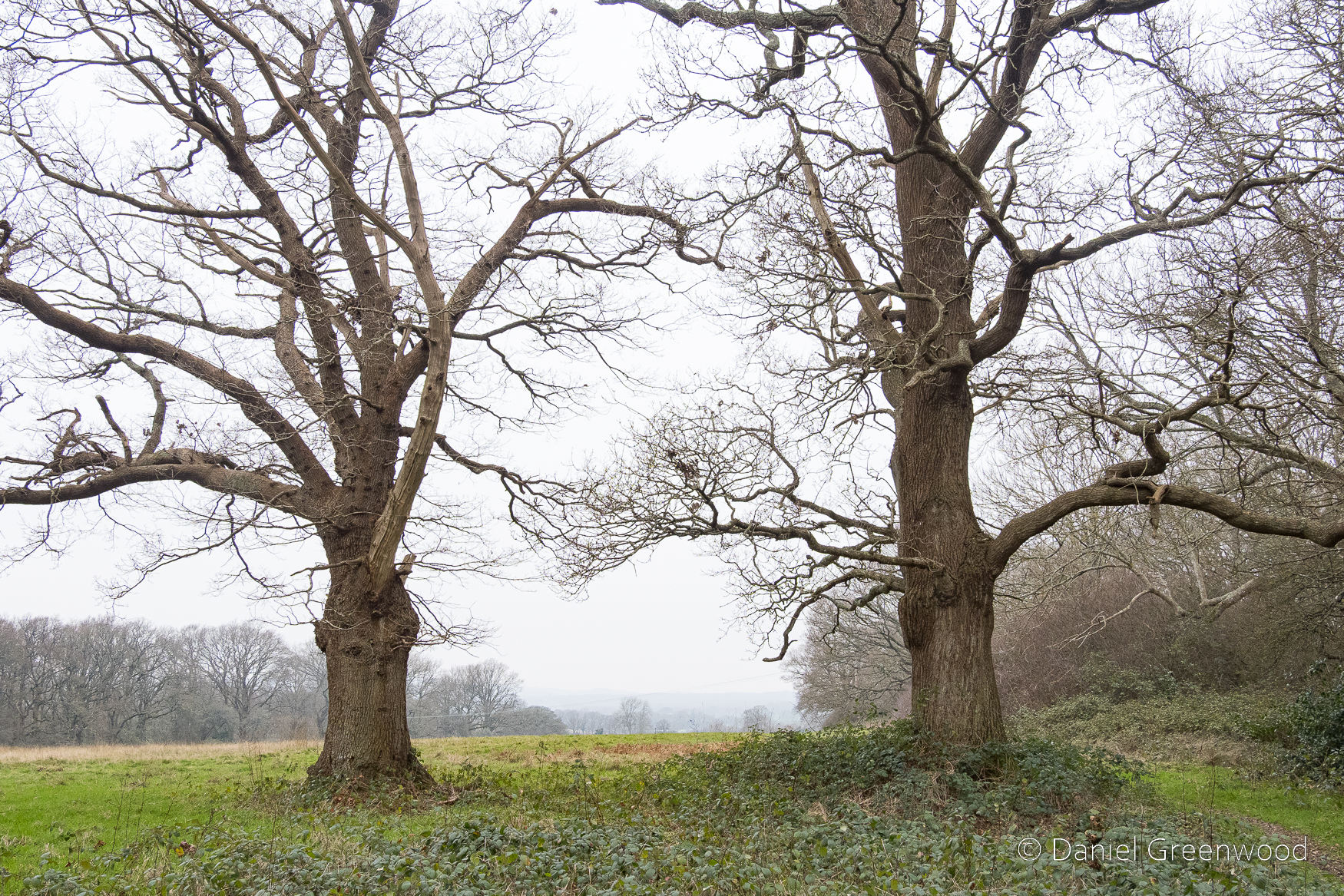
The Tanners Farm section, passing beyond two large oaks, provides the best views of the entire walk. It was misty when I was there, so the views of the Downs weren’t complete. The drama is still felt, and is a reminder that one of the nicest things about walking in the Low Weald are the views of that majestic chalk whaleback.

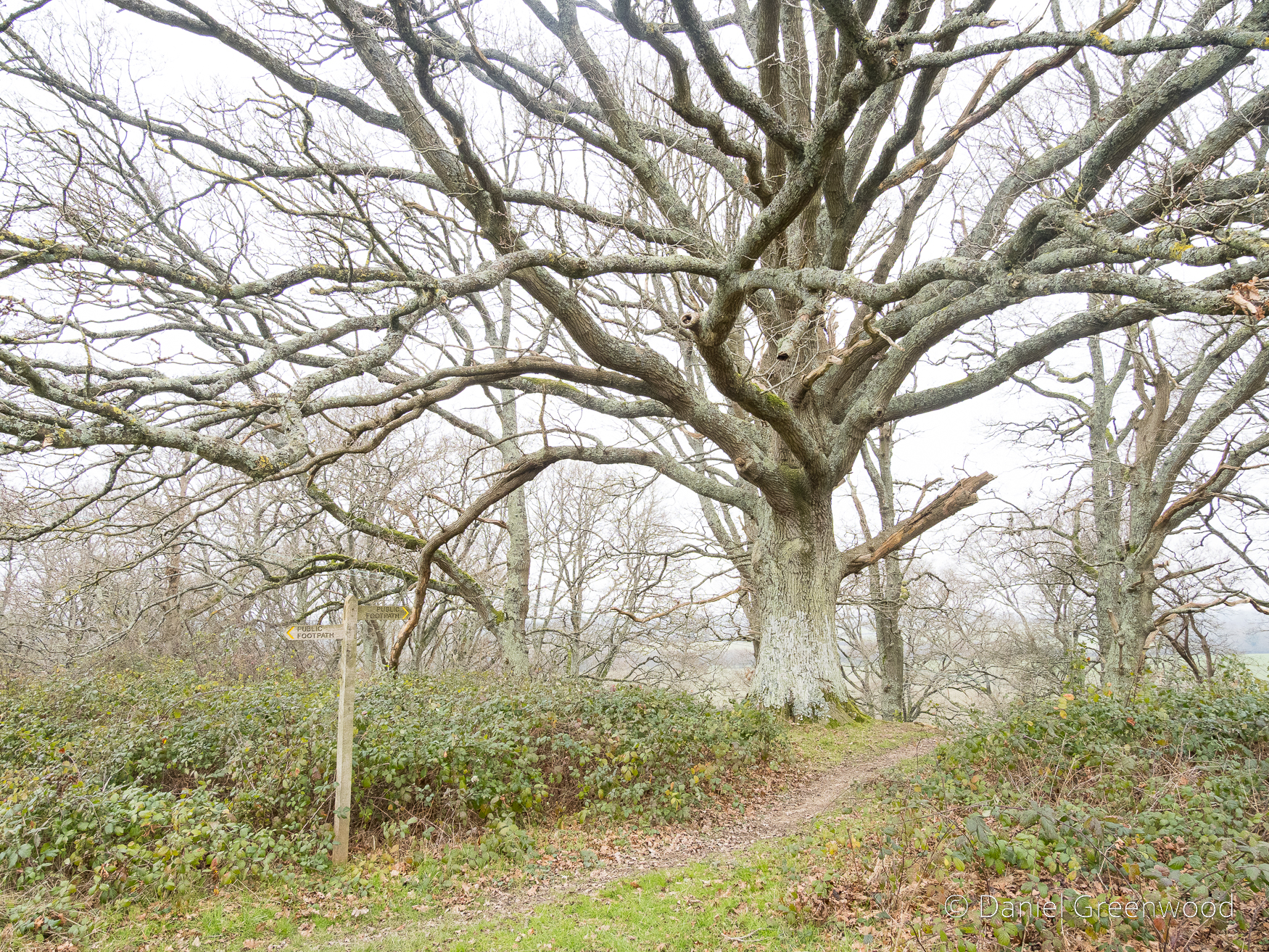
This enticing path into oak woodland was not to be taken on this occasion.

The misty view south, with the Downs not quite making it into the scene. Another one for a spring or summer day.

So much choice. It was time to leave the Sussex Diamond Way and join the Wey-South Path.

The Wey & Arun Canal

January is too early for blackthorn, though that is changing with the march of climate change. This froth of white is actually lichen hanging over the Wey & Arun Canal.

The canal was constructed after plans were brought to Parliament all the way back in 1641 to ‘link the upper reaches of the River Wey to those of the Arun by a canal between Cranleigh and Dunsfold’:

[I]n 1785 The Arun Navigation Act was passed and the section between Pallingham and Newbridge opened two years later.

Billinghurst’s Heritage: Geoffrey Lawes, 2017, p.174

The canal began to transfer goods in 1816 when the Wey & Arun Junction Canal opened. So it took the best part of 200 years for the canal to be built (sounds like HS2). The Industrial Revolution of the 1790s changed the world in that time, but the impacts only really began to be felt a couple of decades after the 1820s when the canal was in full operation. It closed in 1888 – two centuries of planning, sixty years of action.

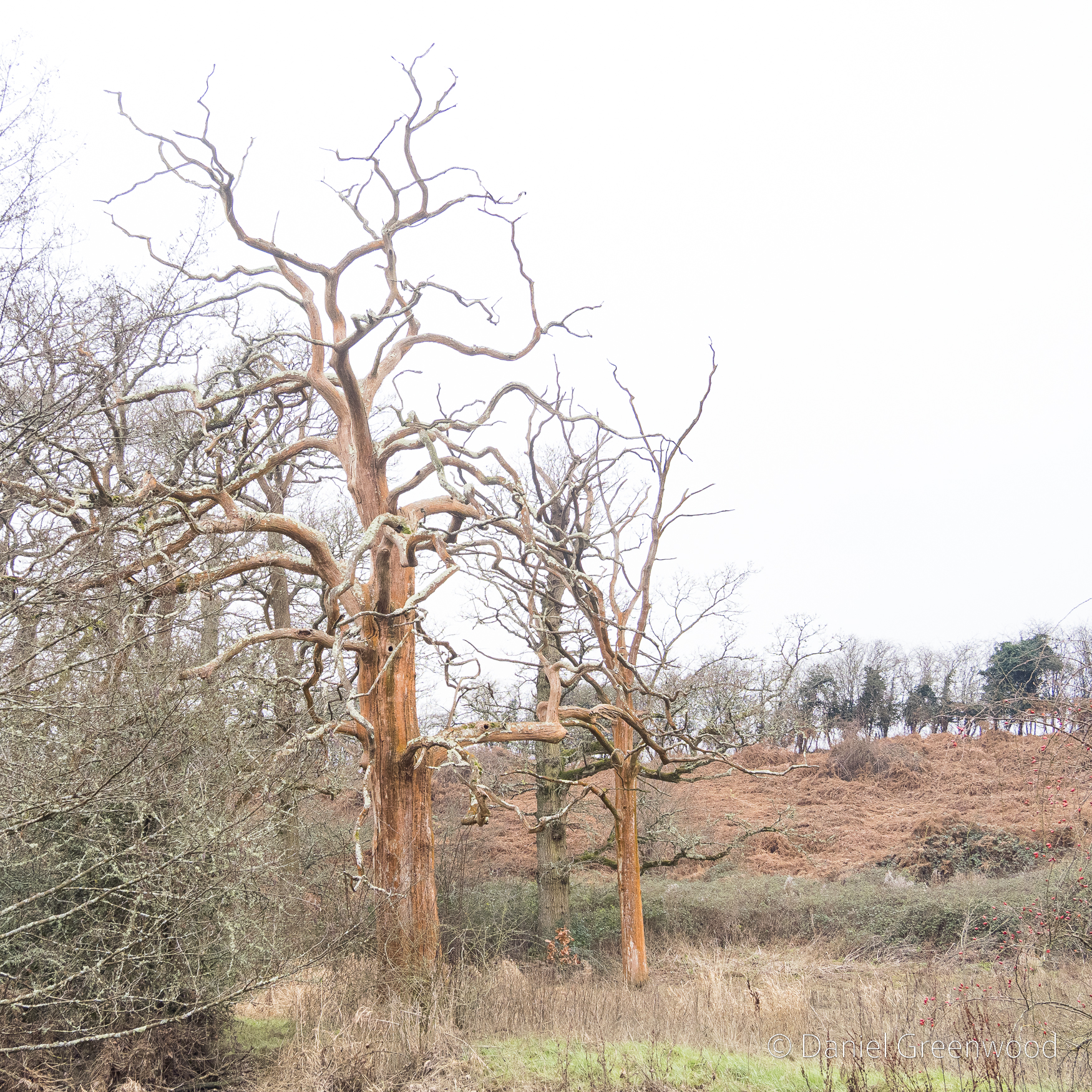
I passed these dead oak trees covered in an orange algae (I presume). I expect oak would have been one of the resources transported up and down the canal. The oak woodlands around Billingshurst, which covered a far greater area then, would have been felled, debarked and planked, their produce taken upstream to the Thames’ shipyards, or south to the Solent in Hampshire where international trade could have taken place. My understanding of the specifics is limited, so I’m generalising a bit, but Lawes States that most trade ‘was from London, mainly coal and groceries, porter beer and pottery’ (Lawes, p. 176). Lawes also confirms that the canal gave access to Littlehampton, Portsmouth, Chichester and Arundel via other water-links that could connect with the Wey & Arun Canal.

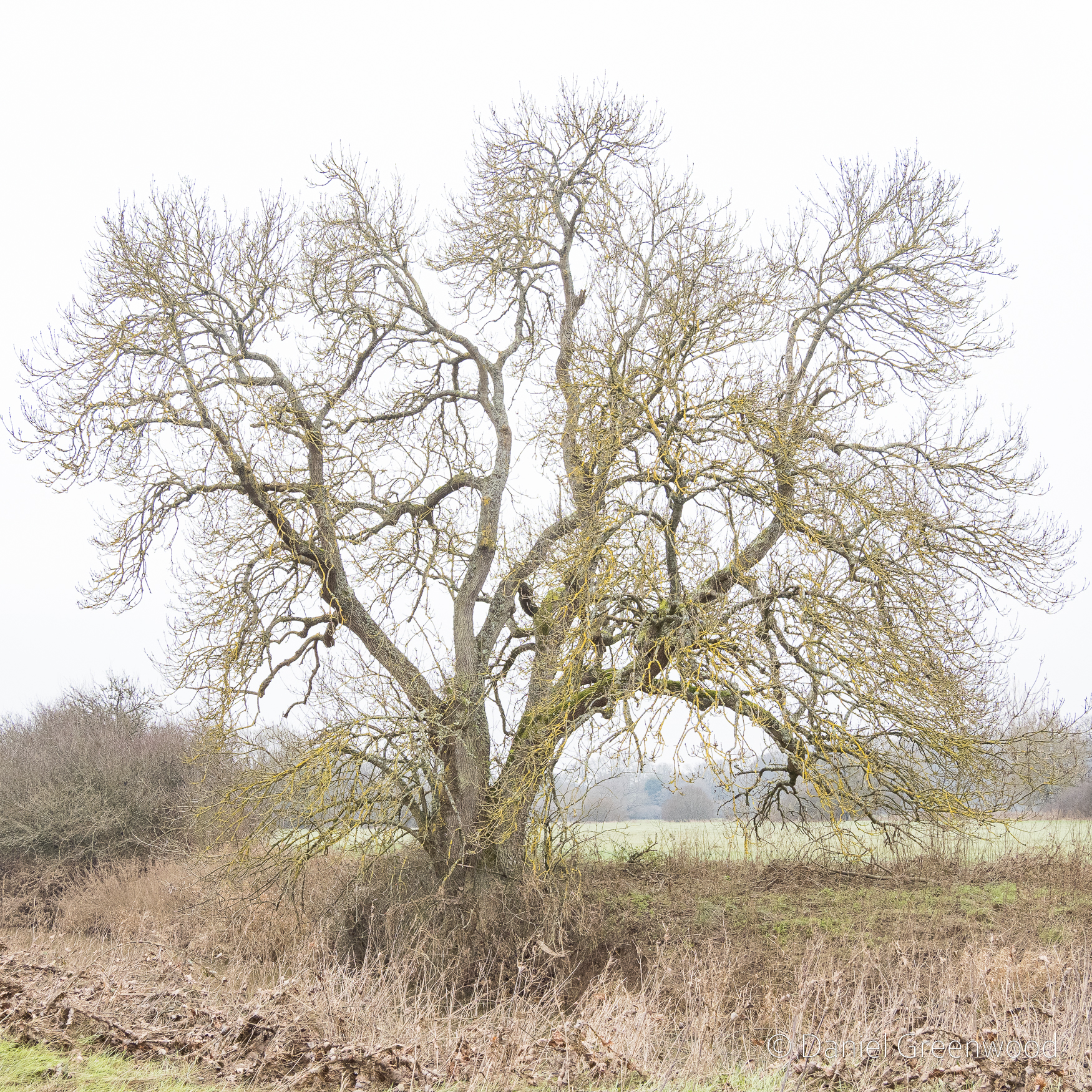
Ash trees would have been useful also, particularly for tool handles. One way to identify a distant ash tree in wet winter weather is the yellow glow on the outermost branches. These are xanthoria or sunburst lichens which of course thrive in wet weather. I would say this was a significant ash tree, and possibly had been pollarded, due to the branching taking place so low down on the trunk.

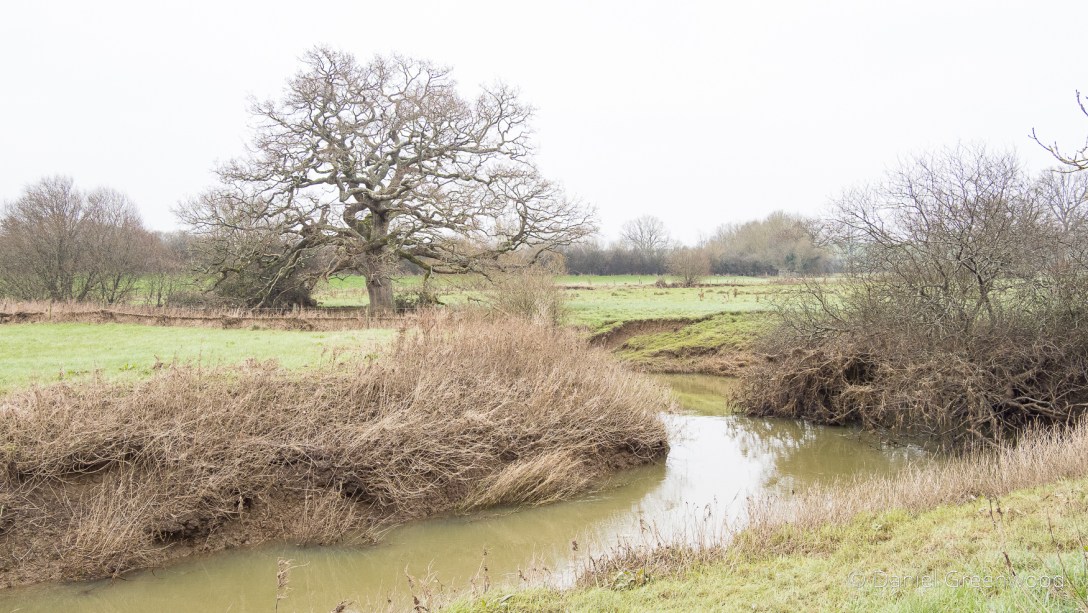
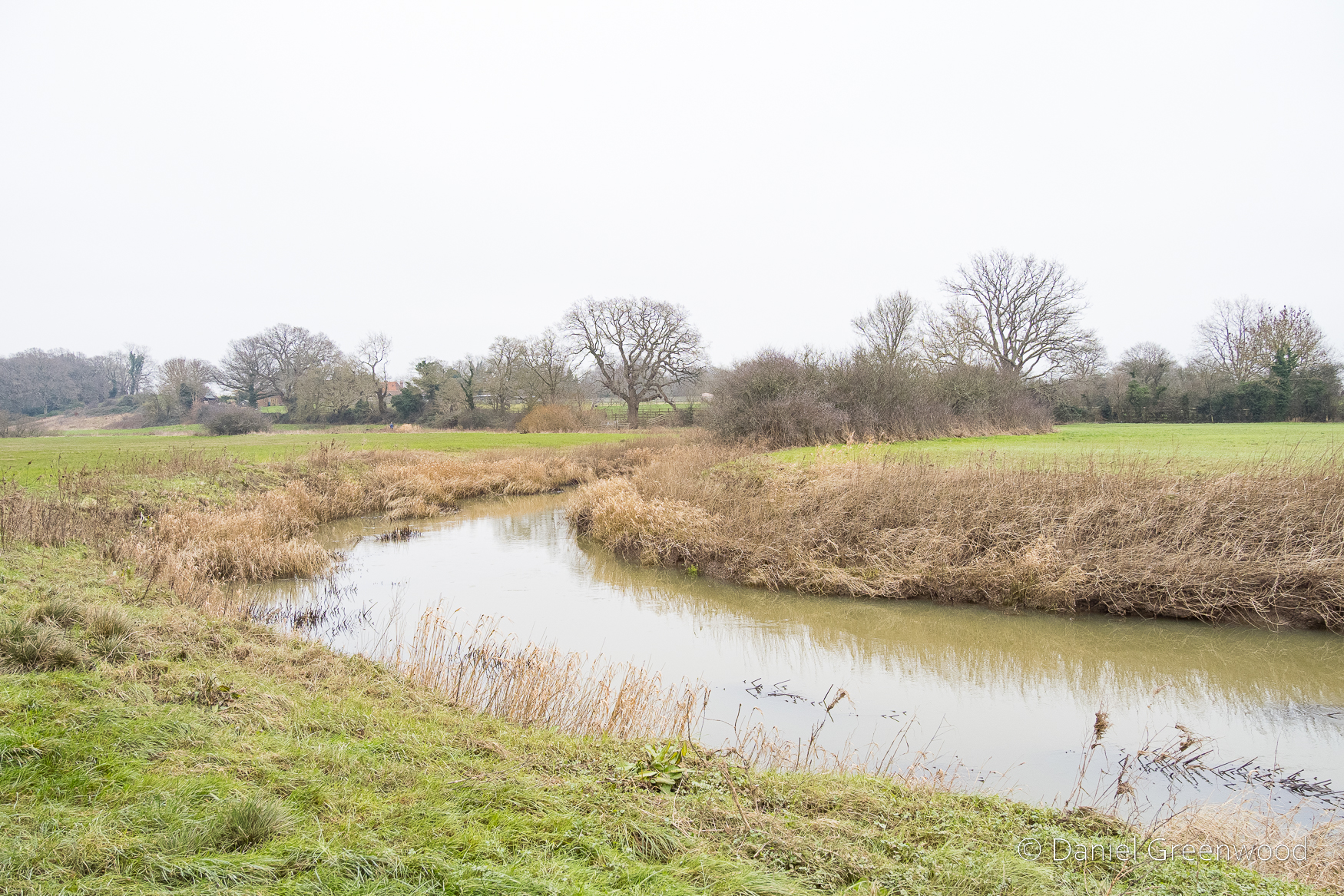
The Arun mocks the canal with its swooping bends as it takes its wild course through the outskirts of Billingshurst. The walk along this stretch was a sloshy trudge for a good while (wellies are advisable). It would be nicer in spring or summer, as all good walking guides will tell you.

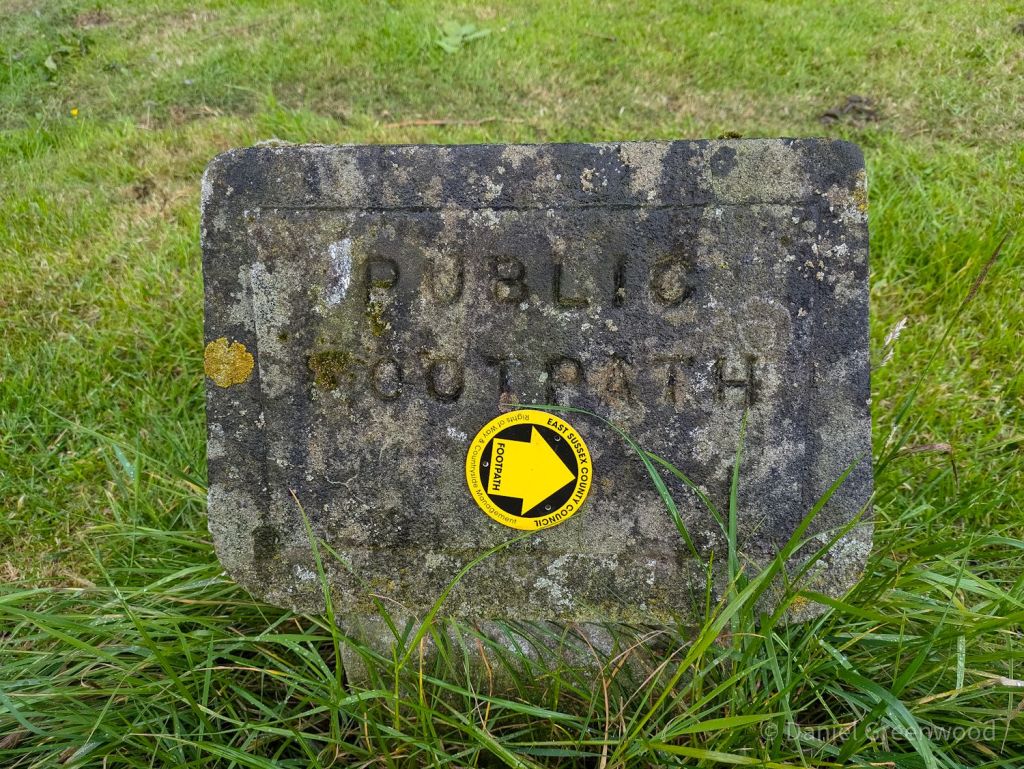
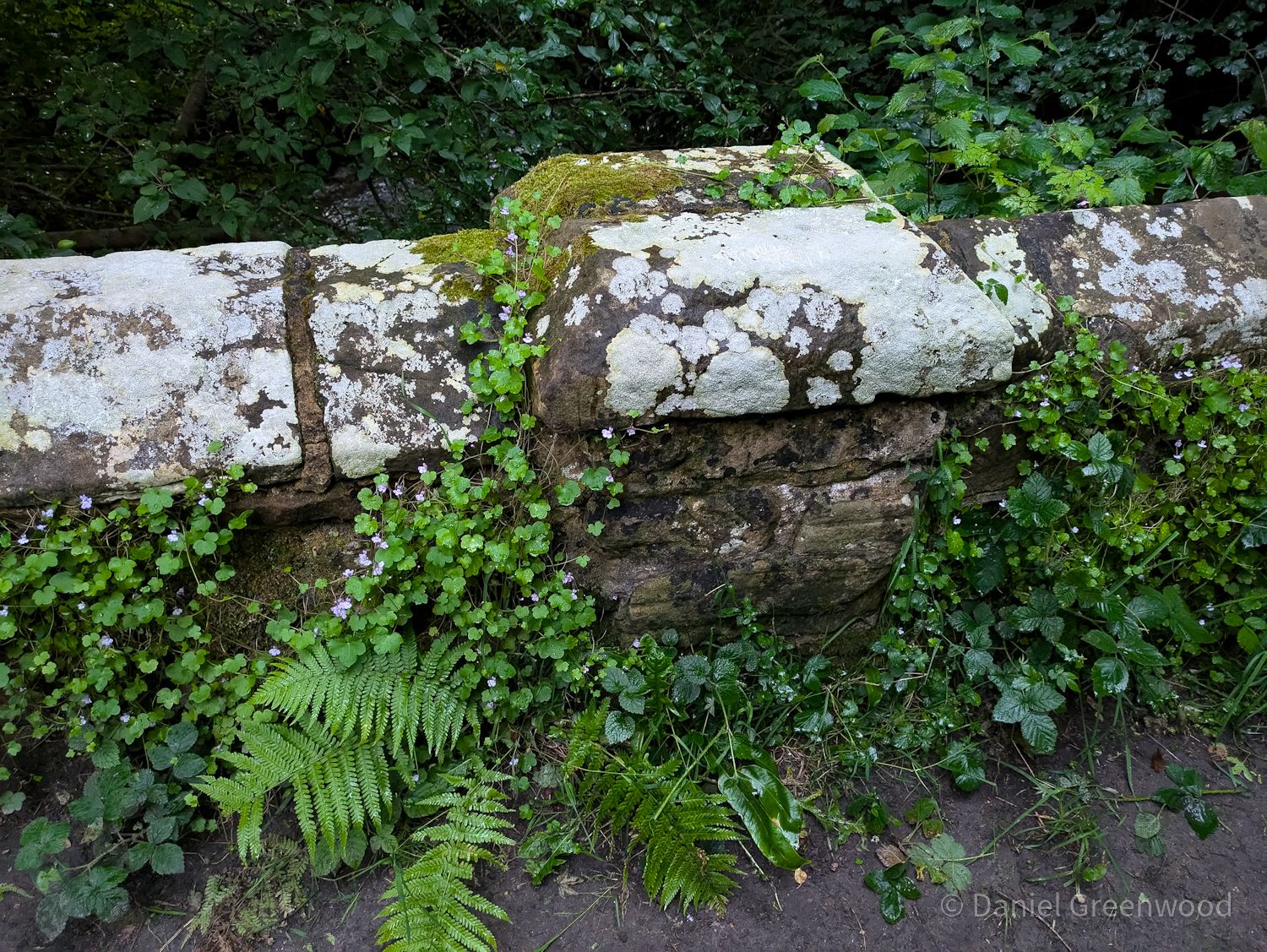
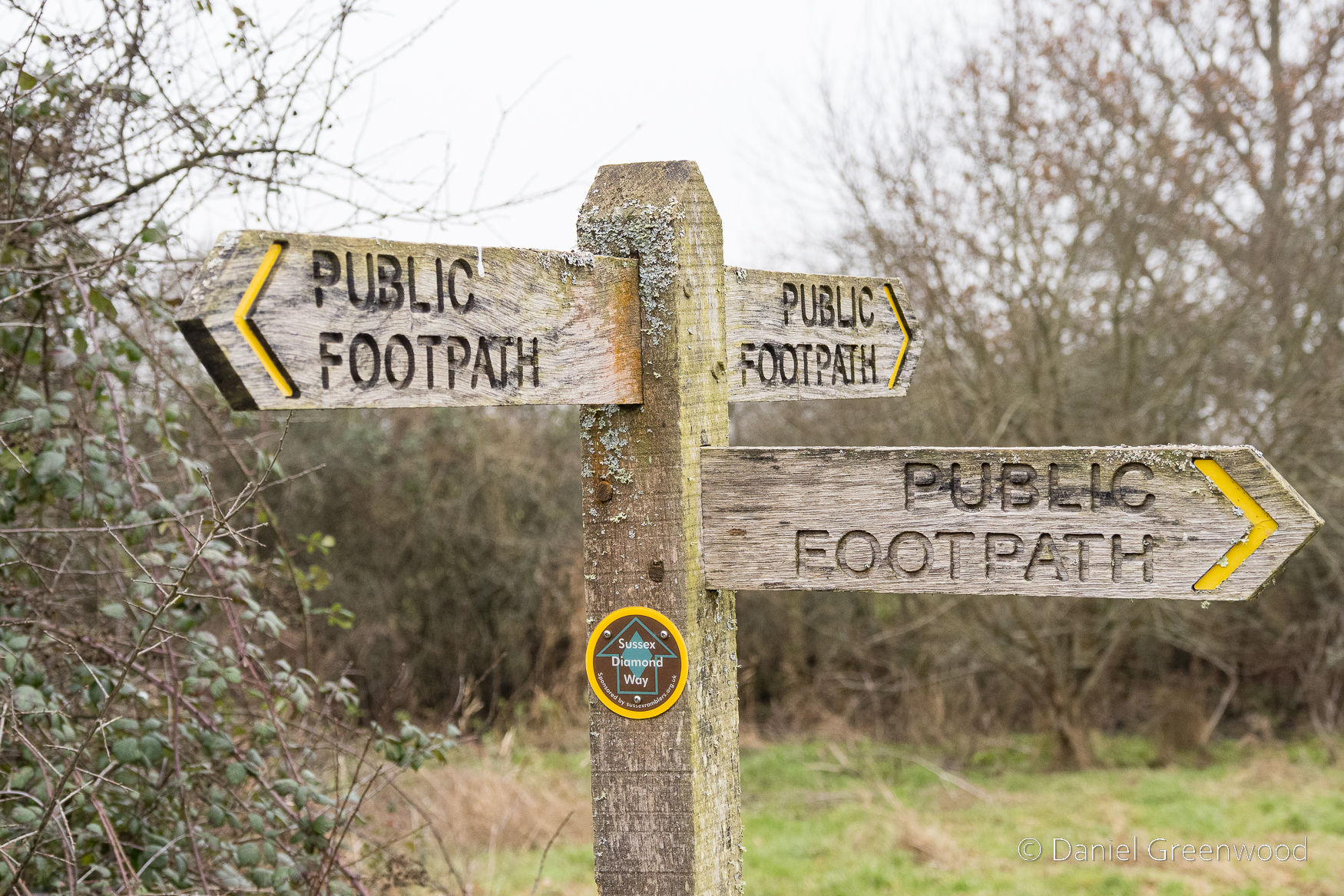
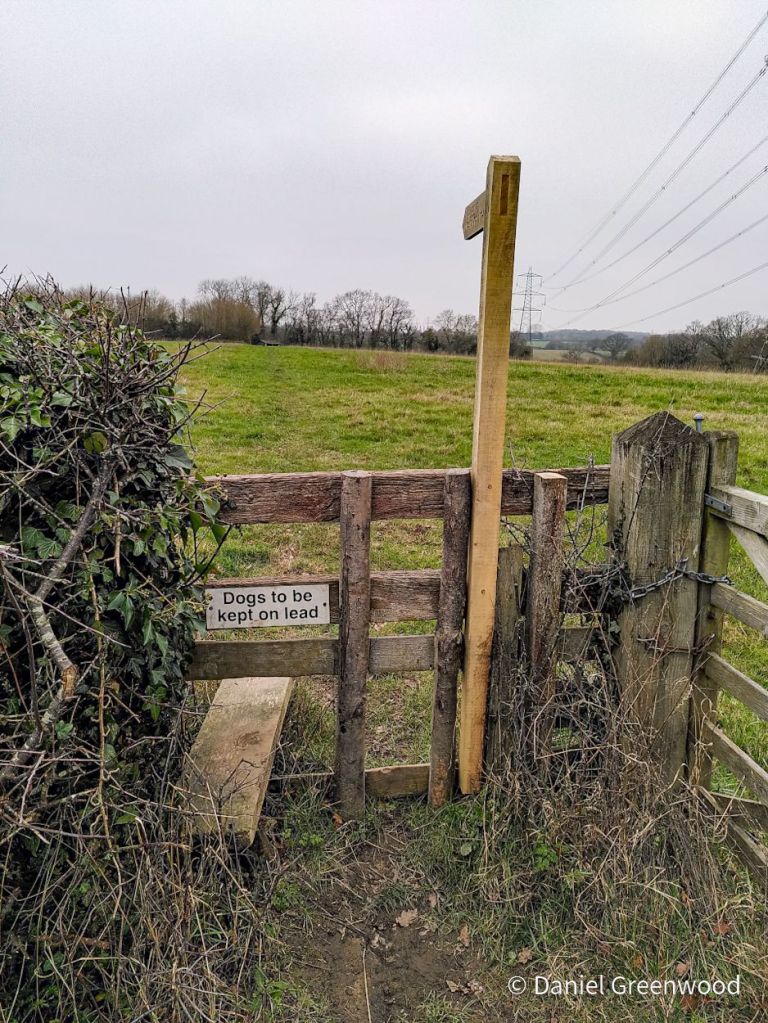
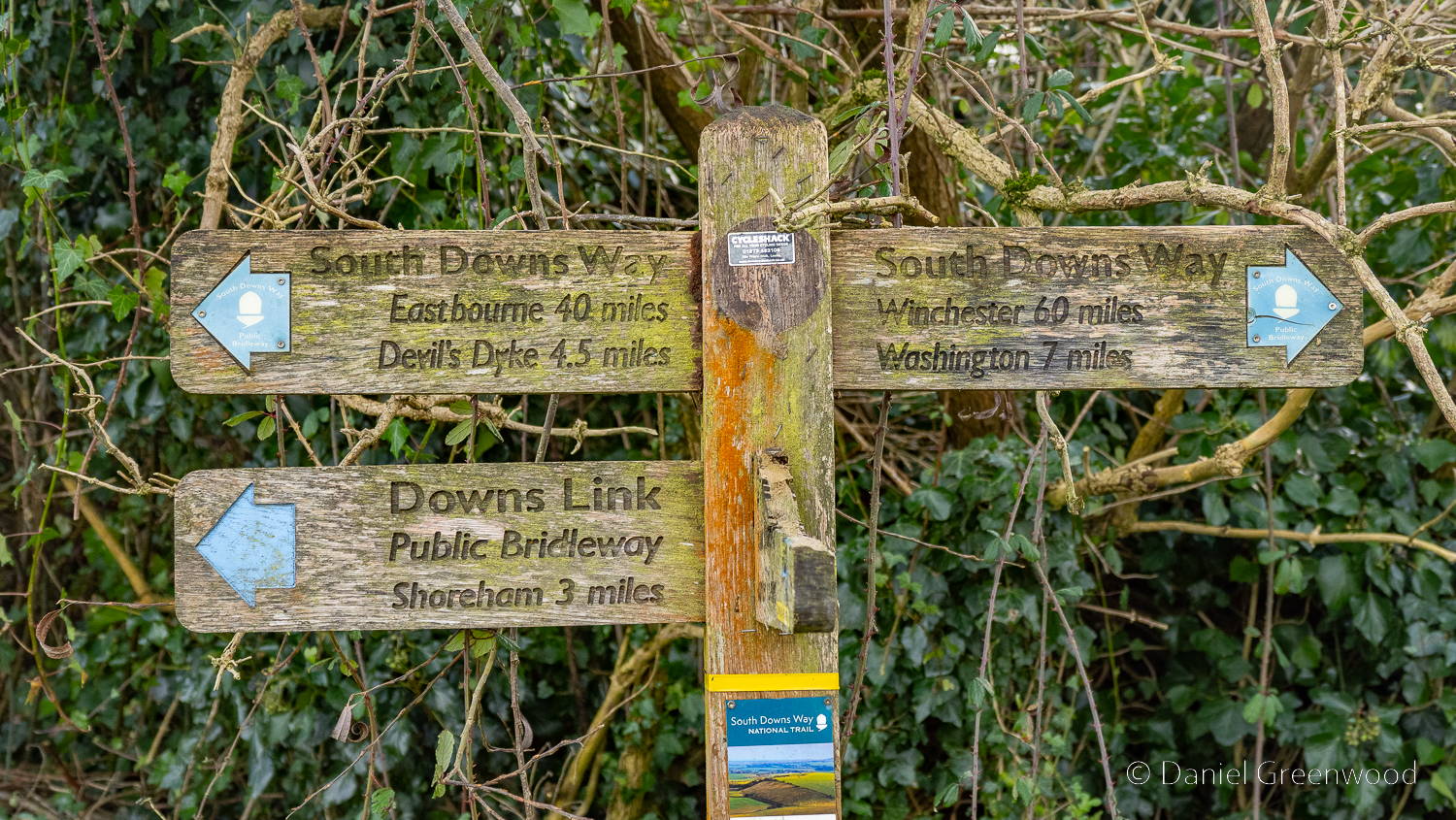
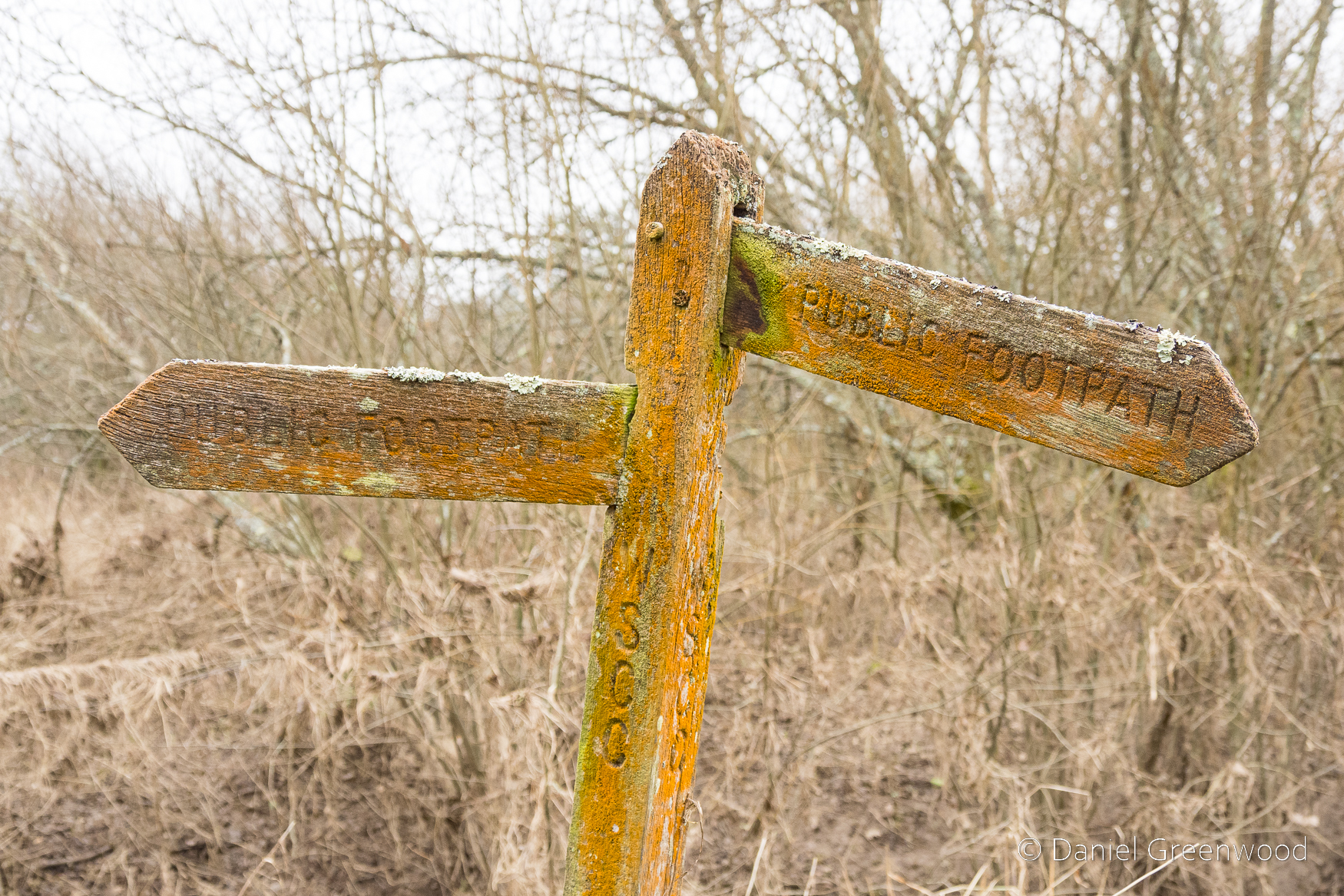
The damp atmosphere around the river and canal meant the fingerposts have become home to algae, moss and lichen.

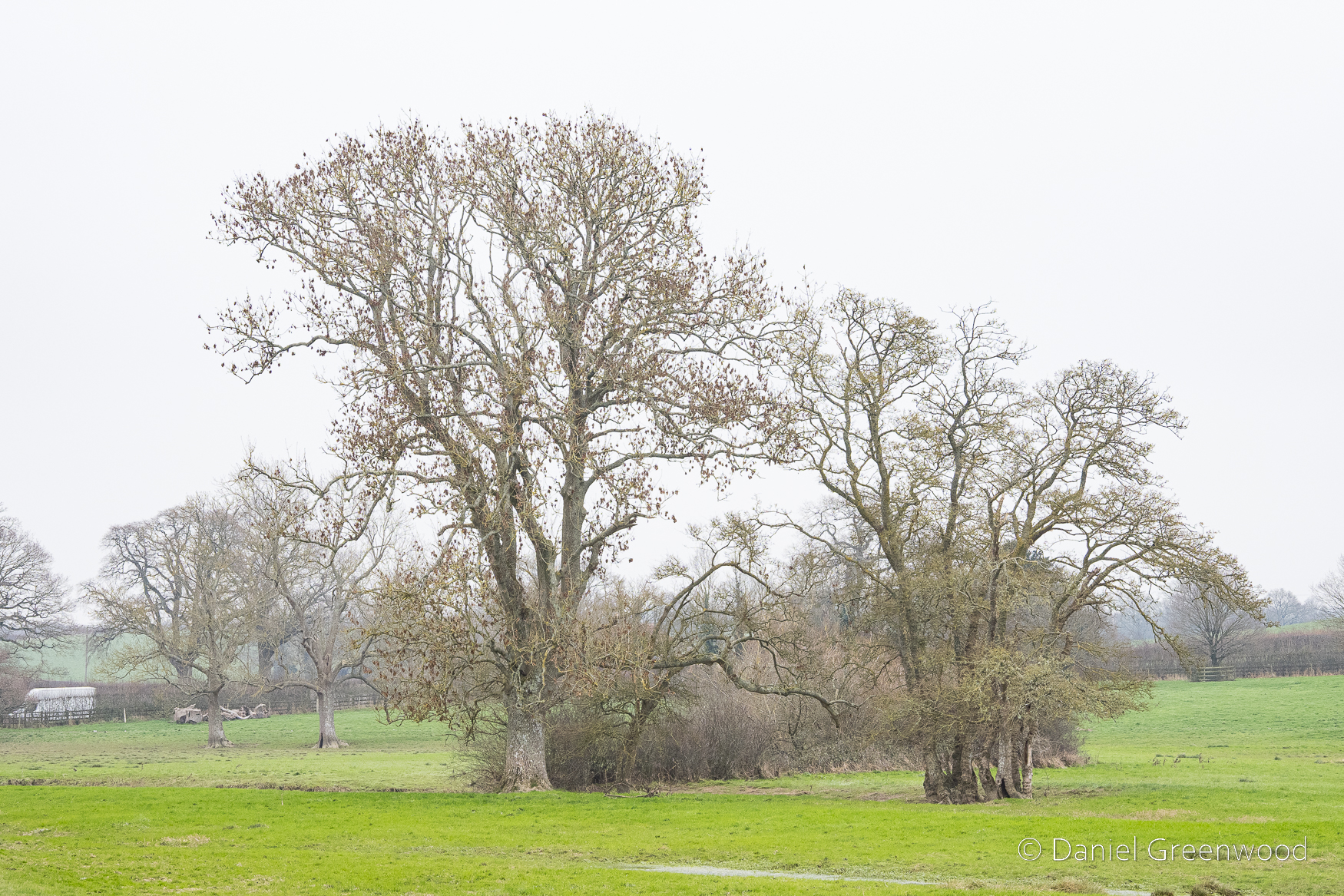
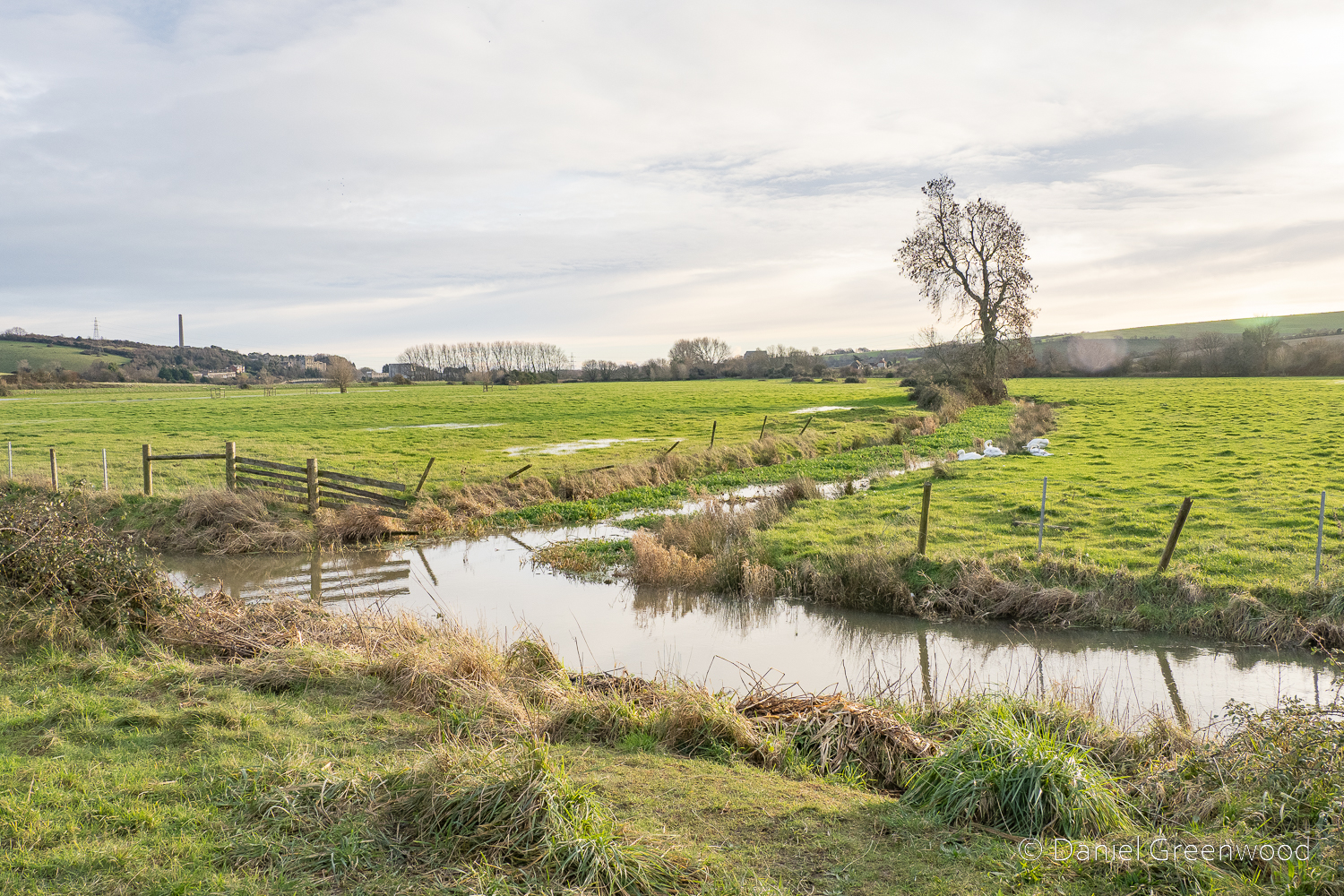
This is a large ash tree with what looks like an old hedgeline queueing behind it. To the right-hand side is what seems to be an alder, a tree that thrives in wet conditions. You can see a vehicle passing on the far left-hand side of the screen. The view of this field completely underwater during twilight is one of the more memorable scenes I can recall from travelling to Midhurst on the A272 over the years.

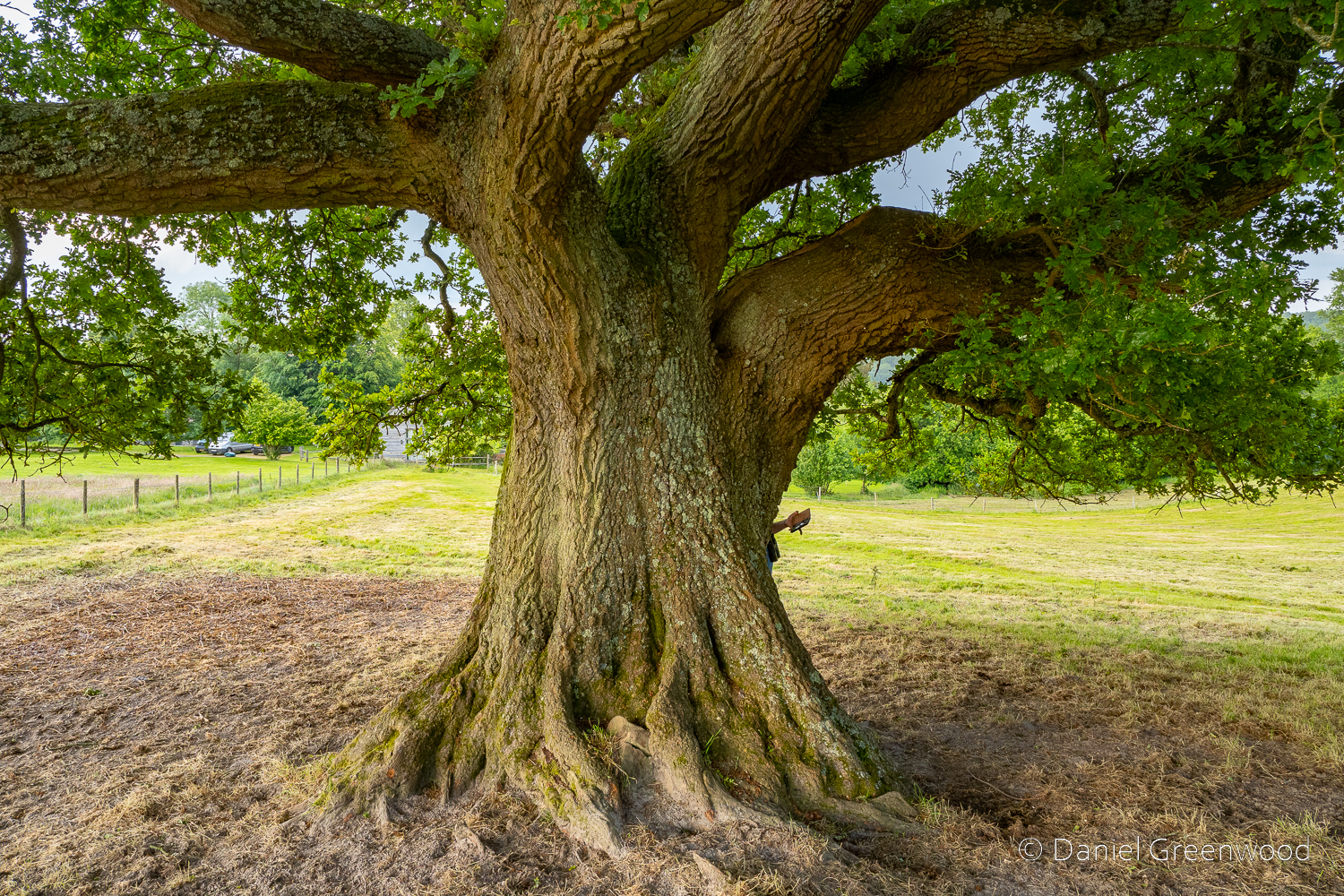
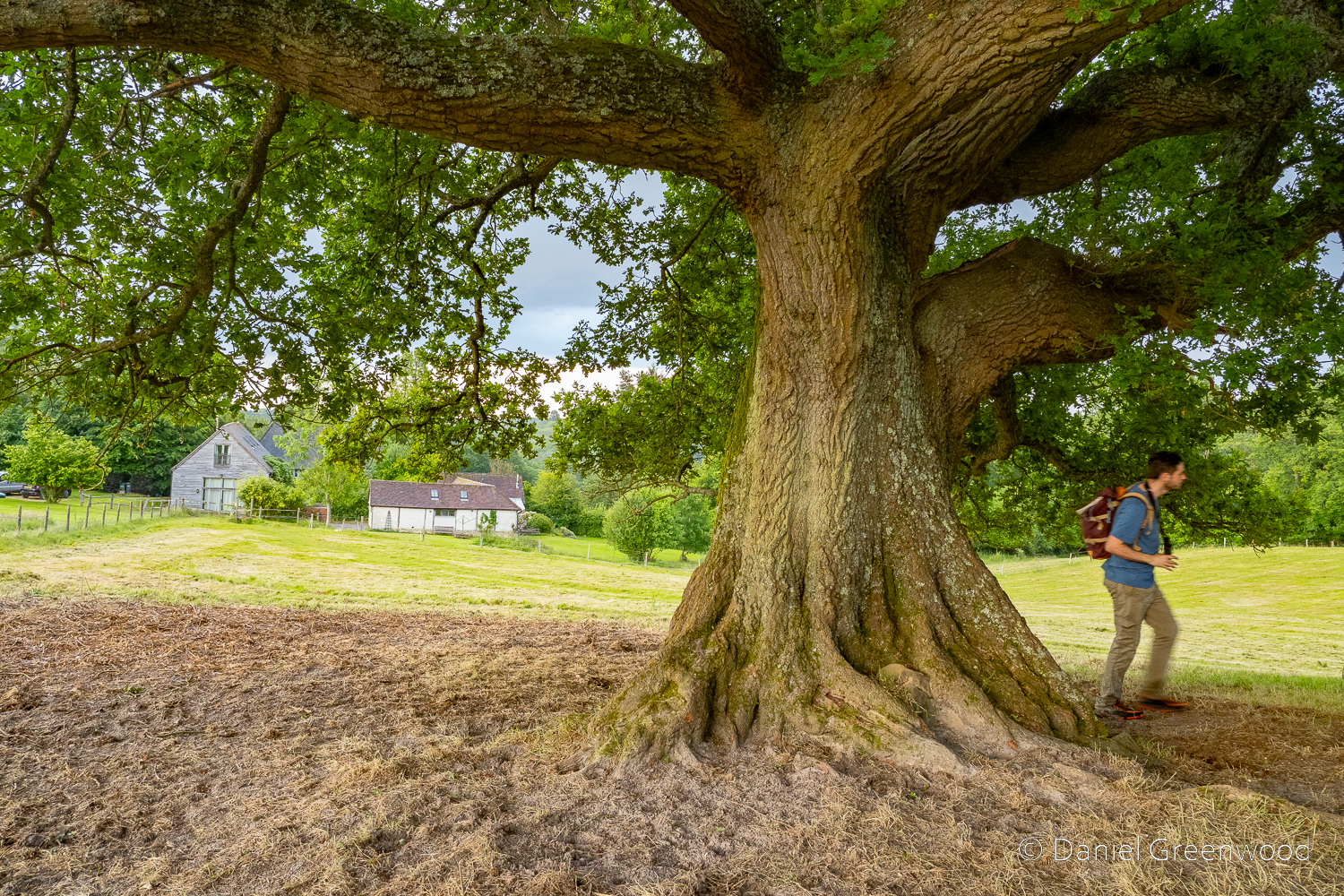
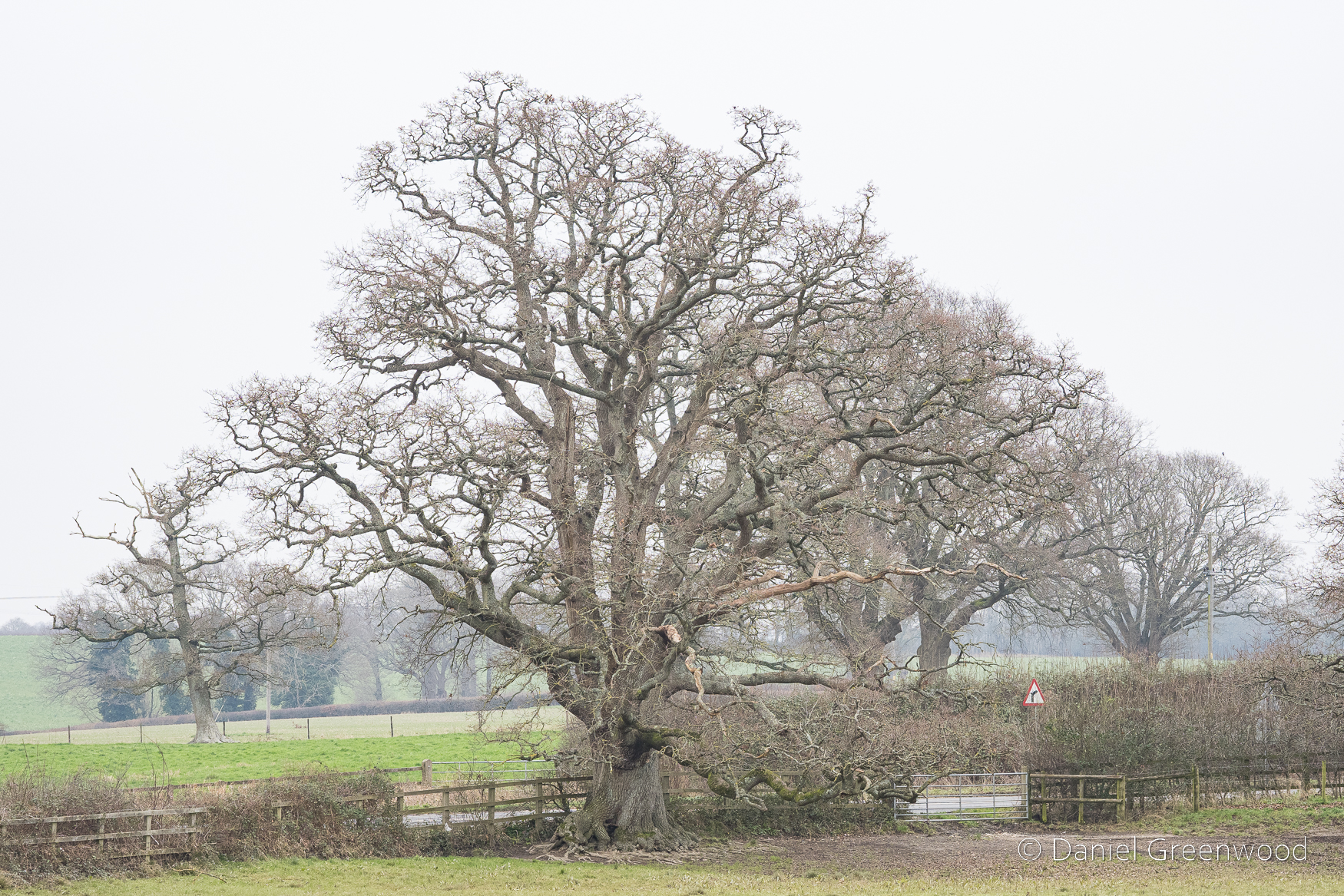
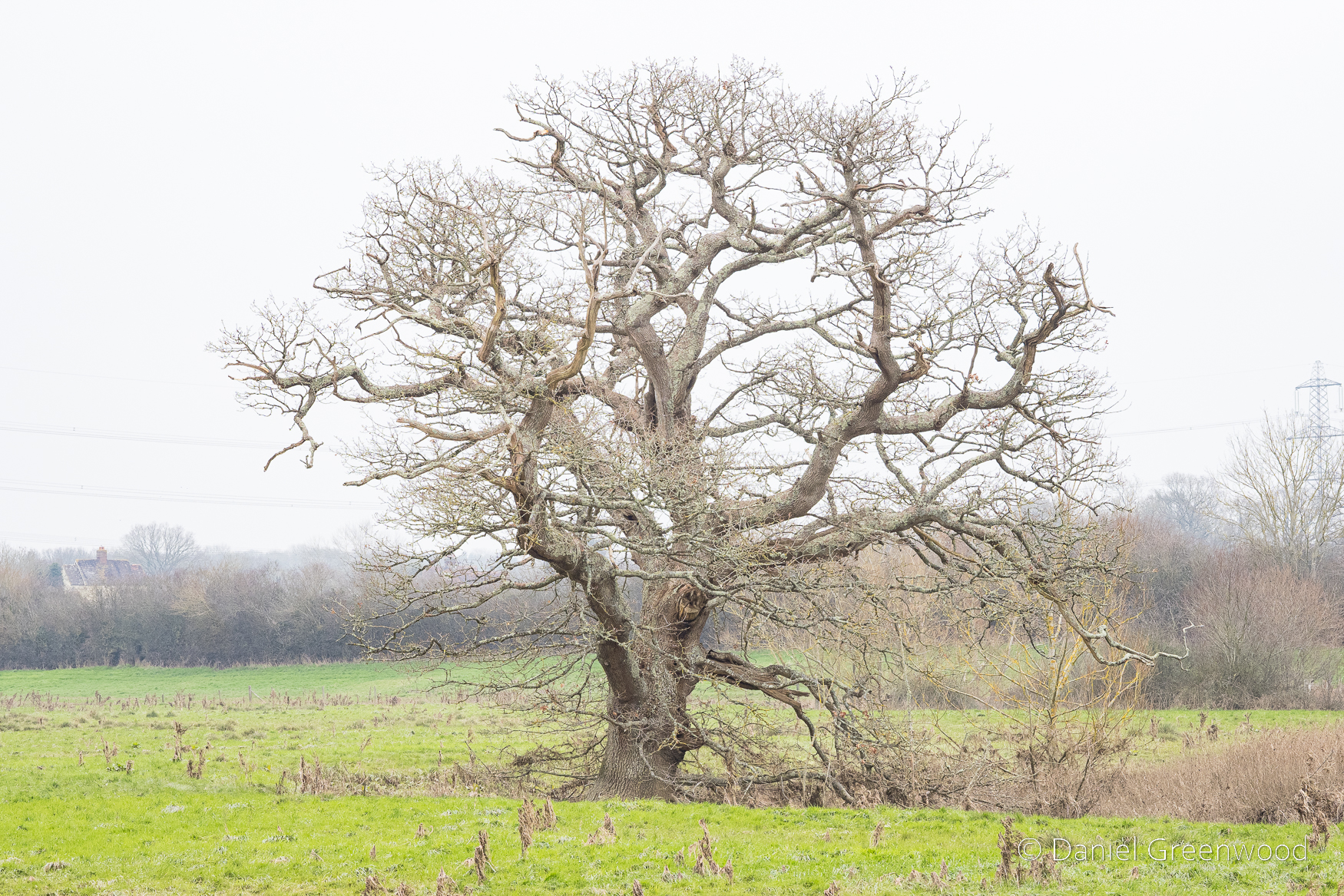
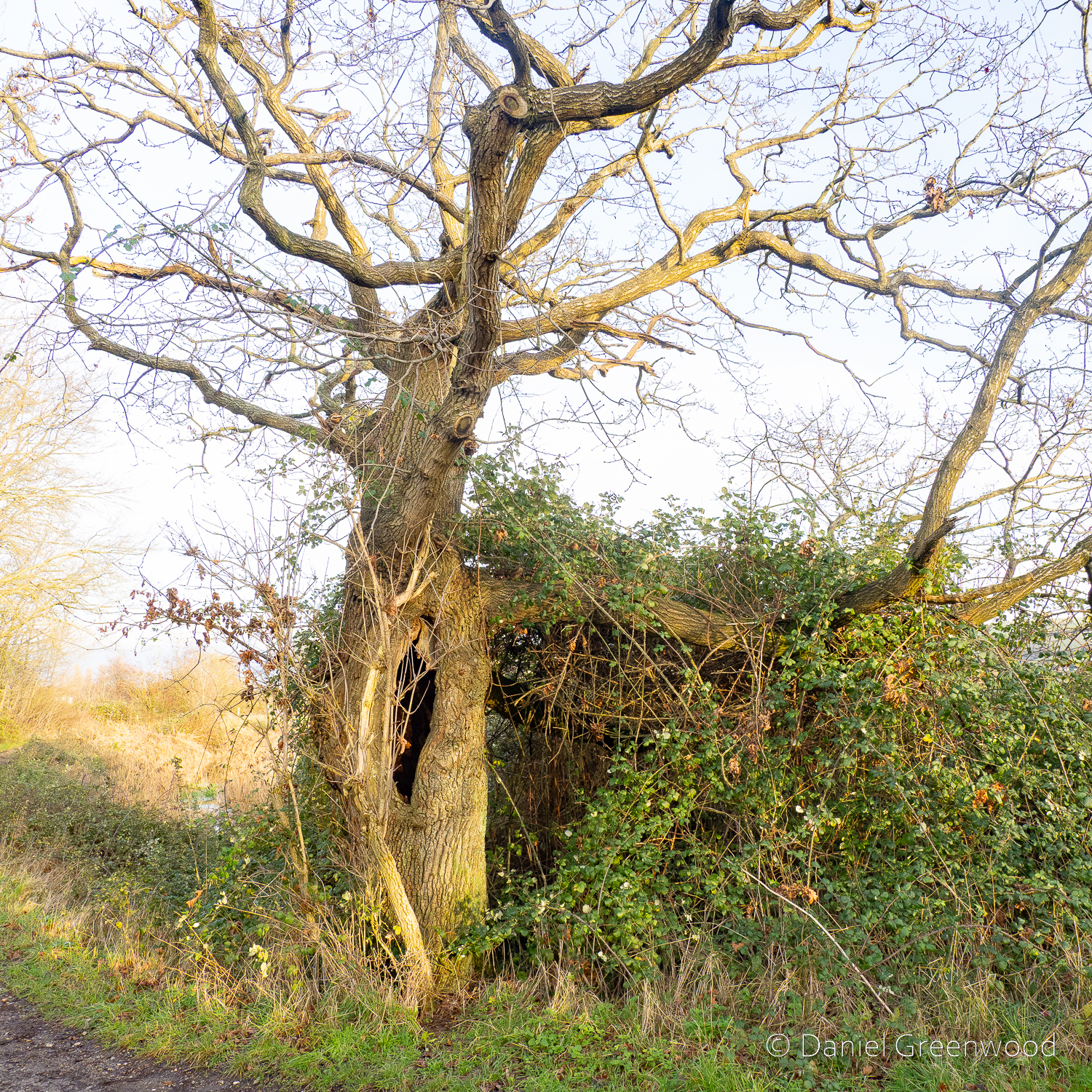
I passed this massive oak (it looks smaller in this image than it is in real life) several days a week between 2018 and 2022. The mud underneath is from the cattle standing there to shelter from the rain. The oak is probably around 400 years old, making this stretch of the Wey-South Path around Billingshurst a land of giants.

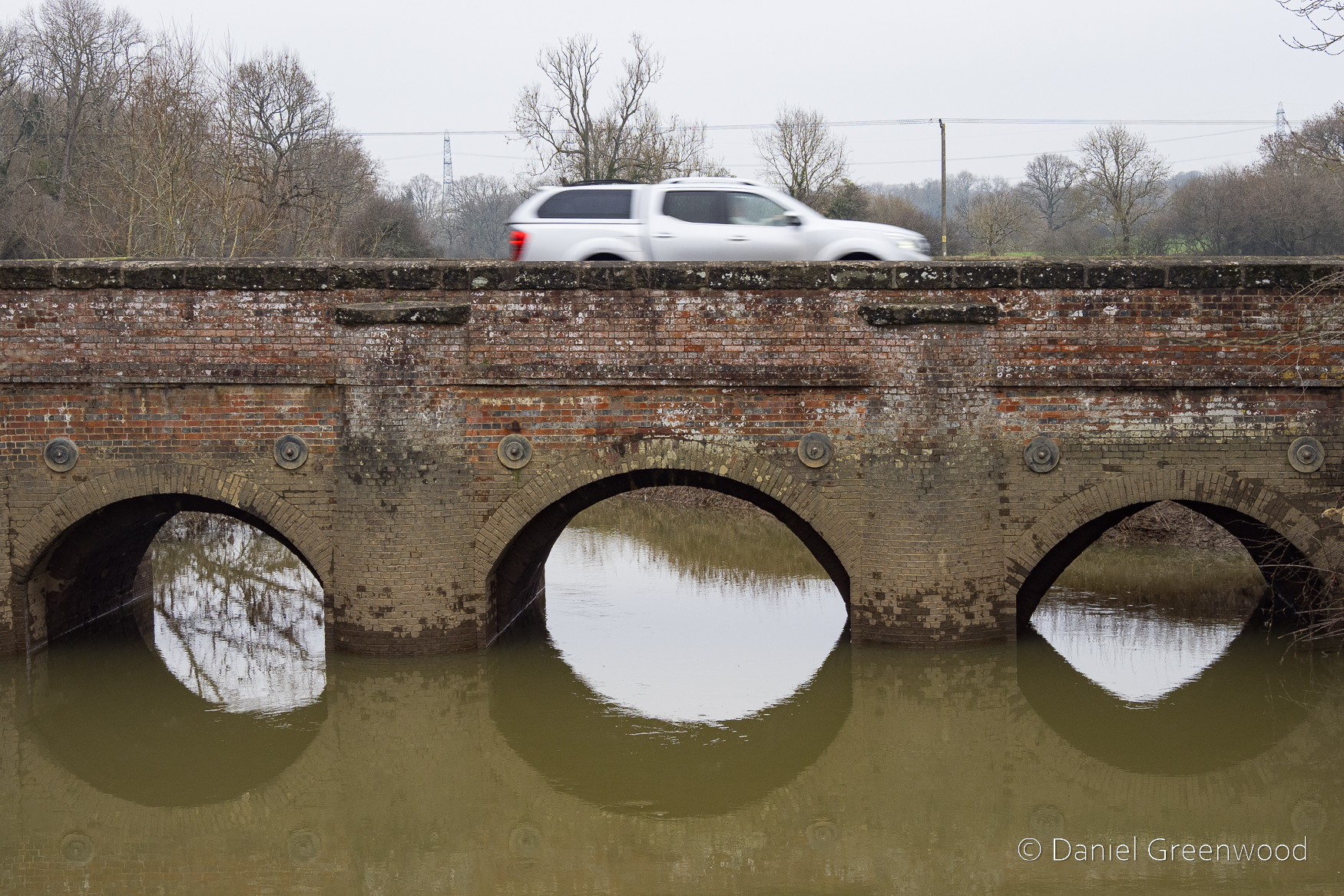
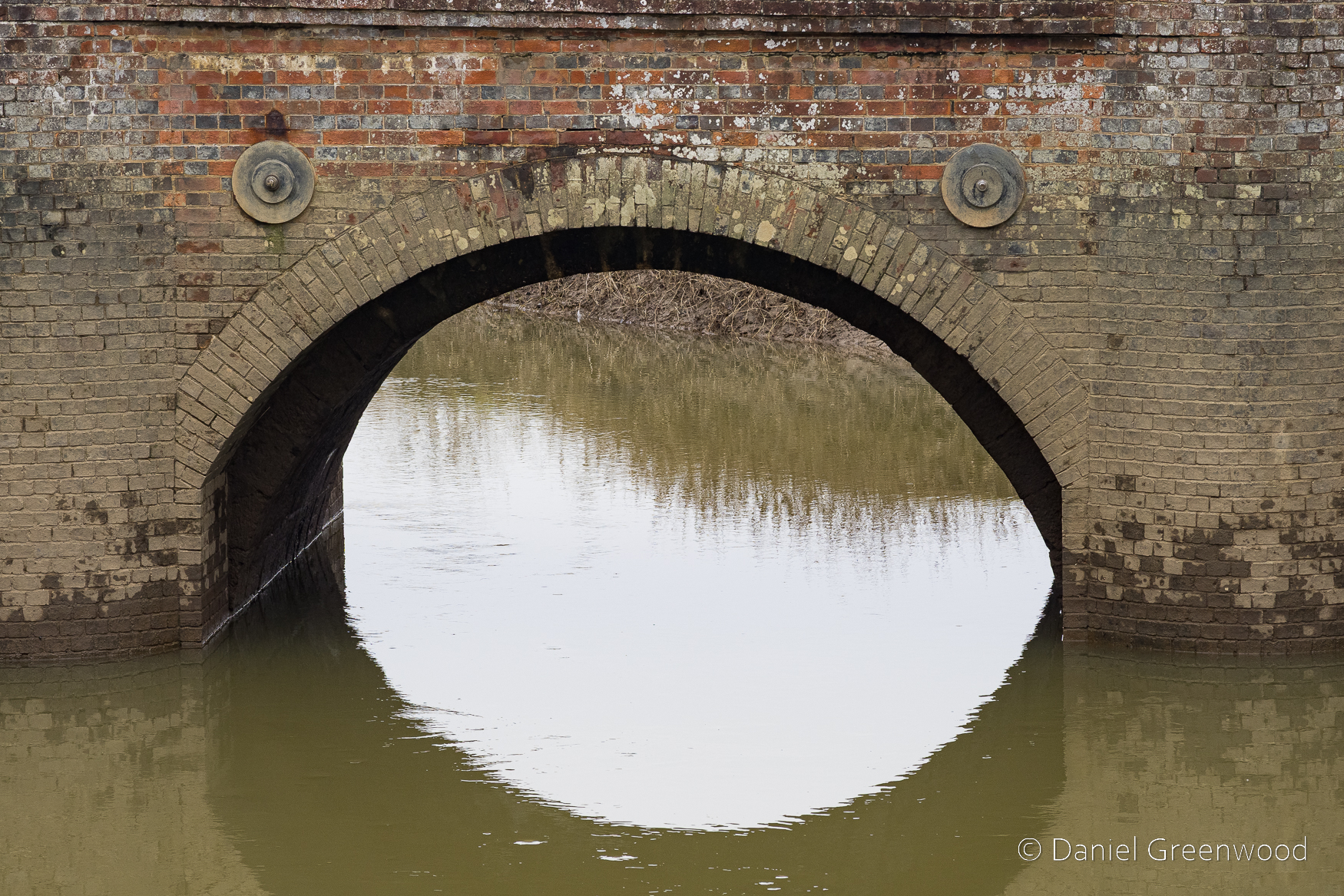
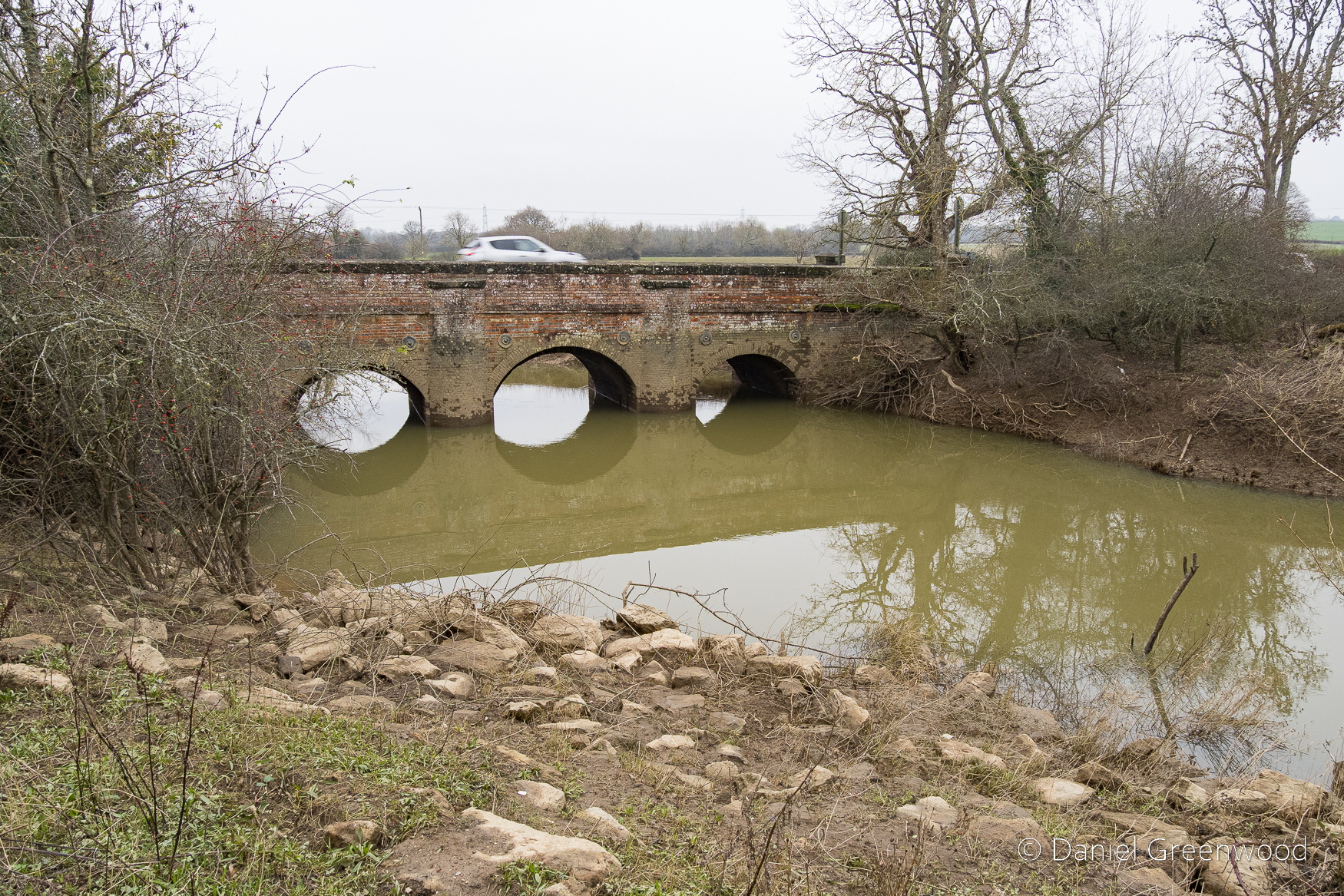
New Bridge only allows one car at a time, but I’d never seen the three frogs under the bridge until I did this walk.

This frog looked particularly surprised to see me.

In Billinghurst’s Heritage there’s a passage from a canal tourist in 1869 – J. B. Dashwood. He travelled along the Wey & Arun Canal one spring or summer from the Thames to the Solent. There’s a description of what our man J. B. saw with his travelling partner somewhere along this stretch. Quoted below.

At a little before 7 o’clock we reached Newbridge where our boat lay quietly at her moorings, wet with the morning bath of dew…[at the first lock] we watched the lock-keeper’s wife and two pretty daughters making butter in the early morning. Though flat the meadows on either side presented such a lovely English picture with cattle dotted about, …the larks sang aloft sending forth their melodious morning song and the banks of the Canal clothed with wild flowers of every hue and colour that we enjoyed this part of our journey almost as much as any.

Lawes, 2017, p.175

I wonder if these are the water meadows being described. While searching online for more information about New Bridge I discovered plans for housing affecting the area you can see in this image on the left-hand side (northern side) of the road. There’s a beautiful timber-framed house and barn called Hole Cottage (Historic England listing), dating to the 1500s. It wouldn’t be affected directly by the housing, the arable fields out of view towards the ‘village’ would be.

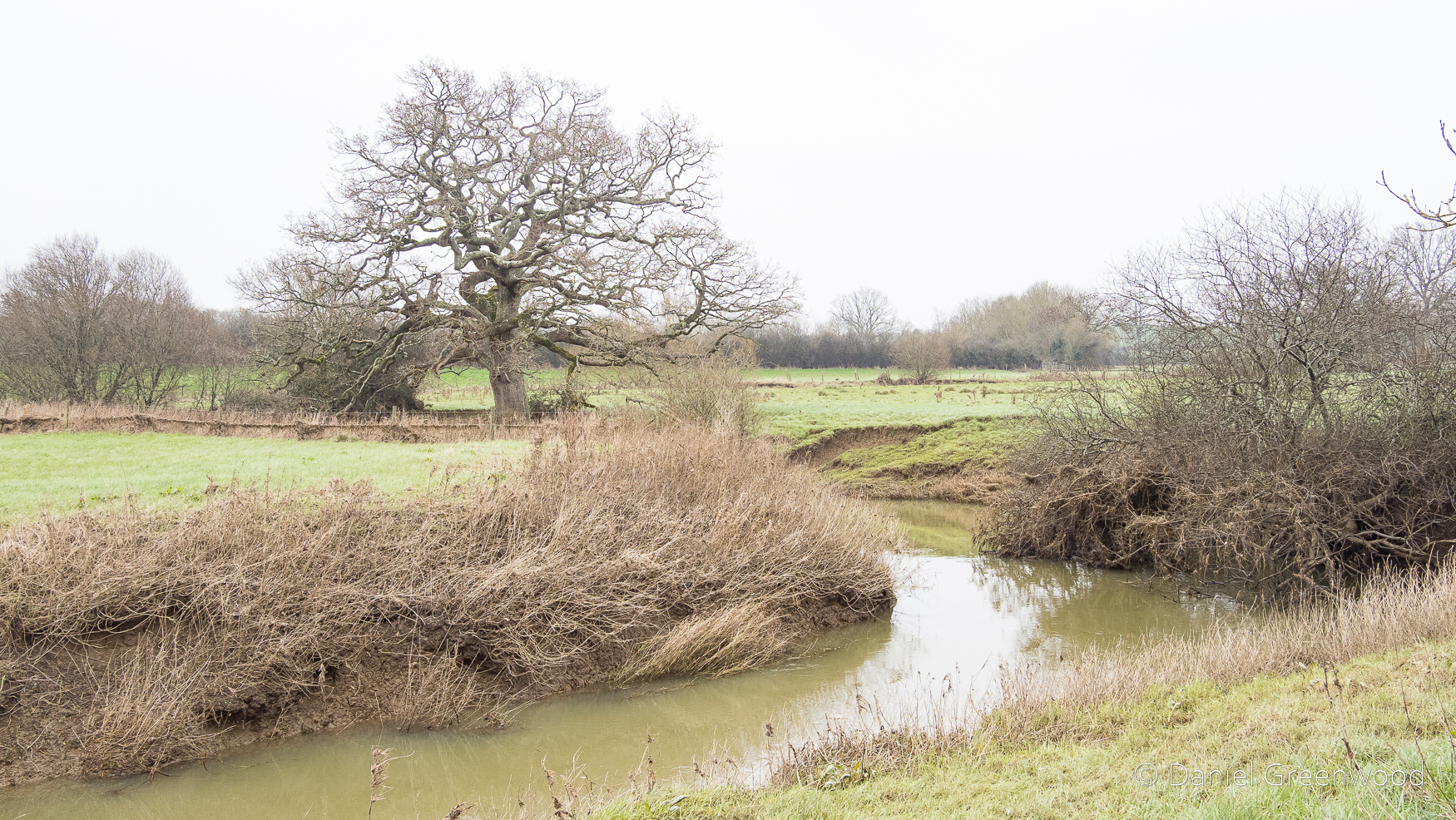
The proposal is called Newbridge Park (there’s a consultation online which closed in January). This area would become a country park, which is wise. Driving along the A272, the sight of the Arun flooding these meadows is a sight to behold. No one would seriously suggest building along this floodplain (would they?), particularly with the sort of winter deluges we’re getting now in this part of England. This is a rather old oak, perhaps 200 years, sitting at one of the bends in the Arun, which is just below the ground level.

This is that sumptuous bend in the Arun, a river which I have now learned was previously known as Tarrente or Trisanton which means ‘trespasser’ (Lawes, p.174). The river does trespass widely here, or is it the other way around? We have trespassed far into the floodplain of this great river. This is another view into the area which the developers propose would become a country park. But how long would that hold for, and who would fund the management of a park here?

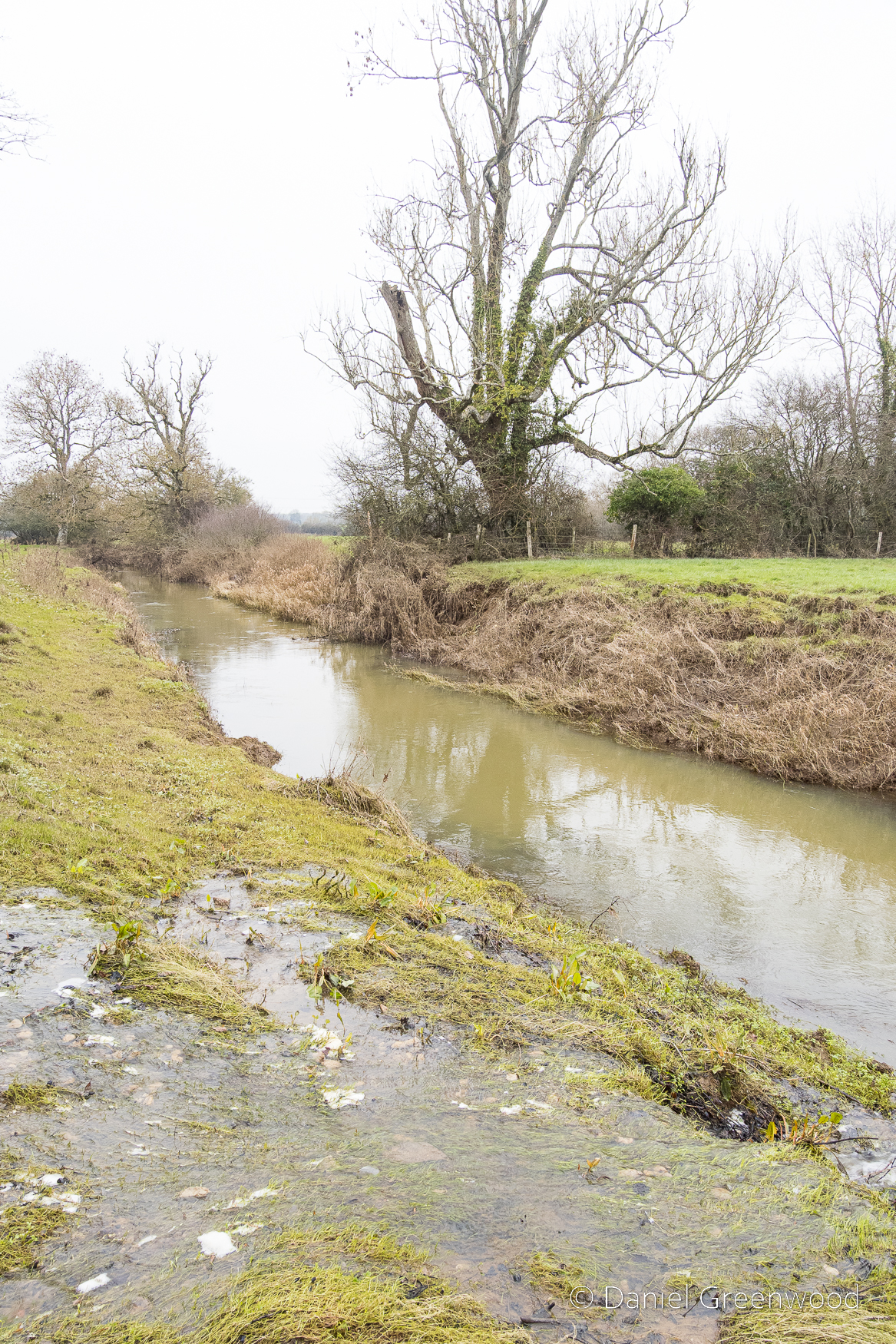
There was a winterbourne (I am guessing) flowing over the banks and into the canal. Growing up in Lewisham in south London, it’s so nice to see water moving of its own accord in the landscape (with respect to the work to restore the rivers in that particular borough.)

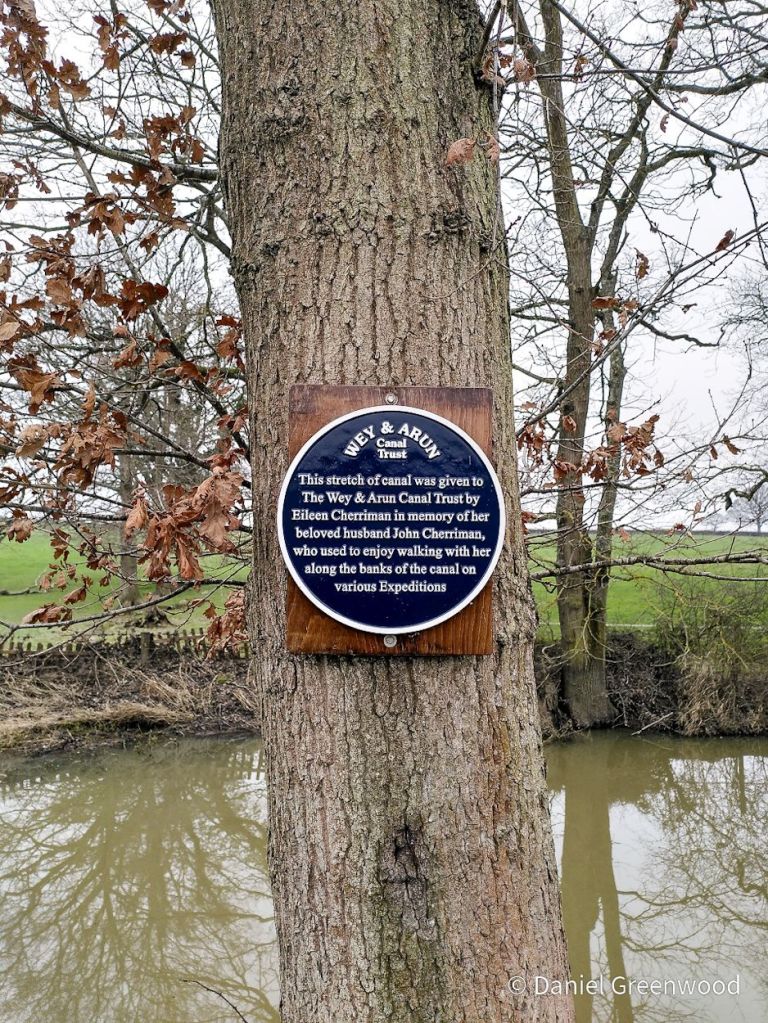
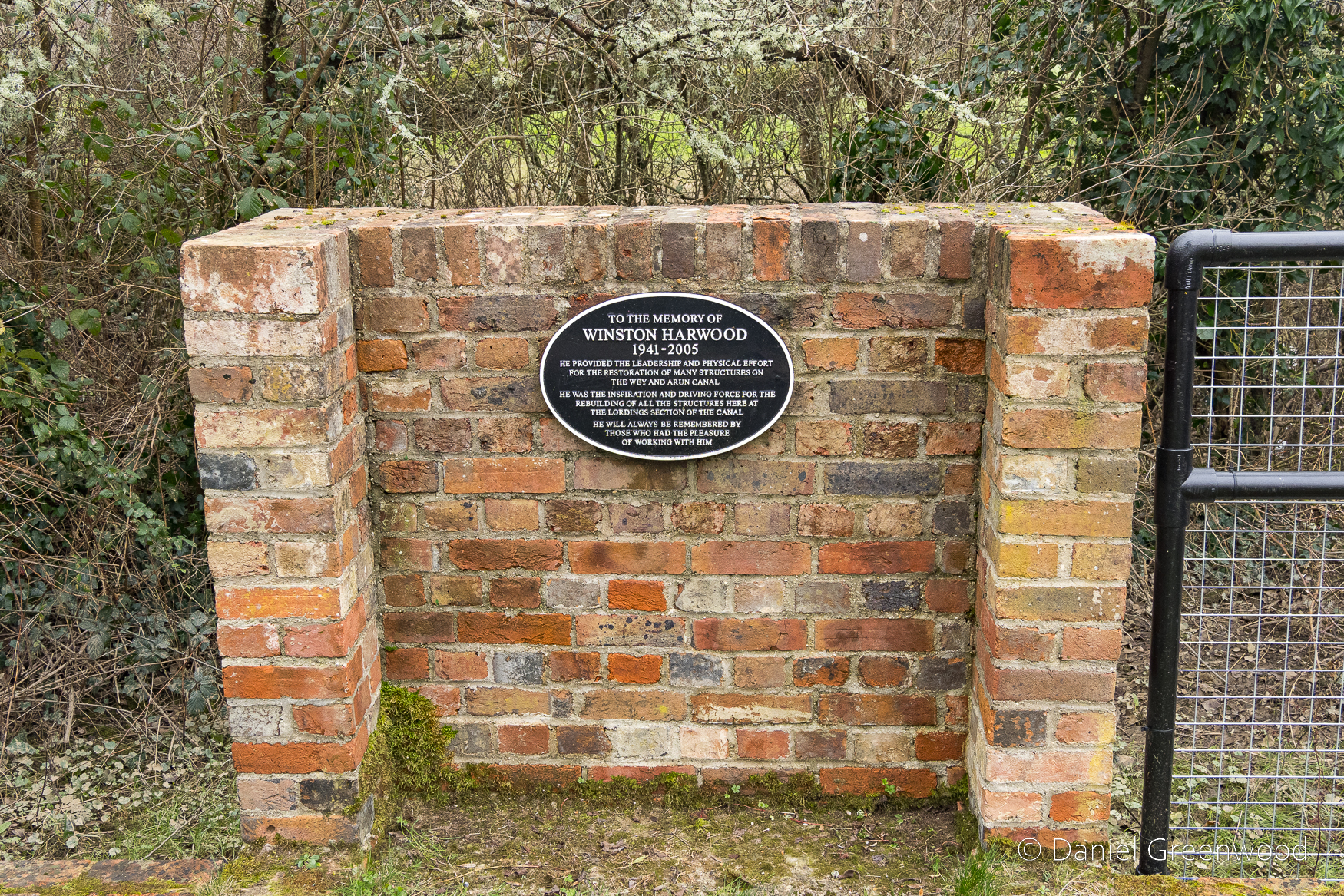
Let’s appreciate the generosity of Eileen Cherriman here, who donated a stretch of the canal in memory of her husband John.

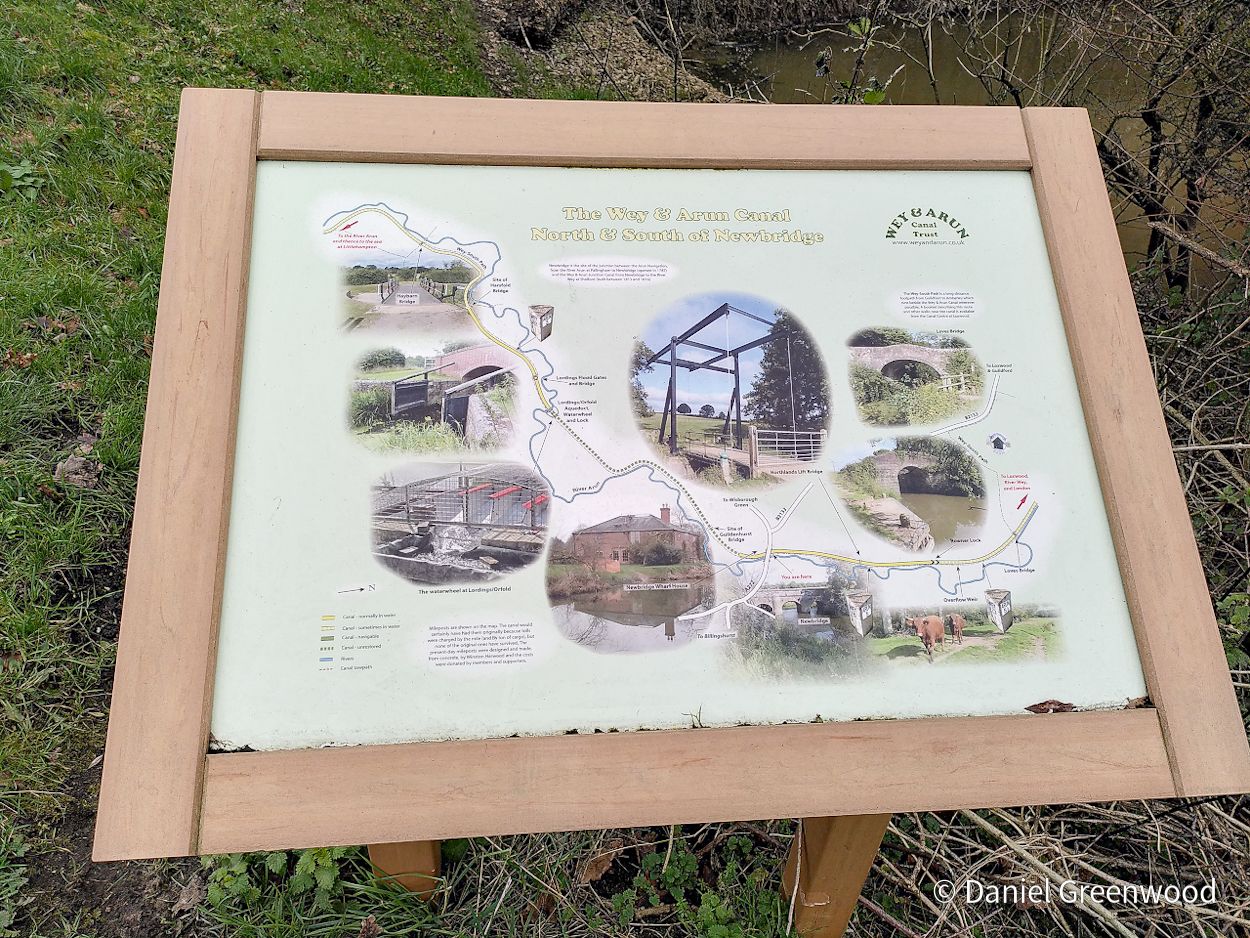
I do enjoy bringing interpretation boards to a wider audience.

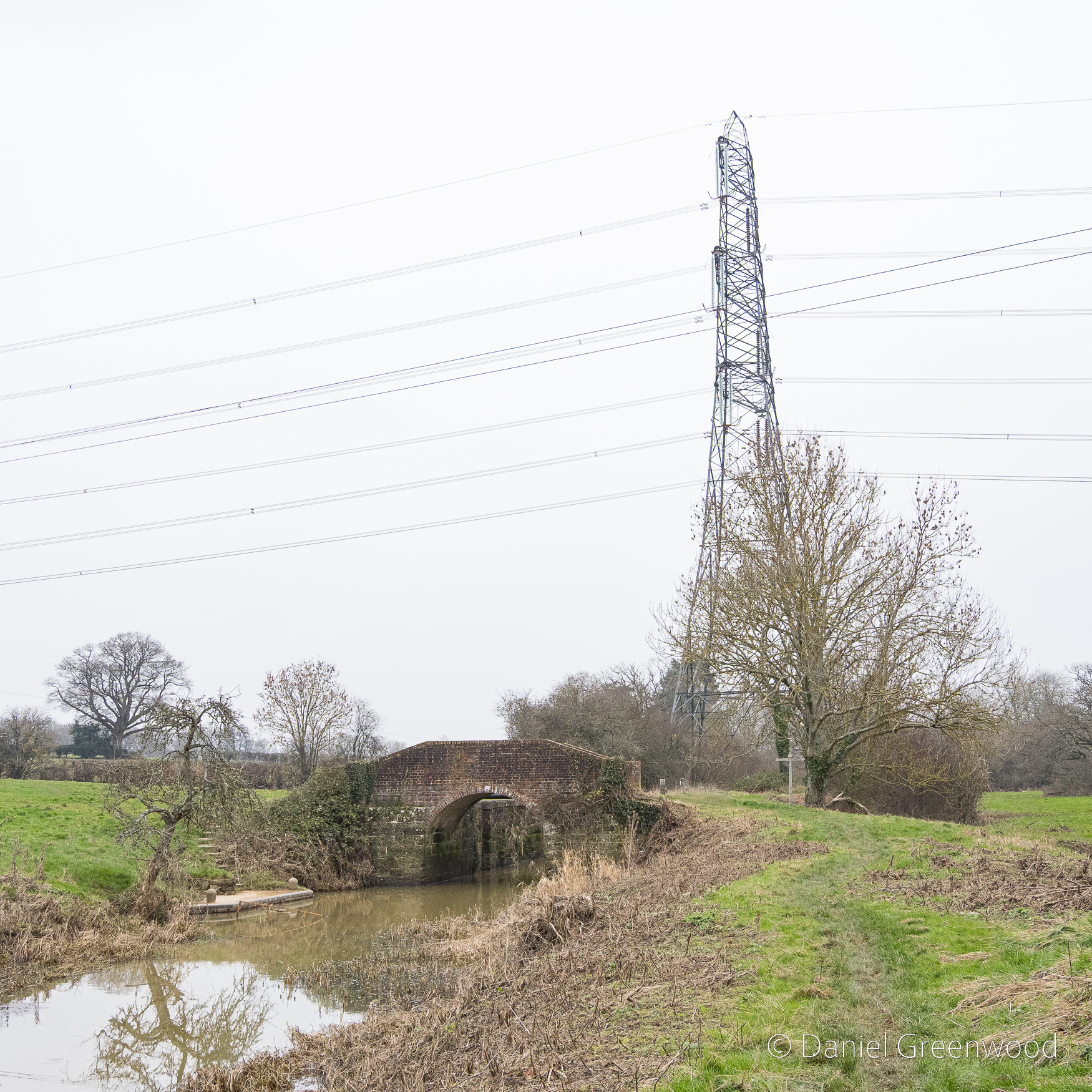
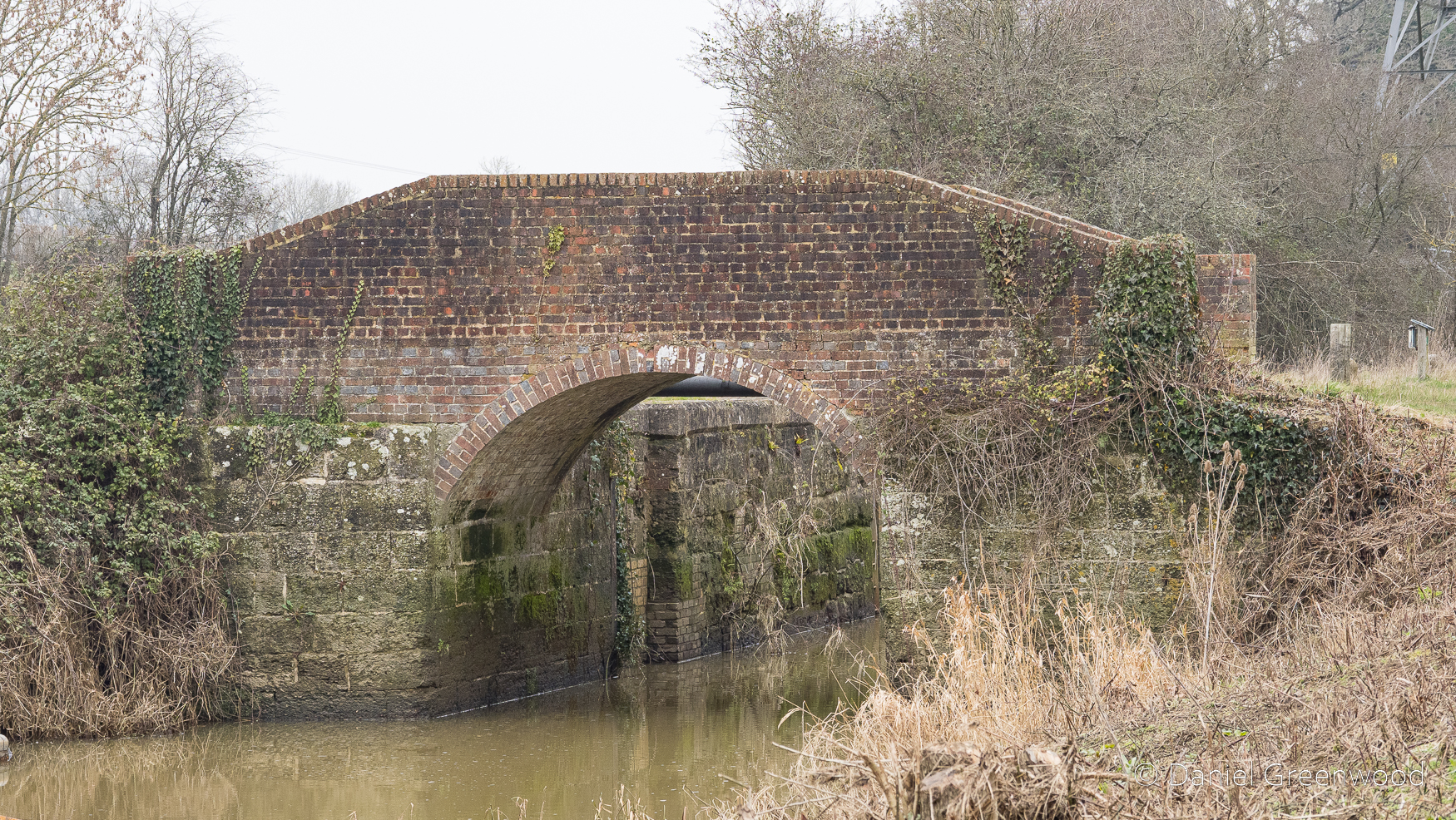
Further down the canal is another bridge at Rowner Lock.

This was restored by the Wey & Arun Canal Trust.

Returning to Billingshurst

It was time to turn away from the watercourses and back towards civilisation.

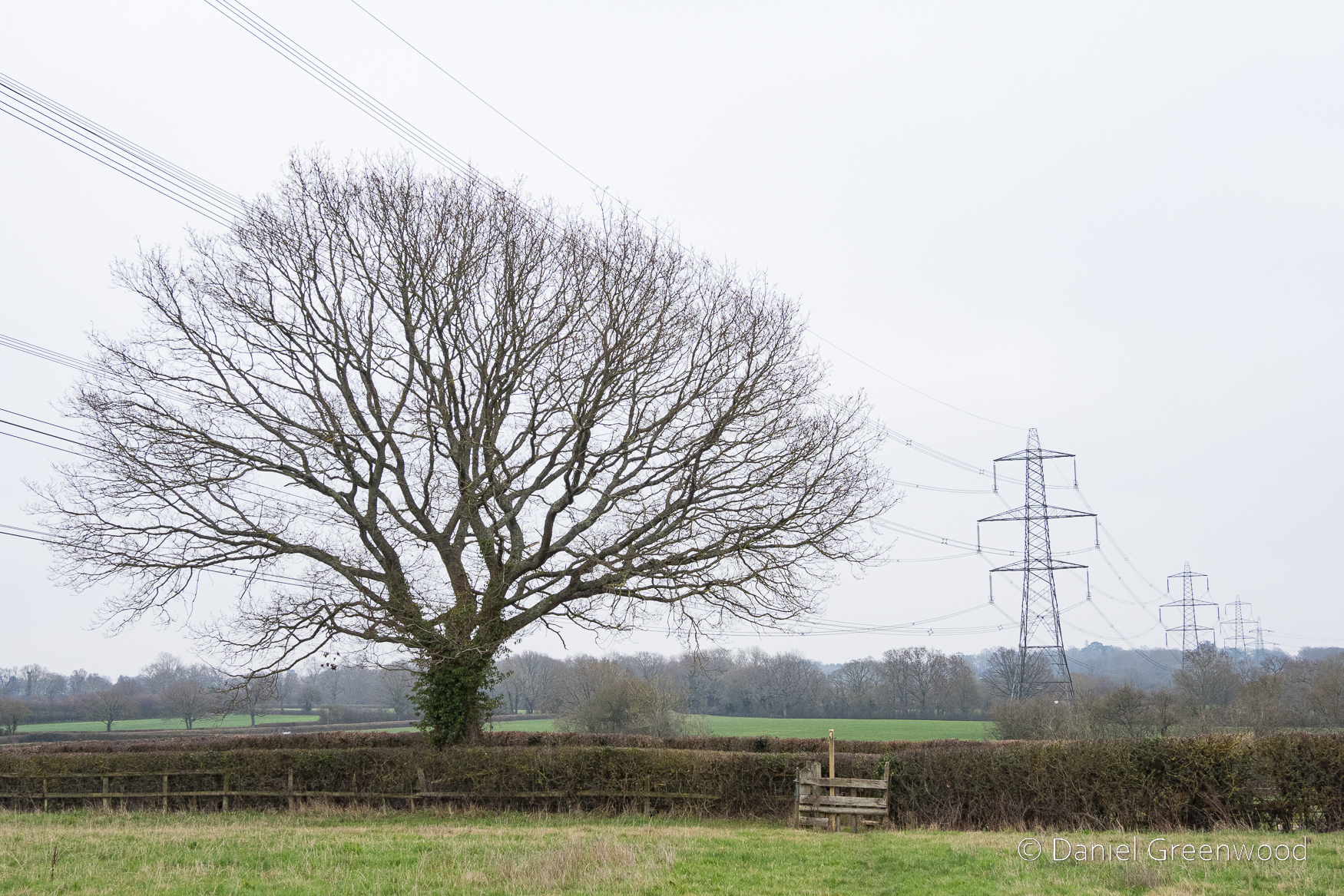
The walk turns east as it returns towards Billingshurst through farmland walked by electricity pylons.

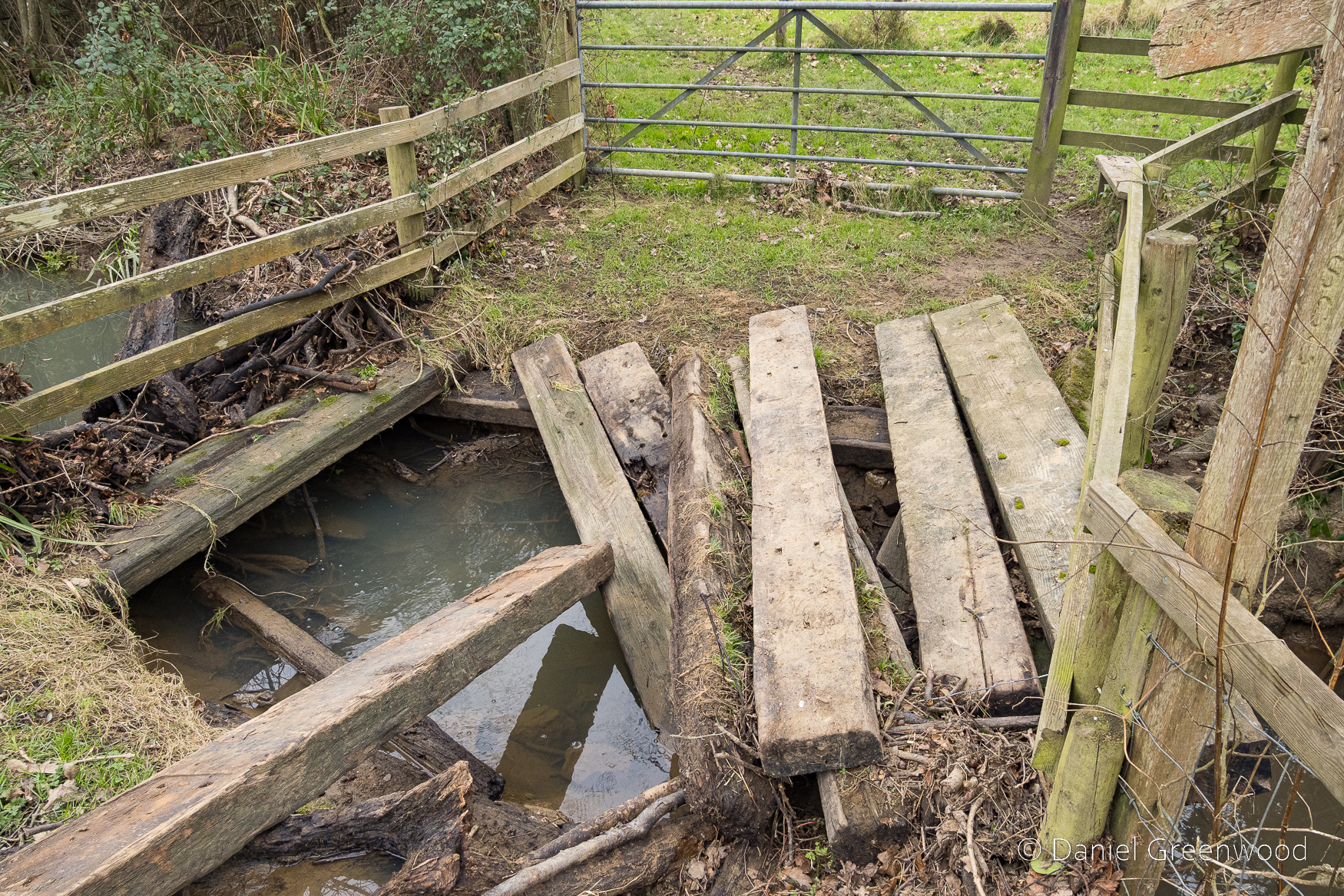
One of the footbridges on the way back was in a state of devastation, probably due to the impact of flooding. I presume this wasn’t vandalism, but from my experience you just can’t be sure sometimes.

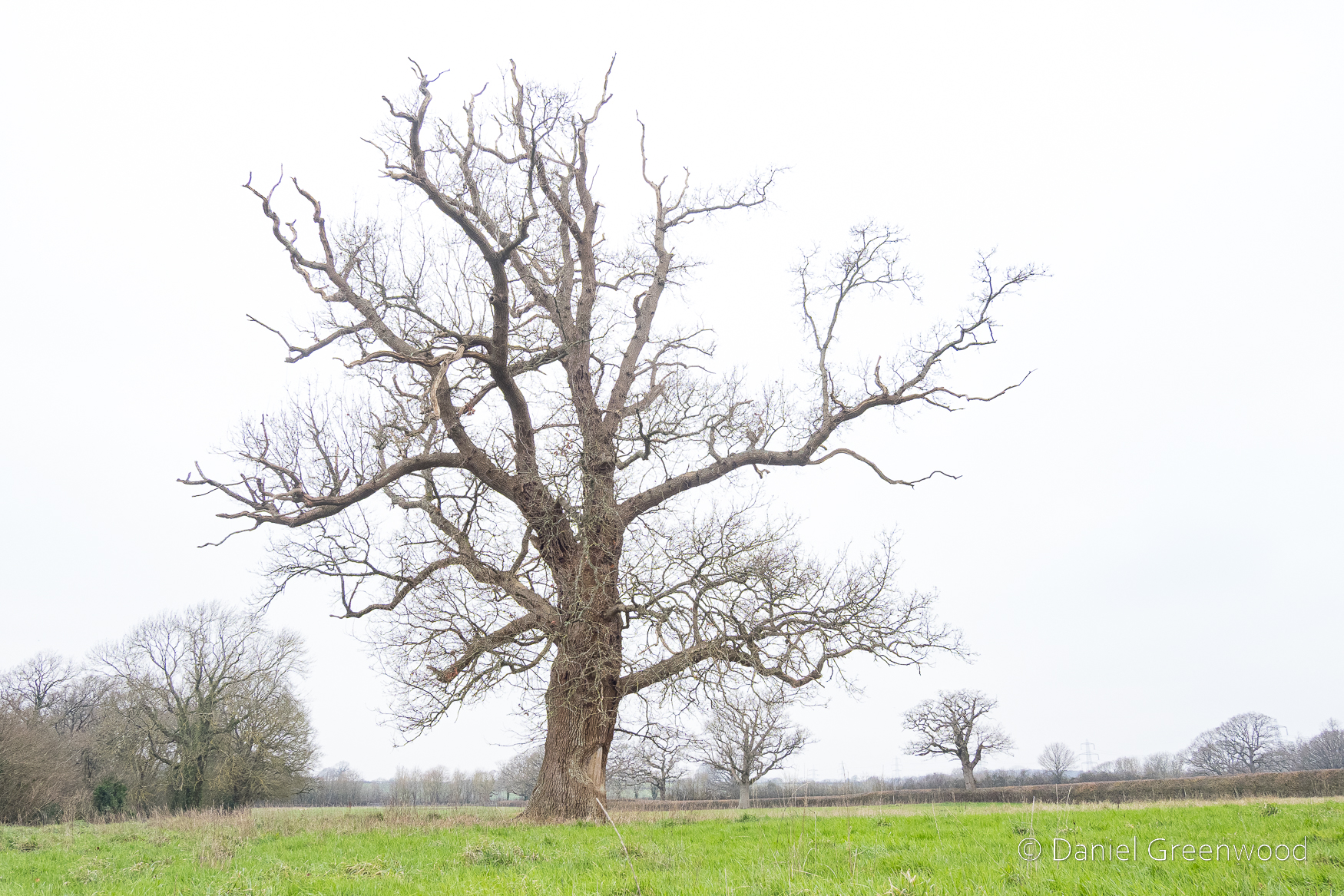
A rather sickly oak in a process of retrenchment as the upper branches die away. You can see more oaks dotted around beyond the hedgerow.

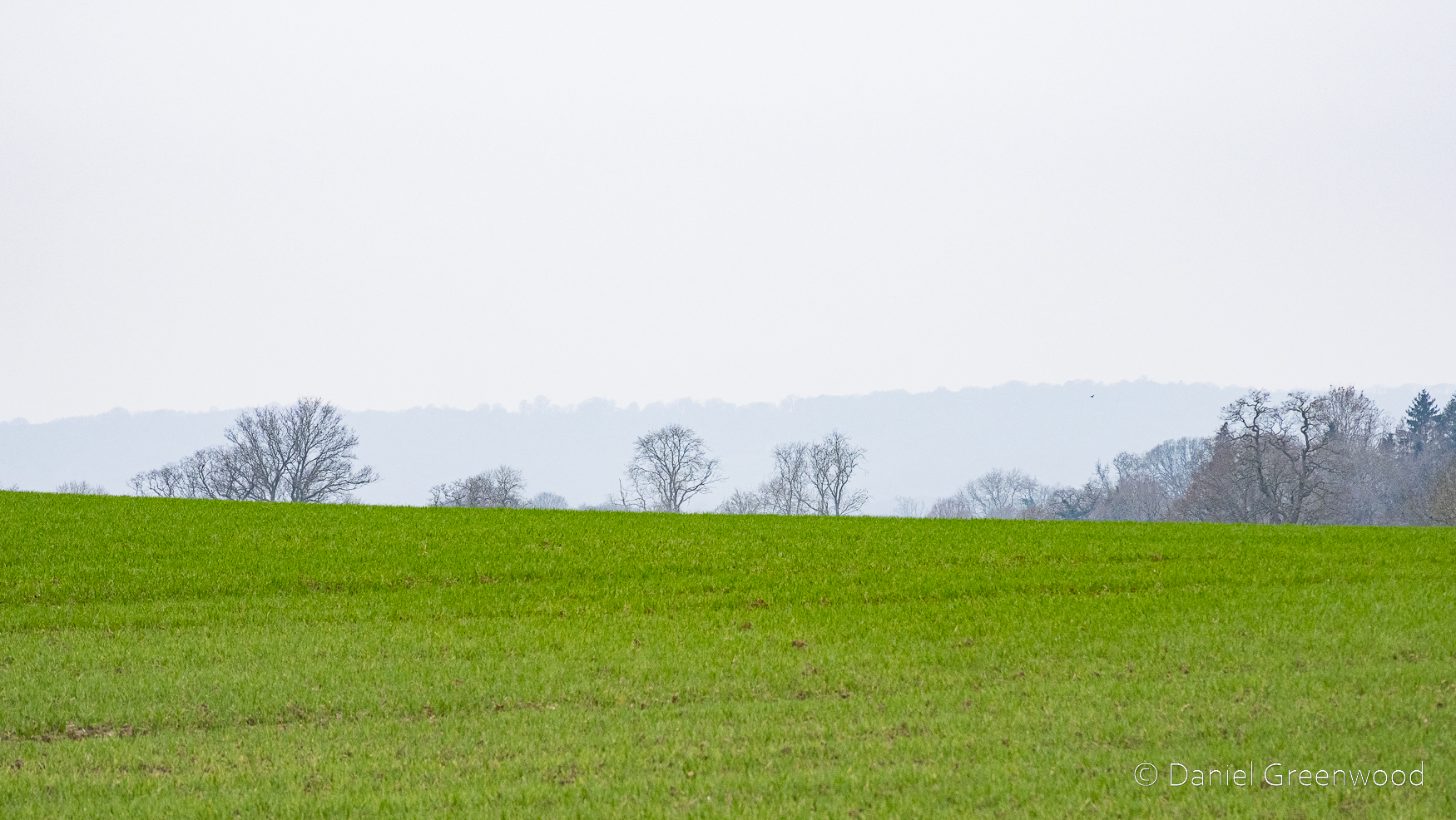
Looking north-east into the Weald, with the mist spoiling most of the fun.

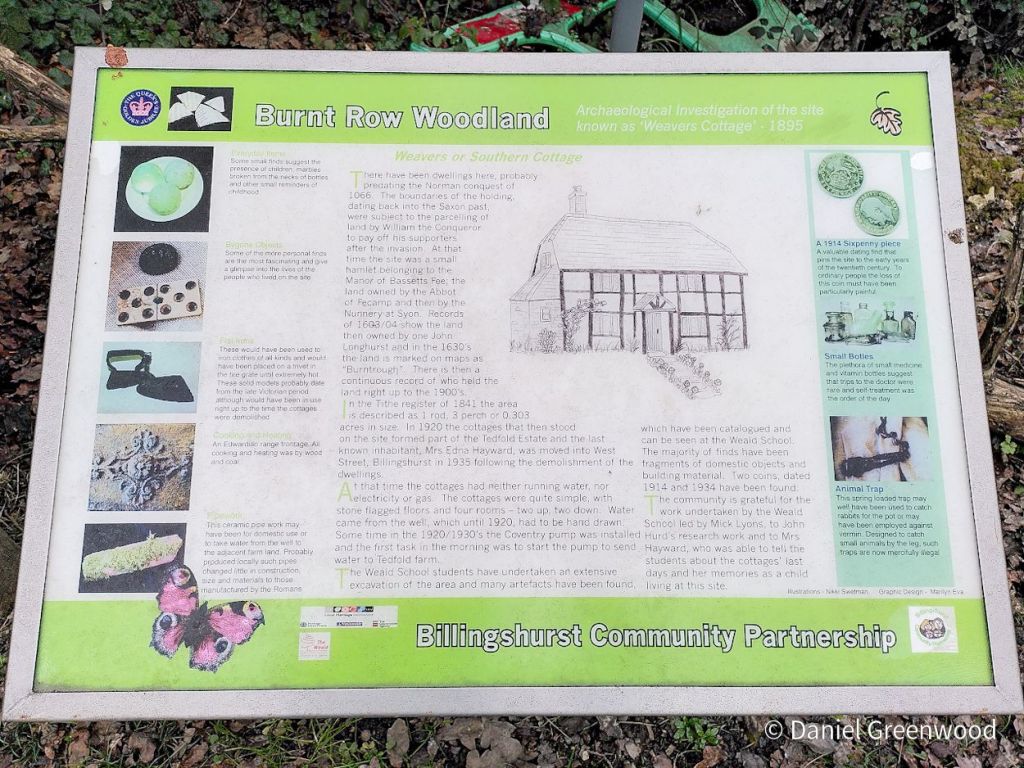
There are some interesting boards near the A29 crossing as you enter back into Billingshurst. I’m sorry that this timber-framer didn’t make it. This settlement seems to be very old, possibly prior to the Norman Conquest of 1066. Local school children have found lots of treasure at Burnt Row in their research into the site.

Entering back into Billingshurst I enjoyed the sight of this interesting timber-framer. A couple of local lads were causing a bit of bother here and couldn’t understand what I was doing.

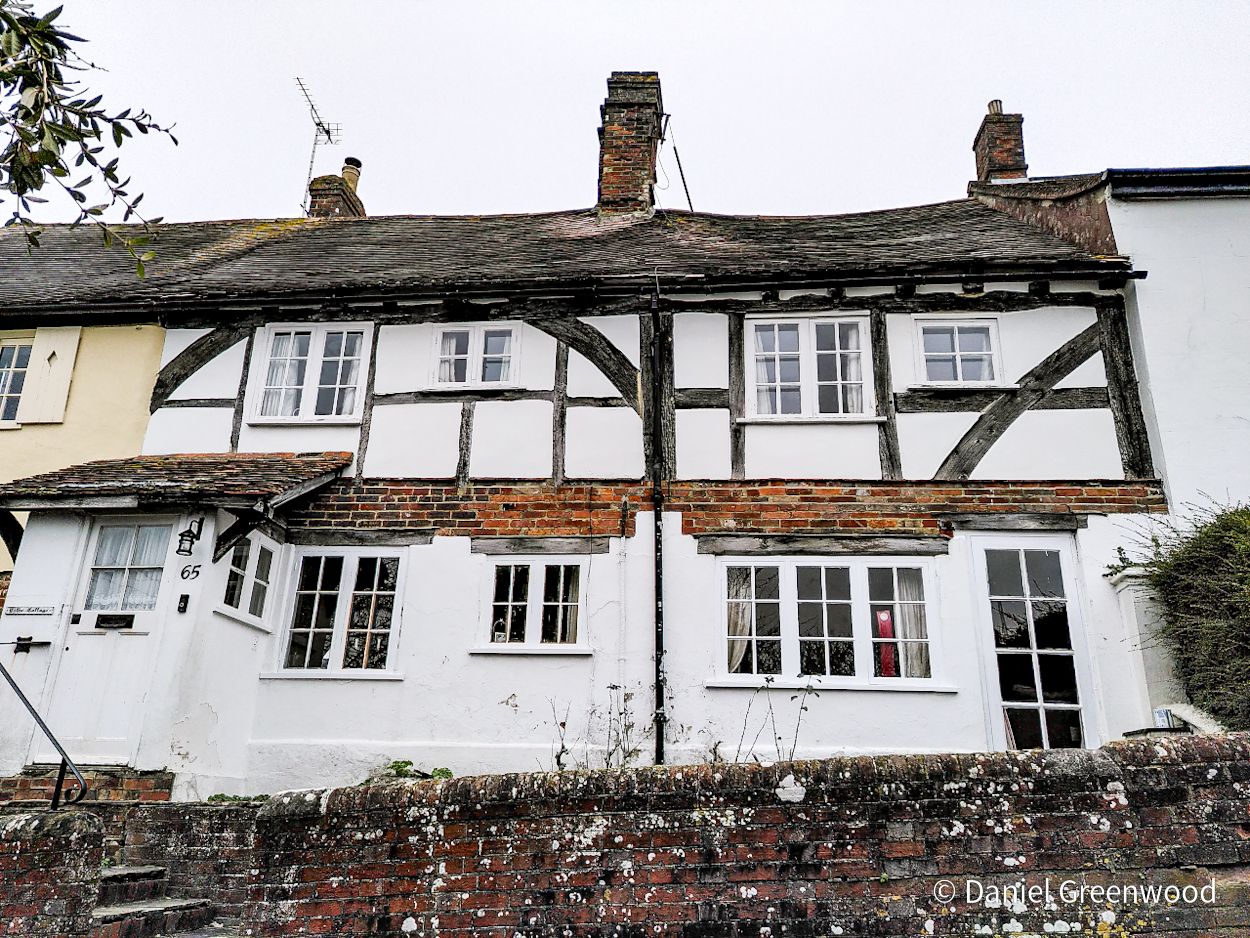
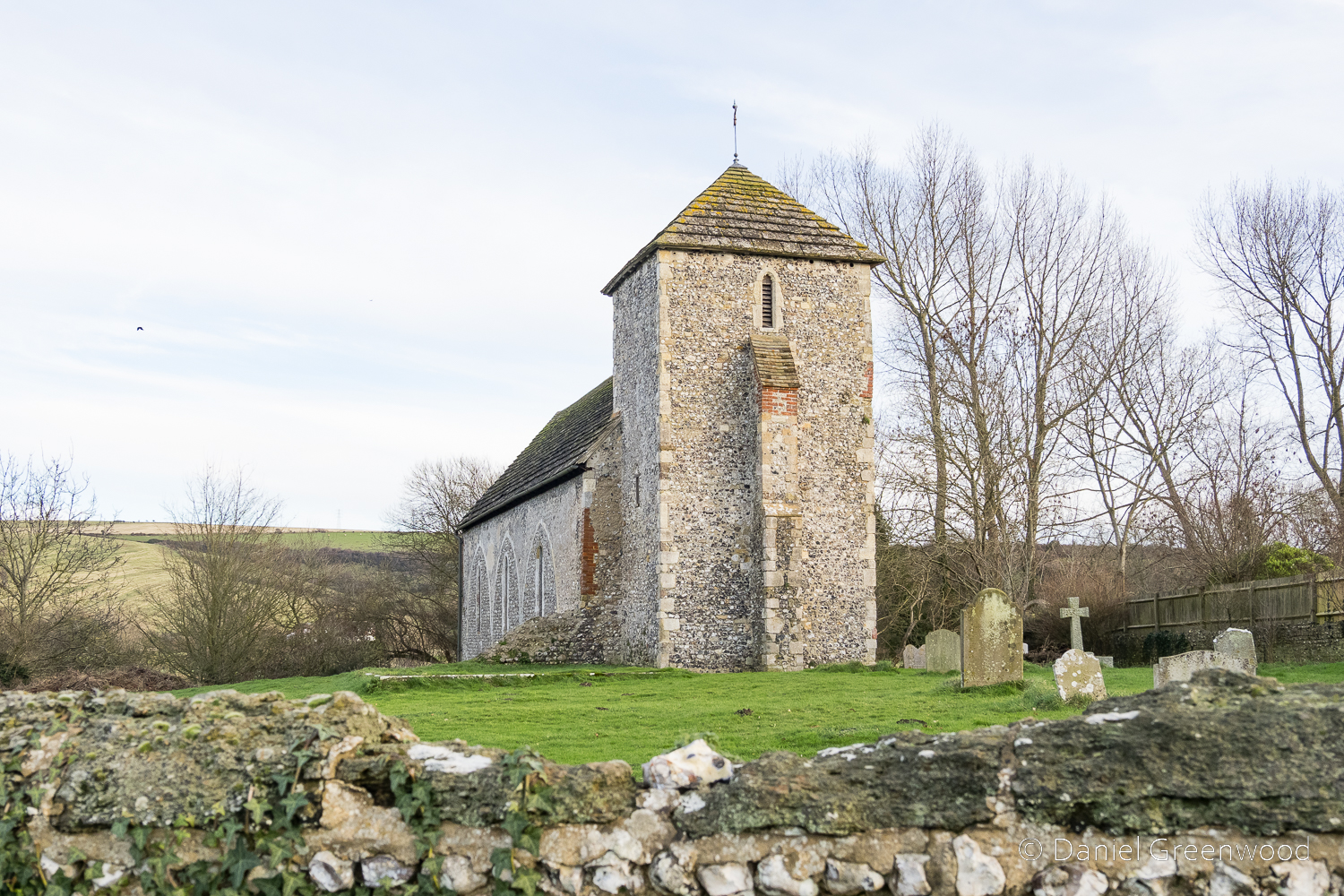
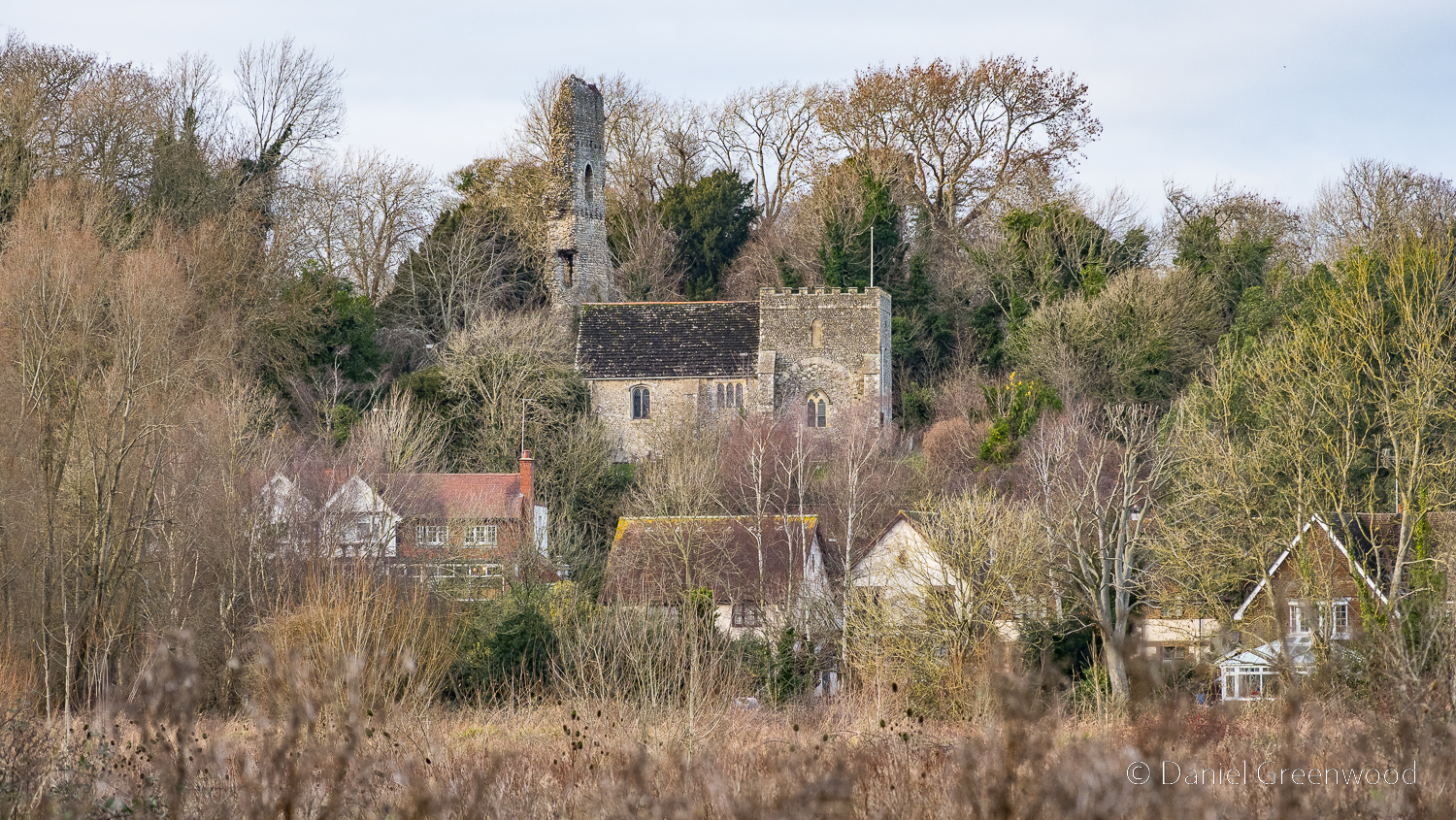
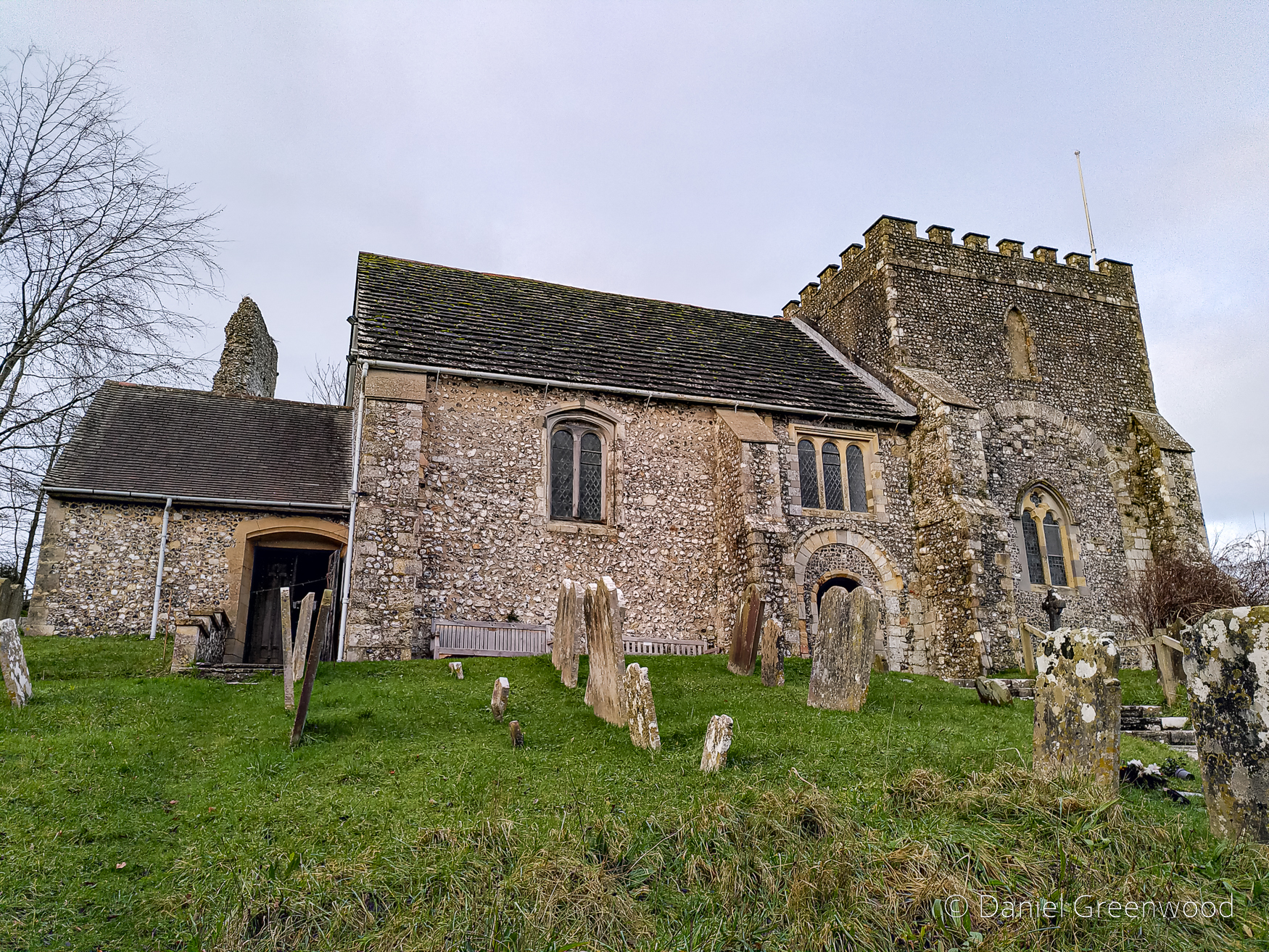
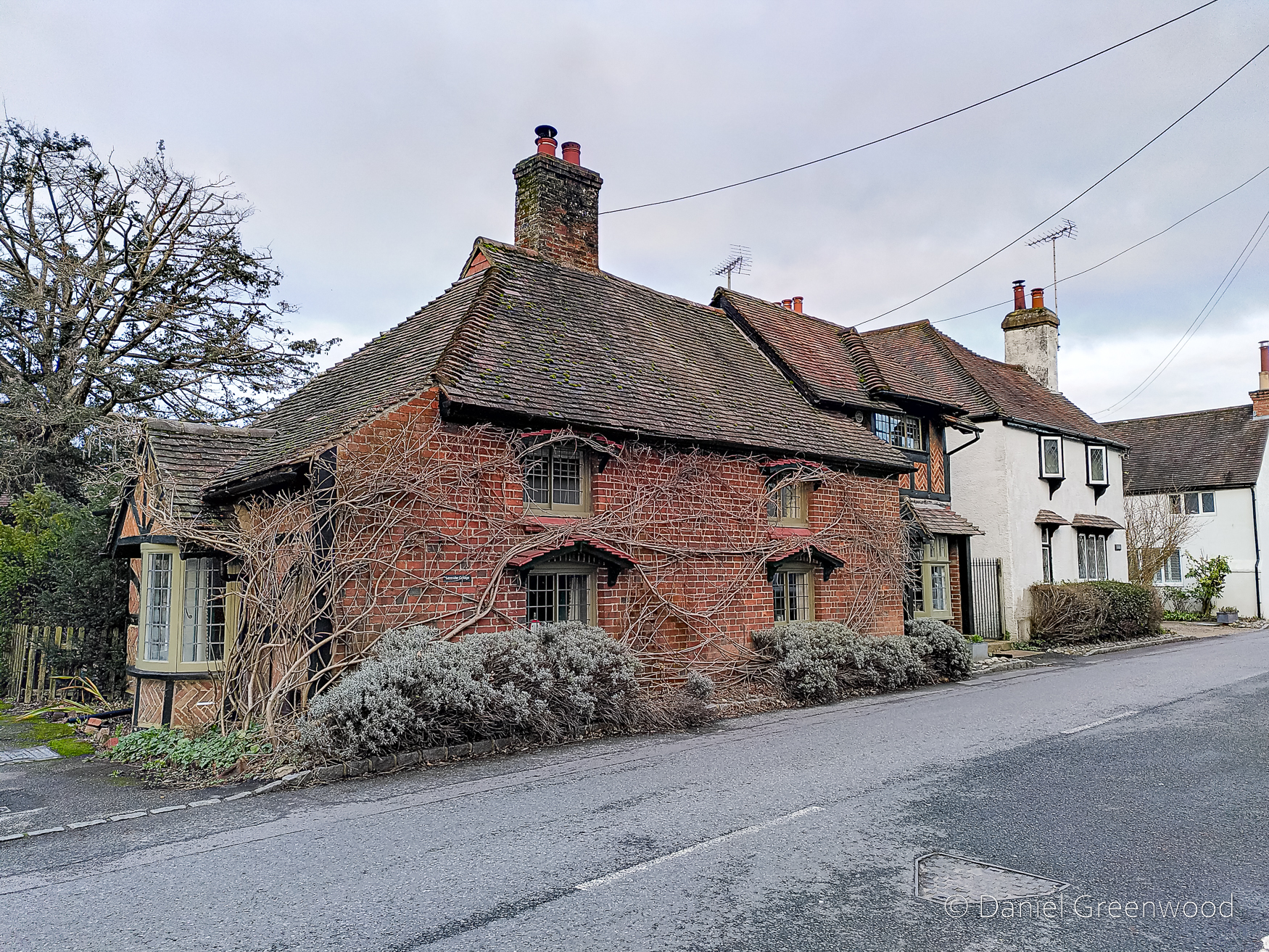
I haven’t featured the church in this post though it is important and has a prominent position in the village. The Causeway is a row of houses, many of them old and timber-framed, with one potential dating back to the 1200s (Historic England listing). If you needed any evidence that Billingshurst and its surrounding countryside is an oaken land, this should be it.

Thanks for reading.
The Sussex Weald

Along the South Downs from Washington to Bramber

South Downs Way between Washington & Bramber (10 miles), West Sussex, January 2024

This is a long post with a lot of South Downs history in it that dates back over 1000 years. I wanted to call it ‘Peaks and troughs on the South Downs Way’ but that wouldn’t have done it justice.

This walk is from the first days of 2024 and has been in my mind ever since. It’s actually two years to the day (I love that stuff). The walk left me feeling ecstatic in the quiet way that walking can.

I completed the walk using public transport, with a bus to Washington and then a bus from Bramber to Pulborough, and the train from Pulborough. Planet saved.

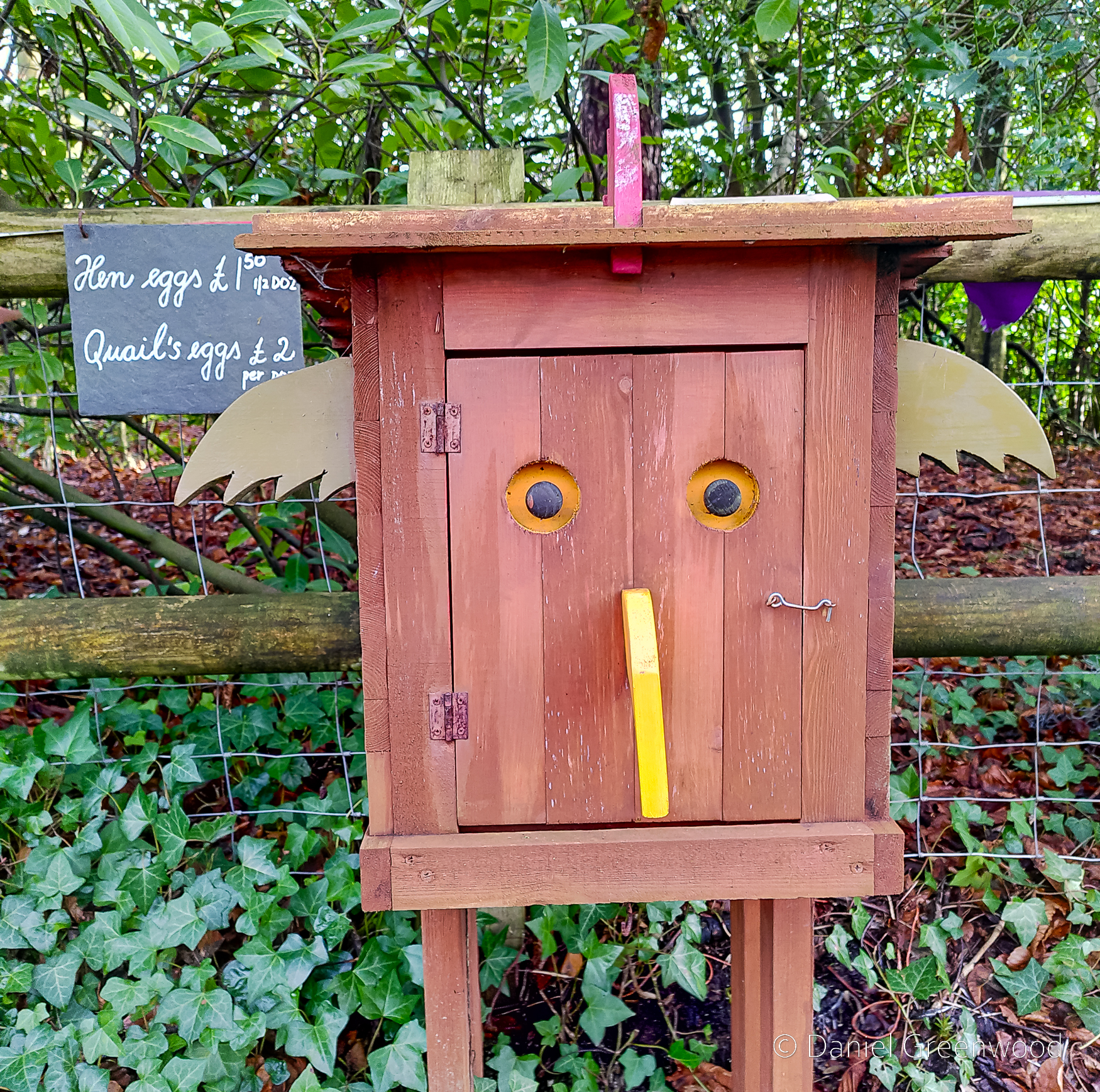
The walk began by passing this excellent egg box.

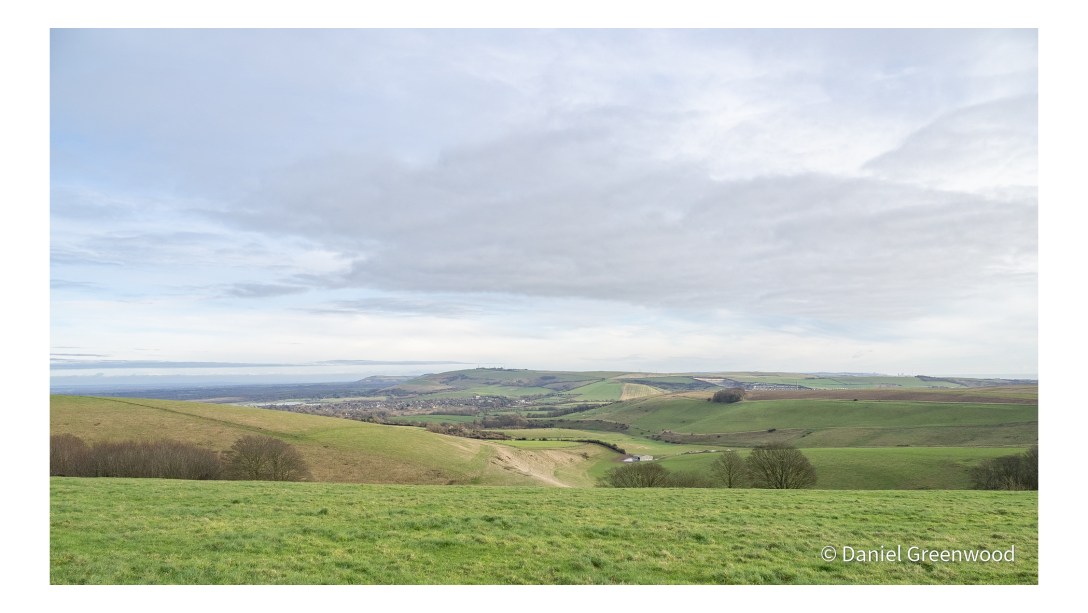
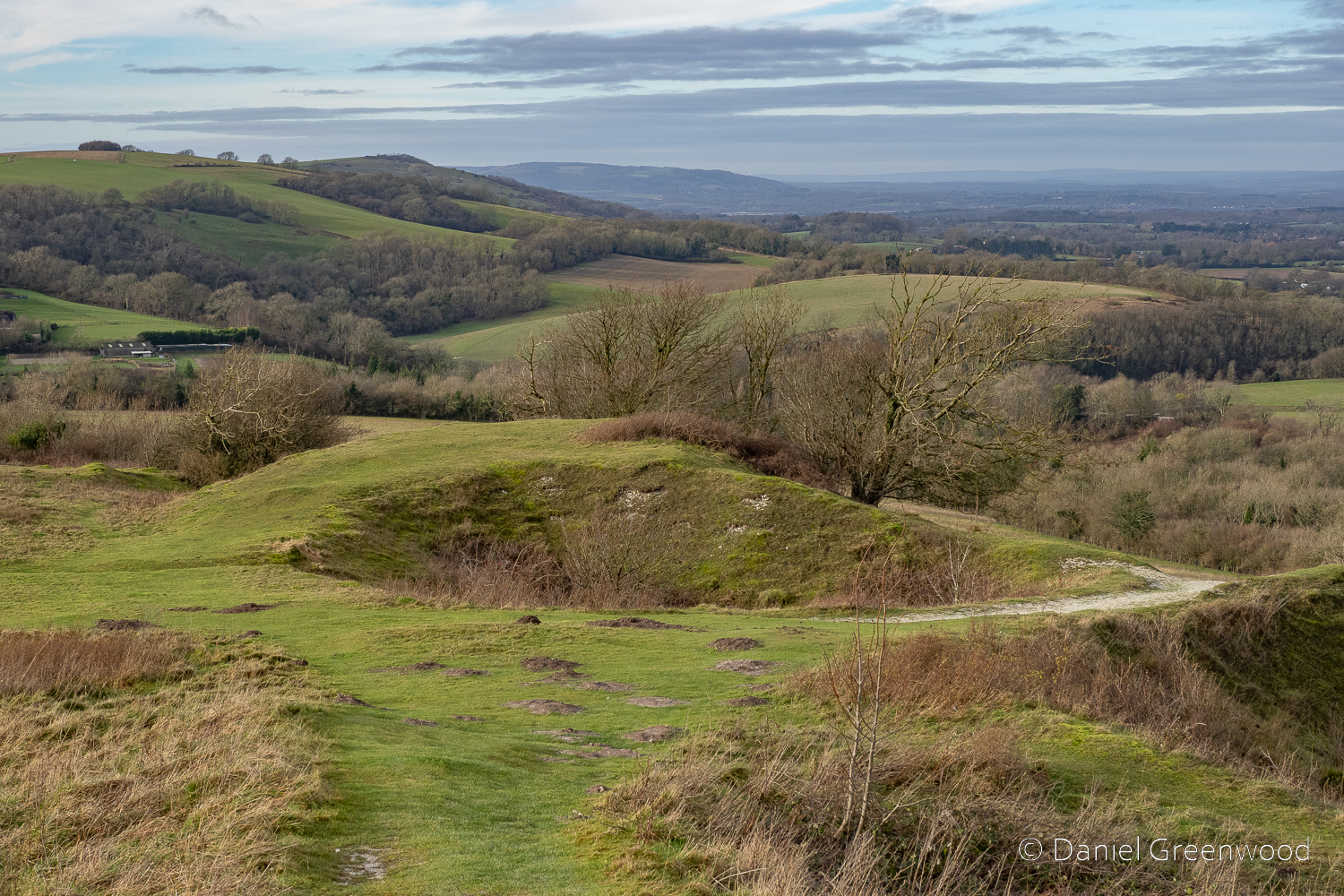
From Washington I walked up to the pocked and scarred hills of Washington Chalk Pits, ghosts of old industry – much more of that to follow. This place is excellent for butterflies so it’s worth visiting in the summer months. The photo here is looking west towards Storrington and Amberley. Here a buzzard flew low over the hill, looking for prey among the chalk pits.

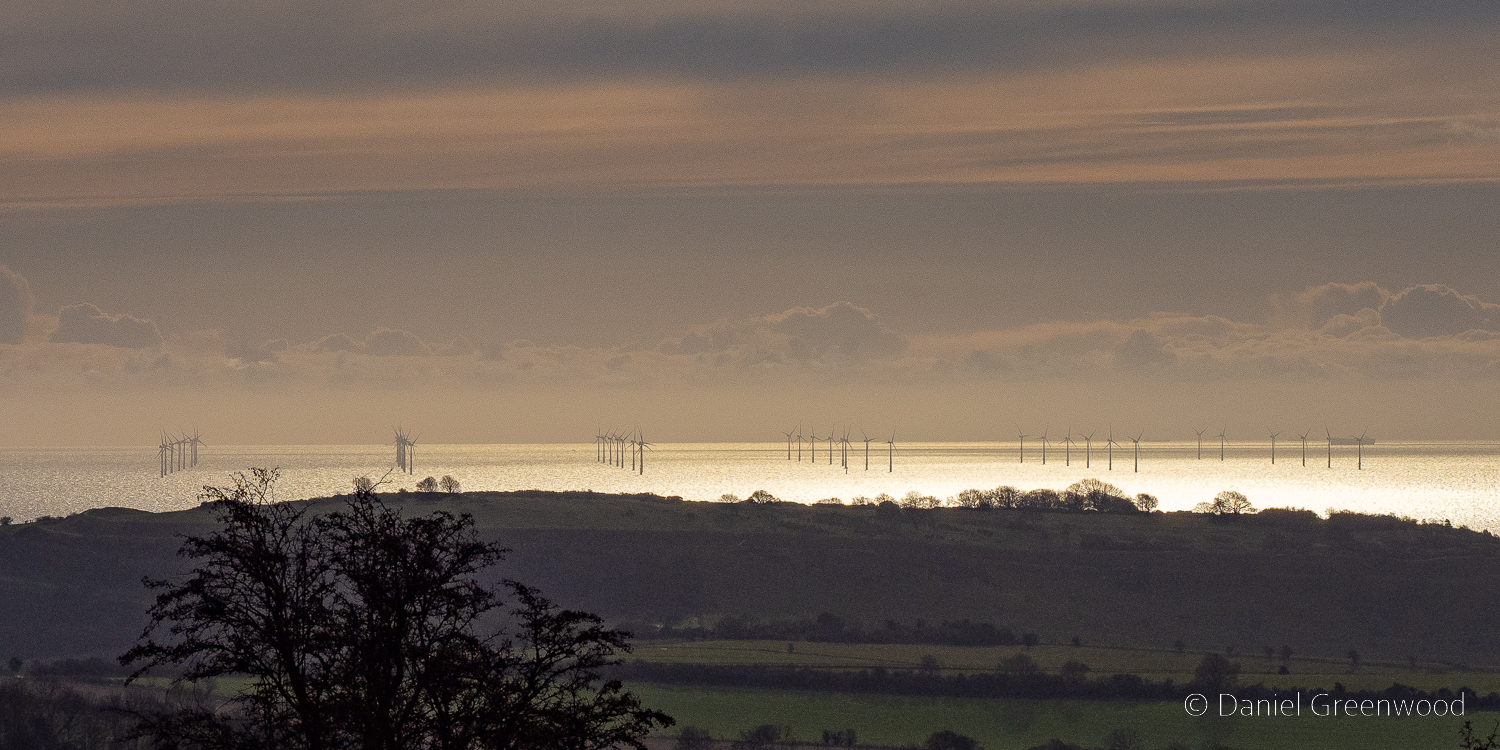
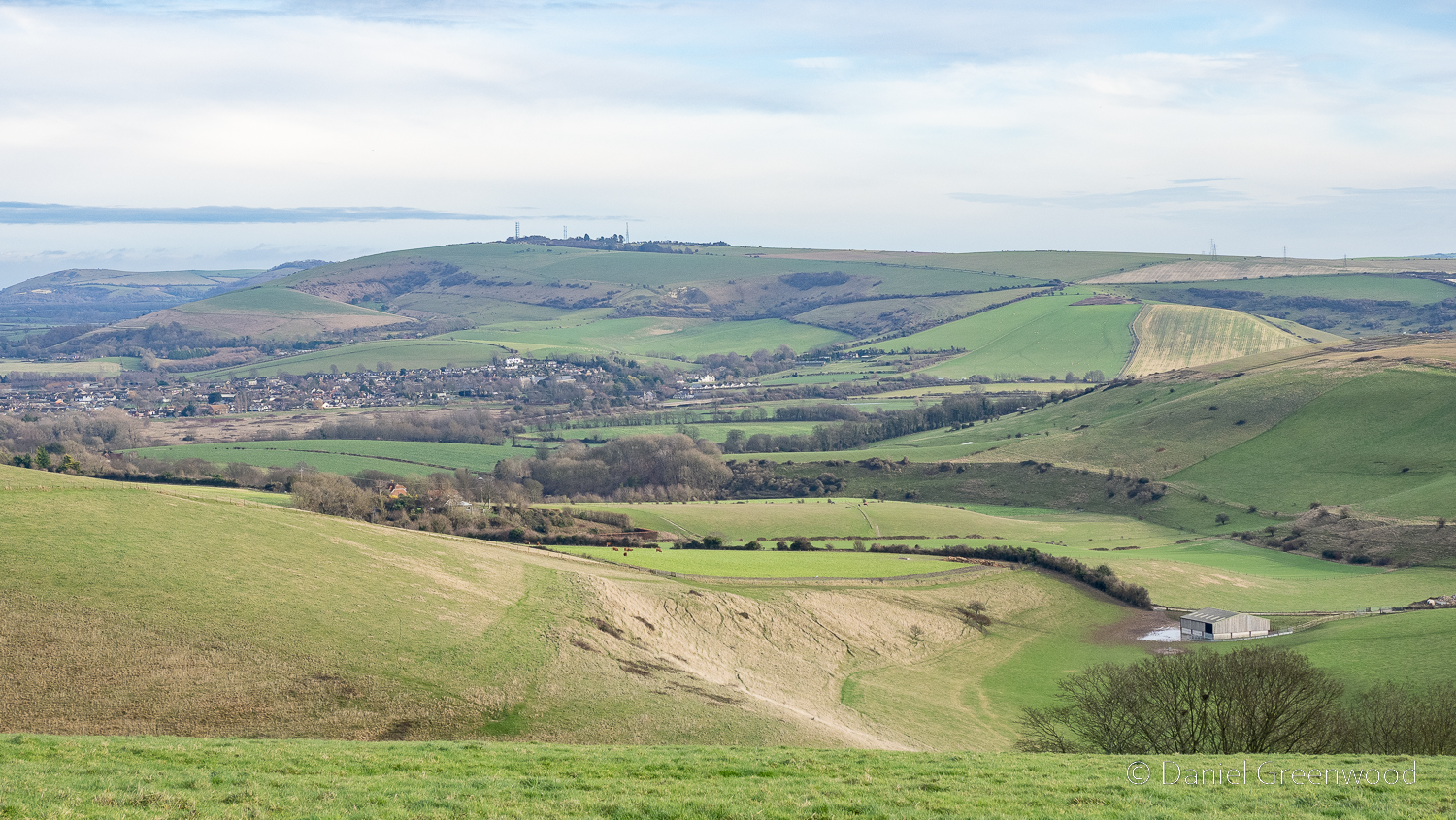
Far from being a place of wilderness, the South Downs have a deeply industrial feel to me. This is also because the views are so expansive you can see the stretch of human activity from miles away. This is the Rampion windfarm.

The Rampion windfarm cable trench, near Truleigh Hill, May 2018

The windfarm needed a trench to be cut through the Downs when the electricity cables were routed north to the substation at Twineham. This image is from 2018 near Truleigh Hill showing the fresh, exposed chalk. The windfarm will be seen again on this eastward journey.

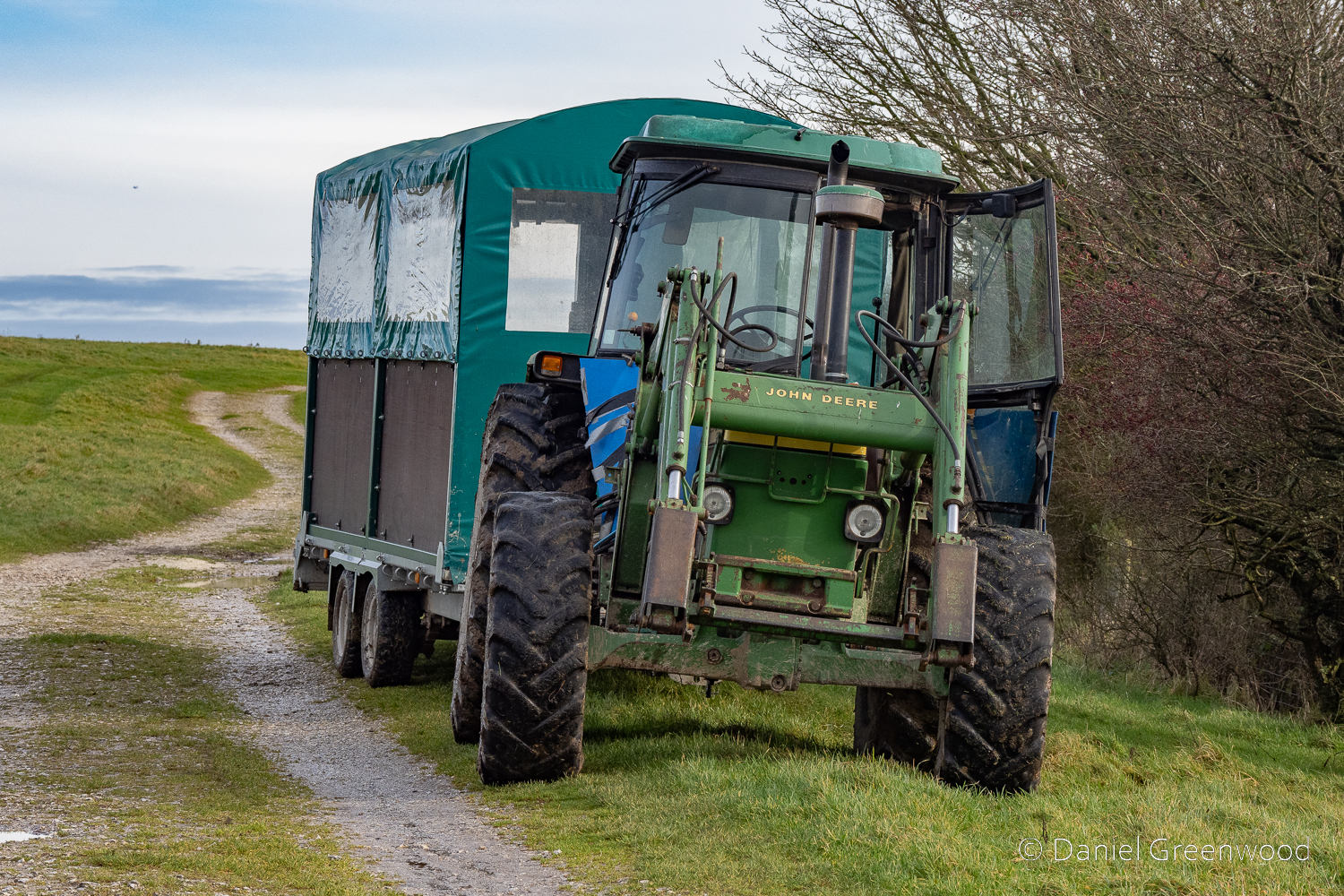
A man with a long beard had parked his tractor at the side of the South Downs Way where it approaches Chanctonbury Ring, and was breaking sticks from a fallen ash tree at the field boundary. Ash trees will pop up again along this journey.

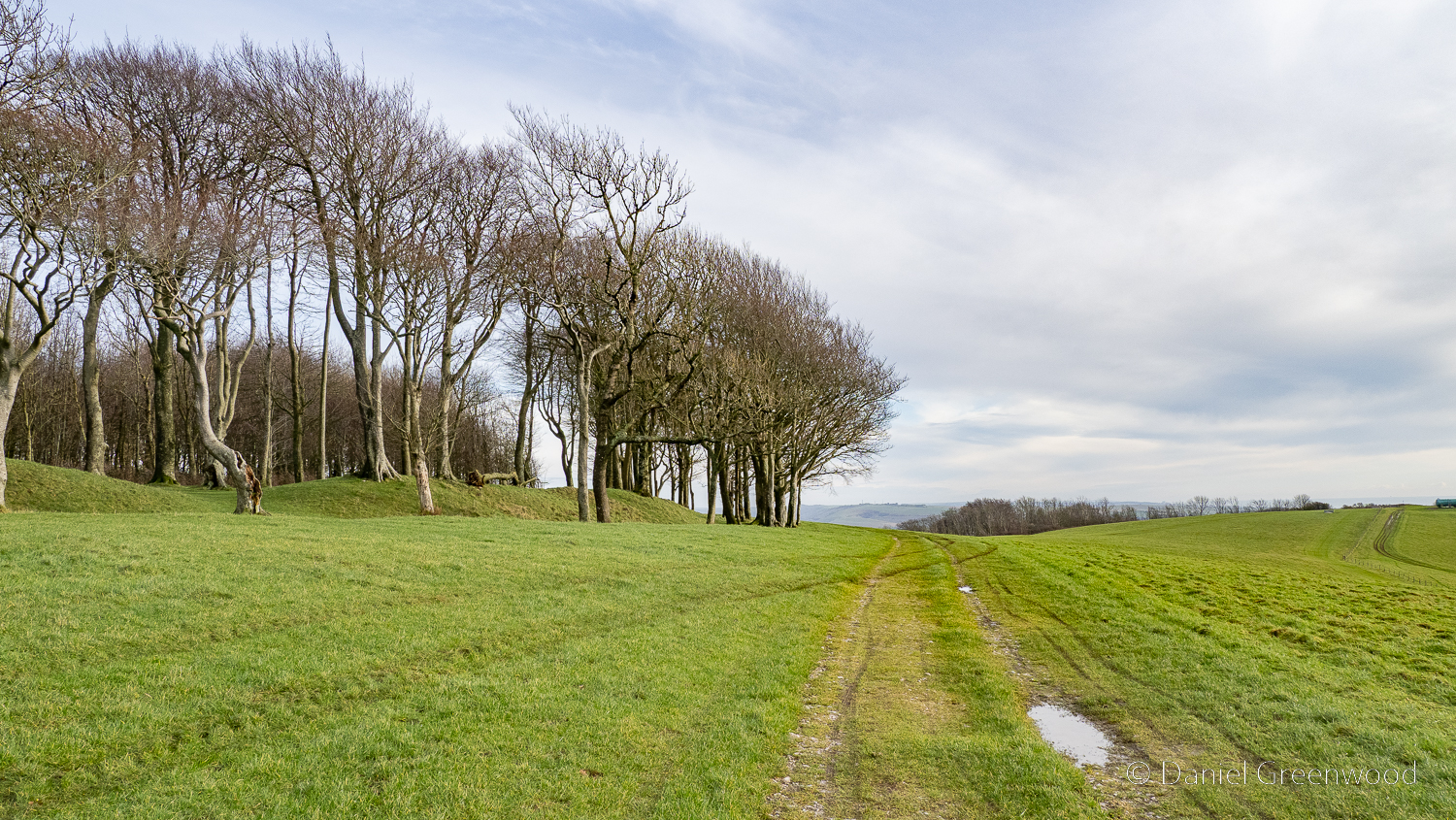
The grass is always snooker table smooth where the beech trees of the ring come into view. I’ve posted before about a walk that heads south from here to Cissbury Ring, the site of another Iron Age fort. As I approached the Ring a herd of deer ran across ahead of me, leaping over the path.

Beyond the trees the metal orchids (aerials) of Truleigh Hill mark the South Downs Way some 10-15 miles east.

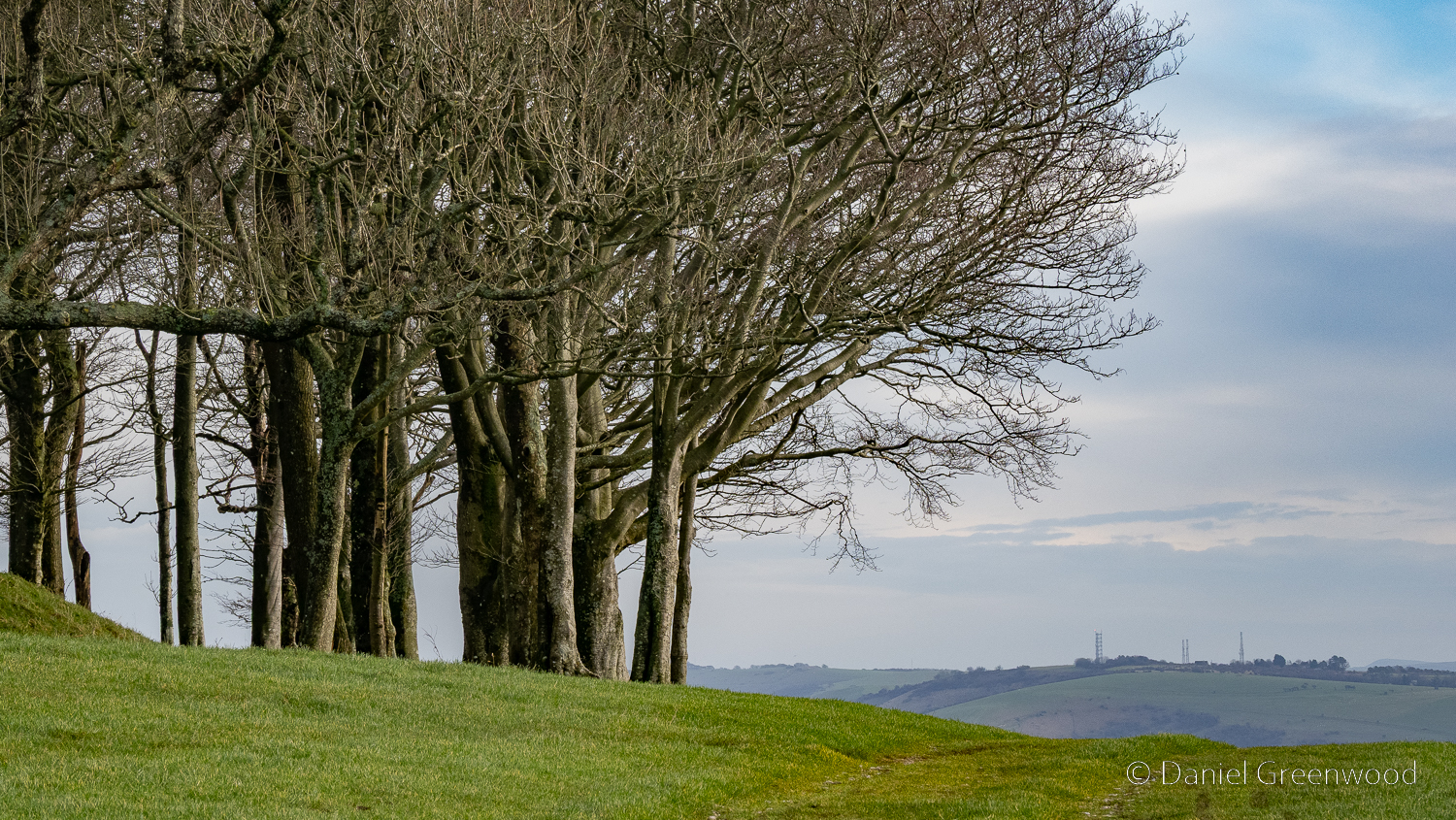
In isolation these windswept beech trees cross more gentle lines in the landscape.

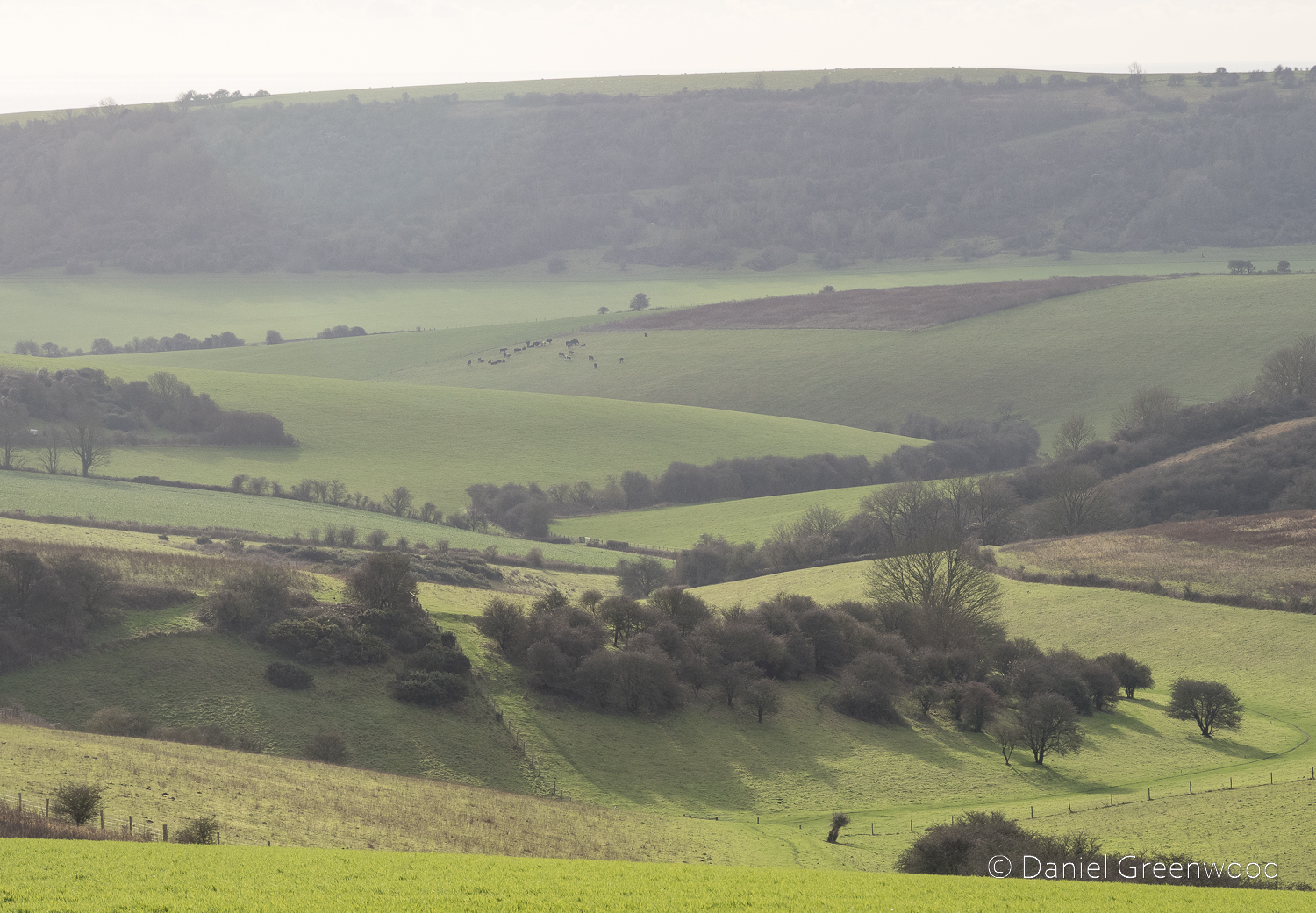
The archetypal folds of the Downs, stubbled by trees and scrub.

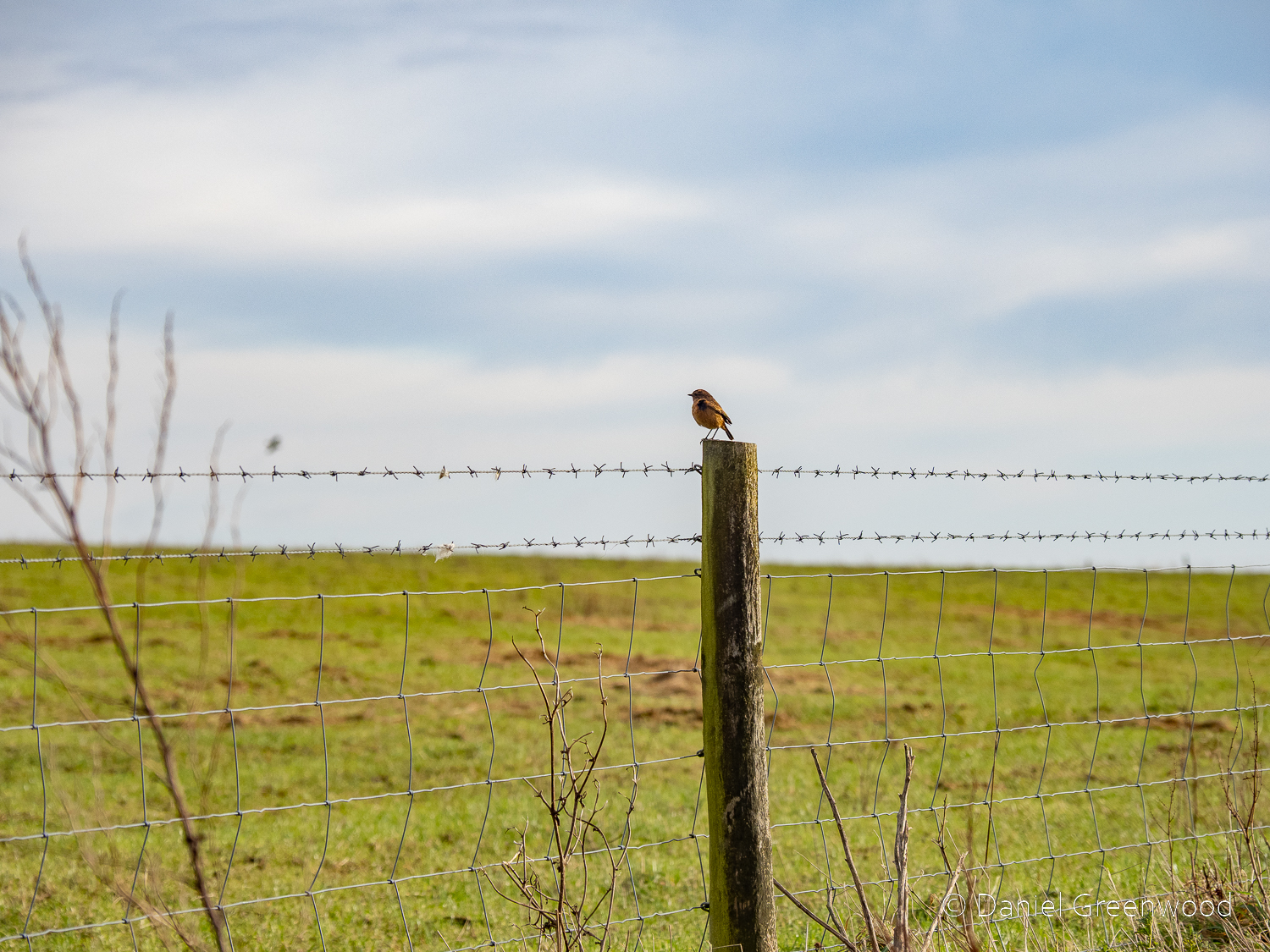
Away from Chanctonbury a stonechat perched on a fencepost. These chats are your friends in the winter downland.

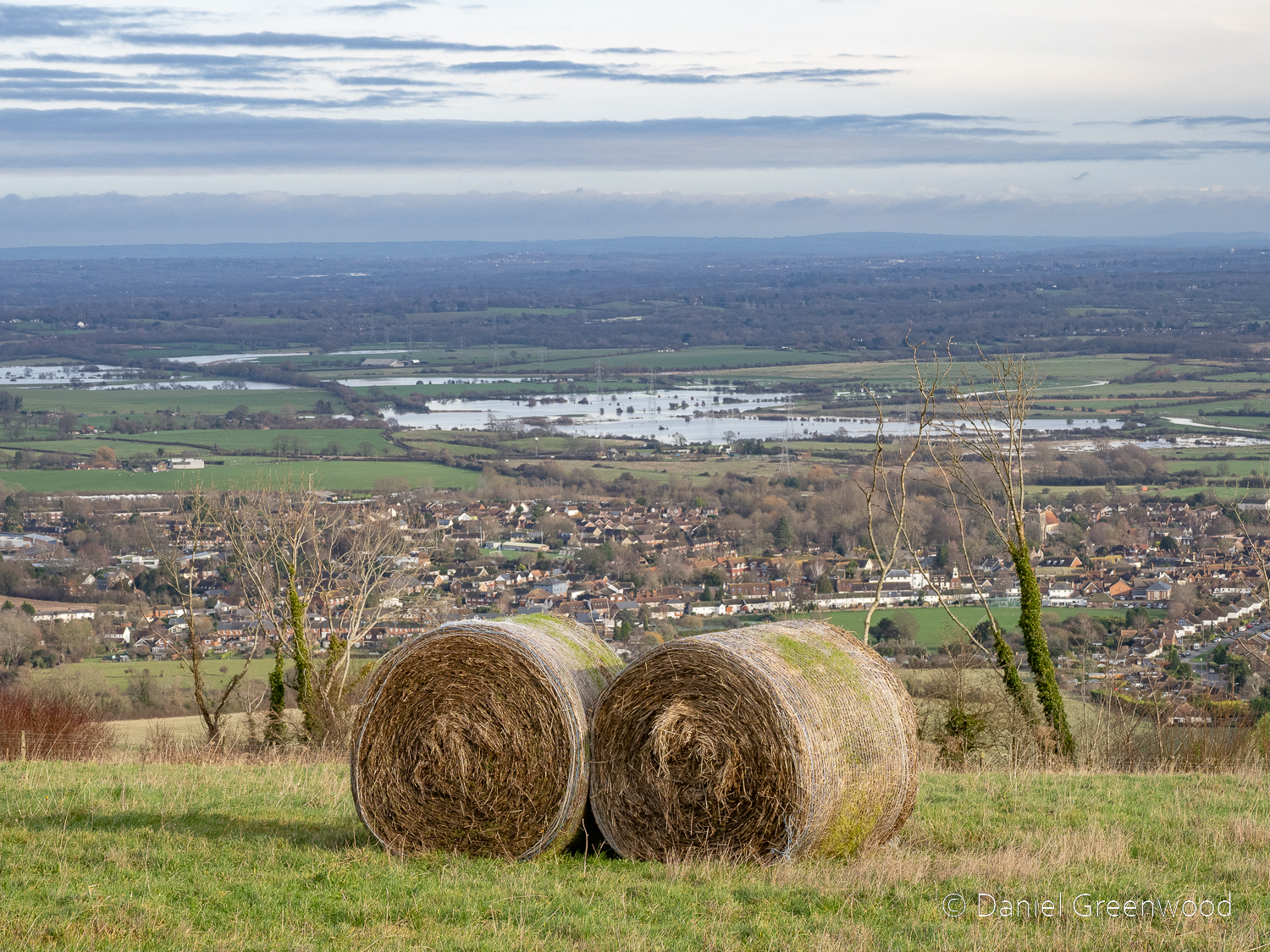
Looking down towards Steyning, the Adur had flooded. Why have these bales been left to grow mossy?

A tribute to one of the downland farmers, a sea of arable crop washing away to the horizon. The gleaming top right-hand corner of this photo is indeed the sea.

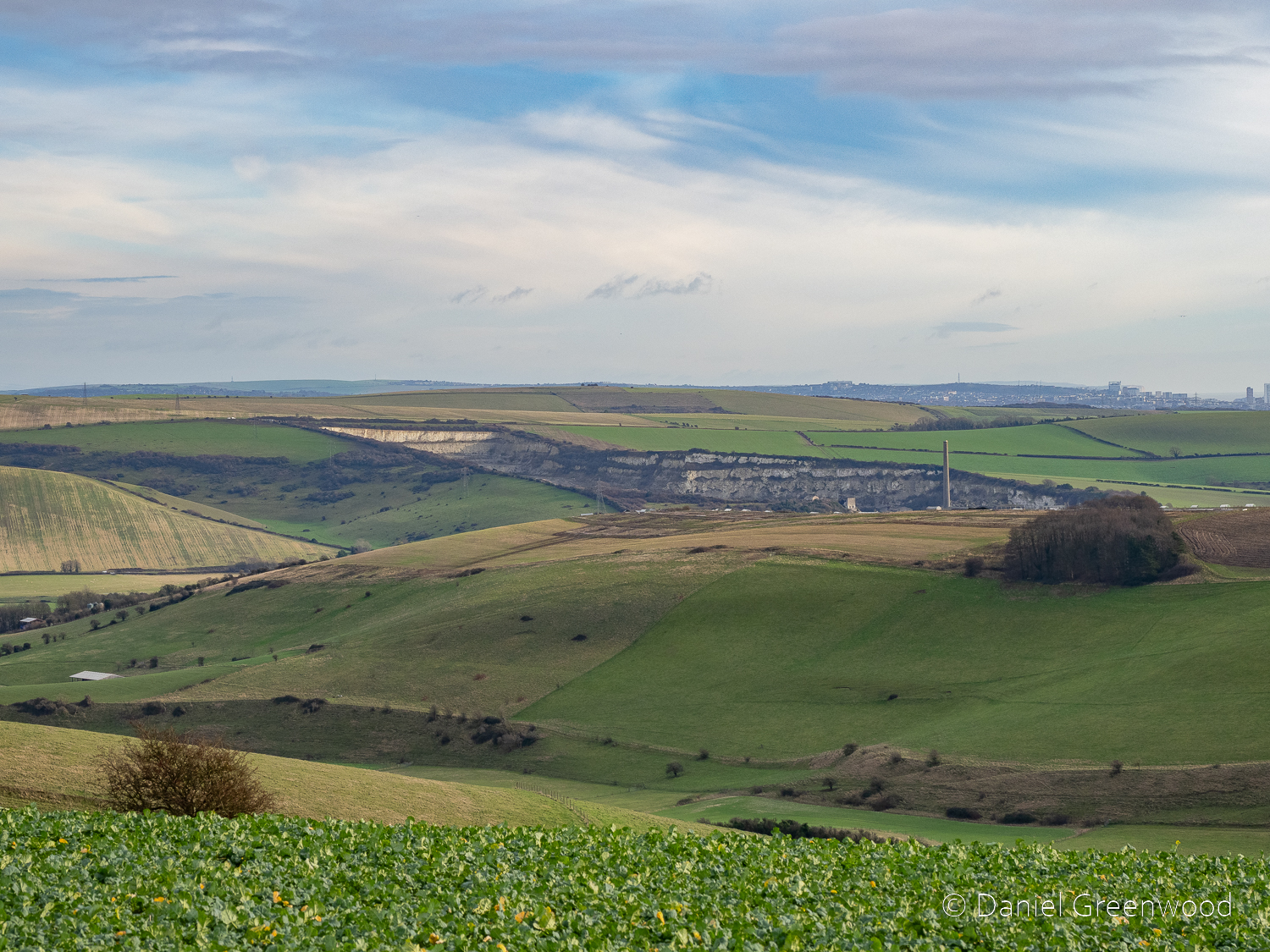
Beyond the crop a rupture in the chalk where the Shoreham cement works pipes up.

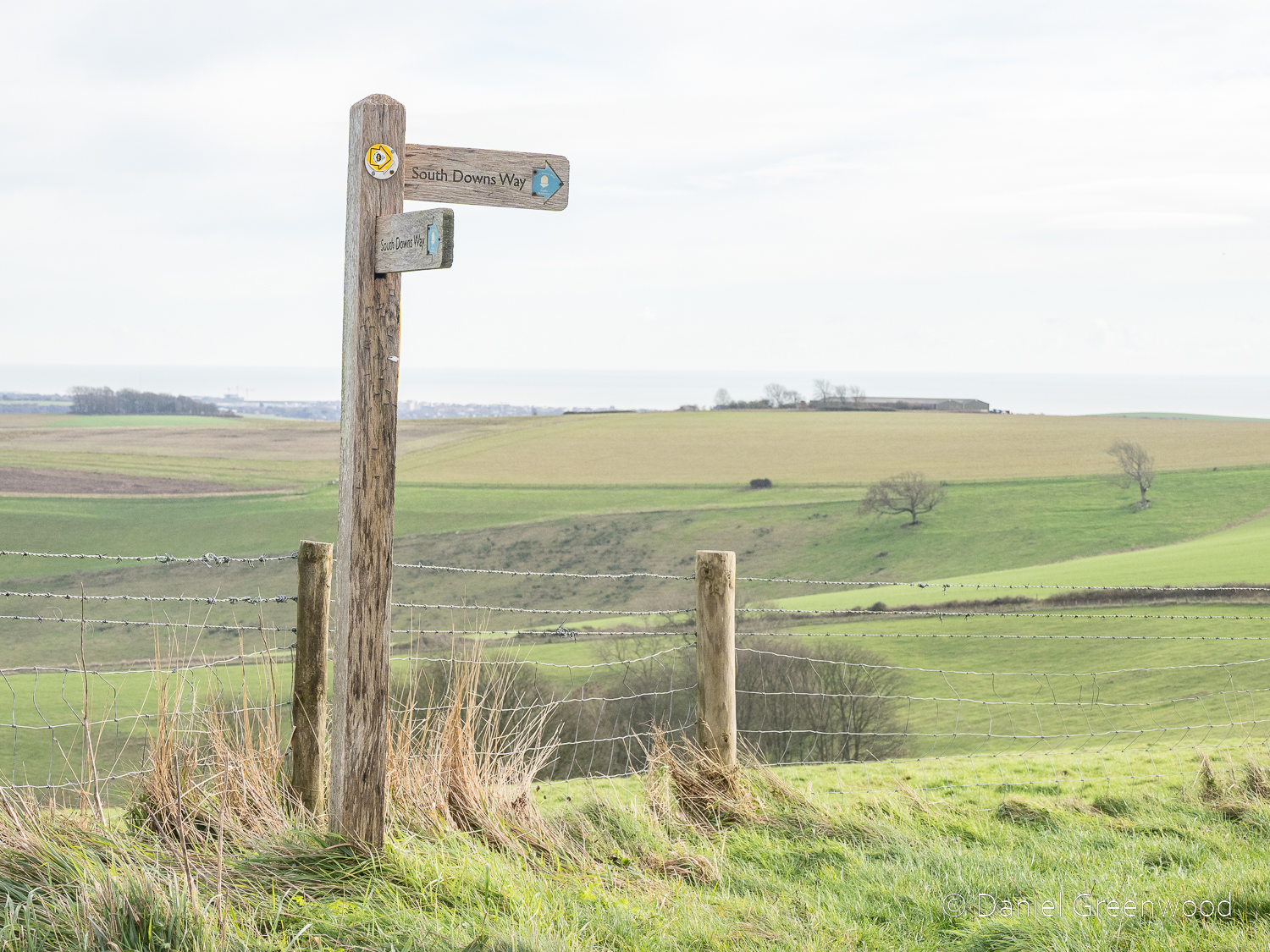
These wonderful fence posts are plopped into place by the rangers, the volunteers or the rights of way team from the National Park. The kindness of fingerposts.

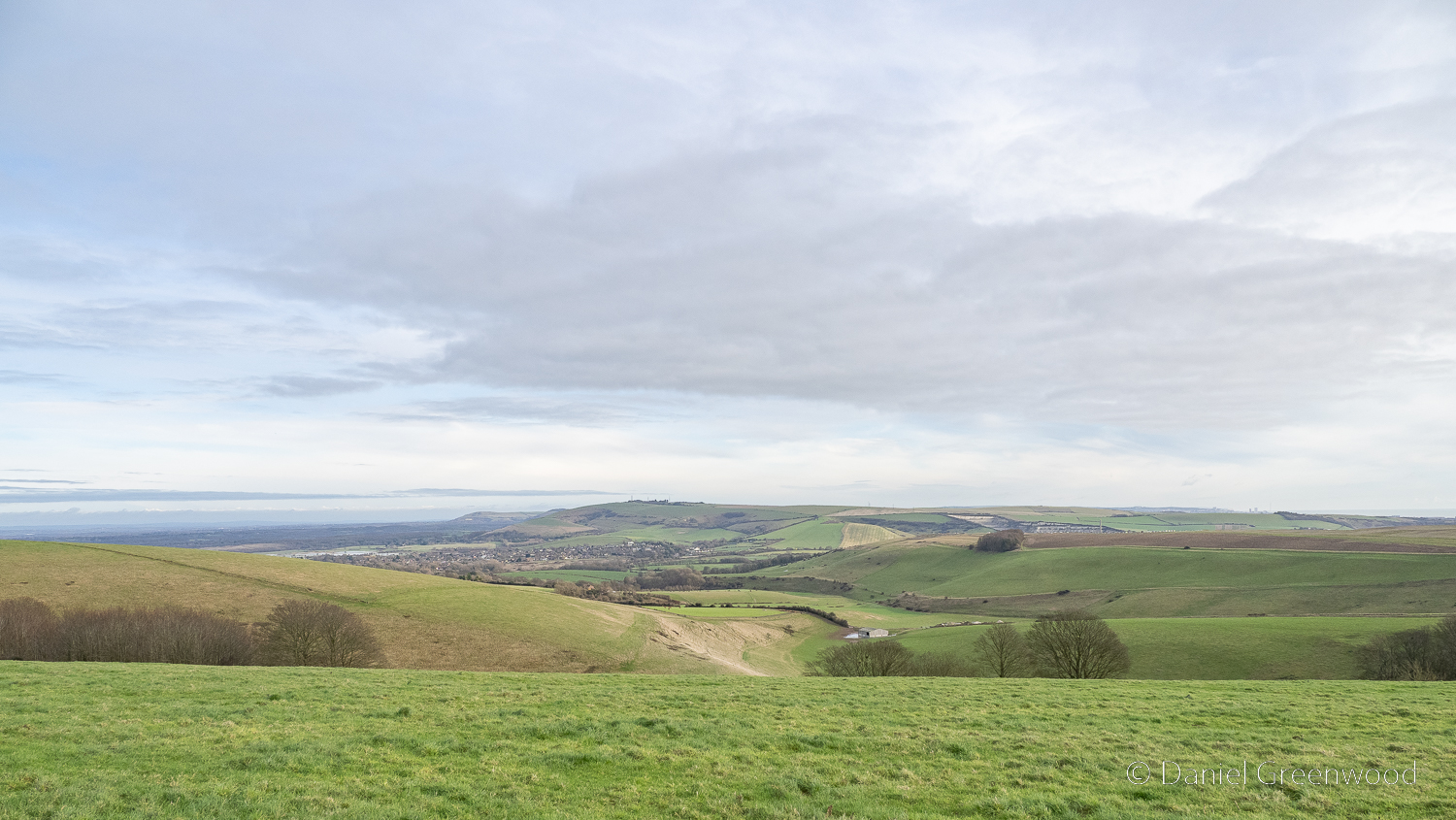
The sheer openness of the Downs and its skies. The memories of these wide open spaces can stay with you for years, the very essence of why people deserve the right to pass along these ways.

Zooming in on Truleigh Hill – what is cloud, hill or perhaps even the sea? The eye plays tricks.

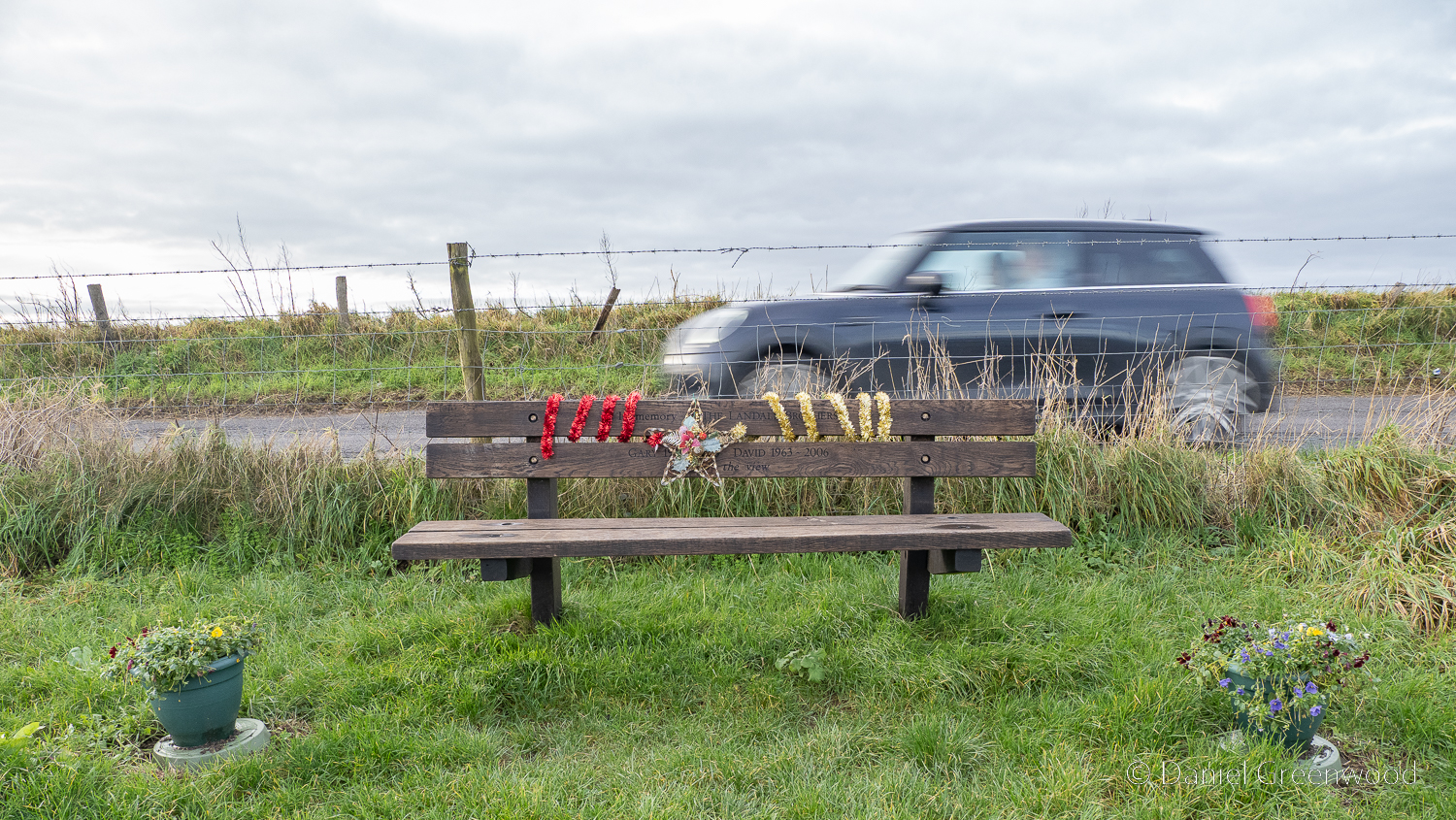
A memorial to two brothers who passed in their thirties and forties, replete with tinsel and flowers potted on either side. A Mini spinning by in the lane behind.

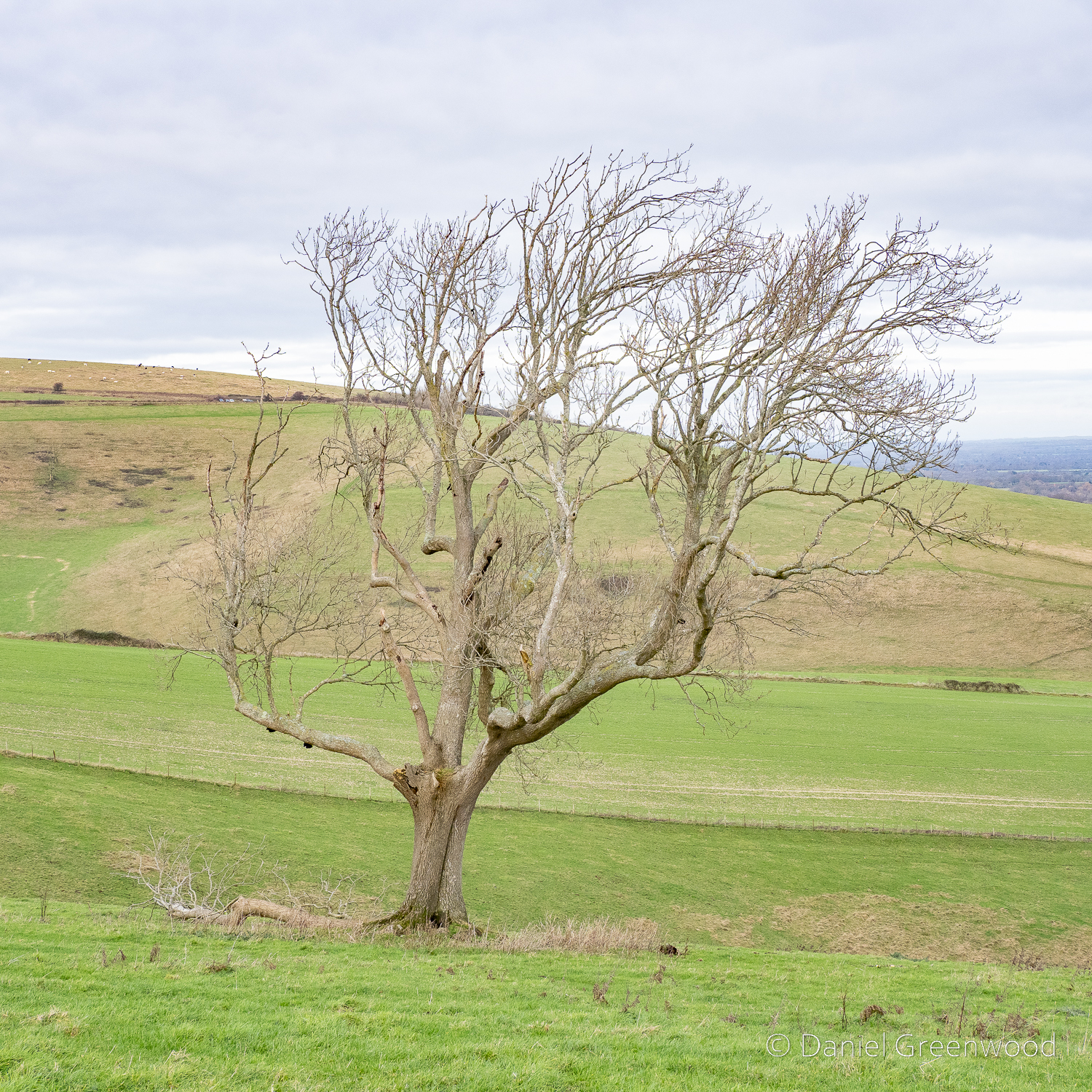
Another ghost of the Downs – an ash tree dying from the disease. One limb has fallen and more will follow in the winds. If you look closely you can see the remains of what are probably shaggy bracket fungi. Fear not, there is hope for ash trees in Britain.

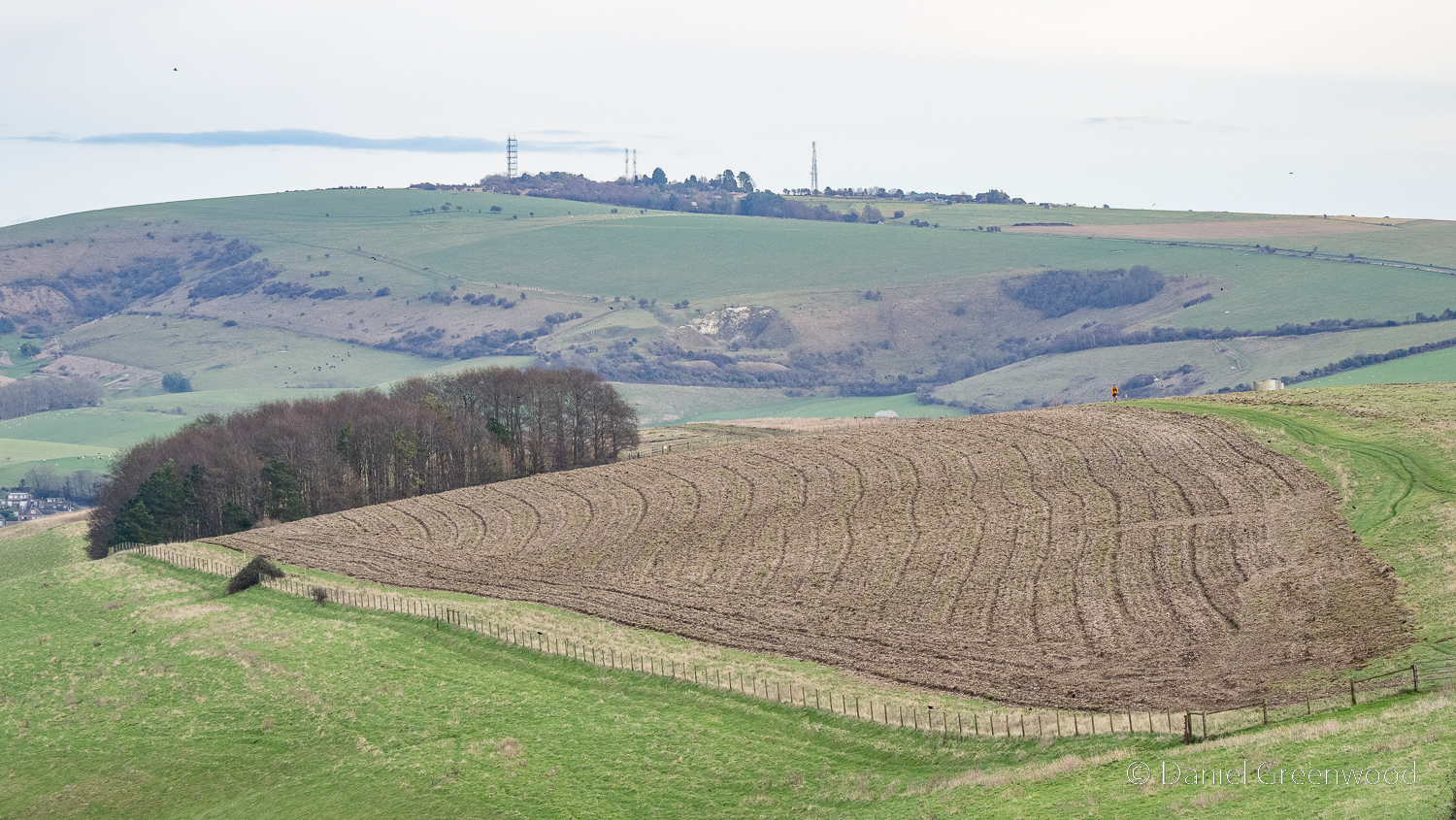
Tilled fields, with Truleigh Hill edging closer, though it’s not part of this walk. The copse of beech trees is likely to shelter pheasants bred for shooting, a common economic activity in the South Downs, and not without its problems. Unfortunately it appears that the persecution of birds of prey (often linked to shooting estates) is rearing its head in the South Downs National Park.

Chalk flints clawed to the surface at the edge of some of the ploughed field the South Downs Way passes.

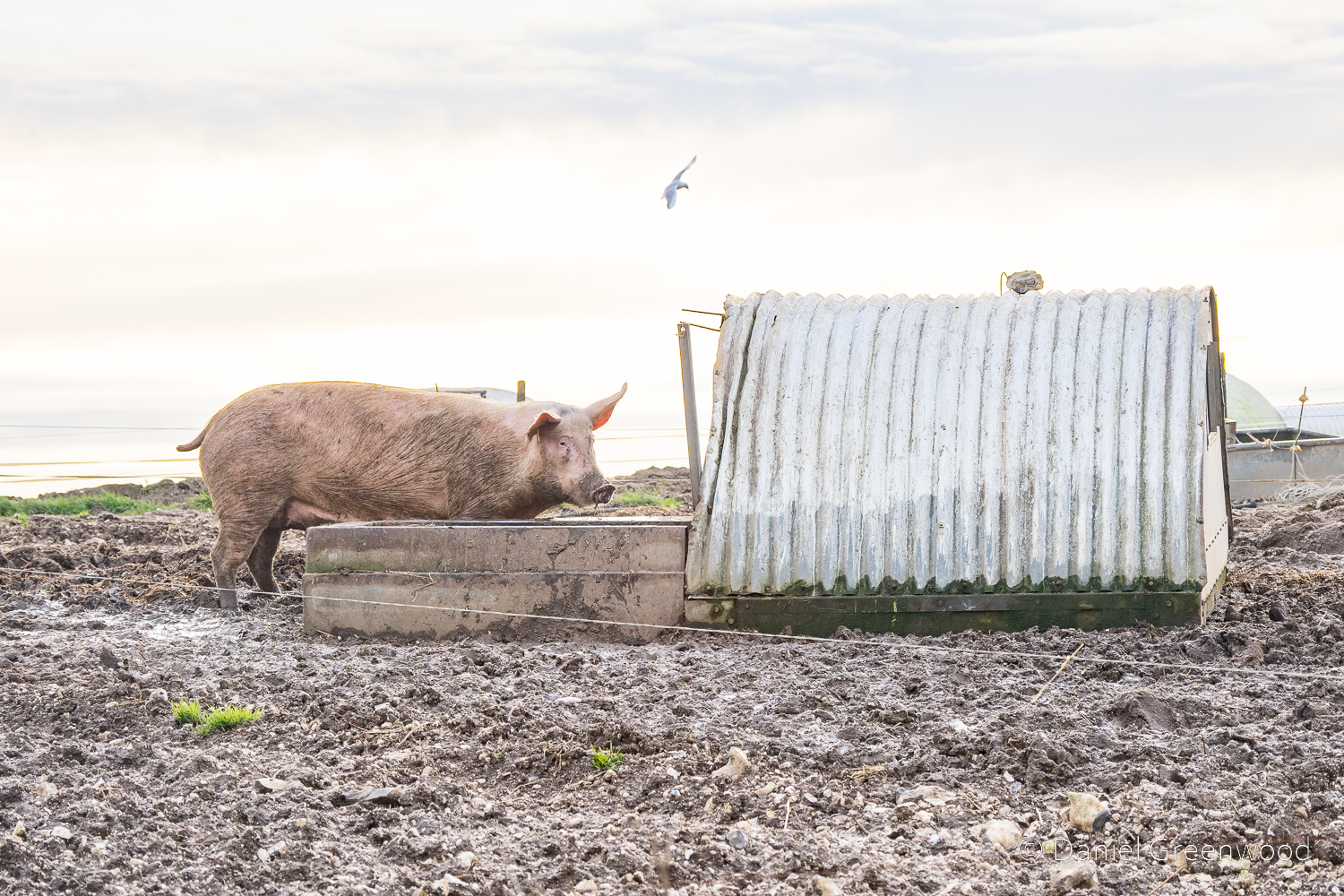
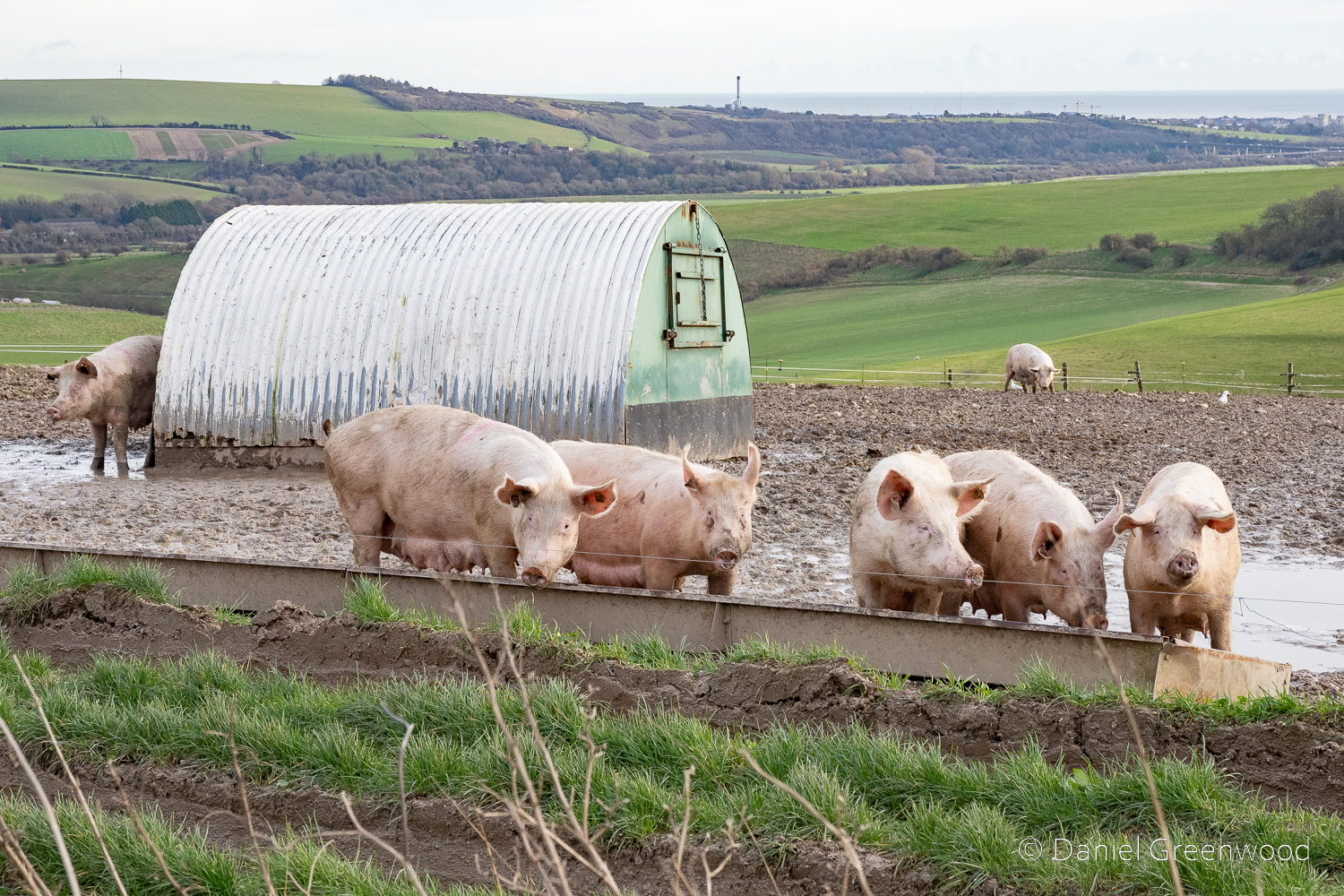
Peaks and troughs! One unmissable part of this walk (in many senses) is the pig farm right next to the South Downs Way. A man was piling up hay for the pigs and from a distance I heard him call one a ‘f***ing c**t’.

‘Really, us?’ they ask.

The windfarm once again comes into view with Lancing College, a boarding school, rising above the trees at the edge of the Downs. When I was a kid and misbehaving my parents would threaten to send me to boarding school. Now I realise they could never have afforded it! Bravo, mum.

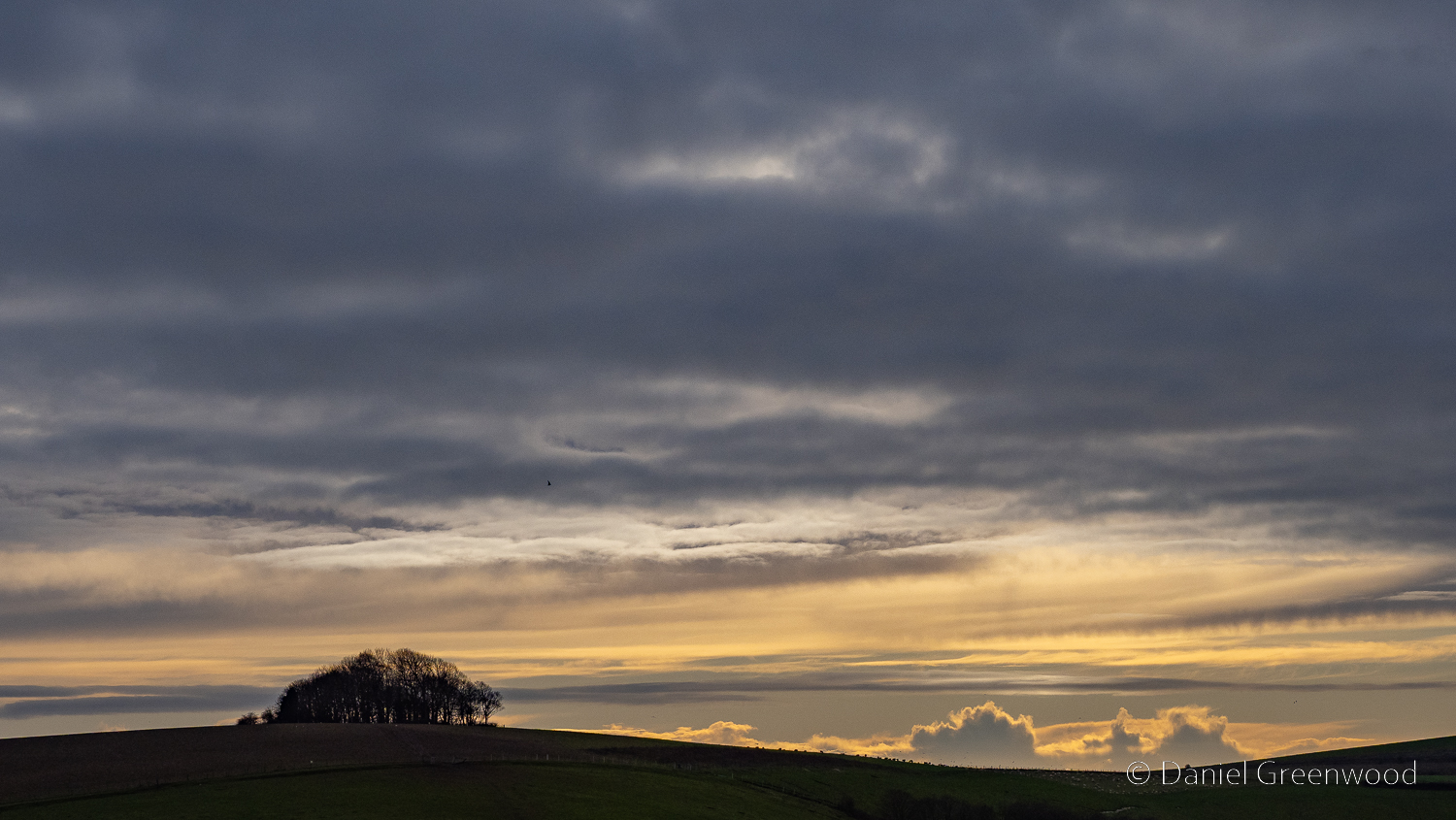
I’ve reduced the exposure on this photo to bring out the mood in the sky. Another pheasant copse on the hilltop?

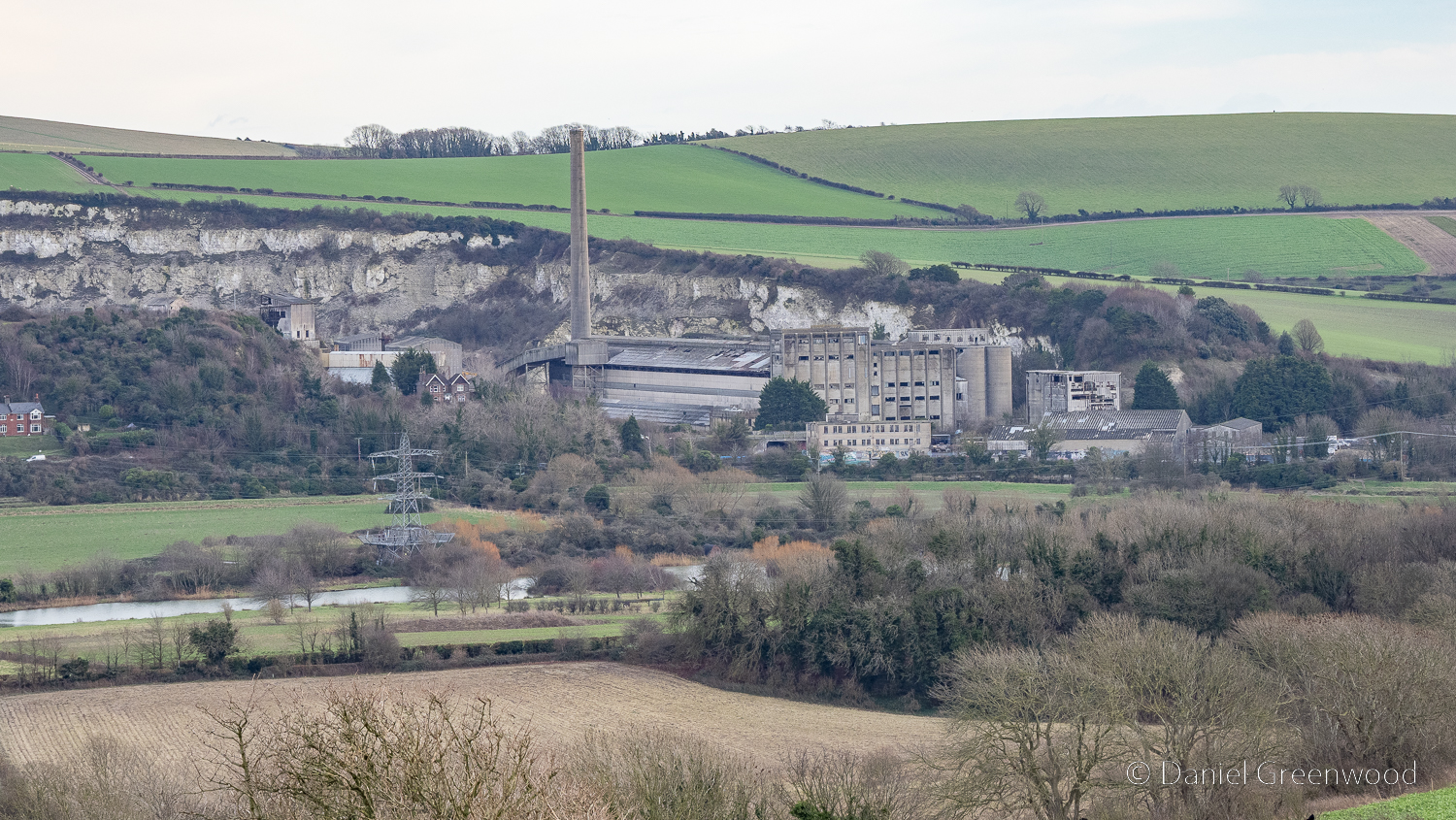
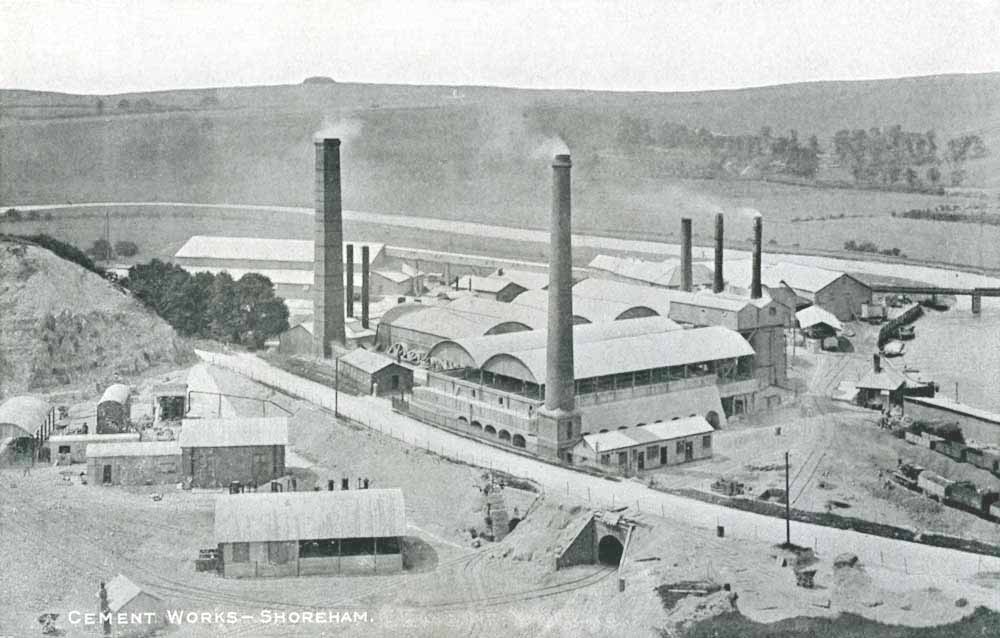
Shoreham cement works is built into the site of an old chalk quarry, which dates back to the 18th century. It’s on the market for housing as of October 2025.

This pre-1950s photo wasn’t one I took, but it shows the cement works before they were rebuilt into the Soviet-esque version currently standing. This article has a lot of interesting information and old photos looking at the history of the place.

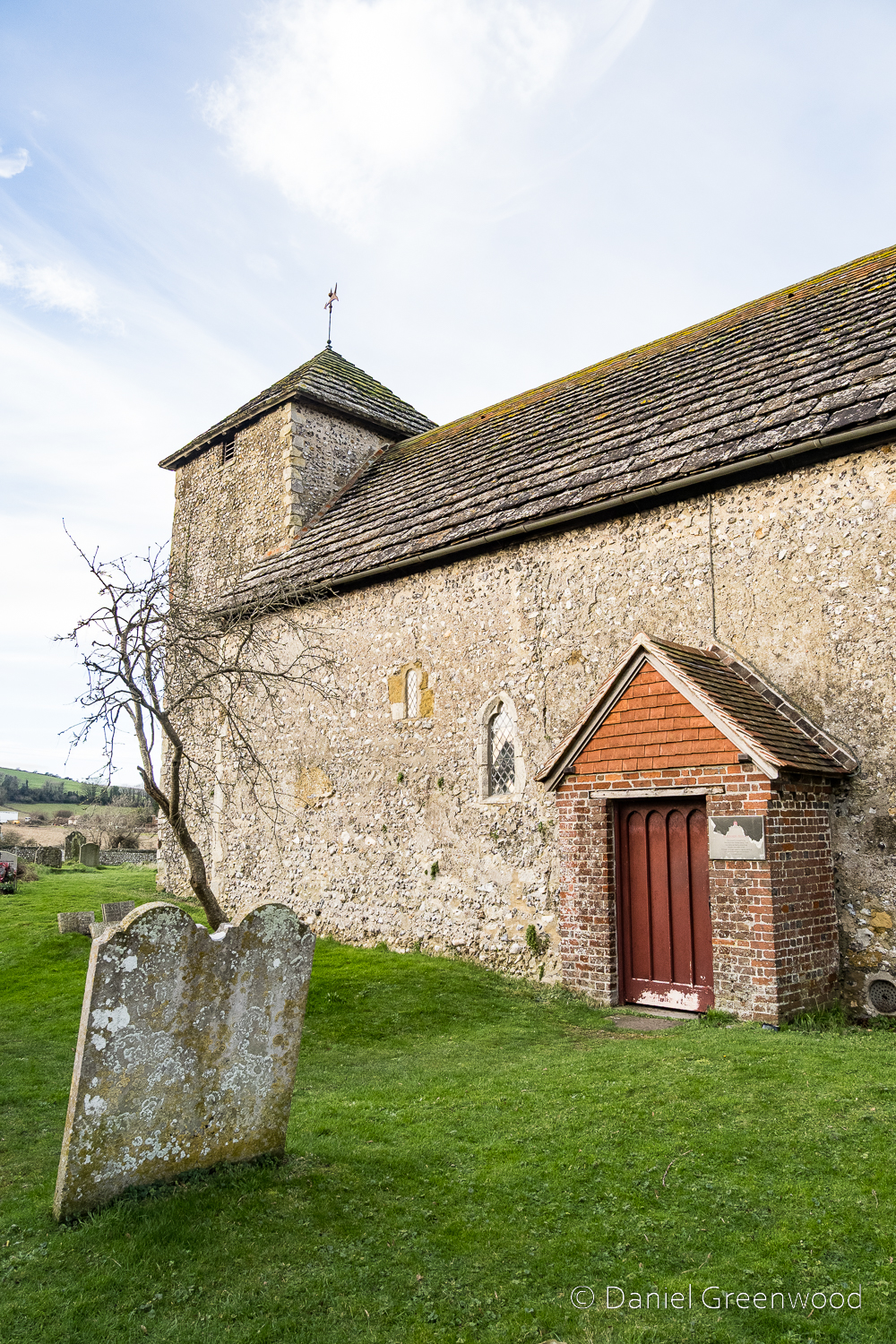
St. Botolph’s Church is one of the oldest in Sussex, dating back to pre-Norman England. St. Botolph is a Saxon Saint associated with river crossings. The Sussex Parish Churches website points out that the village connected to the church ‘was an important port on the lower Adur until the sea receded after about 1350’. I enjoy the lichens growing on this old metal sign.

Dating from around 950, St Botolph’s was built near one of the first industrial trade routes in Britain, a Roman road along which tin was carried from the Cornish mines to the East Sussex seaport of Pevensey. Two thousand years on, and industry still stamps its mark in this book of rural West Sussex, with the railway line and modern cement works visible just a few hundred metres away.

Gail Simmons, Between the Chalk and the Sea: p.157

We’ll get to that railway line in a little bit, but after being out in the cold January air, it was nice to find a sheltered place to sit for a little while.

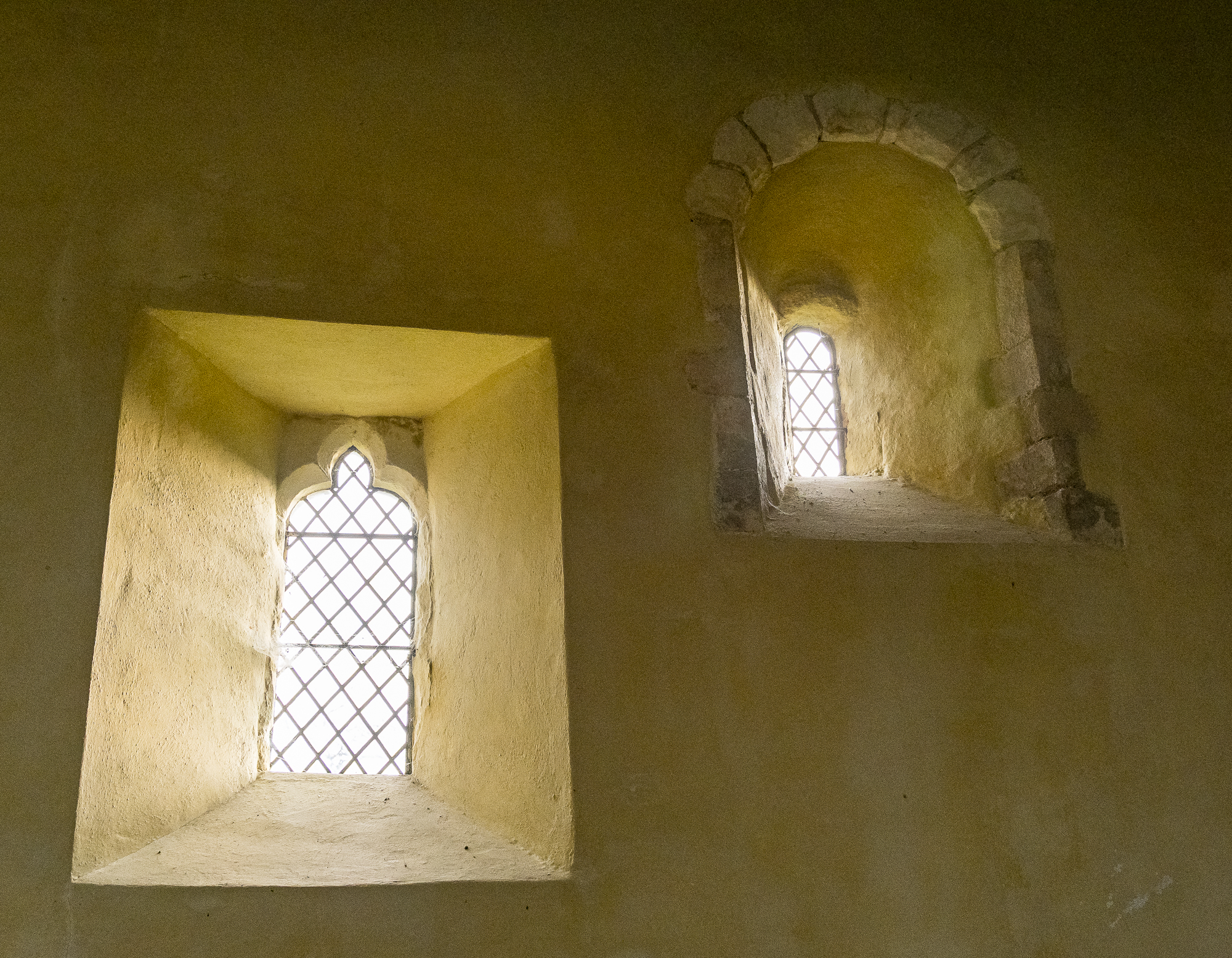
There’s a window that dates to the Saxon period at St. Botolph’s, which to me feels more mysterious than the much earlier Roman occupation (AD43-400). My guess would be the ’round-headed’ window in the top right here is the Saxon one, as per the official descriptions.

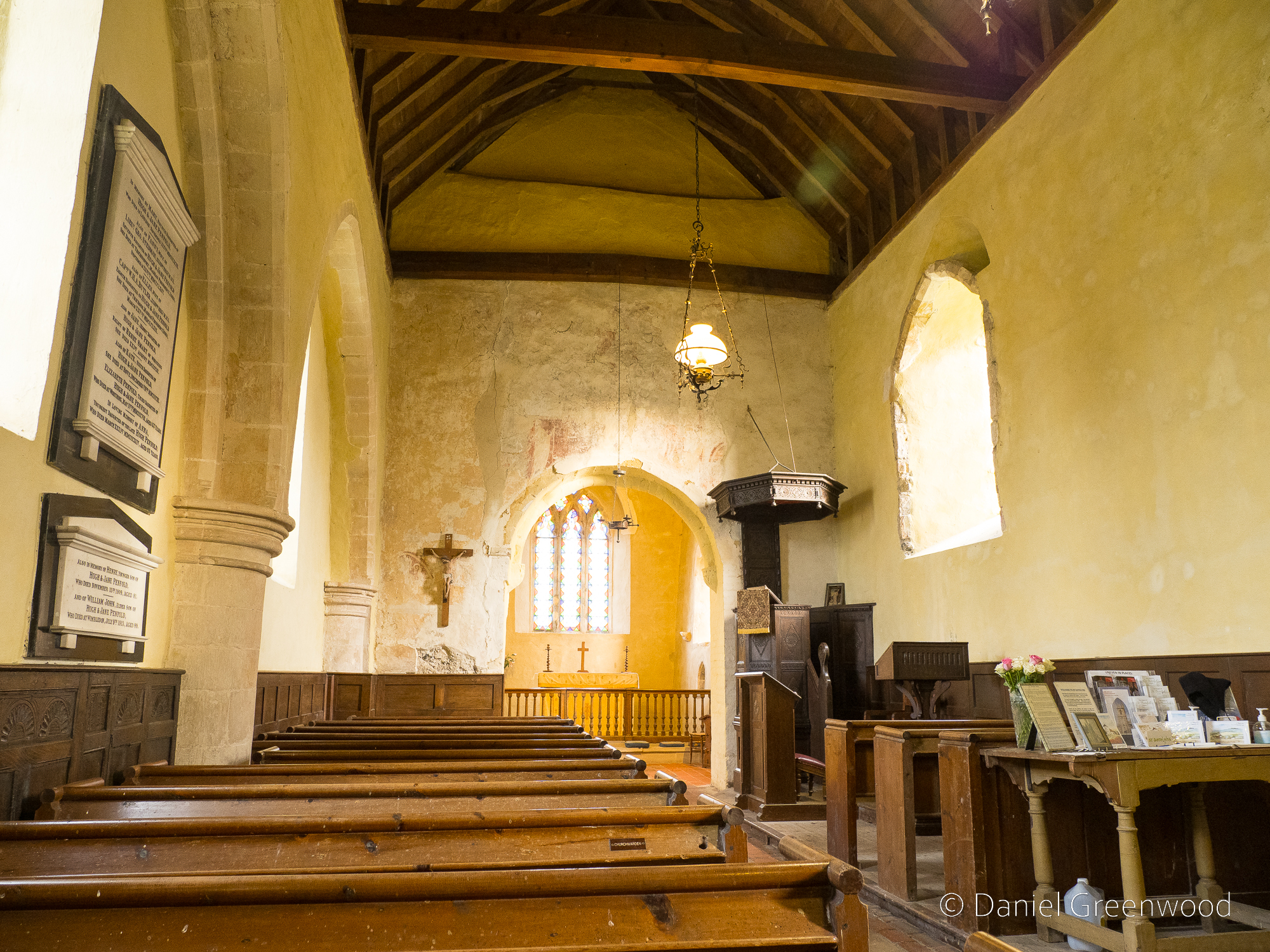
This should give a sense of the shape and colour of the interior. The nave and chancel also date to Saxon times.

The paintings at St. Botolph’s are subject to debate, and are hard to see. They could be part of an unproven ‘Lewes Group’ of wall paintings, with some potentially dating back to the 10th century (scroll down for more detail here).

St. Botolph’s is a magnificent little church with thousands of years of history packed into its flinty walls. You can see my church galleries here.

A helpful guide to what’s possible on the South Downs Way. I took the broken route to Bramber, having travelled the 7 miles from Washington.

Sheep-marked fields where the Downs rise again above the Adur, towards Truleigh Hill and then Devils Dyke.

An indicator of what is to come when you descend from the Downs into the Low Wealdoak trees. This was the only one I saw on this rather treeless walk. There should really be an owl in that trunk.

While the River Adur now wends its way through to Shoreham (the cement works chimney can be seen on the left-hand side) this is where the sea once swept. The river could be travelled by boat as far as Bramber, where my walk ended.

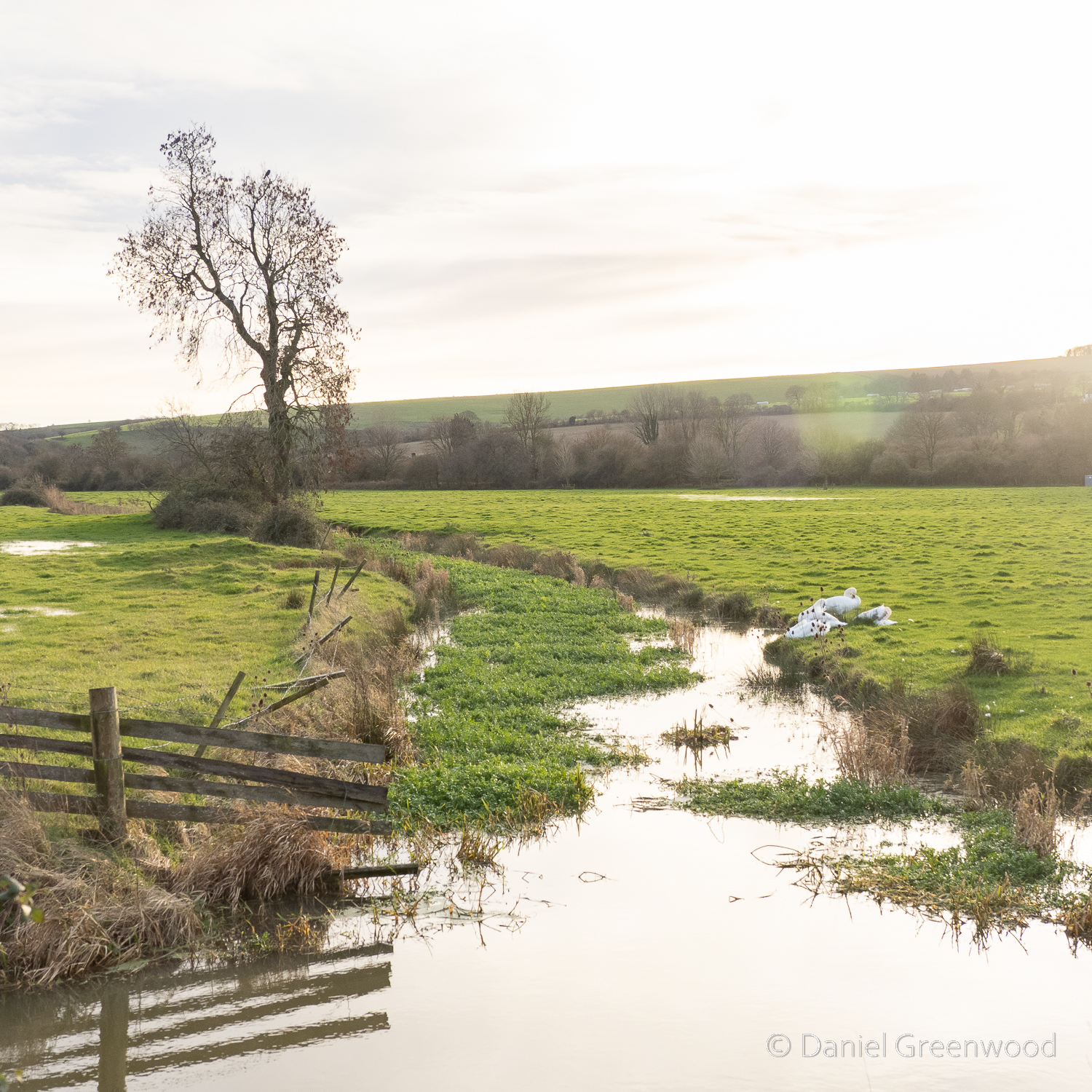
A small flock of swans roosting on the bank as the evening sun slips below the Downs. Another solitary ash tree survives here along the river. Over my shoulder the scene was far less tranquil:

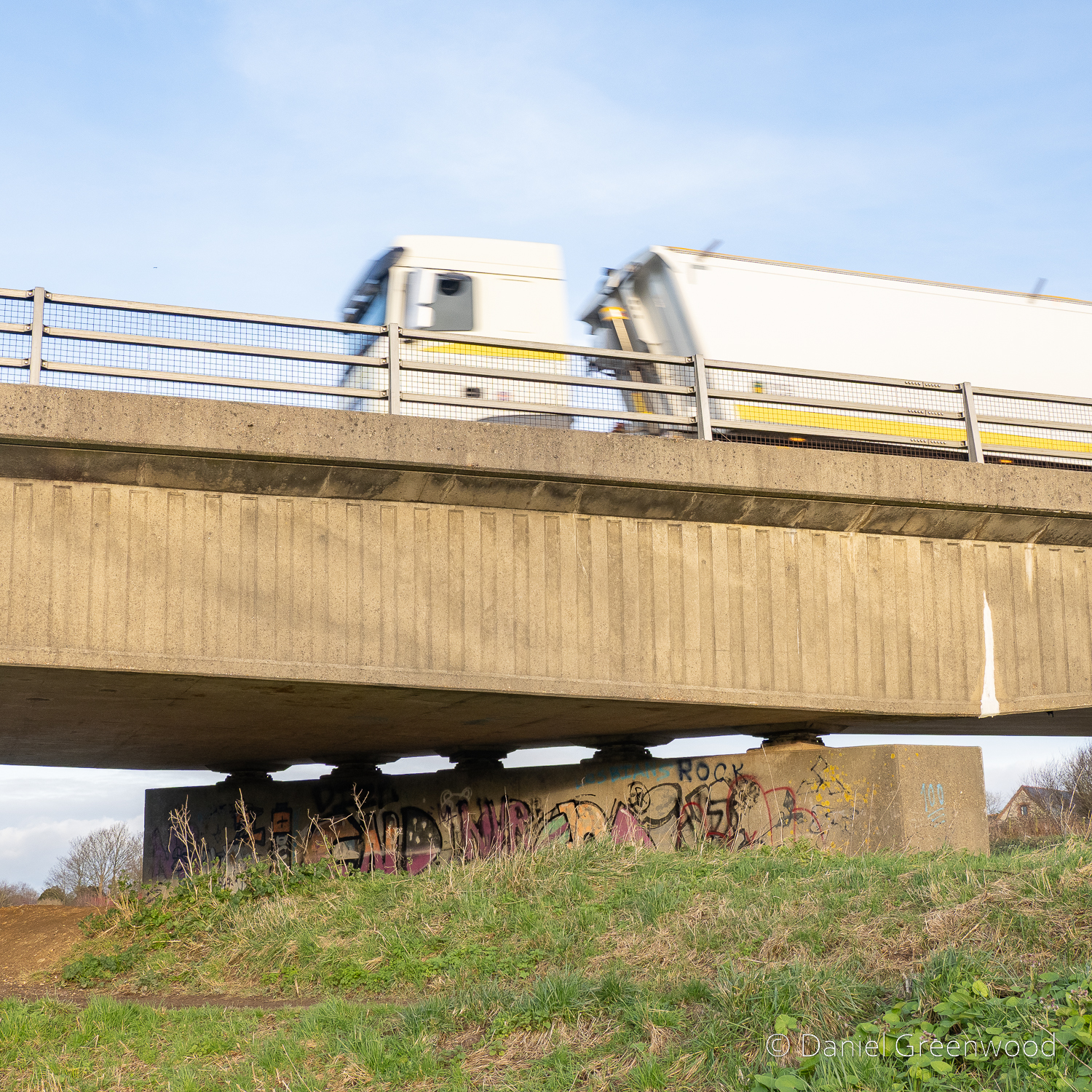
The A283 is a major connecting road between the A24 and Shoreham where it joins the A27, the road that roars at the feet of the Downs for many miles.

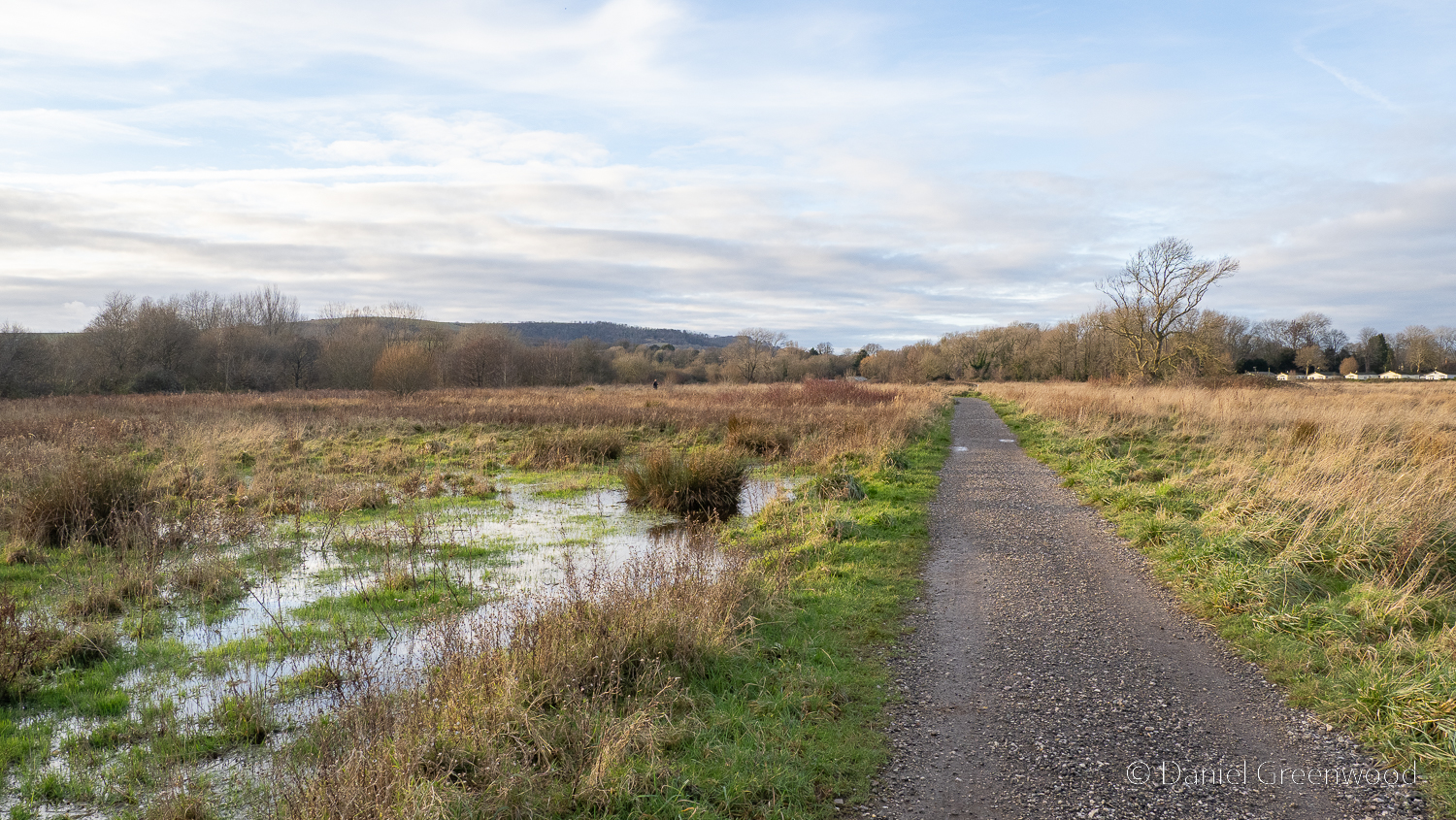
The path through the wet grassland to Bramber. It amazes me to think the sea once reached this far. But that’s not the only ghostly presence haunting these marshes.

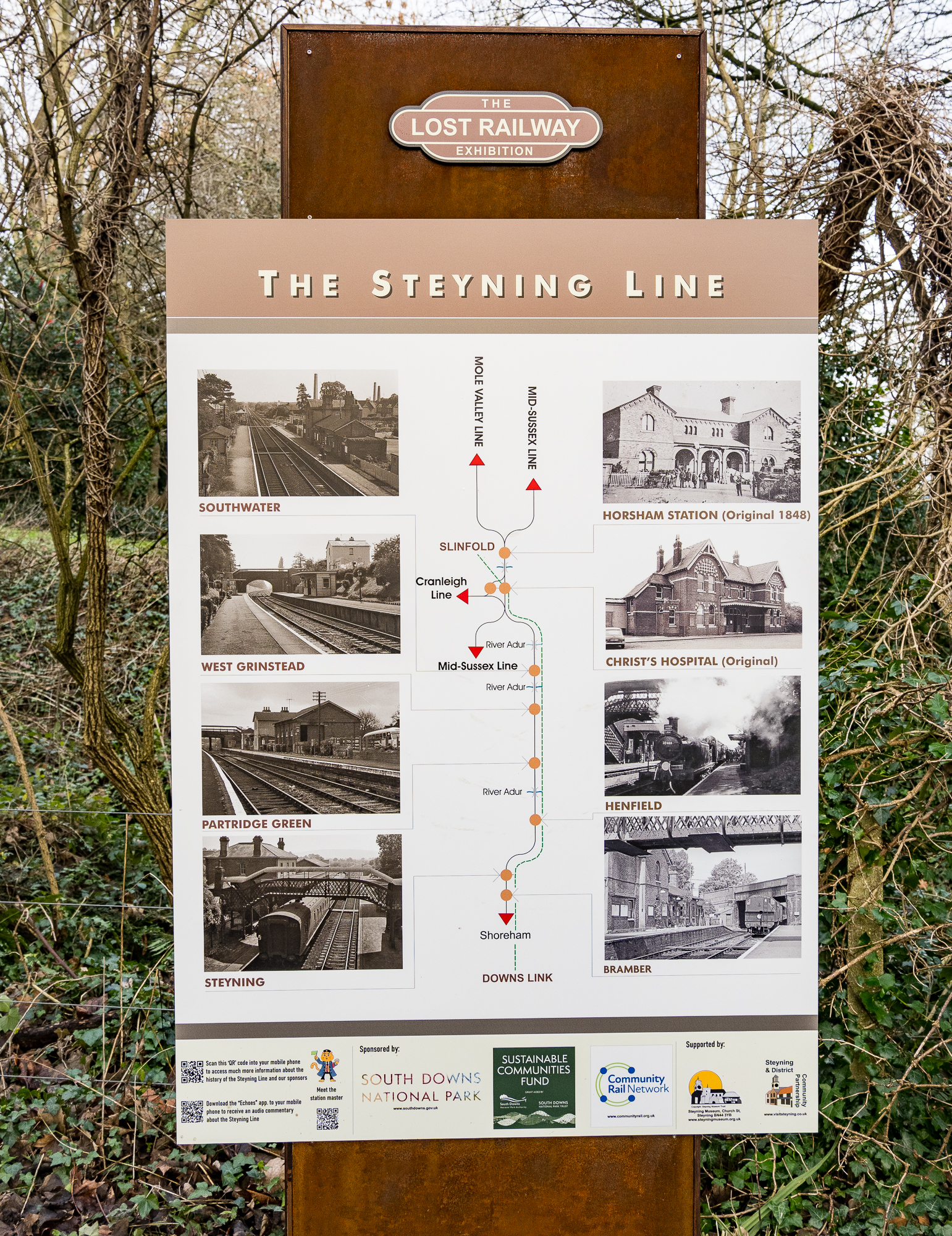
More recently this was the course of the Steyning Line, a railway now converted to an accessible walking and cycling path between Guildford and Shoreham. I was surprised to read that railway enthusiasts want to bring this line back. But for a photo caption, the article includes no mention of the fact this is now the Downslink path, one of the only truly safe long-distance walking and cycling routes in the area.

Bramber’s St. Nicholas Church as seen from the old railway path. The remnant wall above is one of the only remaining parts of Bramber Castle, with both the castle and church dating to the 11th century after the Norman Invasion of 1066. The castle has was a motte and bailey:

Bramber Castle was founded by William de Braose as a defensive and administrative centre for Bramber, one of the six administrative regions – each of which was controlled by a castle – into which Sussex was divided following the Norman Conquest. It was held almost continually by de Braose and his descendants from its foundation by 1073 until 1450.

Bramber Castle history webpage – English Heritage

At this point my camera battery ran out of steam, so I took a few final photos of Bramber on my Fairphone.

You can see how the raised position of the church and castle was chosen. The hills in the distance are the South Downs, to pass to the left (east) will take you to Truleigh Hill and eventually Devil’s Dyke. It’s believed Oliver Cromwell’s army set up guns on this hill during the English Civil War in 1642.

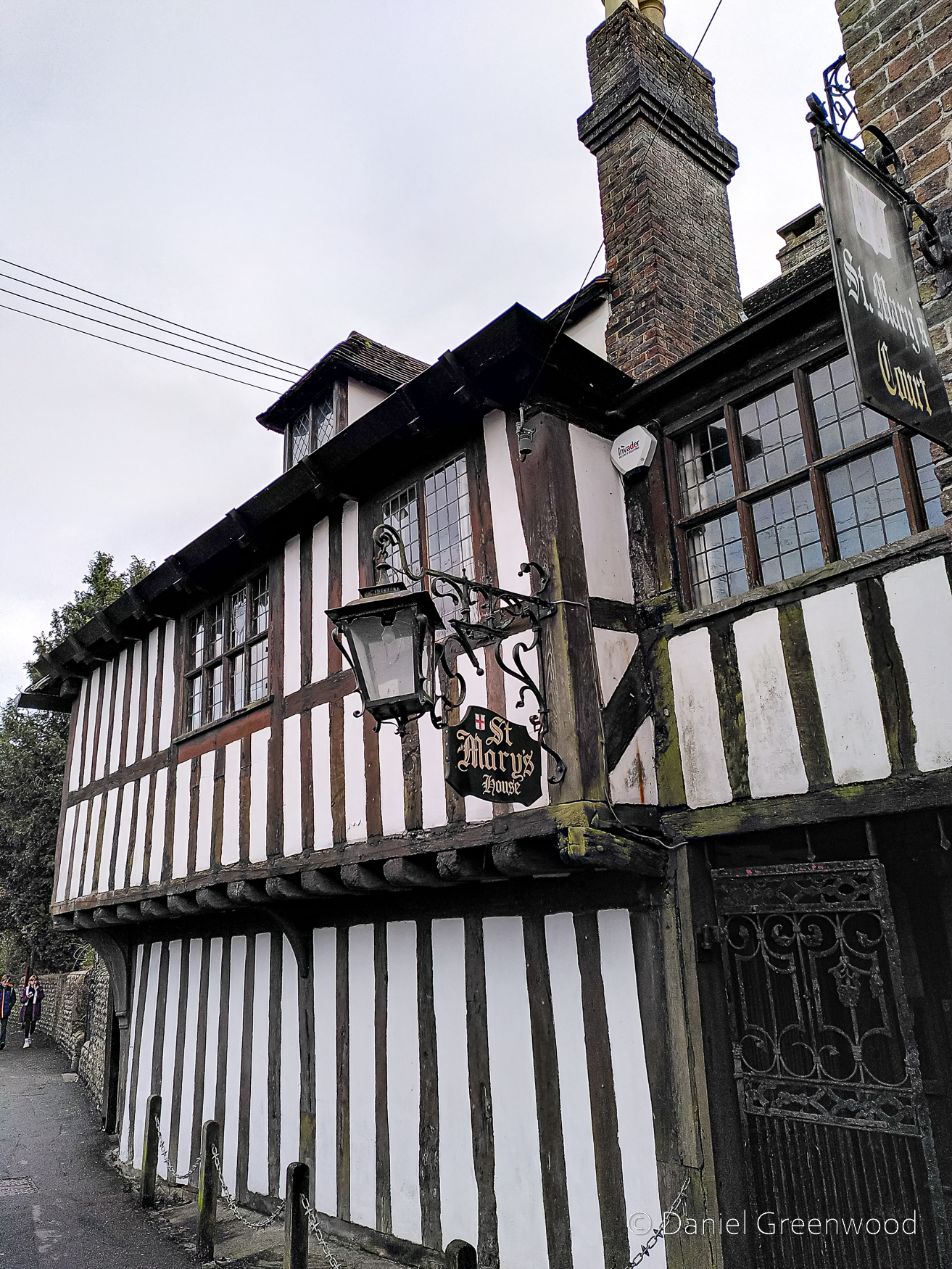
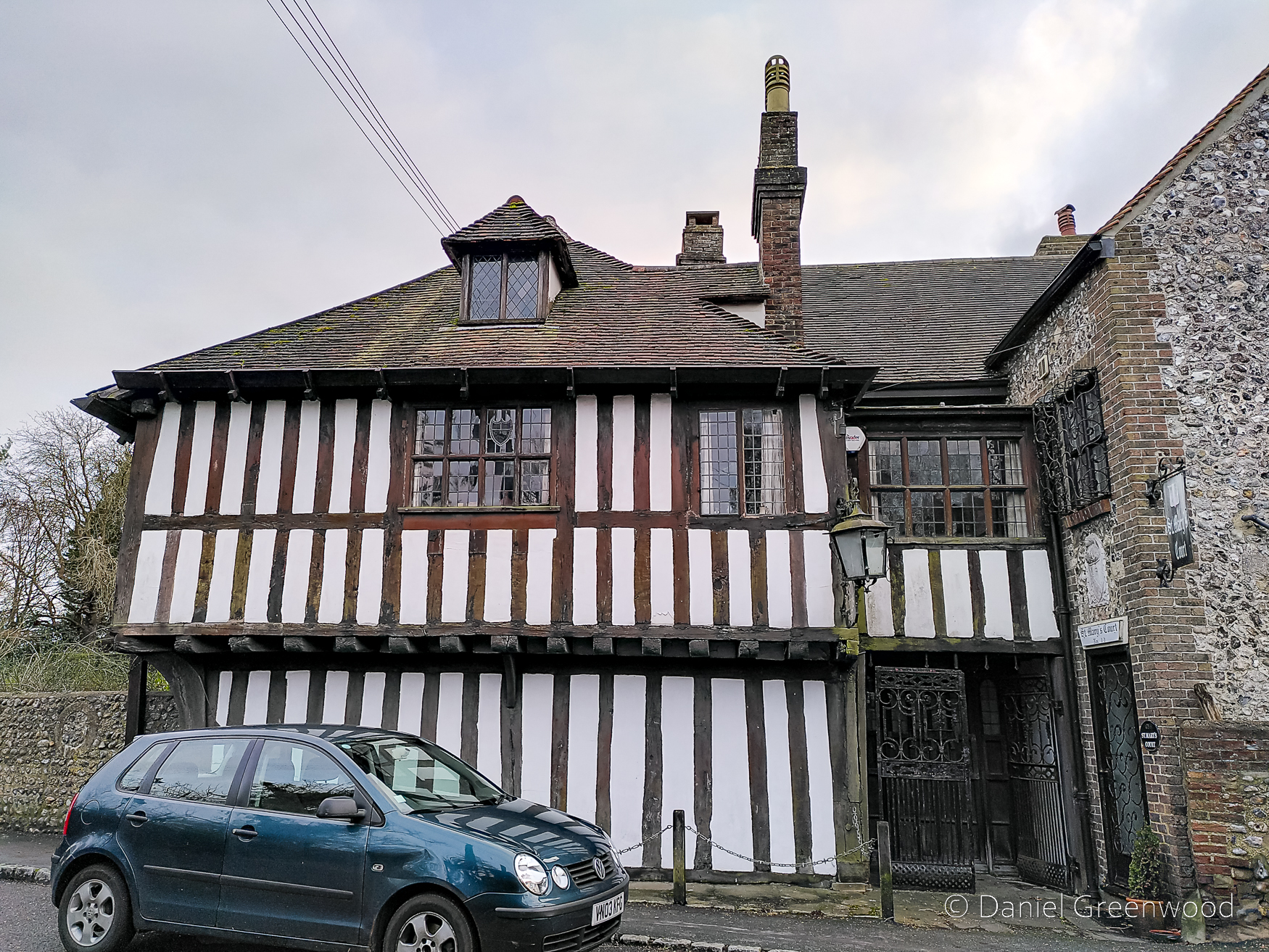
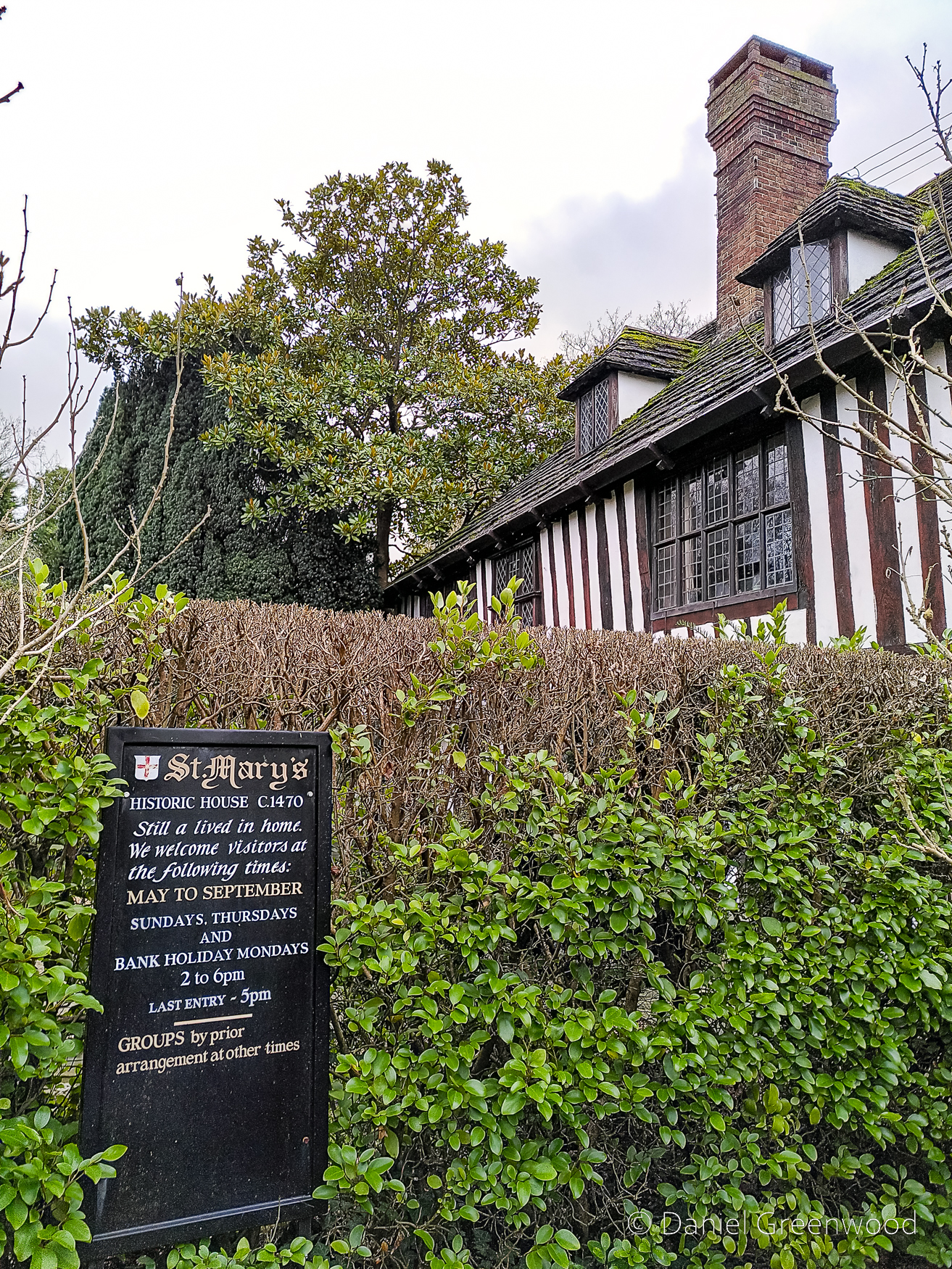
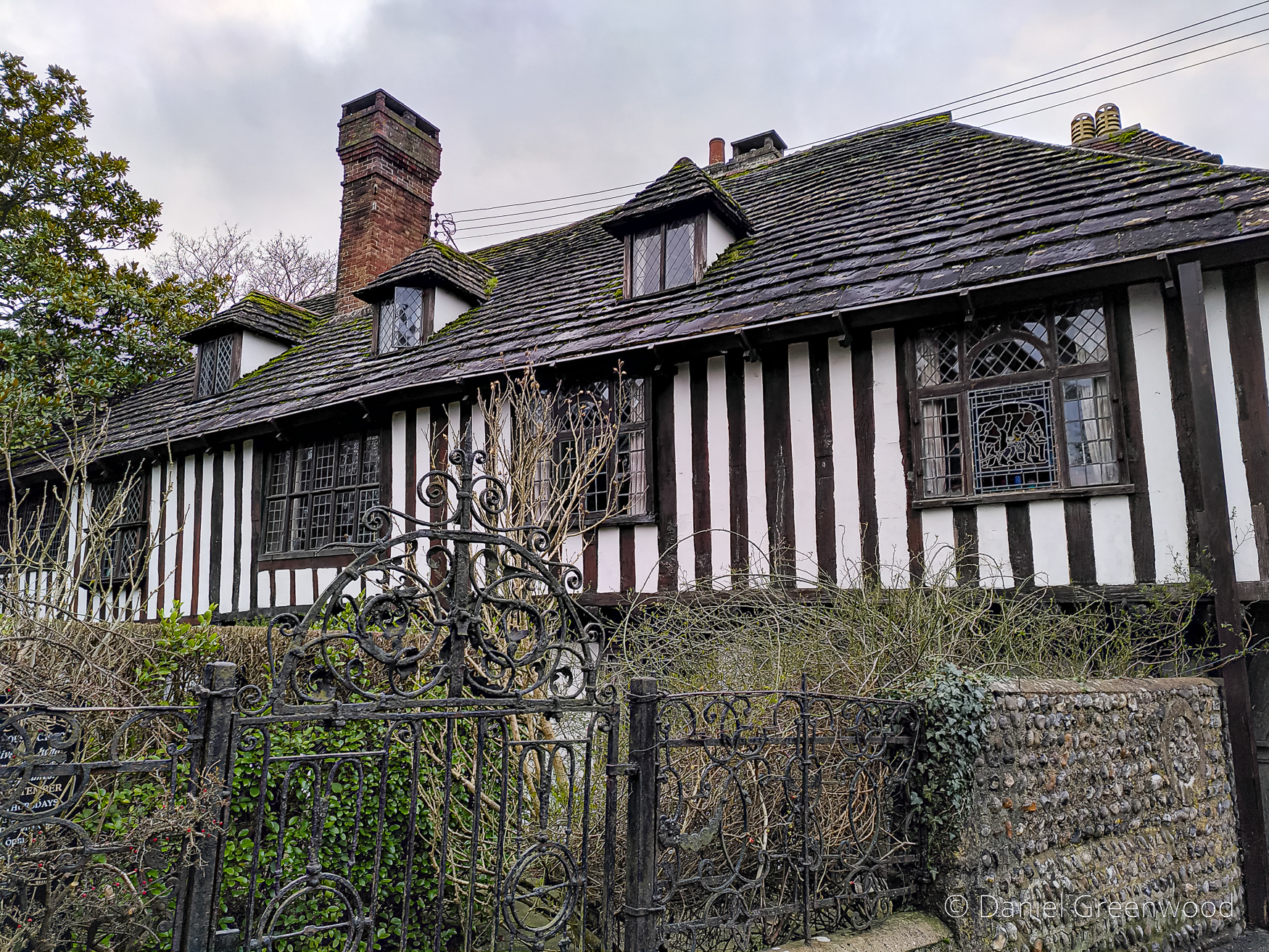
Bramber is a village of largely unspoilt brick and timber-framed buildings. I stopped off at the Bramber Hotel for a quick half before catching the bus, and encountered a wonderful oak timber-framed building.

St. Mary’s House dates back to the 12th century and is open to visitors during set periods. There’s also a tea room. There’s a nice write up of the history of the building on the St. Mary’s website, including the recent investment to bring it back to life.

Thanks for reading, it’s been a long journey.

South Downs | Sussex Weald | Oak timbers | Churches

You can support my work here

Podcast: summer fungi walk

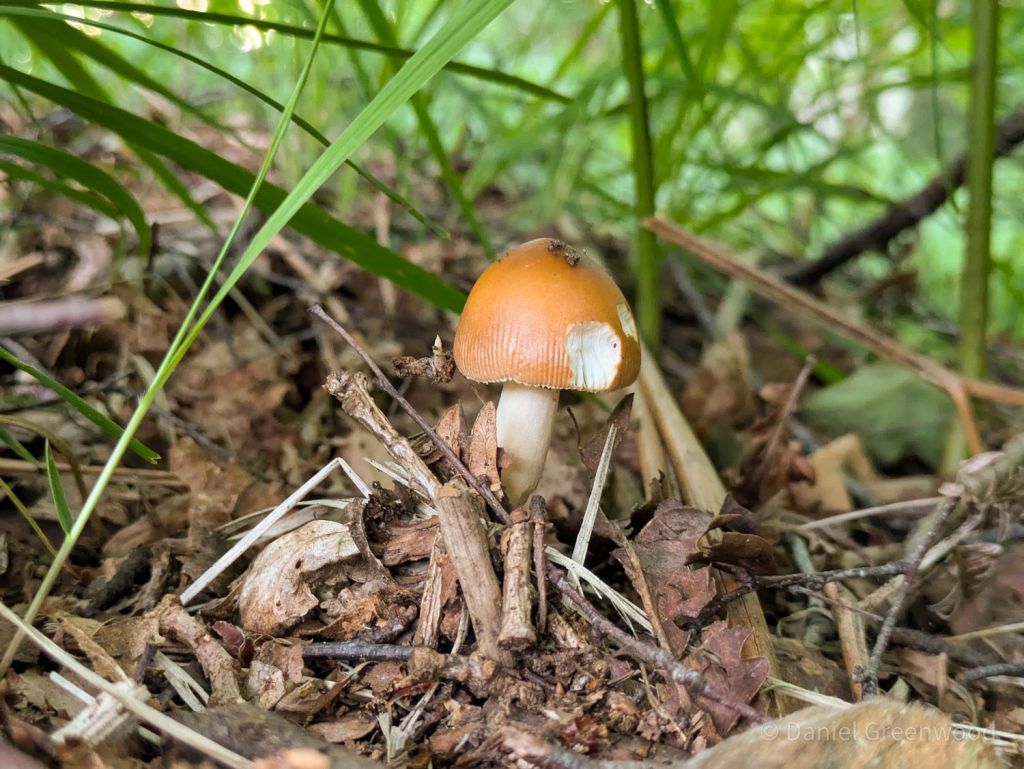
Earlier this week I went for a short walk around part of the Sussex Weald to see if any mushrooms had popped up. We’ve experienced one of the driest springs on record and the warmest June for England, as well as three heatwaves already! Me and mushrooms don’t need three heatwaves, thanks.

You can listen to my recording and all other episodes of Unlocking Landscapes here, and across all the major platforms.

Mushrooms need rain, warmth and moisture to thrive, and after a downpour earlier in the day I thought it might be worth having a look. Here’s what happened:

You can see more of my fungi blogs on Fungi Friday

Podcast | Sussex Weald | Support my work

Podcast: is ivy good or bad for trees?

I’ve started recording episodes again for my podcast Unlocking Landscapes. The latest episode is one about ivy and trees, a subject I find very interesting – I know a lot of people do.

You can listen here on YouTube or just search on any podcast-streaming platform:

The episode is only ten minutes and covers the following:

  • What ivy looks like
  • The ecology of ivy
  • Managing ivy on trees
  • Myths and misinformation about ivy
  • When people commit crimes against ivy(!)
  • Wildlife supported by ivy

My aim is to post once a quarter, recordings to take place outdoors, be quite focused and to be around 10 minutes long.

Thanks for listening!

Spring 2025 arrives

Five years ago we were facing up to the Covid-19 lockdowns. In response to the stay-at-home orders I began a weekly macro blog, an assignment from the gods? No, just our Supreme Leader at the time Boris Johnson and his better half in Public Health Chris Whitty.

While I can’t promise weekly blogs due to work and life commitments, it’s definitely time to dust off the macro lens after its winter slumber and step out into the garden to see what’s happening!

As ever, there’s far more going on than you might think. I also think it’s important that we look at and try to understand invertebrates when this misinformation is coming from the leader of the country (I know it could be worse, but get your facts straight, folks).

We depend on nature and our ecosystems and their wildlife for our food, clean water, fresh air and function. Wildlife has a right to exist and the world does not revolve around our species.

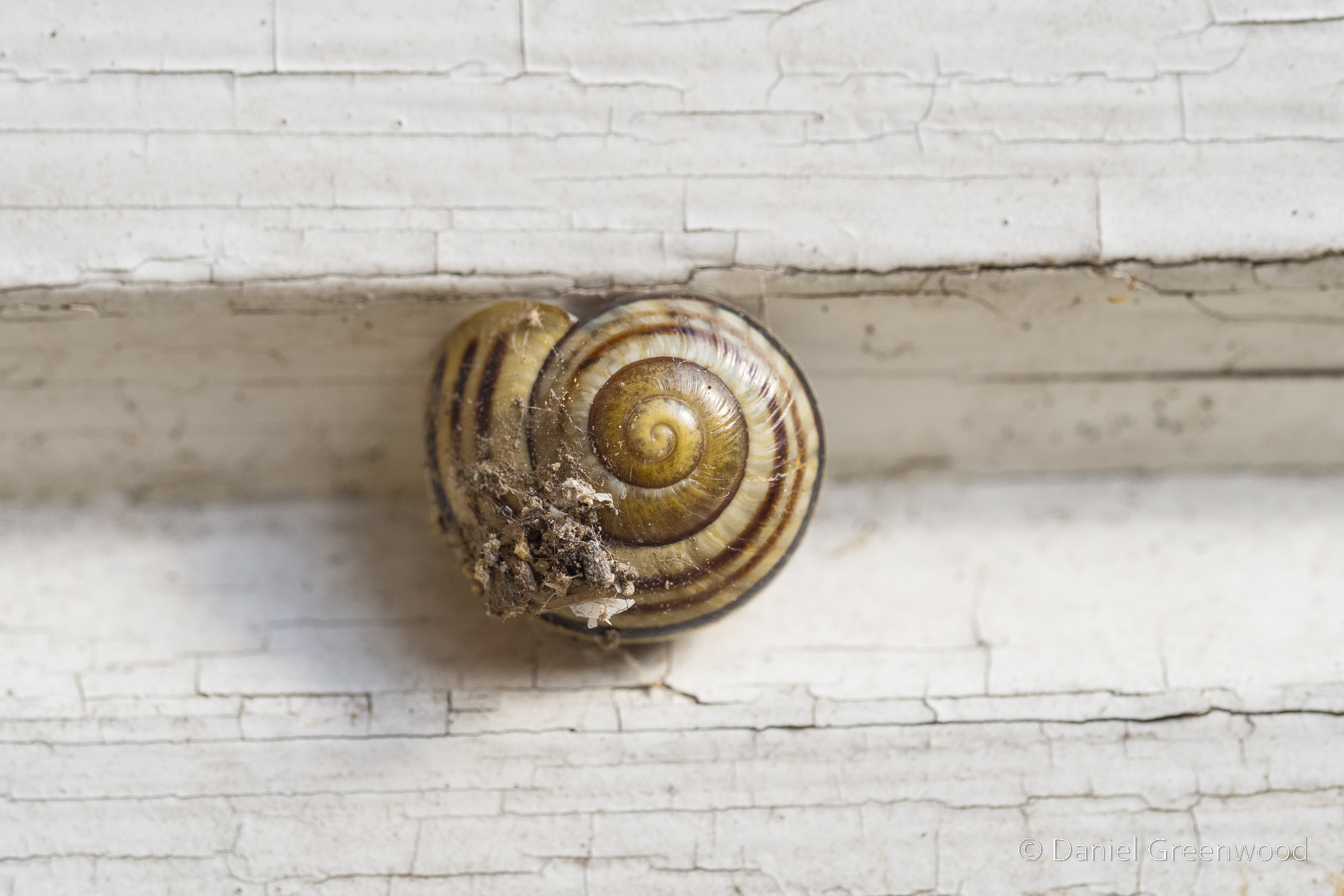
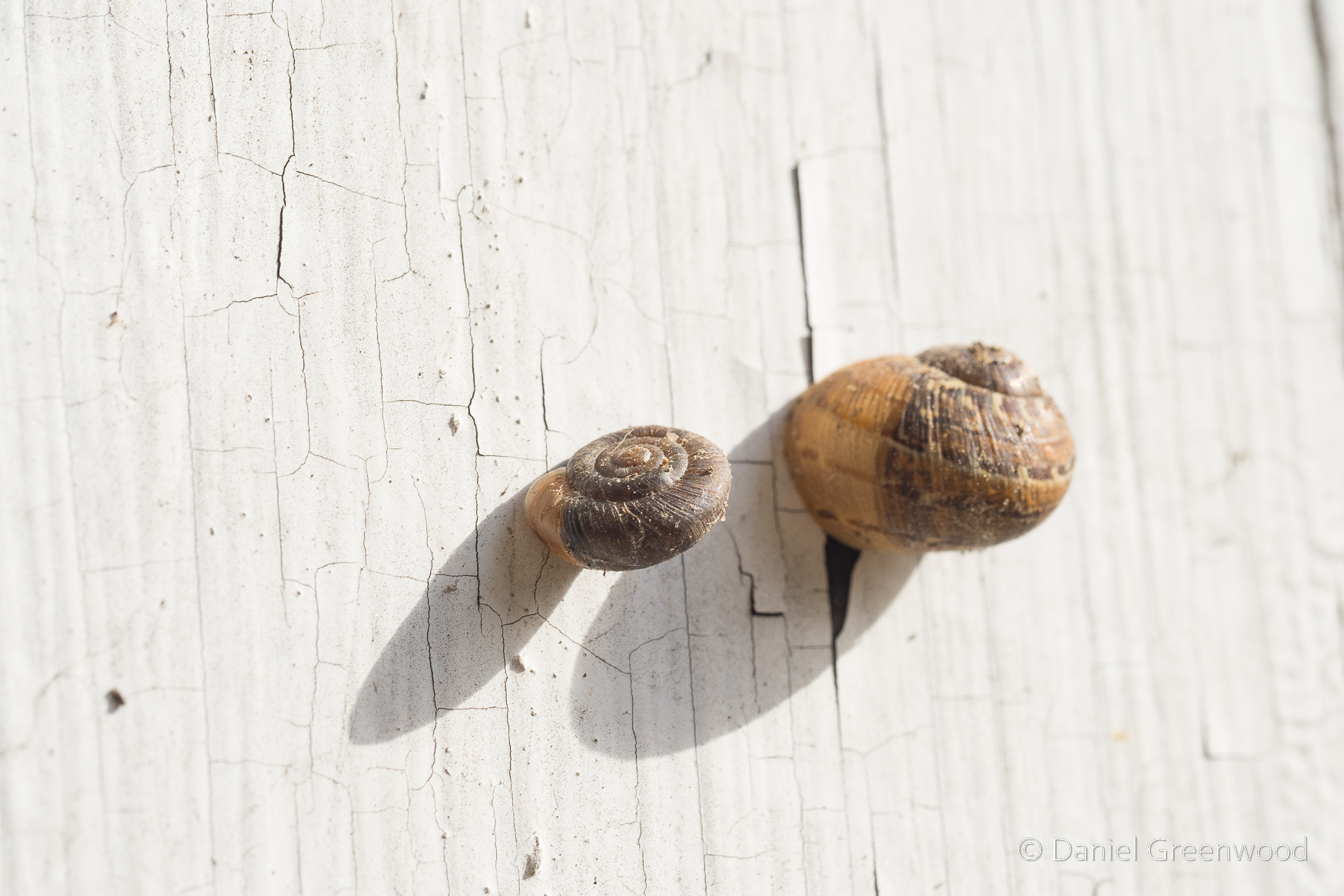
The snails are roosting in our front porch. My wife was wondering if they might be too hot there, as the paint’s white and it can get quite sweltry in there.

It looks to me like something is going on with the shells and they may be roosting to grow their shells. It’s not something I know much about. Please let me know in the comments if you have any info 🙂

We have some nice pansies my wife planted out by our front door. You can see the bee drive-in here with the dark landing marks and the brush of hairs to ensure the pollen of other pansies are retrieved from a visiting bee.

The broom plant flowers in a subtle way, these little yellow petals appearing from the red sepals.

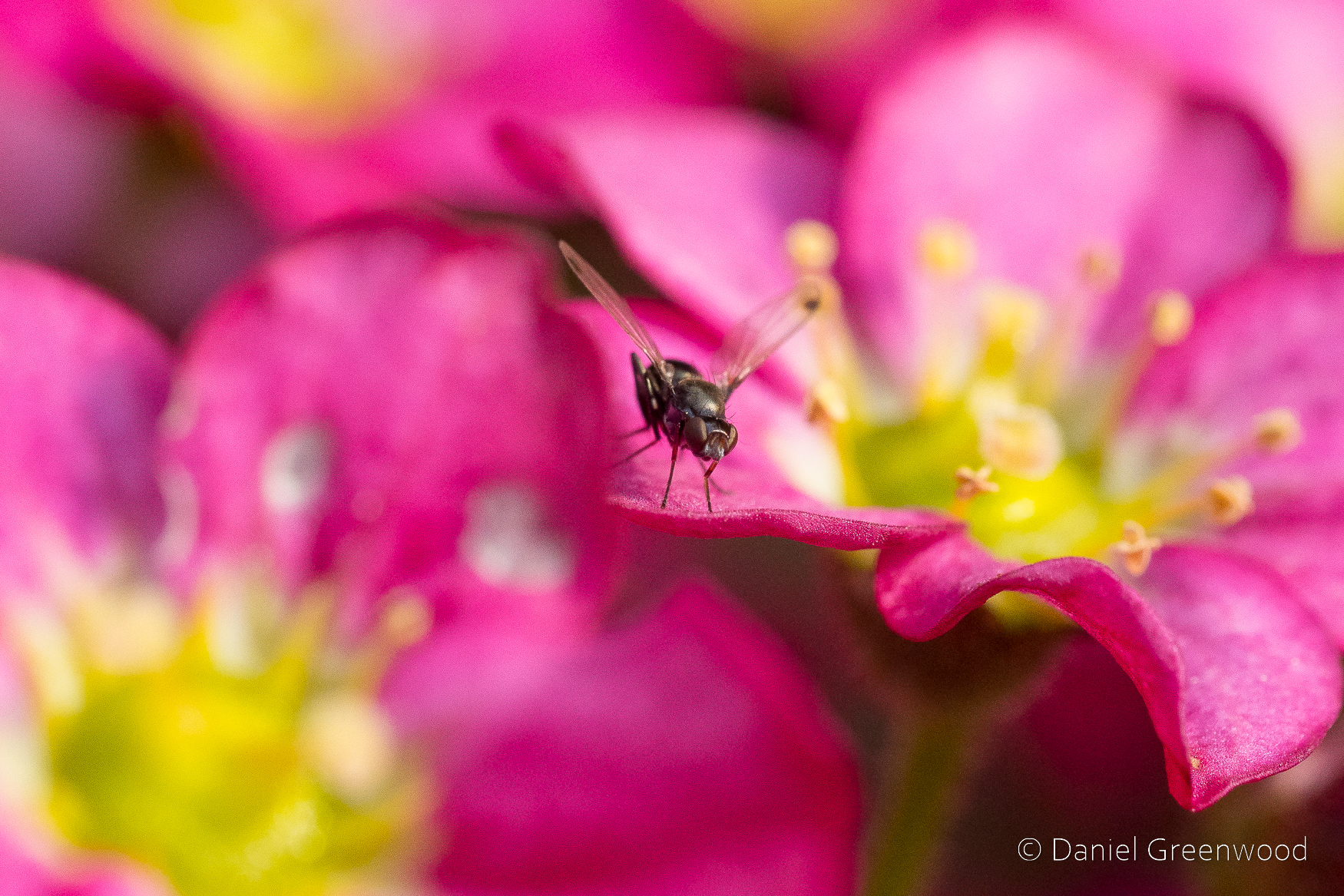
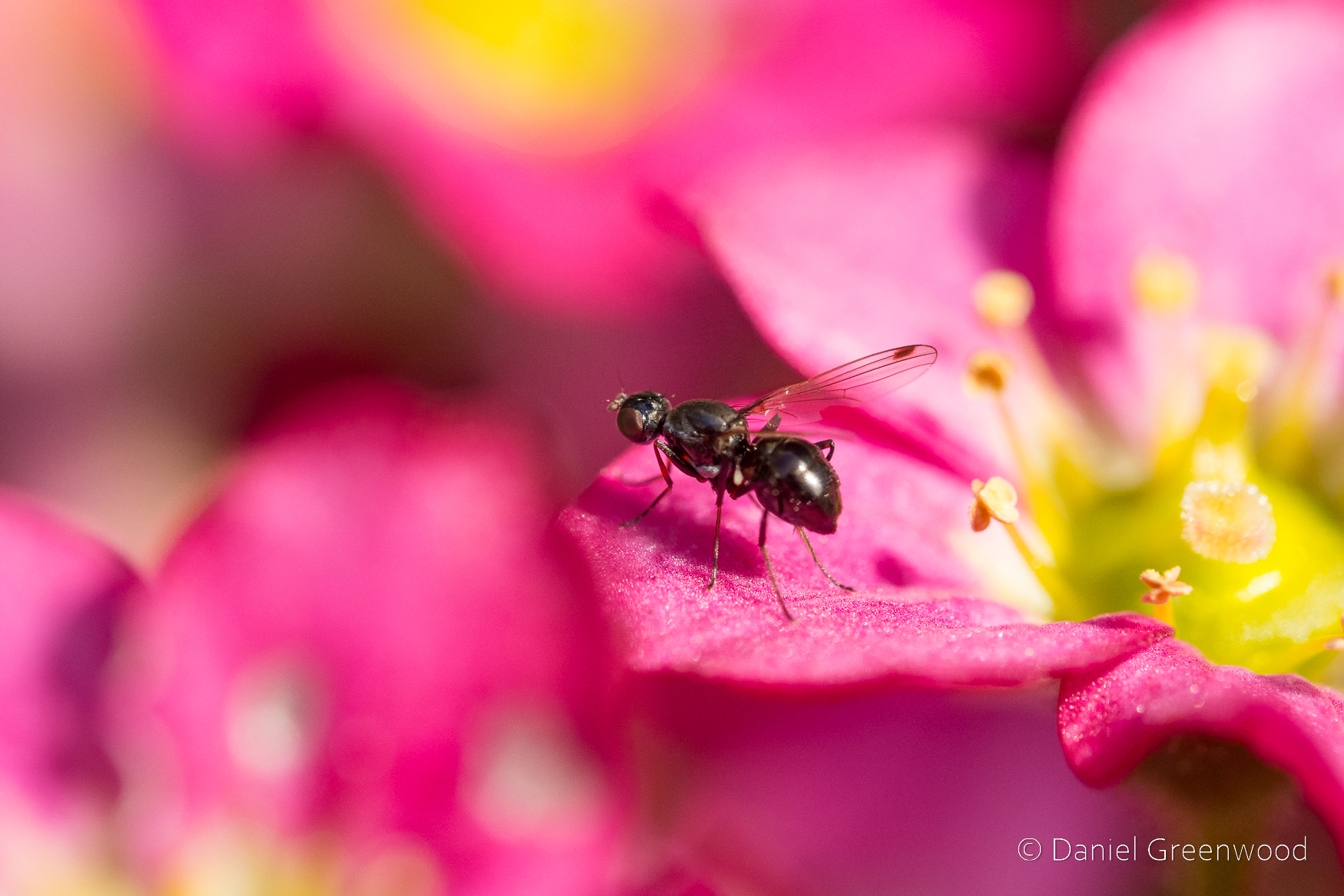
This is a common little fly that seems to stand around on leaves and petals for ages!

Their eyes are very cool, and I enjoyed the single spot in their wings as well. These flowers are some saxifrages my wife bought from the garden centre.

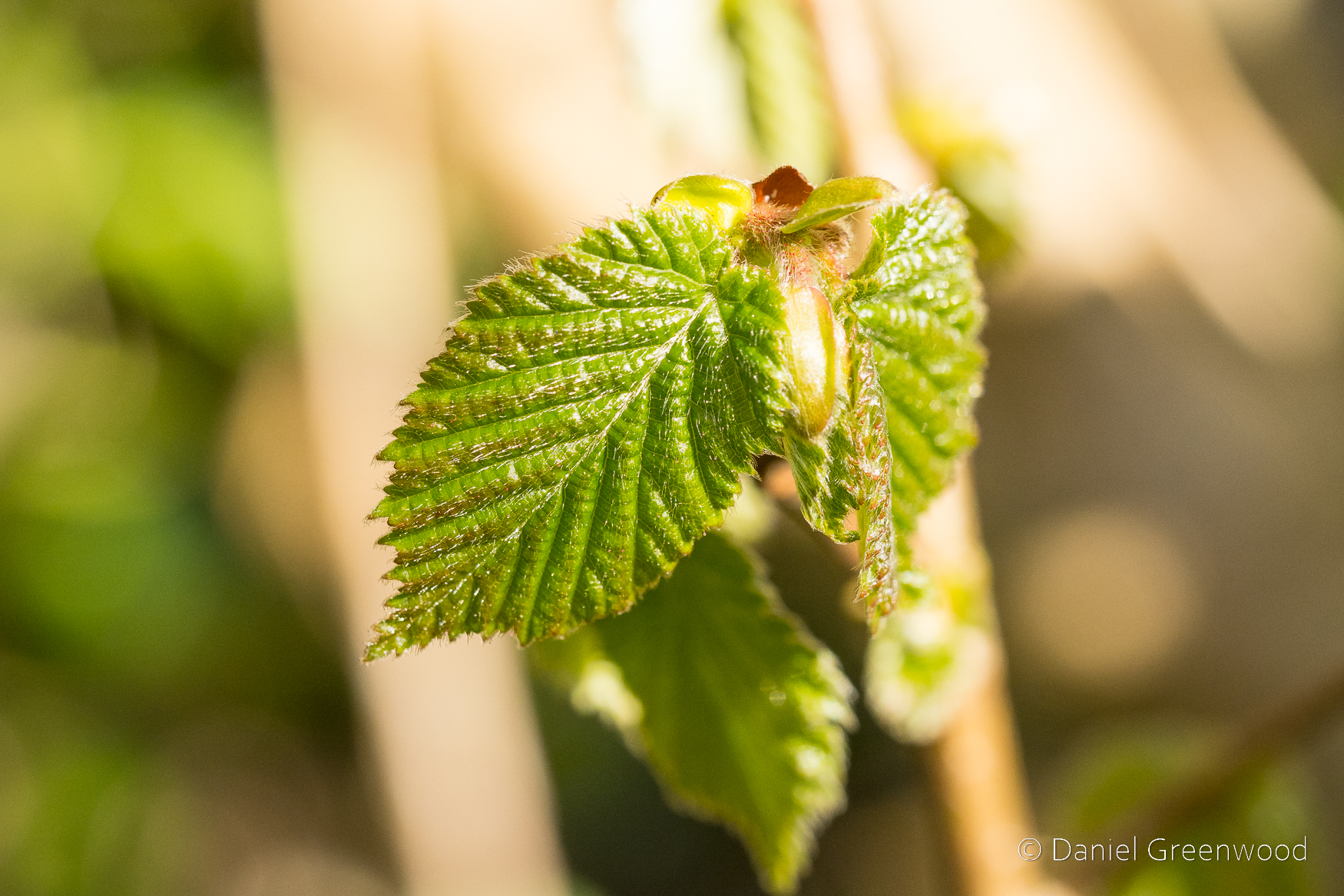
In January on a cold Saturday afternoon I laid or ‘plashed’ the hazel shrub I had planted out in our hedge. It’s a little hedge, but the usual shrub that made up the hedge has died back so I needed to take action. It’s so pleasing (‘pleaching’?) to see the hazel respond so well and new shoots to appear from the lain-down stems.

I also uprooted a sapling that a squirrel had cached as a seed, which is doing well. I planted this out around the time of frosts, which shows hazel’s hardiness. I did know that was the case, but it’s nice to see it come through.

The normal hedge I mentioned is this Skimmia japonica. It’s good for pollinators, no doubt. But it doesn’t seem to last well without pruning.

It was abuzz with drone flies as spring really began to arrive in mid-late March.

These drone flies (Eristalis) are probably the most common winged-insect in our garden at the moment. They’re quite funny I think.

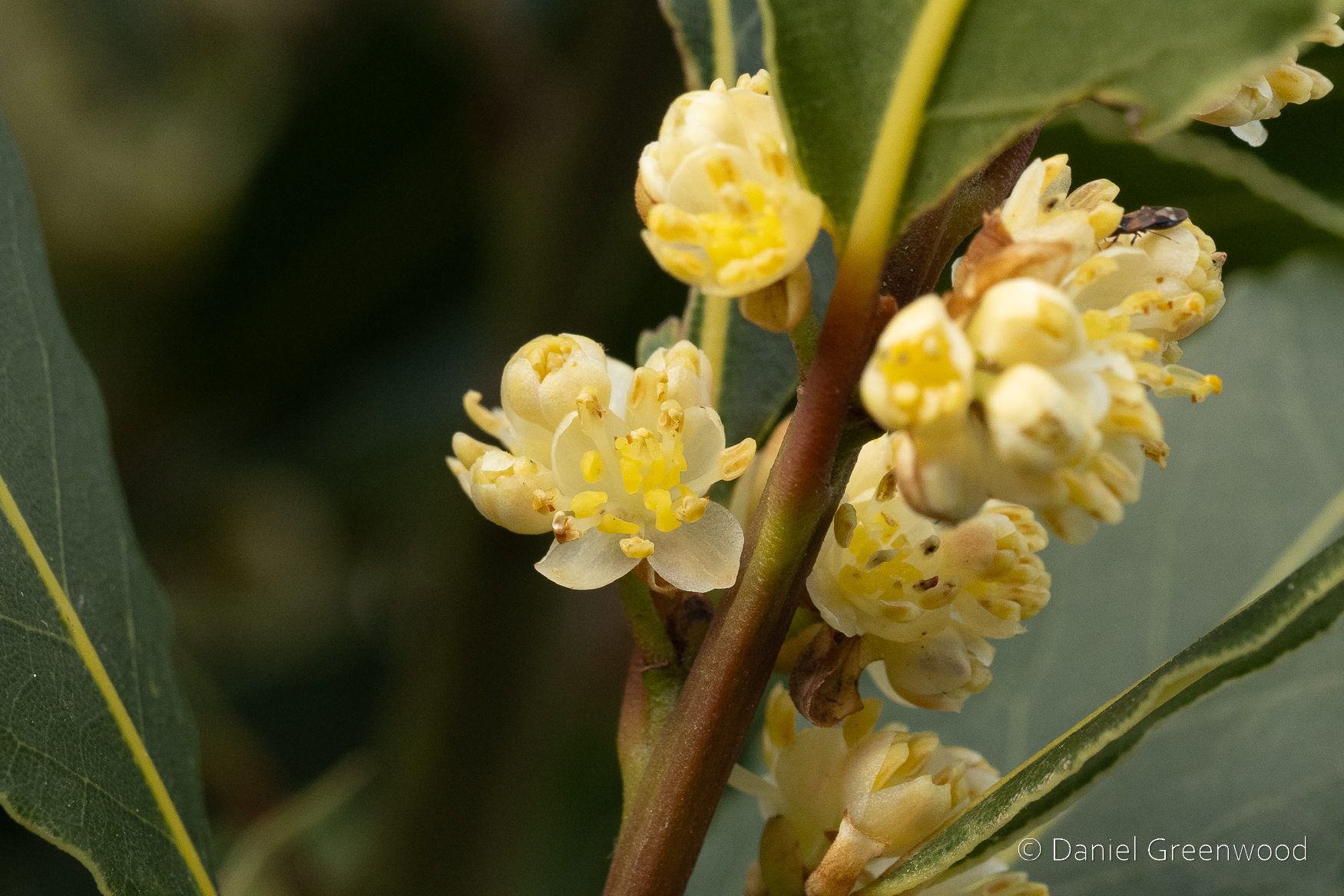
Bay flowers promise so much, but they are quite modest really. I am hoping this provides some decent nectar for any invertebrate that needs it.

I spotted this little crab spider hanging out on one of my thermal t-shirts. It’s probably Misumena vatia, the most common of the crab spiders.

A cat monument in our garden in memory of our cat Kaiser who loved this spot in the flowerbed. The wolf spiders also love this spot because it gets so warm. The white stone of the cat is even warmer than the surrounding soil. I think this may be a male and a female wolf spider, with the male the smaller of the two, with the palps (dark spots at the front of its head, in the cat’s eye!).

The fence next to the cat monument was a helpful basking spot for the first nursery web spider I’ve seen so far this year.

The flowering of our magnolia is short and sharp, but these globular flowers are a delight. Magnolias are very old trees in evolutionary terms, and here’s to another year under their belts.

Thanks for reading.
Macro

Sussex Weald: song thrush rules

I’ve been making an effort to go for a walk in my local slice of the Sussex Weald before work in recent weeks. The impact it has on my brain, body and soul is profound, having lost my connection with woodland somewhat recently.

Early spring is a special time in woodland, watching the the leaves appear, the first spring birds, and the woodland flowers. It is so much better than those hot, shady and sterile days of summer, in my view.

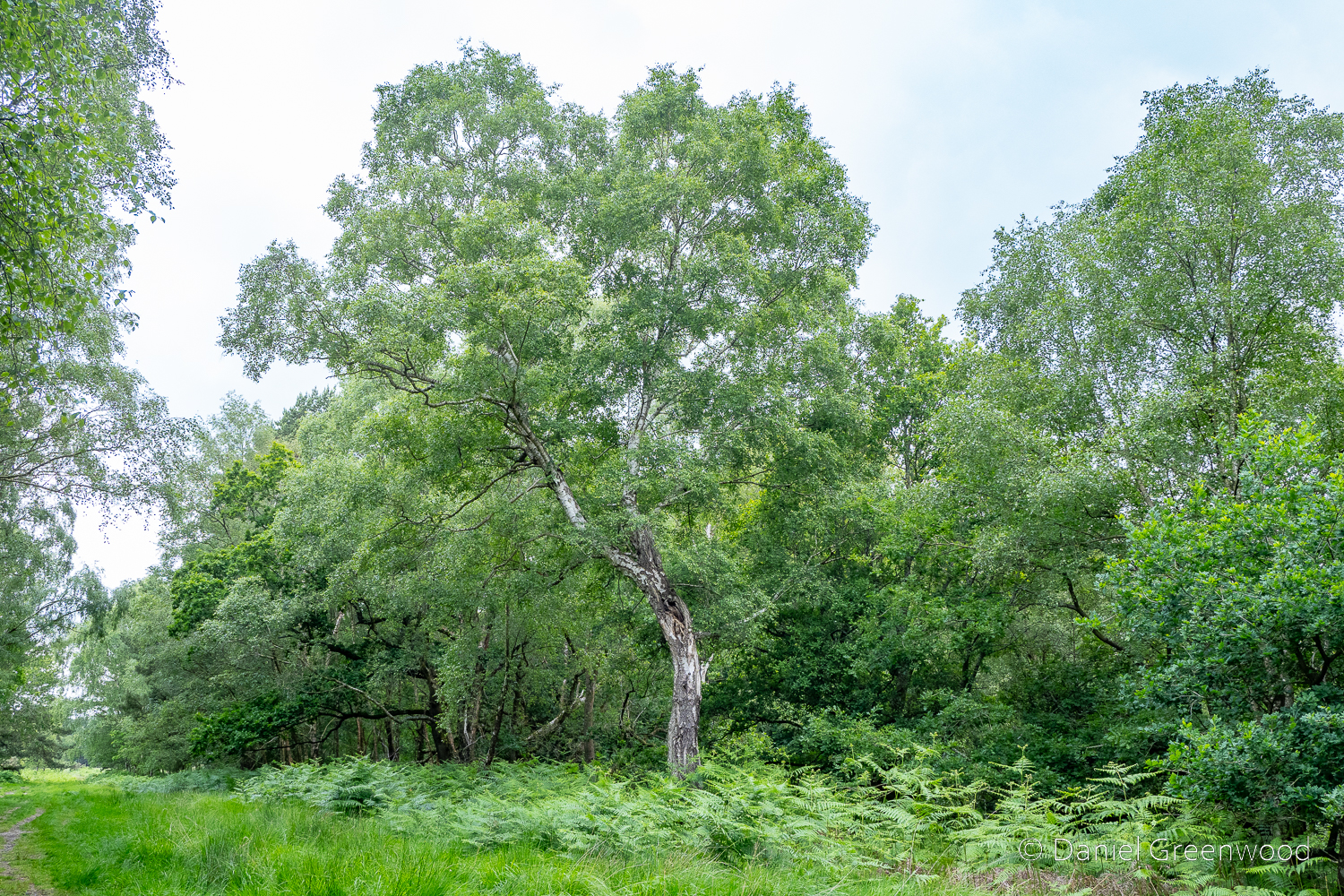
The chiffchaffs have been arriving, but the song thrush rules this chunk of the Weald. Its repeated phrases echo through the still leafless branches.

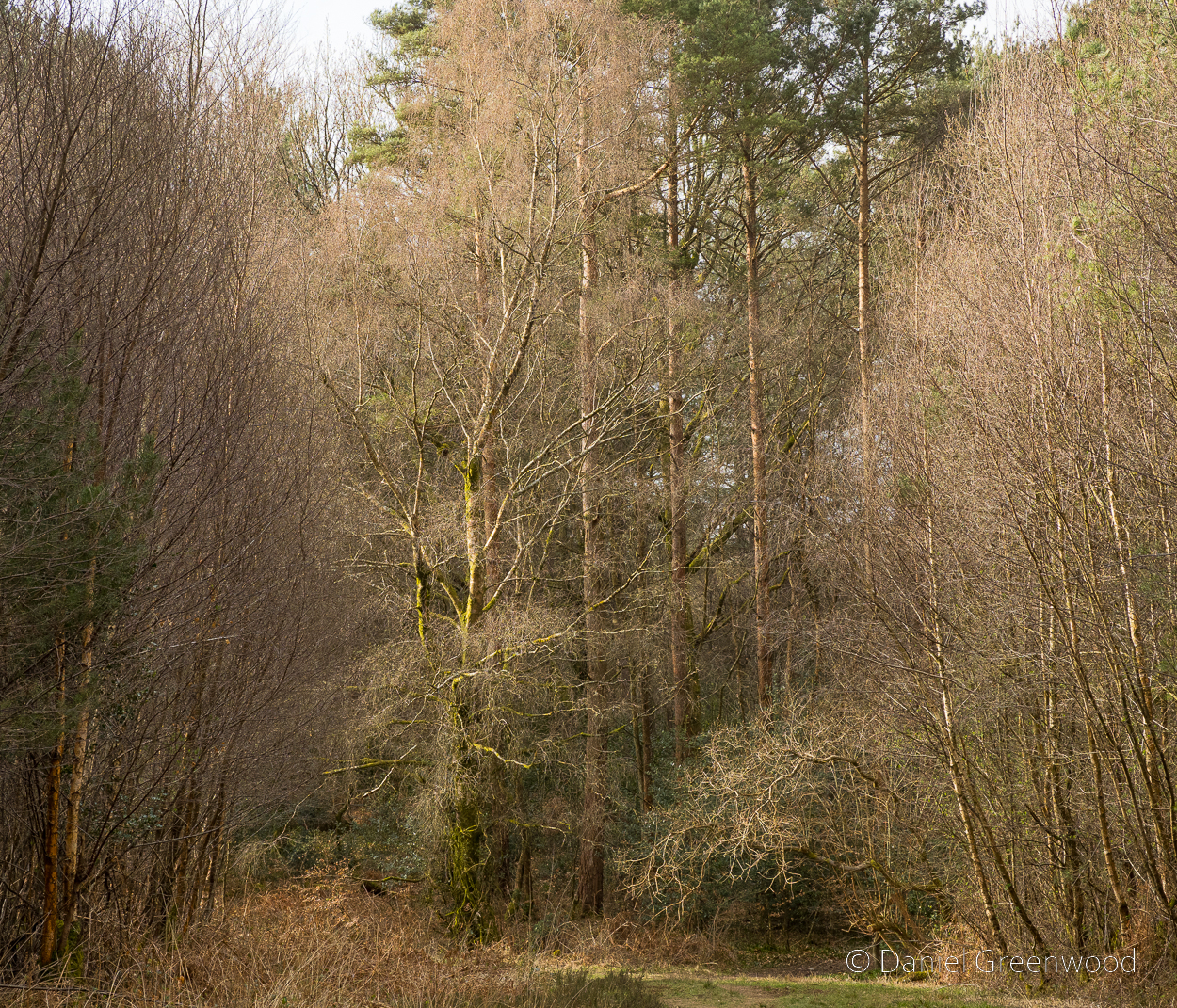
Wild branches against ranks of pine and birch.

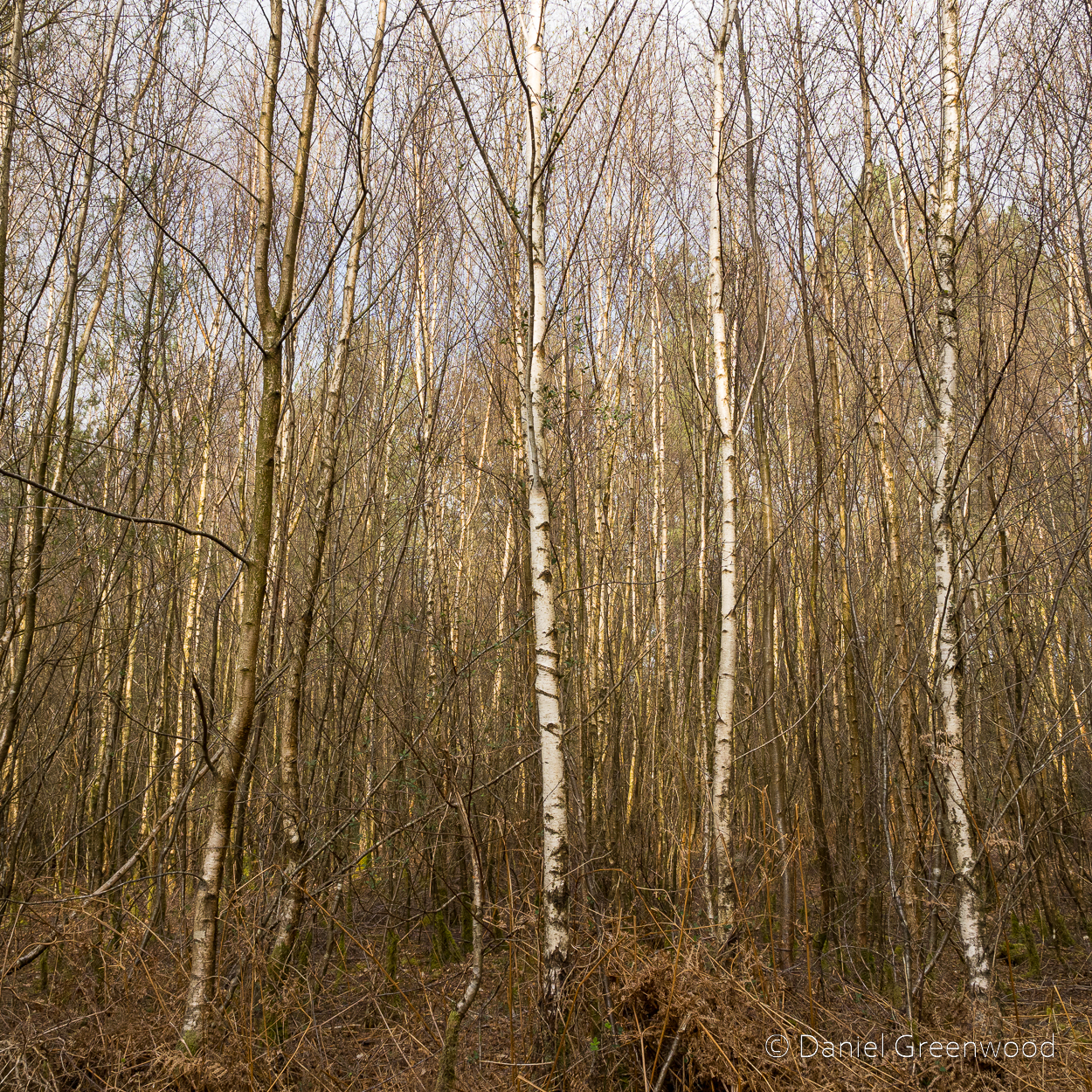
Those birches, growing on old heathland, waiting for the onset of new leaves.

A birch tree harassed by honeysuckle, catching the morning light.

A green beech tree with lots of moss and algae.

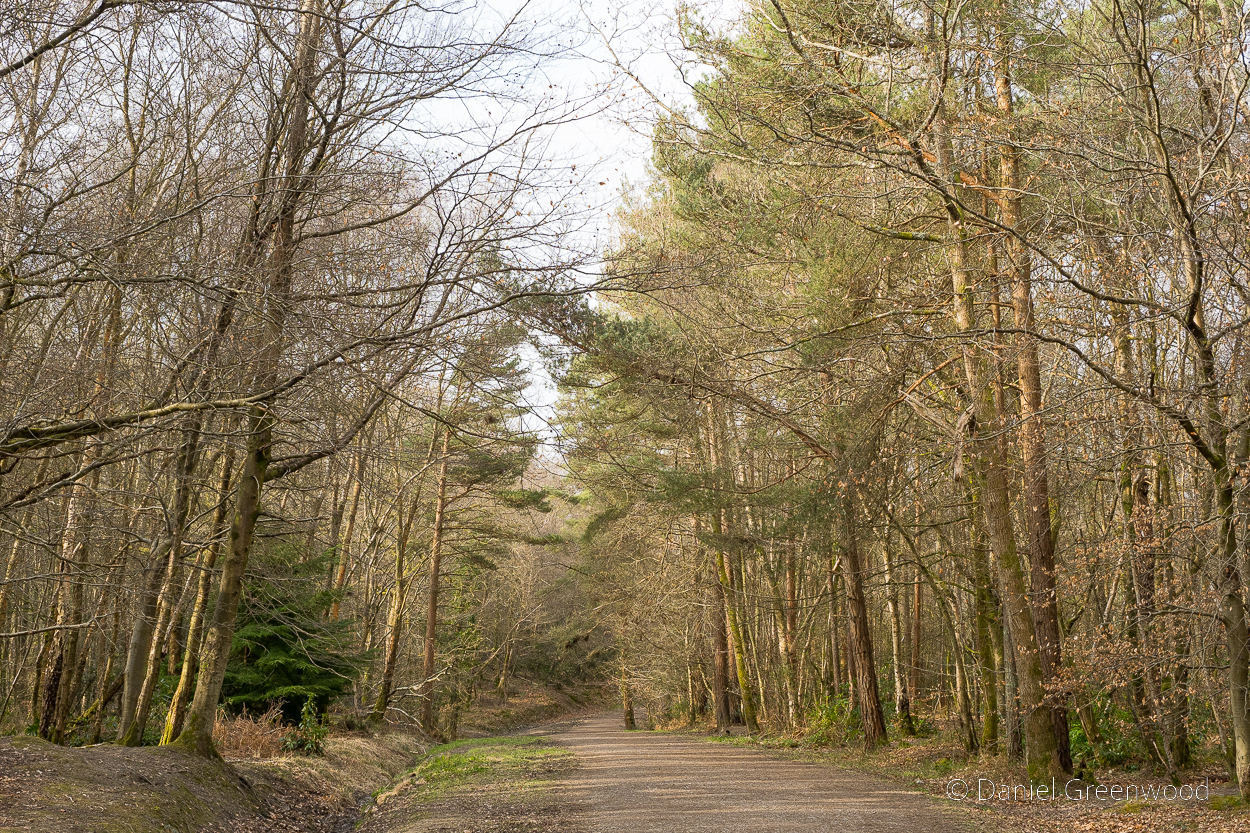
The ride, with pines reaching across on either side.

Silver birches among bluebell leaves.

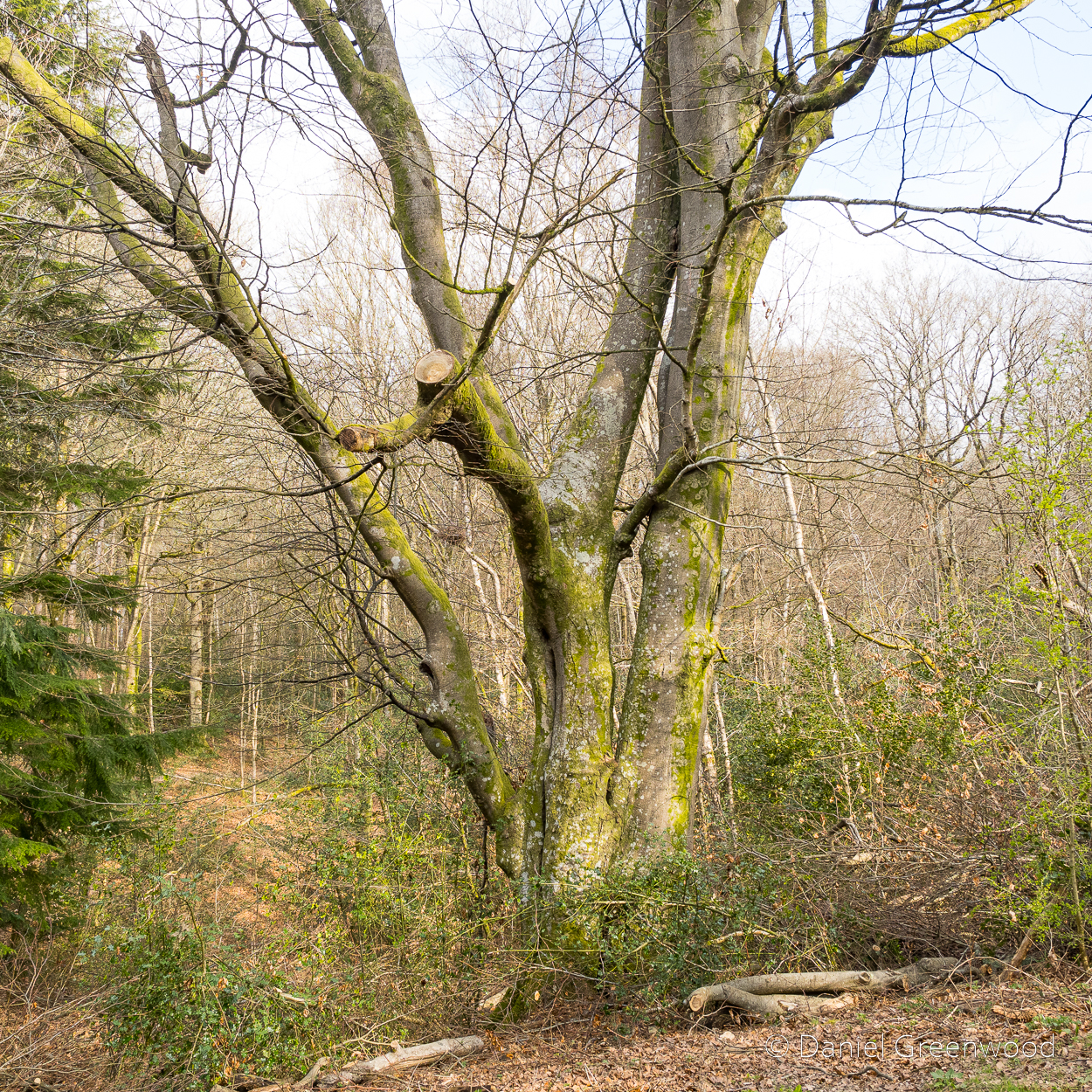
An old beech tree.

Bluebell leaves appearing below a mess of beech twigs and old leaves.

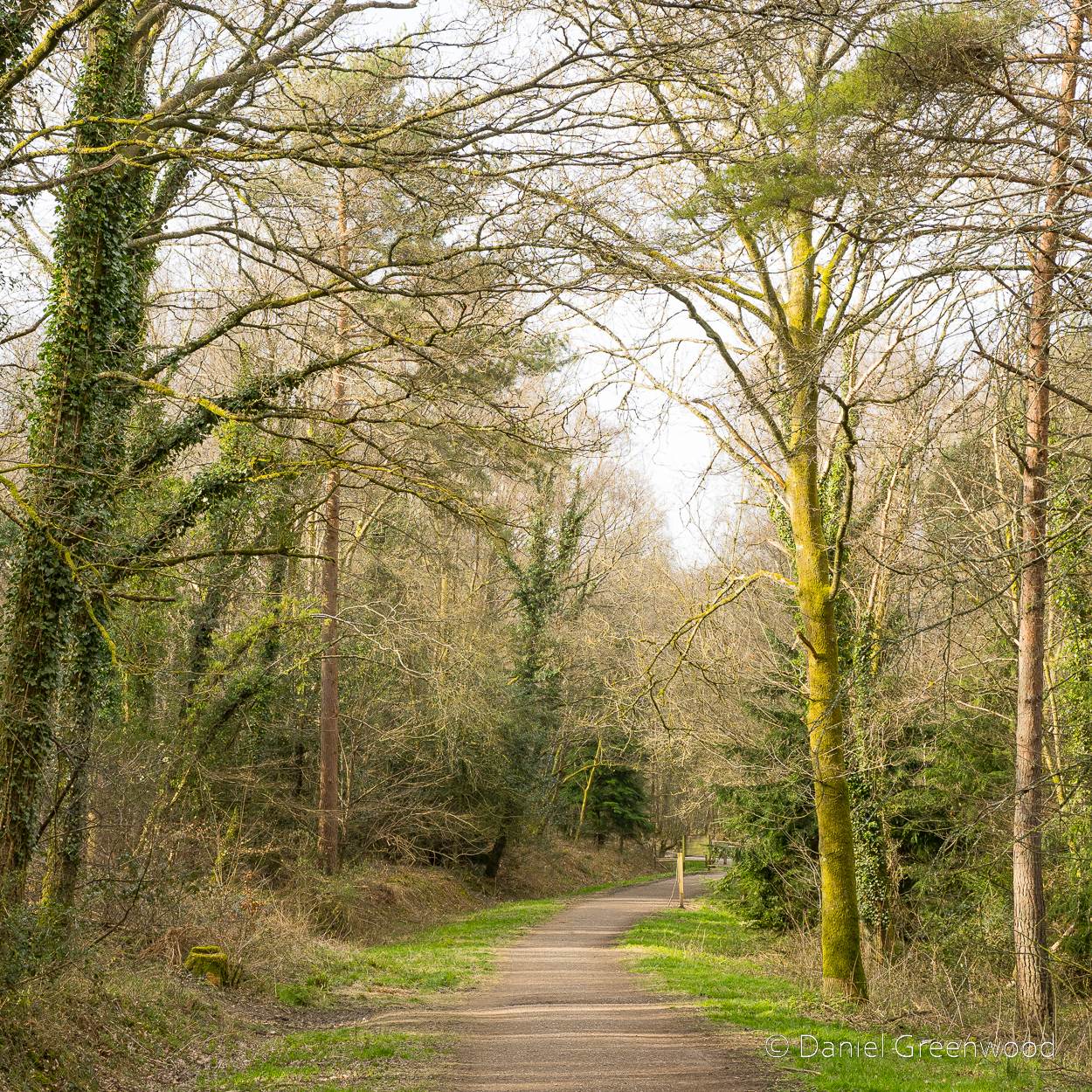
The grassy banks of the woodland ride. I often hear firecrest singing along these edges where the ivy climbs and a few evergreen trees like the cypresses grow.

Thanks for reading.
Hoar frost days ❄️

West Sussex, January 2025

One of the nice things about not living in a city is that you get to see hoar frost. I know this because I’ve spent most of my life in cities where the ‘heat island effect’ usually won’t allow for hoar frost to really develop during daylight hours.

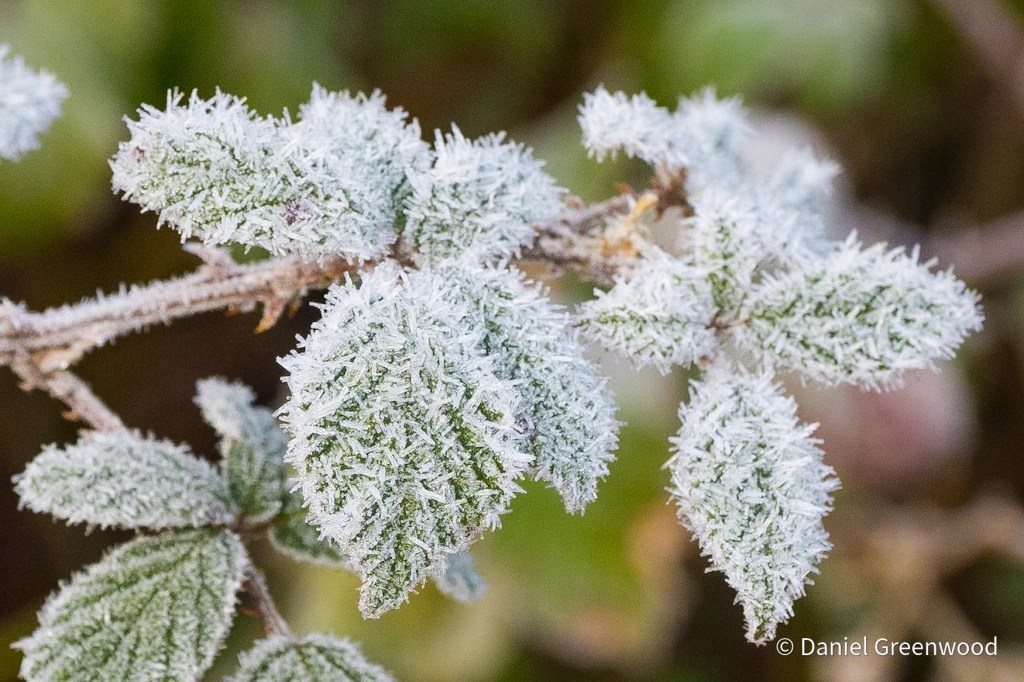
Bramble leaves make it through the winter, providing a good platform for these frost spikes.

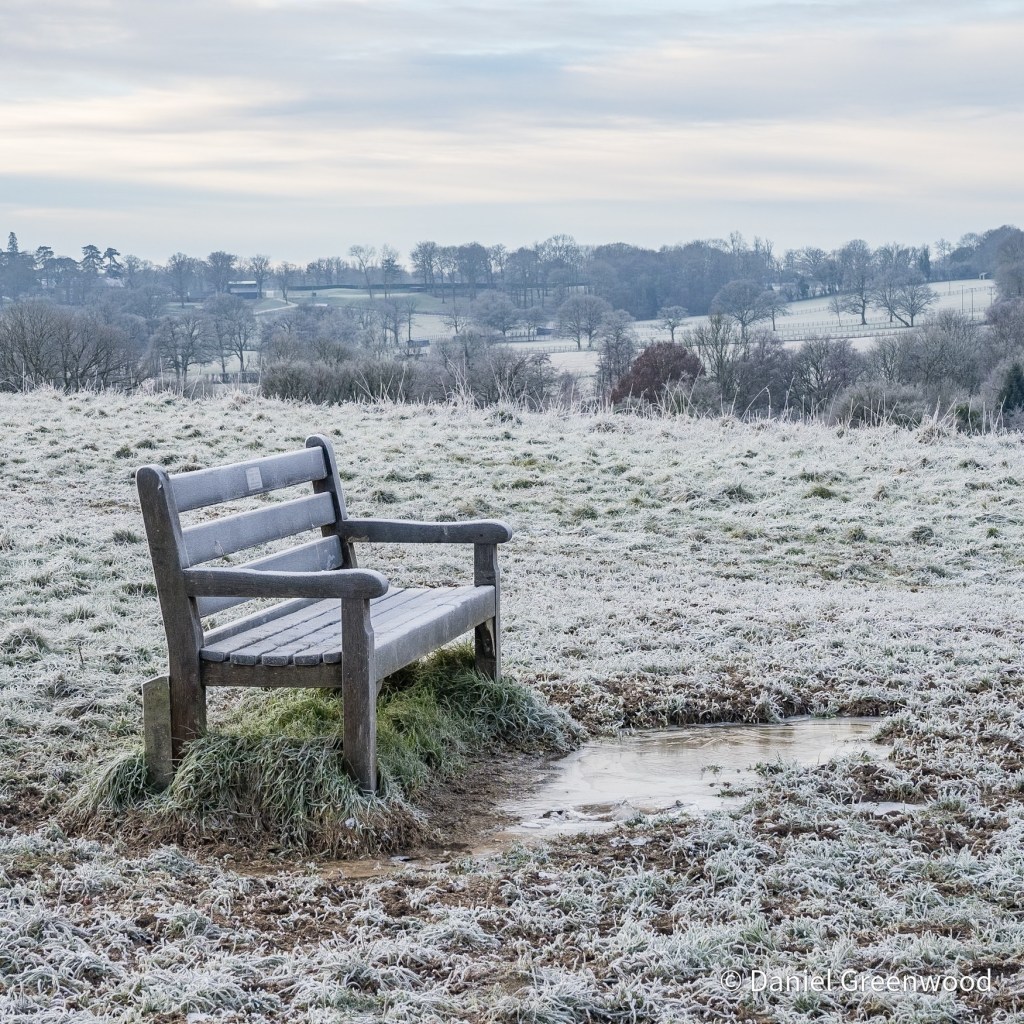
This thick frost covers the trees and hedges, everything vegetative really, in a thin veil of icing. The puddles become milky ice clouds.

After a very dark, grey and damp December, these blue skies and frosty landscapes have been welcome relief.

Not a great time to sit on a bench though.

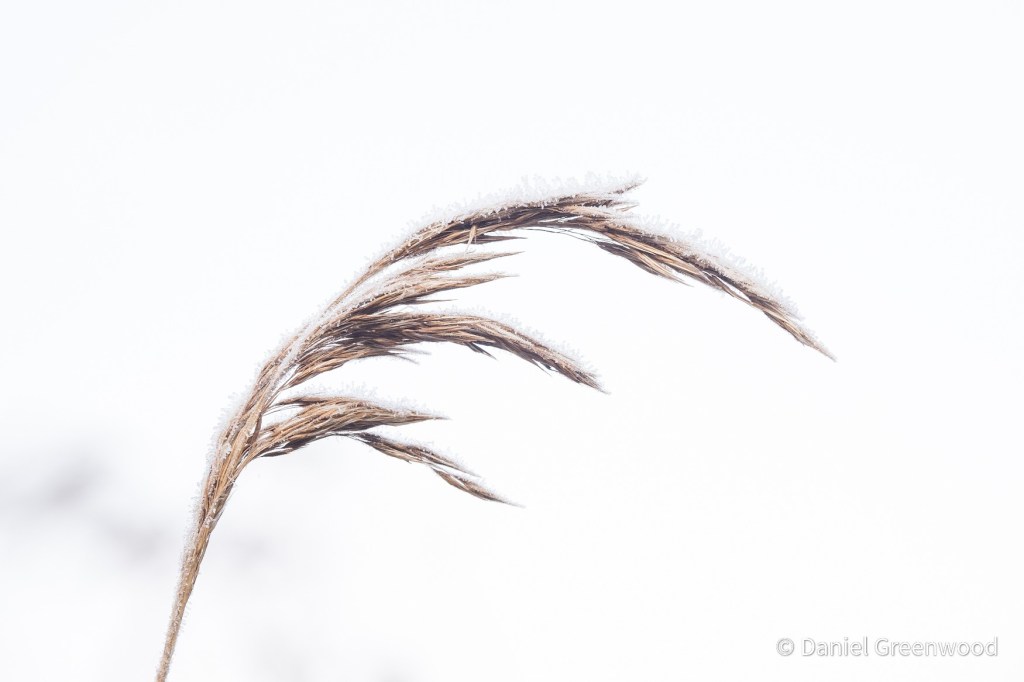
This is a reed with a coating of frost.

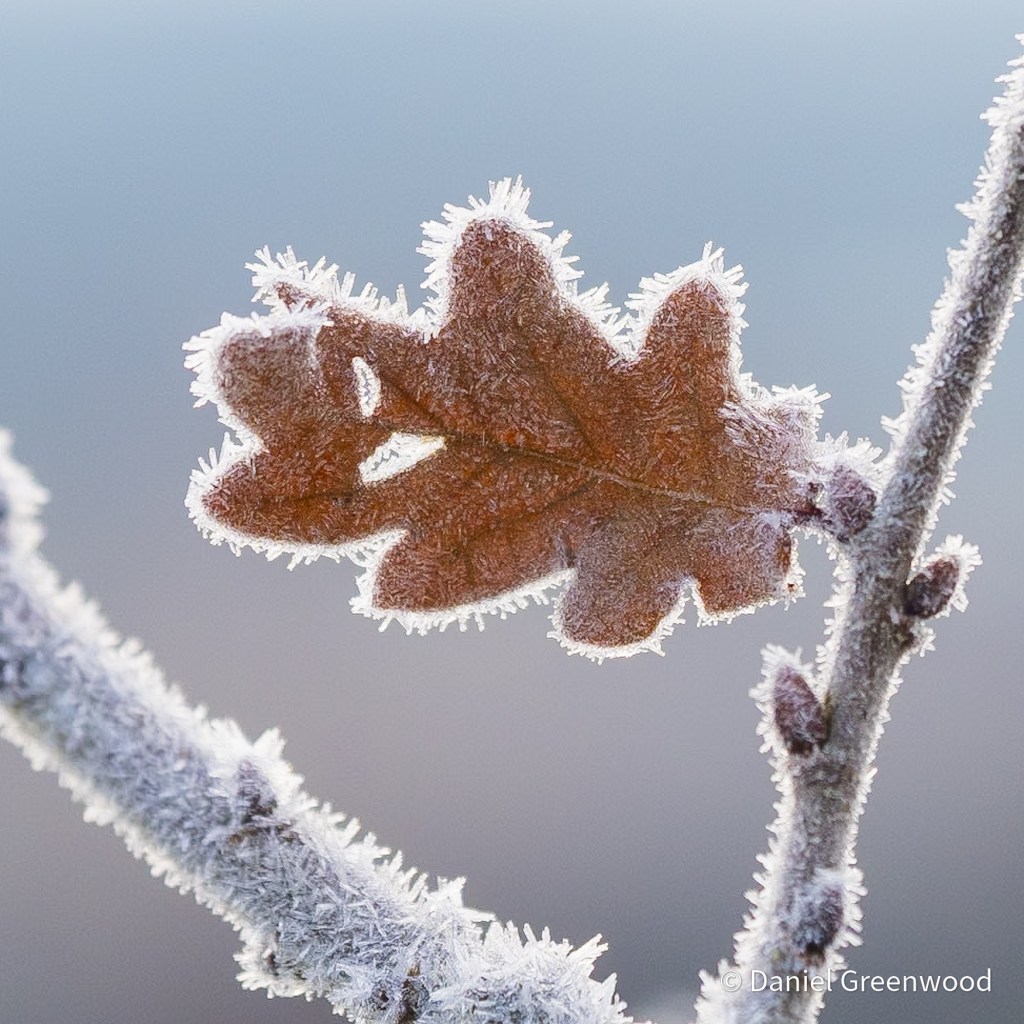
Remarkably this oak tree still holds its leaves, which is unusual outside of cities in January. I have known deciduous oaks to hold leaves into January in London.

I always seek them out in this weather, especially with a little bit of backlighting. This is quite a heavy crop so the sharpness is lessened a bit. You probably don’t care.

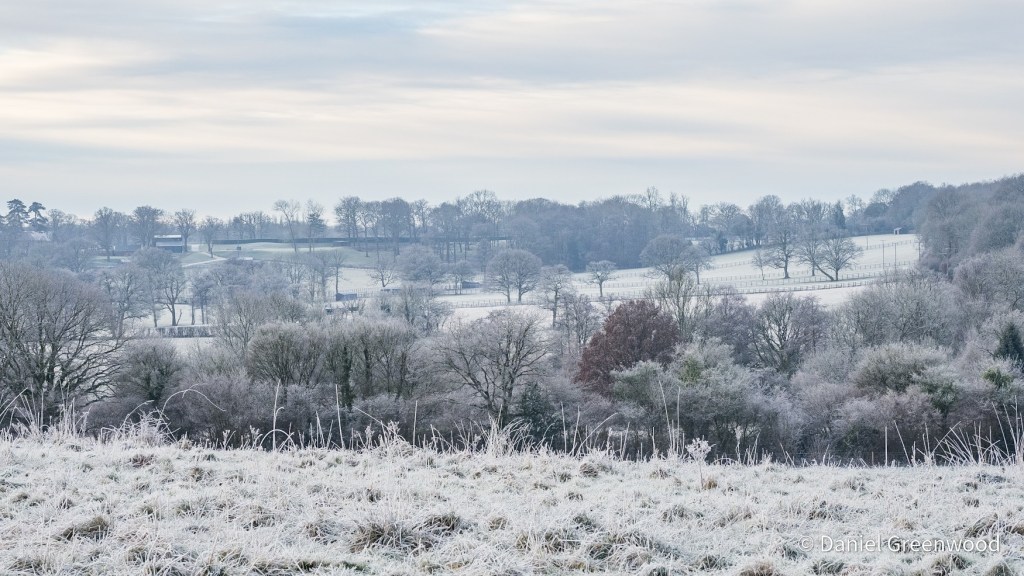
That distant landscape is actually an equestrian estate. It is chewed to within an inch of its life, hence the black sticks of trees, compared to the rough grassland where I stood to take the photo.

Thanks for reading.
Camped out on a dragonfly

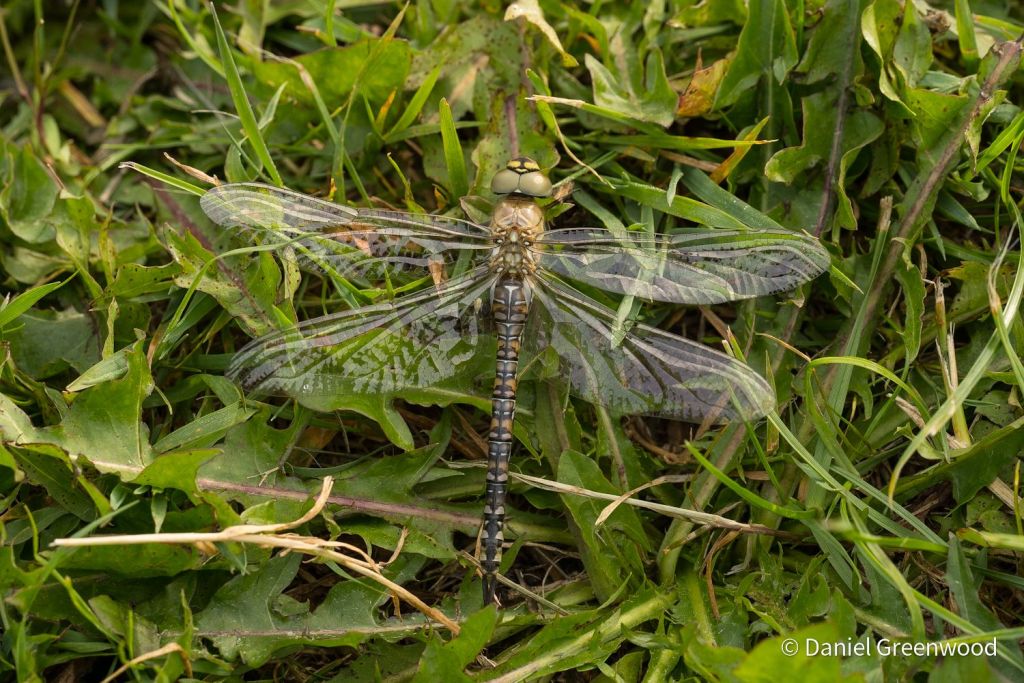
In August I was camping in West Sussex. On the final morning I opened the tent door and nearly stepped on a dragonfly that was resting in the grass outside.

It had been a cloudy night and the ground was very dry compared with the previously dew-laden start.

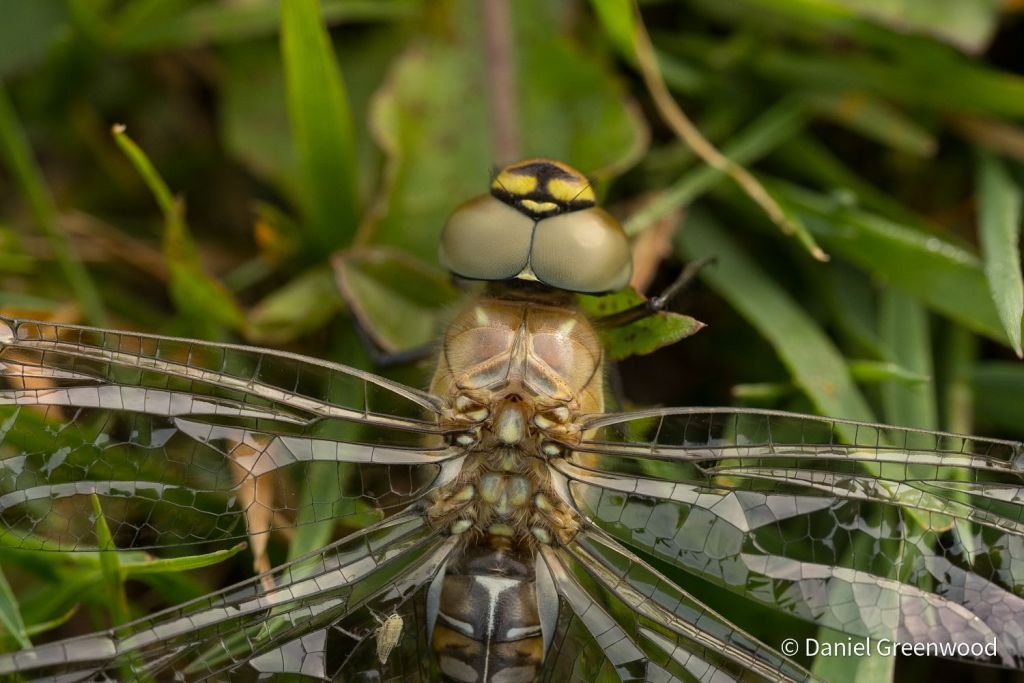
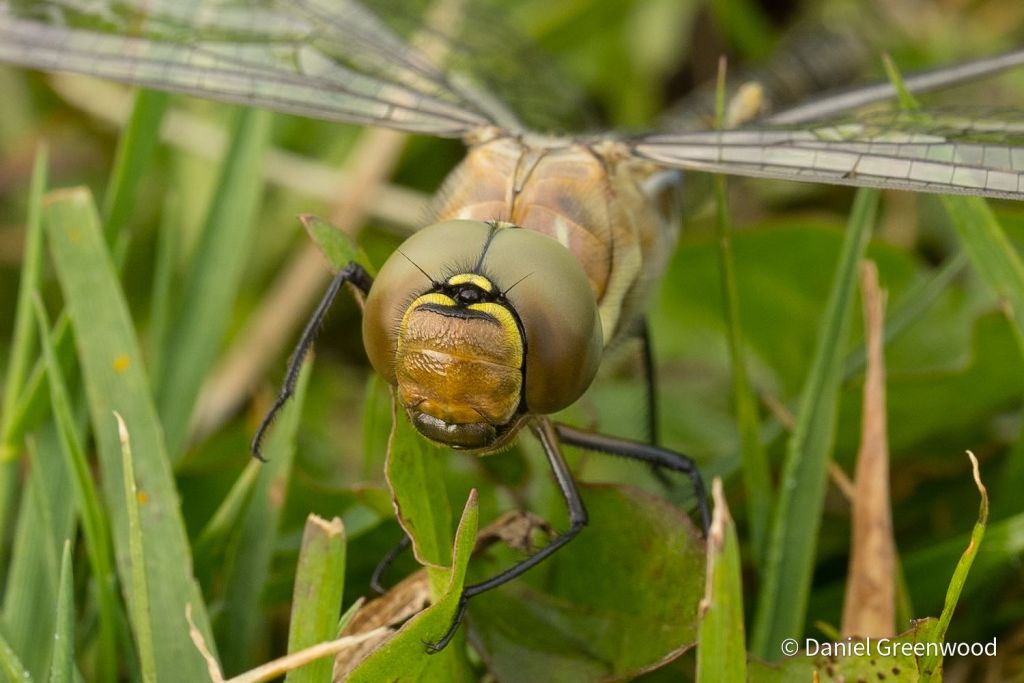
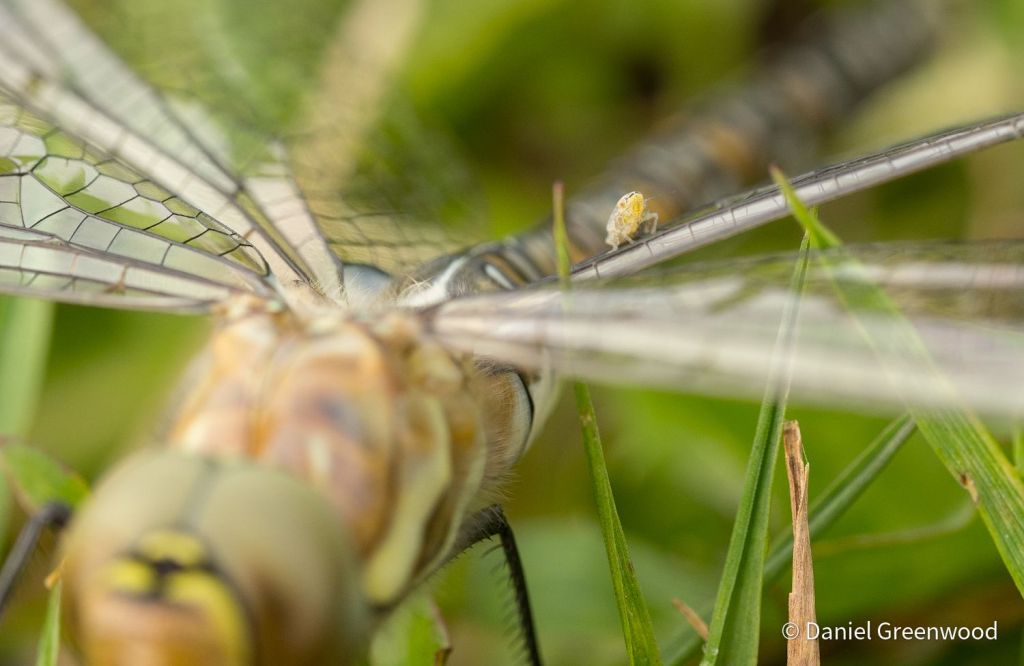
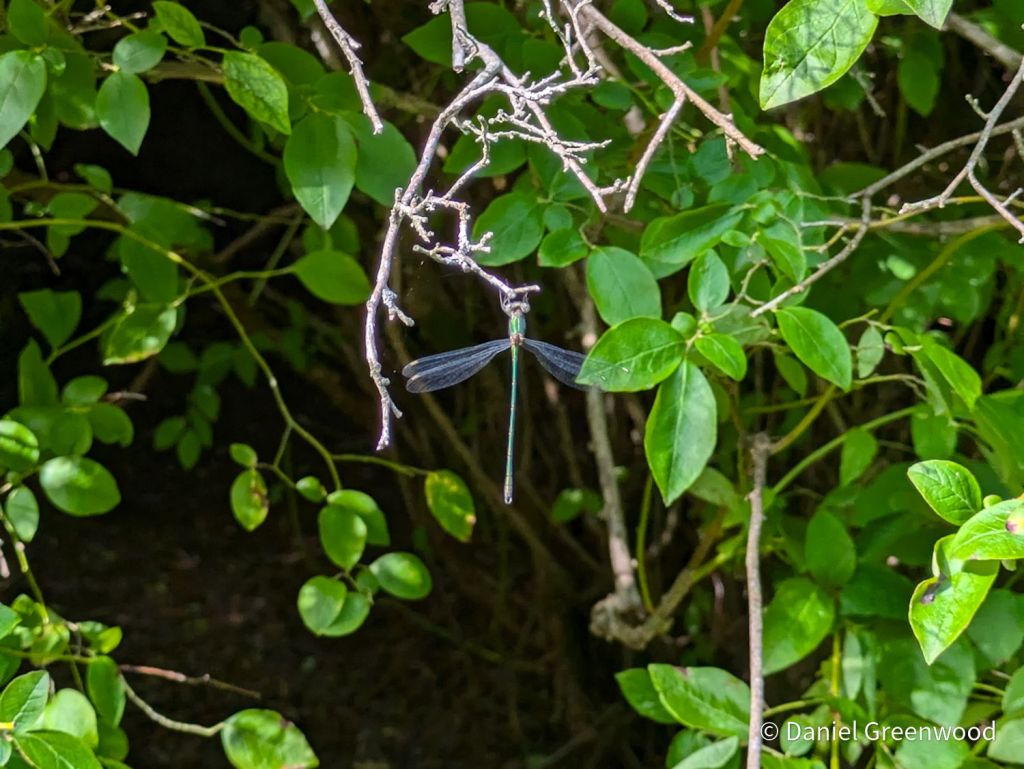
The dragonfly is probably a migrant hawker (Aeshna mixta) and is known to breed in SE England. As its name suggests it can also migrate to England from southern Europe.

It’s a dream to find a dragonfly in such a restful state, although the insect is vulnerable. It was in the right place however, especially if it wanted its portrait done.

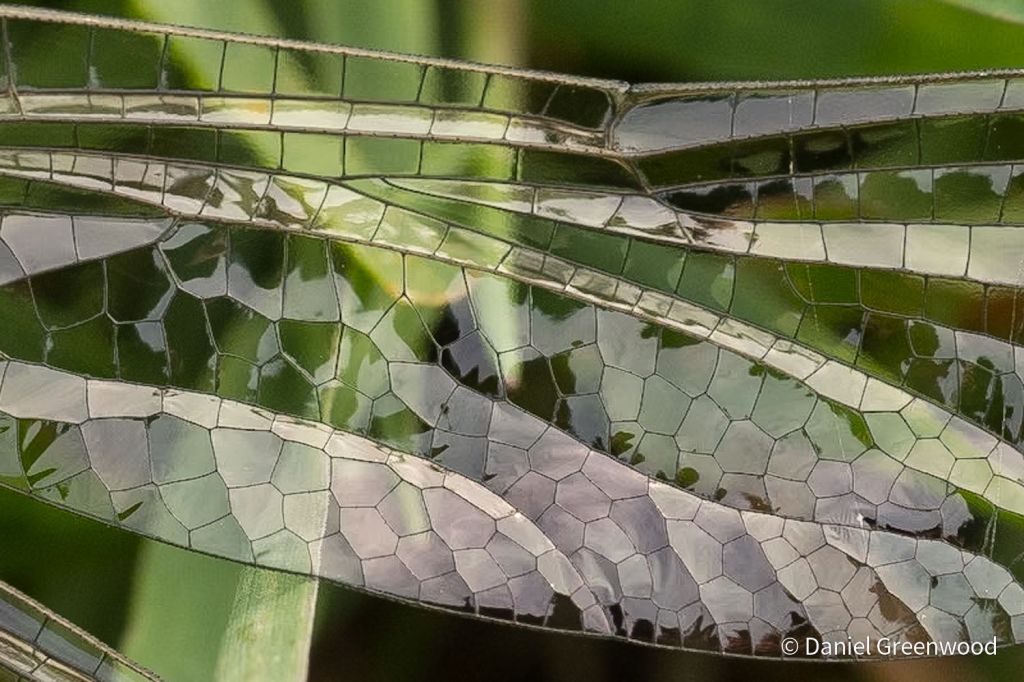
It was an excellent opportunity to look at the wings of the dragonfly close up. They are renowned for their beauty and likeness to stained glass.

By looking at the wings I noticed that a planthopper bug had leapt aboard the dragonfly.

Here’s a closer view. I’m not sure of the species but it’s one I don’t remember seeing before.

A day earlier we had walked along the River Adur, famous for its connection at Knepp Wildland. It was good to see some more wasps around, with so few of them being reported this year.

The wasp is scrapping a layer of wood from a handrail or fence post to be used in the construction of a nest. You can see the ball below its mandibles above.

What a lot of hard work, worthy of my respect that’s for sure.

Thanks for reading.
Macro

Damselflies at Sheffield Park 🐉

For my mum’s birthday in early August, we visited Sheffield Park in East Sussex, just over the border from West Sussex. It’s a National Trust estate so membership is needed to avoid the £17 entrance fee.

I didn’t have a camera with me other than my phone, but the Pixel 7a has an amazing camera, so I managed some nice pics of a few damselflies.

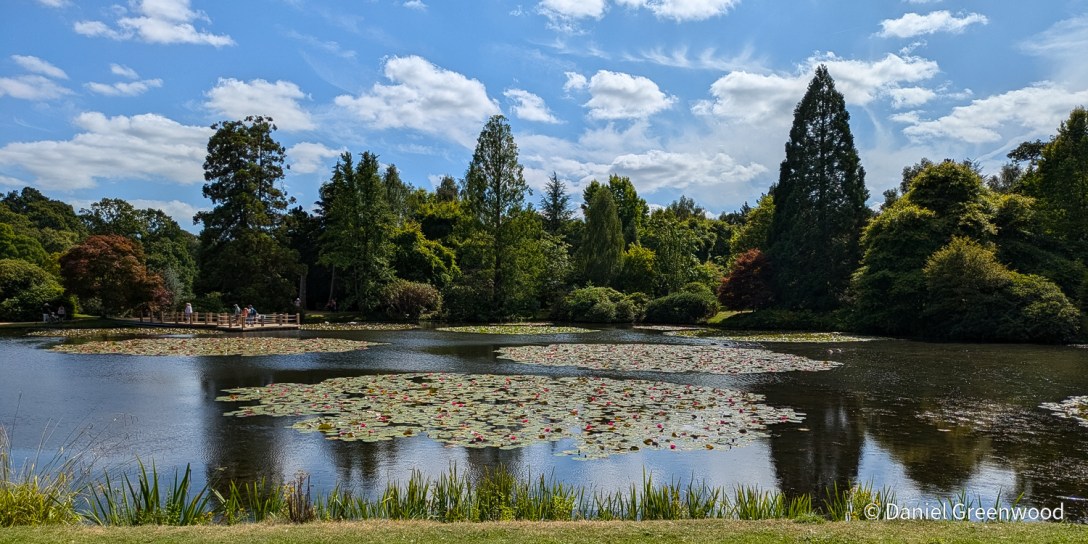
Obviously these are people not dragonflies, but the area was absolutely zinging with Odonata (the scientific name for dragons and damsels). This is looking back towards where the estate house is, though it’s not somewhere you can enter. People live there like in olden times.

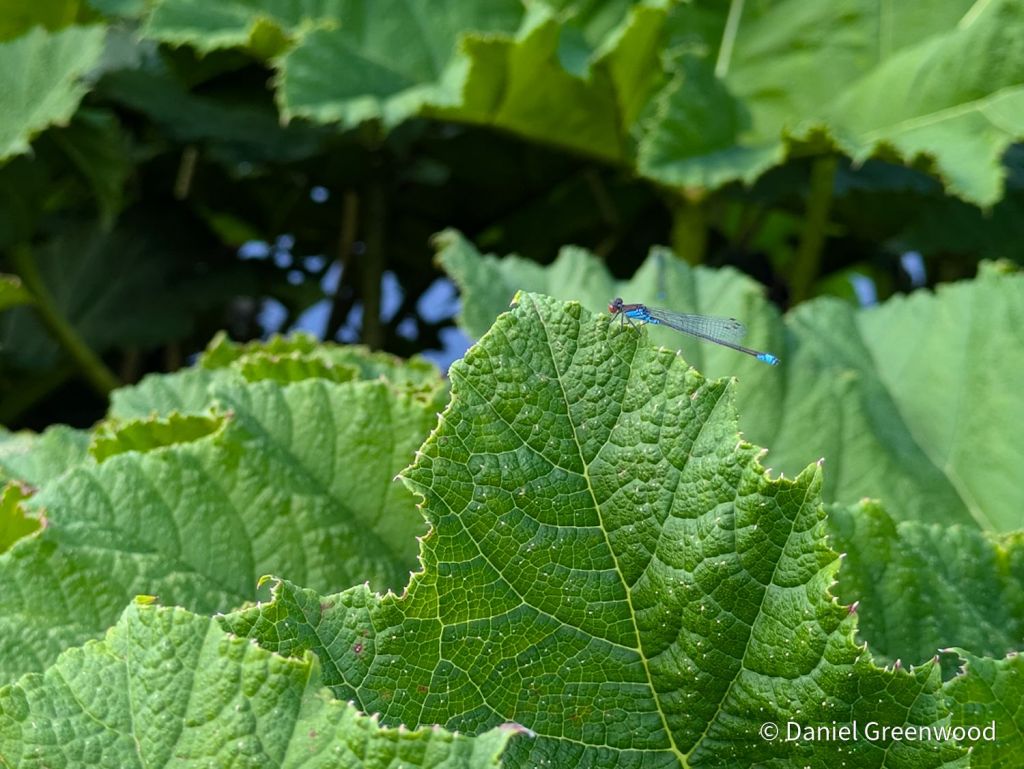
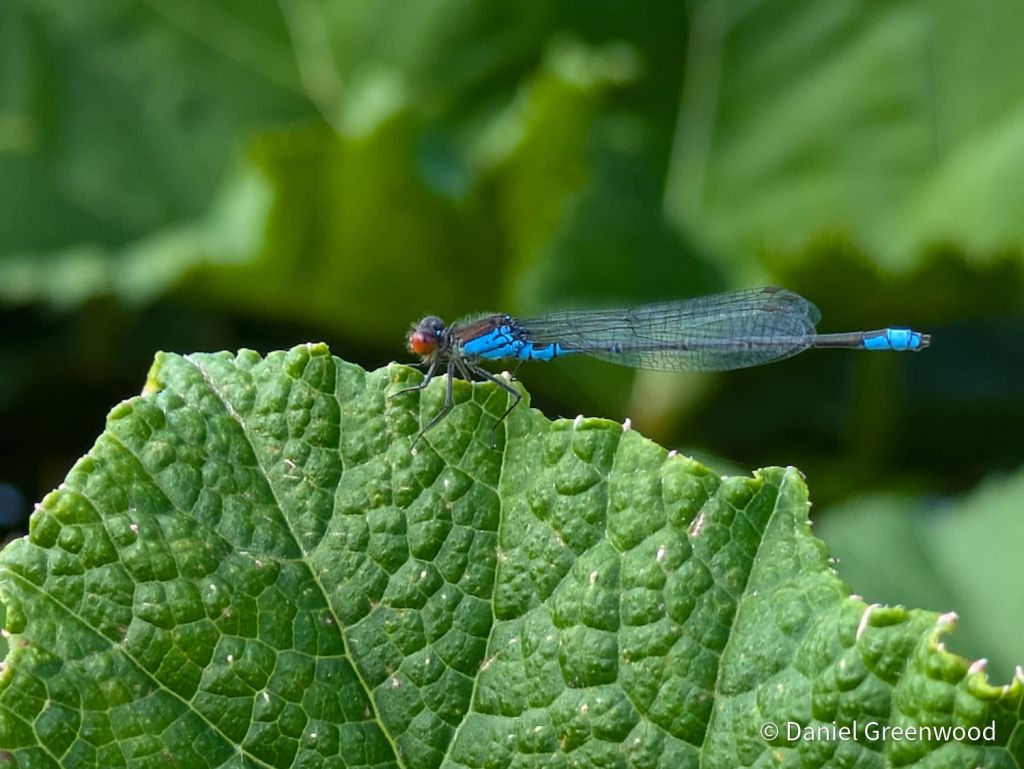
Perched on the edge of the giant rhubarb (Gunnera – a super invasive wetland plant installed in places like Sheffield Park long ago for their showy foliage) was a small red-eyed damselfly.

What a beauty. Damselflies generally rest with closed wings, while dragonflies have them open. That notion was quickly dispelled by my next sighting. Usually dragons are much bigger anyway, by the way.

I was chatting to my sister when I noticed a damsel had taken a very pleasing perch in a shrub. A damselfly holding its wings out!

Now this is a willow emerald damsel, a species which ten years ago people were losing their minds over. It was a new arrival in the UK, and likely indicative of a warming climate. Now they are everywhere in southern England, and we’re experiencing temperature breakthroughs year on year.

I was just pleased to share a nice day in Sussex with my nearest and dearest. You can’t ask for much more than that, except for maybe some beautiful damselflies.

Thanks for reading.
Macro

White-tailed eagles at Pulborough

Pulborough Brooks, West Sussex, February 2024

Looking out over the Brooks, two dark bird-shapes soar against the faint outline of the South Downs. Below them are green conifers and leafless oaks.
Buzzards, I think.

A woman approaches me from behind and stands to the side of me. ‘Dude,’ she says. ‘There’re eagles out there!’.

I look through my binoculars again but can’t see any sign of white-tailed eagles (it’s not going to be golden eagle). They’re known to hang around the wetlands of Amberley and Pulborough, having been reintroduced to the Isle of Wight in recent years. This is an ideal place for them.

The images I’m looking for are brown and white Muppet-like characters, as I remember seeing them in Hungary and Czechia. Never before in Britain, though.

The eagle messenger tells me to head down to some of the hides where ‘someone will have a scope’.

I march down there and drop into the first hide, benches packed out. But people are only looking down at the bank right outside where a snipe stands still against the grass. There is no eagle energy here.

A man with a telescope and tripod on his shoulder and a camera around his neck walks down the path towards me. I ask about the eagles. They’ve gone off somewhere, he says, wishing he could be more help.

Heading to the next hide, which I recognise as the one the eagle messenger told me to stop off at, there’s palpable excitement among the benches. I find a spare seat and ask the woman next to me – is everyone looking for eagles?

She smiles, pointing out where they had just been seen. I listen as others describe their apparent return to view. Against the South Downs two dark shapes soar. Then I realise it – I’d already seen them, before I even knew what they were.

They weren’t buzzards, they were white-tailed eagles.

Sussex Weald