The Sussex Weald: a spring frenzy

Denne_14-4-2020-lo-res-01

Horsham District, West Sussex, April 2020

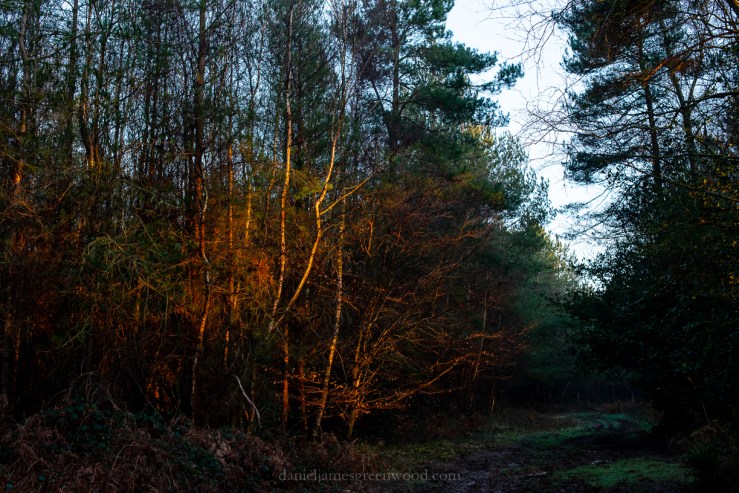
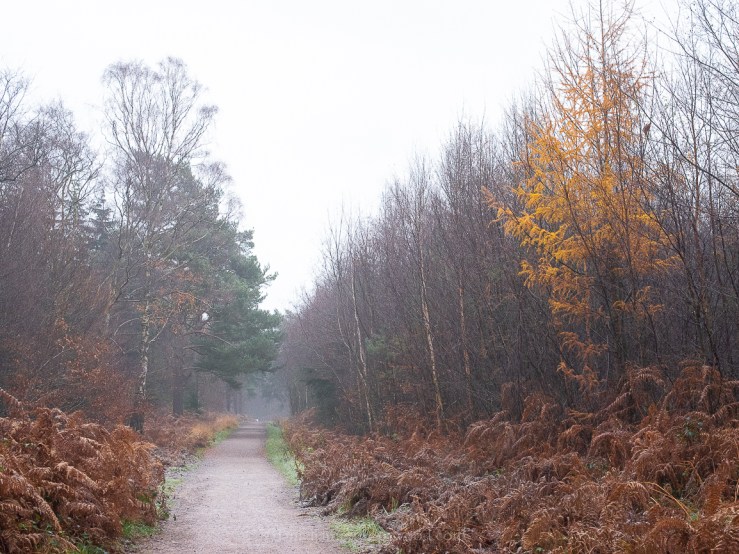
The sun glows in the slowed Arun, the alders casting long shadows broken by the entry of a dog fetching a stick. It’s evening and this once quiet track has more walkers, runners and cyclists than I can remember. We all try to stay two-metres apart. Even here on this April evening far from a city, the fear of the virus can be seen.

It’s disarming to see a dog eating horse poo.

‘Disgusting dog,’ its owner scolds.

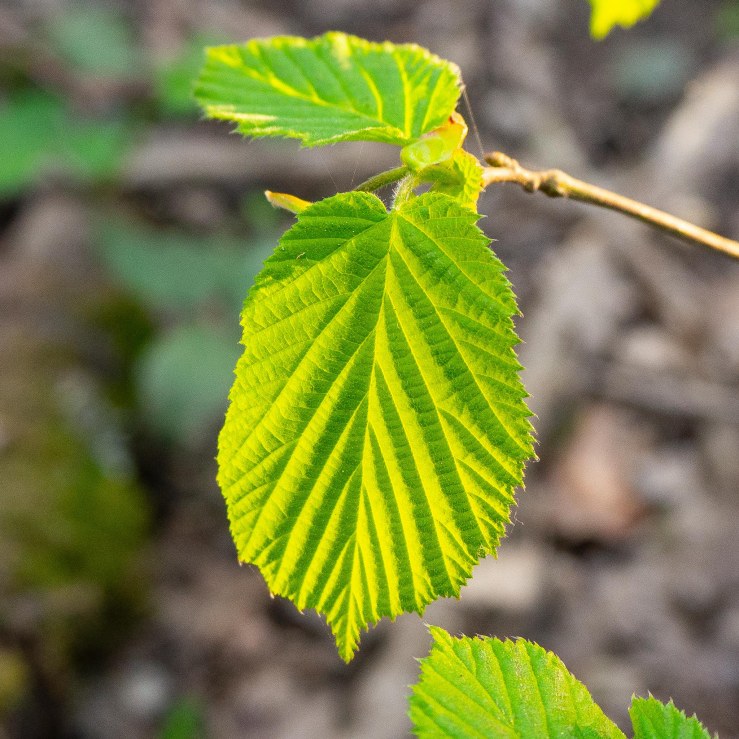
Quieter again but for a white globe of a cyclist, we inspect the first hazel leaves where they glow in the setting sun. We consider the age of this old pathway cutting along the edge of a field, the birch and bracken-choked slopes on the other side. In the shade bluebells flood, the first I’ve seen this year. The birdsong is such a mesh, a spring frenzy, that in my mind I can’t recall its parts. But blackbirds, cheerleaders of this unimaginable time. Of spring, that is.

Denne_14-4-2020-lo-res-12

A few years ago I experienced a Sussex evening just like this in April, waiting for badgers to leave their sett. It helped me to fall for Sussex – its woodland bluebells like purple gases aglow in the low-slung sun. The inability to travel beyond my new home has brought me back to that moment.

Further ahead the canopy has closed for the first time this year. Hornbeam appears, an indicator of ancient woodland in the Sussex Weald, key charcoal fuel of the lost iron industries that roared across this landscape centuries ago. Their leaves shade little suns of goldilocks buttercups. Here with bluebells, wood anemones and ramsons they are in their element. They are home.

The Sussex Weald

Macro Monday: spiders made of felt

Garden_31-3-2020-lo-res-10

Macro Monday 6th April 2020

Phew, I made it to a second Macro Monday post! Also in the past week I’ve put together a macro page on my website showcasing my portfolio of macro work if you’re interested.

The warmer sun of last week gave way to early morning frosts, showers and a very cool breeze. It meant that when the sun did shine, the wildlife came out to play. When the sun went in, most of the insects were too cold to move. Perfect subjects!

Garden_31-3-2020-lo-res-30

As ever with something like macro, the first steps require ‘getting your eye in’. I found this beautiful snail shell and plopped it on the table. Apparently images of spirals like this can create a feeling of calm.

Garden_31-3-2020-lo-res-29

On Wednesday I was working from the living room which looks out onto the garden. I lost count of the number of times that queen bees thudded against the glass. This is probably a buff-tailed bumblebee. She was struggling to find the energy to fly away but after a short stint in the sun she took off, with a little help of course.

Garden_31-3-2020-lo-res-31

One sunny corner of the garden seems to be the best place to look for life. This planthopper was very well camouflaged against this stachys leaf. Up close, you can see how hairy the leaves are, no doubt this is helpful to some smaller insects which can use it to grip. This was probably the most difficult picture to capture because the focus is so shallow in macro and the shape of this insect makes it very difficult.

Garden_31-3-2020-lo-res-22

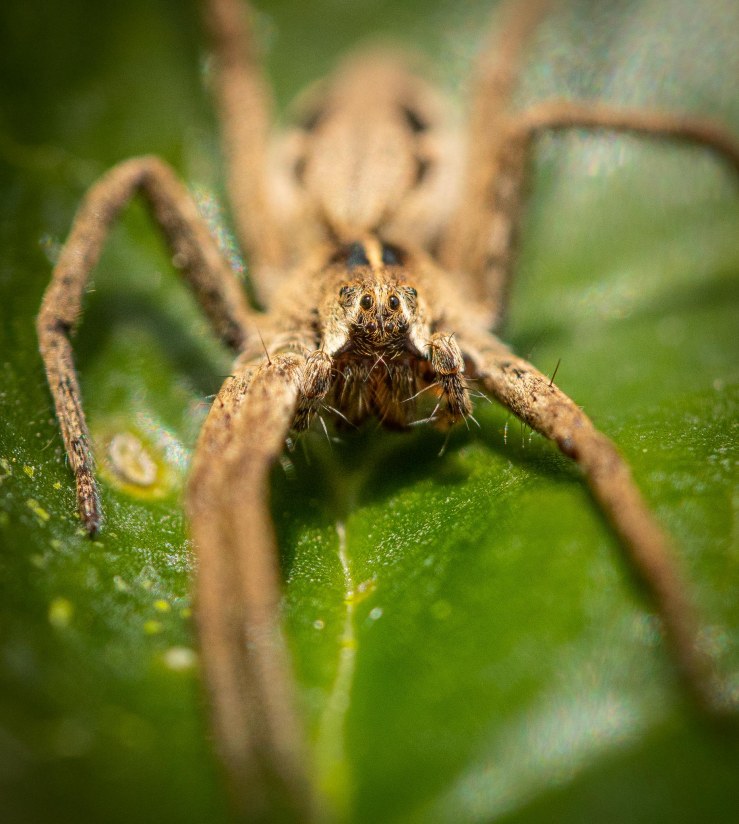
This area has some bare soil where the wolf spiders sun themselves. This may not be a wolf spider (planning on buying the spider book soon) but it was using the leaves of winter hellebores as a place of rest. The curves of the leaves can create a lovely effect.

Garden_31-3-2020-lo-res-24

This spider looks like something from the Muppets Christmas Carol, it is so hairy it’s almost like felt. Obviously its prey wouldn’t see it in the same way.

Garden_31-3-2020-lo-res-19

Head on, it actually looks rather innocent.  I know a lot of people definitely don’t feel that way, let alone its prey!

Garden_31-3-2020-lo-res-10

This is a good time to see red mason bees. I usually look for bees by their lagging flight, almost like something hasn’t quite loaded or buffered! These bees are often found in bee houses but as their name suggests they also enjoy the masonry of real houses. I totally fluffed a photo of a hairy-footed flower bee because I made the mistake of lazily relying on my lens’s autofocus. This week we’ve ordered a flowering currant for our garden to ensure there is nectar for them next year (it’s coming in October so don’t have any choice) and it should be easy to get them involved.

Garden_insects_28-3-2020_lo-res-3

The flowers of the unnamed shrub I mentioned last week have again been a big draw for insects. This flower beetle was so tiny but I still managed to snap this pic of it drinking nectar. Down it! Down it! Down it! Up close you can really see how sugary sweet the stamens appear. Not far off a sugar-coated jelly sweet.

Thanks for reading.

More macro

The Sussex Weald: the owl in the rafters

Blackdown-14-3-2020_lo-res-28

Blackdown, West Sussex, March 2020

We climb the hill on a winding, muddy path through woodland. The trees are sprawling yew, rotten beech and broken holly. On the thick, black soil holly leaves have fallen. We listen to the spinning coins of a goldcrest’s song as it moves close over our heads in the twigs of a yew. These tiny birds weigh little more than a 20p piece and must eat 90% of their body weight each day to survive in winter.

The light at the top of the hill comes through the branches. Woodland becomes heath of gorse, bilberry and birch. The voices of a walking group echo down as we step up through sandier soils now. A screen of crooked birches are splayed across the view, desperate to keep its secret. Their birchen secret is out.

Blackdown-14-3-2020_lo-res-27

From up here, the highest point in the South Downs National Park, the Sussex Weald opens out. Soft brush woods are broken by fields where individual oaks express themselves as they once would have, in landscapes kept open by now extinct herbivores like aurochs and wild horses.

Then there are the folding Downs catching in a spill of light from the west. The beechen clump of Chanctonbury Ring, with the heavy metal orchids of Truleigh Hill further east.

Blackdown-14-3-2020_lo-res-16

A woman is here with her son and his girlfriend, walking the dog. She tells them in a faintly Irish accent that you can see the Isle of Wight on a good day. This is not one of those days.

The families and walkers are dissipating and the view is now ours for a moment. Just as the last person leaves, a call rings out from the woodland we crept up through.

One call, and then the truncated follow-up. A tawny owl, calling from the rafters of the Weald at 3pm on a Saturday afternoon.

The Sussex Weald

#FungiFriday: the gifts of spring

Warnham_19-3-2020_lo-res-04

Fungi Friday 20th March 2020

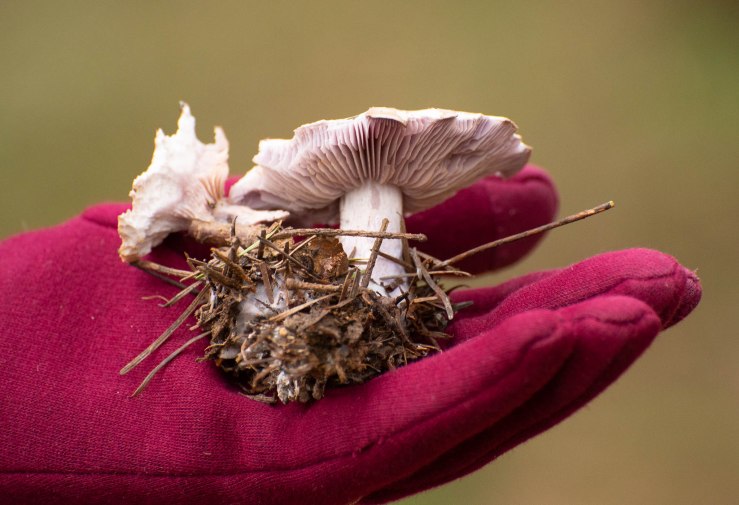
Happy Spring Equinox! Yesterday was a special day, the first proper mushrooms of 2020 made an appearance in Sussex, to me at least. Problem was I completely missed this mushroom, blewit! Wood blewit, that is (sorry). Thankfully it was pointed out to me and I had a glove model on hand (lol) to show it off.

Warnham_19-3-2020_lo-res-08

This has been an incredibly difficult week for people and it’s hard not to talk about it here. Heading out to see which birds are now singing or which mushrooms might be fruiting is a massive tonic to the social frenzy which is hitting pretty much everywhere at the moment. This week I heard my first singing chiffchaff of the year, a rubberstamp of ecological spring. This female great tit may soon become a mum.

Chesworth_17-3-2020_lo-res-6

We have to look to nature now as spring arrives. It puts you back in your place and gives a picture of the longer term. The wild life will go on. But we should also consider that the problems we are now facing are linked to our awful devastation of the natural world, the abuse of its wildlife and ecosystems. Seriously people, we have to consider what we are doing to wildlife and their habitats first hand and also by our consumption of unsustainable products like beef from Brazil or chocolate from companies with poor ethical standards. I really hope that people can find a love of nature now that makes us slow down, consume less and see that our impact has to change forever before nature changes us more abruptly. After this, there can be no going back.

Warnham_19-3-2020_lo-res-03

As I say quite often on this website, I’m not a forager of edible plants and mushrooms, though I know a fair number that I could eat. By that I mean plants and mushrooms, not actual foragers. I have never lived in a place where the foraging of anything beyond blackberries is sustainable. Some foragers must have been banking on this moment of temporarily empty supermarket shelves. Though our numbers are too great and nature’s larder probably too diminished to sustain our diets now. Shame that the toilet roll you find in the woods ain’t ripe yet.

Warnham_19-3-2020_lo-res-01

Most of the fungi I saw yesterday was not edible, either because of its species or just generally because something else had already eaten it. The Coronavirus situation should remind us that there are millions of other species with lifestyles that are far more sustainable than ours, and we are vulnerable to pandemics, especially as we force our way ever deeper into untouched ecosystems that have been intact for millions of years or disturb people who have lived in harmony with those landscapes for a long time. The fungus above is probably shaggy bracket or Inonotus hispidus, one you usually find in bits on the floor having dropped off from higher up. I learned this species conducting tree health surveys with tree inspectors.

Warnham_19-3-2020_lo-res-09

A common mushroom popping up now is glistening inkcap. The ‘record shot’ above is enough to show you how few mushrooms I’ve seen recently. The standards should get better as winter diminishes in the rearview mirror.

Warnham_19-3-2020_lo-res-10

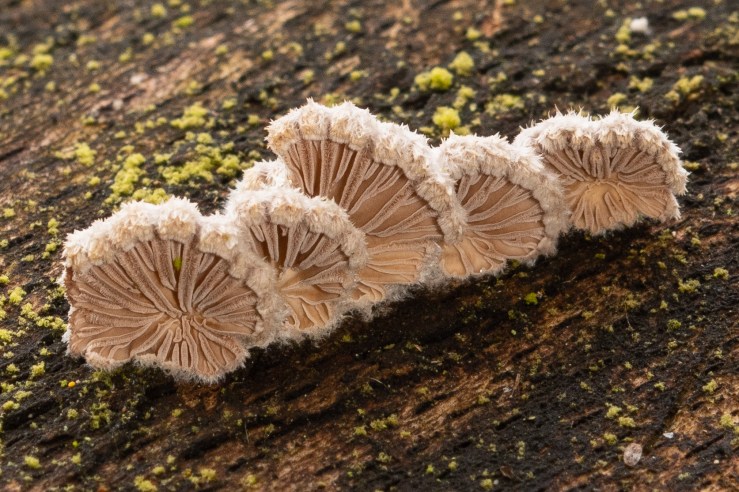
Some fungi need a bit more before they’re ready to go on stage. Here we have a splitgill fungus, which I covered a few weeks ago. Still this snowy white shroomster was a pleasant sight against the blackened rings of this log.

Garden_18-3-2020_lo-res-4

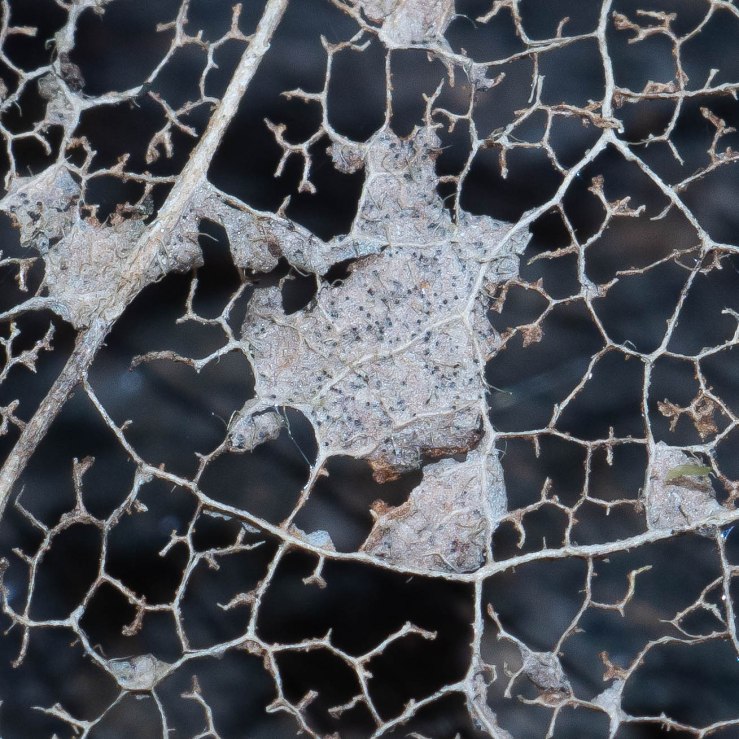
I am getting mentally ready to spend a lot of time in my garden this spring. I am very privileged to have a garden and, having eventually got to this point, I will never take it for granted. During one of this week’s WFH lunch breaks, I found this miniscule fungus frowing on the remains of a magnolia leaf. I wasn’t even looking for it, I saw it later when editing the RAW file on the computer.

Garden_18-3-2020_lo-res-1

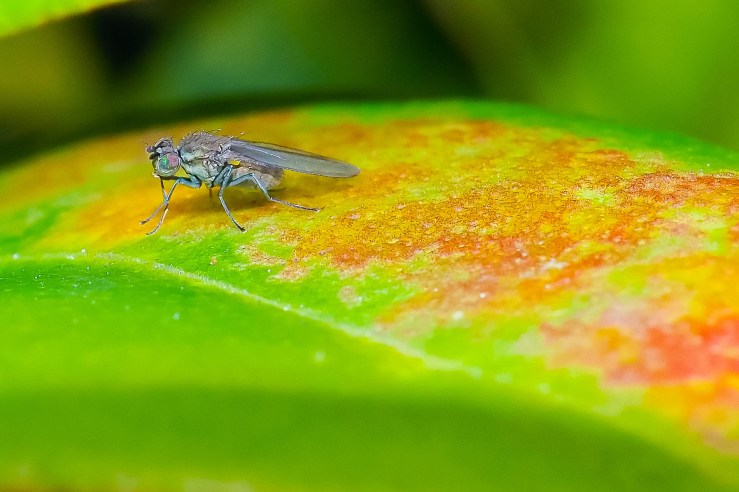
This very tiny fly was resting on a patch of fungus in the pigment of this leaf. I’d like to learn more about these types of fungi but one of the more recognisable ones is that which grows on bilberry (blaeberry, blueberry) leaves.

Warnham_19-3-2020_lo-res-11

I owe lichens for getting this #FungiFriday blog close to completing its third month. Let’s hope that Fungi Friday can help us adapt to the life changes we are all experiencing just now. I plan to do a virtual Fungi Friday guided walk if we’re still allowed out, in a couple of weeks. Stay tuned for that, but most of all stay tuned to the season rather than your news app on your smartphone. It will help you when you need it.

More mushrooms

#FungiFriday: fungi giveth and they taketh away

SLF_LRCC_14-2-2020-1

Fungi Friday 21st February 2020

The Weald holds so many future Fungi Fridays. It’s an ancient wooded landscape that stretches across Sussex, parts of Surrey and into Kent. It covers the most wooded part of the UK in East Sussex. Once it will have connected with the New Forest, forming much of England’s post-glacial ‘wildwood’. I am very privileged to live within rambling distance of the Weald. I write about walks in it once a month, check that out if you will.

I managed to sneak ninety minutes in locally last week and found plenty of interesting things. As well as the ‘dark side’ of fungi, a reminder that a fungus giveth, and it taketh away.

SLF_LRCC_14-2-2020-11

We have had two storms in two weeks in Sussex and the winter streams are tickling through the woodland understory. Above, a tree was resting in a winterborne. This means a stream that only flows in winter when rainfall is higher. In Ireland, lakes (or loughs) that appear in winter are known as ‘turloughs’. Got plenty of those right now in Brexit-land.

SLF_LRCC_14-2-2020-09

The log was covered in some nice looking turkeytail, a very common polypore that is said have anti-carcinogenic properties. It was a nice way to start.

SLF_LRCC_14-2-2020-06

Then I happened upon these absolute corkers growing on a dead birch tree. These are blushing bracket in their mature stage. This area of the woodland is very wet, with mosses like sphagnum attempting to recolonise more places. It is set in amongst mature beech trees at the edge of heath-ier habitats, largely consumed by pines that were planted, rank and file, by the Forestry Commission in the 20th Century. It’s very wet and many birches are succumbing there. This is natural.

SLF_LRCC_14-2-2020-07

This is a standalone dead birch tree with birch polypore, also known as razorstrop fungus. It’s a tough bracket fungus that people probably once used to sharpen their razors. It naturally controls birch trees and breaks them down for other organisms to devour, and therefore new soils to be created.

SLF_LRCC_14-2-2020-6

Here’s a quick macro of one of the mosses from the work of the razorstrop, looking much like a cedar or a fern.

SLF_LRCC_14-2-2020-1

I found some split gills looking rather shaggy, in a good way. If you look at the yellow smatterings around, I think that’s a slime mould making its way across the surface of the bark.

St. Leonards Forest - 12-5-2019 djg-6

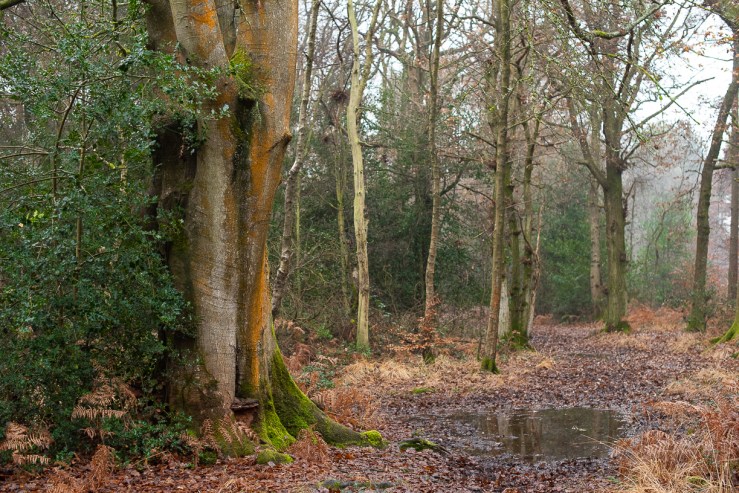
Rewind to May in this area, when the first leaves were appearing on the trees and the ground was far drier. This is one of my favourite trees to photograph in this woodland because of the orange algae and the beautiful buttresses at the tree’s base.
SLF - 5-12-2019 blog-18

Here it is in December, the ground much more wet, the leaves all gone. Can you see the bracket fungus at its base? It has been damaged, probably by a visitor testing its strength.

SLF_LRCC_14-2-2020-04

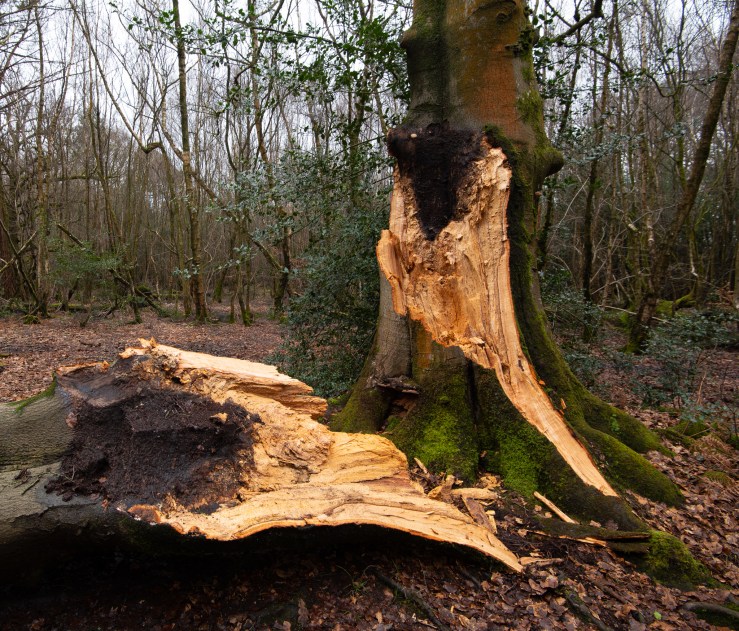
And here it was last week. Evidently the tree has been destabilised by the decay which has been accelerated by the fungus. This has softened the heartwood which leaves the tree vulnerable to storm damage.
SLF_LRCC_14-2-2020-03

But this veteran beech tree still lives, it has only lost one of its three trunks. I hope it can remain where it is and continue down its veteran path into the realm of the ancients.

It’s just another reminder that fungi has its own way in the world and there is no sentimentality involved. It’s there to break down organic matter. Trees were not a safety concern until we started walking underneath them everyday.

Some species share what they can find, others take, take, take. It’s in their nature. But in the end fungi are contributing to vital processes of organic recycling and renewal. Without the ecological role of fungi our species would not exist writing blogs, taking photos, hurling abuse at passers by, or walking under veteran trees in the woods.

More fungi

The Sussex Weald: all that’s left of the shadows

SLF - 6-2-2020 blog-37

St. Leonard’s Forest, February 2020

The sun hasn’t yet reached St. Leonard’s Forest. Frost covers the depressed spreads of bracken at the edge of trees. A dawn chorus still rattles on, dominated by song thrush posted across this wooded landscape. In the distance there comes the clopping of horse hoofs, a throwback to the days when highwaymen roamed the Weald and when people travelled almost anywhere far away enough, on horseback.

The horse riders appear on the hard track ahead of me. They’re galloping until they see me, surrounded by a cloud of perspiration. Their upper bodies are coloured yellow, green and orange by hi-visibility vests. The man leading the troop glares at me from under his helmet as I pass with birch trees between us. Perhaps he thinks I’m a warden.

‘Good morning!’ I shout across to them, which is met with a murmur.

Off they trot.

SLF - 6-2-2020 blog-1

Beyond the stands of spruce and pine planted on old areas of heath, the sun is climbing. I can hear the wash of the M23 as vehicles roar through its wound in the Weald. It’s one I use a couple of times a month, too, when heading further south and then east.

The first breaks of sun glow golden in birches and the spreading branches of pines. The remnant flowers of heather persist like leftover decorations.

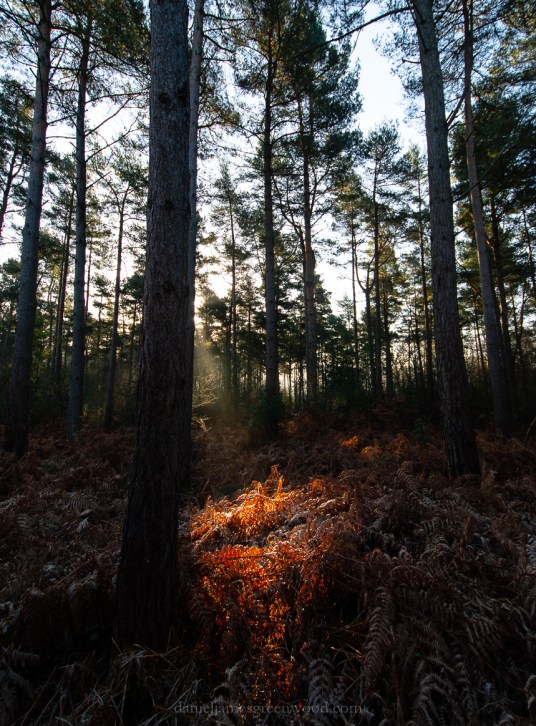
When the sun breaks the tops of the pines, things begin to change. Rays of light cut through the plantations and light small fires in the beds of bracken. They burn amber at the base of pines.

SLF - 6-2-2020 blog-21

The birds remain elusive: crests, tits, siskins, woodpeckers. They’re all here but they’ve found all that’s left of the shadows. I can only see silhouettes.

More people are arriving now with the sun, all with dogs. One couple have more than ten between them, one pug-like thing snarls and froths at the mouth, following me for a good minute. Of course, the apologies come. It’s such a common thing, you get bored of saying ‘don’t worry about it.’

SLF - 6-2-2020 blog-29

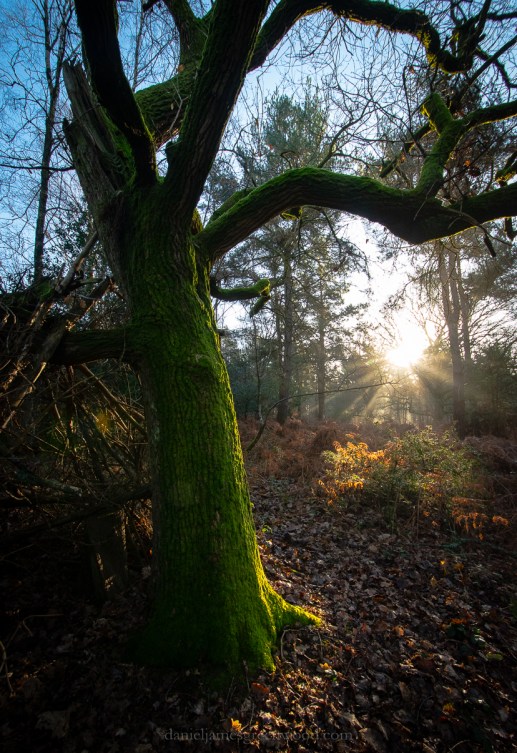
I notice a spread of oak trees, the sun crashing down through their boughs. One curved oak with a trunk lit entirely with green moss opens its door to yet more of its fellow species. These oaks are walking out of a cold and frost-bitten night, the icy coating on the vegetation around them steaming as it melts away in the day’s eyes.

The Sussex Weald

The Sussex Weald: spring is building in the winter wood

SLF 50mm - 18-1-2019 blog-7

St. Leonard’s Forest, January 2020

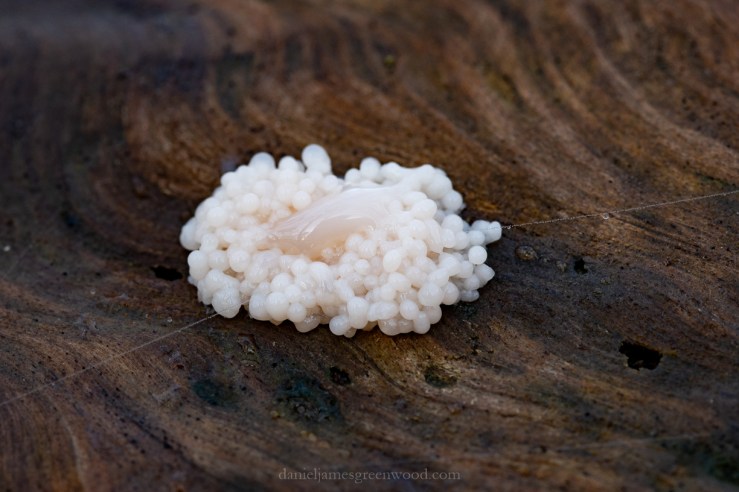
The winter sun floods the dark stands of birch, oak and sweet chestnut. It glitters in the frost as it melts away from crowds of moss. Steam rises from the soil as the sun warms the ground between oak trees, where nuthatches pipe and skip through their upper reaches. I scan a fallen pine tree for small things, fungi, moss, and find an incongruous clump of slime mould. The mould is like an emptied basket of boiled eggs resting in the swirling heartwood of the pine, smoothed by rain and people sitting.

The slime mould has a rope of spider silk crossing it and it has begun to melt in the centre like poached eggs that haven’t cooked for long enough. I set up my tripod as a man and his two black Labradors exercise themselves nearby. He stares at them, hidden behind a tree. I thought he had gone and left them until I stepped back and his monolithic profile appeared.

SLF macro - 18-1-2019 blog-5

Mud squelches grey and beige under foot, still on the Wealden clay, with the sandy soils of the High Weald sitting only across the gill. Speaking of the stream, I can hear it gushing down below. The rain has fallen heavily all week, with the Arun and the Rother both bursting their banks and swallowing fields whole. This feels like the first sunny day of the year.

A song thrush scampers across under holly, with redwing dotting the branches overhead. Their contact call is a bit like a hiccough. A stock dove’s wings beat in a way that sounds to me like the gentle yaffling of a green woodpecker, stopping abruptly as they land on a branch. A real woodpecker, my first of this year, hammers in the top of an oak. Robins rise up onto waist-high branches and sing their songs. Spring is building in the winter wood.

SLF macro - 18-1-2019 blog-11

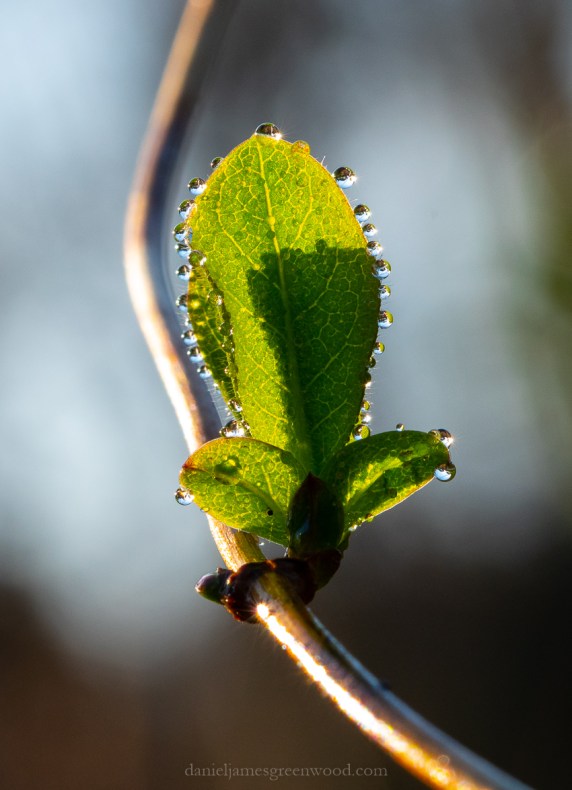
At the foot of the High Weald’s heathland, where the clay comes to an end, frost looks to have crashed down over night onto the bracken. The fences that protect the heath are topped with barbed wire, itself entwined in honeysuckle. The warm weather (eleven degrees on Thursday) have given the green light for some plants to grow. The honeysuckle spurts small green tongues, its leaves hold the water beads of melted frost. In the droplets the shape of pines, sky and open heath glow, in a world turned upside down.

The Sussex Weald

#FungiFriday: more like #LichenJanuary

Midhurst - 15-1-2019 blog-1
Flooding from the river Rother in West Sussex

Fungi Friday: 17th January 2020

Storm Brendon rocked up this week in Sussex and gave freedom of movement to the Arun and Rother. Temperatures have tickled 11 degrees but are set to crunch back down this weekend. Mushrooms must think, guys, WTAF?

Midhurst - 15-1-2019 blog-18

I see images of nice looking shrooms on social media, things like velvet shank glowing orange like sweets on tree trunks. All I saw were the melted ice lollies of sulphur tuft (Hypholoma fasiculare) on an embankment. It gets worse:

Midhurst - 15-1-2019 blog-14

Probably some bonnets, like a scene from the Netflix drama You. The rain has been too much for these Mycena. But have hope.

Midhurst - 15-1-2019 blog-15

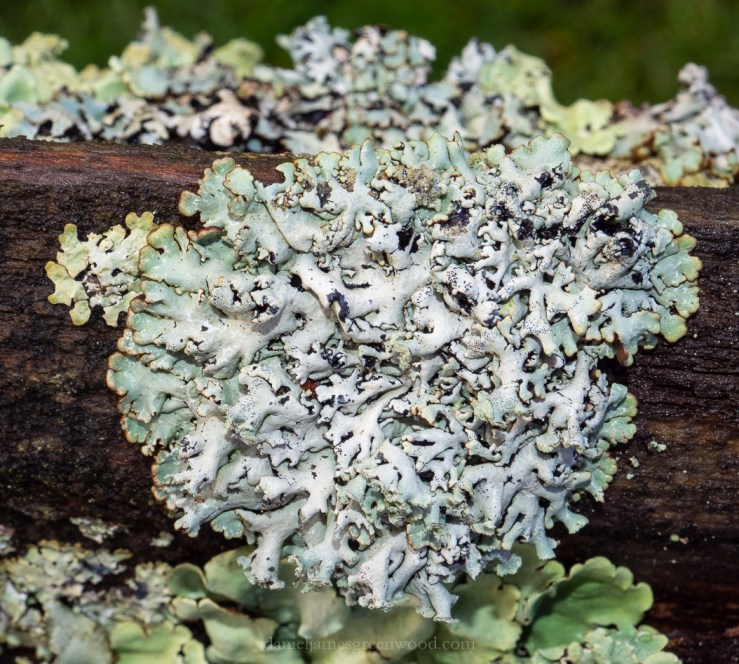
Where there are non-chemical treated fence posts, there is hope. That hope comes in the form of our symbiotic fungi-algae friends, the lichens. This is a great time of year for lichens due to the amount of rain and their resistance to winter weather. They are hard to shift.

Midhurst - 15-1-2019 blog-13

The fruiting bodies here are known as apothecia. I love them. They are like cartoon eyes or mouths. Wonder what they’re trying to say. Obviously it’s a climate warning.

Midhurst - 15-1-2019 blog-12

This one just takes the biscuit. My lichen guide is in Ireland where it belongs, with all the other lichens. So I’m sailing in the dark and just here to appreciate the beauty of these ancient, life-giving organisms.

Midhurst - 15-1-2019 blog-5

These fencing rails are a reminder of how important dead wood is in the biosphere as a structural support for biodiversity. No doubt lots of other organisms will make a home for themselves in these lichens.

Midhurst - 15-1-2019 blog-17

This is a finger post with the yellow being the paint of an arrow pointing in the direction of the public footpath. I love the little apothecia eye cups on the right hand side.

Midhurst - 15-1-2019 blog-10

Living wood also provides a platform for lichens to grow. I can’t cope with the colour range in the species which dominates the image here. They were growing on the bark of a fairly young beech tree. A few people did glance over when they saw me effectively hiding behind the tree with a camera. In actual fact the camera was jammed up against the bark taking macro pics. Still, could have gone wrong.

Midhurst - 15-1-2019 blog-11

Here you can see the brown streaks which are fissures in the maturing bark as it grows. Patches of foliose or leafy lichens are growing in among the crustose species.

Midhurst - 15-1-2019 blog-19

This was their view, an oak tree fanned out before the South Downs ridge. Not a bad place to be for a lichen.

The British Lichen Society are running the hashtag #LichenJanuary. Lichens are for everyone so it’s good to see such a niche group spreading their knowledge to the masses(?) for free.

Thanks for reading and please share any interesting lichen finds (or indeed identifications) in the comments. Some interesting mycological articles this week:

Mushrooms and orange peel: could biotech clean up the building industry?

Ikea to use packaging made from mushrooms that will decompose in a garden within weeks

More mushrooms


The Sussex Weald: the realm of the ancient

SLF - 5-12-2019 blog-24

St. Leonard’s Forest, West Sussex, December 2019

The path slopes up between ranks of birch, beech and oak. On the banks bracken is encrusted with frost and the addition of oak and beech leaves. I love the sight of a silver-lined oak leaf and December is the month to find them.

It’s about 9am. Mist lingers up ahead like the faint hang of smoke from a campfire. All around I can hear the falling of droplets of water. Looking at my sleeves there is no sign of rain. Then I realise it’s the frost melting in the tops of the trees. Water only falls from their crowns.

SLF - 5-12-2019 blog-14

In among the trees small birds flock and feed. These mixed groups of species have been building since September. A trio of bullfinch slip away from me in birch branches and bracken. Their fluty calls are faint and sweet. A white bib on their backs marks them out as they escape deeper into the dripping woods.

St. Leonard’s Forest was once more open than this. You can find huge beech trees dotted around from when they had the freedom to grow uninhibited. Now many more trees compete with them for light in the sky, good and water in the ground. One of the beeches has been damaged in a storm. A third of its trunk has fallen, splitting in two directions. Its summer leaves are still held by the fallen branches, shielding the scene of its collapse.

SLF - 5-12-2019 blog-11

This is not a catastrophe. It could result in the tree living centuries longer. Looking more closely the trunk glows green with moss and algae. It raises one limb still high into the air. This is its lifeline. Its heartwood is now exposed and soon more insects and fungi will move in. This is not a symptom of human error or mistreatment. Its is the true wildness of a tree stepping into the realm of the ancient.

The Sussex Weald

The Sussex Weald: a wader in the rushes

Cowdray - 3-12-2019 blog-2

Midhurst, West Sussex, December 2019

The cloud bares blue sky wounds above the Cowdray Ruins, as mist rises from the Rother. The sun breaks from the cover and melts the frosty rushes, droplets glimmer in brambles. Bull rushes thaw like over-frozen choc ices emerging from the bottom of the freezer.

A song thrush sings from the woods nearby and it has little competition. Except for a couple shouting at their dog as it flashes through the low rushes. Imagine if a song thursh was actually just saying ‘kids, go to school’, ‘where’s my breakfast’, ‘what’s the time-what’s the time-what’s the time’. Its beauty would shrivel away and it would become an annoyance. The mystery gives it life.

The dog runs free through the rushes, its paws sloshing as it seeks the scent at the end of its nose. Its owners’ cries grow louder, angry, fear creeping in. With it a small bird, a wader, bursts from the rushes and arrows out towards the town. It has a white breast and a long, thin bill, curving as it reaches the tip. Its wings are sharp like a modern fighter jet. I’m sure it’s a snipe.

The bird will have been roosting over night in the rushes and now will seek more wet grasslands, probably where the Rother snakes behind Midhurst and where there are less people. Not that there are really so many here. On spring evenings they perform an otherworldly song flight, something that I first heard over reedbeds in Poland a few years ago.

They sing in a bizarre, electronic kind of way, but also like someone skilled at blowing through a large blade of grass. That evening I watched it soar and swoop over the reeds and river. Birds hold such potential for us, the promise of their weird songs, in these dark winter months, offers hope.

The Sussex Weald