Blog

Books: On Gallows Down by Nicola Chester ๐Ÿ“š

Another short book review to point you in the direction of a great read.

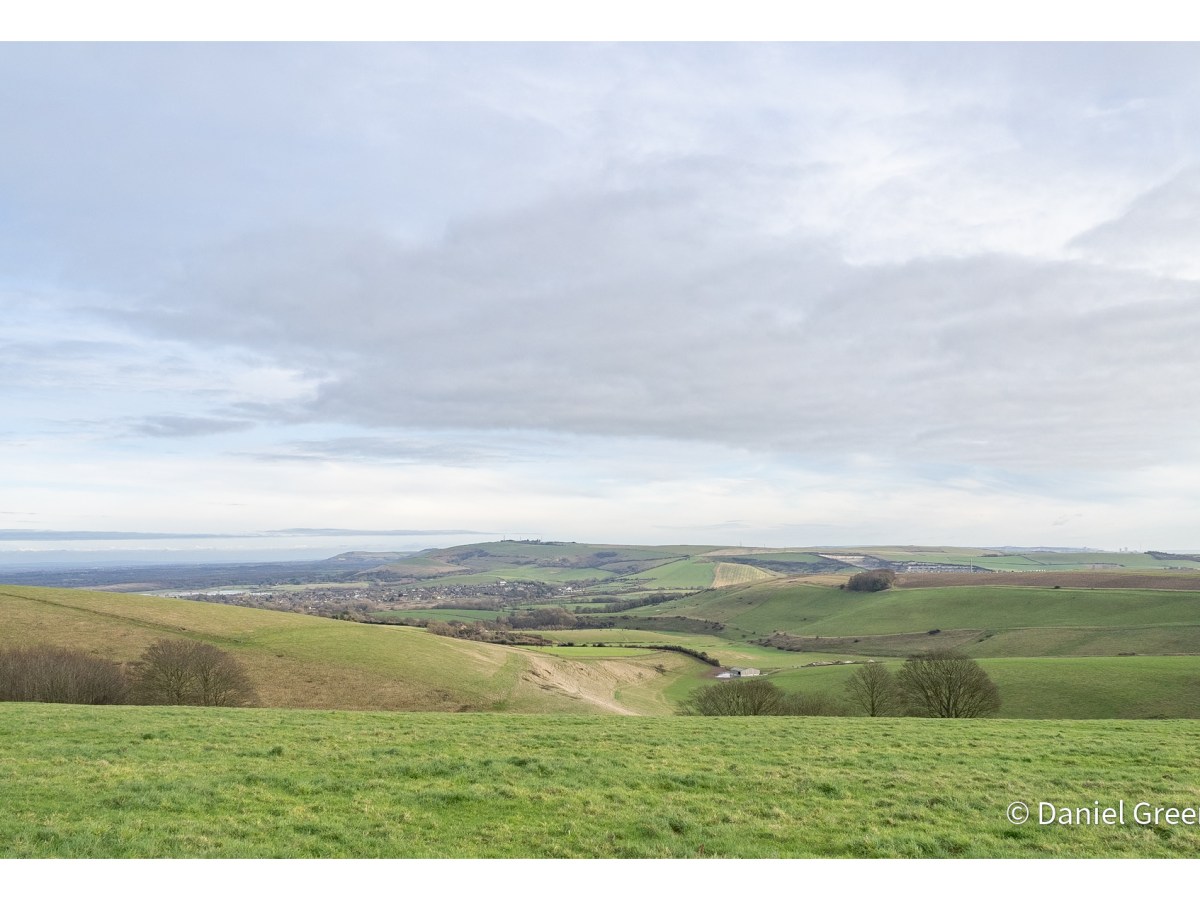
On Gallows Down by Nicola Chester is a personal account of a life lived within a frame of chalk – Berkshire, Hampshire and Wiltshire. It’s a story of major development threats, many of which prove unstoppable. We’re talking here about the Newbury Bypass and the Greenham Common protests of the 1980s-1990s. These are issues I don’t know much about, but I do have a hint of the landscape having worked nearby on occasion. Nicola’s accounts and research are enlightening and illuminating. The anguish is real, the Newbury Bypass is something she can see or hear from Gallows Down today (below), the hill that gives her the name for the book.

Nicola Chester is clearly a gifted writer in her evocations of the Wiltshire hills the book spends much of its time in. She isn’t writing for the sake of ‘being a nature writer’ but expressing a deep need to find meaning and belonging in the place where she lives, and all the diversity of non-human life that lives and dies in the land around her family home. The details of the book remain with me in fragments like memories that I can’t sometimes differentiate from lived experience.

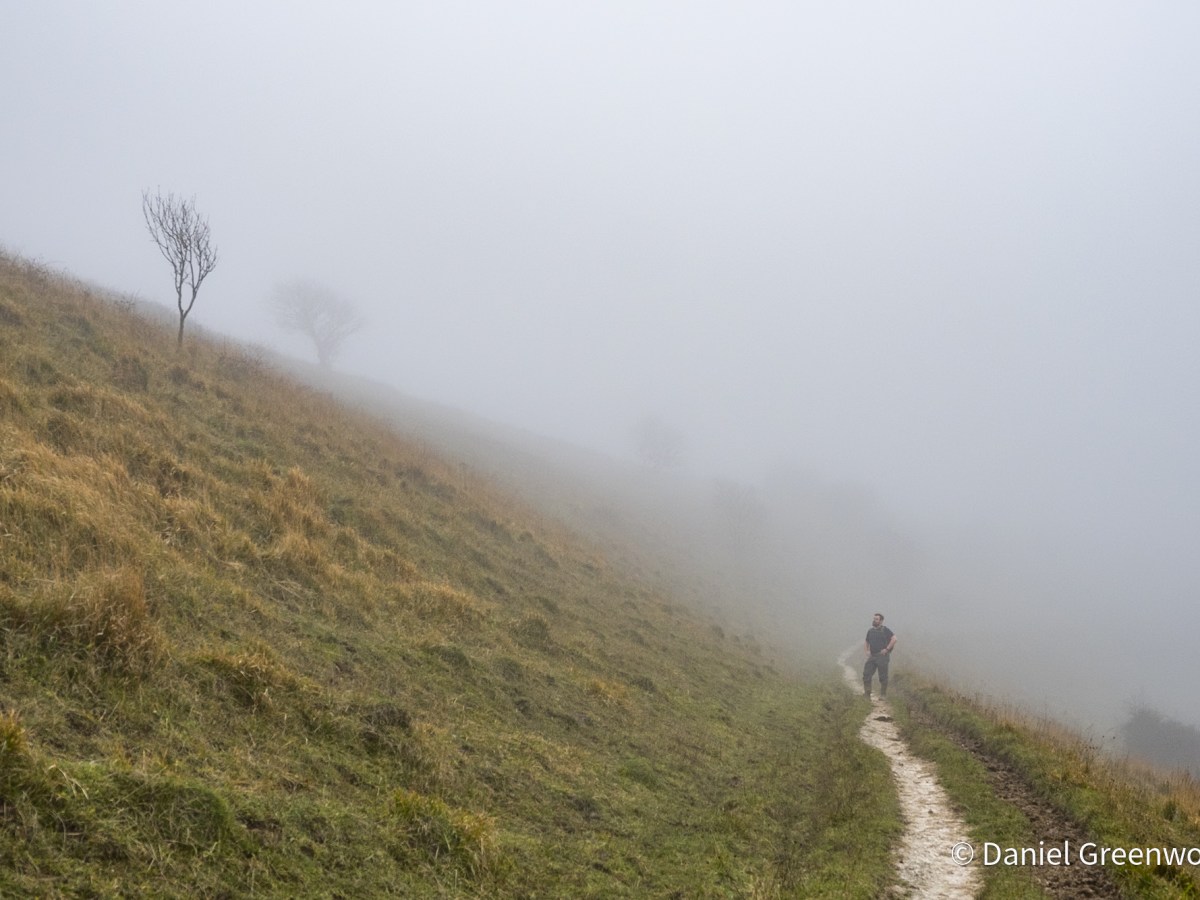
Nicola Chester launches her book in the mist on Gallows Down

Personal stories intertwined with nature can often miss the mark, becoming too much a platform for a person’s story, rather than how it might relate to the landscape. But in this book, the personal story, especially at the end, is one of the most affecting things I’ve read in a long time

The story of Nicola’s loss of her father cut right through to me, having experienced something only a year ago that felt almost identical. I have to thank her for her honesty.

The book also makes clear how precarious rural life remains for many people, especially for families without property or the wealth of many rural landowners. This is a story that is rarely told, because ‘the countryside’ is sold as an idyll, a place of wealth and peace where anxieties are few. On Gallows Down will show you another world.

Nicola’s accounts of local landowners and the excruciating processes of trying to get people on side to her ecologically-minded way of thinking ring true. She goes to show how passion and love for nature, and wise diplomacy in human conflict can rival the power and authority of a landowner, despite their untouchable wealth and privilege.

This passion play can go wrong for individuals in a community setting, but Nicola comes across as a master of campaigning and negotiation, a deeply compassionate person. So much of what she says echoed things I’ve witnessed first hand in similar situations, but in different parts of southern England.

There is the sense that this is a book only one person could write, with Nicola’s experience, love and knowledge of a certain part of England. On Gallows Down will always stand up to me as a classic of English biography, landscape, place and nature writing.

On Gallows Down by Nicola Chester

Thanks for reading.

Splitgill fungus, another weird one! ๐Ÿ„

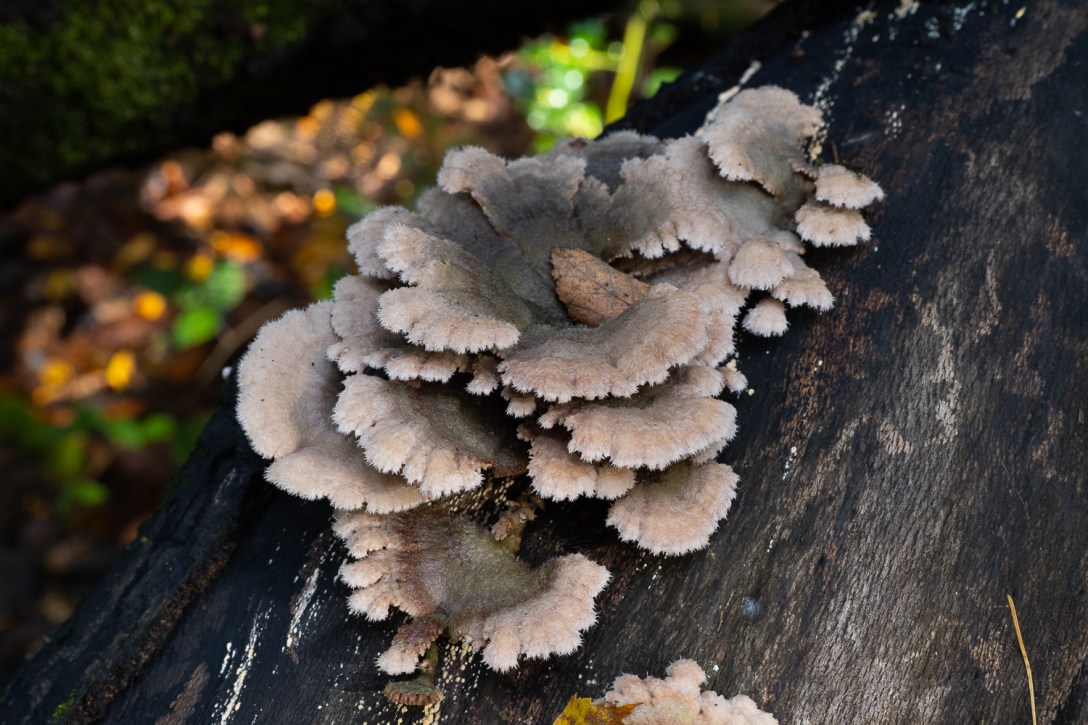
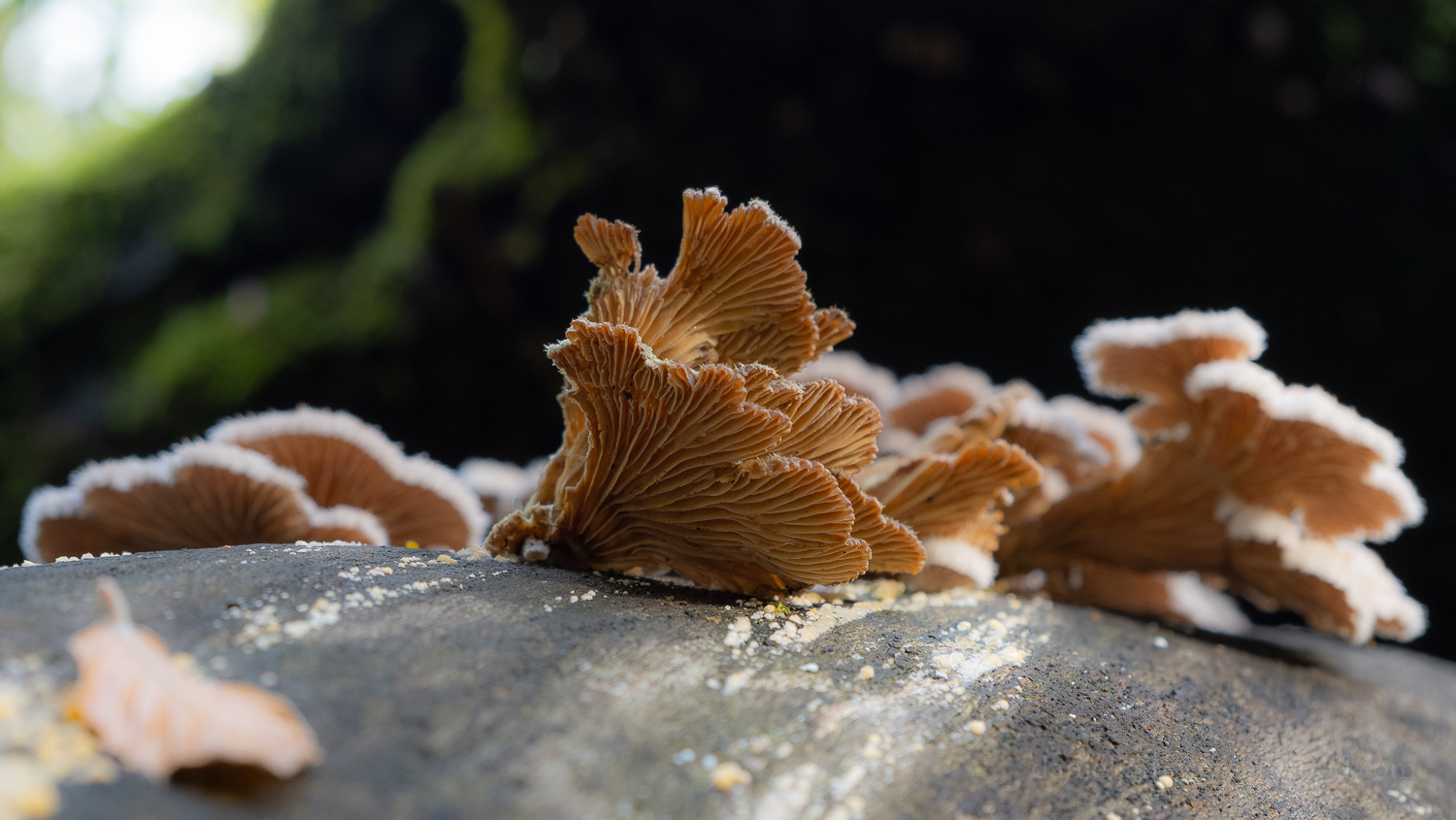
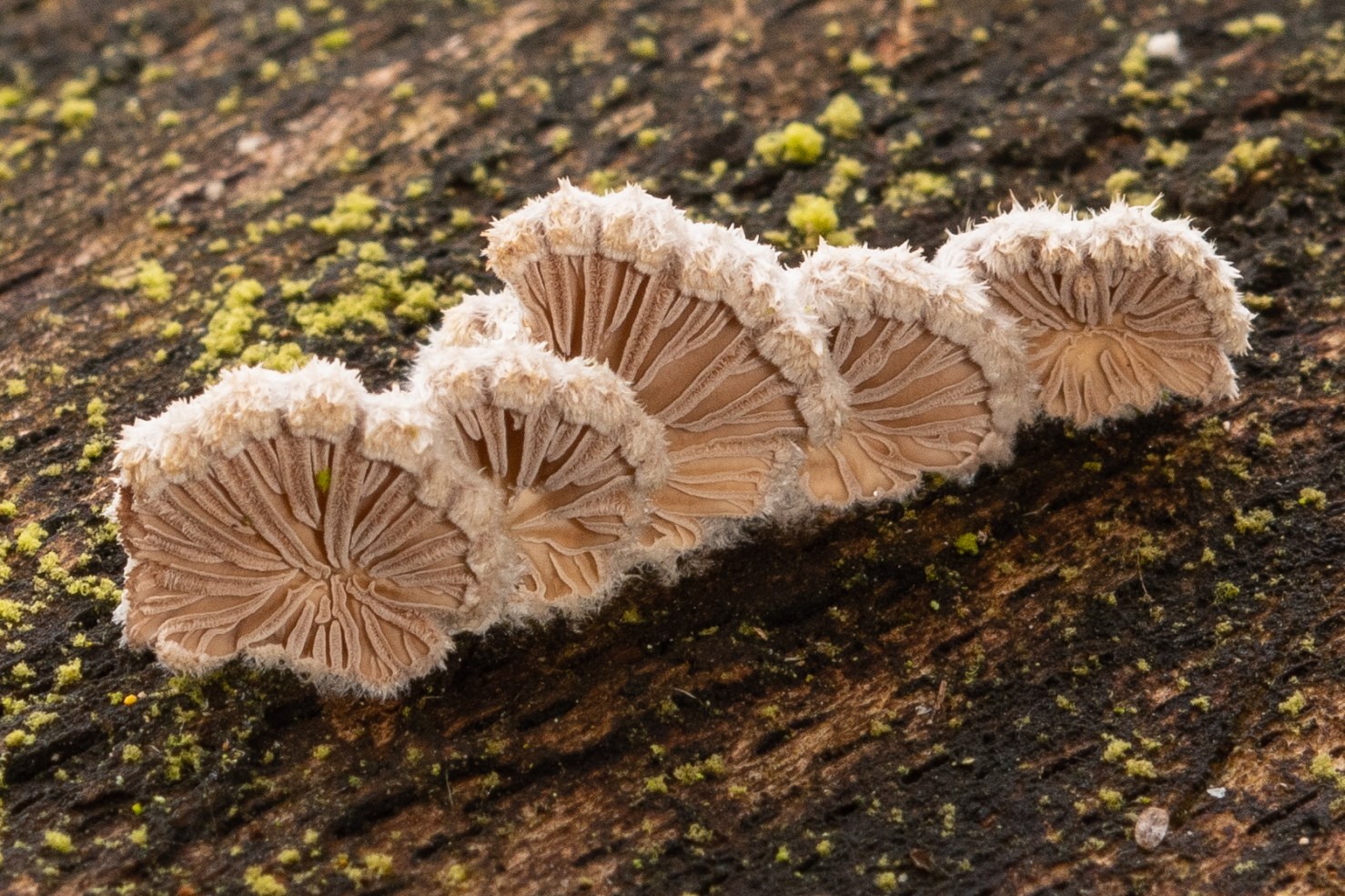
I encountered splitgill fungus again at the end of October. It’s a very attractive species due to its interesting ‘split gills’. But it also has a fascinating biological story. I considered outlandish titles for this blog post, including ‘the fungus that has 20,000 sexes and sometimes lives in humans’. After researching a bit more, that 20,000+ figure was so common it looked like clickbait. I have standards, people.

Visually splitgill fungus is known for its vein-like gills, as seen in some of the images here. Otherwise it’s known for its potentially serious impact on the lungs if you’re ever incredibly unlucky enough to have it make a home in, well, you. As Covid-19 has reminded us, despite our attempts to lord it all over nature, we are a habitat in ourselves, with fungal spores also being present in our bodies as they are pretty much everywhere in the environment.

The splitgill apparently has 28,000 sexes, which may not be as remarkable as us simple humans think. I don’t have the space to go into sex in fungi on this blog, it’s complicated, but it’s also not the same as it is for humans.

The splitgill is also perhaps the most widespread fungus in the world.

It’s a species I most often find on deadwood, usually on fallen beech trees in Sussex. It’s particularly visible in the winter months.

One of the best articles online about the splitgill mushroom is this one, from February 2000! I was a teenager just encountering chat rooms then via my parents’ 56k dial-up modem. Coincidentally, the author of this blog, Tom Volk, passed away in recent weeks. He obviously has contributed a great deal to people’s enjoyment and understanding of the fungal kingdom.

As mentioned earlier, splitgill fungus is also known for some extreme medical issues in isolated cases. Not that you should worry about it:

This is a very interesting YouTube video on the Learn Your Land channel. It lays out all the information about the fungus affecting people medically, and some examples, in a much more interesting way than I can here. Do have a look if you want to know more.

Thanks for reading.

Further reading: Fungi | Sussex Weald

Latest from the Blog

Rathcroghan: Halloween’s Irish origin story

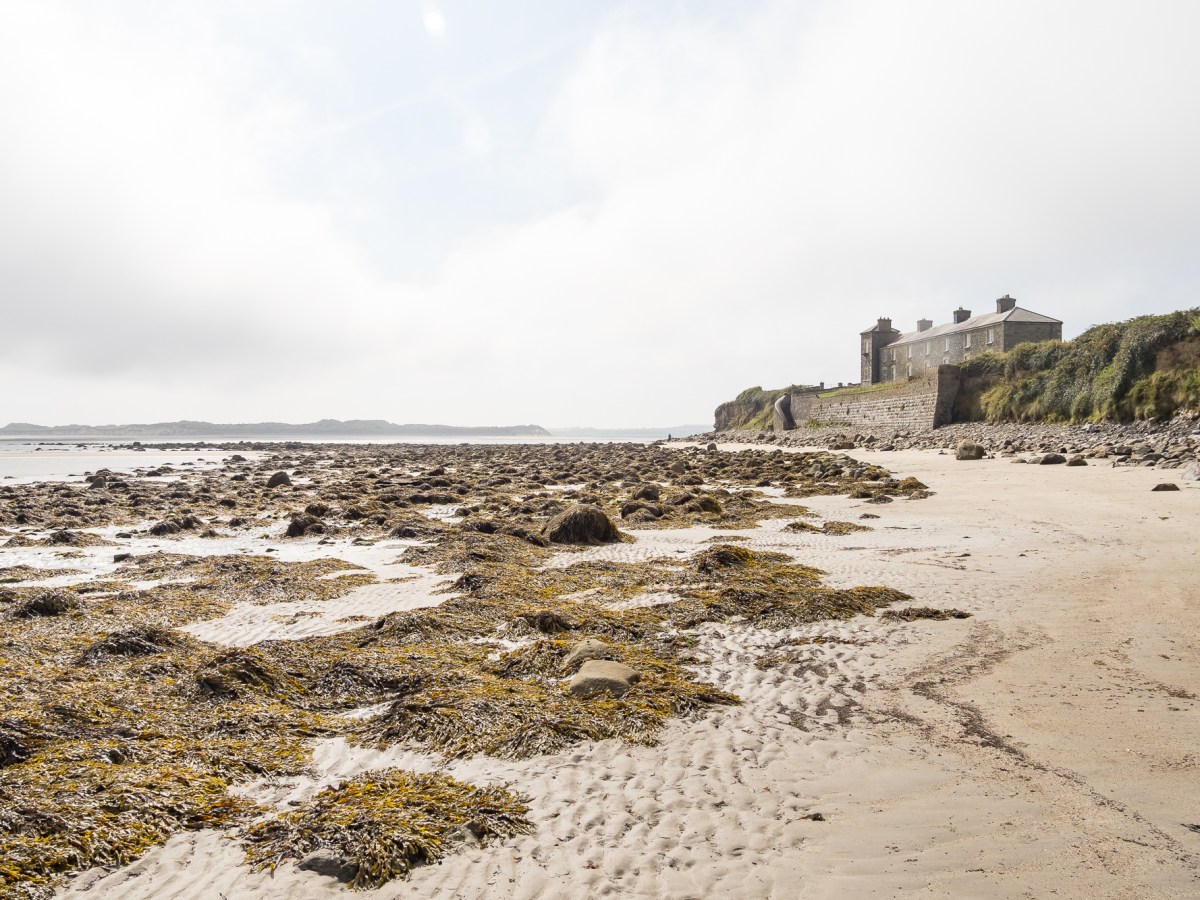
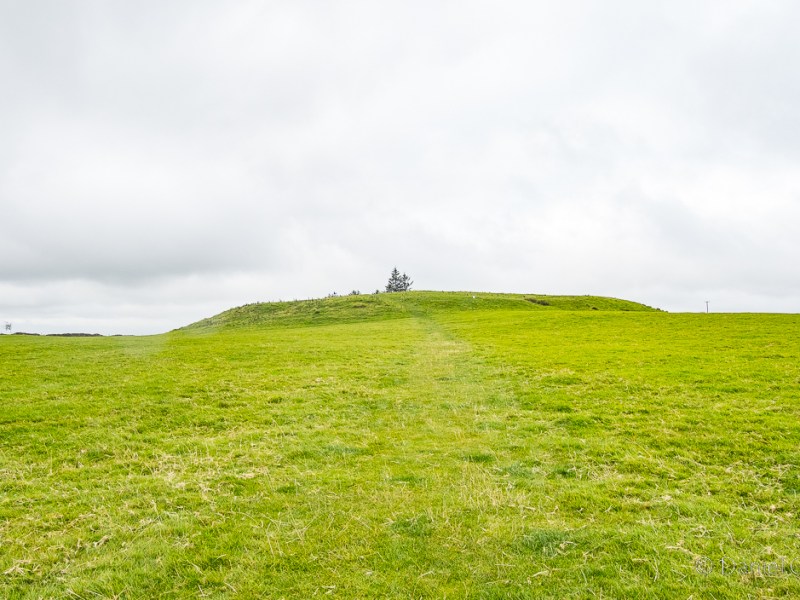
Rathcroghan, Roscommon, Ireland, September 2024 This short post shows some of the images I snaffled from a pit stop at the ancient Celtic landscape of Rathcroghan, while travelling from Mayo to Dublin. Apologies if I mangle any of the Irish mythology, it is not a subject I’m at all familiar with. Rathcroghan is one ofโ€ฆ

South Downs: early summer in the Arun valley

Amberley to Washington, West Sussex, 4th June 2024 The photos in this post are a mix of Olympus EM-1 MIII mirrorless camera images using a 12-100mm (24-200mm full-frame) lens, with a few phone pics for detail. The photos have been cropped, marked and enhanced in places using Adobe Lightroom. I do not purposefully use Generativeโ€ฆ

The South Downs: old ash tree

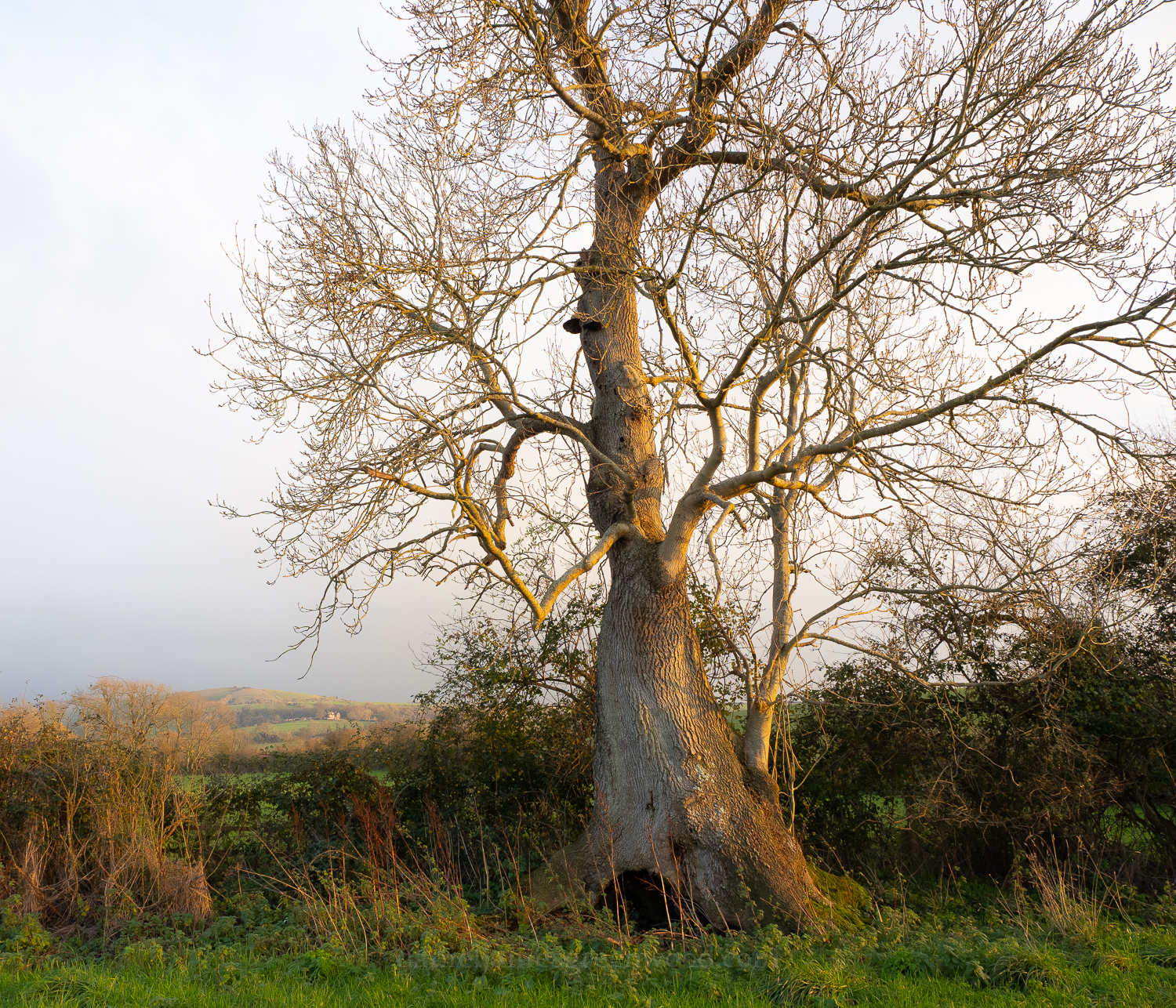
This week’s single photograph is an old ash tree in Amberley, West Sussex, taken on 2nd December 2022. This tree may once have been part of a laid hedgerow, hence its wider base. Ash trees are disappearing from the British landscape thanks to the invasive fungus known as ash dieback. I do try and record the older ash trees when I see them. This tree’s left-hand branch is pointing to one of the highest hills locally, Amberley Mount, up on the South Downs. The bracket fungus seen higher up the tree is probably shaggy bracket.

Thanks for reading.

Further reading: The South Downs

White saddle: one of the weird ones๐Ÿ„

On 24th October 2022 I spent the morning taking photos of fungi in the Sussex Weald, and was treated to one of the final flourishes of the season. There had been heavy rainfall in recent days and the beech leaf fall had begun, meaning that the mushrooms were beginning to disappear. This often marks the end of the main mushroom glut in autumn, from my experience.

To fast forward to the end, just as I was on my way out of the woods and putting my camera away, I noticed what looked like discarded tissue in a ditch at the edge of the track.

I soon realised that these were white saddles (Helvella crispa).

This is a very unusual looking fungus and isn’t the typical gilled mushroom despite their appearance of having a stipe and something resembling a cap. They’re actually ascomycete fungi, so spore-shooters, rather than the often gilled basidiomycetes.

Here’s an update on the status of the violet webcap which I blogged about again in 2022. It won’t thank me.

The sun shifted into the line of this false deathcap (Amanita citrina – about to become several different species!) and made a very nice autumn scene.

Brittlegills are some of the most photogenic little mushrooms, largely due to their clean stipe and gills, and fruit gum-like caps. I’m not sure of this species but I like it.

A Medusa-like group of honey fungus (the most feared fungus in the world).

A younger patch of fruiting bodies, where you can see the lovely honey colour.

I’ve not encountered much stagshorn this year, perhaps only during this walk, which seems unusual.

A puffball at the point of puff.

Elsewhere in the weird fungus stakes is this scalycap growing out of a hole in a beech tree. It was as large and intrusive as it looks here.

Thanks for reading.

Further reading: Fungi | Sussex Weald

Latest from the Blog

The ruins of Brambletye

A walk from Forest Row to the Brambletye ruins in Ashdown Forest, with some ancient woodland and rocky outcrops scattered along the way.

The Sussex Weald: Autumn sunset at Cowdray Park

A new blog post series of single images, maybe, to counteract the decline of Twitter and the TikTok-isation of Instagram?

This image was taken at Cowdray Park near Midhurst on Monday 14th November. It was a stunning autumn evening, with trees in shades of gold, yellow and orange all the way to the sumptuous Downs.

Flushing woodcock in Dulwich ๐Ÿฆ†

On Saturday 12th November I led a fungi walk for London Wildlife Trust at Dulwich Wood in south-east London. I only managed one photo on the day because I was working and leading the group around, but it was a pretty good one nonetheless.

When doing a pre-walk check I accidentally flushed a woodcock from the vegetation off the main paths. I never like to do something like that but they are so difficult to see, camouflaged down there in the leaf litter. Itโ€™s good to know they are still able to use to woods as a stop off on passage. It also suggests they are using woods nearby which have no public access, because this is one that has hundreds of thousands of annual visitors, so ones free of ‘disturbance’ must be even better.

John Gerrard Keulemans, Public domain, via Wikimedia Commons

This isnโ€™t new in Dulwich. Local ornithologist Dave Clark once told me a story of a woodcock smashing through someoneโ€™s window and landing in their bedroom. Because woodcock migrate, often by night, they sometimes get it wrong. Their long bills and speed of flight also mean they will crack glass quite easily. The bird in question was scooped up and taken to a vet, from what I remember it survived and lived to fly another day.

There’s a really nice episode of the Golden Grenades podcast featuring woodcock that you can listen to here. It features Kerrie Gardner, a superstar writer, photographer and sculptor who is a friend of this blog!

On the fungi front, the mushrooms were very few and far between considering the time of year. There was a shaggy theme to what was there, in that two of the sightings were shaggy parasol and shaggy bracket. The most common species group were the bonnets (Mycena), along with small polypores like turkey tail and hairy curtain crust, which are all on decaying wood.

Some more phone pic bonnets on fallen oak wood

My sense is that the extreme heat and drought this summer, where temperatures reached 40C, has had a worse impact in smaller woodlands in places like London. More rural, larger woodlands are able to hold water and moisture more effectively, therefore being able to feed fungal communities far more easily. Those woodlands also have running water in the form of brooks, streams and woodlands that aid soil moisture. Londonโ€™s woods look far drier in November than those in West Sussex, even after torrential rain.

Itโ€™s also very mild, around 15-18 degrees on the 12th November, which shows just how far-reaching climate change already is. The milder weather may mean mushrooms fruit for longer though, with the colder temperatures held off until maybe January or February. Itโ€™s just so hard to predict these days.

ยฉ jonatan_antunez, some rights reserved (CC BY-NC)

One interesting thing that a couple of people on the walk discovered was a species that was new to me. On a scaffold board used for steps, a small blue polypore (example photo above) was peeking out. Having seen it elsewhere on social media in the last week, I can confirm it was blueing bracket. I’m back there soon so will aim to get some *actual* pictures next time.

Thanks for reading.

Further reading: Fungi | London

Books: Starling by Sarah Jane Butler ๐Ÿ“š

I recently finished reading Starling, a new novel by Sarah Jane Butler. I’m no reviewer of books and never feel comfortable giving books a rating, but I wanted to promote a book from a fellow Sussex Weald-resident. I really enjoyed the book, which I read while on holiday in a village much like the one portrayed in the book, which helped bring the book to life.

While I’m not necessarily sold on all the books that would come under the moniker of โ€˜eco-fictionโ€™, I like the grounding of ecosystems in this kind of fiction, and how much more you can do with that.

That said, Zoe Gilbert (who I recorded a podcast with recently) uses fantasy and folklore to take real life ecosystems and historic landscapes to all kinds of special places (I told you I’m not a literature reviewer) in Mischief Acts.

Sarah Jane Butler

Another important thing that this kind of fiction can do is put social and ecological issues firmly alongside one another – something that general nature writing often avoids. Starling explores social and ecological challenges, following an abandoned young woman (Starling) on her journey in trying to find work and settle into a new community. As you can imagine, itโ€™s not straightforward for her. I’m keen not to attempt a write-up of the story here, you should read it for yourself if it interests you.

You can buy the book in hard back or digital at the moment, with more information available on Sarah’s website.

Thanks for reading.

Latest from the Blog
November 2025: beware of pity

I’ve had a burst of American visitors in recent days (to my blog, not my house). So thanks for visiting, y’all, and sorry about the year you’ve had. You may have noticed I’ve slipped to monthly posts on here. Between April and October I posted blogs every Monday without pause, which is a tricky taskโ€ฆ

Dog stinkhorns in Aldershot ๐Ÿ„

On Sunday 6th November I led a fungi walk in Aldershot in Hampshire, on behalf of Brimstones.

Interesting fact: Aldershot means a piece of land (‘shot’) home to alder trees. It’s the same for the placename of Oakshot, sometimes with an extra ‘t’ included. Helpfully, there were plenty of alder trees on this walk and more than enough rain to keep them happy.

I whipped round the woodland to gather some specimens for the walk intro. The conditions were rough – high winds and lashing rain. I actually failed to find much of note for the first half an hour looking. It was only until moving into a heathy area of birch and oak that things began to pop.

Candlesnuff fungus – ever reliable

That said, I wouldnโ€™t describe the mushroom situation as of 6th November as ‘popping’. More like slopping. There had been heavy downpours that morning and across the previous week. This means mushrooms are quite washed out or else just mush!

That said, when the attendees for the walk joined up and we began looking with all those extra pairs of eyes (and some lovely late afternoon sunshine) we found so much more than I could see alone in the rain. Itโ€™s a reminder that the role of a walk leader is not to know everything (ha) but to enable others to tune in and learn something yourself in return.

Local samples including white saddle and false deathcap

I collected a bunch of species, some already uprooted, to show to the group at the start and give a sense of what we were looking for. This included a brittlegill, false deathcap, brown birch bolete, coral fungus, sulphur knight, sulphur tuft, and white saddle.

Upon walking through the site I was thinking about dog stinkhorn and, moments later, I saw that very species collapsed in some bramble. Visualise the mushrooms you want to see in the world is my advice. The problem is that this is a visually challenging species.

Dog stinkhorn is one of the weird ones

Other less common sightings (for my eyes anyway) were elfin saddles. These are similar to the white saddles also seen here but are often smaller and have a blue-grey cap, if you could call it that. I took a pic but can’t bear to share it as it’s out of focus and very dark.

What I didnโ€™t take photos of were lots of brittle gills, some fly agaric, and the hundreds of small bonnets in the leaf litter. It had the feel of a season passing its peak.

Thanks for reading.

Further reading: Fungi

Night photography: an Orionid meteor in Dartmoor’s dark skies โ˜„๏ธ

On Sunday 30th October I was admiring Jupiter in Dartmoor’s pitch black skies when what looked like a satellite skimmed above the tower of the illuminated church (header photo only viewable in browser).

At first thought it was a satellite due to its steady glide, but then satellites don’t usually burn up in the atmosphere, which is what this object did.

Orionid meteor by Brocken Inaglory via Wikimedia Commons

It later turned out that the trail of light was part of the Orionid meteor shower. Above is a photo kindly donated to Wikimedia Commons to illustrate it.

This Orionid was seen outside the peak for this shower. It was even more lucky because the weather surrounding those nights had been pretty much torrential rain and the night sky had been tucked away behind cloud.

The Orionids aren’t anything to do with the constellation of Orion directly, but are so named because they appear nearby and their naming helps people (like me) to locate them. These meteors are actually fragments of Hally’s Comet, which you may have heard of.

Jupiter seen through the leaves of a silver birch tree (Dartmoor, November 2022)

This is a great time to observe the night sky and take in all the night has to offer. Redwings are arriving in their thousands and can be heard even over the most built-up and light-polluted parts of the UK. While the Orionid meteor flashed across the sky, redwings were covering the night sky in their own, invisible but audible way.

A few nights later the skies cleared after days of heavy rain and high winds. This gave a good chance to look at Orion, which was fixed perfectly from the back of where I was staying at the time of viewing:

The constellation of Orion: Dartmoor November 2022

Cropping a bit closer you can see the fierce glow of the Orion Nebula in the bottom right-hand part of the image:

Also prominent and not too far from Orion was the Pleiades:

The Pleiades: Dartmoor, November 2022

I’m using a new camera (Olympus EM-1 MIII) at the moment which has the ability to autofocus stars with a special feature. It didn’t actually work that well for me, though I was taking these photos handheld and may have had the settings wrong. It was a spur of the moment kind of thing, as much as my astrophotography attempts are to be honest!

I was really drawn to this large bright star to the left-hand side(!) of Orion. I need to be better at noting the locations of stars in relation to other constellations. Looking at Stellarium I think it’s either Mars or Betelgeuse.

Thanks for gazing.

Further reading: Night photography

Latest from the Blog

Summer-autumn 2025: unveiling the sun

Here’s my seasonal update of stuff you don’t need to know about, but then welcome to the Internet. What Iโ€™m writing Soon I will be self-publishing my third poetry collection, Foolโ€™s Wood. It’s seven years since my last one and this collection has taken longer because of LIFE. There will be a booklet and alsoโ€ฆ

Salisbury’s oak timbers

Here’s another entry in my slow-blogging Oak Timbers series. You can view my galleries and posts archive here. I visited Salisbury in Wiltshire (south-west England) for the first time in 2023 and was really charmed by the place. If you’re interested in this kind of thing, Salisbury is the place for you. Here’s a galleryโ€ฆ

A basketful of boletes ๐Ÿงบ

As seen on Friday 14th October 2022

In mid-October I met up with the Heathlands Reunited team at a Hampshire heathland in the Surrey borders. The meeting was to scope out a fungi walk I will be leading with them next month, and I thought it would be worth sharing some of the sightings. They will no doubt differ next month when autumn is well and truly progressing towards winter.

Very early on we found a perfect scarletina bolete (Neoboletus luridiformis)! This is one of my favourite species, having only seen one once before, on chalk on the South Downs Way in 2019.

Elsewhere in the bolete family, there were loads of brown birch boletes (Leccinum scabrum), most of which were in very good condition. Bramshott is a heathland so there’s a lot of birch there.

There were also plenty of Boletus edulis but they seemed to be mostly covered in mould after recent rain. This part of the Weald and Downs is quite misty and damp at times, so the mushrooms were probably quickly affected by the conditions.

There were lots of these red mushrooms that you may have heard of before. They’re enjoying a good year.

Other amanitas found that afternoon include what is either panther cap or grey-spotted amanita.

Less spotty amanitas included the highest numbers of tawny grisette mushrooms (Amanita fulva) I’ve ever encountered.

This grisette had fallen over. At the base you can see the ‘egg’ the fruiting body emerges from.

Along with those amanitas, the most common mushroom by a long, long way was the brown rollrim (Paxillus involutus). This is a poisonous mushroom which seems to be having a very good year.

Here’s a closer look at one of those grizzly bears. I first saw this mushroom when attending a walk from someone who taught me a lot – David Warwick – in Nunhead in SE London. He pulled what looked like a piece of rubbish from an old tree pit, what turned out to be the brown roll rim. I’ll never forget it!

As mentioned previously this season, the russulas are having a strong year. These lovely yellow ones, were appearing afresh from under the pines and birch. You can see a collapsed amanita in the background.

I have considered whether to try and spend more time learning to identify russulas. My focus is on learning families rather than getting obscure fungi down to species level. I am not completely a scientist in this and my aim is to produce photographs and write these blogs. It becomes all about how much time is available to you and what the best use of that time is.

As we finished scouting the route for the walk, we bumped into a group of women who were picking mushrooms. They had a woven basket full to the brim. From what I could make out they had picked a lot of honey fungus, ceps, a scarletina bolete and one of the leccinum boletes. We got talking to them and discovered they were Polish – I can speak a little bit, which I deployed here, always received very warmly! – and the woman in charge really knew her stuff. She said she was going to pickle them in olive oil and was happy with the slug-bitten state of that cep you can see on the lefthand-side.

I’ve written before about the place mushrooms have in historically ‘Slavic’ countries such as Poland. This is not something you would often see in England, nor to encounter someone with the level of confidence in their knowledge. Of course no nation of people can be generalised or defined in any one way but the English culture has become one of mycophobia.

If anything is to be said in riposte to that, it’s that the level of interest and intrigue in fungi in England is growing. We were here to plan a route for a public fungi walk, after all!

Thanks for reading.

Further reading: Fungi

Enjoyed what you saw here? If so, please support my work: https://ko-fi.com/djgwild