Blog

Macro Monday: a National Park in a flower bed

OLYMPUS DIGITAL CAMERA

Macro Monday 15th June 2020

Each week, this blog is defined by the weather the week has thrown out. The headline photo of a wool carder bee sheltering under a leaf defines it pretty well. It’s been grey, sometimes wet, and very windy. That has meant more than anything that I’ve been focusing again on the garden. No trips to local National Parks this week.

OLYMPUS DIGITAL CAMERA

One of the regular lessons I learn from macro photography is that travel is not necessarily helpful. It’s knowing your location. Macro makes a National Park of a flower bed in terms of micro-locations to visit. A beetle is a bison, a bee is a beaver, if you see what I mean. In a raised bed where raspberries are growing prolifically one leaf has fallen and is housing these eggs. I’m not sure what they are, perhaps a shield bug.

OLYMPUS DIGITAL CAMERA

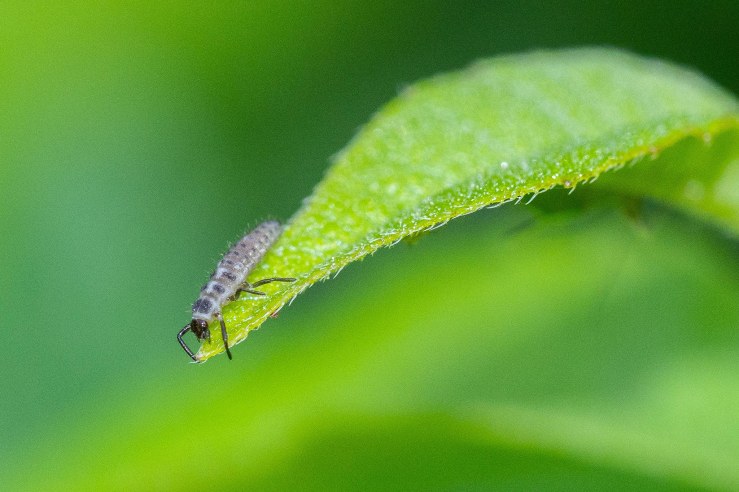
I’ve started to notice more ladybird-related activity (serious stuff). In the same raised bed as the previous image, this ladybird larvae was looking for trouble.

OLYMPUS DIGITAL CAMERA

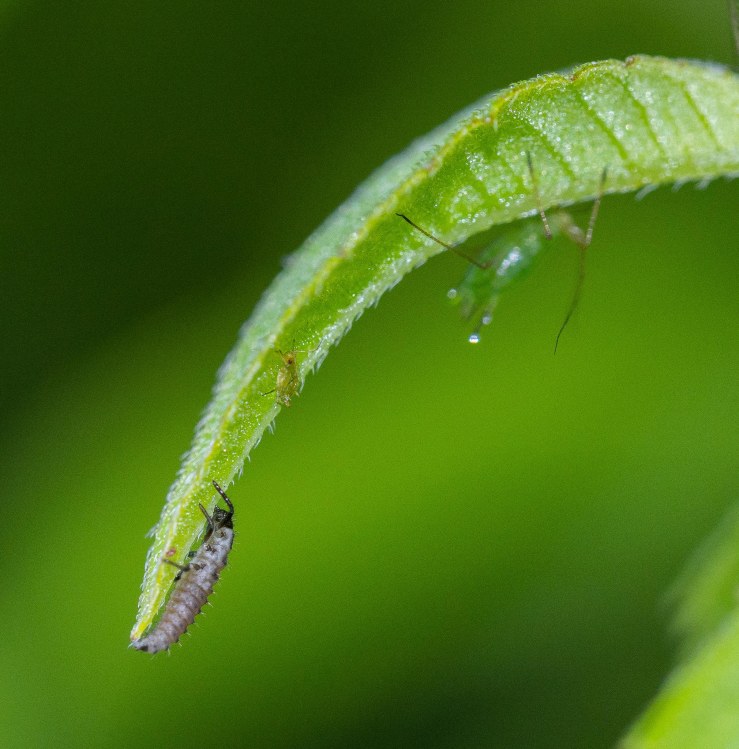
I didn’t quite get a good enough photo of the moment the larvae began to bother the aphids it was hunting, but you can see it here in close proximity. Ladybird larvae predate aphids, one reason why ‘gardeners’ (that highly opinionated tribe) like them, because aphids can damage plants. These larvae also can give a human quite the nip. When the larvae approached the larger aphid it began to do this aggressive waving of its legs. It seemed to work, the aphid didn’t get anywhere and went to hang out at the tip of the leaf as above.

OLYMPUS DIGITAL CAMERA

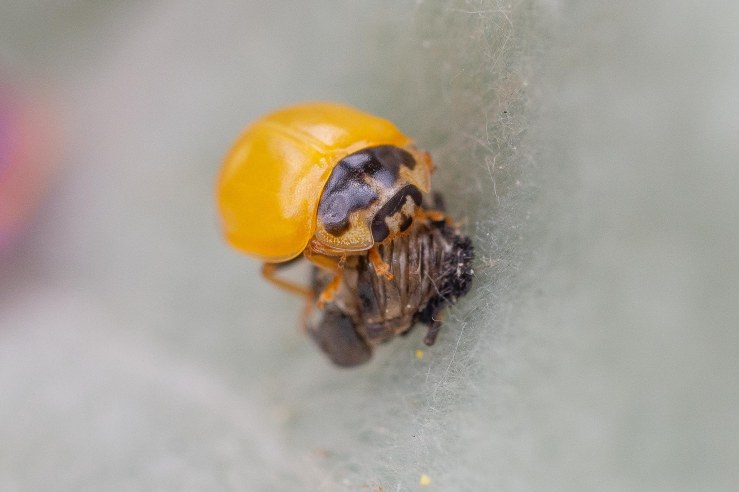
I found the next stage of that larva’s development. This ladybird has just exited its pre-adult stage. It had taken about a week or more, which is a lot longer than I thought that would take.

OLYMPUS DIGITAL CAMERA

The cooler, greyer weather is brilliant for macro because it slows insectlife down and creates much softer lighting. Direct sunlight can make images unmanageable. This lacewing-like insect looked to be dining out on some kind of egg or larval stage on a leaf in the hedge. I enjoy the little herd of aphids in the bottom corner.

OLYMPUS DIGITAL CAMERA

In the same hedge I noticed the movement of a small, wasp-like insect. To many people you may think that means yellow and black. I doesn’t but it’s quite difficult to describe. I got lucky with this picture, the autofocus (which is not the best way to take macro, manual focus is better) zapped right on the eyes just before it flew away. I actually thought at first that this was a gall-wasp, the kind that makes galls grow on oak trees and other plants. But I think it’s probably an ichneumon wasp, one of over 2000 species found in the UK. I say this on account of its long antennae.

OLYMPUS DIGITAL CAMERA

Yellow-faced bees are tough to photograph, as the above illustrates- it’s not in focus! But it was only later that I noticed something else. At the gap in the flower heads (this is a yarrow from the garden centre) a spider is waiting. I know this because after the bee had flown I saw the spider come out, prey-less.

OLYMPUS DIGITAL CAMERA

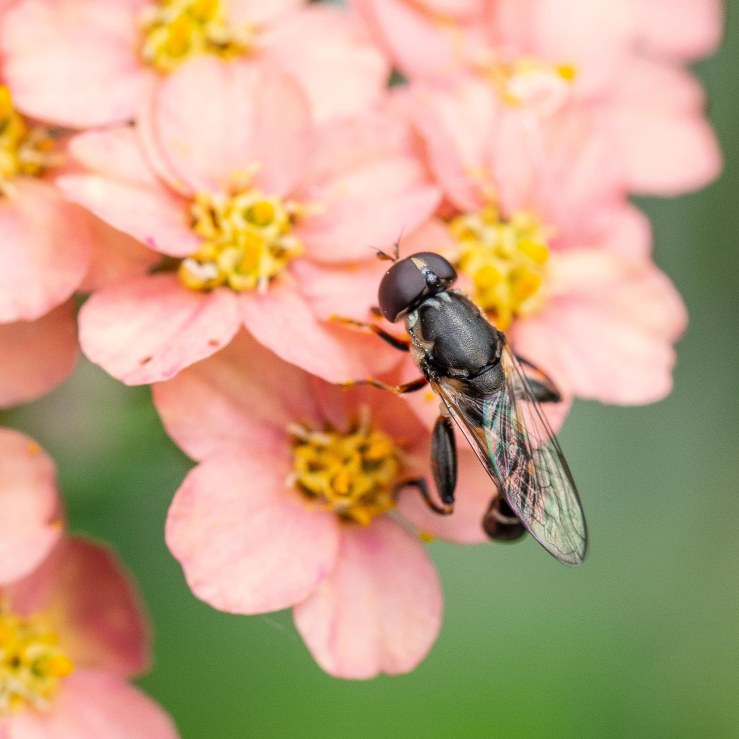
On the same flower this rather agile looking hoverfly was seeking a nectar-based lunch.

OLYMPUS DIGITAL CAMERA

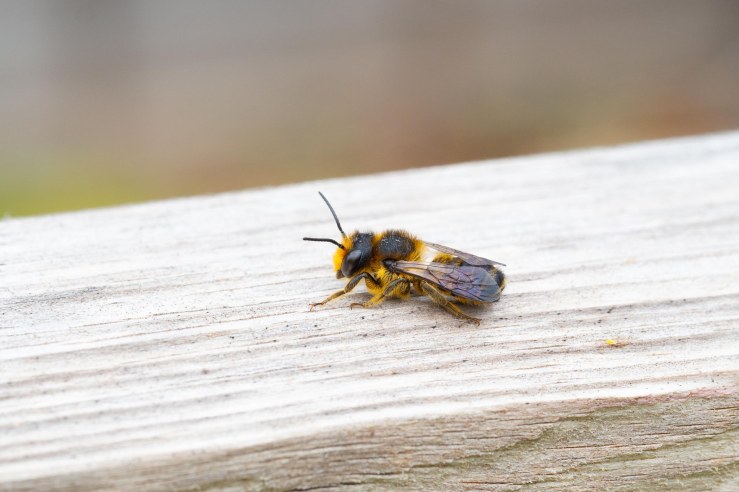
The cool, grey days are a good time to look for insects on wooden surfaces. I remember reading a blogpost a couple of years ago all about fenceposts in rural areas for macro. The idea is that when it’s cold, and especially windy, it can be a great place to find insects that are too cold to move. I wish I could say the same for this solitary bee, which only let me get this close after about 15 minutes of muttering to myself while running up and down the garden.

OLYMPUS DIGITAL CAMERA

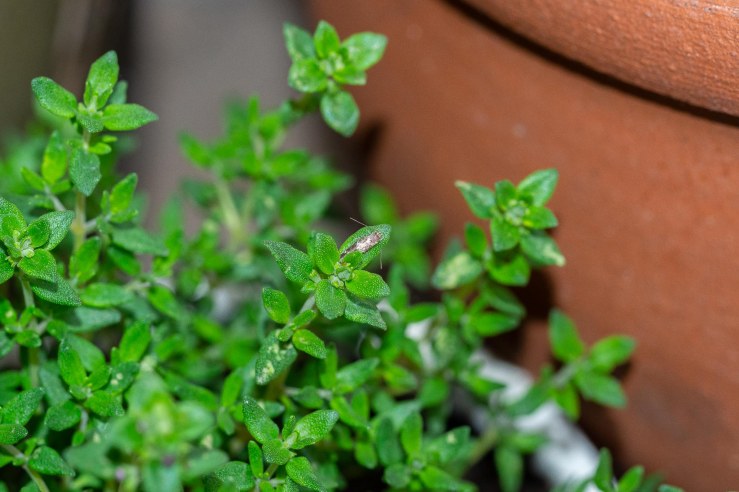
I’ve bought another thyme plant after seeing how popular it’s been with local pollinators. I was heading in for the evening when out of the corner of my eye I noticed a moth roosting on a leaf like a little bed.

OLYMPUS DIGITAL CAMERA

This is a micro-moth and, like so many species snapped in my garden, I don’t know which kind. I do have a micro-moth field guide but I can’t say it sees too much action.

OLYMPUS DIGITAL CAMERA

It’s important to remember that it’s not all about insect life, though. Cleavers, goose grass, sticky willy, whatever you strange English people call it, it has beautiful flowers. This plant is in the gardener’s ‘weed’ category (not marijuana, though it does have medicinal properties). The flowers are miniscule, and only by using something to magnify your vision can you really appreciate how beautiful they are.

Thanks for reading.

More macro

#FungiFriday: first of the summer shrooms

OLYMPUS DIGITAL CAMERA

Fungi Friday 12th June 2020

At last, this week some rain arrived. I headed to my local woodland to see if any mushrooms had taken the bait. I went there with a slender hope of seeing anything because it has been so dry this spring.

OLYMPUS DIGITAL CAMERA
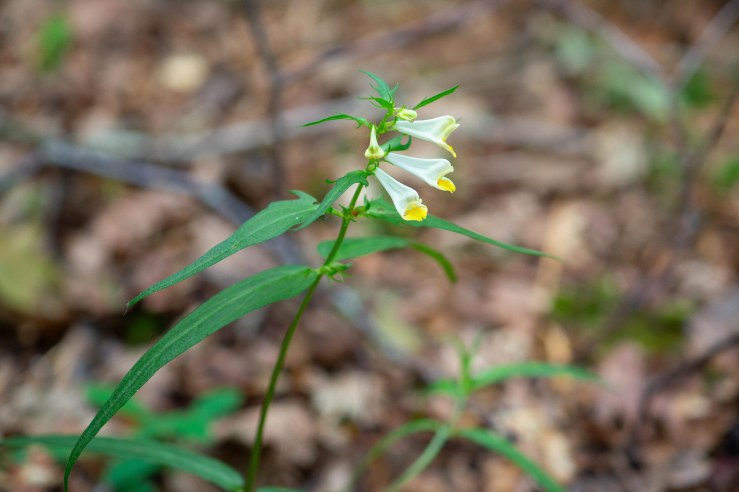
Common cow wheat

It was pleasing to see special woodland plants such as common cow wheat, another of those species which is not actually so common anymore.

OLYMPUS DIGITAL CAMERA
Juniper haircap moss

The bryophytes also looked more lush and watered after a day of rain in the past week.

OLYMPUS DIGITAL CAMERA

This stunning drinker moth caterpillar was chilling (literally) on a boardwalk. I moved my fellow redhead to safety before it got squished by evening strollers.

OLYMPUS DIGITAL CAMERA

My special summer patch was free of fungi, it may be another month before anything comes up there.

OLYMPUS DIGITAL CAMERA
The mycelium of green elfcup

Just like last week, green elfcup was evident in those beautiful blue-green stains on bits of fallen wood.

OLYMPUS DIGITAL CAMERA

I was quite startled to spot this growing out of the buttress of a tree. I think this might be rooting shank, a species which is often found at this time of year. It’s a signal of summer.

OLYMPUS DIGITAL CAMERA

The slugs are obviously hungry at the moment because much of the fungus had already been eaten. The slime trails below are the smoking gun.

OLYMPUS DIGITAL CAMERA

Nearby I saw what I thought was an old tennis ball. Upon closer inspection it was in fact a mushroom making its way up into the world.

OLYMPUS DIGITAL CAMERA

This is almost certainly a member of the Amanita family, home to fly agaric and the death cap. It could be tawny grisette. You can see it is appearing from a veil. There is the typical Amanita patchiness to the remnants of the veil. I did wonder if this might even be Caeser’s mushroom. I will try and check back in a few days if it can last that long.

Thanks for reading.

More mushrooms


Macro Monday: back to chalk

OLYMPUS DIGITAL CAMERA

Macro Monday 7th May 2020

I was on lockdown leave last week (the holiday you booked last year but aren’t able to go on, not that I’m complaining). One morning I was reading a book on the sofa – Horizons by Barry Lopez, which I haved really enjoyed – and I heard what sounded like very a noisy daddy longlegs entering the room. I looked up and a damselfly was resting on the wall. I ran to get my little camera and took some photos.

OLYMPUS DIGITAL CAMERA

It was a female azure damselfly, the second damselfly I’ve recorded in my garden this year. I helped it onto the tip of my finger and took it over to the window. It flew away and landed on the curtains. The light was beautiful and soft, helped by the curtains. In the end it slipped off into the sunny garden.

OLYMPUS DIGITAL CAMERA

Out there some hyper-goth-punk has taken residence in the raspberry patch. Really I think it’s a vapourer moth. This one will be worth watching. I’ll keep you posted. It’s a nightmare to photograph.

OLYMPUS DIGITAL CAMERA

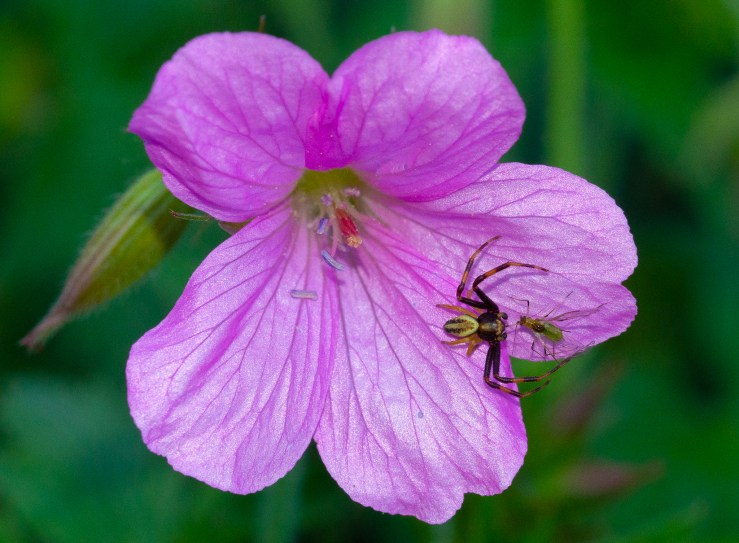
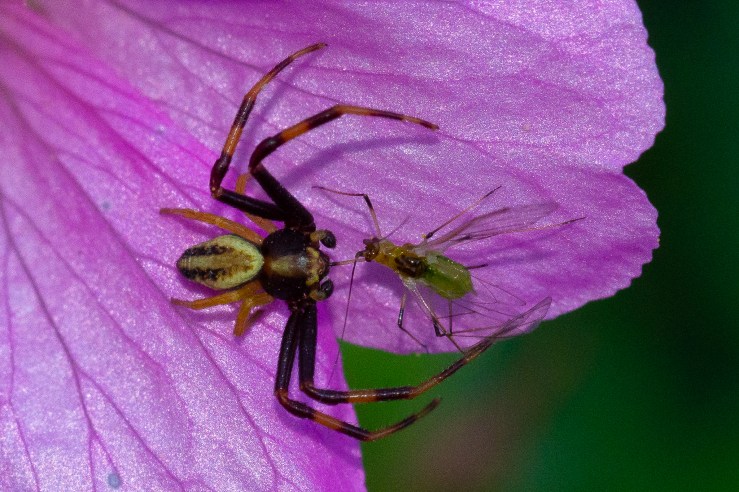
The cranesbills are flowering now in my garden and they’re a good place to find spiders. They’re a bad place to find spiders if you’re an aphid.

OLYMPUS DIGITAL CAMERA

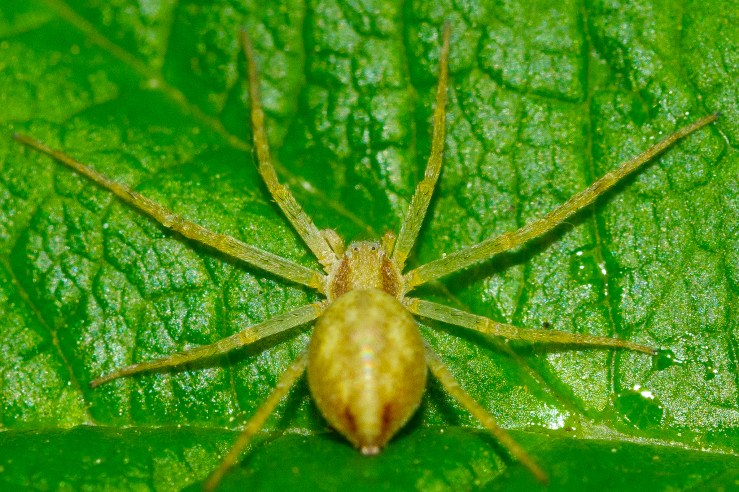
I’m not sure what kind of spider this is (there is a new book coming out in September that I’m waiting for) but I would guess it was a crab spider. Please let me know if you do.

OLYMPUS DIGITAL CAMERA

Spiders do make you realise how much of a nightmare they would be to sit next to on the bus.

SD - 1-6-2020-lo-res-32

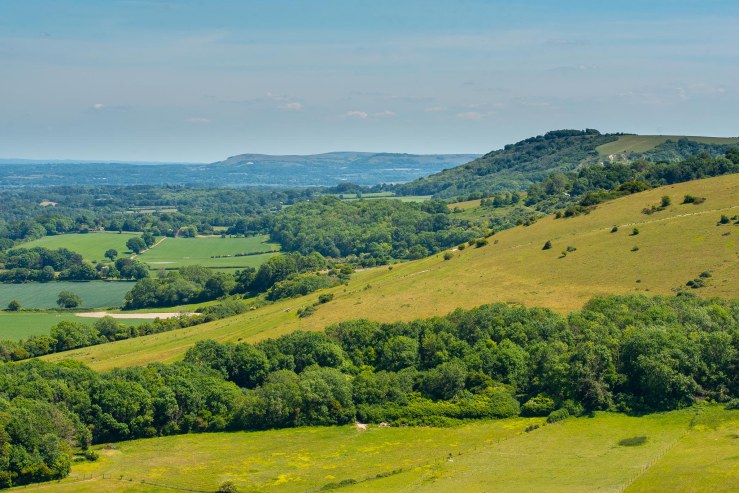
Ok, I know what you’re thinking: you have a nice garden. You’re too kind, but it’s not mine. This is the South Downs National Park. I visited the South Downs for the first time in three months with one aim in mind: macro.

SD - 1-6-2020-lo-res-49

At one point this year I didn’t think I’d have the chance to visit the chalk downs. I was prepared for that, because I think the health of the wider populace is more important than getting to look at some flowers in a field, or a wood, whether or not they’re on my dad’s farm in Northumberland. Needless to say I drove the 30 minutes to the South Downs to check my eyesight. I believe I acted reasonably.

SD - 1-6-2020-lo-res-47

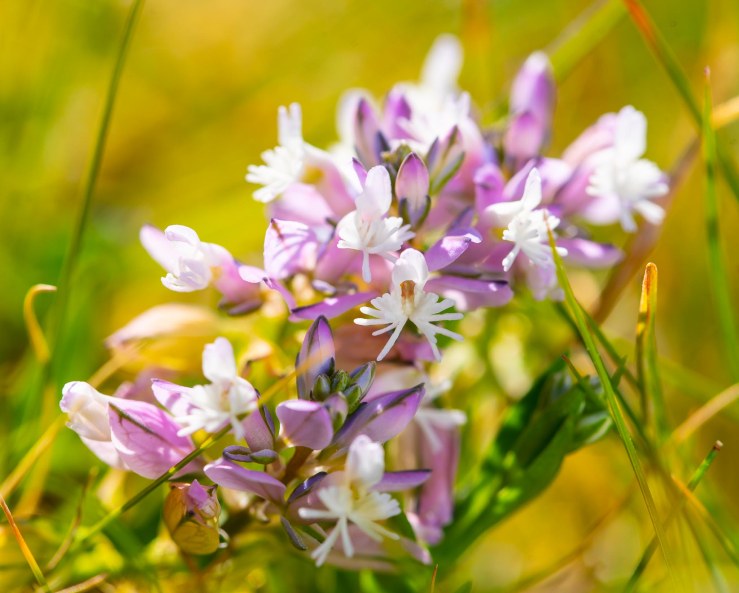
Turns out my eyesight is good but not this good. To really get close to this chalk milkwort I need a macro lens. Lucky for me, I had one! The flowers of this very small plant look to me a bit like spiders, too.

SD - 1-6-2020-lo-res-33

This rock rose was growing in amongst some of the drier grasslands, starved of decent rain for a long while. May was the sunniest on record. We need rain, so bad.

SD - 1-6-2020-lo-res-38

It was a windy day up on the Downs and butterflies were having a tricky time of it. To be honest, I can’t remember it not being windy on the Downs…

SD - 1-6-2020-lo-res-35

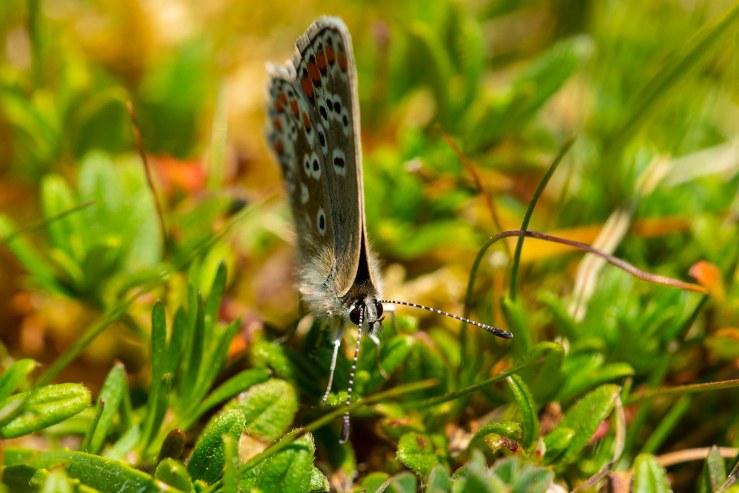
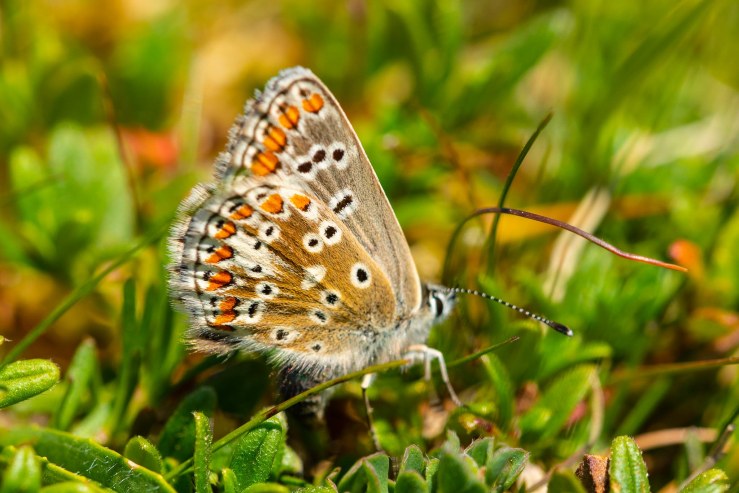
I’m fairly certain this is a brown argus, which I hit the deck to get closer to. It was having a wild thyme. I also saw brimstone, common blue and small heath.

SD - 1-6-2020-lo-res-02

On the lane I picked up this cinnabar moth, a species which is lives on ragwort. They develop from the iconic orange and black caterpillars that you can find on a-plant-so-hated-someone-made-a-website-to-defend-it. In macro terms of keeping beautiful insects distracted long enough to have their picture taken, ragwort has been good to me. I’m a fan.

SD - 1-6-2020-lo-res-22

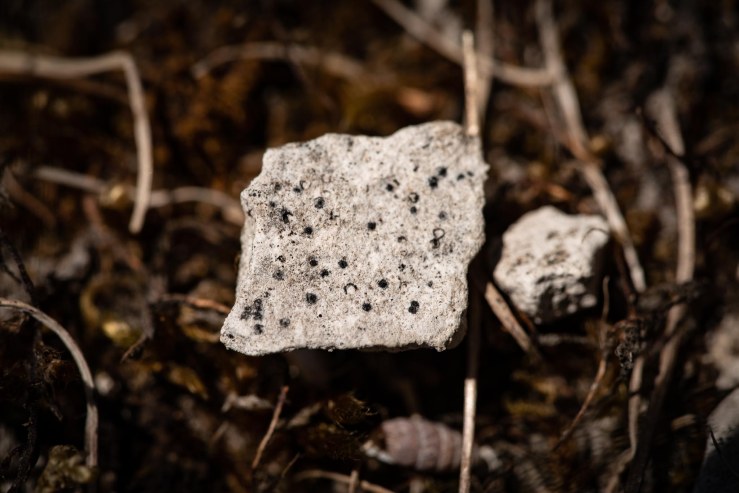
You may know that chalk formed about 65 million years ago from the shells of molloscs in an ocean. That ocean is gone but I found a tiny piece of chalk in one of the dusty, dry exposed areas of the grasslands. I think the black spots may be the early development of a lichen. I thought it was so beautiful as an object, like a piece of cave art, its canvas so many millions of years in the making.

SD - 1-6-2020-lo-res-09

This photo was taken with my macro lens. It was lovely to see a skylark again.

Thanks for reading.

More macro


#FungiFriday: the silence of the shrooms

SLF - 31-5-2020-lo-res-2

Fungi Friday 5th June 2020

This blog has now entered into its sixth month and the real-time fungi action hasn’t really happened, as this one will illustrate. Last week I went for an optimistic jaunt to my local ancient woodland/plantation/heathland to see if anything had popped up. I was astonished, not that there was very little to see, but at how dry the woodland was.

SLF - 31-5-2020-lo-res-1

It should come as no surprise that I only found one fruiting body, growing out of a bit of deadwood, which would already have some moisture inside the decaying wood. My footsteps were so loud as I walked across the leaf litter. But then we have just had the sunniest May and one of the driest springs on record. Across the south of England warnings have been in place about the high risk of fire. Very disappointingly but not surprisingly, fires are ravaging heathlands as I type. At least some of these are because of visitor impact, either arson or things like disposable barbecues.

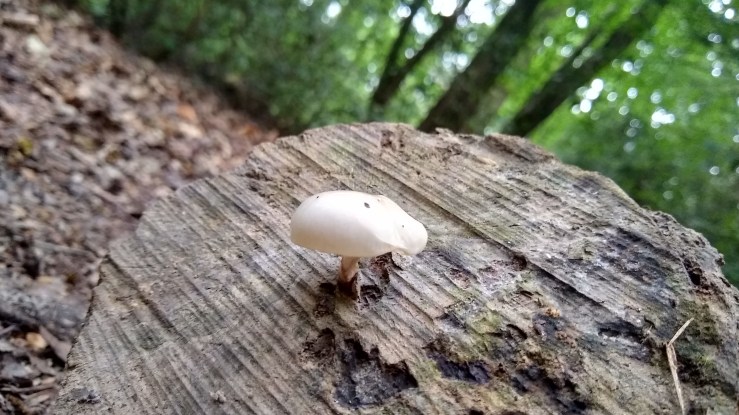
I went for a second mushroom hike – that’s how dedicated I am to this series – and found that an area of more wet oak woodland also had almost nothing appearing. I found so little that I didn’t even get my camera out and instead just used my average phone camera. Sign of the times. The best I could muster was the porcelain fungus above, growing from a beech log that had rolled into the dried out gill. Last winter I saw that stream overflowing.

It would be wrong to say that there is no fungi, because fungi is the life we do not see. This stick, looking a bit like a blue whale or a squid, is made green by green elf cup. This is the work of the mycelium, the true living part of the fungus.

OLYMPUS DIGITAL CAMERA

In autumn small green fruiting bodies will appear as above. This was taken in October 2019.

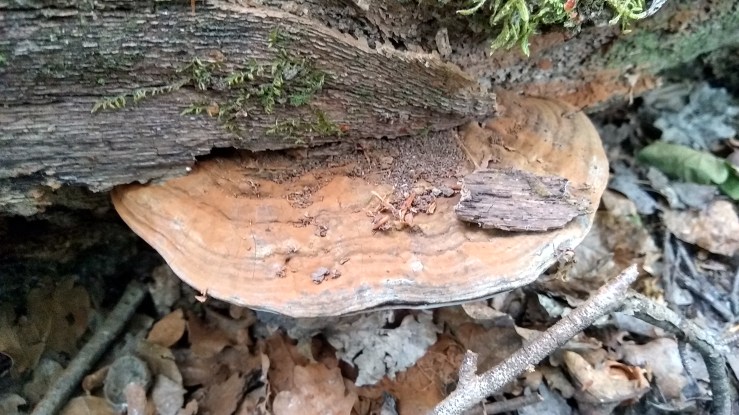
If you need them, you can always rely on a bracket fungus in the dry season. This is artist’s or southern bracket, what most people will generally call by its Latin name Ganoderma.

I found these blushing brackets (I think) on the path, they were crisp and dry. This species begins pale, blushing red and then turning to black.

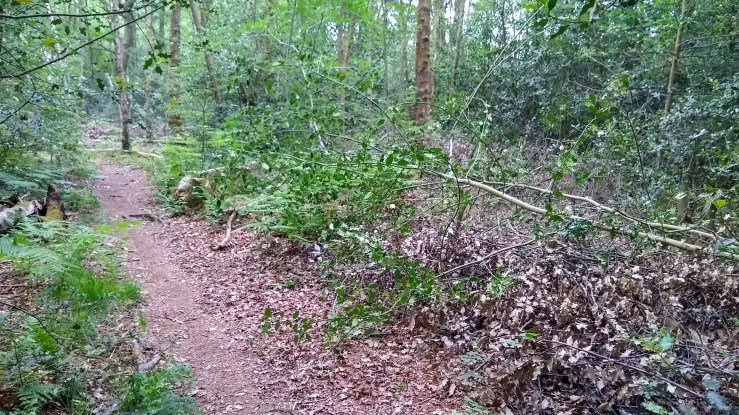
This is an area of woodland that is quite good for fungi, compared to the wider condition of the wood. It suffers from a huge amount of trampling. Please see what I’m about to say as objective comments on the physical state of this place, I am not attacking the land managers. Last autumn much of the holly in this area was cut and left. The aim was almost certainly to allow more light in to replenish the woodland floor. The brash, as it’s called, now covers where most of the fruiting bodies appear, and the holly will not break down soon enough for those fruiting bodies to appear again in perhaps the next five years.

In a previous job we would undertake thinning of holly and dead hedging to protect areas from trampling. The majority of pubicly accessible woodlands in southern England have fairly high levels of footfall, dog walking and the nitrogen enrichment that comes from dog waste. I mention this because I worked in a woodland which was only 20 acres in size but which had 100,000+ visitors annually, with probably around 50,000 dog visits. Holly was absolutely key to protecting soils from erosion and the creation of news paths, and protecting birds and other wildlife from disturbance.

Removing holly on this scale can result in the opening of areas to unintended impact where it could infact have the reverse effect desired. More light will come in to replenish the woodland floor, but more feet will come too and the soil will suffer, along with everything that needs it. Basically everything. I write this absolutely knowing that I provide some of those footsteps, but they are kept to desirelines and I do not have a dog that I allow to run free in these areas. Dog walkers will tell me that children have the same impact.

SLF - 26-7-19 - djg-12
The blusher, found in this area in July 2019

The holly creates a microclimate which in hot dry periods such as this, means that soil retains moisture and fungal fruiting bodies can do their thing, a thing that is a key part of the reason a woodland is there in the first place: reproduce, break down organic matter, feed the trees that need them, and recycle organic matter into new soils.

SLF - 26-7-19 - djg-16
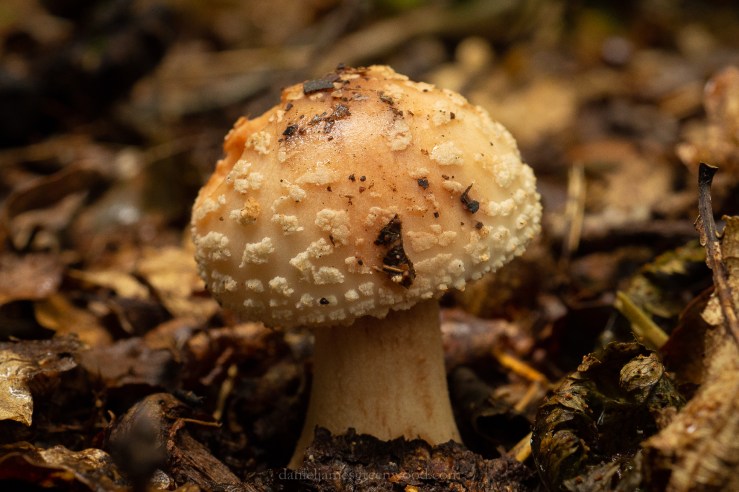
Grey spotted amanita, July 2019

I wonder, do woodland managers ever think about fungi through anything beyond leaving dead trees to stand and logs to rot down on the ground? Does anyone consider the need for microclimates within woodland to ensure a mosaic of micro-habitats? Again, this is not an attack, just observations and pointers from my own experience.

SLF - 26-7-19 - djg-13
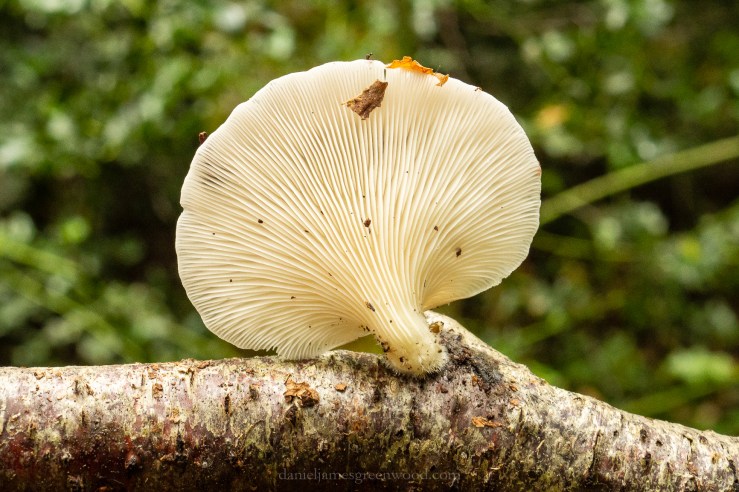
An oysterling on a birch branch in this area, July 2019

When I began in woodland management (the account of one of my first days is the post visitors seem to read in their droves to on this website) I did not consider fungi as I do now. Seeing as fungi has such a crucial role to play in our woodlands, sooner or later we need to ensure that in dry spells such as these there are safeguards, like holly, to support fungi.

Thanks for reading.

More mushrooms

Macro Monday: the wool carder bee

GDN - 26-5-2020-lo-res-19

Macro Monday 1st June 2020

A couple of weeks ago I noticed a new species visiting the lambs’ ears in my garden. After work I had gone into the garden to morph into a normal human again. The sun had moved to the point where shade was covering the flowerbeds but still an insect was busy and behaving in an unusual way.

GDN - 27-5-2020-lo-res-04

The insect was bumblebee-like and was visiting the hairy stems of the flower. It was a wool carder bee, a solitary bee that looks quite a bit like the common carder bumblebee (which I featured two weeks ago). My camera was inside and the bee came and went, without ever returning.

GDN - 26-5-2020-lo-res-05

Then, one evening last week I also went out into a shadier garden to try and forget about the existence of email, and this time I had my camera with me. The bee was coming and going again, making return visits. It was gathering up hairs from the stem of the plant and gathering them into small beardy bundles.

GDN - 26-5-2020-lo-res-06

When it flew up to head off with its cuttings, it would hover around and look right at me. It looked like it had a little white beard.

GDN - 27-5-2020-lo-res-01

I think you can see here where the hairs have been removed from the plant.

GDN - 27-5-2020-lo-res-15

I bought this plant last year and have had to wait a year for it to flower. It has the beautiful pink flowers that can easily be confused for an orchid if you don’t know the difference. It’s actually in the dead-nettle family, where plants like spearmint reside. I’ve been looking forward to it flowering throughout this period of staying at home. I think it should flower through the summer and there are plenty of flowerheads to keep it (and this blog) going.

Thanks for reading.

More macro

#FungiFriday: how I first discovered mushrooms (not literally)

Picture 096

Fungi Friday 29th May 2020 via November 2011

This autumn it will be 9 years since I first began photographing fungi. I want to share how I found a passion for these incredible organisms and show the first photos I ever took of fungi.

I owe thanks to several people for tuning me into the world of mushrooms. David Warwick, who led fungi walks for volunteers and the public for London Wildlife Trust at Sydenham Hill Wood, shared his knowledge with his fellow volunteers and helped me to gain an interest. That was where I learned about fungi and, over 7 years, had the opportunity to watch them pop up and fade away across the nature reserve.

SHW September 2011 (52)
Turkeytail

The biggest thanks of all go to Ashley White who was the Project Officer who managed the Wood when I was a volunteer. For anyone who has ever volunteered, you will know that the person who leads you is as important as the thing you’re volunteering to do. Ashley inspired many of us to follow our interests in many areas of conservation and ecology.

Picture 091
Velvet shank

My first real attempts to photograph fungi took place in November 2011 during a volunteer day. I used a Nikon D60, a 10 megapixel camera (the equivalent today is double that) that I was given as a birthday present in 2008. I had no editing software and the photos here are as they were taken in the camera, which you can probably appreciate.

SHW September 2011 (49)
Sulphur tuft

One of the more memorable images that I contributed to London Wildlife Trust was this happy bunch of sulphur tuft. This species is probably one of the most common in the UK. It’s toxic but charming to look at. I respect its ability to show up in the street and in all manner of other locations.

Picture 100
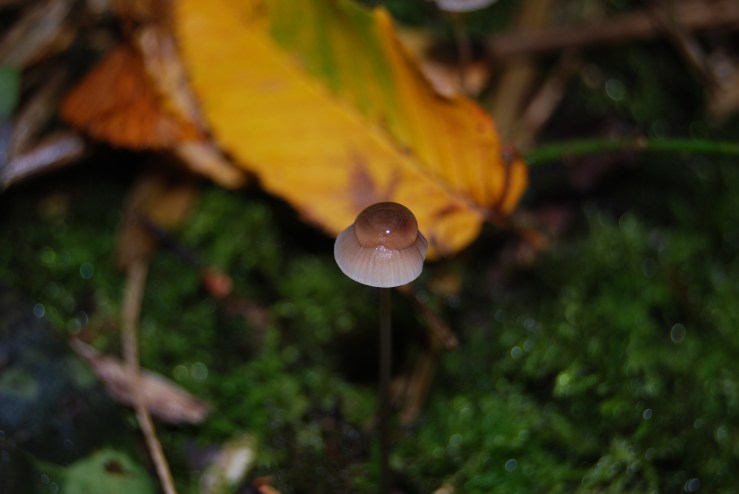
Bonnet with a droplet on top

Photography has always been a way for me to learn about much more than cameras. To identify the majority of species of fungi, you’ll need to undertake all manner of experiments that I am way too lazy/skilled enough for. I want to spend as much time outside in the company of the things I enjoy photographing. Too much time is already spent indoors. All these are excuses, I know.

Picture 084
Parachute

I think one of the most interesting things about fungi are their diversity. This doesn’t just mean there are a lot of species (over 120,000 accounted for on Earth, probably more than 1,000,000 in reality). It also means they appear in all kinds of places: leaf litter, holes in trees, the ground, the pavement, sometimes even inside your house. That’s not really what you want.

Picture 071
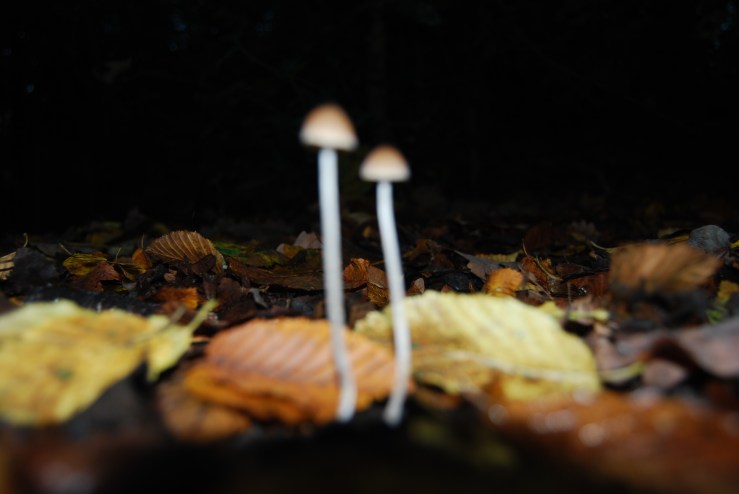
Brittlestems out of focus

After autumn volunteer days I would seek out fungi anywhere I could find them. I had begun to notice some growing down in the leaf litter. As you can see from the photo above, it’s difficult to take photos on the ground without a reticulating screen. Mine was fixed which led to classic images such as the above. These are brittlestems. Over the years at the Wood I would notice this family of mushrooms popping up in damp patches under leaf litter.

Picture 018
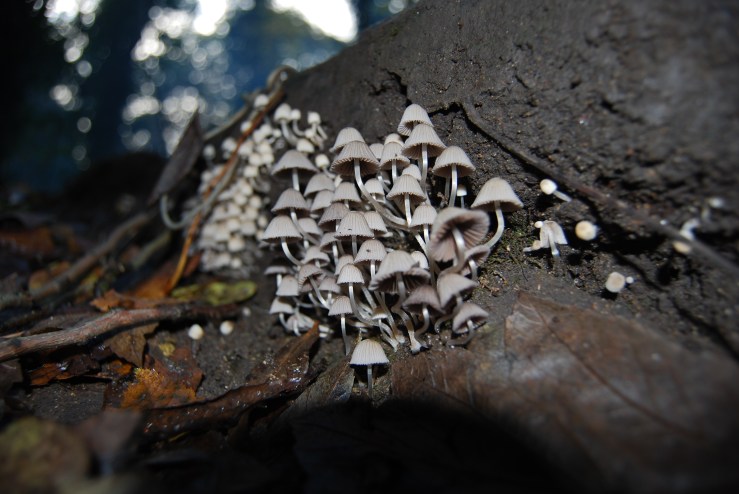
Fairy inkcap

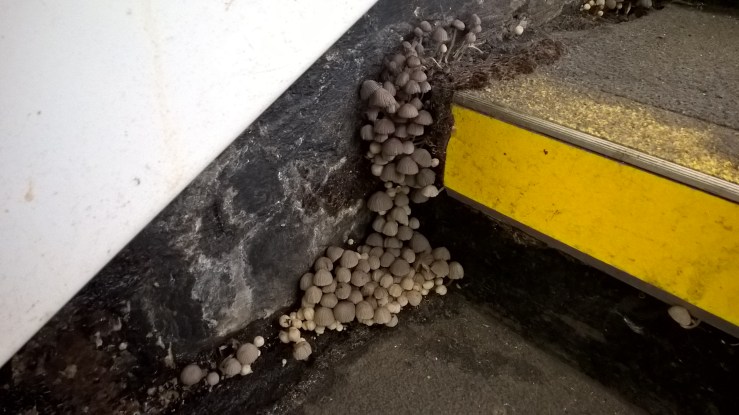
Many of the mushrooms in an urban woodland like Sydenham Hill Wood are common species that can pop up after a decent amount of rain. These fairy inkcaps are often found at the base of steps. The steps in the Wood were constructed by volunteers using wooden sleepers, planks for the edges and then filled with gravel. These mushrooms like steps so much I have even found them growing in Clapham Junction station on steps! For those who don’t know, this was once one of the busiest railway stations in the world. Thousands of people rush up and down these stairs every day.

WP_20150705_13_07_27_Pro
What’s not to love?

For all the negativity around nature conservation in Britain – and for me all contact with nature in the UK fosters a relationship with conservation – fungi gave me a sense of nature’s attitude of I will show up where I want, when I want. For anyone who has ever felt constricted by the physical environment we are forced to live in, nature is always looking to re-align it. As with fungi, it just takes time.

Picture 272
A miniscule fairy bonnet on a piece of mud

Fungi says to me (not literally) that life does not stand still. Fungi are a part of life processes which have no end. Fungi are always building and feeding a new world whether we like it or not. Perhaps that’s what seeing those fairy inkcaps on the steps of Clapham Junction station taught me. We may be extinguishing a beautiful diversity of life on Earth, first with large, charismatic animals. But nature is complex, unknowable in its entirety, and it will never stop.

Thanks for reading. Have faith.

More mushrooms


Macro Monday: real bees and wannabees

GDN - 16-5-2020-lo-res-12

Macro Monday 25th May 2020

Happy Bank Holiday Monday to British readers. Recent weather has been hot, with strong winds coming in on Friday, blowing macro out of the equation. I’ve kept to my routine of garden and local walking.

Last week I said the bumblebee workers were beginning to appear, and this week I’m keeping up to my promise.

GDN - 16-5-2020-lo-res-05

I took lots of photos of bumblebees visiting flowers but they are very difficult to get in focus because of the shallow depth of field that macro lenses have. Therefore, the only decent photos I got were the header image and this here. These open spiked flowers are excellent for bumblebees, similar to foxgloves.

GDN - 16-5-2020-lo-res-13

I had better luck with the solitary bees such as this mason bee visiting a cranesbill flower. I’ve noticed that our bee hotel is now quiet and the early spring activity has ended. But the mason bees are still active. I wonder where they’re spending their time?

OLYMPUS DIGITAL CAMERA

A few weeks ago I mentioned a mason bee that was giving me the right royal runaround. I think this is the same bee. I can see it from the window upstairs as it find the same place to bask on a sleeper that separates our garden from the brick patio.

OLYMPUS DIGITAL CAMERA

Here he or she is again up close. I love the golden sheen of its head, it’s almost like something from an episode of Ru Paul’s Drag Race.

GDN - 16-5-2020-lo-res-09

This is a new bee for my garden list and a species I haven’t seen before. It’s a relative of the hairy-footed flower bee which is a common early spring species. I think it’s a four-banded flower bee, Anthophora quadrimaculata. They nest in buildings. There’s plenty of dodgy mortar around where I live to provide them with a home.

OLYMPUS DIGITAL CAMERA

Moving on from the bees, despite what this hoverfly may have wanted, many species pretend to have the look of a wasp or bee. This is an area of evolutionary biology I’d like to learn more about (if you know a good book, please let me know). This is a bee-mimicking hoverfly. This one is mimicking a carder bumblebee with its ginger thorax (I’ve got one too).

OLYMPUS DIGITAL CAMERA

It’s not just hoverflies that mimic bees and wasps. One afternoon I noticed there was a wasp beetle sitting on my window ledge. In London I’ve seen these beetles on yellow and black things that help them to camouflage. I once saw one on the pedestrian road crossing box which is black and yellow. Urban insectlife at its best.

OLYMPUS DIGITAL CAMERA

In the bug world I found this mirid bug posing on the lamb’s ear (which, by the way, is so close to flowering). It had a lovely orange glow to its body and eye, merging with the green.

OLYMPUS DIGITAL CAMERA

When I was a teenager I can recall insects crash landing behind the TV on summer nights when we had the window open. The culprit was almost always a hawthorn shieldbug smashing into the lamp. This week one tried to join me at my desk while I worked from home. Perhaps this was the same bug that I originally met on the garden fence.

OLYMPUS DIGITAL CAMERA

Having spent time trying to find jumping spiders, they are now coming to me. Eating lunch in the garden, I have found jumping spiders exploring my arms and legs. They’re really very sweet arachnids. I’m not sure if it’s producing this spider silk or just crossing it.

OLYMPUS DIGITAL CAMERA

This was another chance encounter in the lamb’s ear, where all the cool invertebrates hang out. I couldn’t resist keeping the background bokeh in the crop.

OLYMPUS DIGITAL CAMERA

I accept that some spiders are less cute and fluffy. But this yellow crab spider was incredible. It was hanging around the lamb’s ear seeking its prey. It didn’t really mind me getting close with my small mirrorless camera. I know many people are missing hugs right now, but this probably isn’t the hug you’re looking for.

Thanks for reading.

More macro

#FungiFriday: 5 reasons why fungi are good for us

SLF - 14-12-2019 blog-23

Fungi Friday 22nd May 2020

This week has been Mental Health Awareness Week. We all have mental health but in general many people lack an awareness of it.

In the UK this is not helped by hundreds of years of toxic interpretations of masculinity and the systematic oppression of women in society. There’s a grave stigma attached to even discussing mental health, due to centuries of extreme societal, political and, indeed, medical responses to psychological ailments.

In recent years, despite severe cuts to mental health services in the UK, the conversation has begun to change.

Nature, or at least our sense of it, has become a counsellor, allowing us to detach ourselves from societal roles and see ourselves as a single species in a vast web of biodiversity. Nature helps us to feel human. Fungi are a big part of that.

While this post is definitely not about hallucinogenic mushrooms or any such trips, dude, I thought I’d take the chance to share how fungi offers ideas that help me to cope with the stresses and anxieties of ‘normal’ life.

Fungi - 10-1-2019 djg-9

1. Fungi and the diversity of life

Knowledge is one of the most important ways to overcome mental illness. For many people a diagnosis is crucial to overcoming a condition. In trying to cope with life generally I have found that small, incremental improvements to my own knowledge, especially around the natural world, can help to build a foundation of resilience through understanding. In a time when we are faced with the potential for a Sixth Mass Extinction, it’s important to appreciate that there is an immense diversity of biological life on Earth worth fighting for.

A big part of that diversity is fungi, it has a Kingdom of its Own. British conservationists are renowned for pummelling themselves with the lack of biodiversity we have. Yes we have lost wolves, bears and lynx, but we have an immense diversity of fungal life in comparison to other groups such as mammals.

In the UK there are thousands of species of fungi, in the world there are known to be around 100,000. Scientists believe there are in fact over 1million species of fungi with a huge percentage of them yet to be identified.

RS2354_Daniel Greenwood Sydenham Hill Wood mushroom 26-11-2017

2. Looking for fungi is good for you

Above is a photo of a fungi walk I led in 2017 for London Wildlife Trust. These walks had to be capped each time and extra dates put on (rock’n’roll) because the interest was so high. We are attracted to fungi by its mysteriousness, its beauty, the fact it feeds us, underpins the biosphere, and also that they kill us on rare occasions.

While opinions around foraging fungi are fairly divided, the act of looking for fungi can have a huge impact on your wellbeing. One of the most rewarding elements about spending time ‘in nature’ is that you are distracted by the largely artificial worries that we face in modern life. By that I mean the deadline you have to meet at work, the email you didn’t reply to or the fact you haven’t hoovered your bedroom for a month.

An appreciation of fungi can also help to deal with seismic moments in life. A recent book has shown how learning about fungi and seeking them out can help to overcome bereavement.

WP_20151001_09_30_46_Pro

Take the example above. This is a patch of sulphur tuft, one of the most common speciess in the UK. I used to pass this garden on the way to work every day. It was very manicured but these mushrooms had burst on the scene. If I were to anthropomorphise, I would say it was a big ol’ middle finger to people trying to control every inch of their gardens. Sorry if that’s you!

The act of looking is an act of defiance, of rejecting the status quo and seeking out something new. For me, what nature brings in fungi is a newness that will never end. There are too many species, too much to learn, even in Little Britain.

DH-29-4-2020-lo-res-3

3. Fungi feeds humanity

While you won’t find recipes on this website for anything other than life-affirming hiking experiences, we should remember that fungi make up an important part of our food systems. While wild mushrooms don’t really make much of a dent in that, the discovery of a delicious wild mushroom is a thought that can keep you going when the woods are far away.

I have only ever eaten one wild mushroom. It was picked by a friend in Czechia in a very large area of woodland. She gasped when she saw it, took out her pen knife and cut the cap off. ‘Are you sure that’s edible?’ I asked. She was crouched down, stopped what she was doing and glared at me: ‘I have been picking this mushroom my entire life.’

Nuff said.

When we got back to her house she battered it in breadcrumbs and fried it. It was incredible.

Fungi does also provide important meat-alternatives to help us to focus on consuming meat from sustainable, local sources. Mycoproteins make wonderful sausages and burgers. Fungi is also needed for cheese, beer, bread and wine. Now many of you would struggle to live without those things!

New Forest - 23-10-17 -1 djg (4)

4. Fungi = time in the woods

Every autumn I make sure to have at least one full day in the woods. I bring lunch, snacks, water and all the camera equipment I can carry. It’s a chance to slow down and tune into the rhythm of the woods. It’s better than I’ve made it sound.

Spending time in woodland is shown to improve our health. The air is fresh, the sounds, colours and textures give us a great feeling of calm. There are also chemicals which trees and plants release which support our immune systems.

Spending time in woodland also teaches us respect. As a woodland warden in south London I witnessed many people making their first visit to the woods and nigh-on trashing the place. They sometimes did that themselves, sometimes with their pets, sometimes with their friends. I remember one volunteer who had become an impassioned defender of wildlife at the wood, even though he probably did things several decades ago as a teenager, that he wasn’t proud of. Even when people are causing harm in nature, not through the devastation wrought by things like HS2, at least they are there and they can develop an appreciation of it. We all must learn these things one way or another.

New Forest - 23-10-17 -1 djg (59)

5. Fungi will save the world – perhaps us, too

Plastic is a blight on our planet. Fungi could help us to manage it and rid its waste from the landscape. Fungi is being developed as a disposable material to replace non-degradable or recyclable plastics. Fungi also has a role in the mass production of a bacteria that scientists recently discovered at a landfill, quietly digesting non-degradable plastics.

While fungi has an important role to play in these issues, it’s good to remember that in many ways, fungi are the world. Fungi have played crucial support roles in the evolution of woodland ecosystems, trees, plants and many more species. We should celebrate and attempt to understand as much as we can about this amazing biological group.

Thanks for reading, wishing you well.

More mushrooms

Macro Monday: early summer flowers

GDN-13-5-2020-lo-res-07

Macro Monday 18th May 2020

This week Boris Johnson gave us peasants the freedom to travel wherever we like. Just not to see the family I haven’t seen for three months. We were also allowed to go out for a dog-run-bike-marathon more than once a day. Better yet, we got 12 hours notice that we should go back to work if we could, by hoverboard. Safe to say, I kept my macro lens on a short lead and took it for a walk in the garden.

GDN-13-5-2020-hi-res-13

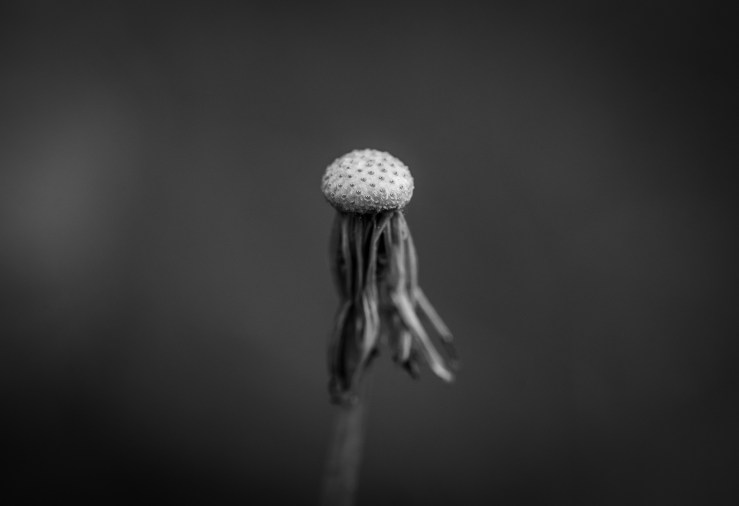
A lot of people will be feeling like this dandelion head at the moment.

GDN-13-5-2020-hi-res-11

Personally I find black and white photography in a digital format does not get anywhere near genuine 35mm film.

GDN-13-5-2020-lo-res-03

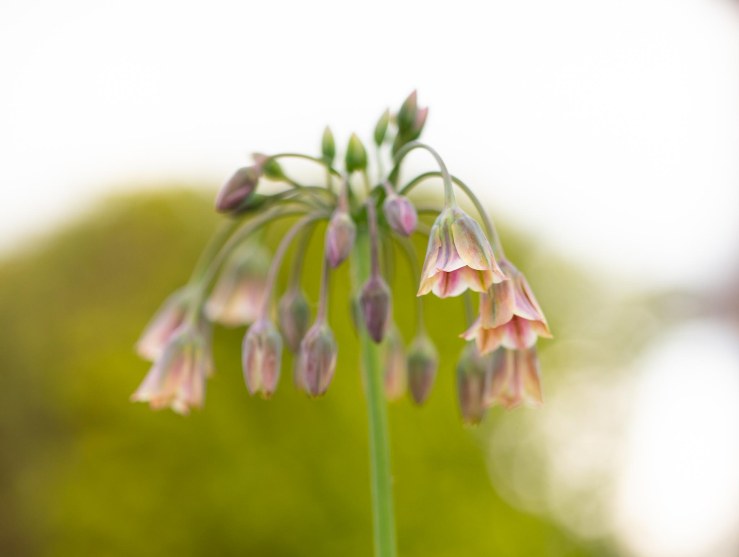
We’re entering into a time when early summer flowers are appearing as the first spring blooms wither away. The weather this week has been far cooler and I’ve taken the chance to ignore the insects and focus more on flowers. This allium is just beginning to appear.
GDN-13-5-2020-lo-res-02

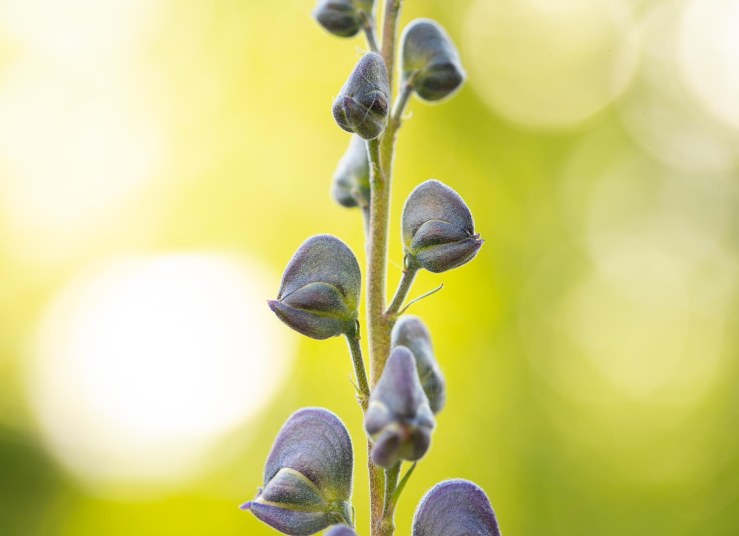
These look like some kind of delphinium and are a remnant from the previous owner of our house. So far they have proven very attractive for bees, so they will be staying. Before flowering they look something akin to headgear from a sci-fi movie.

GDN-13-5-2020-lo-res-05

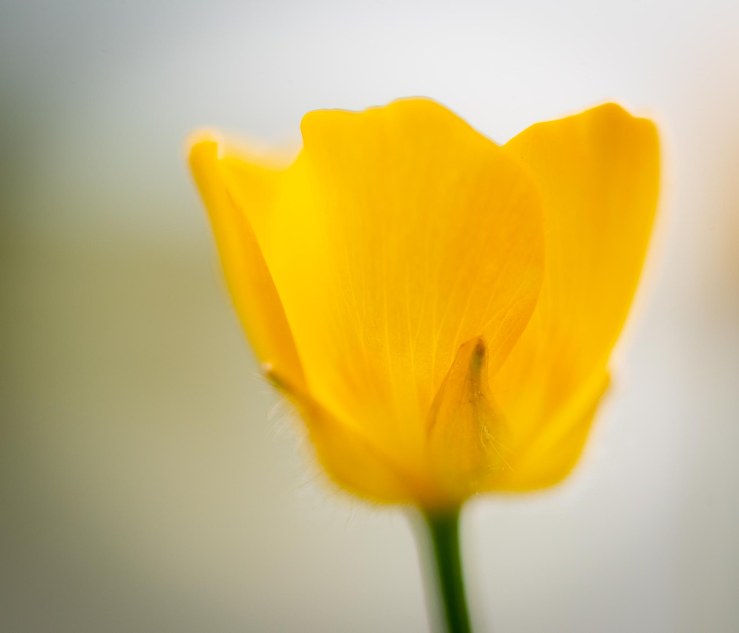
Depth of field is an important part of macro. Macro lenses have a very shallow depth of field (ZzZzzzz), meaning that most of the image will be out of focus. It can produce incredibly beautiful and dreamy images. This is a creeping buttercup growing wild in the borders.

GDN-13-5-2020-lo-res-06

Another remnant of the previous owner are chives. Like the allium this is another member of the lily family.

GDN-13-5-2020-lo-res-09

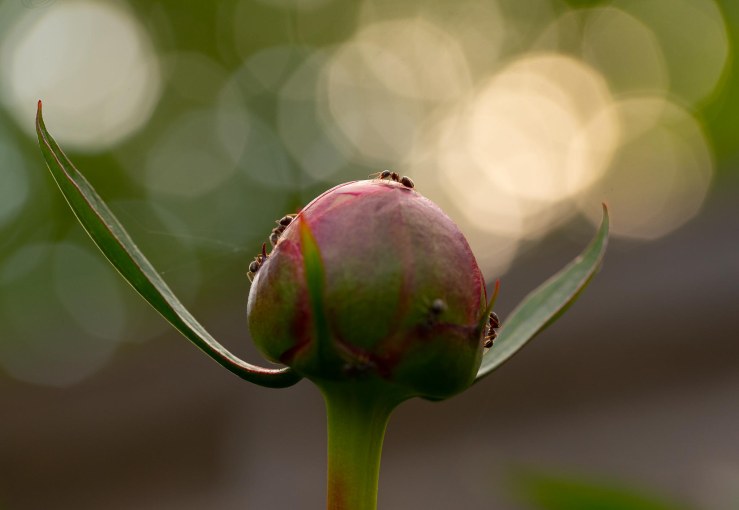
These bulbous flowers have been threatening to reveal themselves for about two months. All through that time the ants have been patrolling the buds. I think they’re extracting nectar or something. Part of me wonders if they’re re-sealing the buds to keep them in this forever-state.

GDN-13-5-2020-lo-res-01

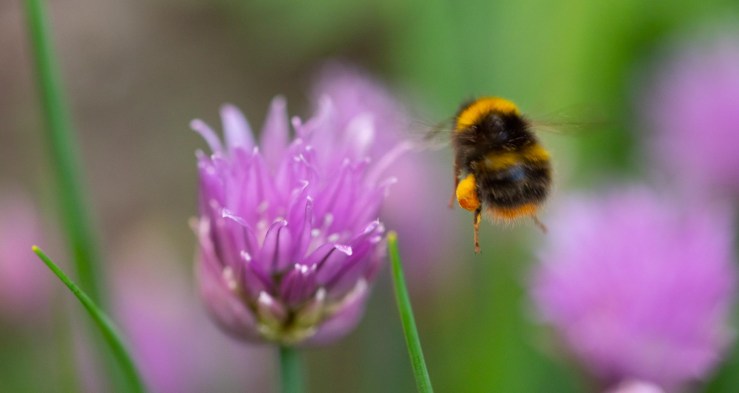
I’ll finish this week’s flowery post as it began. This is what you should expect next week: bees+flowers. The bumblebee workers are now out in force, like this common carder bee. This is a potted scabious that we’ve had for two years now. Interestingly only this year have bees been visiting the flowers. Something must have been wrong with them in their store-bought state, perhaps they had chemicals in them at first? I don’t know. They’re one of my favourite plants and we’re entering into their time, when the remnant downlands of southern England will be plastered with them. For now, I’ll be in the garden.

Thanks for reading.

More macro

#FungiFriday: Chicken of the woods

DH-29-4-2020-lo-res-3

Fungi Friday 15th May 2020

I mentioned a fungi photo project which I was working on, watching the development of a fungus on my daily exercise ration. Both of those things have now been foraged and are consigned to the past. We can go out for a walk more than once a day, and my subject has been sliced and munched by someone who knows what they’re doing.

I was watching the slow mushrooming of a chicken of the woods fruiting body on a circular walk from my house but its progress was interrupted last week. Now the post looks wafer thin. Here’s how it played out on Twitter:

COTW_1

I first saw this mushroom developing on 25th April on a fallen oak tree next to a footpath, lodged between farmland and a wooded estate.

COTW_2

Three days later I passed it again under twilight and the advancement was pretty clear.

mark-twain-medium

I also felt it looked quite a lot like Mark Twain, one of the great American writers. His characters sure ate plenty a chicken in the woods, sure did.

COTW_3

Chicken of the woods is a highly desirable edible fungus for people who desire that sort of thing. It’s one that’s easy to identify and is not known to have any serious side-effects. I have noted ecologists arguing that it should be left for the many species of invertebrate that find a home in it.

SHW 23-7-17 djg-10SHW 23-7-17 djg-14SHW 23-7-17 djg-17

The images above show a chicken of the woods fruiting body with some of the invertebrates hanging out on it. Believe me, there were so many more.

COTW_4

At this stage, on May Day, the chick was beginning to make its way in the world.

COTW_5

Four days later, it was positively enjoying life. Then, this happened:

COTW_6

The moral of this story is: we all get foraged in the end.

Ches-9-5-2020-lo-res-05

Here you can see the clean cuts of someone who knows what they’re doing. They’ve brought a knife with them on their walk and have made an attempt to not damage the mycelium which is attached to the dead wood itself, and not visible here.

Fungi - July 2018 djg-6

I’ve found some pretty epic chicks in the past, like this 1-2m long gathering on a fallen oak or sweet chestnut next to a river in West Sussex. It’s the biggest one I’ve ever seen. It does make me laugh how bites have been taken from the side, possibly the teeth of deer which are common in this area.

IMG_20180729_111426071IMG_20180729_110927744

This one is several months old and had begun the process of falling apart. This is in July and is probably a June fruiting body.

IMG_20180729_111303742

This is the same day, and here Richard’s coat was not dissimilar to the fungus itself. He is a bit of a chicken in the woods at times, too.

Thanks for reading.

More mushrooms