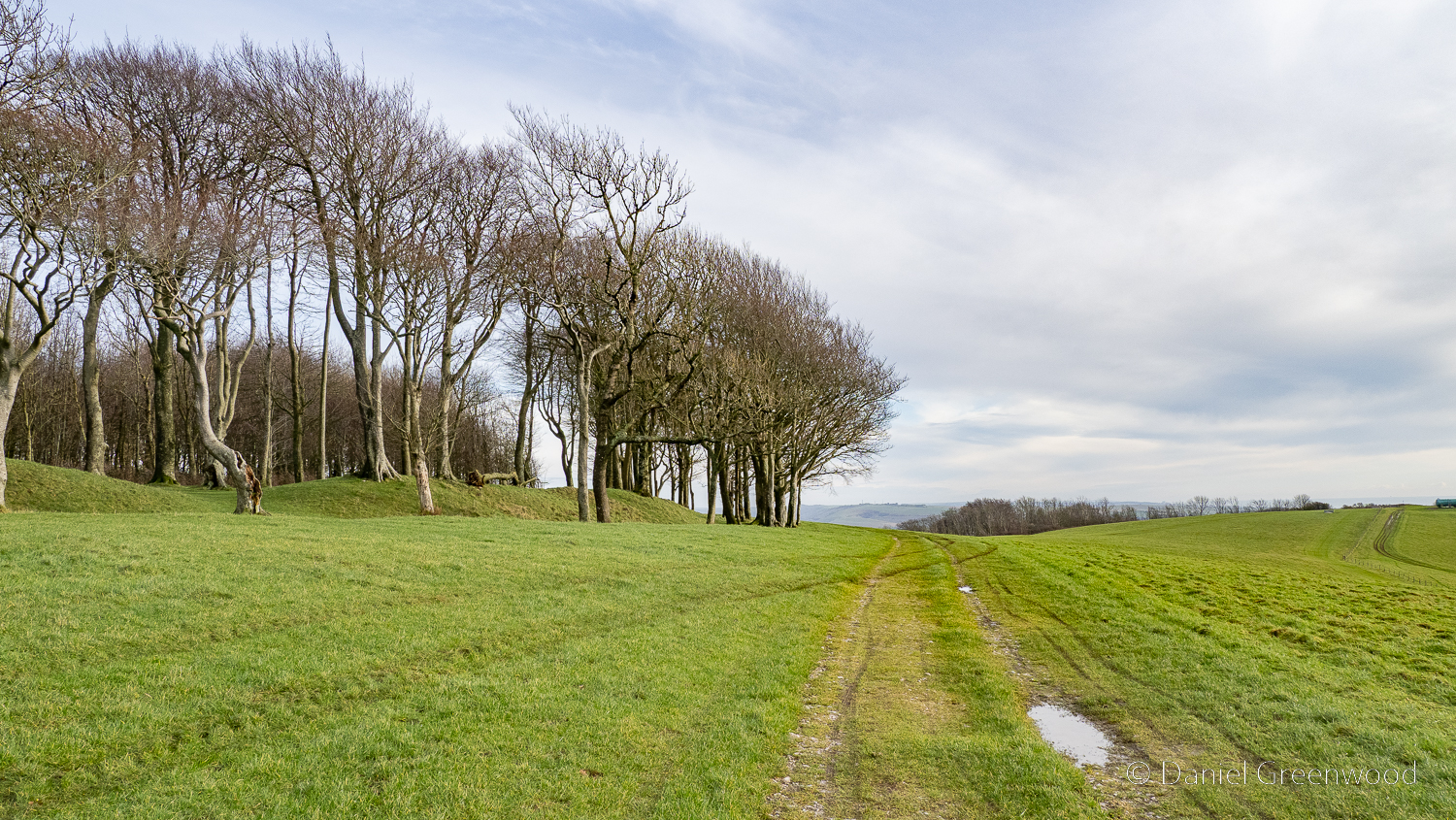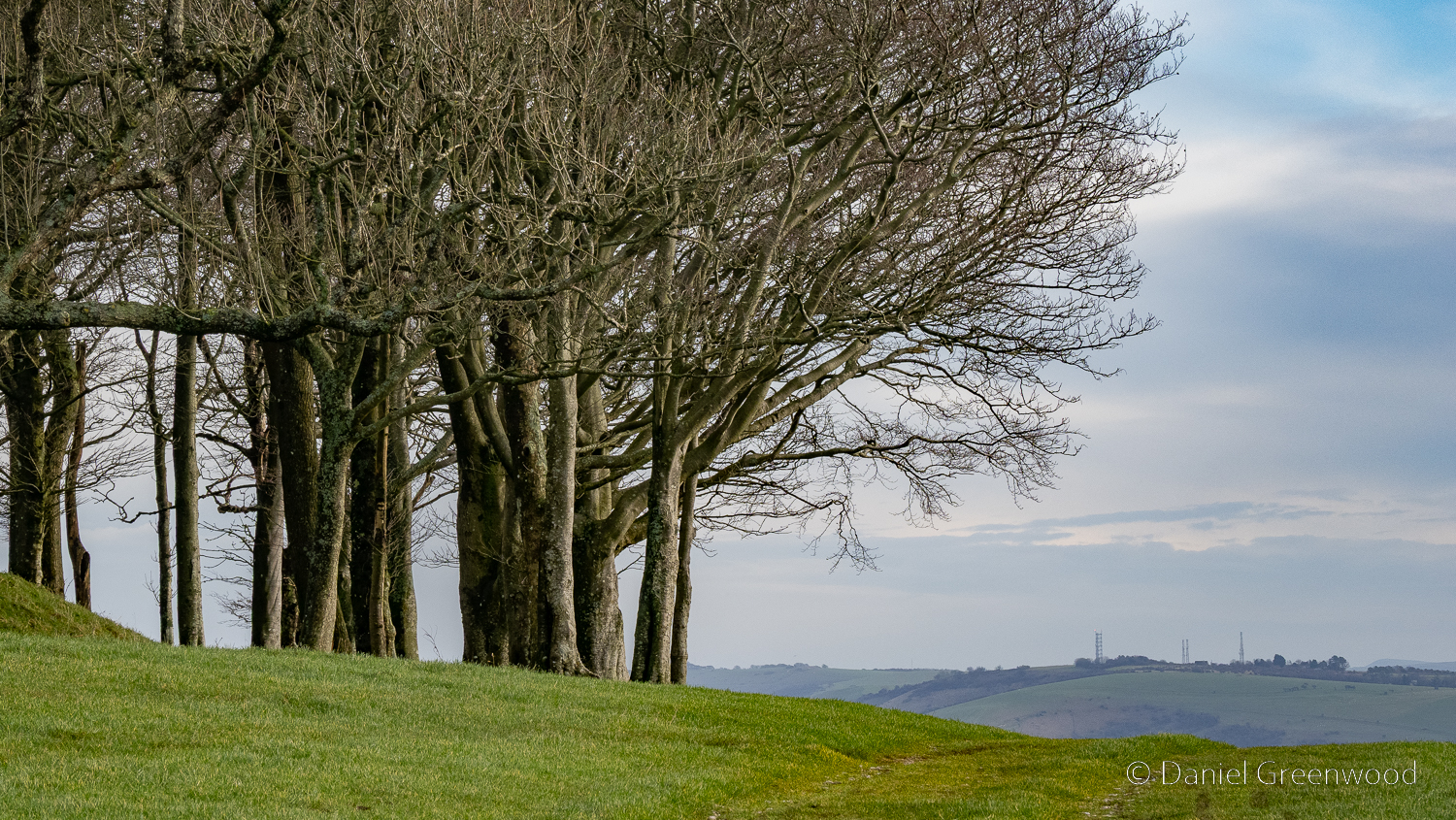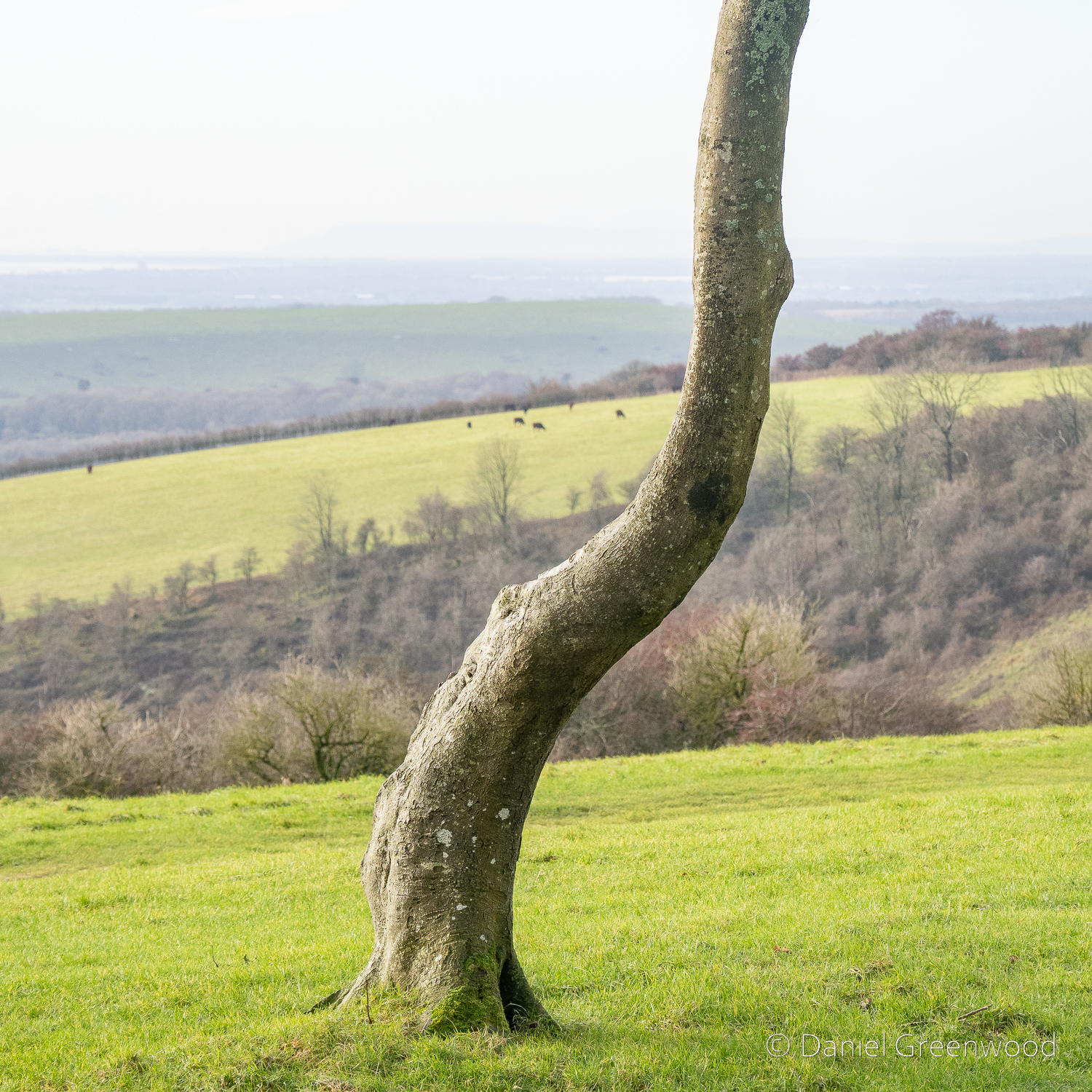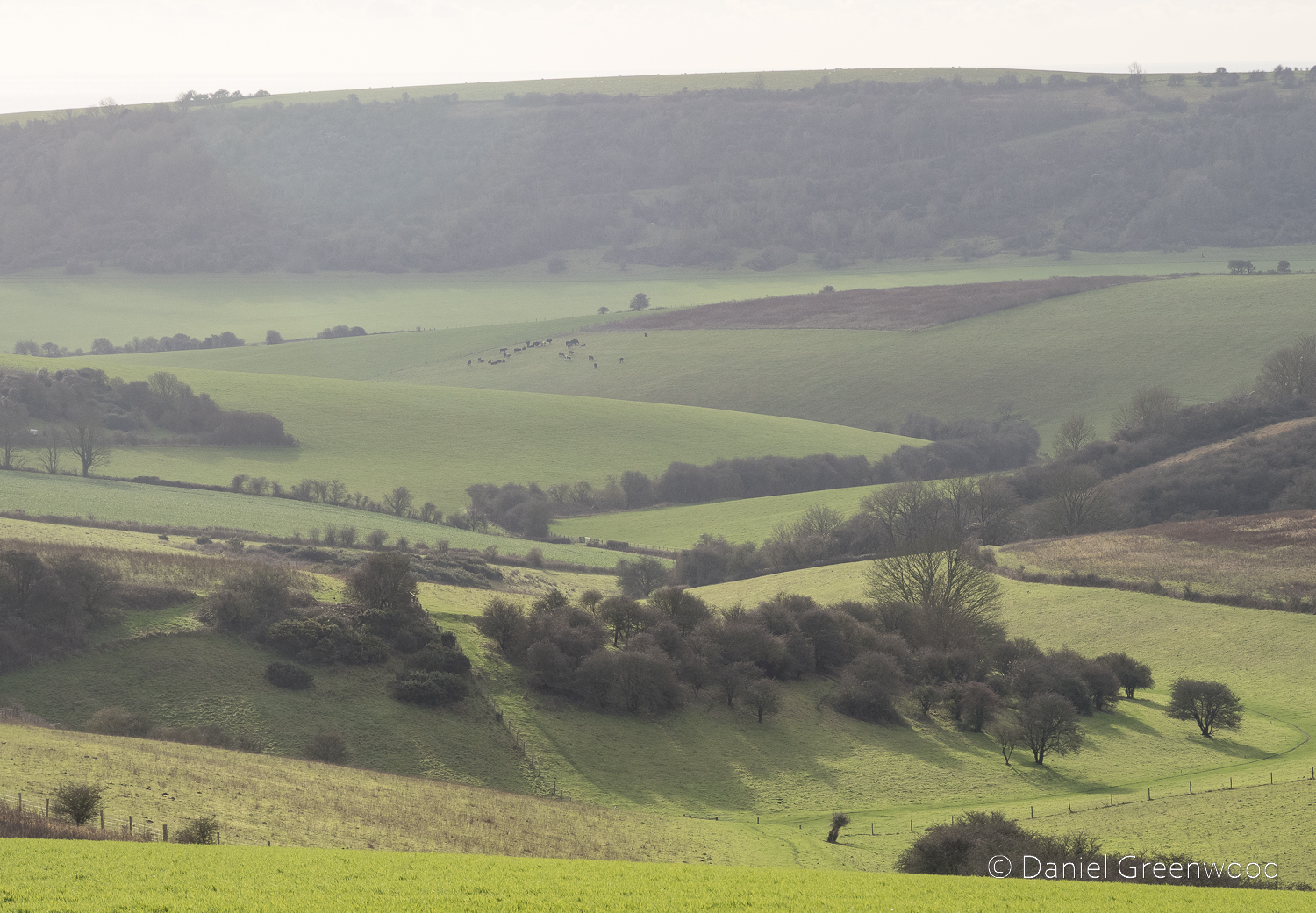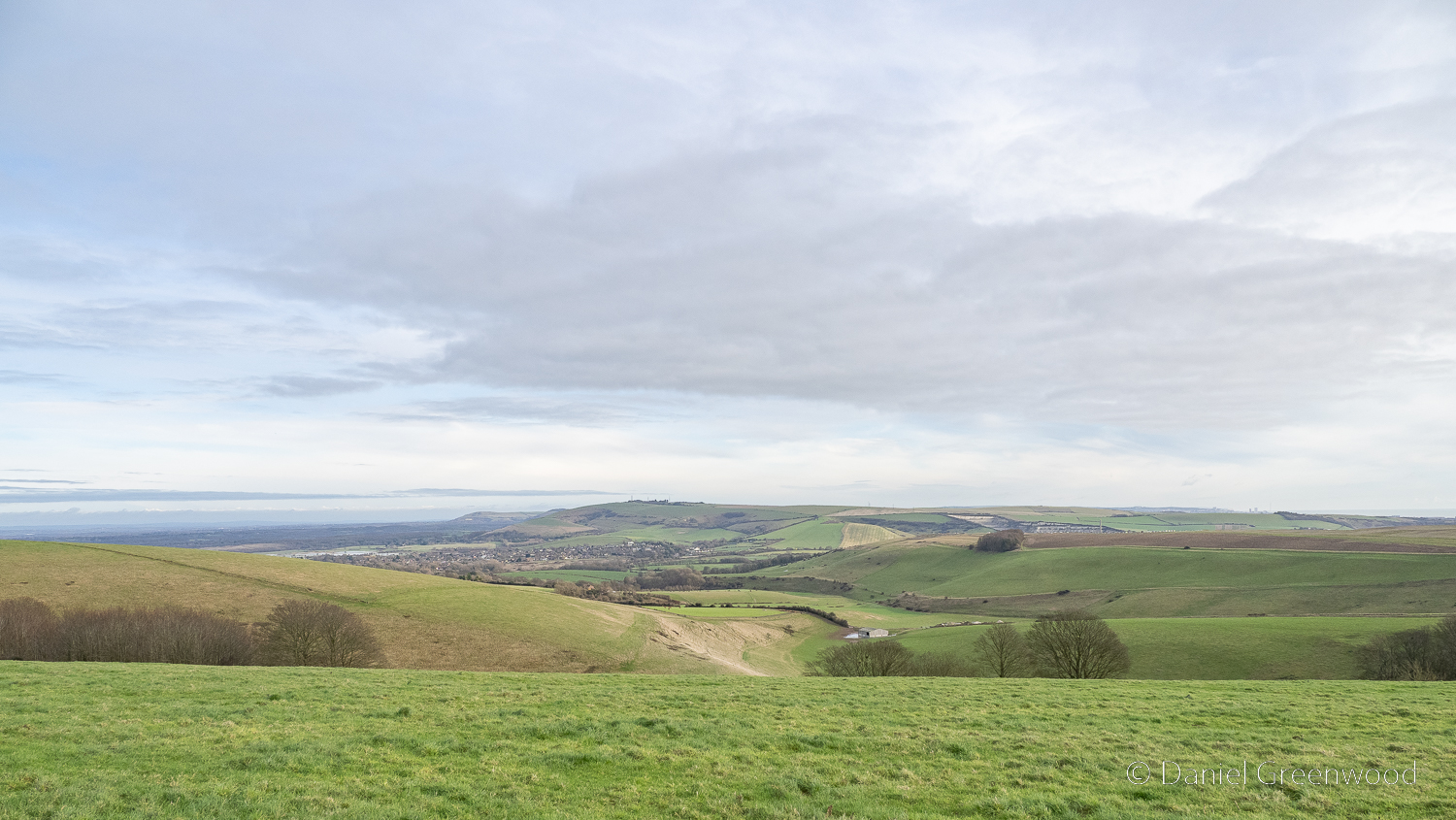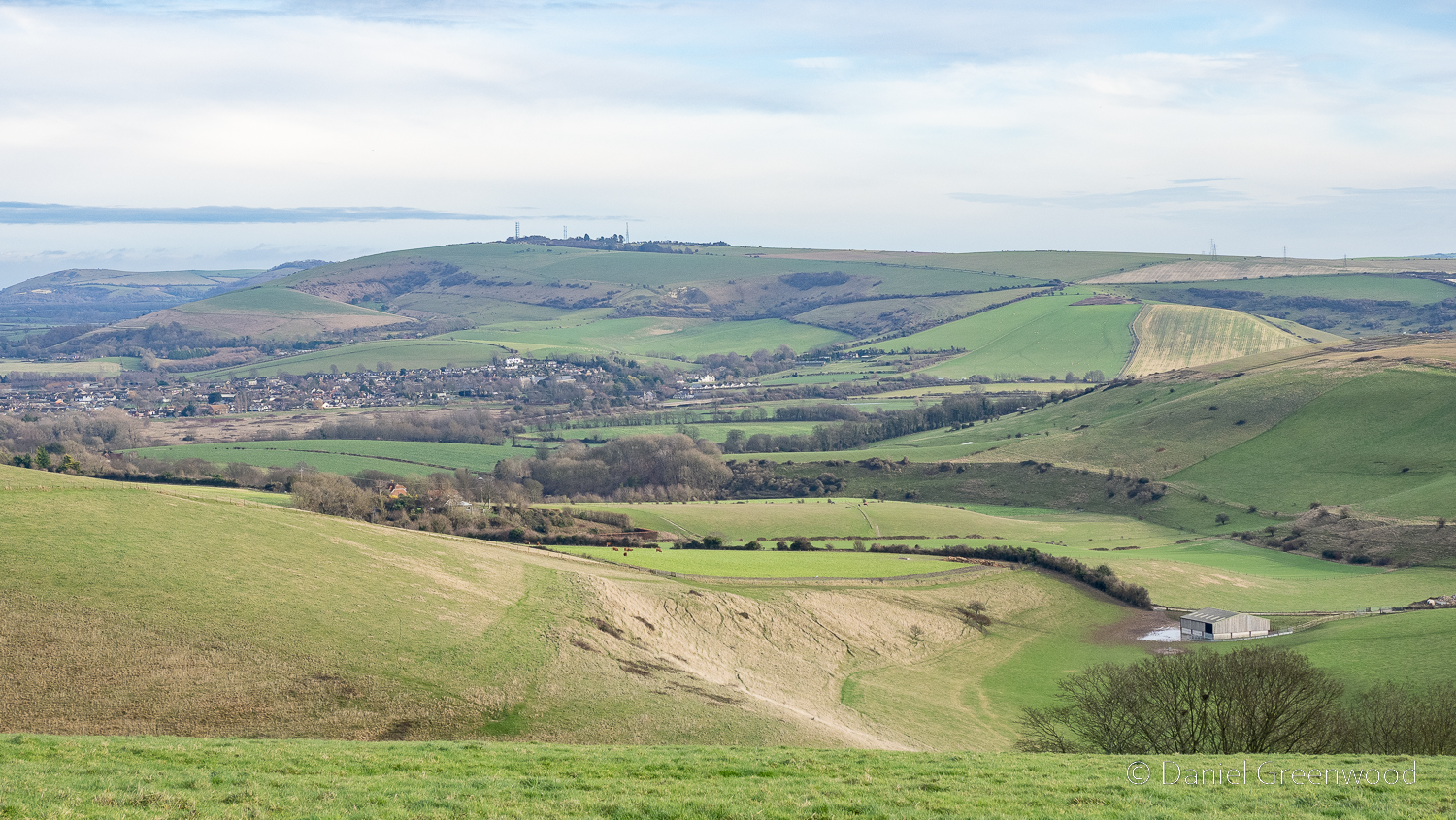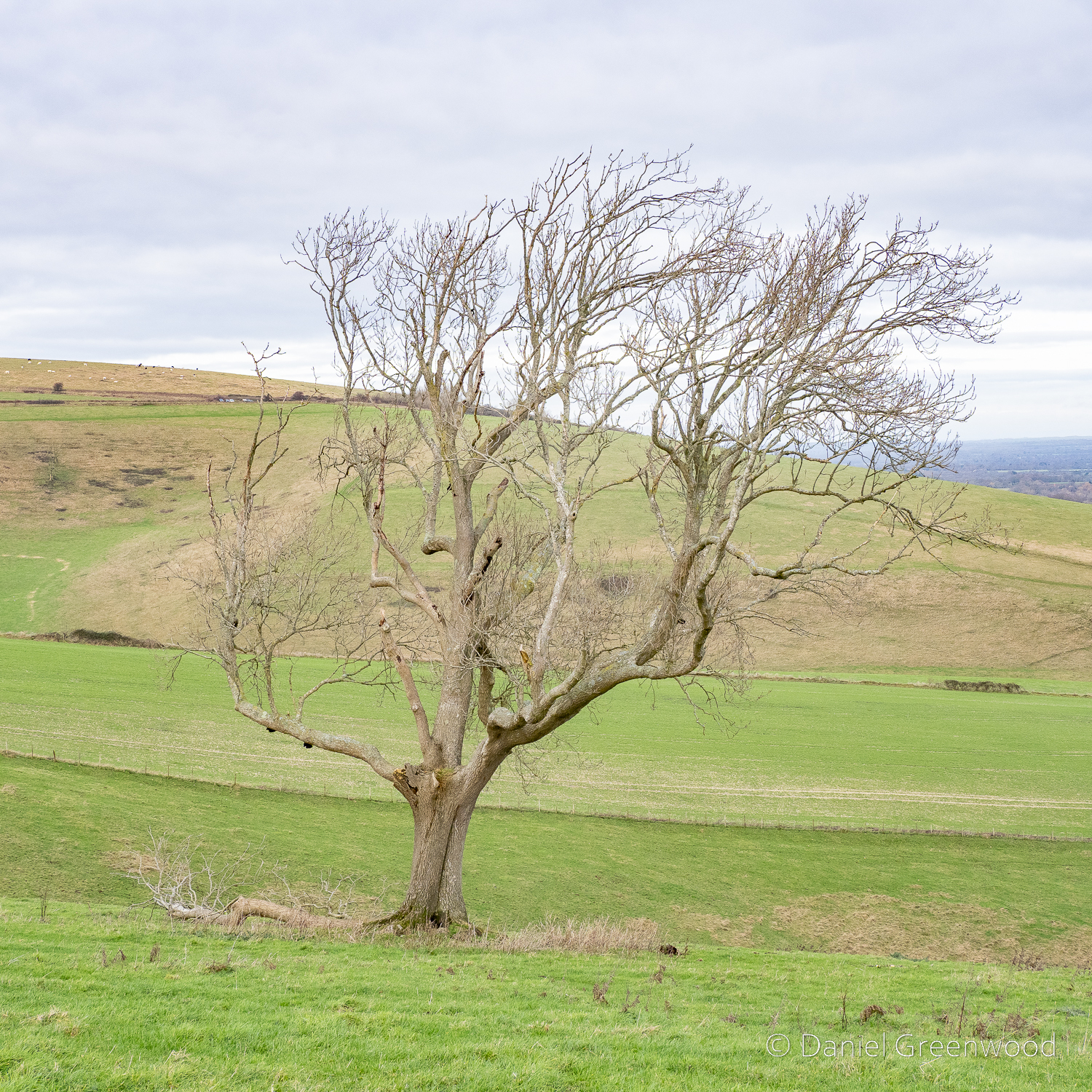
The ash tree’s survival

I noticed some good news about ash trees recently and wanted to share my experience of a difficult decade for the European ash (Fraxinus excelsior, referred to here as ‘ash’), as well as some of the photos I’ve taken of this iconic tree. Working through this post, I’ve realised just how many images I’ve compiled down the years. I’ve also realised just how much I care about this tree as a species, and how painful it is to see it effectively being erased from the landscape by disease.

Ash is one of the first tree species that I really began to notice and tried to understand ecologically and culturally. When I started to take notice of wild trees, I saw that ash was everywhere in south London, seeding in railway sidings, parks, gardens, and woods. I’ve cut them down (not particularly big ones), planted them, pollarded them, photographed them and breathed their oxygen (obviously most people in the UK have!).

What do ash trees mean to people?

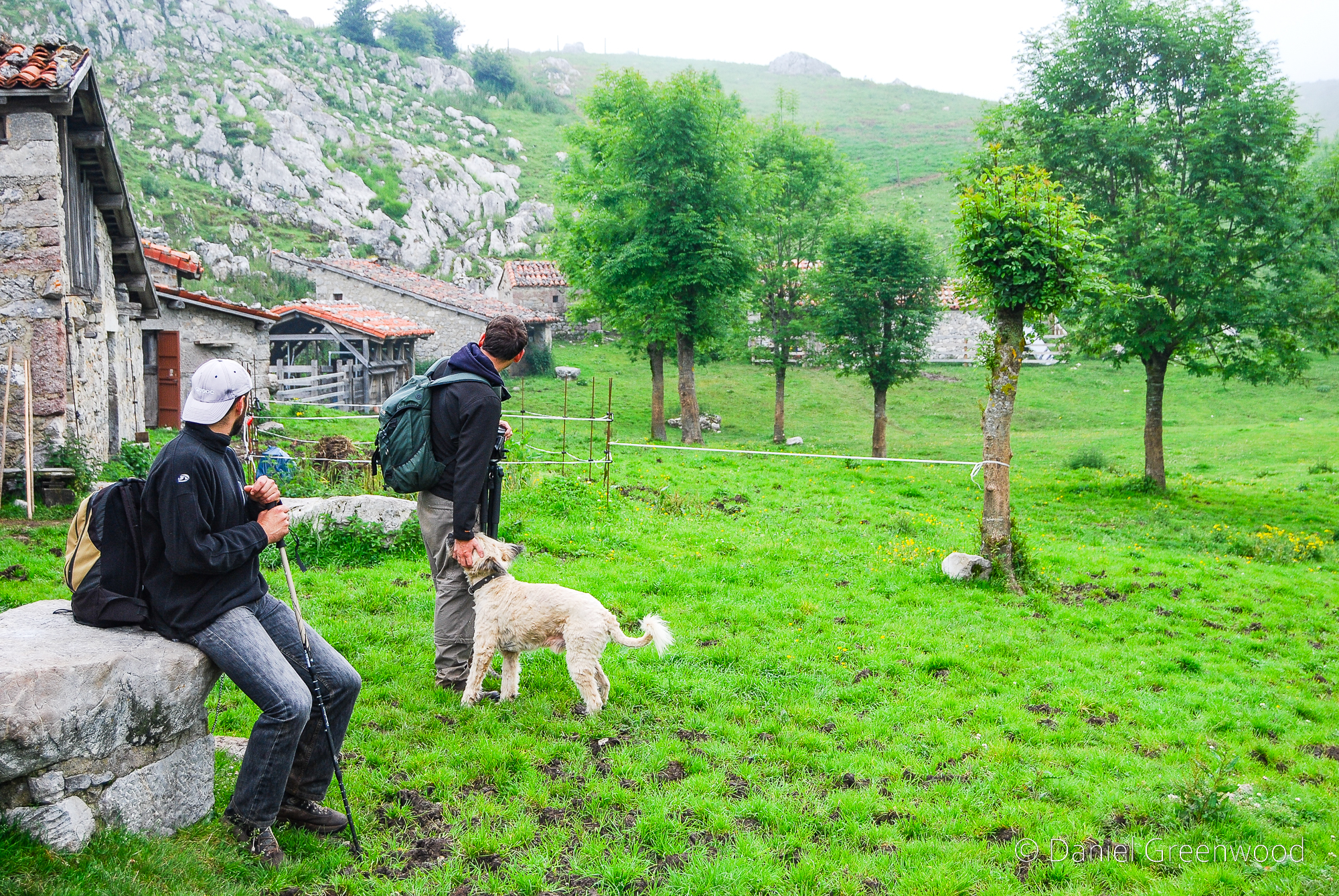
Pollarded (or shredded?) ash trees outside shepherd’s huts in Asturias, Spain in June 2011

I’d like to start overseas, as ash dieback is Europe-wide problem.

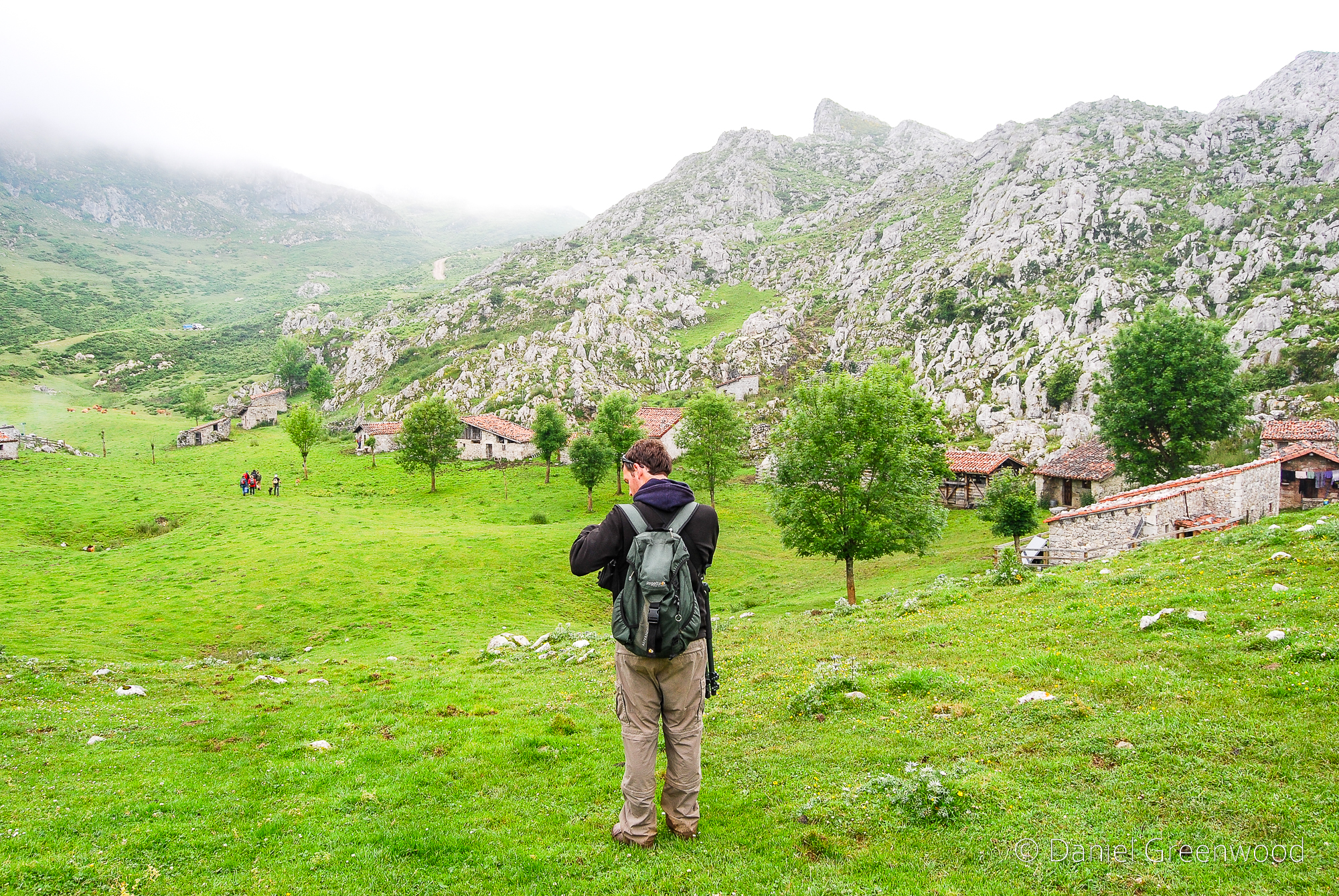
This week it was 14 years since I visited Los Picos de Europe (The Peaks of Europe National Park) in Asturias, Northern Spain as a volunteer.

The photo above came up in my ‘memories’ and it was only then that I remembered the ash trees. This was a remote village high in the mountains where people were making cheese (they didn’t want the name of the village to be shared online). The ash trees here are pollards, with the branches cut back to make a single stick of a trunk. It’s probably severe enough to be considered ‘shredding’, which Oliver Rackham wrote about.

Lollipop ash trees growing close to the old shepherd’s huts in a remote part of the Picos de Europa, June 2011

The reason this is done is to provide food for sheep – the fresh green growth of new ash leaves, which they love.

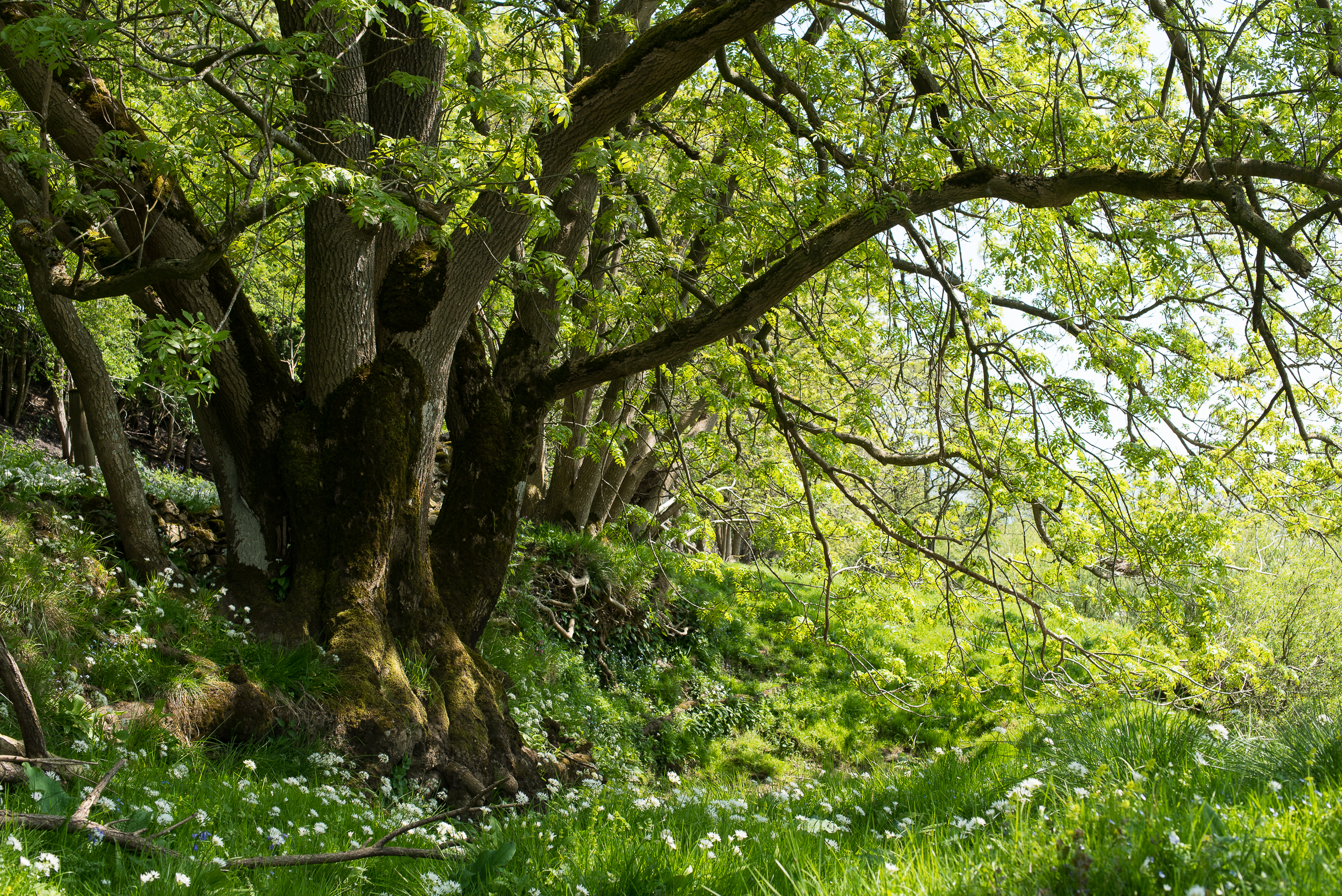
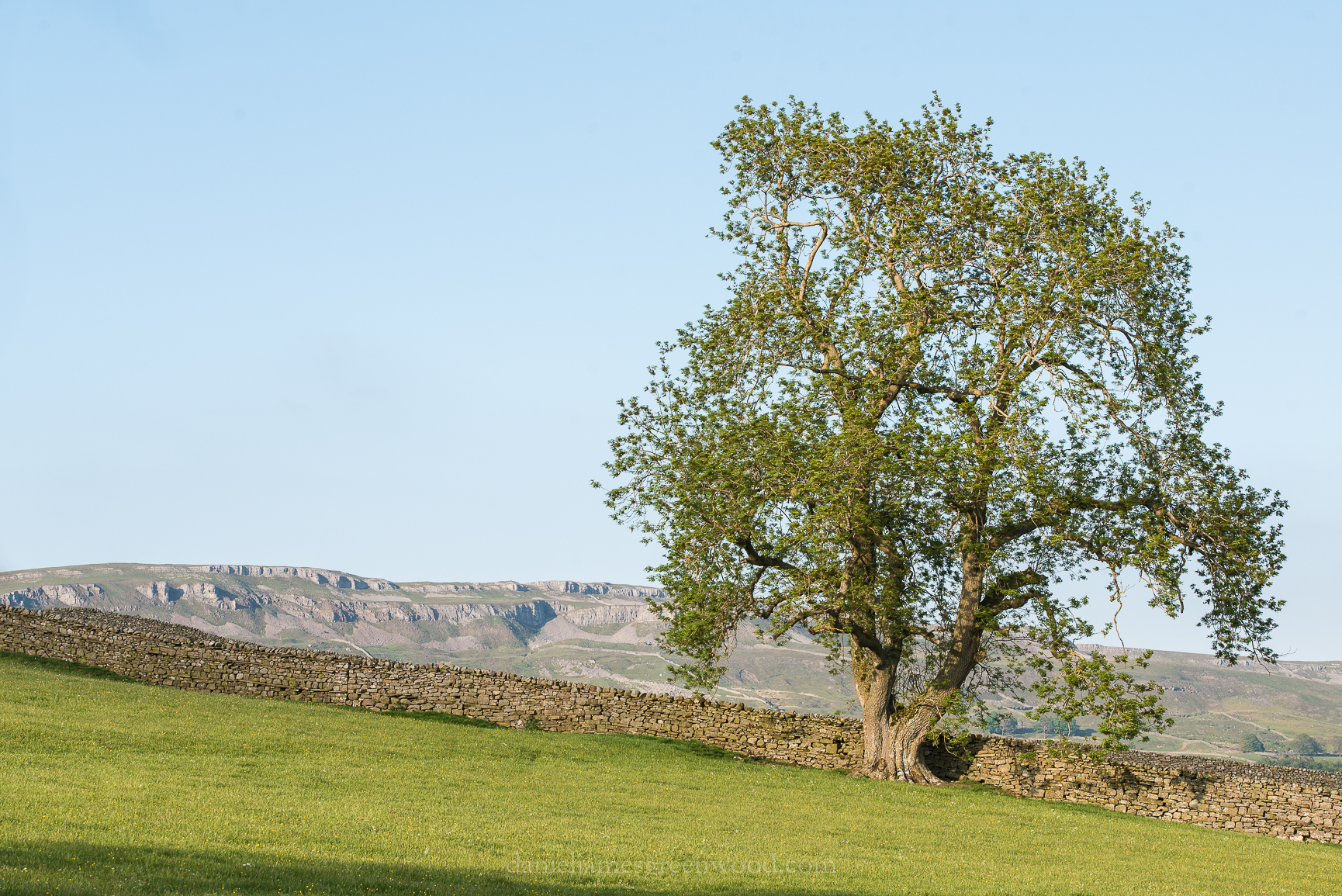
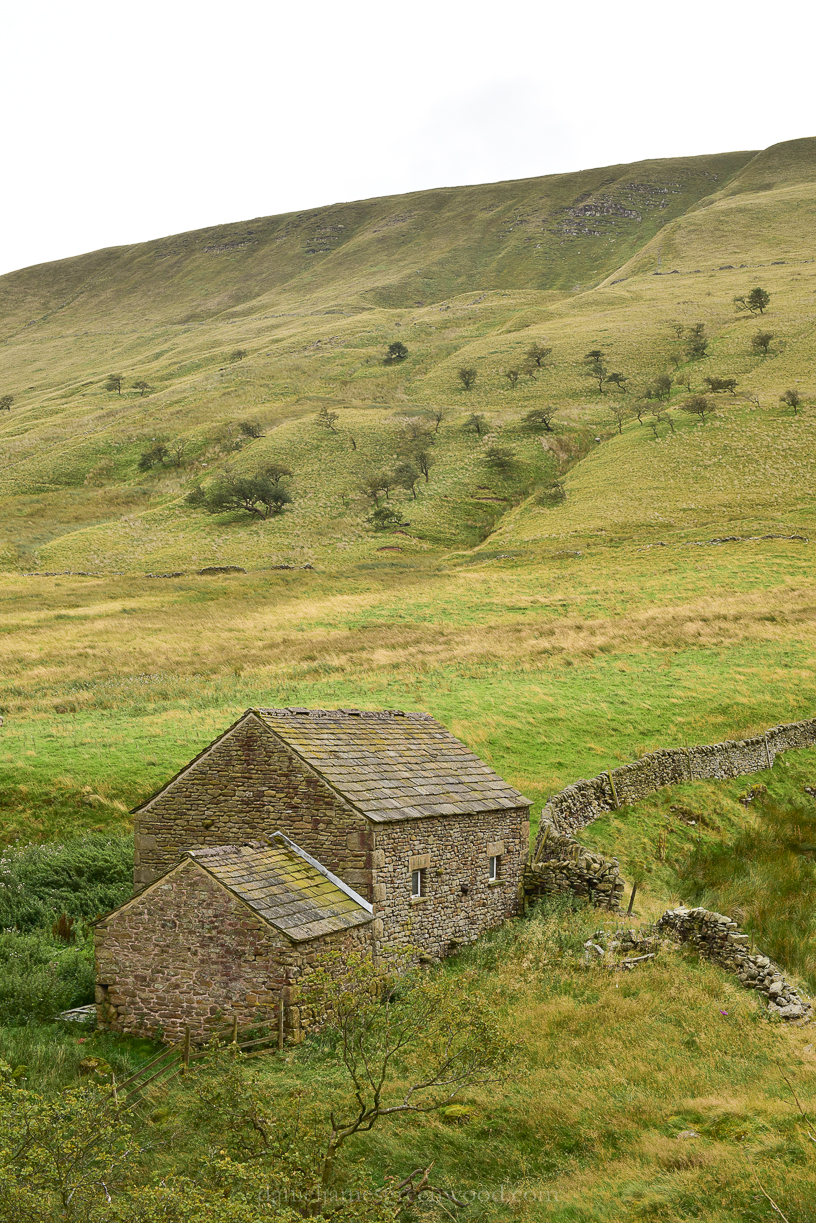
A massive pollarded ash tree next to a restored hay barn in Wensleydale, Yorkshire in 2018

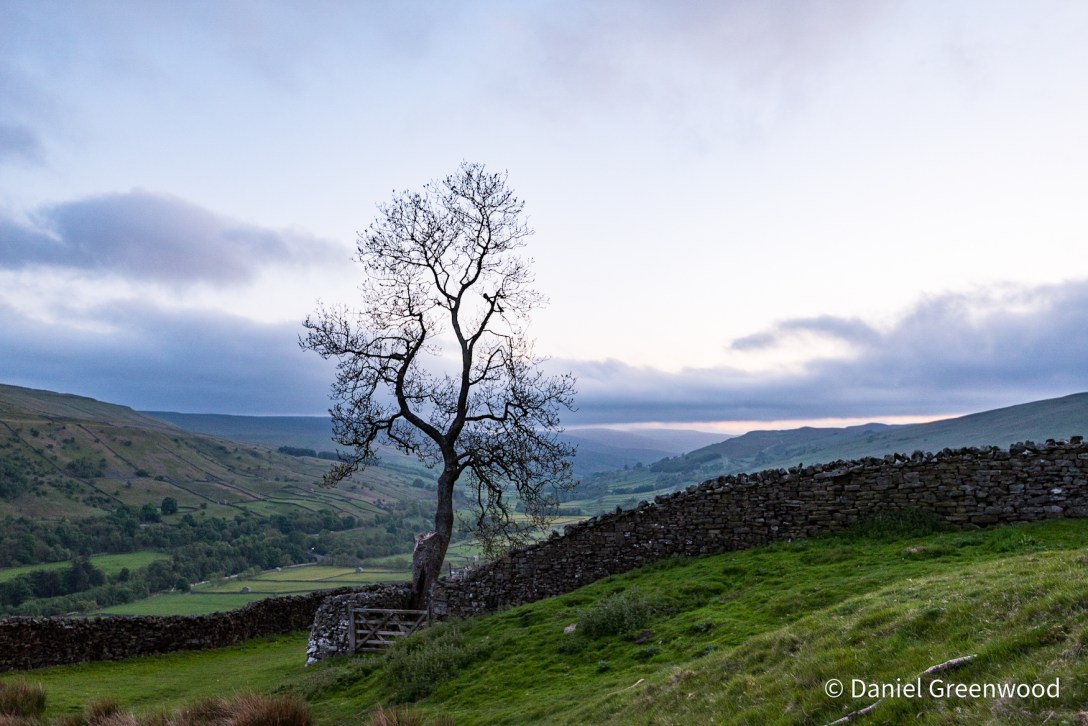
Interestingly, it’s similar in the Yorkshire Dales, where ash trees are abundant (see above and header image) and so are sheep. During one holiday in the Dales, I remember seeing a sheep climbing up a wall in order to nibble the leaves of an ash. What is also interesting to me, is that this is the same model of livestock grazing which spread from the Middle East, across Europe and into Britain thousands of years ago. It doesn’t sound dissimilar to the spread of ash dieback.

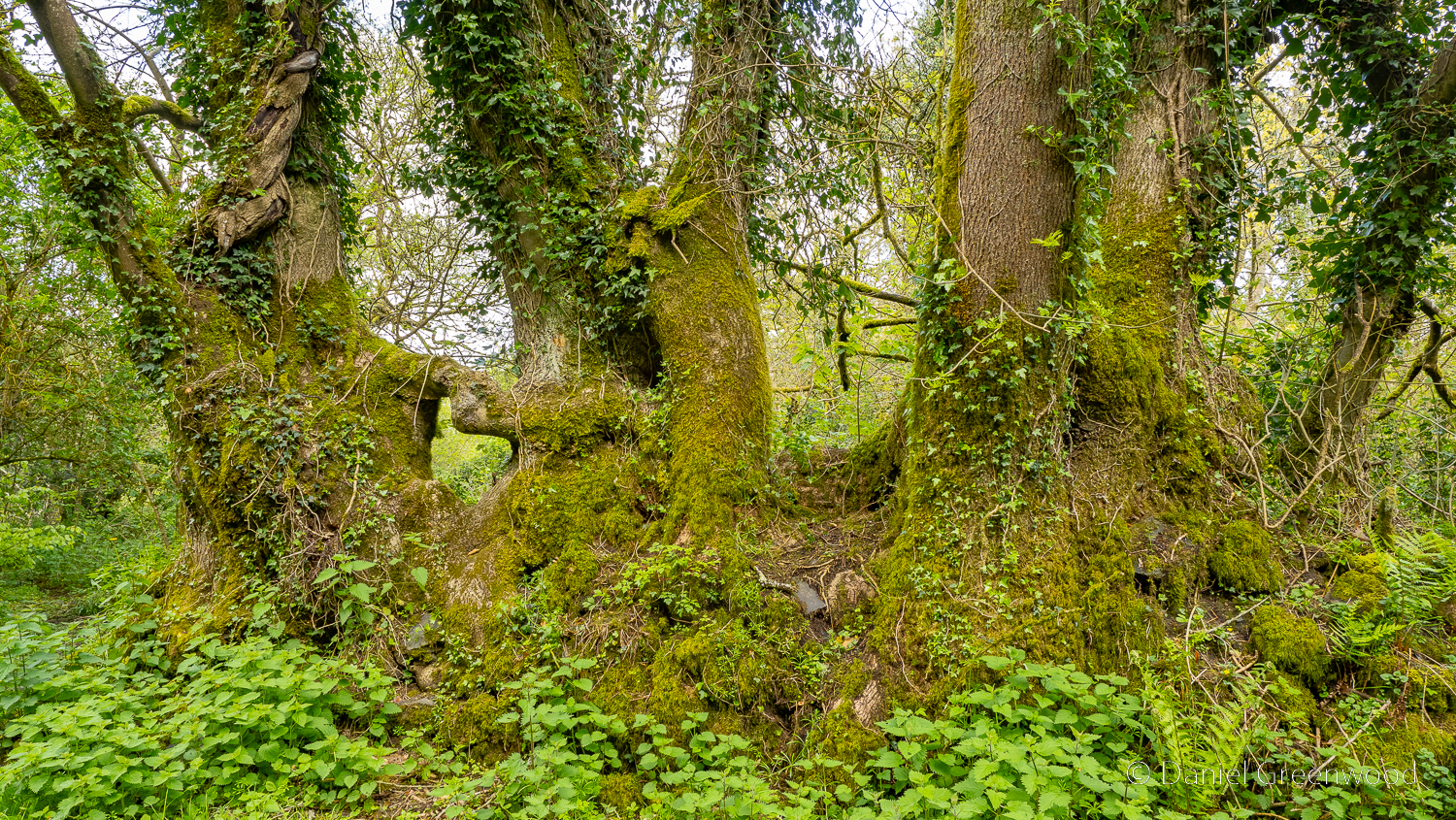
A typically large ash stool in a former hedgeline or boundary, coppiced or laid for many years (near Reeth in the Yorkshire Dales, 2019)

It’s not uncommon to see very large ash stools (old trees that have been regularly felled for timber) in boundary lines in places like Yorkshire, Sussex and Kent. I’m sure their coppicing was probably to provide ample feed to sheep, as in Northern Spain, above.

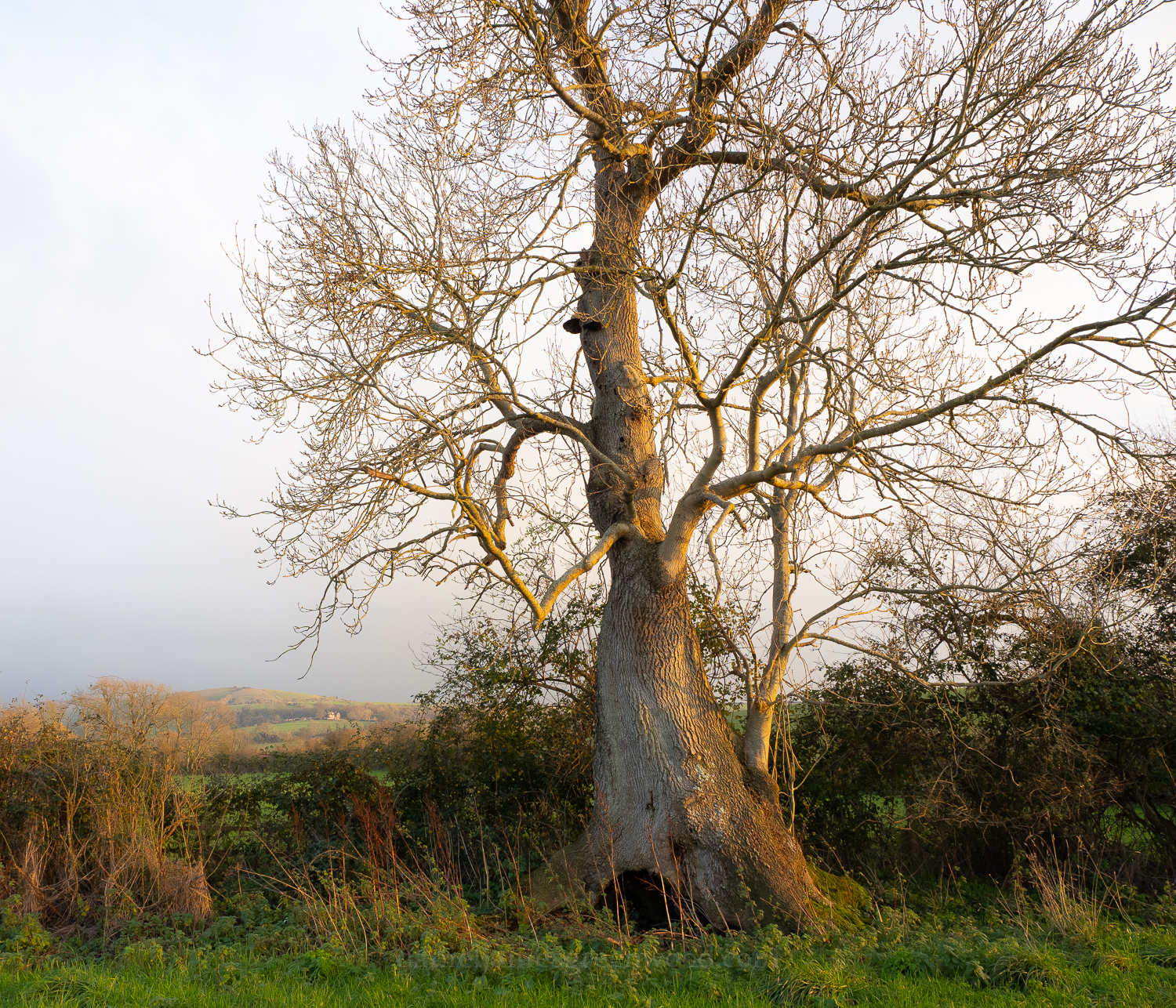
Dartmoor, Devon in 2023

This mammoth ash in Dartmoor National Park in Devon is possibly the biggest I’ve ever seen.

What do ash trees mean to wildlife?

A diseased ash tree with a large number of King Alfred’s Cakes fungi growing on the main trunk in Sussex in 2023

The fungus King Alfred’s Cakes has benefited in the short-term from an explosion in dead ash wood to colonise. The longer-term picture for fungi and lichen is not so good. Ash has a number of lichens that depend on it in places like the Lake District (my knowledge doesn’t extend very far here) which needs living trees.

A mossy ash surrounded by wild garlic in Wensleydale, Yorkshire in May 2018

Ash benefits ancient woodland flowers that arrive early in spring because the leaves are compound (they have leaflets, not broad leaves) and allow light into the woodland floor. Species like wood anemone and wild garlic do particularly well in their dappled early spring light.

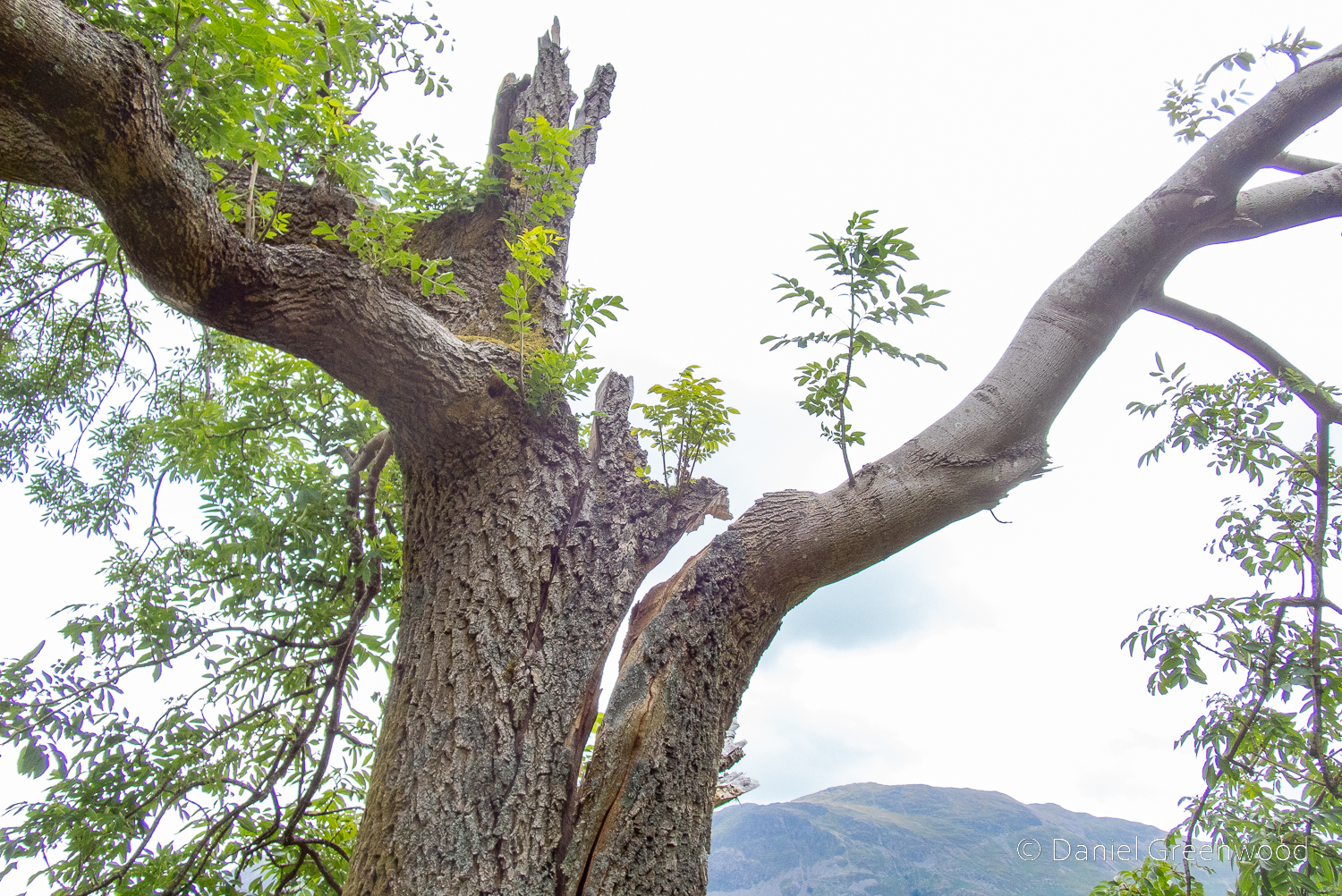
Magnificent veteran ash tree with Ullswater behind it in the Lake District. The top trunk of the tree has collapsed on some farm equipment in the background (2023)

I’ve encountered several ash down the years that have been for the chop on reasonable safety grounds in London, but then have been saved by the fact bats are living in them.

Bats can live under loose bark, in woodpecker holes (which are often found in older ash) and in large crevices. This magnificent ash was near Ullswater in the Lake District and had suffered what the tree officers would deem a catastrophic failure, but the woodland ecologists would be licking their lips at!

The Timeline

2012: when ash dieback arrived in Britain

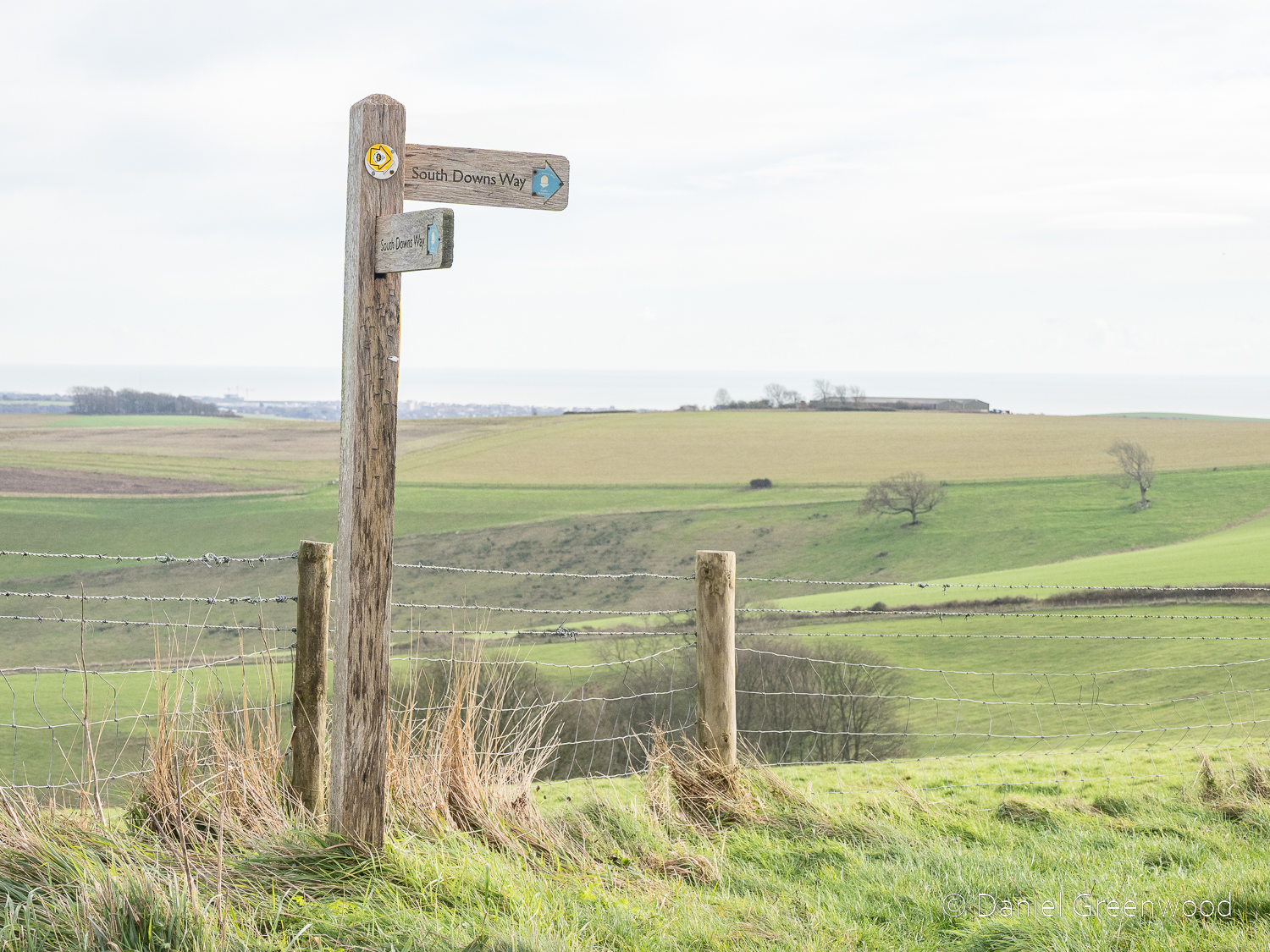
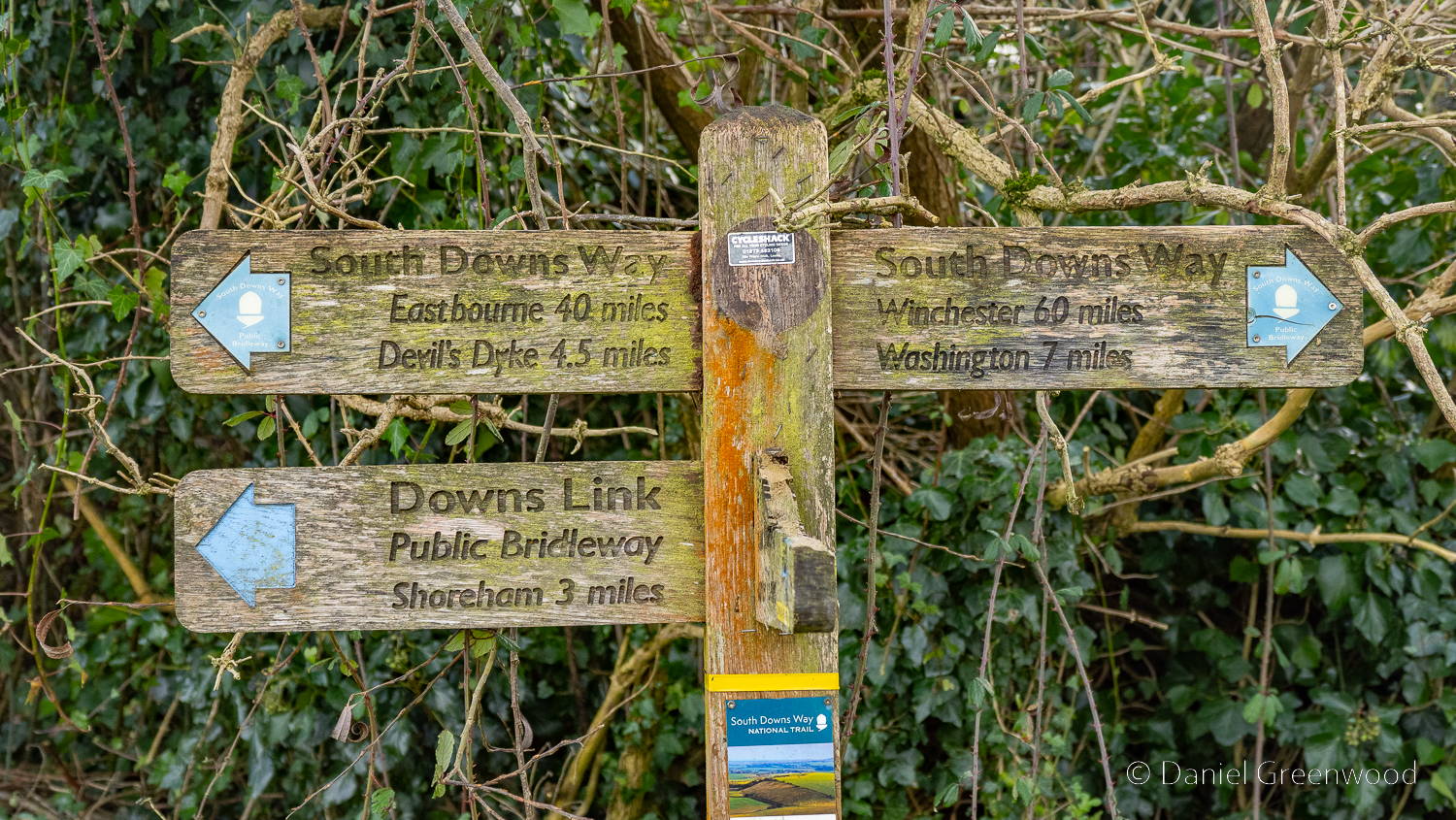
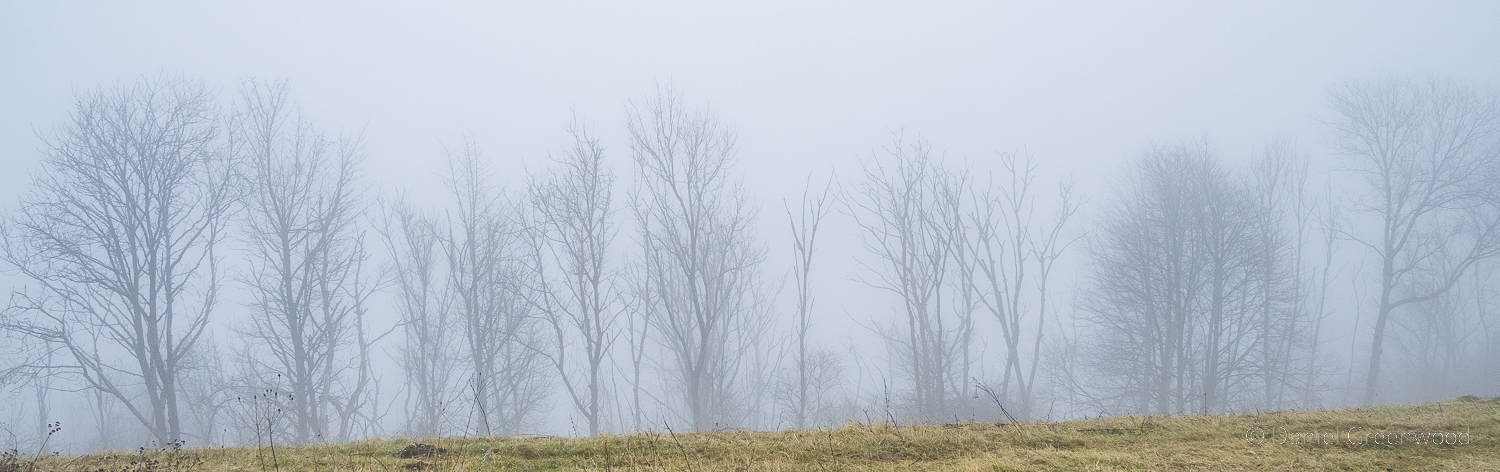
A range of leafless ash trees alongside the South Downs Way near Ditchling in November 2024

One afternoon in the autumn of 2012 I was finishing my working day in the woods when I noticed the dying-back of an ash sapling. The stem had lesions and the leaves were drooping. It was my first year as a community woodland officer and ash tree seedlings were so numerous we actually had to pull them up in certain places. They were the epitome of a sometimes invasive British plant.

It was the first time I had seen a European ash tree (Fraxinus excelsior) infected with ash dieback disease, known scientifically as Hymenoscyphus fraxineus.

The first time I saw and photographed ash dieback disease in Sydenham Hill Wood, autumn 2012

At the time we needed to report every new sighting to the Forestry Commission (as it was then), to help map the spread of this devastating disease. It spread so quickly that reporting became redundant, as were widespread protection measures. I remember someone remarking that asking people to clean their boots would be about as effective as asking the birds to clean their feet.

2017: ash dieback decimates the South Downs

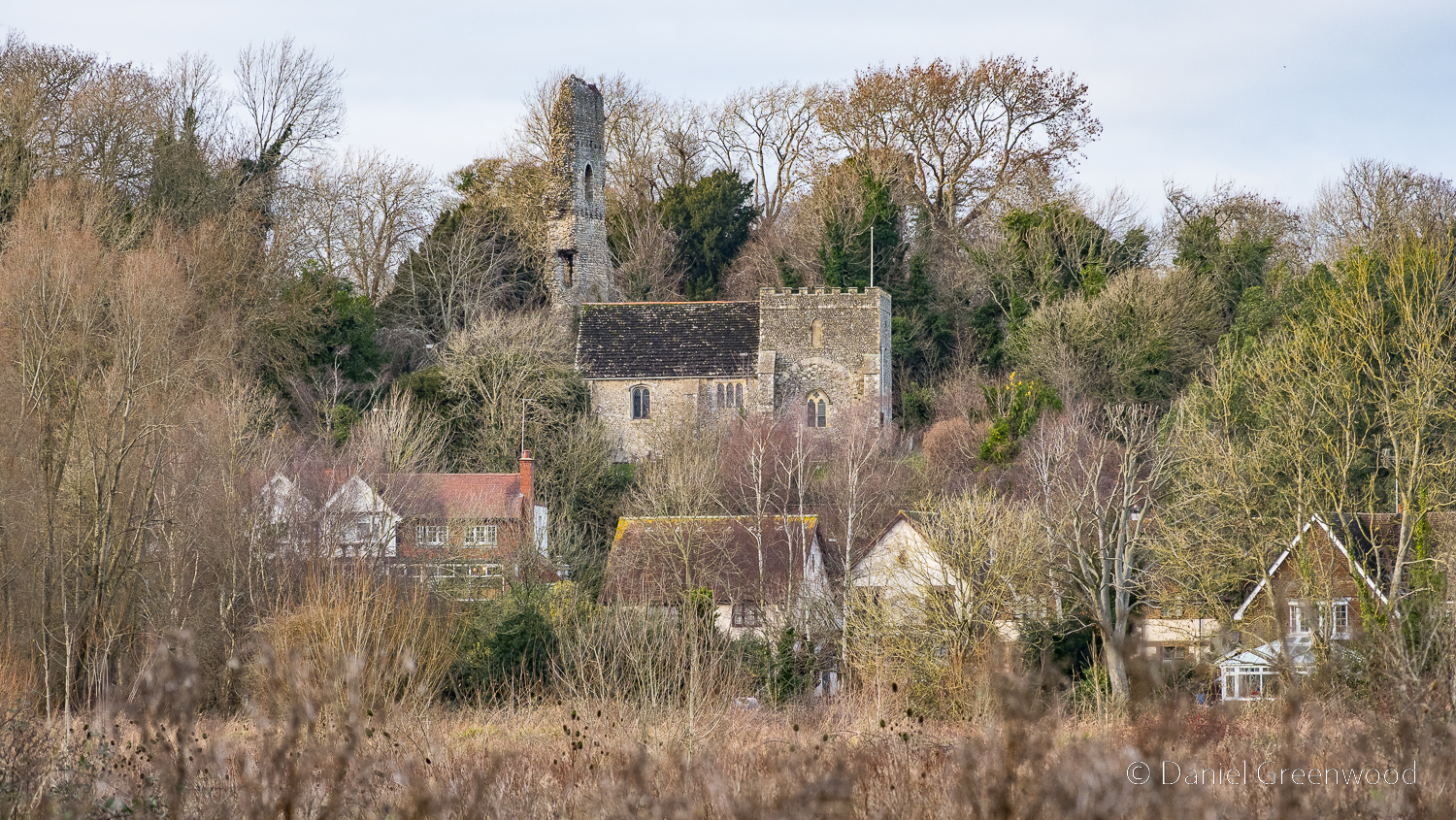
Leafless diseased ash trees above Steyning, seen from the South Downs Way in February 2023

It was only really when I moved to Sussex to work in the South Downs National Park that the real impact dawned on me.

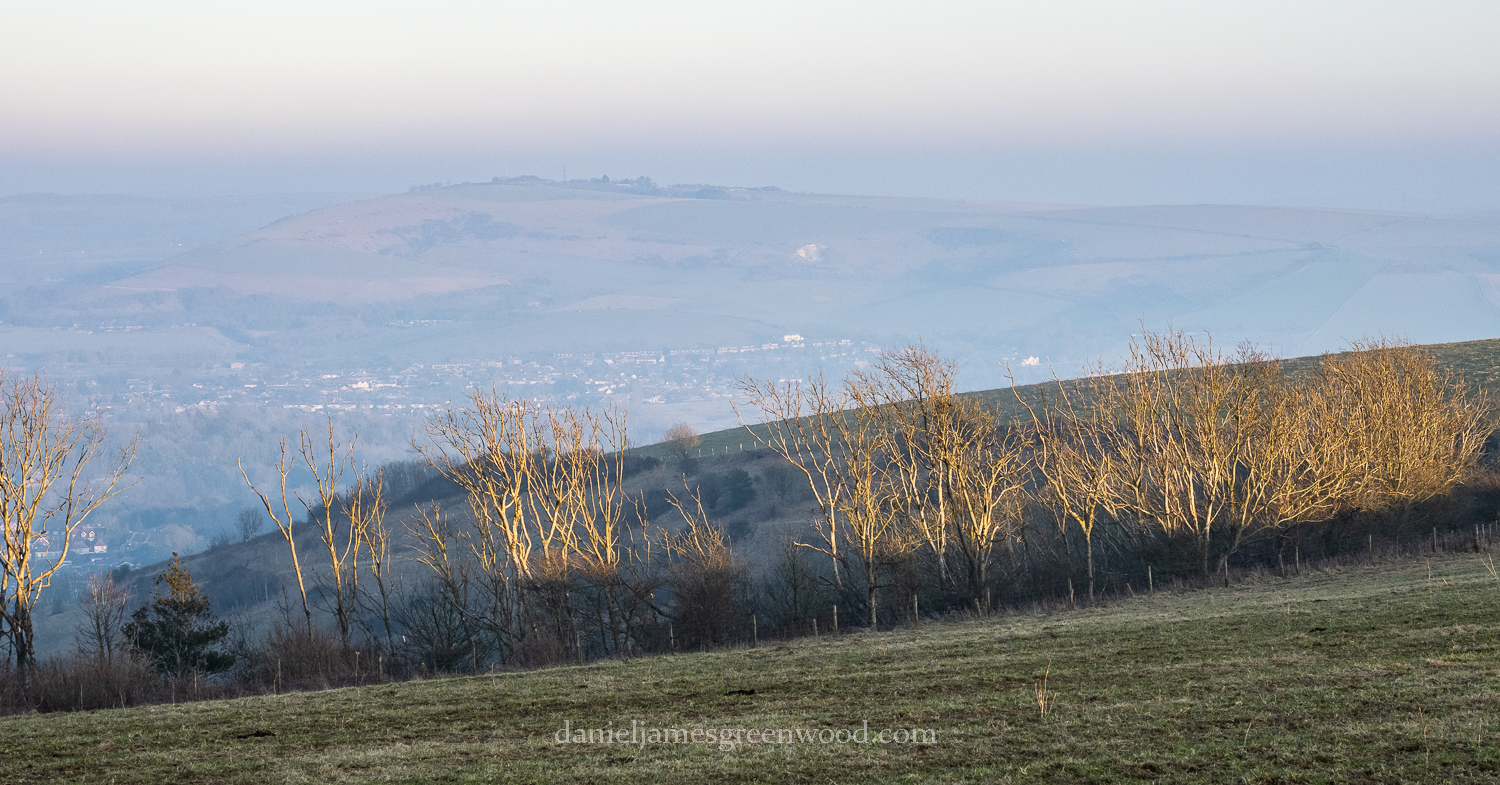
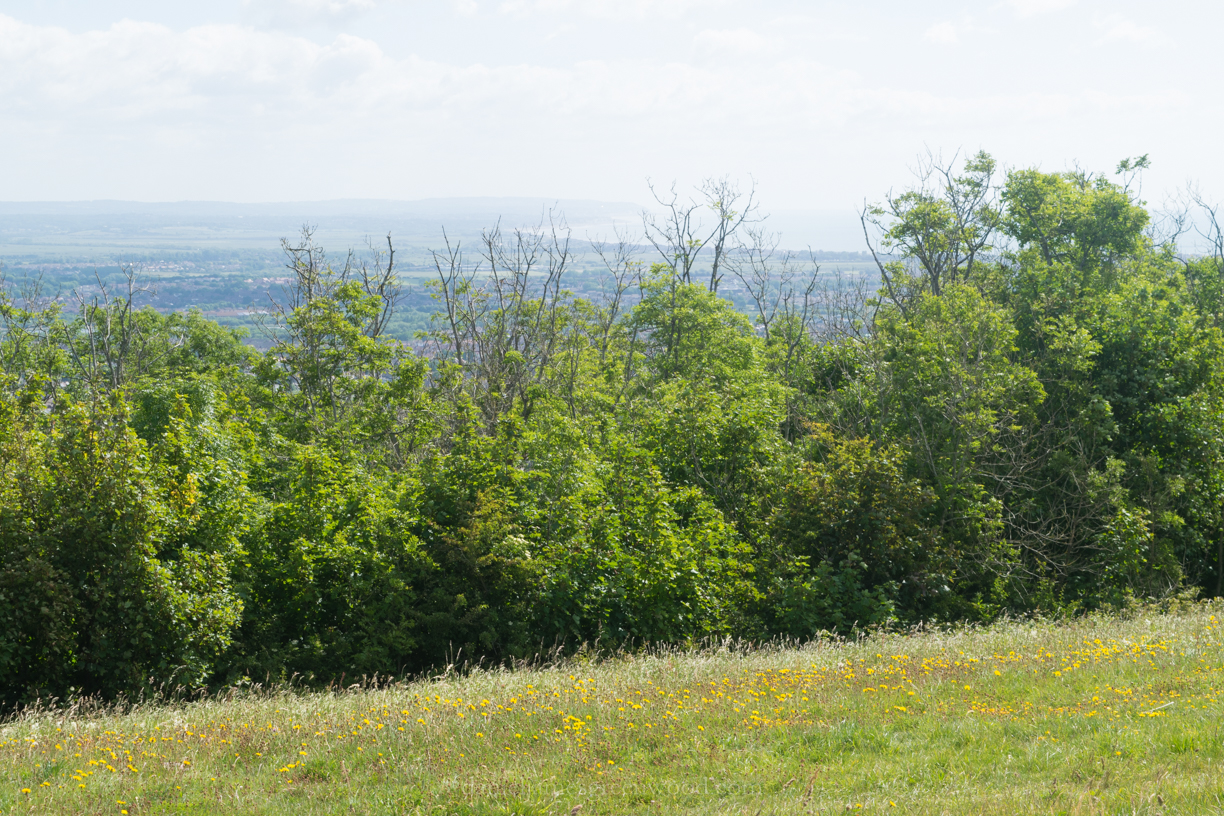
Eastbourne appearing beyond infected ash trees in June 2017

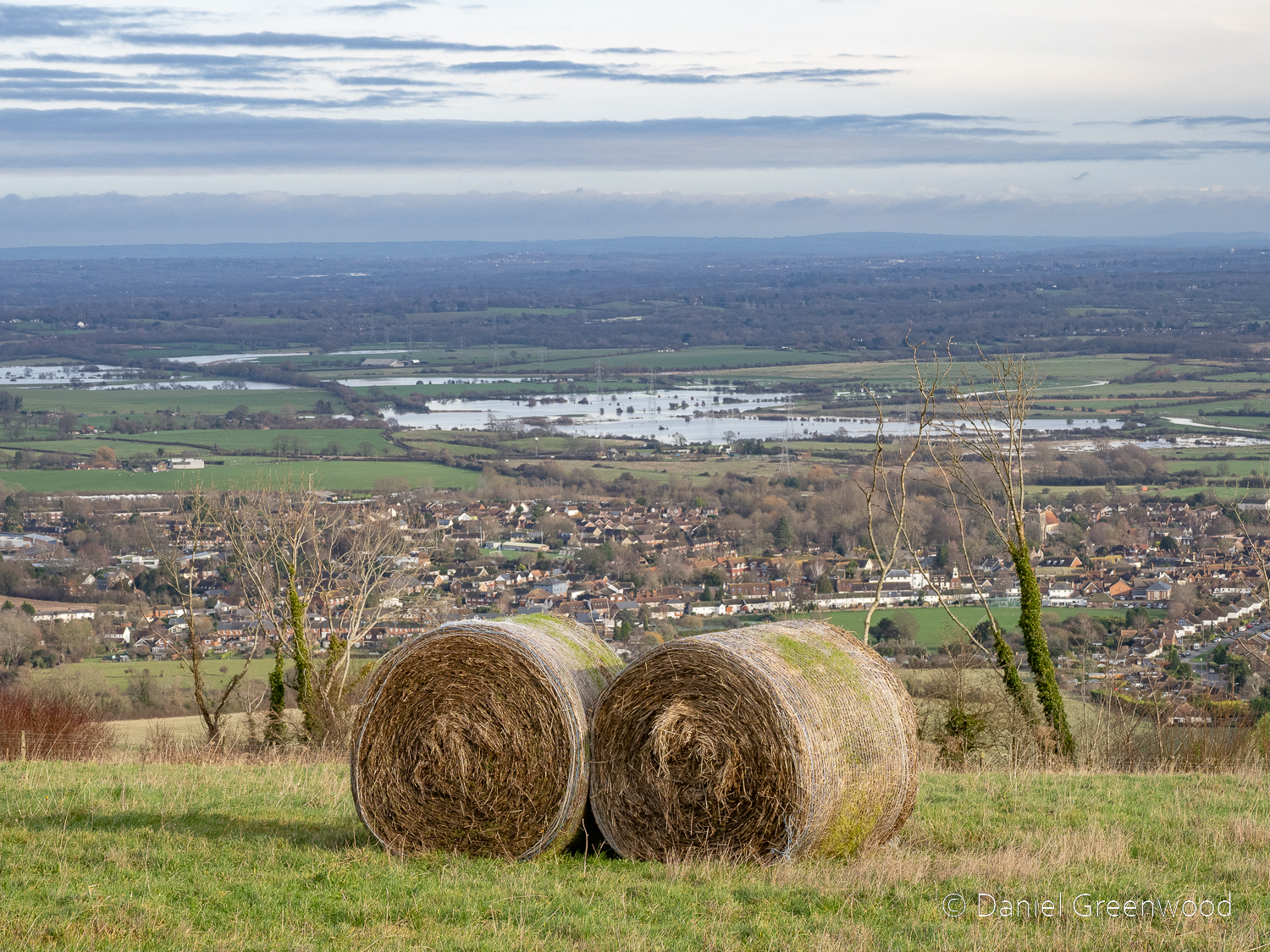
During a walk with the South Downs Eastern Area Ranger team, I was taken aback by the way declining ash trees were opening up views of the coastal town of Eastbourne. It has continued to progress since then.

A young ash tree experiencing ash dieback from the top-down on the South Downs, May 2019

Groves of once green ash woodlands and verdant hedgerow trees were dying en masse. In the past few years trees along highways have been felled due to the threat to public safety from these brittle, dead trees overhanging roads, paths and properties.

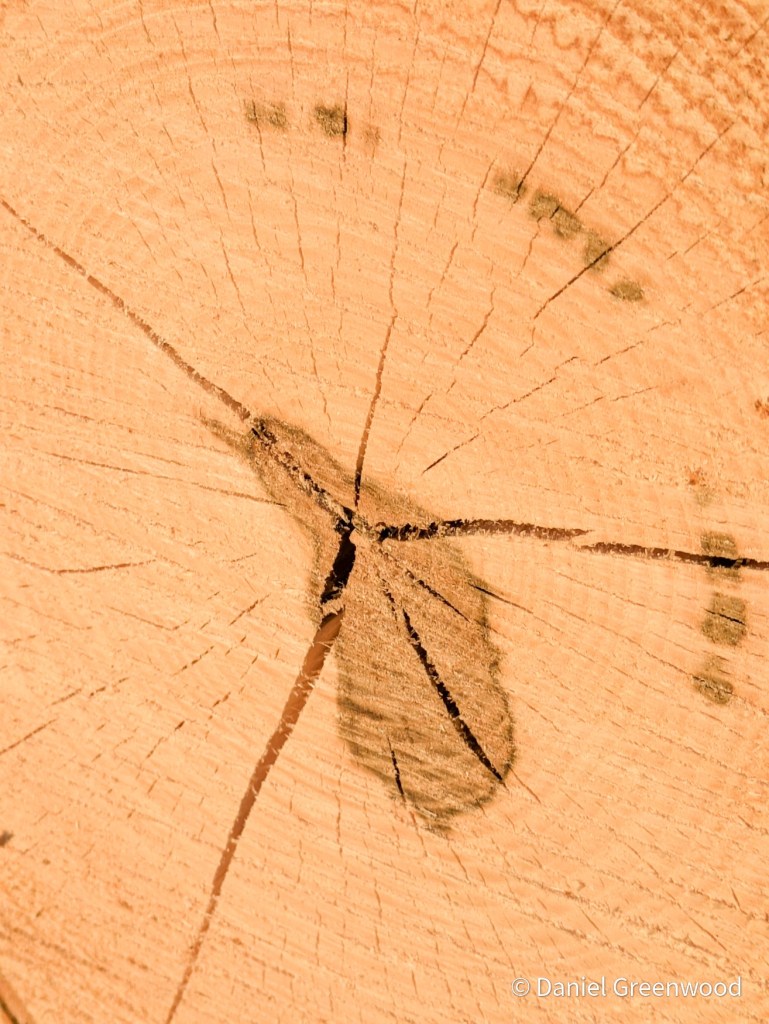
The main concern is how the decay enters the heartwood (as above) and causes structural failure even within living trees, meaning the ash are more likely to fall unexpectedly. I spoke to a council tree officer who said that there have been a number of fatalities of tree workers due to ash trees. It’s tragic.

A diseased ash tree that had fallen across a footpath in the South Downs, logged and cleared in February 2023

But how did ash dieback get to Britain? Fungi spread through spores, tiny particles that ‘seed’ in appropriate places and then grow into a living fungus that produces fruiting bodies. The fruiting bodies (mushrooms, to most people) then produce the spores. The ash dieback fungus is native to Asia, but there’s no way it could get to Europe alone. People helped it, accidentally, to arrive in Europe over 30 years ago. In Britain, it may have been helped by the process of growing UK saplings in Dutch hot houses, alongside infected ash saplings, and bringing them back to the UK.

2024: signs of resistance

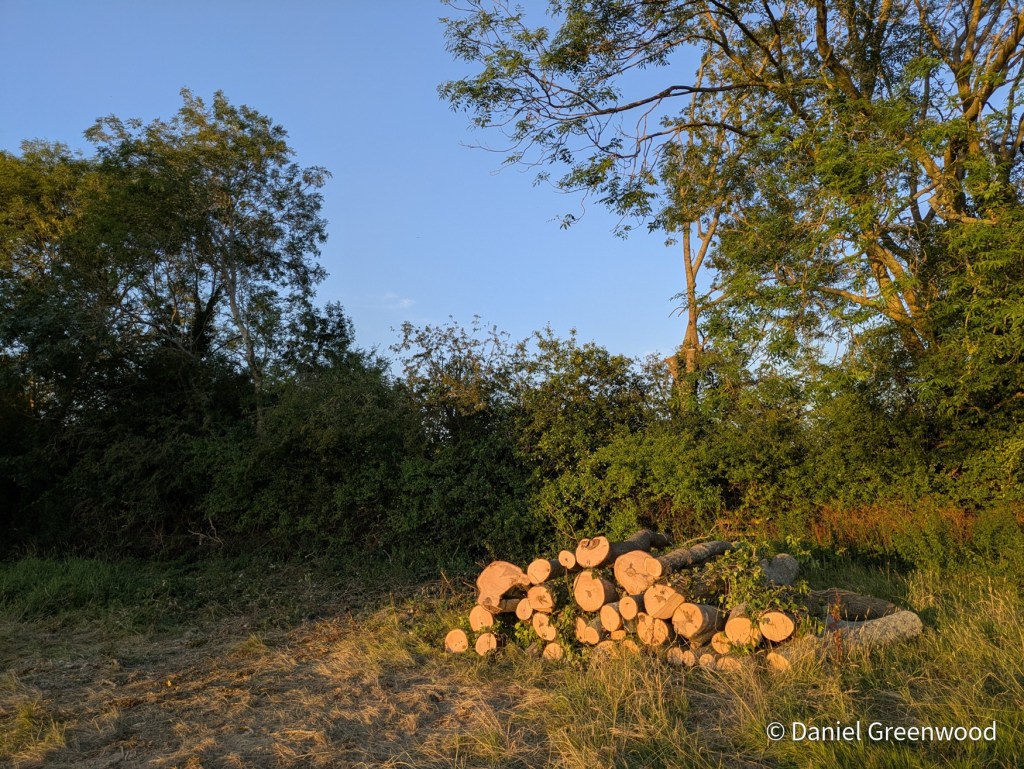
This phone pic was taken in July 2025 when my local green space had been subject to ash removal. The logs show the scars of the disease (see previous) but the scene is not one of disaster. There are healthy ash trees on either side that are surviving and, indeed, thriving considering what they are up against.

That is something The Living Ash Project have been logging(!) – trees showing mild symptoms and overcoming the dieback.

This rather optimistic article highlights more of the positive steps, and advanced scientific interventions being made to save ash trees.

Ash trees in isolated areas, away from ash woodlands, may be in a much better position (literally) to survive the disease epidemic because they are not overwhelmed by spores from ash leaf litter found in thick leaf litter.

A turning point for ash trees?

A mature ash tree in Wensleydale, Yorkshire in May 2018

The news for ash trees in 2025 is much more promising.

An article in The Guardian reports that ash trees in Britain are showing signs of evolving genetic strains of ash that will not succumb to the fungus. This means ash trees could return to the landscape in due course, though not in the same way.

In the south-east of England where I live the disease is said to have peaked.

Other research has shown that some isolated ash trees are surviving. I can vouch for this – there’s an ash tree in my mum’s garden (c.15 years old) in London that I’ve trimmed back once before. It is flourishing, so much so that the neighbours are asking for it to be cut down again. Welcome to London.

Large ash in the Howgill Fells, Yorkshire Dales (close to Cumbria) in 2019

There is also a plea on the back of the latest research for woodlands to be allowed to regenerate on their own. Many people will be keen to point out the role of ‘rewilding’ in helping this process. In many cases it’s just a matter of leaving woodlands in certain places to do their thing, probably behind some fencing.

Here’s hoping that ash trees can be saved across Europe and wild trees are given the space to do their thing. In the end they may outlive us.

Thanks for reading.

Ash trees | Fungi | Support my work

The South Downs: old ash tree

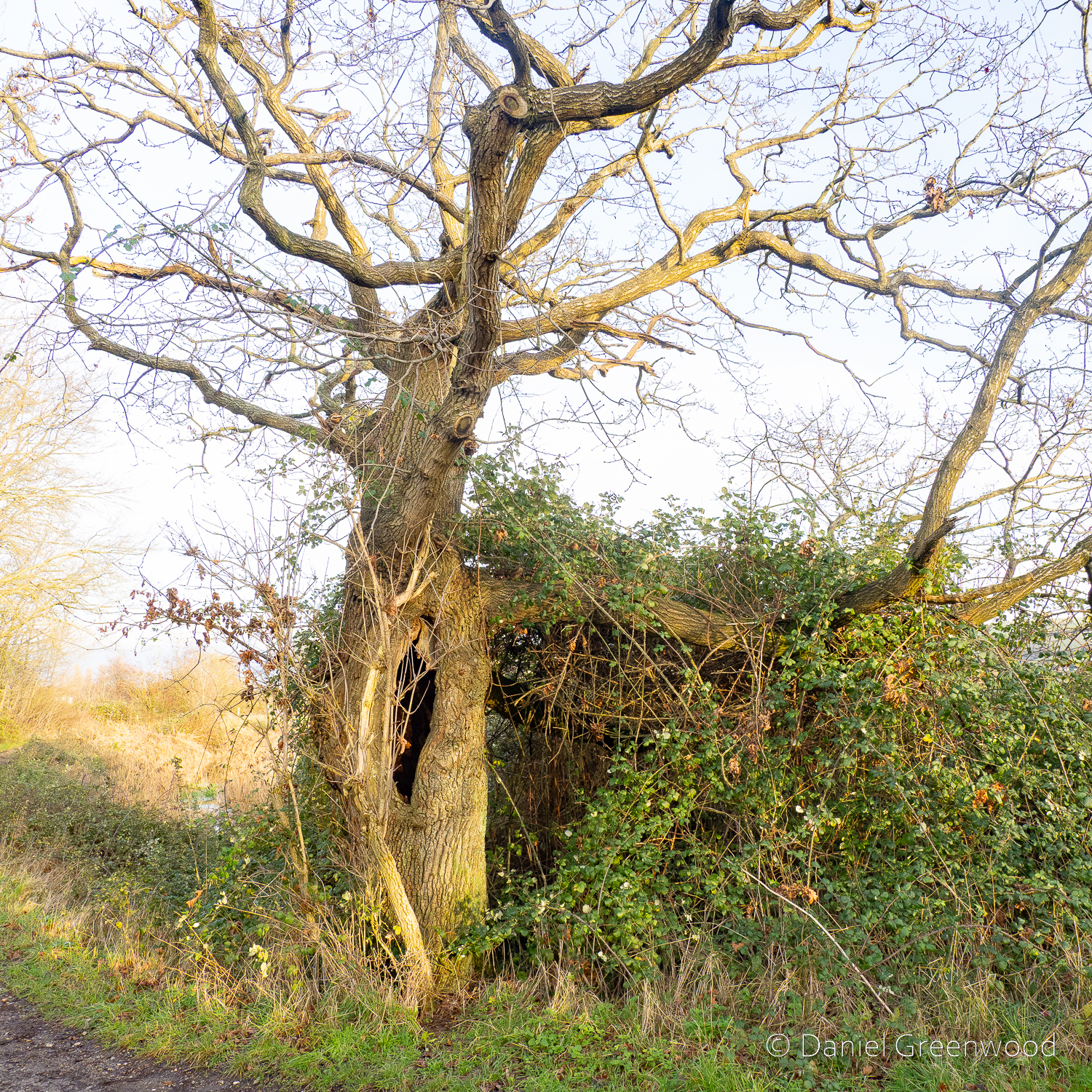
This week’s single photograph is an old ash tree in Amberley, West Sussex, taken on 2nd December 2022. This tree may once have been part of a laid hedgerow, hence its wider base. Ash trees are disappearing from the British landscape thanks to the invasive fungus known as ash dieback. I do try and record the older ash trees when I see them. This tree’s left-hand branch is pointing to one of the highest hills locally, Amberley Mount, up on the South Downs. The bracket fungus seen higher up the tree is probably shaggy bracket.

Thanks for reading.

Further reading: The South Downs

#FungiFriday: deadwood brings the disco

OLYMPUS DIGITAL CAMERA

Fungi Friday: 24th January 2020

A week of blissful winter sunshine and endless starry skies, cut short by low clouds. What is the point of January, many ask. If fungi asked themselves that question, they probably wouldn’t be here and therefore nor would we. Nature does not disappear completely in winter. The paucity of species can help introduce us to new ones we never knew existed.

OLYMPUS DIGITAL CAMERA

January to me is a good time to find slime moulds. Yes, I suppose this is two straight weeks of cheating after last week’s lichen love-in. But if this is the only way to raise awareness about slime moulds, I don’t think fungi will mind. I had an hour to look through the wooded slopes of an old estate in East Sussex, to find this week’s quarry.

OLYMPUS DIGITAL CAMERA

There was very little fungi of the mushroom kind, in fact, none. But one of the bad funguys had been making itself felt in the wood. Ash trees had been felled after becoming infected with ash dieback. I used to monitor a woodland at the time of ash dieback’s arrival in the UK and have, since about 2014, watched it rocket across the country. In Sussex it is killing lots of ash trees that are under 50 years of age and the landscape of the South Downs is losing a lot of its higher woodland.

OLYMPUS DIGITAL CAMERA

Here you can see the effect of the fungus, though of course many other fungal organisms will be benefitting from the decay caused by the disease. The rot has moved from the outside in through what are the softer layers of waste wood. Had the fungus weakened two thirds of the overall mass, the tree would probably have fallen down. Lots of people walk under these trees, so that’s why they have to be pushed before the wind shoves them.

OLYMPUS DIGITAL CAMERA

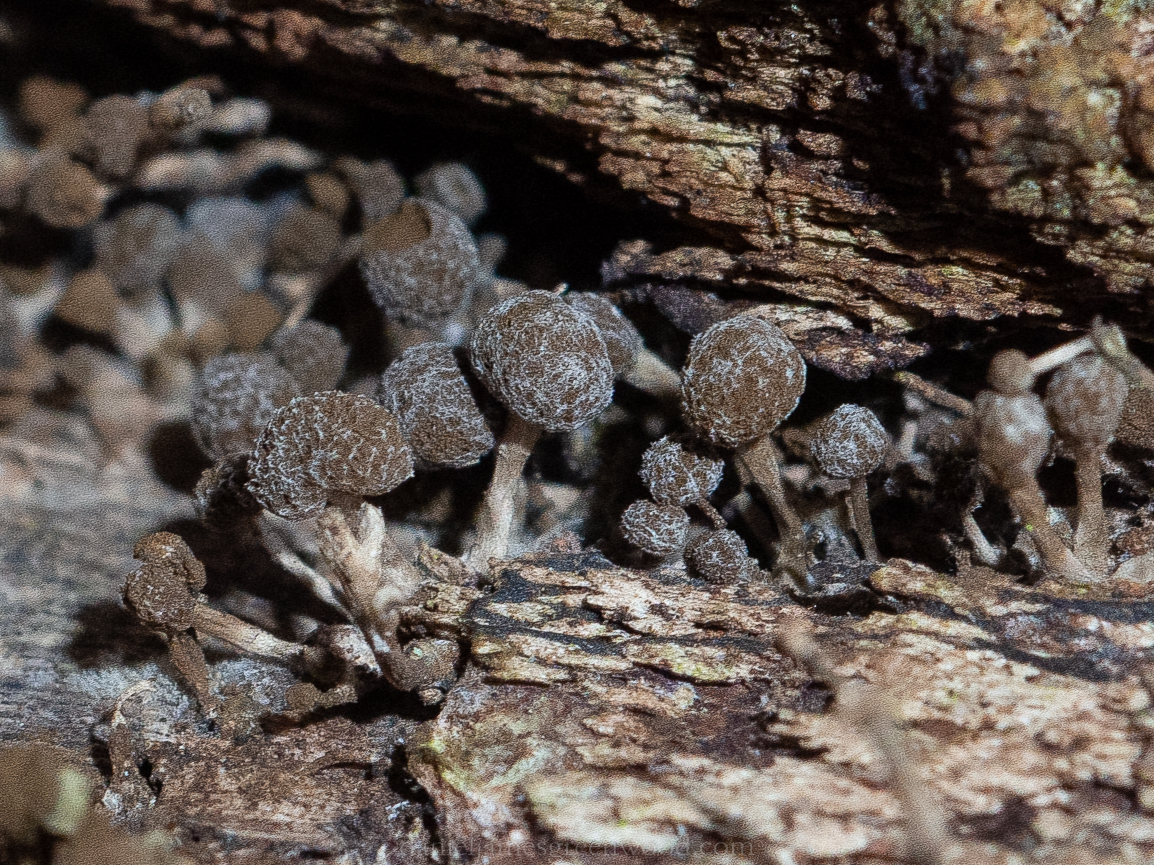
I have been exchanging emails with a fellow macro photographer this week who has been spending hours looking for slime moulds. One day this week he looked for four hours and found nothing. I was lucky enough to walk straight outdoors for a few minutes and happened upon this epic spread on the tree above:

OLYMPUS DIGITAL CAMERA

No, slime moulds aren’t fungi, they’re not even moulds, which are another kind of fungus. I still don’t have the slime mould ID book so any help is welcome.

OLYMPUS DIGITAL CAMERA

The thing that amazed me about these slimeys was that you could barely see them, even when I knew they were there. They camouflaged so well with the glowering winter light. The photos here have been taken with a flash.

OLYMPUS DIGITAL CAMERA

I could have spent all day with this spread but only had an hour and my small camera. Up close they look like little black kalamata olives. Nom, nom and nom. Though inedible.

OLYMPUS DIGITAL CAMERA

The land managers had left lots of standing dead trees which is excellent. There is some epic misinformation going around about deadwood in woodlands and their contributions to forest fires. It’s guff aimed to misinform people, appeal to people’s fears (what a surprise) and promote the destruction of these habitats. In Britain our native woods of oak, beech and so on, are far too wet to ever burn like a heath.

OLYMPUS DIGITAL CAMERA

The crevices seen above are the perfect places to find slime moulds in cold weather. This is because they provide microclimates and protection from the elements.

OLYMPUS DIGITAL CAMERA

Here I found some old stalkballs which are fungi (or maybe a species of slime mould, am not quite sure), plus the real life of the party:

OLYMPUS DIGITAL CAMERA

DISCO. I’m not sure which species of disco the blue cup fungi are, but the orange fruiting body is definitely a slime mould. They were few and I couldn’t get a good angle on them.

OLYMPUS DIGITAL CAMERA

Thankfully this blue disco brought the party on Fungi Friday.

Please do share your finds this week in the comments below. Also here are some fungi things of interest this week.

Thanks for reading.

First mushrooms appeared earlier than originally thought

More mushrooms


The Peak District: struggling through the mist on Kinder Scout

Peak District - 2019 blog-16

Edale, The Peak District National Park, September 2019

View my route for this walk on View Ranger

In September I visited the Peak District for the first time. I was heading up north to visit family and wanted to check whether an old friend’s claim to being a ‘northerner’ was accurate. He’s from Chesterfield and has accompanied me on several walks shown on this blog. Turns out that as a native of Chesterfield he might actually be a Midlander, anyway, nevermind that and apologies for any offence caused.

Edale blog-2

The walk was 12 miles in length and a circular from the YHA in Edale. It’s a fantastic place to stay with really nice staff. The YHA straddles the slopes of the Edale valley. I said to the man working at the YHA that the valley took me completely by surprise when arriving, it comes out of nowhere. He said that despite visiting it every day it did the same to him each time.

Edale blog-3

My aim was to get up onto the Kinder Scout plateau, a place famed for the mass trespass that took place 1932. Our public access to the countryside is a precious thing. It’s under attack from some landowners who don’t want members of the public walking across their land, by footpaths being forgotten and going un-walked, but it would have been even worse were it not for the interventions of a group of ‘young communists from Sheffield’ in the 20th century. It is said that their intervention led to the National Parks Act of 1949.

Edale blog-5

Edale is nestled in amongst the woody riverine margins of Grinds Brook that runs down into the River Noe.

Edale blog-6

The Peak District is a rural landscape of grazing land and heather moorland. I’m not defending grouse shooting here, but National Parks in the UK are designated as cultural landscapes. Our ‘wildernesses’ are not devoid of people. It was the Industrial Revolution that made the Peak District what it is today above its bedrock. In the UK people have to be part of the landscape for its protection to be ensured.

Peak District - 2019 blog-1

Like many areas of hilly heather moorland, rowans are a common occurrence and point to its other common name of mountain ash. In September they are possibly at their most alluring with their masses of bright red berries earmarked for the tummies of redwings and blackbirds.

Edale blog-11

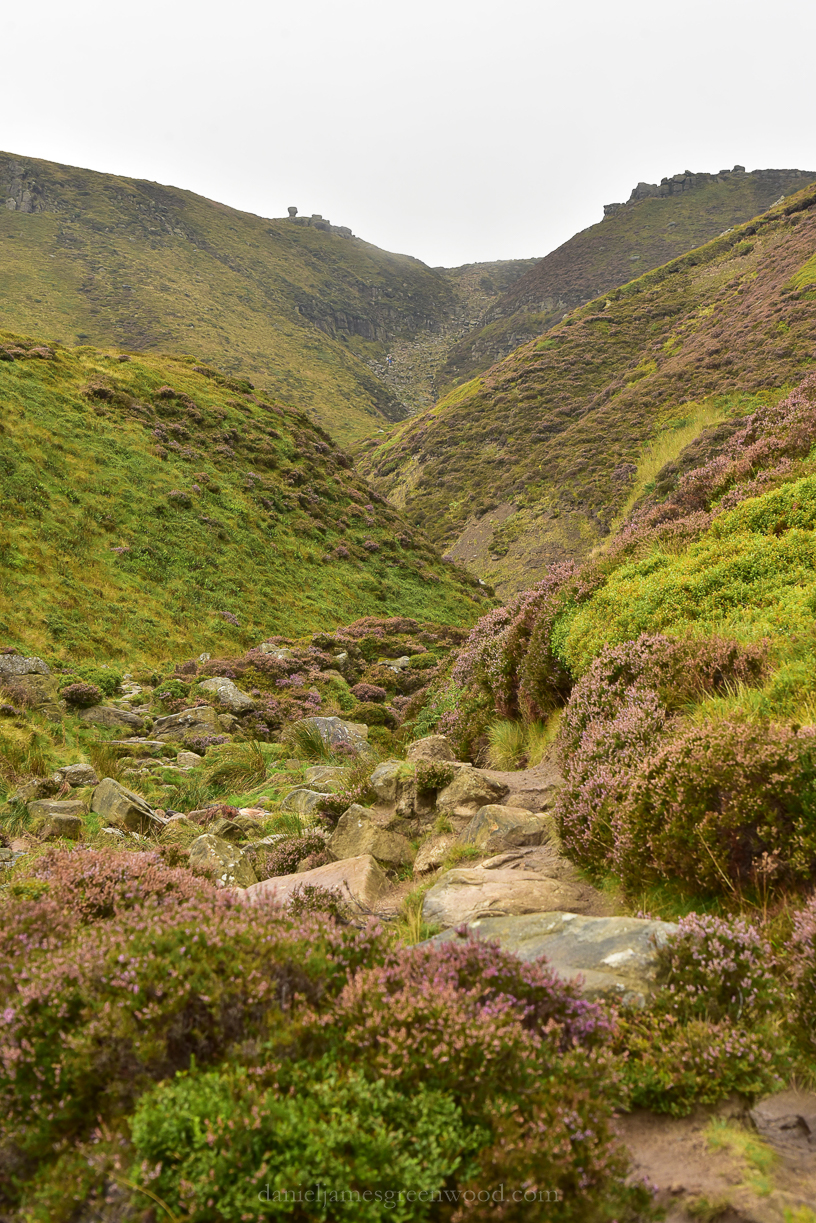
This is a view up Grindsbrook. I have to admit, being out of (proper) hillwalking fitness this was a challenge. The track becomes bouldery, not helped by the heavy rain that arrived as I began. It being a Sunday morning, it created a bottleneck of walkers struggling up onto the top of Kinder Scout. After this photo I put my camera away and focused on the ascent.

Edale blog-12

The rain was so bad up on Kinder Scout that I only took photos of the trackway heading north-west rather than the views into the Edale valley, and I have a waterproof camera! The rain and cloud had swallowed the views anyway.

Edale blog-13

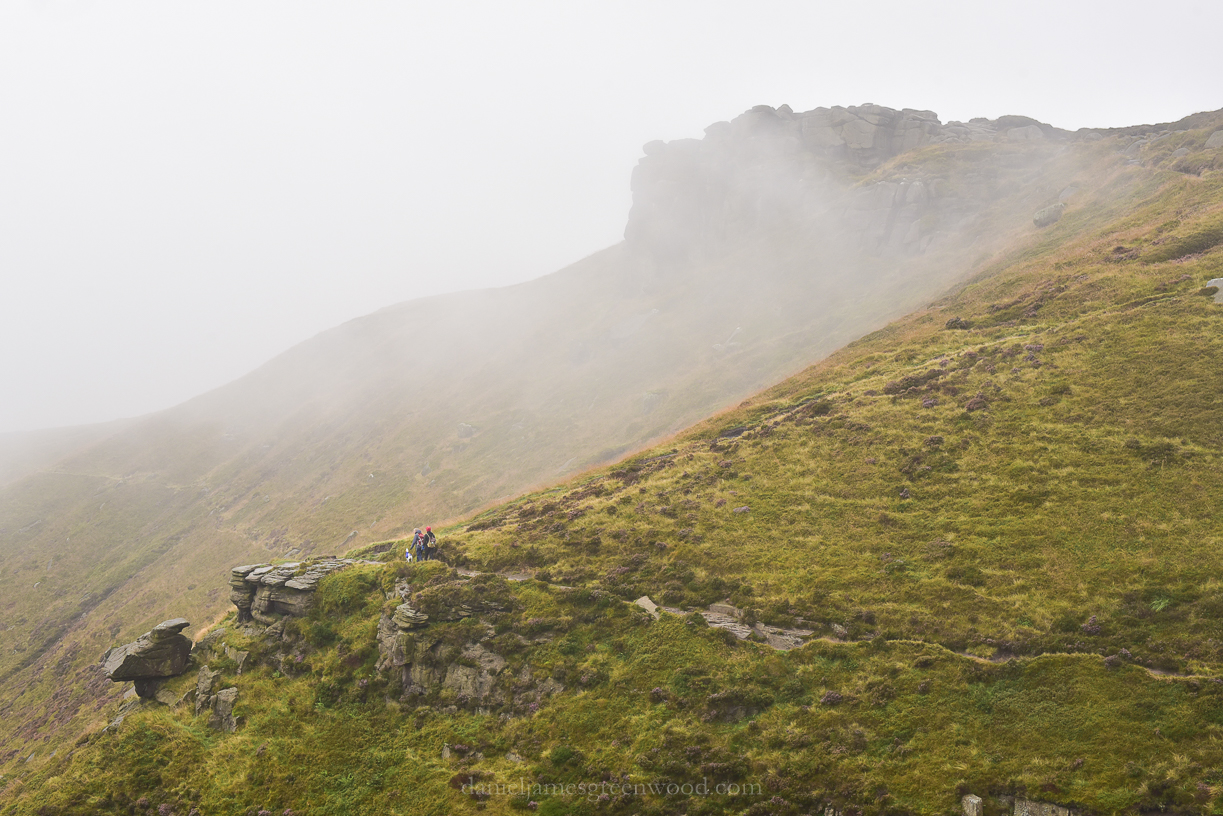
When the mist began to blow away, it created mysterious ranges of exposed gritstone and Sunday ramblers.

Edale blog-14

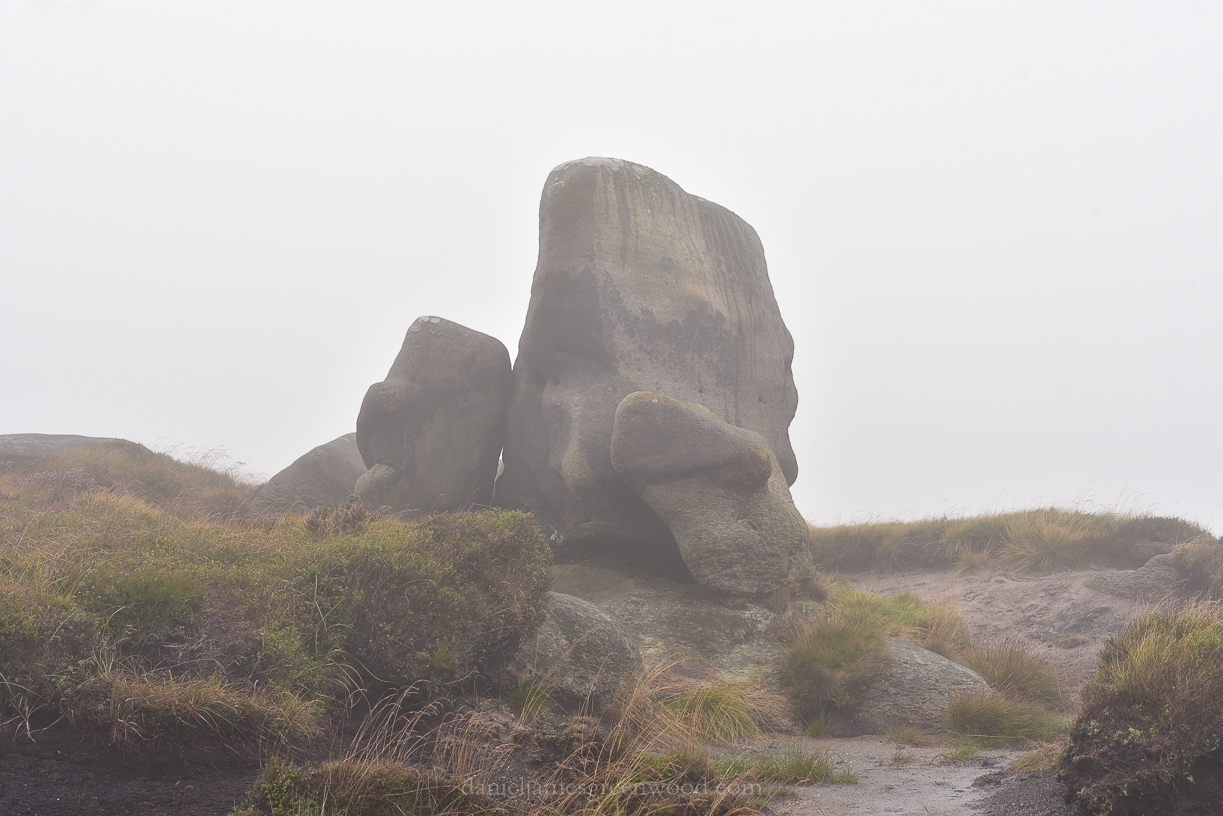
Some of the rock formations were like ancient stone sculptures.

Peak District - 2019 blog-4

The clearing mist gave stunning views into the gulleys and passes of the Peaks.

Edale blog-16

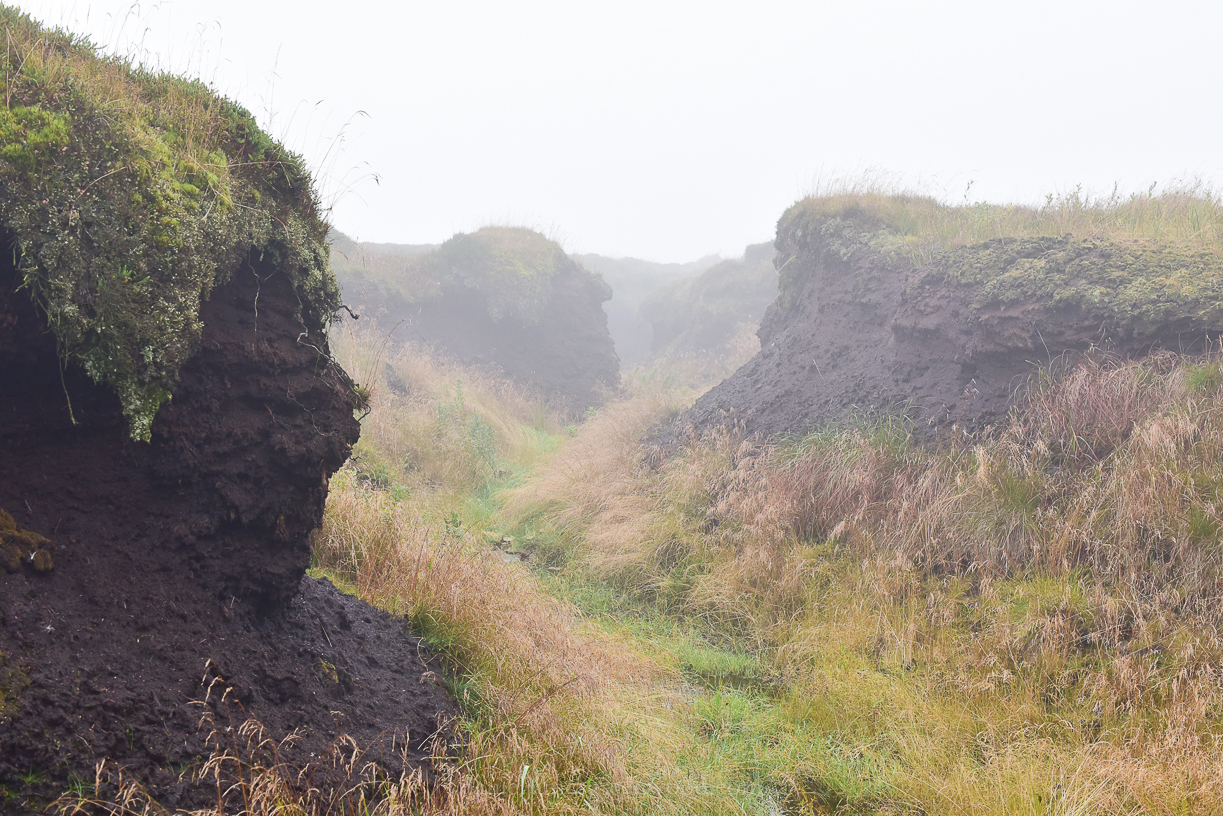
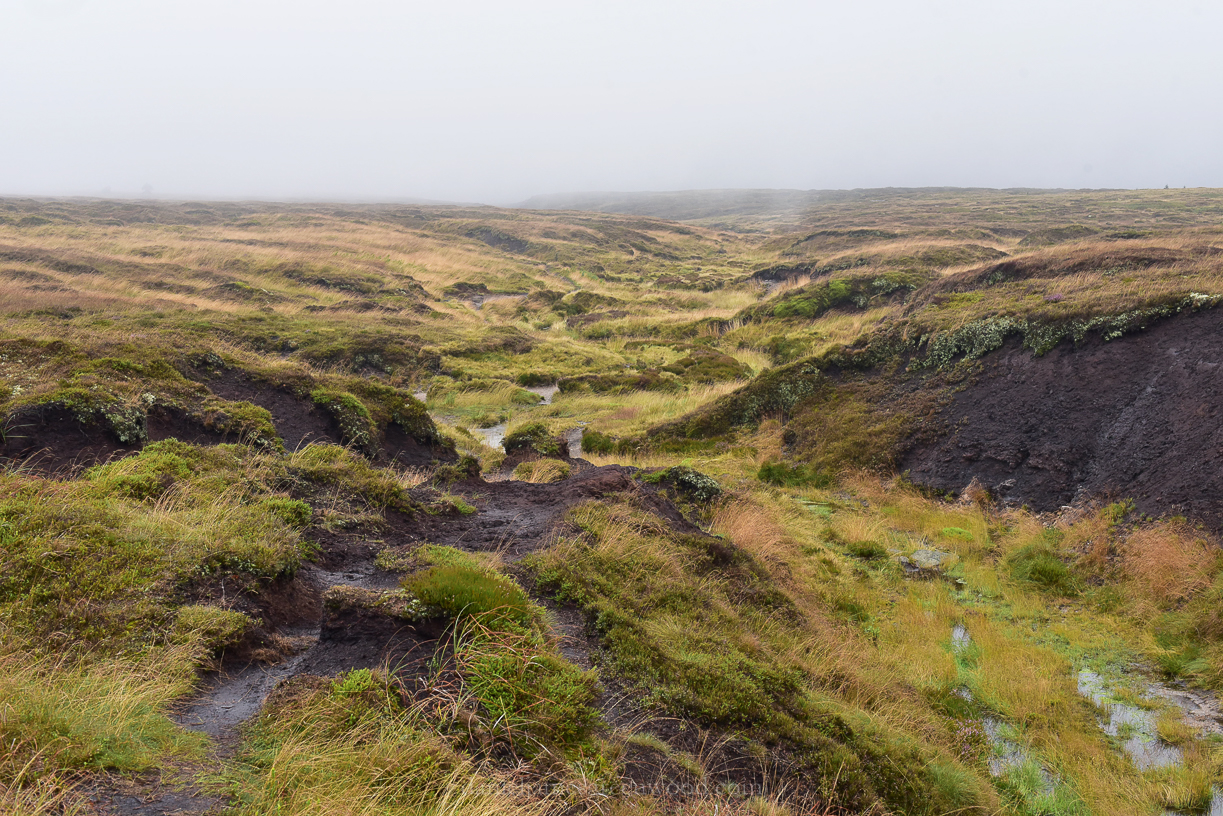
The walking atop Kinder Scout is tough. It’s a labyrinth of peatlands and bog. The mist closed everything in and gave the sense of moving through endless corridors of black soil. Fun is not quite the word to describe it.

Edale blog-17

As you can see, the path was difficult to keep. You need a compass and a map to be up here, View Ranger was very helpful in give a sense of my proximity to the general route. But mobile phone GPS is not reliable in these places and you need to know where you’re going.

Edale blog-18

The sun slipped through for a minute and lit these totemic outcrops.

Peak District - 2019 blog-7

Reaching Kinder Downfall was a relief. The sun broke through and blue sky appeared. The wind was so strong that it blew the water back up the fall. Kinder Scout is a Norse name, likely named by the Viking settlers present in Britain between the late 700-900s. I love this fact about Britain. When you look back at British history you fail to find a mono-ethnic, English culture.

Peak District - 2019 blog-12

The warm sun here helped to dry out my coat and trousers (which I was still wearing of course) and lit the rock formations. As if clouds eventually grow heavy like stone and fall to the earth to rest like this in the hills.

Peak District - 2019 blog-10

Kinder Reservoir was constructed in 1911 and can be seen in the centre of the image here.

Edale blog-25

Can we talk about how much this boulder looks like a person in deep thought 🤔

Peak District - 2019 blog-14

The light spread across the moors, the wind blew through the grasses and clouds broke across the sky.

Edale blog-30

Edale blog-31

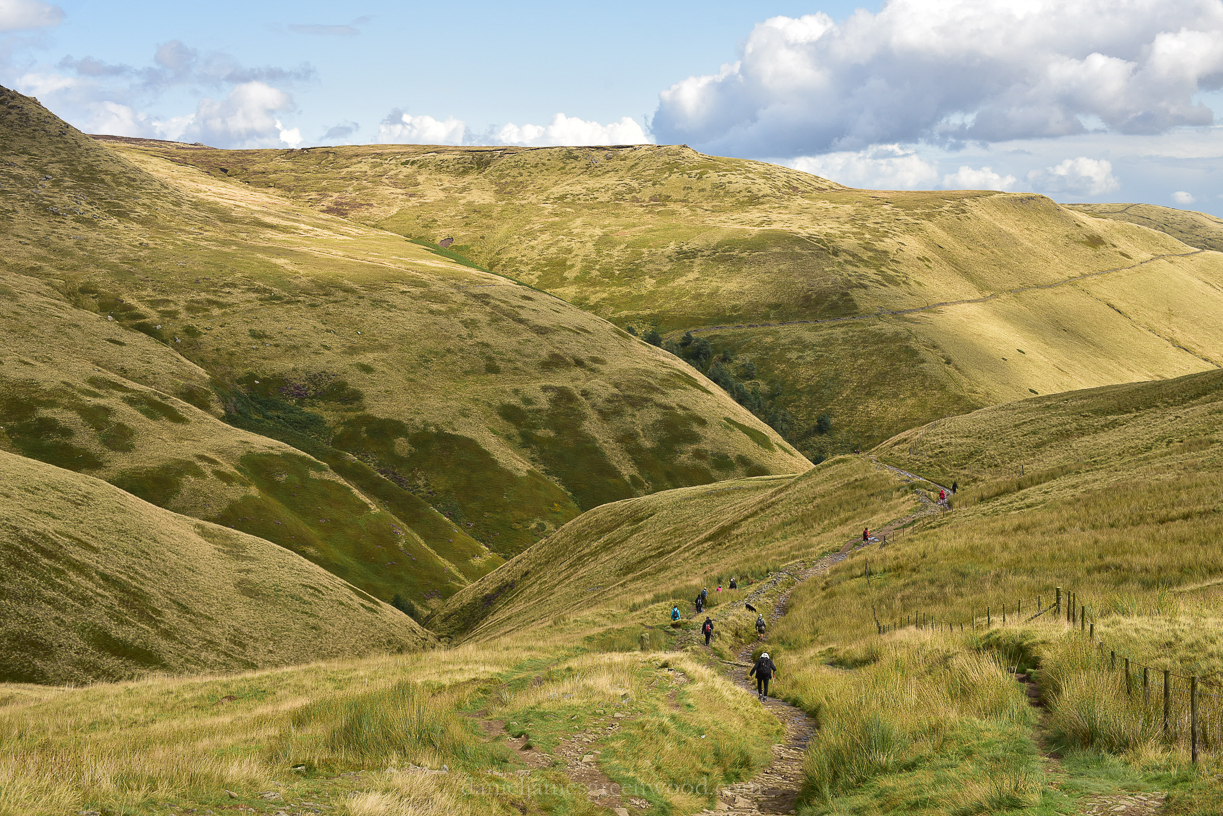
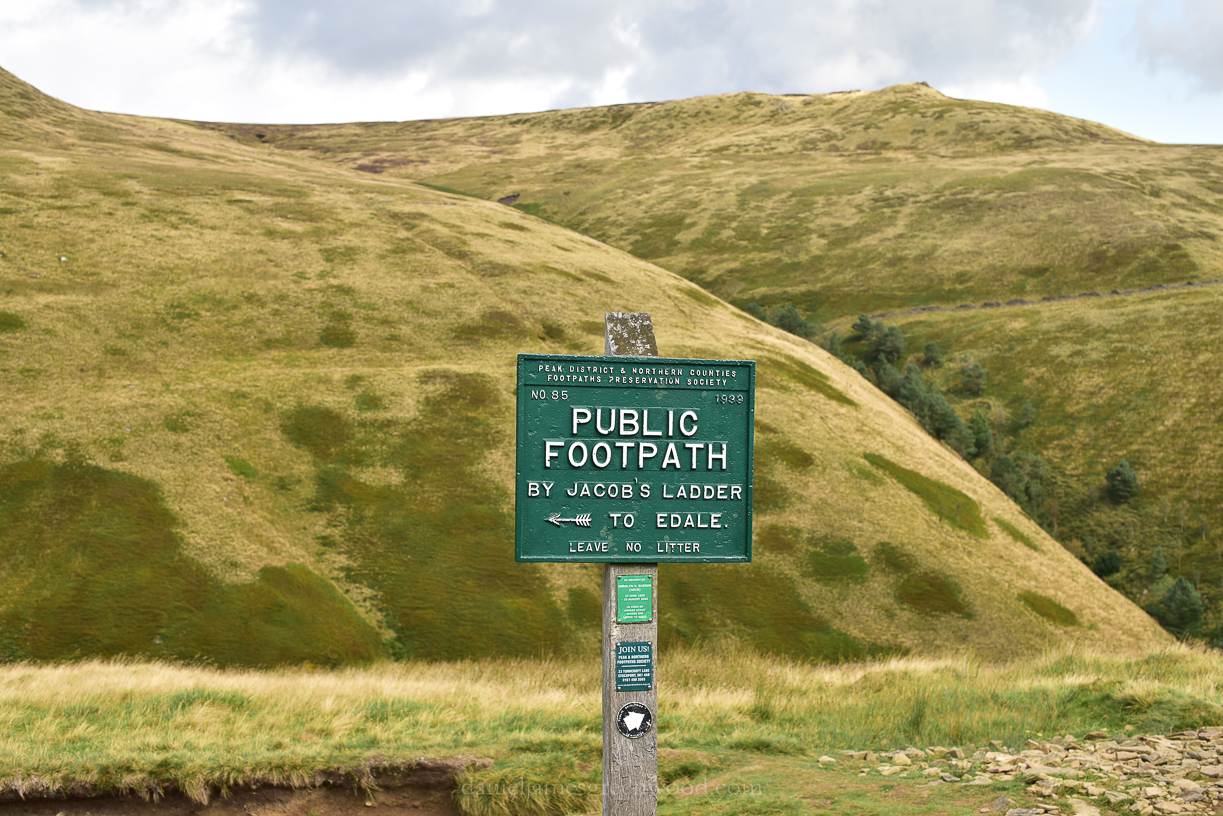
There were lots of people of all ages and backgrounds rambling on this Sunday afternoon. This is the approach to Jacob’s Ladder. The deeply worn hills show the impact of many thousands of years of water running from their summits.

Peak District - 2019 blog-19

A monochrome view into the Edale Valley from Jacob’s Ladder.

Edale blog-37

I was drawn to the sight of hawthorns against the hills. They look like people. It’s a wood pasture of sorts that is found in the Yorkshire Dales below the moorland level as well. I love hawthorns.

Edale blog-38

At Lee Farm this wooden Pooh bear was greeting walkers from its home in the wood shed.

Edale blog-39

The rain came and passed away again on my return back to the YHA.

Edale blog-41

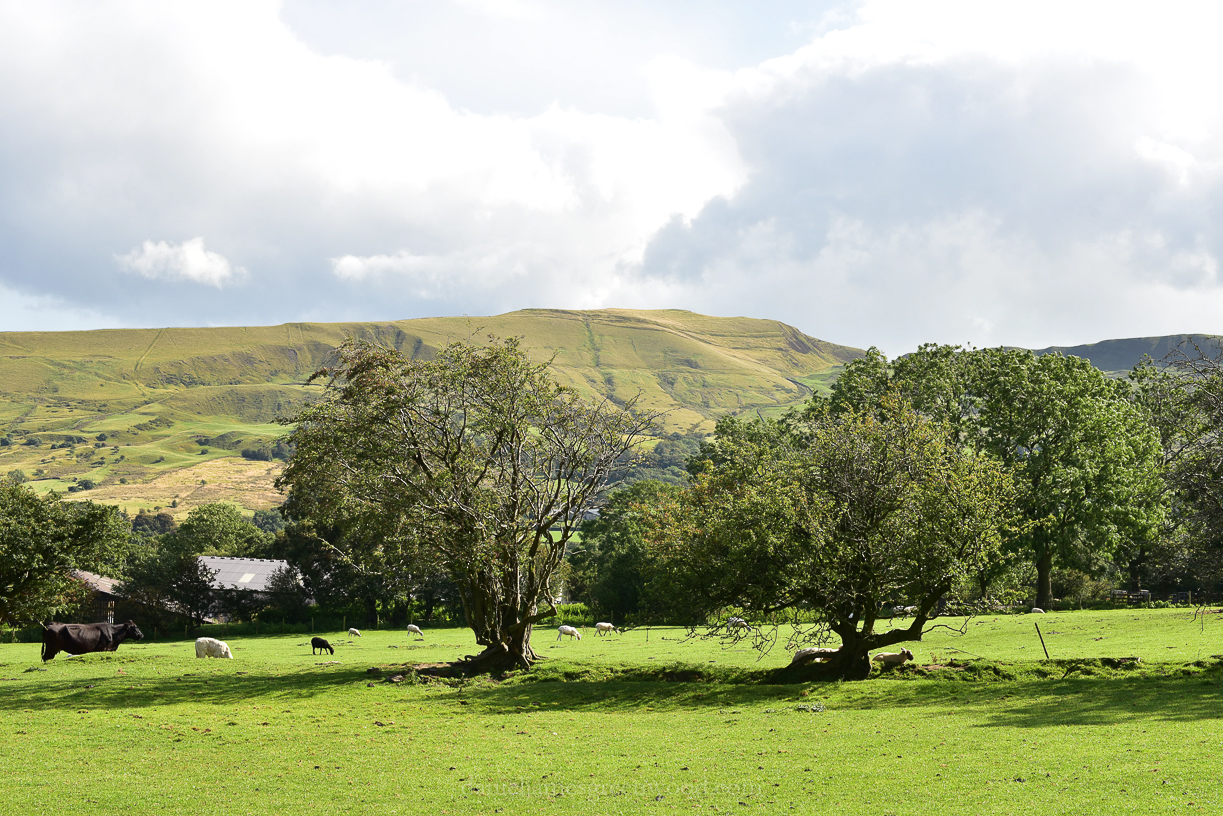
What was probably the line of an old hedgerow can be seen here with two beautiful veteran trees, hawthorns sheltering sheep.

Edale blog-45

Sadness lingers in the countryside in the shapes of our dying ash trees. In the Yorkshire Dales, in Scotland, on Dartmoor and the South Downs our ash trees are succumbing to ash dieback disease. So, too, in the Peak District. I have to photograph them as a record for what our landscapes used to look like. Hopefully more resistant genetic strains will emerge from the mist like boulders in the Peaks and rock on for millennia to come.

Edale blog-47

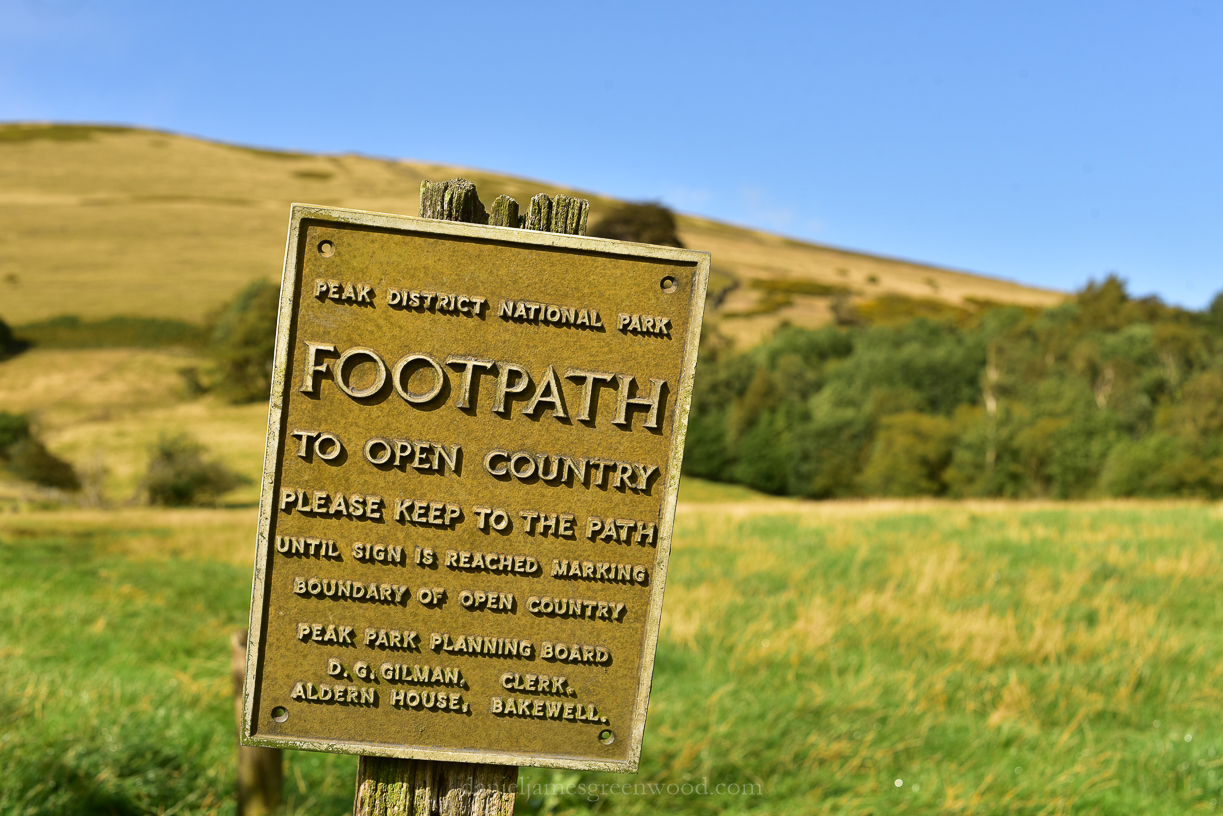
What a beautiful phrase: footpath to open country. Take me there (no, really, please I’m dying it’s been 12 miles).

Edale blog-48

Holly is another of the veteran trees you find in moorland landscapes along with hawthorn. This was a stunning tree blown east by the wind rushing through the valley.

Edale blog-50

This is special. I noticed a massive rowan tree at the margin of field and gorseland. It is the largest rowan I have ever seen in the UK. I tweeted about it and the brilliant writer Mark Cocker asked me where it was. Mark Cocker is a ‘hero’ of mine having been inspired by his assiduous observation of rooks in Crow Country when I first became interested in the genre of ‘nature writing’. Mark said I should write something about this tree but really I only passed it. I was so tired I didn’t have the energy to pull myself up the hill (off the path!) and get a nicer photo of it with my wide angle lens. Instead, hopefully Mark will write something about it?

Edale blog-51

The sun shone in the valley and the Peak District in all its glory was on show.

Peak District - 2019 blog-23

Views across to the other side of the valley showed the various stages of the landscape. The screen and exposed geology, the rampant woodland and scrub, held off the by the farmer’s drystone walls and sheep.

Edale blog-53

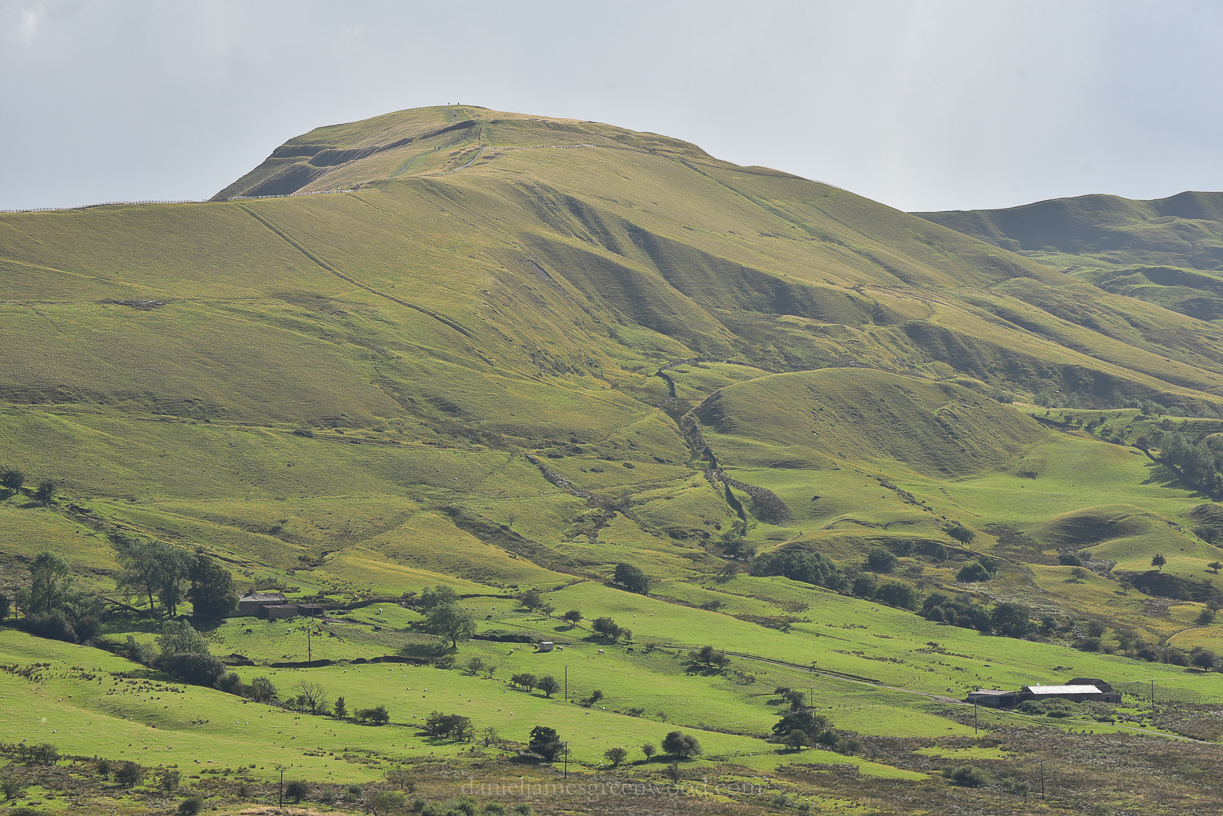
To end, the summit of Mam Tor where once an Iron Age hill fort stood. Can you imagine what it must have looked like, high up there overlooking the landscape with its wooden walls and torches burning at each corner. Next time I visit I intend to get my butt up there and see how it might have felt for our ancient ancestors, within the Countryside Code, of course.

Thanks for reading.

Where the wild thyme grows

Daneway Banks

Daneway Banks, Gloucestershire Wildlife Trust, Cotswolds, July 2014

Figures stalk this tumbling chunk of meadowland. Severe expressions are worn: eyes drawn to-and-fro, either side of the gently worn path. But all they see are the scattered clouds of marbled whites. This is where the wild thyme grows, creeping along the turf, appearing in small spreads on the miniature hillocks of ants. And here you have the reason for all the skulking souls, though some boast of their sightings as they lay flat on their bellies in wildflowers, with camera lenses mounted by donut-shaped flashes large enough to save a life at sea. The wild thyme is the food plant of the large blue butterfly, once extinct but now successfully reintroduced from Swedish stock, this insect depends on the work of red ants taking its pupa into their nests as one of their own. The large blue pupa will then eat the other ant grubs it’s lodging with, eventually destroying the entire colony. To find something that was once extinct is, to many, to contend with the immortal. We haven’t seen it, instead we hear stories of large blues sunning themselves beside gate posts ‘just fifteen minutes ago’. We also hear of the creature’s phased movement, down the hill with the sun’s heat. We meet a softly spoken man making his fifth visit in search of the ghost. He identifies the yellow spike of flowers that is agrimony. He suggests we look it up in my friend’s wildflower guide (one which I tossed, jokingly, into the air out of faux-botanical disgust some minutes ago). There’s much more to see: clustered bellflower, common centaury, yellow wort, pyramidal orchid, lady’s bedstraw (which we shamefully contended ourselves with as golden rod), the simple colours of bird’s-foot-trefoil, and edibles like marjoram and salad burnet.

Marbled white

Rain comes and we leave these meadows of lost souls, leading up into Dorvel Wood. There is that change, the sudden loss of colour, all has become green and brown – leaf and leaf litter. The wood flowers appease the loss of butterflies – the underlying stench of wild garlic, the sight of violets, wood spurge, wood melick and no desire for the unusual. No man can be found here lying in mud and puddle to capture a photograph he can later sell on. But the ash leaves, crinkled, brown – is this ash dieback disease, the greatest threat to British wildlife since Owen Paterson? This was a moment I had expected but had somehow felt to be too far away. The canopy leaves are curling and dying, too. Is this the end for the common ash? We ponder it and tread out of Dorvel Wood, into the beating and blazing meadows of Sapperton.

© Daniel James Greenwood 2014