The ash tree’s survival

I noticed some good news about ash trees recently and wanted to share my experience of a difficult decade for the European ash (Fraxinus excelsior, referred to here as ‘ash’), as well as some of the photos I’ve taken of this iconic tree. Working through this post, I’ve realised just how many images I’ve compiled down the years. I’ve also realised just how much I care about this tree as a species, and how painful it is to see it effectively being erased from the landscape by disease.

Ash is one of the first tree species that I really began to notice and tried to understand ecologically and culturally. When I started to take notice of wild trees, I saw that ash was everywhere in south London, seeding in railway sidings, parks, gardens, and woods. I’ve cut them down (not particularly big ones), planted them, pollarded them, photographed them and breathed their oxygen (obviously most people in the UK have!).

What do ash trees mean to people?
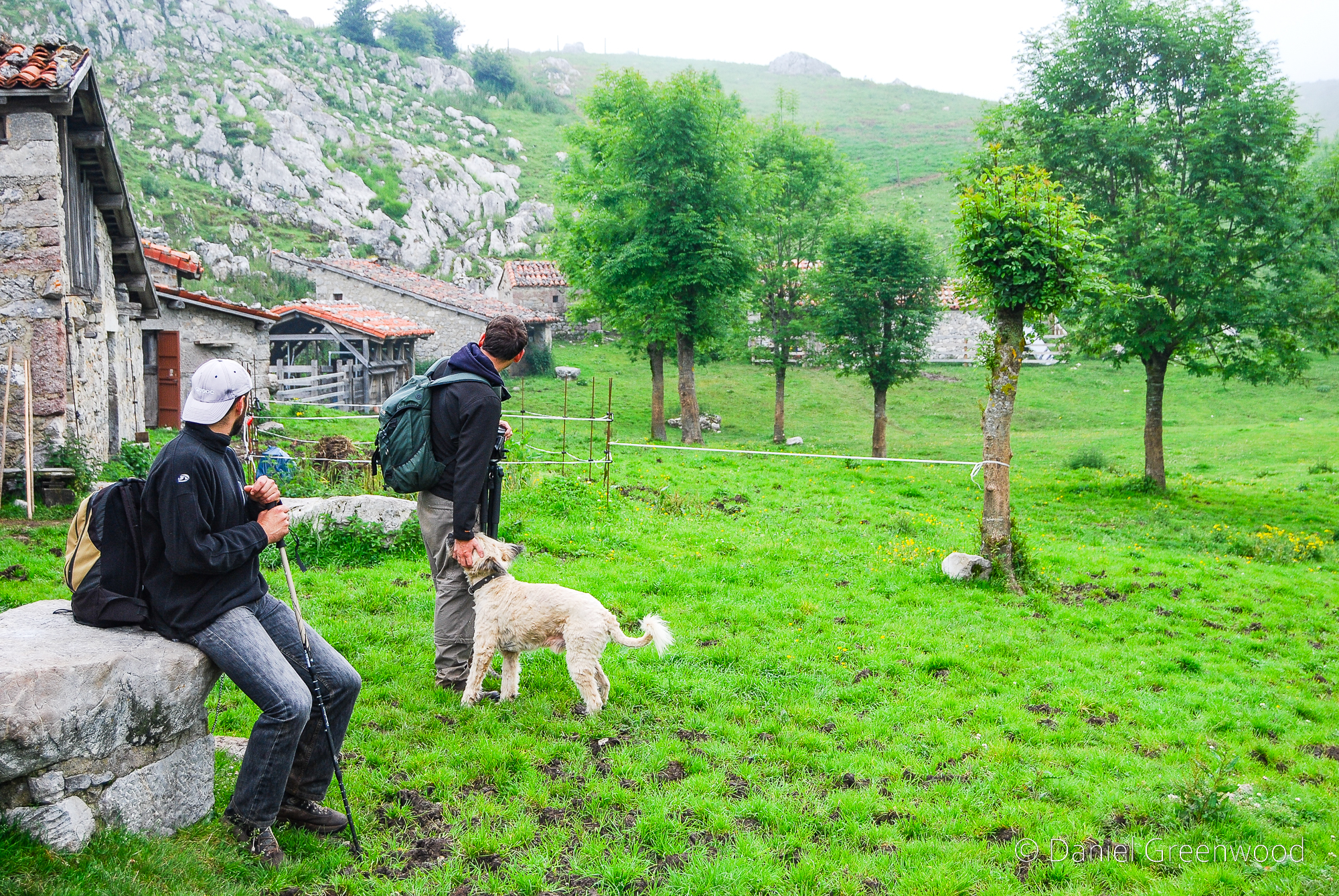
Pollarded (or shredded?) ash trees outside shepherd’s huts in Asturias, Spain in June 2011

I’d like to start overseas, as ash dieback is Europe-wide problem.

This week it was 14 years since I visited Los Picos de Europe (The Peaks of Europe National Park) in Asturias, Northern Spain as a volunteer.

The photo above came up in my ‘memories’ and it was only then that I remembered the ash trees. This was a remote village high in the mountains where people were making cheese (they didn’t want the name of the village to be shared online). The ash trees here are pollards, with the branches cut back to make a single stick of a trunk. It’s probably severe enough to be considered ‘shredding’, which Oliver Rackham wrote about.
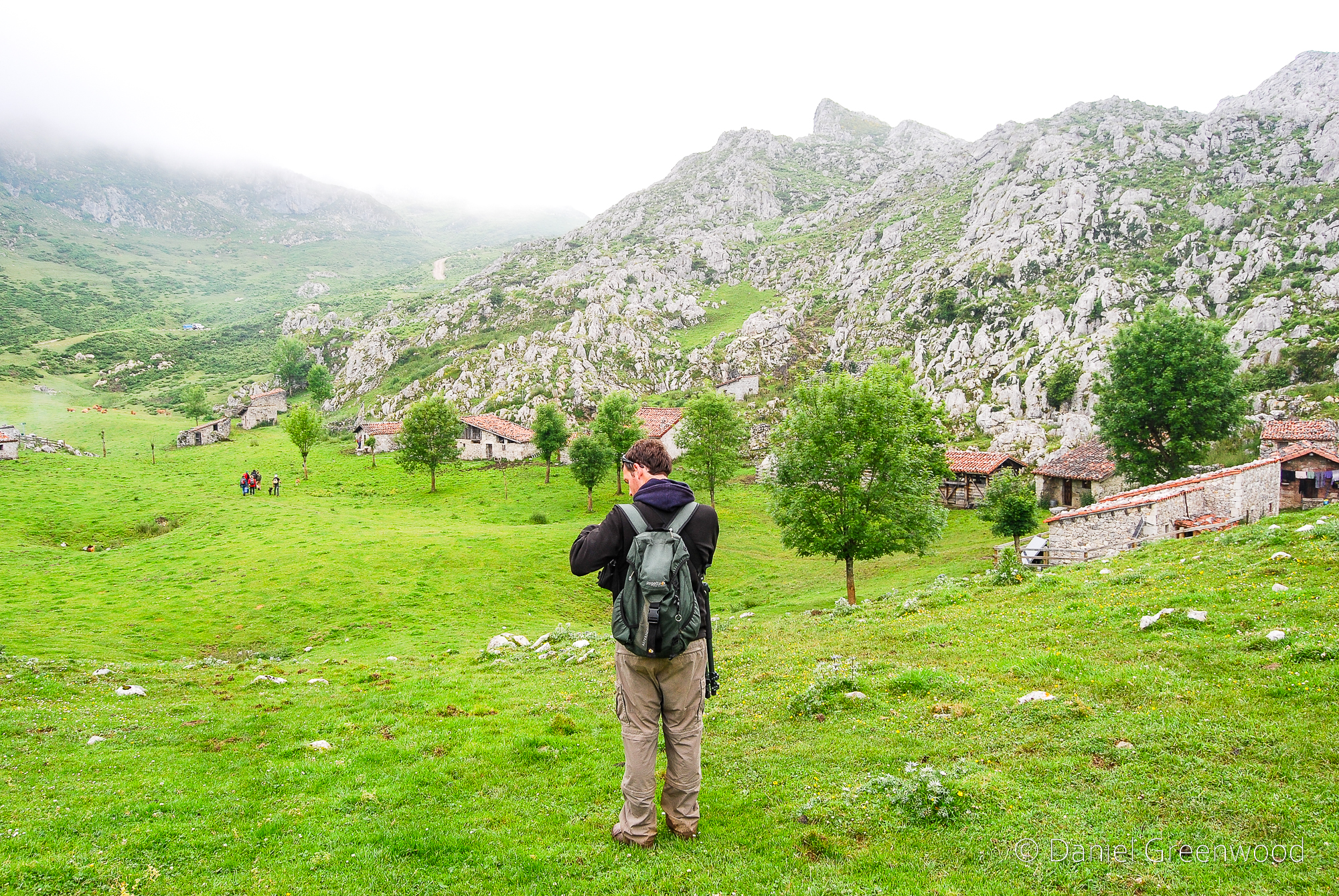
Lollipop ash trees growing close to the old shepherd’s huts in a remote part of the Picos de Europa, June 2011

The reason this is done is to provide food for sheep – the fresh green growth of new ash leaves, which they love.

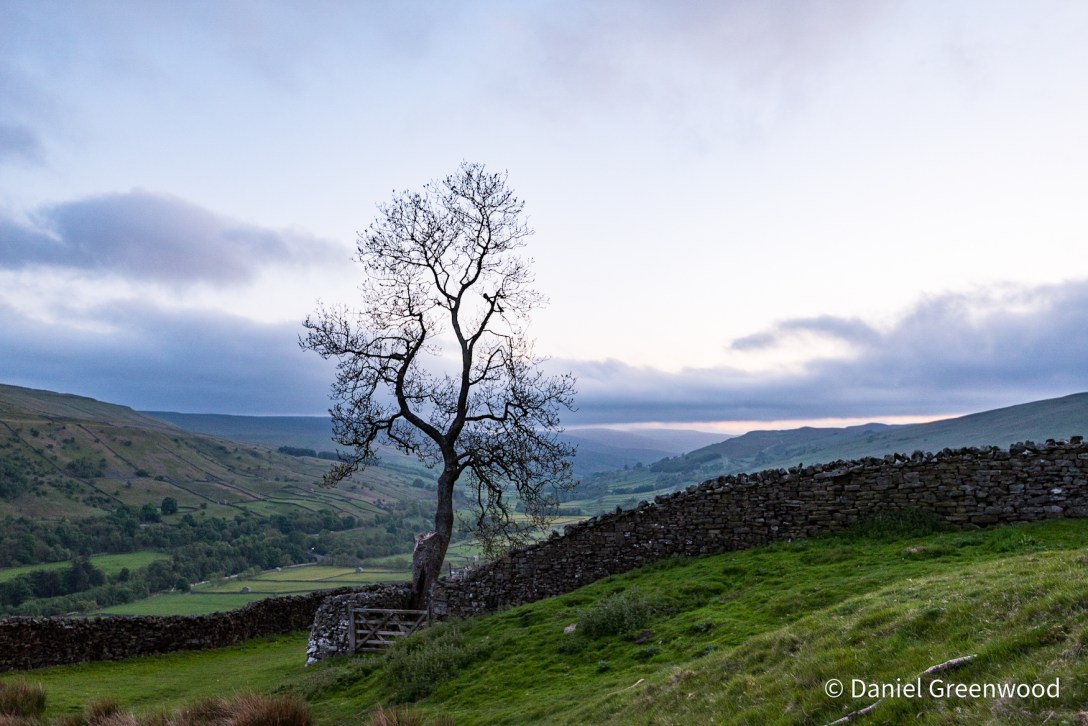
A massive pollarded ash tree next to a restored hay barn in Wensleydale, Yorkshire in 2018

Interestingly, it’s similar in the Yorkshire Dales, where ash trees are abundant (see above and header image) and so are sheep. During one holiday in the Dales, I remember seeing a sheep climbing up a wall in order to nibble the leaves of an ash. What is also interesting to me, is that this is the same model of livestock grazing which spread from the Middle East, across Europe and into Britain thousands of years ago. It doesn’t sound dissimilar to the spread of ash dieback.

A typically large ash stool in a former hedgeline or boundary, coppiced or laid for many years (near Reeth in the Yorkshire Dales, 2019)

It’s not uncommon to see very large ash stools (old trees that have been regularly felled for timber) in boundary lines in places like Yorkshire, Sussex and Kent. I’m sure their coppicing was probably to provide ample feed to sheep, as in Northern Spain, above.
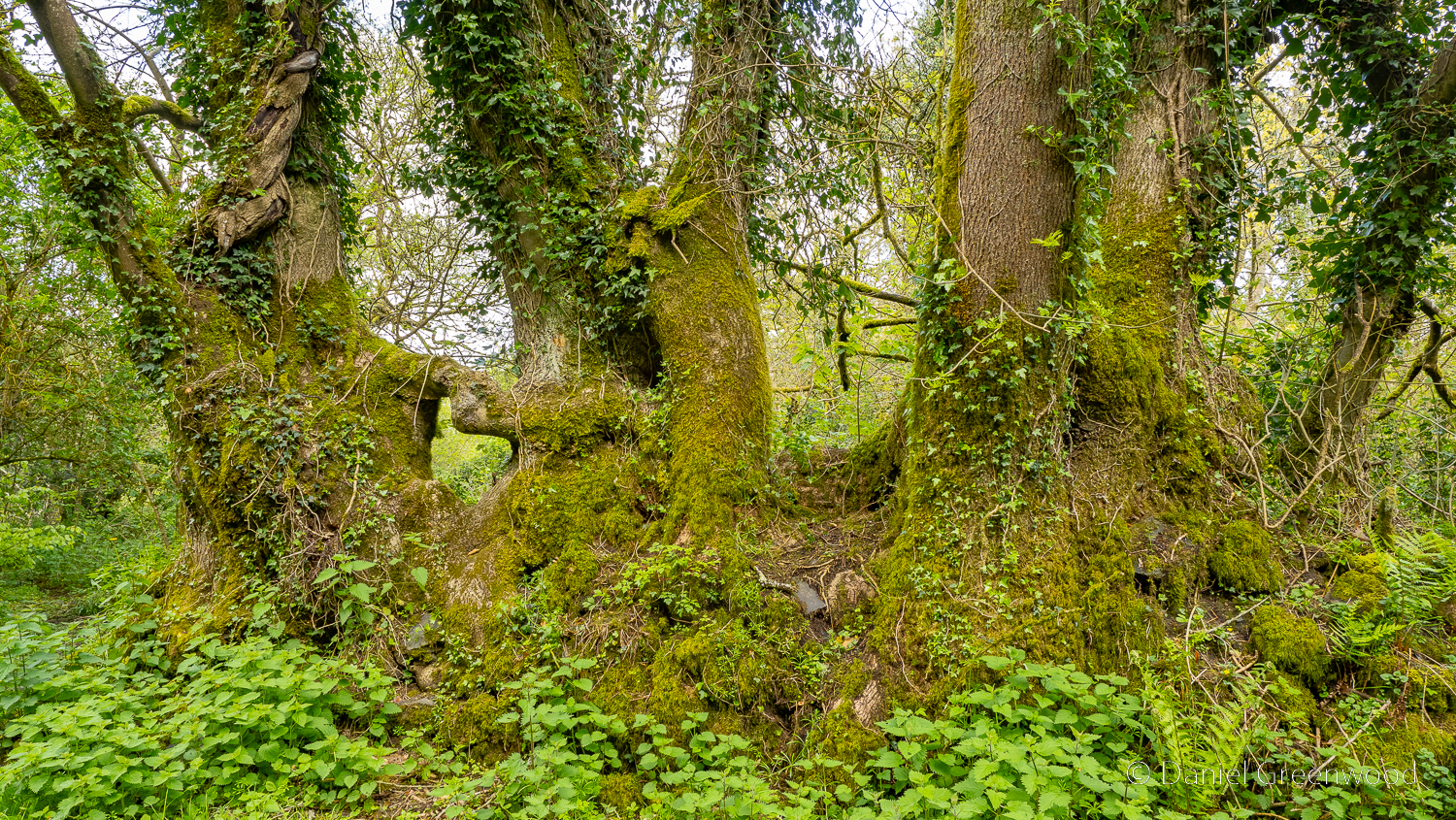
Dartmoor, Devon in 2023

This mammoth ash in Dartmoor National Park in Devon is possibly the biggest I’ve ever seen.

What do ash trees mean to wildlife?

A diseased ash tree with a large number of King Alfred’s Cakes fungi growing on the main trunk in Sussex in 2023

The fungus King Alfred’s Cakes has benefited in the short-term from an explosion in dead ash wood to colonise. The longer-term picture for fungi and lichen is not so good. Ash has a number of lichens that depend on it in places like the Lake District (my knowledge doesn’t extend very far here) which needs living trees.
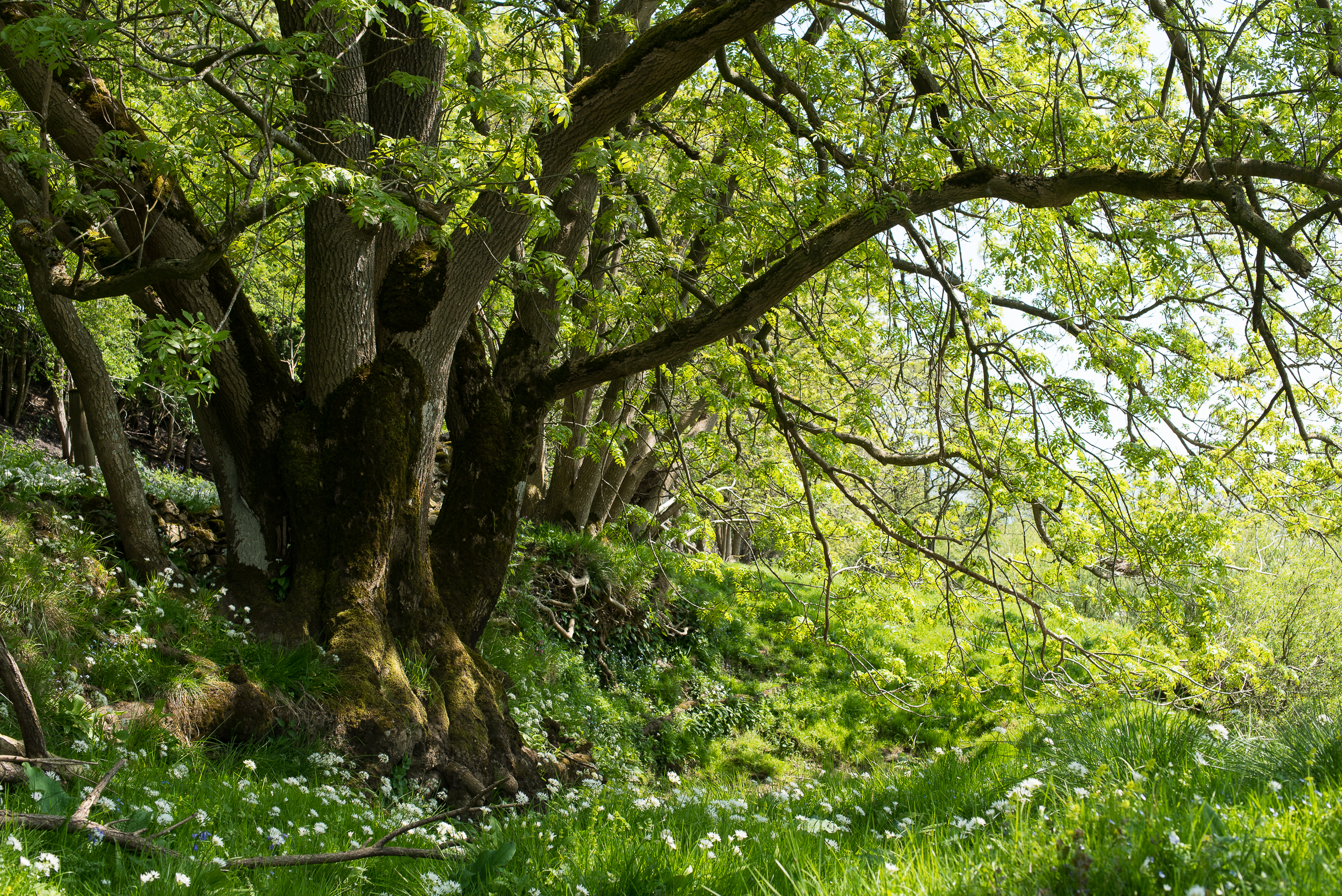
A mossy ash surrounded by wild garlic in Wensleydale, Yorkshire in May 2018

Ash benefits ancient woodland flowers that arrive early in spring because the leaves are compound (they have leaflets, not broad leaves) and allow light into the woodland floor. Species like wood anemone and wild garlic do particularly well in their dappled early spring light.

Magnificent veteran ash tree with Ullswater behind it in the Lake District. The top trunk of the tree has collapsed on some farm equipment in the background (2023)

I’ve encountered several ash down the years that have been for the chop on reasonable safety grounds in London, but then have been saved by the fact bats are living in them.
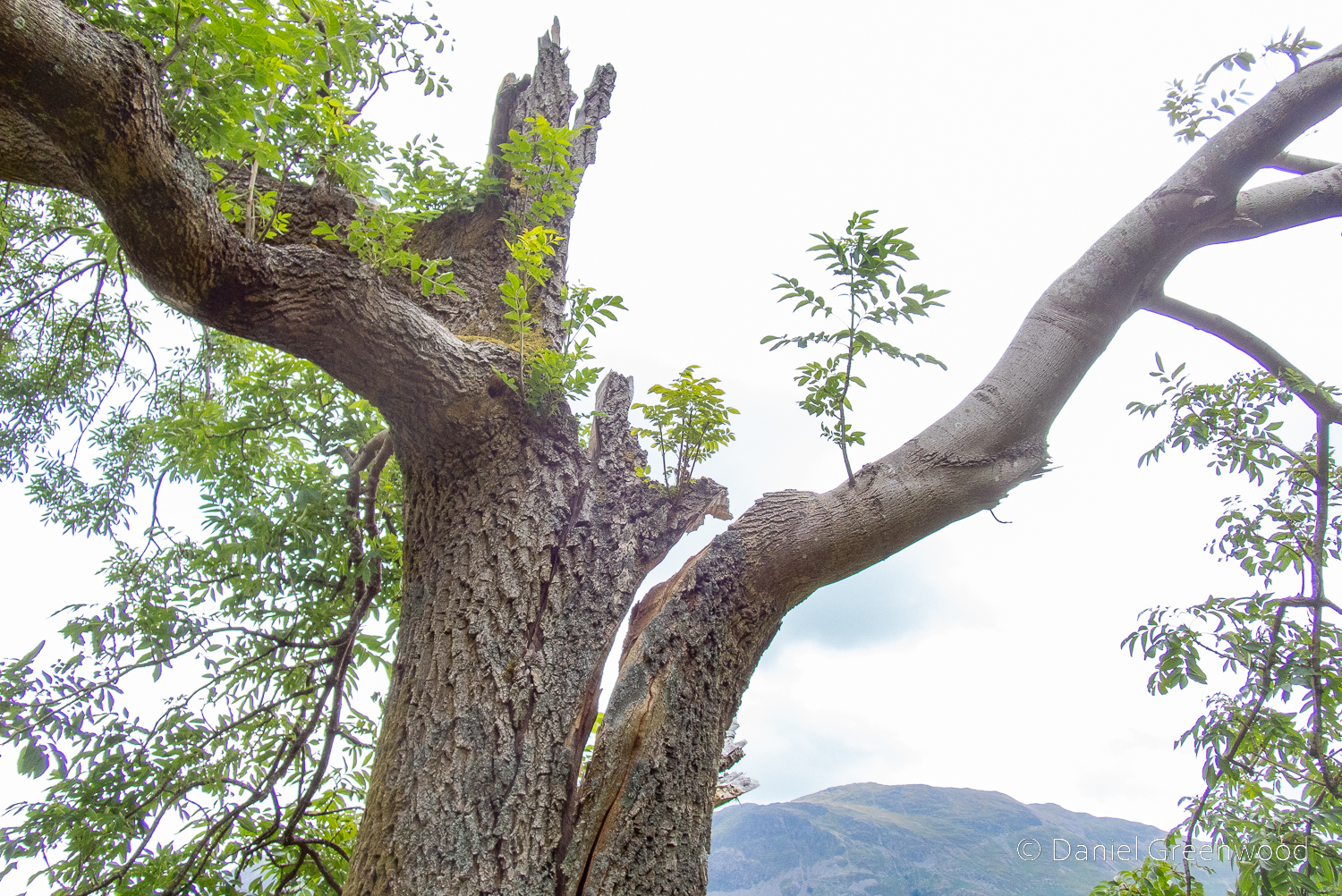
Bats can live under loose bark, in woodpecker holes (which are often found in older ash) and in large crevices. This magnificent ash was near Ullswater in the Lake District and had suffered what the tree officers would deem a catastrophic failure, but the woodland ecologists would be licking their lips at!

The Timeline

2012: when ash dieback arrived in Britain
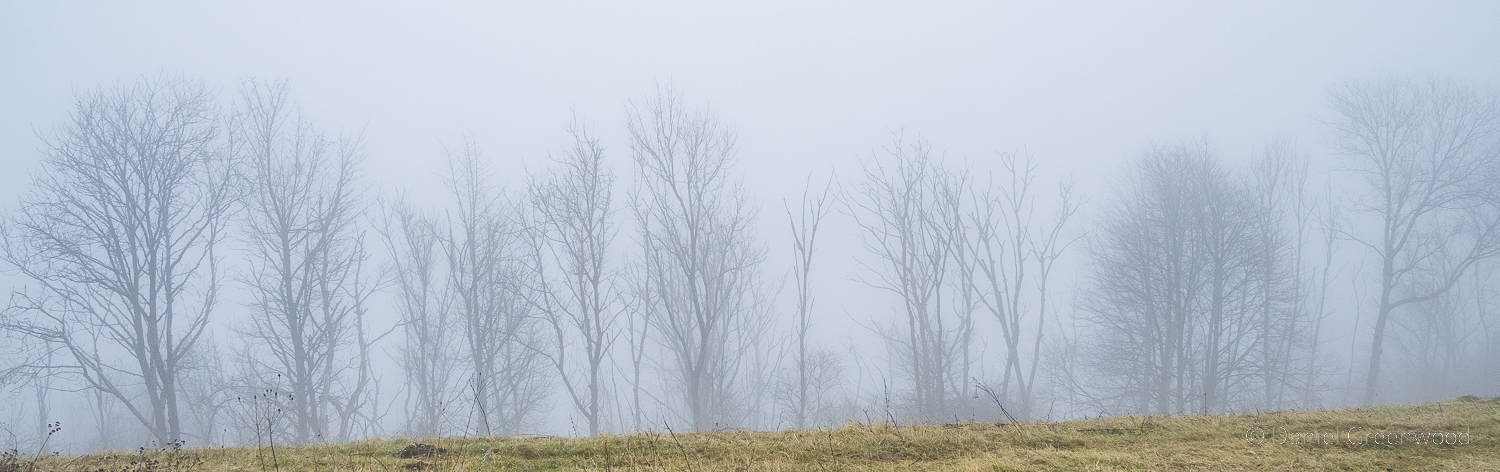
A range of leafless ash trees alongside the South Downs Way near Ditchling in November 2024

One afternoon in the autumn of 2012 I was finishing my working day in the woods when I noticed the dying-back of an ash sapling. The stem had lesions and the leaves were drooping. It was my first year as a community woodland officer and ash tree seedlings were so numerous we actually had to pull them up in certain places. They were the epitome of a sometimes invasive British plant.

It was the first time I had seen a European ash tree (Fraxinus excelsior) infected with ash dieback disease, known scientifically as Hymenoscyphus fraxineus.

The first time I saw and photographed ash dieback disease in Sydenham Hill Wood, autumn 2012

At the time we needed to report every new sighting to the Forestry Commission (as it was then), to help map the spread of this devastating disease. It spread so quickly that reporting became redundant, as were widespread protection measures. I remember someone remarking that asking people to clean their boots would be about as effective as asking the birds to clean their feet.

2017: ash dieback decimates the South Downs
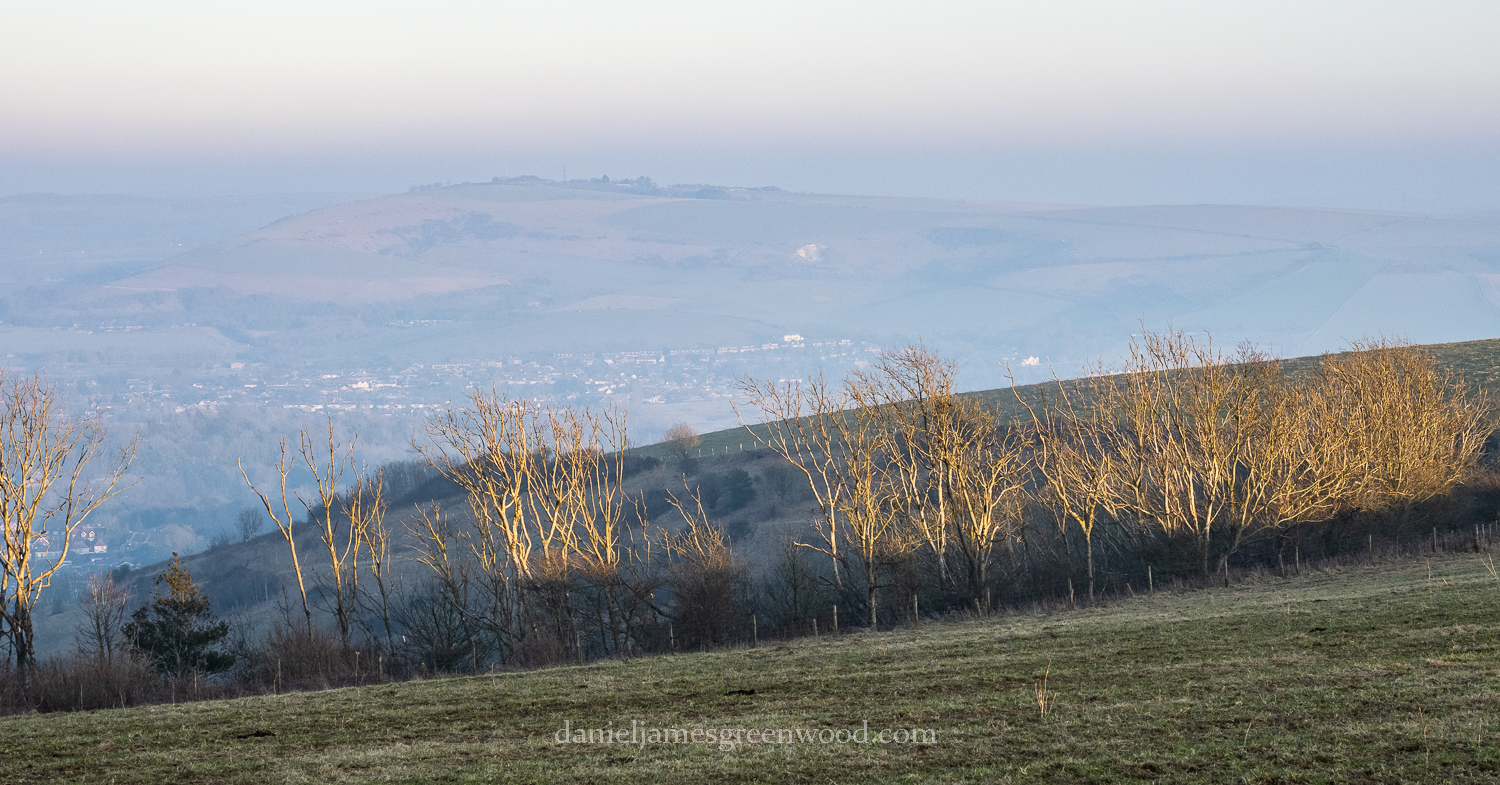
Leafless diseased ash trees above Steyning, seen from the South Downs Way in February 2023

It was only really when I moved to Sussex to work in the South Downs National Park that the real impact dawned on me.
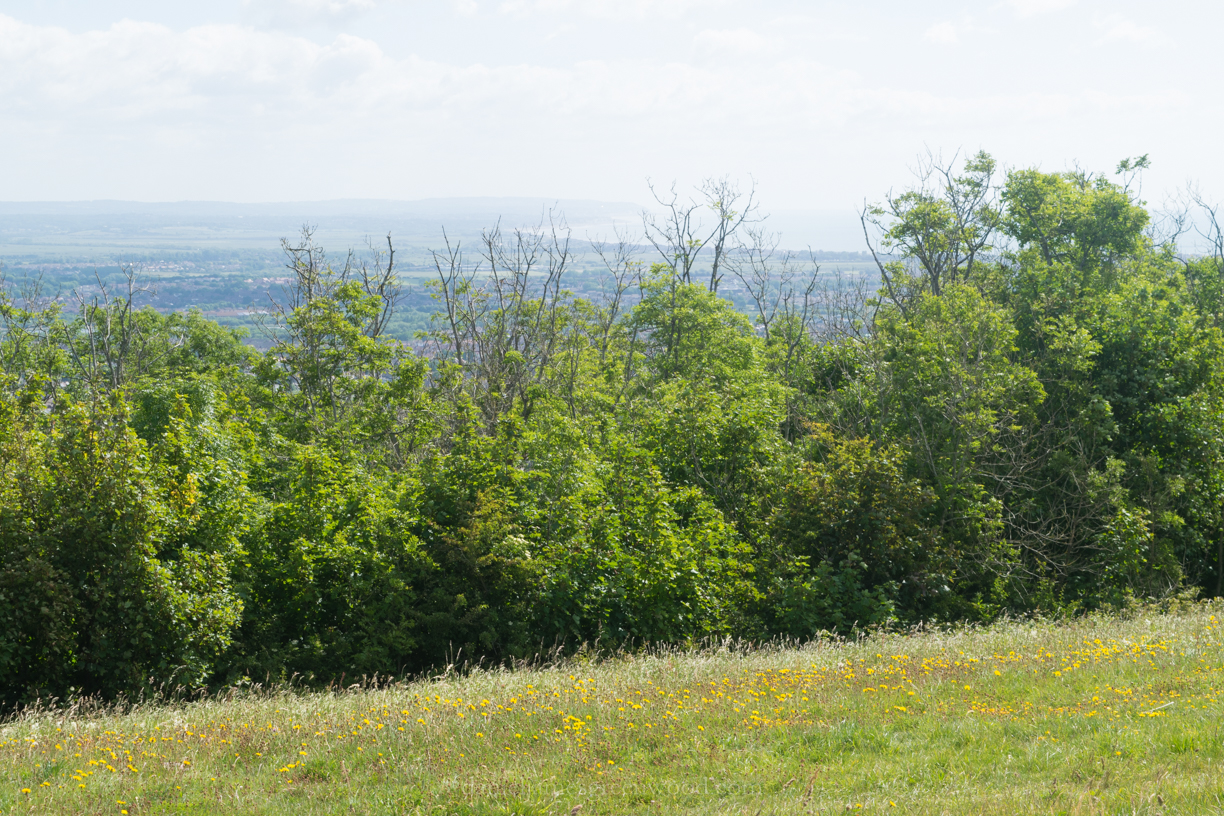
Eastbourne appearing beyond infected ash trees in June 2017

During a walk with the South Downs Eastern Area Ranger team, I was taken aback by the way declining ash trees were opening up views of the coastal town of Eastbourne. It has continued to progress since then.

A young ash tree experiencing ash dieback from the top-down on the South Downs, May 2019

Groves of once green ash woodlands and verdant hedgerow trees were dying en masse. In the past few years trees along highways have been felled due to the threat to public safety from these brittle, dead trees overhanging roads, paths and properties.

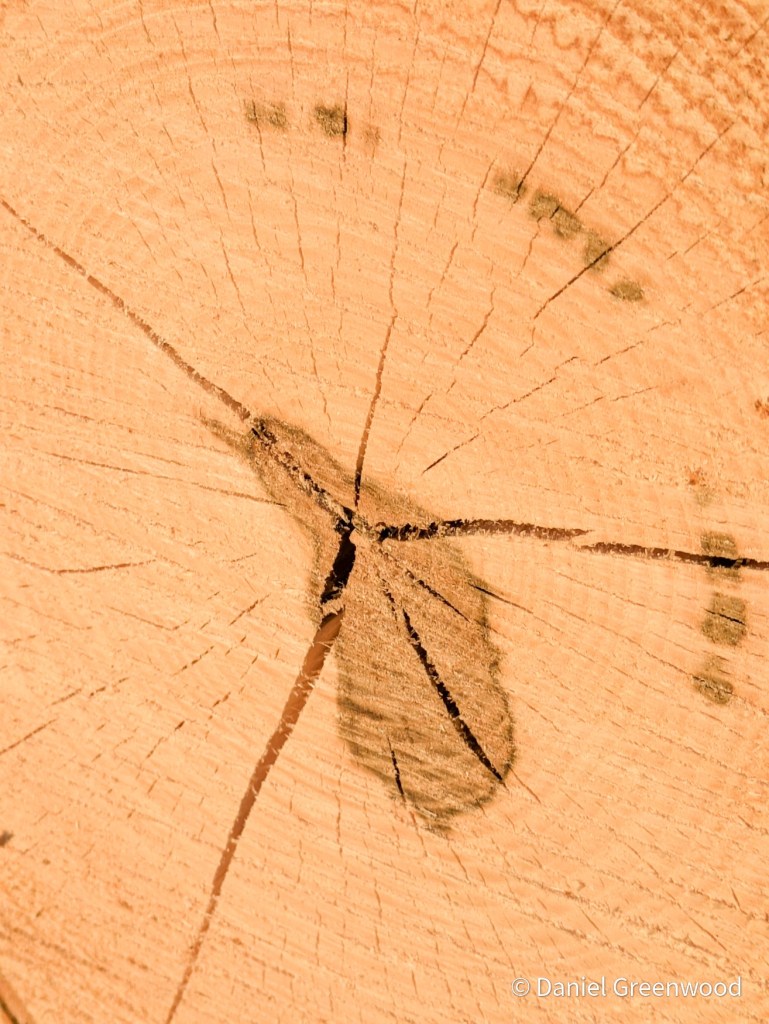
The main concern is how the decay enters the heartwood (as above) and causes structural failure even within living trees, meaning the ash are more likely to fall unexpectedly. I spoke to a council tree officer who said that there have been a number of fatalities of tree workers due to ash trees. It’s tragic.

A diseased ash tree that had fallen across a footpath in the South Downs, logged and cleared in February 2023

But how did ash dieback get to Britain? Fungi spread through spores, tiny particles that ‘seed’ in appropriate places and then grow into a living fungus that produces fruiting bodies. The fruiting bodies (mushrooms, to most people) then produce the spores. The ash dieback fungus is native to Asia, but there’s no way it could get to Europe alone. People helped it, accidentally, to arrive in Europe over 30 years ago. In Britain, it may have been helped by the process of growing UK saplings in Dutch hot houses, alongside infected ash saplings, and bringing them back to the UK.

2024: signs of resistance
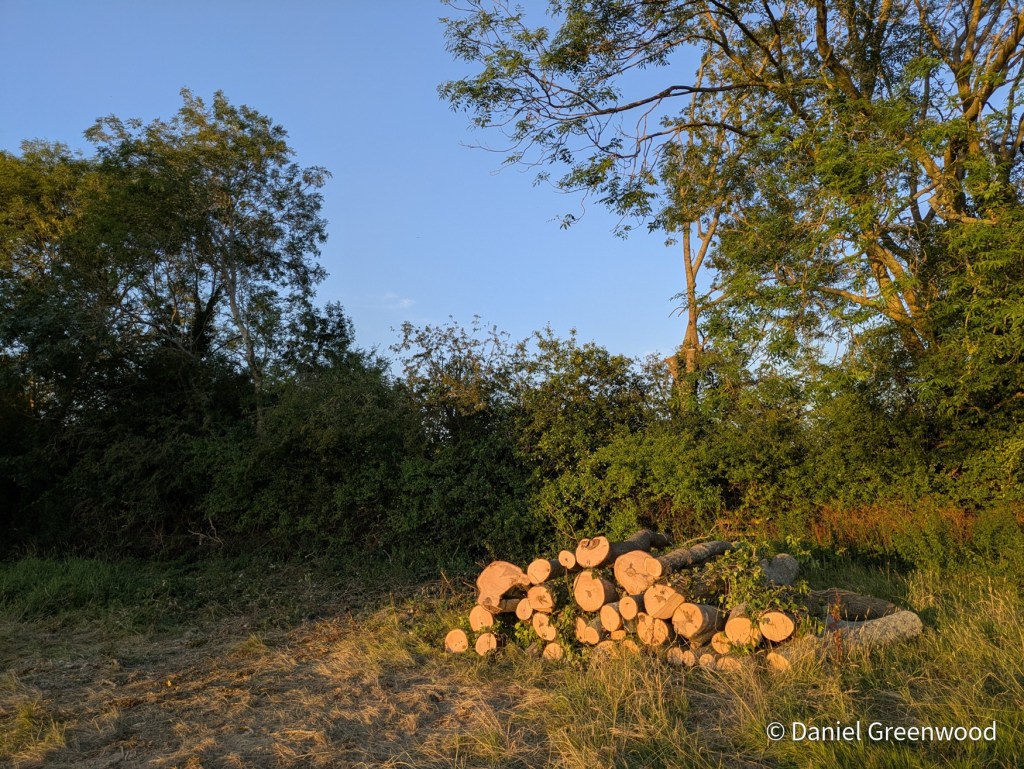
This phone pic was taken in July 2025 when my local green space had been subject to ash removal. The logs show the scars of the disease (see previous) but the scene is not one of disaster. There are healthy ash trees on either side that are surviving and, indeed, thriving considering what they are up against.

That is something The Living Ash Project have been logging(!) – trees showing mild symptoms and overcoming the dieback.

This rather optimistic article highlights more of the positive steps, and advanced scientific interventions being made to save ash trees.

Ash trees in isolated areas, away from ash woodlands, may be in a much better position (literally) to survive the disease epidemic because they are not overwhelmed by spores from ash leaf litter found in thick leaf litter.

A turning point for ash trees?
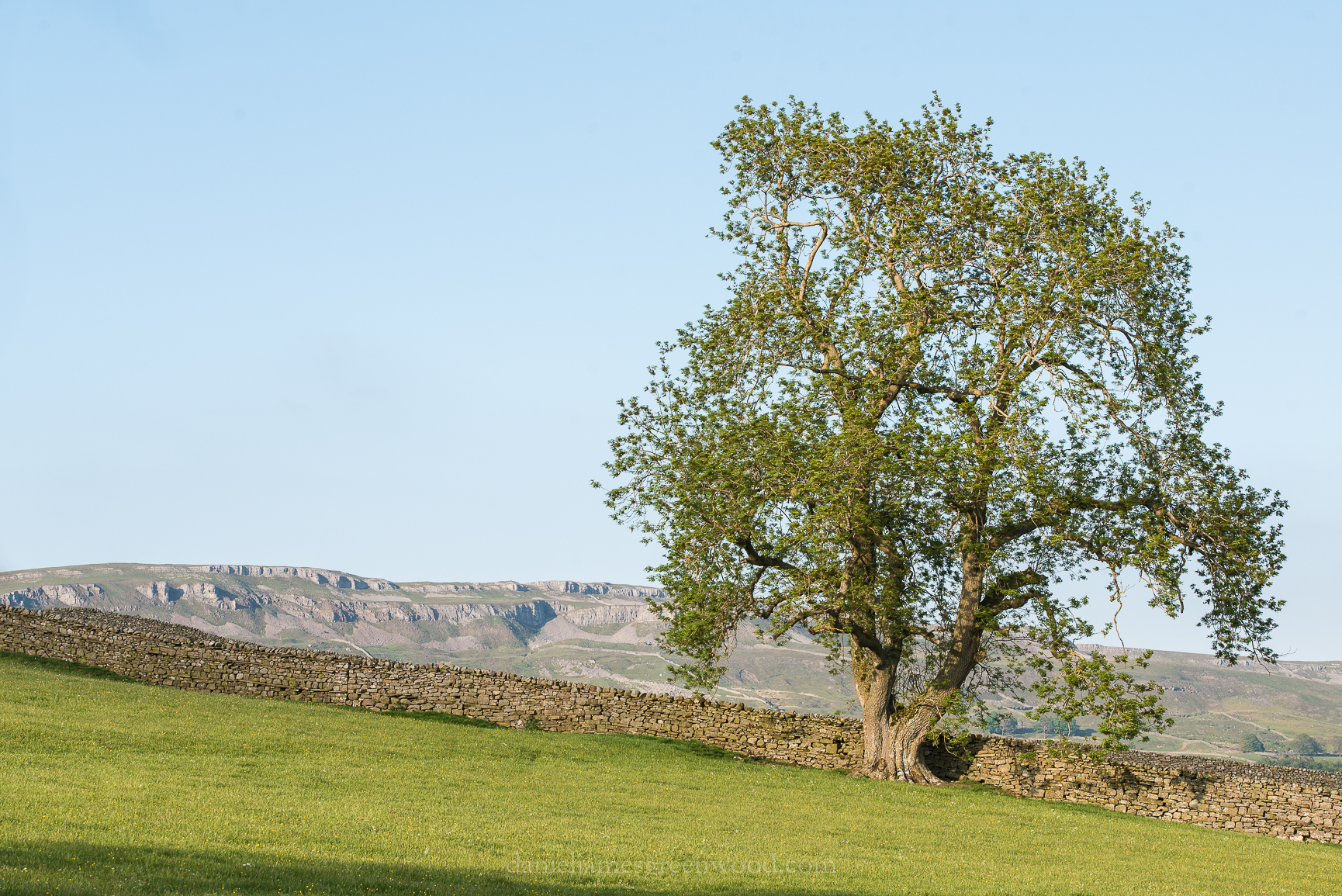
A mature ash tree in Wensleydale, Yorkshire in May 2018

The news for ash trees in 2025 is much more promising.

An article in The Guardian reports that ash trees in Britain are showing signs of evolving genetic strains of ash that will not succumb to the fungus. This means ash trees could return to the landscape in due course, though not in the same way.

In the south-east of England where I live the disease is said to have peaked.

Other research has shown that some isolated ash trees are surviving. I can vouch for this – there’s an ash tree in my mum’s garden (c.15 years old) in London that I’ve trimmed back once before. It is flourishing, so much so that the neighbours are asking for it to be cut down again. Welcome to London.

Large ash in the Howgill Fells, Yorkshire Dales (close to Cumbria) in 2019

There is also a plea on the back of the latest research for woodlands to be allowed to regenerate on their own. Many people will be keen to point out the role of ‘rewilding’ in helping this process. In many cases it’s just a matter of leaving woodlands in certain places to do their thing, probably behind some fencing.

Here’s hoping that ash trees can be saved across Europe and wild trees are given the space to do their thing. In the end they may outlive us.

Thanks for reading.

Ash trees | Fungi | Support my work

#30DaysMacro 2023: week three

Here we are, week three of #30DaysMacro as part of #30DaysWild. This week, things took a fungal turn after thunderstorms burst onto the scene.

Day 15/30: a bumblebee feeding on purple loosestrife in a car park in West Sussex. I took two photos all day on the 15th, and this was one of them!

Day 16/30: another day where photo opps were scarce, but I saw this little solitary bee (maybe a Colletes?) on the oxeye daisies in my garden. These daisies have been a massive boost to invert life in my garden this year.

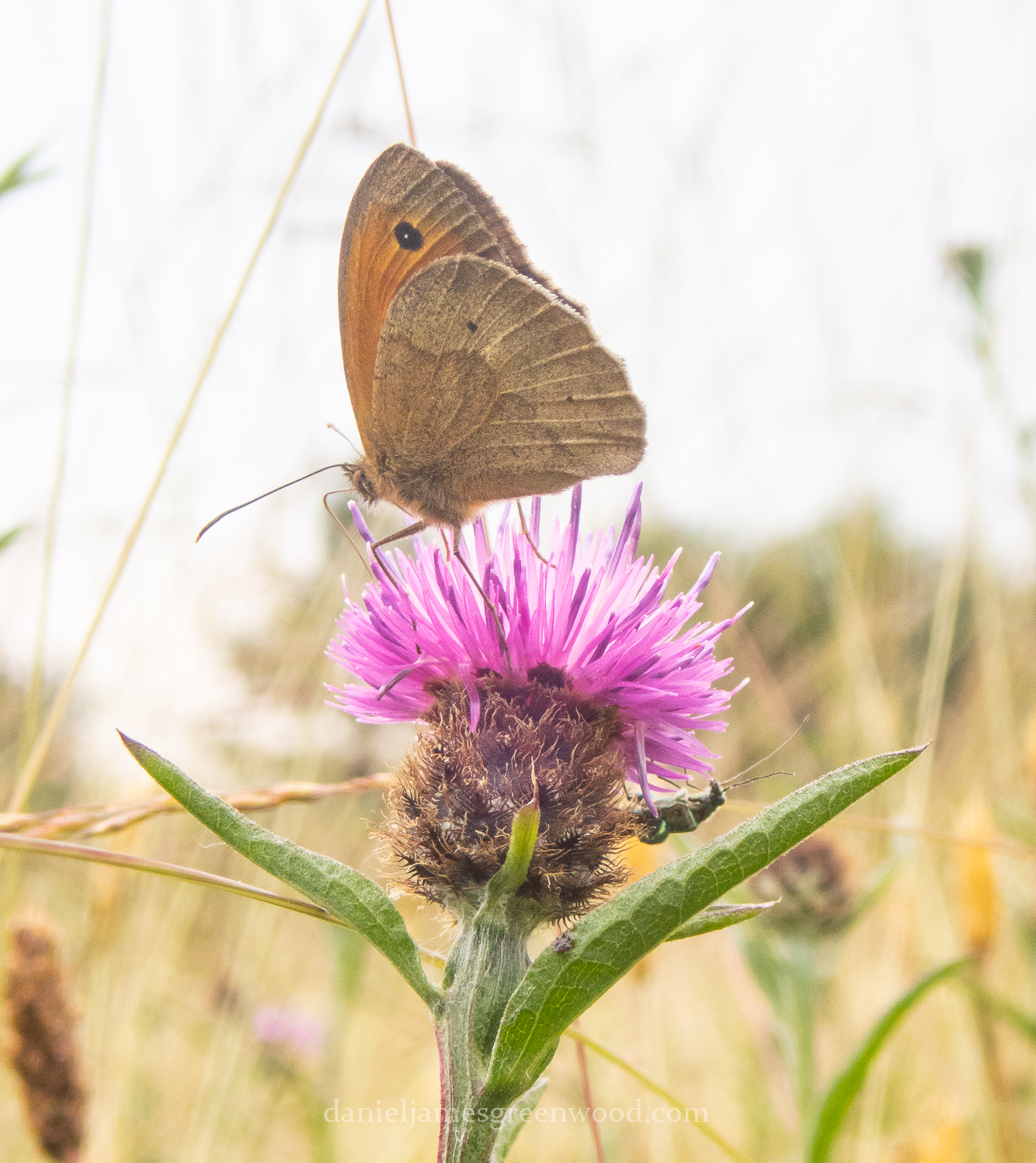
Day 17/30: this photo made me laugh – a meadow brown butterfly on common knapweed in a Wealden meadow in West Sussex. I didn’t notice the green swollen-thighed beetle hanging out below until I put the photo through Lightroom!

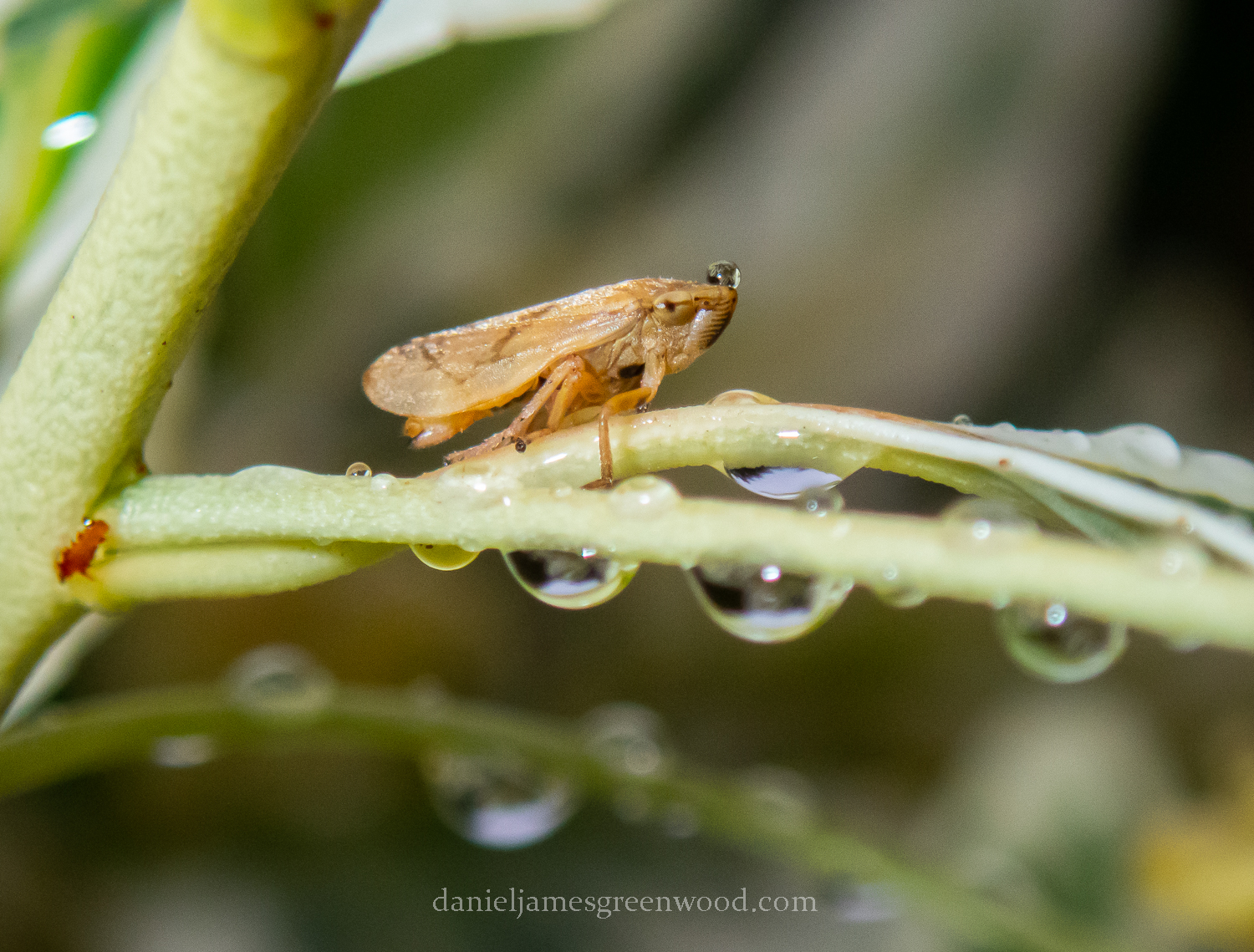
Day 18/30: storms have been the only source of rain recently, and they have been incredibly powerful. After some of that rain, I went looking for some life in the garden and found a common planthopper with a little droplet on their head. I see this as pushing the camera (Olympus Tough TG-6 compact) to the extreme due to lack of light and small size of the subject, and the results are great (though cropped and edited in Lightroom).

Day 19/30: on a lunchtime walk to stretch my legs I found this ashy mining bee foraging from one of the umbellifers that grow alongside my local river.

Day 20/30: things took a turn for the fungal on the 20th, as the rain gave a much-needed drink to the thirsty lichens in my local churchyard.

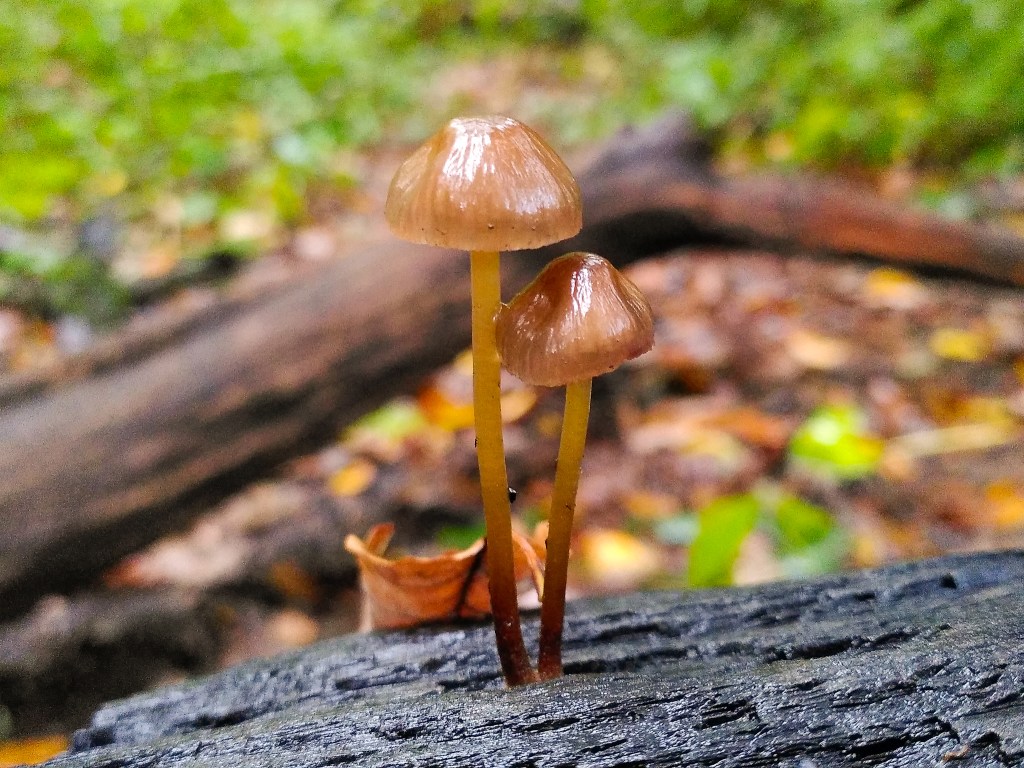
Day 21/30: the first of the summer/early autumn mushrooms, spindleshank, growing in the place where I learned what they are at Sydenham Hill Wood.

Thanks for reading!

Macro

Flushing woodcock in Dulwich 🦆

On Saturday 12th November I led a fungi walk for London Wildlife Trust at Dulwich Wood in south-east London. I only managed one photo on the day because I was working and leading the group around, but it was a pretty good one nonetheless.

When doing a pre-walk check I accidentally flushed a woodcock from the vegetation off the main paths. I never like to do something like that but they are so difficult to see, camouflaged down there in the leaf litter. It’s good to know they are still able to use to woods as a stop off on passage. It also suggests they are using woods nearby which have no public access, because this is one that has hundreds of thousands of annual visitors, so ones free of ‘disturbance’ must be even better.

John Gerrard Keulemans, Public domain, via Wikimedia Commons

This isn’t new in Dulwich. Local ornithologist Dave Clark once told me a story of a woodcock smashing through someone’s window and landing in their bedroom. Because woodcock migrate, often by night, they sometimes get it wrong. Their long bills and speed of flight also mean they will crack glass quite easily. The bird in question was scooped up and taken to a vet, from what I remember it survived and lived to fly another day.

There’s a really nice episode of the Golden Grenades podcast featuring woodcock that you can listen to here. It features Kerrie Gardner, a superstar writer, photographer and sculptor who is a friend of this blog!

On the fungi front, the mushrooms were very few and far between considering the time of year. There was a shaggy theme to what was there, in that two of the sightings were shaggy parasol and shaggy bracket. The most common species group were the bonnets (Mycena), along with small polypores like turkey tail and hairy curtain crust, which are all on decaying wood.

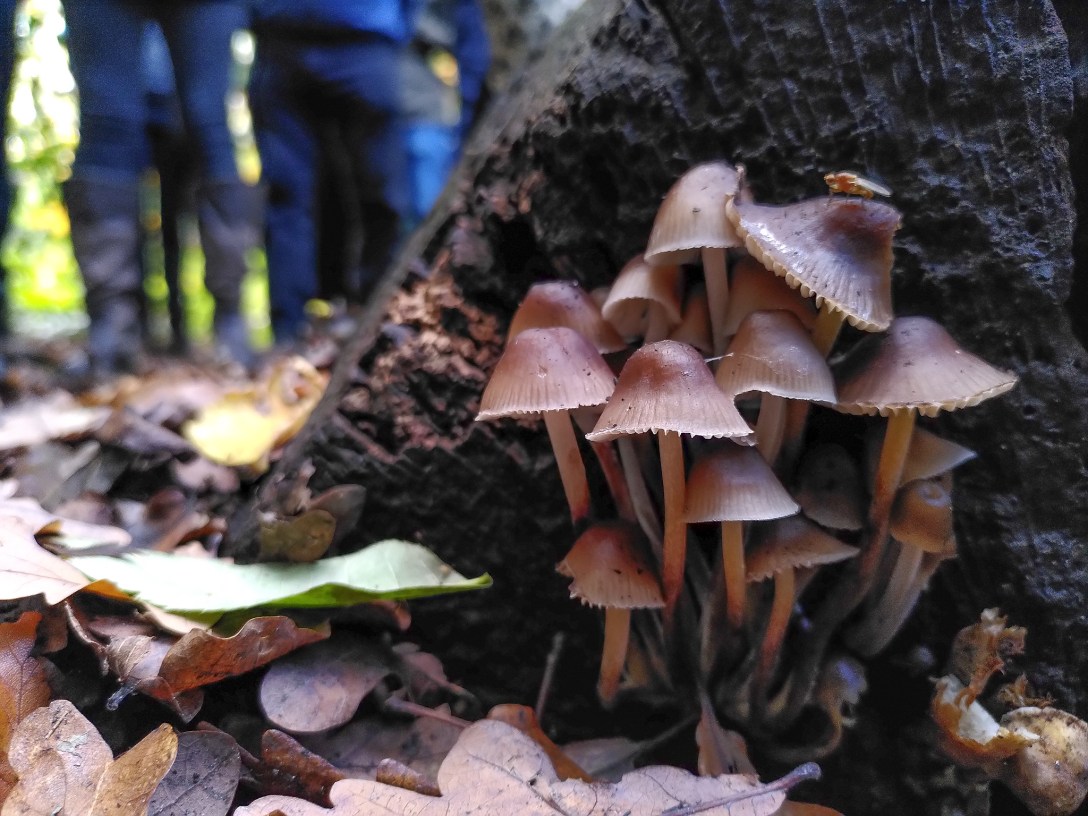
Some more phone pic bonnets on fallen oak wood

My sense is that the extreme heat and drought this summer, where temperatures reached 40C, has had a worse impact in smaller woodlands in places like London. More rural, larger woodlands are able to hold water and moisture more effectively, therefore being able to feed fungal communities far more easily. Those woodlands also have running water in the form of brooks, streams and woodlands that aid soil moisture. London’s woods look far drier in November than those in West Sussex, even after torrential rain.

It’s also very mild, around 15-18 degrees on the 12th November, which shows just how far-reaching climate change already is. The milder weather may mean mushrooms fruit for longer though, with the colder temperatures held off until maybe January or February. It’s just so hard to predict these days.

© jonatan_antunez, some rights reserved (CC BY-NC)

One interesting thing that a couple of people on the walk discovered was a species that was new to me. On a scaffold board used for steps, a small blue polypore (example photo above) was peeking out. Having seen it elsewhere on social media in the last week, I can confirm it was blueing bracket. I’m back there soon so will aim to get some *actual* pictures next time.

Thanks for reading.

Further reading: Fungi | London

#FungiFriday: how I first discovered mushrooms (not literally)

Picture 096

Fungi Friday 29th May 2020 via November 2011

This autumn it will be 9 years since I first began photographing fungi. I want to share how I found a passion for these incredible organisms and show the first photos I ever took of fungi.

I owe thanks to several people for tuning me into the world of mushrooms. David Warwick, who led fungi walks for volunteers and the public for London Wildlife Trust at Sydenham Hill Wood, shared his knowledge with his fellow volunteers and helped me to gain an interest. That was where I learned about fungi and, over 7 years, had the opportunity to watch them pop up and fade away across the nature reserve.

SHW September 2011 (52)
Turkeytail

The biggest thanks of all go to Ashley White who was the Project Officer who managed the Wood when I was a volunteer. For anyone who has ever volunteered, you will know that the person who leads you is as important as the thing you’re volunteering to do. Ashley inspired many of us to follow our interests in many areas of conservation and ecology.

Picture 091
Velvet shank

My first real attempts to photograph fungi took place in November 2011 during a volunteer day. I used a Nikon D60, a 10 megapixel camera (the equivalent today is double that) that I was given as a birthday present in 2008. I had no editing software and the photos here are as they were taken in the camera, which you can probably appreciate.

SHW September 2011 (49)
Sulphur tuft

One of the more memorable images that I contributed to London Wildlife Trust was this happy bunch of sulphur tuft. This species is probably one of the most common in the UK. It’s toxic but charming to look at. I respect its ability to show up in the street and in all manner of other locations.

Picture 100
Bonnet with a droplet on top

Photography has always been a way for me to learn about much more than cameras. To identify the majority of species of fungi, you’ll need to undertake all manner of experiments that I am way too lazy/skilled enough for. I want to spend as much time outside in the company of the things I enjoy photographing. Too much time is already spent indoors. All these are excuses, I know.

Picture 084
Parachute

I think one of the most interesting things about fungi are their diversity. This doesn’t just mean there are a lot of species (over 120,000 accounted for on Earth, probably more than 1,000,000 in reality). It also means they appear in all kinds of places: leaf litter, holes in trees, the ground, the pavement, sometimes even inside your house. That’s not really what you want.

Picture 071
Brittlestems out of focus

After autumn volunteer days I would seek out fungi anywhere I could find them. I had begun to notice some growing down in the leaf litter. As you can see from the photo above, it’s difficult to take photos on the ground without a reticulating screen. Mine was fixed which led to classic images such as the above. These are brittlestems. Over the years at the Wood I would notice this family of mushrooms popping up in damp patches under leaf litter.

Picture 018
Fairy inkcap

Many of the mushrooms in an urban woodland like Sydenham Hill Wood are common species that can pop up after a decent amount of rain. These fairy inkcaps are often found at the base of steps. The steps in the Wood were constructed by volunteers using wooden sleepers, planks for the edges and then filled with gravel. These mushrooms like steps so much I have even found them growing in Clapham Junction station on steps! For those who don’t know, this was once one of the busiest railway stations in the world. Thousands of people rush up and down these stairs every day.

WP_20150705_13_07_27_Pro
What’s not to love?

For all the negativity around nature conservation in Britain – and for me all contact with nature in the UK fosters a relationship with conservation – fungi gave me a sense of nature’s attitude of I will show up where I want, when I want. For anyone who has ever felt constricted by the physical environment we are forced to live in, nature is always looking to re-align it. As with fungi, it just takes time.

Picture 272
A miniscule fairy bonnet on a piece of mud

Fungi says to me (not literally) that life does not stand still. Fungi are a part of life processes which have no end. Fungi are always building and feeding a new world whether we like it or not. Perhaps that’s what seeing those fairy inkcaps on the steps of Clapham Junction station taught me. We may be extinguishing a beautiful diversity of life on Earth, first with large, charismatic animals. But nature is complex, unknowable in its entirety, and it will never stop.

Thanks for reading. Have faith.
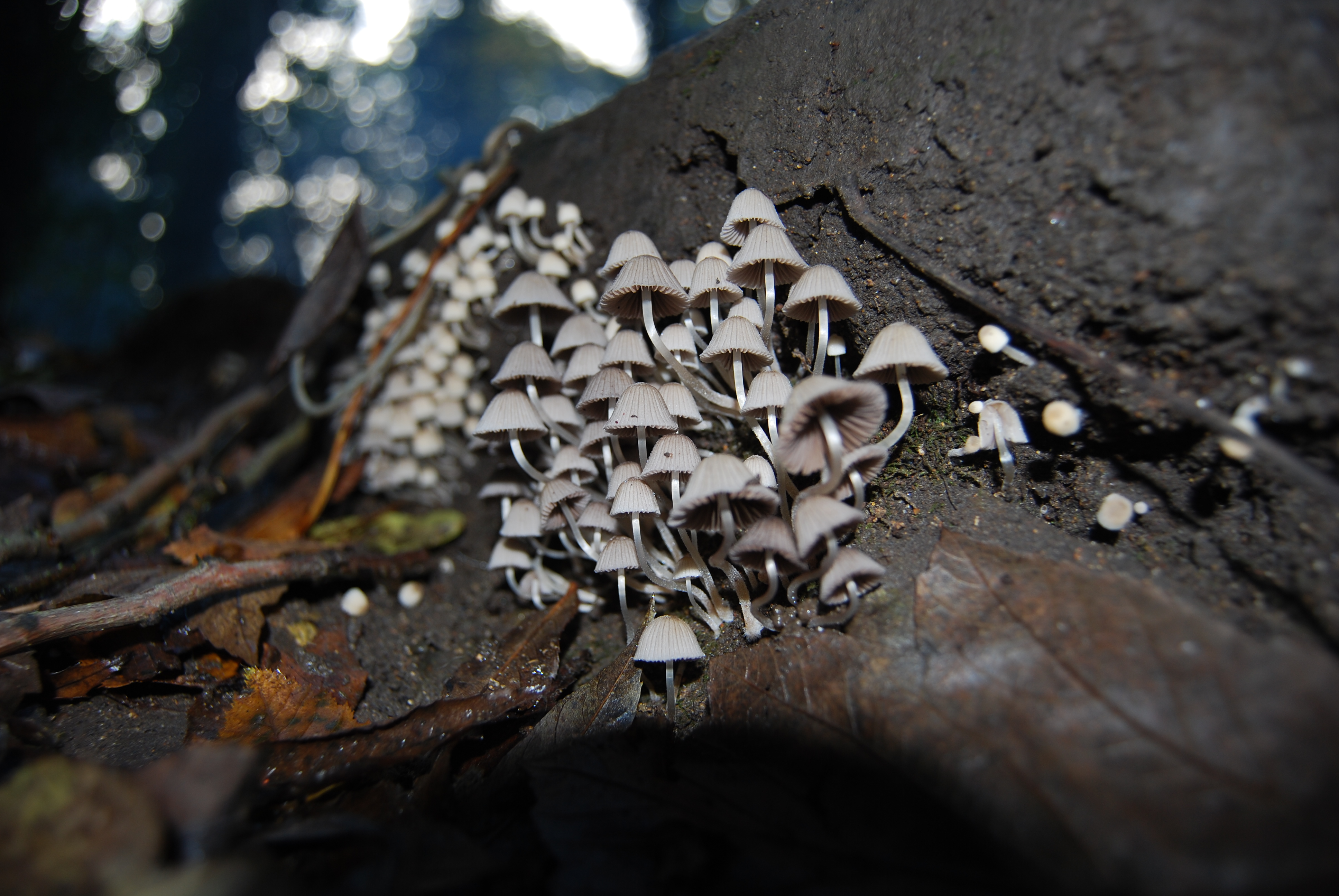
More mushrooms


From the ice age to the Crystal Palace: a micro-history of London’s Great North Wood

sydenham-hill-wood-coxs-walk-oaks-november-2013-daniel-greenwood-1

Introduction

For seven years I volunteered and worked for London Wildlife Trust at Sydenham Hill Wood and Dulwich Wood in south-east London. These woods are the largest remaining remnant of what is known as the Great North Wood. During that time I soaked up a lot of information, conducting my own research into the cultural and natural history of the area. I led guided walks and gave public talks on as many areas as possible related to the natural and cultural history of the area. I have condensed much of that information into this blog post. An earlier version of this post was handed out to attendees to walks and talks on behalf of London Wildlife Trust. My knowledge of the entire Great North Wood, which Sydenham Hill and Dulwich woods are the largest remnant of, is not strong enough to ‘write a book on’, but I have posted about the history of One Tree Hill, another remnant, before. This is my whirlwind around these precious woods from the time of glaciers to present day.

5483272214_1e150dfd1c

Wildwood: 12,000 BC

The Dulwich woods are a collection of remnant ancient woodlands in south-east London, made up of Sydenham Hill Wood (a nature reserve managed by London Wildlife Trust), Dulwich Wood, Low Cross Wood, Hitherwood and Dulwich Upper Wood. The woods are generally known as Dulwich Woods or Sydenham Woods by local people, sometimes influenced by whether they are from the Sydenham side of the ridge in Lewisham or the Dulwich side in Southwark.

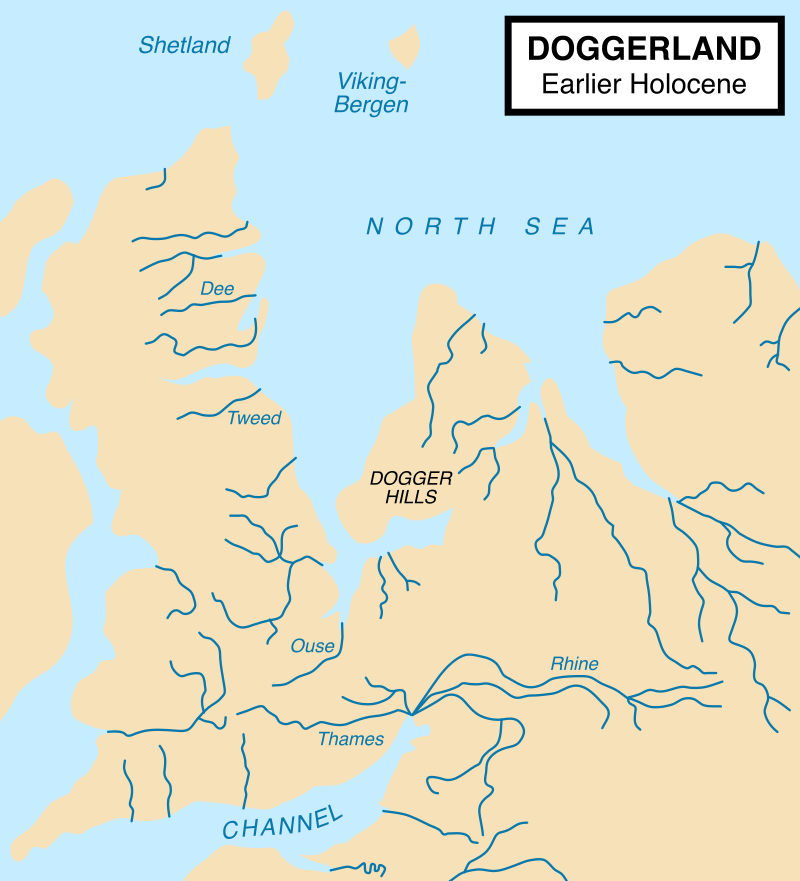
Parts of the Sydenham Hill and Dulwich woods are thought to have been covered by woodland since the first trees returned to Britain at the end last glacial period, some 14,000 years ago. The end of the UK glaciers came when climate change led to a period of warming. This warming melted the great ice sheets that had spread across the Northern Hemisphere and sat north of London. As the ice melted, the ensuing water created lakes, rivers and wetlands and the rocky debris carried by the retreating ice carved open valleys and new landscapes. While what is now the British Isles remained connected to continental Europe, the Thames was a tributary of the Rhine in Germany. Today, off Sydenham Hill runs the Ambrook stream, a tributary of the Effra, a ‘lost river’ which still enters the Thames at Vauxhall.

800px-doggerland.svg_
Doggerland (via Wikipedia)

Trees spread by seed on the wind or with the assistance of jays (‘scatter-hoarding’), red squirrels and small mammals. This ‘wildwood’ provided habitat for returning wolf, bear, lynx, elk, beaver, otter and deer, along with birds, mushrooms, insects and wildflowers. Hunter gatherers followed their prey into this more hospitable landscape and made settlements in the woods by clearing trees and creating more open areas to live in.

By 6,500 BC the ice had melted to such an extent across Europe that sea levels rose and flooded the low-lying plain between Britain and Europe, creating the British Isles as islands physically separate from Europe. By the Neolithic period (4,000 BC) the wildwood had been much reduced and people exploited nature’s resources like never before. The growth of farming, developed in the Middle East and spreading through Europe, meant that populations were increasing and the hunter gatherer’s way of life was disappearing.

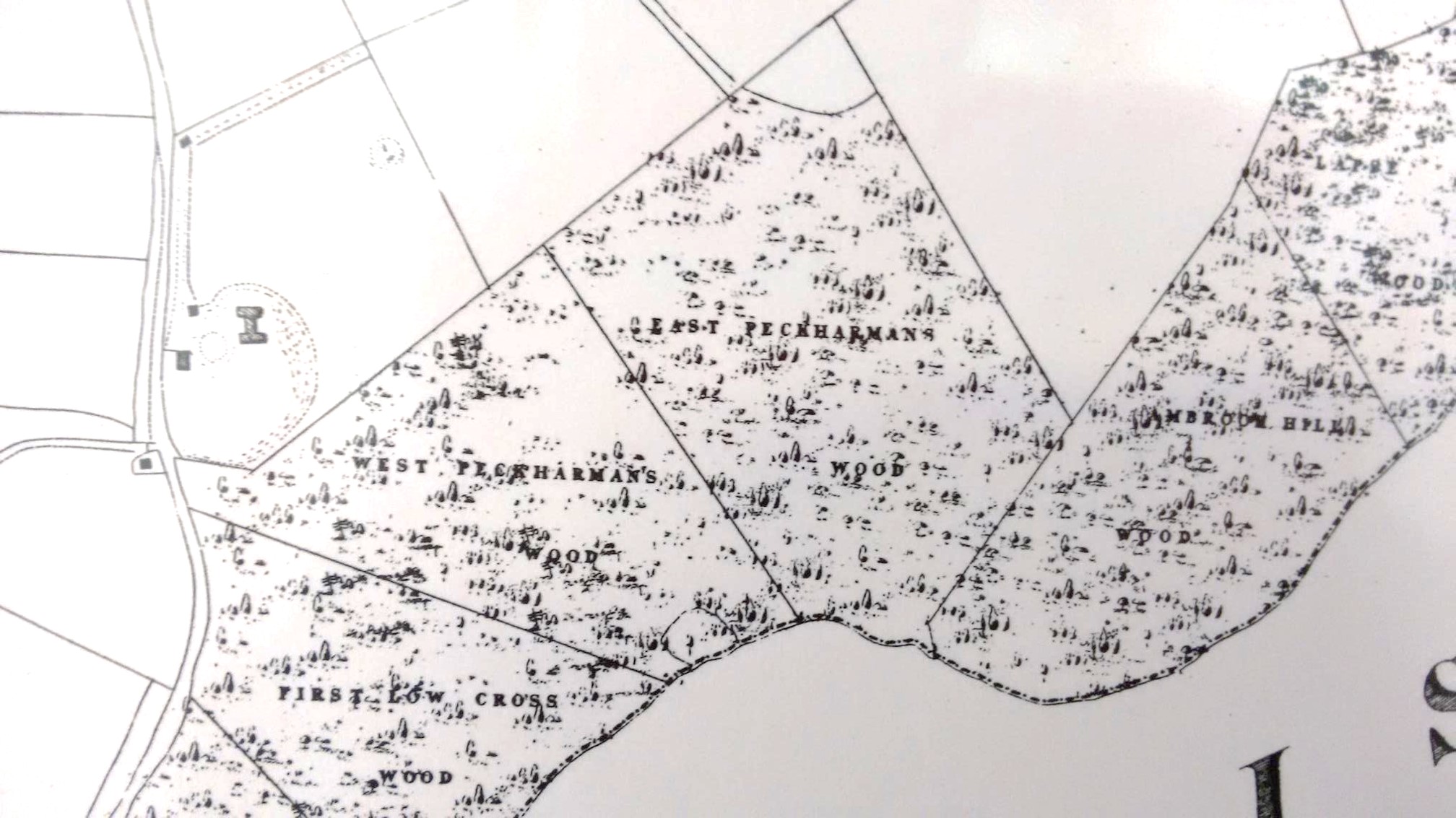
Peckarmans Wood
The coppices known as Peckarmans Wood in the 1800s, what is now Dulwich Wood

The Great North Wood: 500-1500 AD

The Dulwich woods are the largest remaining part of the Great North Wood, the early name given to what was left of the wildwood in south London by the Anglo-Saxon period (AD 410-1066). These remnant ancient woods straddled the clay ridge running from Honor Oak to Beulah Hill. The Romans had come and gone (AD 43-410), forging new roads and making use of the Great North Wood’s resources of oak, hornbeam and hazel, mining its clay for brick and pottery. It was the ‘north’ wood because it was north of Croydon, a thriving medieval market town. The Anglo-Saxons also wanted to differentiate between the Great North Wood and the Weald, another extensive woodland landscape that sits between the North and South Downs, running as far as Hampshire in the west and Kent in the east.

It was only later that placenames related to the woods began to appear: Selhurst and Brockley being two good examples. The use of ‘hurst’ at the end of a name indicates a wooded hill, possibly a place where timber was removed or used to some specific purpose, whilst ‘ley’ means a clearing or settlement in woodland. ‘Brock’ is the old English word for badger, an animal which still clings on today in secrecy. Names like Forest Hill are deemed artificial, though it likely refers to the wooded ridge of Sydenham Hill. The Great North Wood was no forest at all, unlike the New Forest, Ashdown Forest or Epping Forest, it was not created for the purpose of a royal hunting ground. ‘Norwood’ is arguably the single truest reflection of this ancient landscape. Penge is London’s only Celtic placename, meaning ‘the end of the woods’.

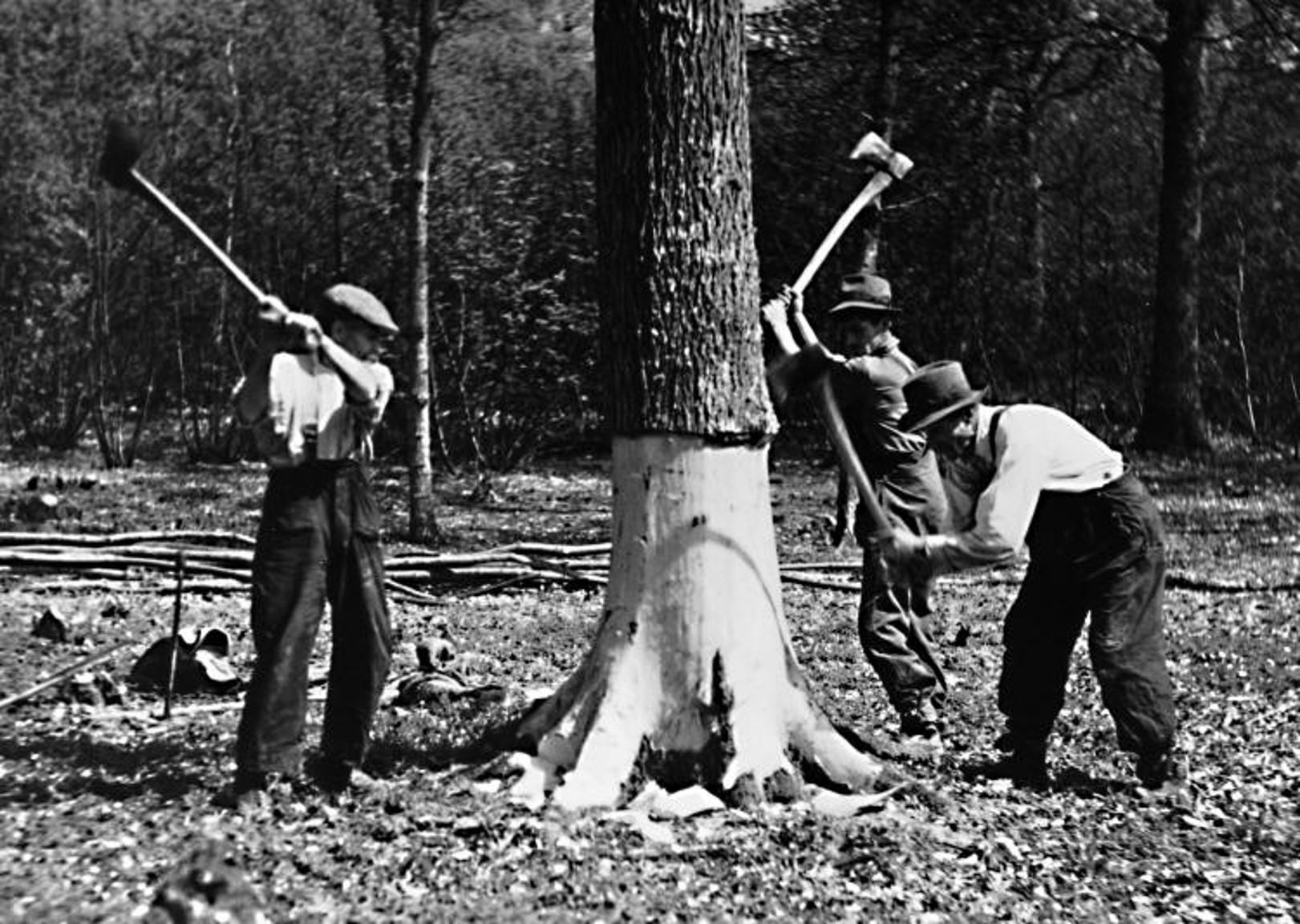
Tree-felling
Woodland workers removing the buttresses of an oak before felling. Coppice poles can be seen in the background

Woodland industry

The Dulwich woods have been patrolled or cared for by a warden since as early as the 1200s. One of the key industries was tanning, where the oak bark was peeled off and taken to the tanneries and soaked in with hides to make leather. From the 1600s to the mid-1800s it was the second largest industry in England. The tannery at Bermondsey was the destination for much of the woodland produce. Oak trees were harvested after some 80-150 years to build ships, therefore allowing the British military to ‘rule the waves’ and put the ‘Great’ in Great Britain, as some people say. Britain’s oaks ships were the upper hand in battles waged at sea against the Spanish, the Dutch and attacks against the Chinese mainland.

Britain’s isolation as an island protected it from land invasion after the Norman Conquest of 1066 and the end of Anglo-Saxon rule. The harsh strictures of Forest Law and later royal protections for woodland meant that up until the Napoleonic Wars, the oak resources in England enjoyed some stability. To make one oak ship today would likely require the entire felling of Sydenham Hill Wood and Dulwich Wood combined, some 25 hectares of woodland. Needless to say there is no appetite for such. We should also remember that the Dulwich woods were never ‘forest’ in the Norman term, despite what the word means today.

Colliers were charcoal burners who lived in the woods, an industry of huge importance to London and local villages. Trees like hornbeam were coppiced or cut down to their stump to form multi-stemmed trees that could be harvested for wood indefinitely. The wood was stacked into a kiln, in this case made from clay, and burned to create charcoal. Other woodland products included poles, posts, bavins (bundles of twigs for firewood known also as faggots), birch twigs for brushes and withies (long, thin hazel shoots).

Image result for margaret finch
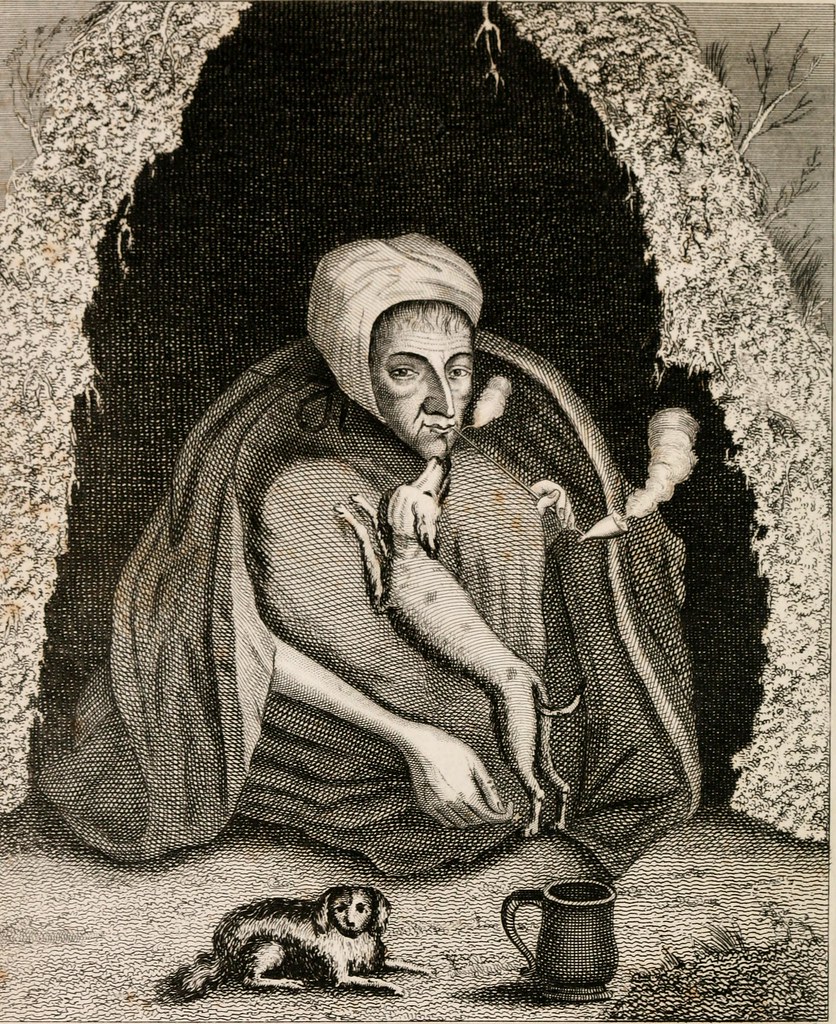
Margaret Finch in Norwood

The Norwood Gypsies and other local characters

One of the more interesting local placenames is Gypsy Hill, in reference to a camp of ‘gypsies’ who were famed for their presence there. Margaret Finch was known as ‘queen of the gypsies’ and was visited by the Victorian middle classes to have their fortune told. It is said she was so ‘decrepit’ she could only ever crouch. Other notable dwellers within the woods included Samuel Matthews, the hermit who lived in a cave dug near where the Cox’s Walk footbridge is. He was murdered in 1802 for his wealth collected as a jobbing gardener in nearby properties. He was said to be a popular local figure but his murderer was never convicted.

7006407747_b2cb89906e
Samuel Matthews (Steve Grindlay)

Local literary figures include William Blake, whose vision of angels took place on Peckham Common, possibly after a visit to the Dulwich woods in the 1760s (and maybe the ingestion of some magic mushrooms?). At the bottom of Cox’s Walk the poet Lord Byron studied at Dr. Glennie’s above what was then the Grove Tavern pub in 1799. John Ruskin walked in the woods during the time of the Crystal Palace, lamenting the place of the building on the wooded ridge.

File:Crystal Palace Great Exhibition tree 1851.png
An elm tree enclosed inside the Crystal Palace in 1851

Enclosure: 1720-1830s

In the 1700s Acts of Parliament were put in place to remove common lands from public ownership and allow their sale and enclosure. Locally affected commons included Westwood or Sydenham Common which covered much of what is now Forest Hill, Dulwich Common which is best represented by the Dulwich and Sydenham Hill golf course, Dulwich College playing fields and Dulwich Park, and Penge Common which was enclosed as Penge Place and is now Crystal Palace Park. Sydenham Hill Wood did not exist at this time but was a series of coppices spread across the Dulwich woods in the form of Peckarmans Coppice, Ambrook Hill Wood, Lapsewood, Kingswood and Vicars Oak Coppice.

This seismic political shift has created the townscape and suburbs we see today in London. It is only through hard-fought planning battles, philanthropic foresight and good fortune that any of London’s commons still exist. The enclosures put in place the eventual development of the coppices known today as Sydenham Hill Wood. By the 1730s Cox’s Walk had been cut through an area known as Fifty Acre Wood from Sydenham Hill in order to attract visitors from the Sydenham Wells to the Green Man Tavern at the junction of Lordship Lane and Dulwich Common, site of the Dulwich Wells where natural springs rose. By the early 1800s Fifty Acre Wood had been grubbed out for farming, now forming part of the Dulwich and Sydenham Hill golf course and the Marlborough Cricket Club fields.

Related image
The Hoo on Sydenham Hill, now returned to woodland in Sydenham Hill Wood

The Victorians: 1800-1900

Immense change came to Sydenham Hill and Dulwich with the construction of the Crystal Palace in 1854. In 1865 the Crystal Palace High Level railway was cut through the Sydenham Hill coppices. It took millions of people to the Crystal Palace’s Great Exhibition until its eventual closure in 1954, after the Palace had burned down in 1936. The Cox’s Walk footbridge was constructed over the railway line to allow the continued use of the pathway. The Crescent Wood tunnel, which plugs the southern end of Sydenham Hill Wood, was closed to the public in the 1990s due to Health & Safety concerns and later it was designated as a registered bat hibernation roost due to the presence of brown long-eared and pipistrelle bats using the crevices in the old brickwork.

In the early 1860s the construction of large villas along the Great North Wood ridge running from Forest Hill to Beulah Hill began. The coppices of Sydenham Hill Wood were separated into smaller plots of land and sold on 99-year leases by the Dulwich Estate. The residents of these houses were wealthy, with some houses accommodating more than 20 people, in this case servants for the families. Lapsewood House was home to Charles Barry Junior, the designer of newer Dulwich College, North Dulwich Station and St. Peter’s Church next to Cox’s Walk. Another house, Beechgrove, was lived in by Lionel Logue in the 1930s and ‘40s, the speech therapist characterised in The King’s Speech. A garden folly was constructed with Pulhamite, a material patented by James Pulham, in the grounds of Fairwood. The cedar of Lebanon which still remains was in the grounds of the Sydenham Hoo and can be seen as a sapling in Victorian illustrations of the garden.

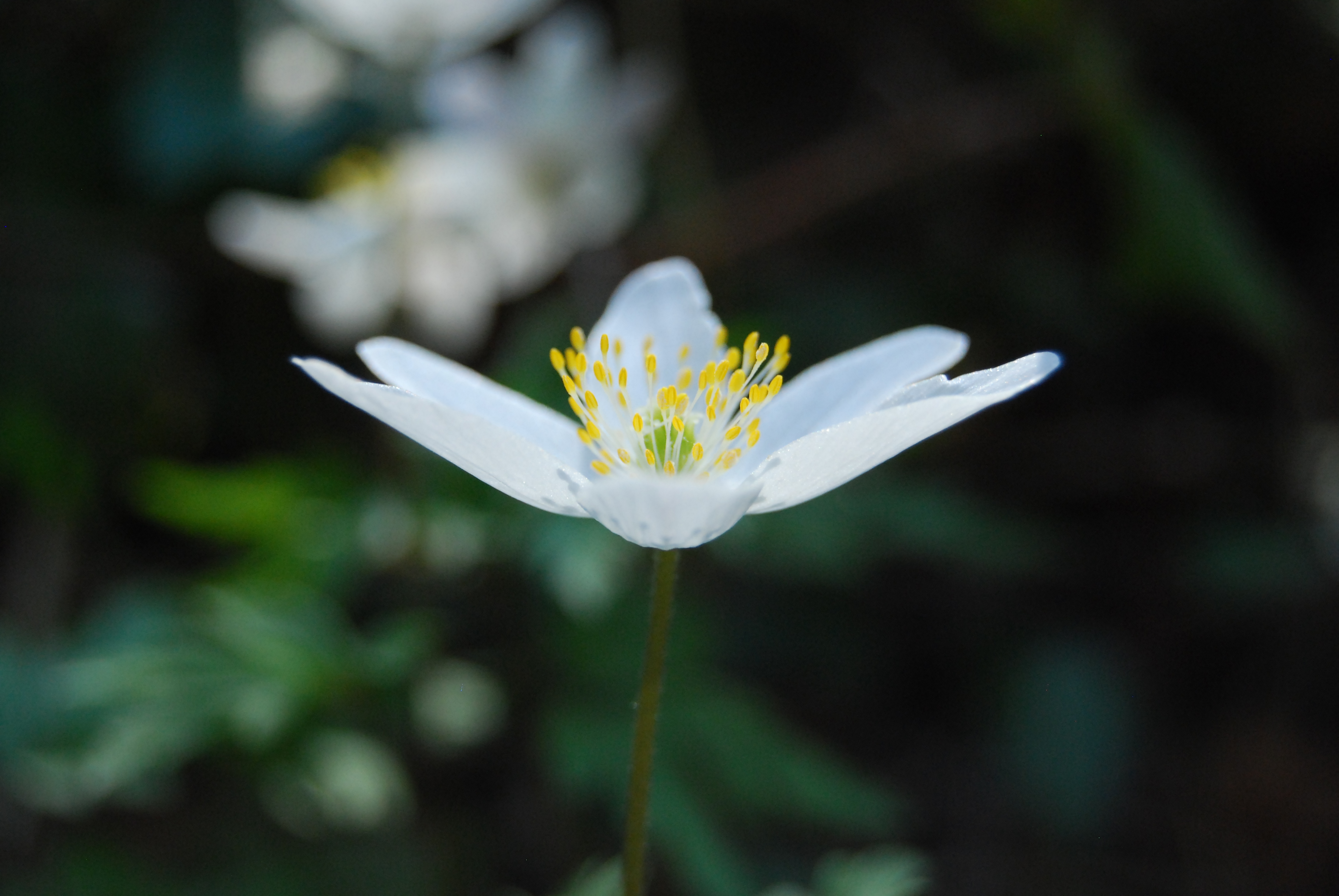
Wood anemone
Wood anemone is an indicator of ancient woodland in the Dulwich woods

The returning wild: 1950-present day

The advent of the First and Second World wars brought irreversible change. Traditional woodland management was extinct and the Victorian boom was over. Many of the houses were nearing the close of their leases in the 1950s and by 1980 all of them had been demolished. Local people had been entering the grounds of the old houses and the disused railway line since the 1950s. The landscape was returning to woodland as trees began to retake the gardens and railway cutting with no intervention taking place from either the Dulwich Estate or Southwark Council. In 1981 London Wildlife Trust were formed and by 1982 Sydenham Hill Wood had been designated as a nature reserve. This was after fraught and long lasting battles involving Southwark Council, the Dulwich Estate and local people spear-headed by London Wildlife Trust, the Dulwich and Sydenham Societies and the Horniman. London Wildlife Trust are now lease holder of Sydenham Hill Wood and each of the former mansion grounds running along Sydenham Hill. Today the Trust, Southwark Council and the Dulwich Estate are working in harmony to protect the natural heritage of the Sydenham Hill and Dulwich woods with the support of volunteers.

The woods are experiencing historically high numbers of visitors, with data suggesting that over 100,000 people step through each year. It is a critical time for people to access and understand our green spaces due to the dislocation many feel from nature and the impending threats of climate change and species loss. Sydenham Hill Wood is one of the most important green spaces in London for the story it can tell about human impacts on the land, challenging our concepts of what is natural and normal. Its 10ha has seen it all, surviving through all that our species has thrown at it in over 10,000 years of human history. It bears those scars but its wildness remains. Who knows what it will see in the next 100 years.

Further viewing:

The Dulwich Society archives

Mapping the Great North Wood – video

The mysteries of the night wood remain

Wood anemone

Last year I was commissioned to write this piece about the four seasons in Sydenham Hill Wood. Woodlands are beautiful, yes, but the lives of their inhabitants are not as gentle or pleasant as we might like to think. Here are my four dispatches.

Spring

Along the trackbed of the disused railway wild garlic grows. It’s a remnant of the wood’s ancient lineage, its deep green is welcome refreshment on a grey spring afternoon such as this. Every so often you find other indicators of the wood’s age. Wood anemone are growing in isolated clumps and English bluebells, too, some hybridising with the Spanish garden variety. The hornbeam standing along the track is another pointer to the old age of Sydenham Hill Wood.

Above our heads is another species sure to have been breeding here for some time. There are three tawny owl chicks sitting in the top of a large ash tree not yet in leaf, and through the bare branches we have a clear view of them. They snuggle into their plump, downy coat of feathers, calling to their parents, with rasping voices you might not expect them to make.

The wood’s bird community is watching, not least because the tawny owls are the top predator in the wood and one of the chicks’ parents is nearby trying to make a kill. Last week we found a crow’s head by the pond and it now appears likely that the adult tawny that spawned the trio above is the culprit. The birds know it too: there is an anxious din of woodland birds – woodpecker, crow, robin, great tit, blue tit, ring-necked parakeet, nuthatch – as the rufous adult tawny emerges from its hiding place.

The chicks are further along than expected, they move one at a time over our heads and closer to mum or dad, their spread of primary wing feathers giving them a tactile appearance, each like a finger. The parakeets are the most successful in bothering the young owls as they shriek and dive around them, the vibrancy of these exotically coloured birds muted by the task, on a dour afternoon in the spring wood.

Summer

The leaves of trees under torchlight are sticky with honeydew, a little like our faces, damp with sweat and bothered by mosquitoes. I swat them away.  The wood is perspiring, wet with aphids. The air is thick with the funk of wild garlic that has flowered and gone. Stars are appearing in the ocean of night sky. A dot of light moves across the expanse. Is it a satellite?

A male tawny owl calls from acres away. We blow through a hazel whistle carved in a fashion to mimic the owl, and the bird itself responds in kind, edging closer and closer to us after each play of the whistle, its voice becoming clearer: What’s the time Mr. Owl? Now there is no foliage between us and anxiety stirs. We decide it’s better to stop in case the tawny thinks we’re another male. They are renowned for their aggression in protecting territory.

With the wood under the spell of darkness, the industrial world is reduced to a dreamy wash. Beyond the lining of trees could be an endless wildwood or an open pasture – the imagination runs free in the absence of engines and electric light. Some centuries ago the old woodland was felled and turned into farmland that skylarks, corn bunting, lapwing, turtle dove and cuckoo would have colonised. These birds are now absent from land that is used for cricket, golf and rugby.

From the glade’s sleeping bed of rosebay willowherb the great ghost of a hawkmoth ascends. I swoop the child’s pond-dipping net I am holding towards the monstrous insect, bringing the net and my knees to the ground. I carefully peel it away from the grass, revealing only shadows. The mysteries of the night wood remain.

Autumn

We’re sitting around the moth trap again tonight. A large flock of crows are returning to a roost in the direction of Dulwich Park. There’s something about vast movements of crows, it gives the sense of an ending. In old times this would have been the signal to down tools at the close of a day labouring, ‘when the crow flies’, as they used to say.

The insect numbers have visibly dropped since summer but the pipistrelle bat hunting just above our heads shows there must be enough for them to eat. The twilight is metallic blue, stars are lanterns in the sky untouched by trees.

We’re surrounded by oak woodland, with smatterings of birch, ash, willow and hornbeam. We can only hope the darkening wood conjures something beautiful for us to behold. The leaves around us are soon to fall and even in this fading light you can sense the change, nature exhausted after the sex of spring and summer’s heat. A hobby flies the same path as the bat, catching a moth in midair.

Night falls. Nocturnal mammals begin their movement through the leaf litter, their sound much bigger than they actually are. A moth has been drawn to the bulb of our moth trap and we retrieve it in a clear plastic pot. It’s medium-sized, purple and mustard in colour. It’s the barred-sallow. This moth has evolved to match the leaves of autumn, but it’s early, many of the trees are still verdant green. We release the insect and it disappears into the dark.

Winter

A slender pathway cuts through the ground layer of ivy, most likely to have been forged by a train of foxes. A large ash has been pulled down by the wind, the underside of the ivy leaves wrapped around it are a fresh colour, like the flesh of a lime fruit. To the side a den has been made with string tied to the rotting logs that rest against a tree in a tepee form. Sometimes people spend a night in the wood and so the sign of a tent or den surrounded by food packaging and drinks bottles is not unusual. There isn’t much litter to be found tonight, other than things the ivy has subsumed, bottles or cans taken in by the soil or blown over from the road. Spiders make a home for themselves in empty bottles and the woodlouse is a common inhabitant of an old shoe. Now the leaves of premature bluebells peek through the earth and we take care not to trample.

We come upon a clearing around a large yew tree, the soil cleared of ivy and plant life by the acidity and shading of the tree’s needles. The trunk is rippled and worn like an old doll’s limb. It’s one of a line of yews that would have been a hedge in the grand Victorian garden that was once here. The villas were built in the 1800s, but too grandiose to last, they were abandoned during the Second World War and, deemed unsafe, were eventually bulldozed into the earth. The ground dips to reveal the whitish bricks of a wall and a trail of broken glass. Behind us is a group of silver birch trees, quarantined amidst layers of ivy and the yew. These birch look like they’re waiting for something.

The other side of the wall shows a support structure for the terrace of the old Victorian villa, where the slow life of the woodland has been allowed to resume. A blackbird calls in the canopy and a great tit sings its winter song down in the woodland glade. The sun is setting low through the slope of trees. It’s time to go home.