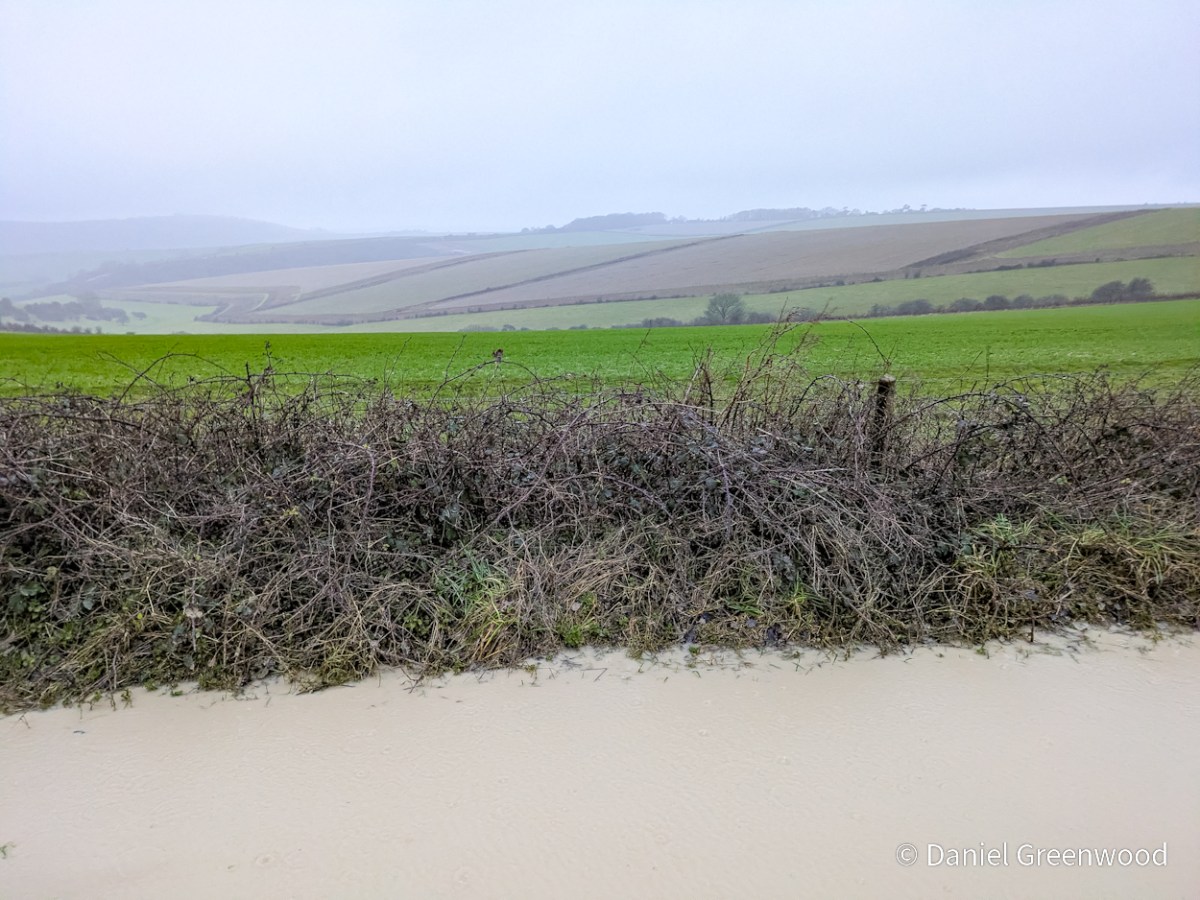
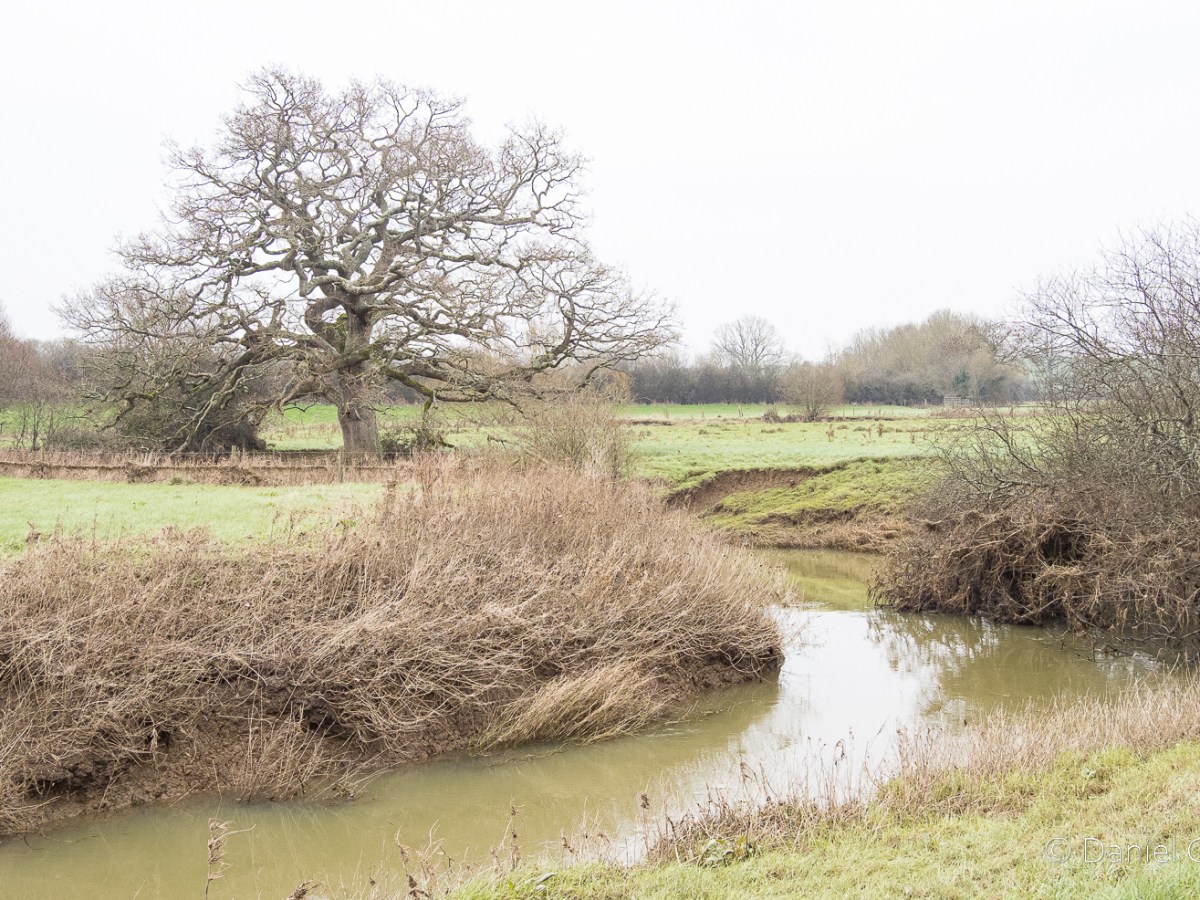
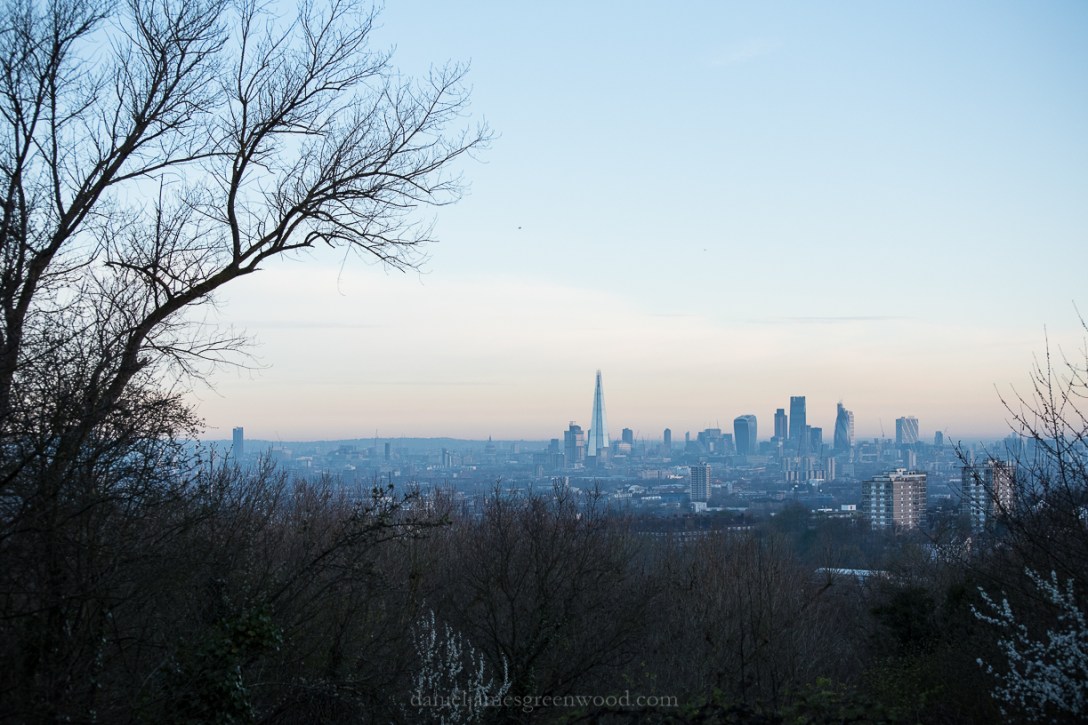
A second wave of Covid has thrown us back into lockdown in England. You can only leave the house for essentials and exercise. It’s much harder now that the night falls early and the window on experiencing daylight has narrowed. But the days are lengthening and spring is building in small ways.
At night the foxes are making their blood-curdling cries and other social calls. They are breeding, probably just outside the back door each night.
On clear nights I sit on the edge of the bed and, with lights out, can see stars. The three lights of Orion’s Belt shine bright, but not more so than Sirius to the south-east. It’s the brightest star in the sky.
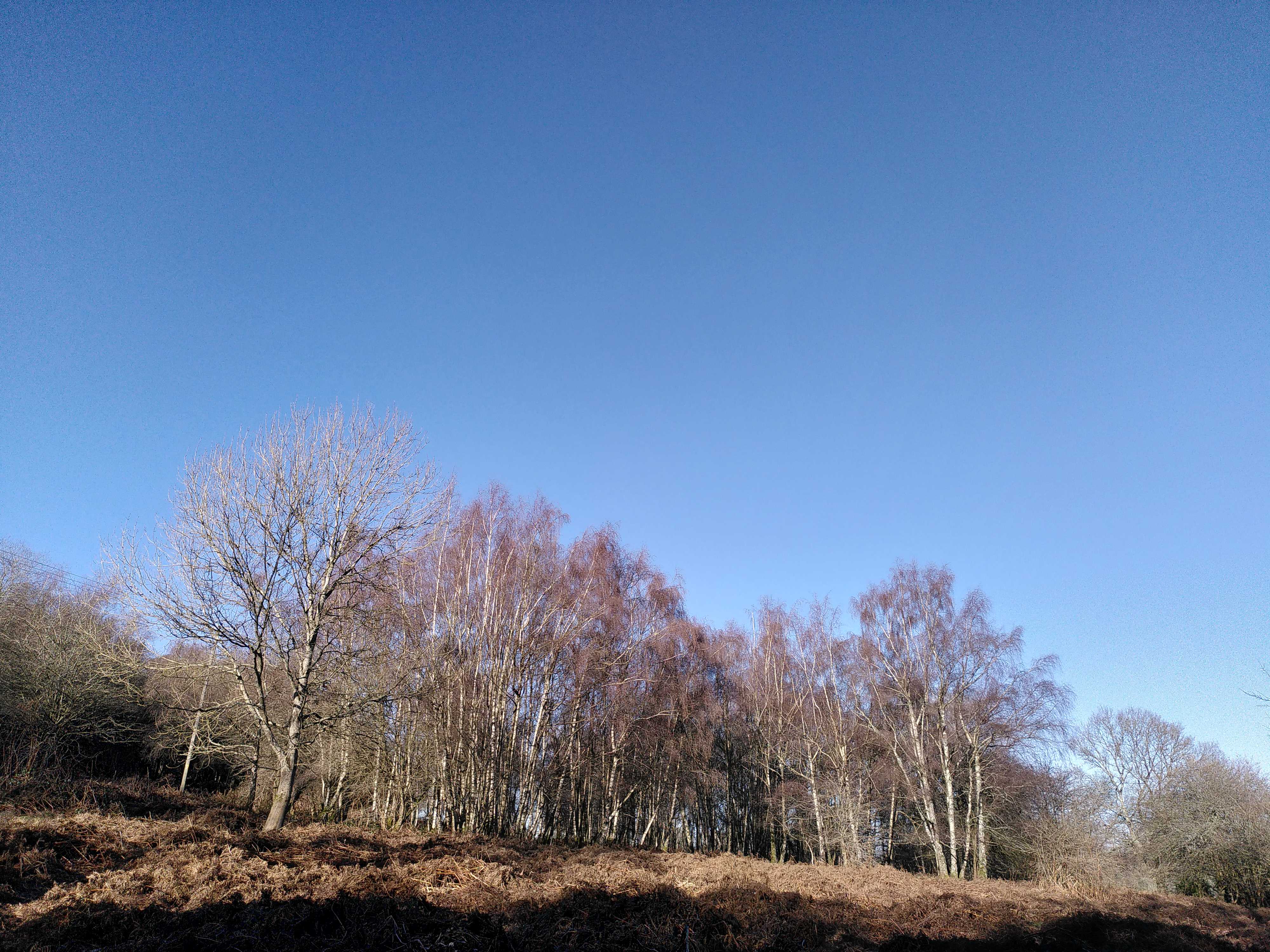
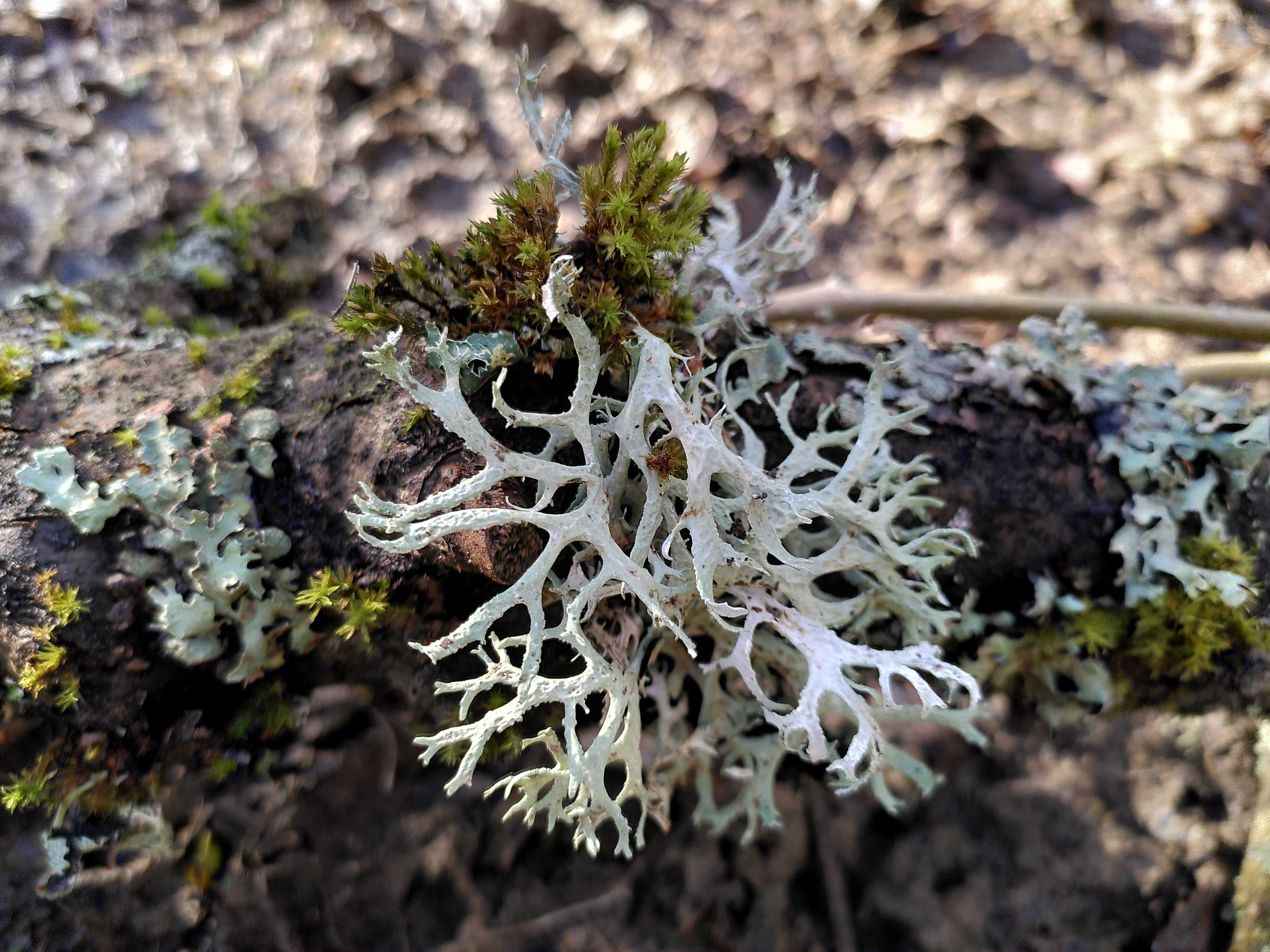
Out on my exercise for the day, I stand in a frosty glade of bracken. Silver birches are clustered at the edges, ash branches have collapsed and fallen to the ground. Their twigs reveal leafy lichens, in some places known as oak moss. There are real mosses too, little green pin cushions with their sporophytes poised.
The birds are foraging for life in this time of scarcity. A jay moves between trees and shrubs, flushing white wing-bars as it flies. Nuthatches are dripping from the tree trunks in both number and sound. Further away the hooting of two tawny owls ruffles out of the trees, half-baked. Are these early territorial warning signs? Spring, indeed.
Alarm calls break across the branches and bare blue sky. It is a beautiful day. Knowing these alarm calls mean something is happening, I look up at the patch of sky over the clearing. From the north-west two birds fly close to one another, on passage. To identify them will take a process of elimination:
Wings too sharp for sparrowhawk
Too small and direct in flight for buzzard
Too big for merlin
Hobbies are holidaying in Africa
Tail too short for kestrel
They’re peregrine falcons, stars in a different sky. Perhaps they are returning to the South Downs and an early morning hunting pigeons in the towns. Maybe they’re a pair getting to know each other and seeking a place to breed. Wherever they’re going, bit by bit, winter is edging away with them.
In Sussex we’ve been treated to snow and ice, followed by a sudden jump in temperatures to something spring-like. For mushrooms, it must be a confusing time. It definitely is for this manshroom.
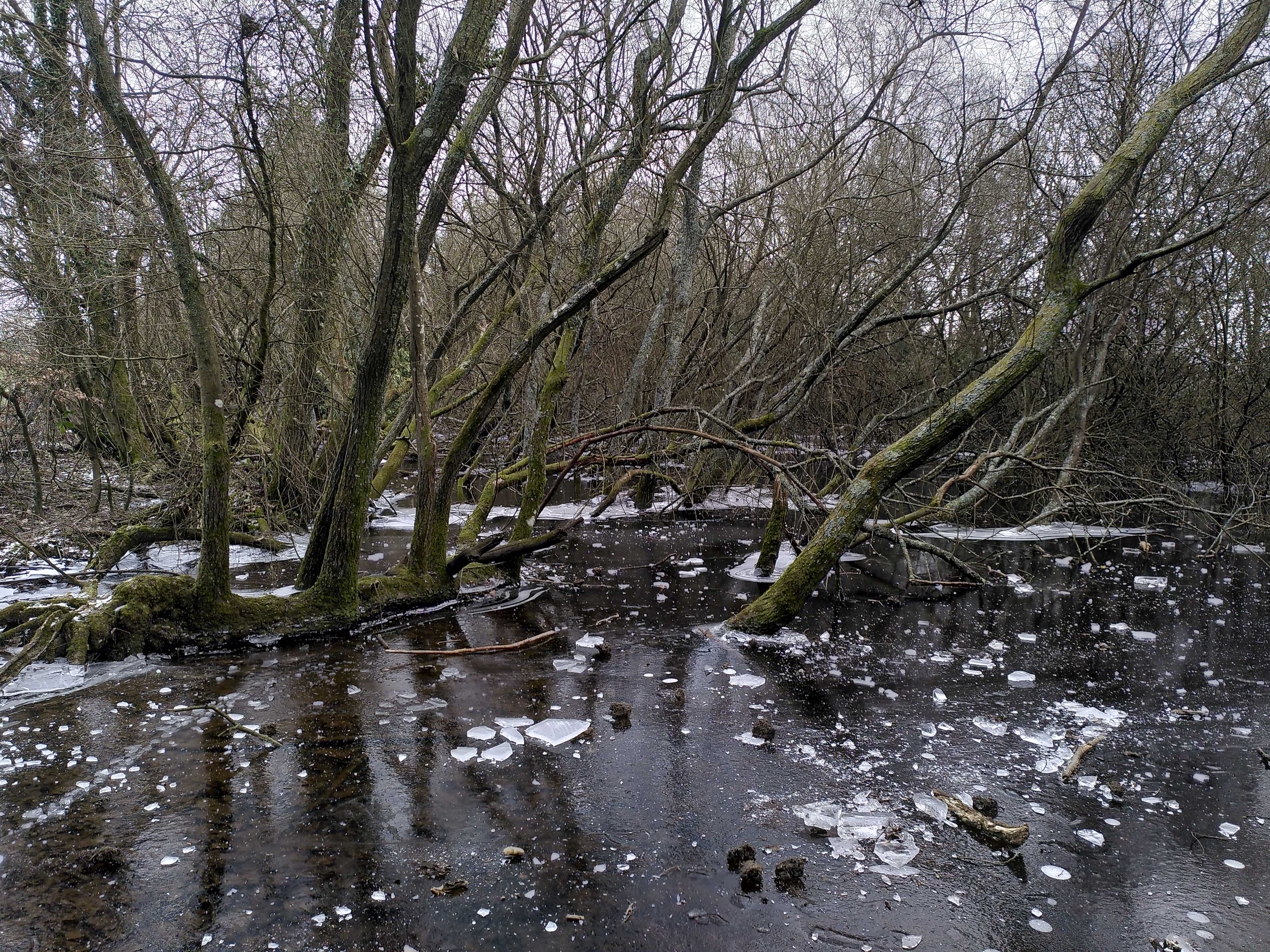
A frozen pond in the Sussex Weald
Today’s post is brought to you by phone pics. I’ve been a bit confused by messaging around lockdown laws in the UK, where it’s unclear if you can do photography at all. It’s just not that important, though. People are suffering beyond my comprehension and in England our National Health Service is under incredible pressure. I’m lucky and I do not take for granted the privilege I have in being able to access the countryside within a few miles of walking.
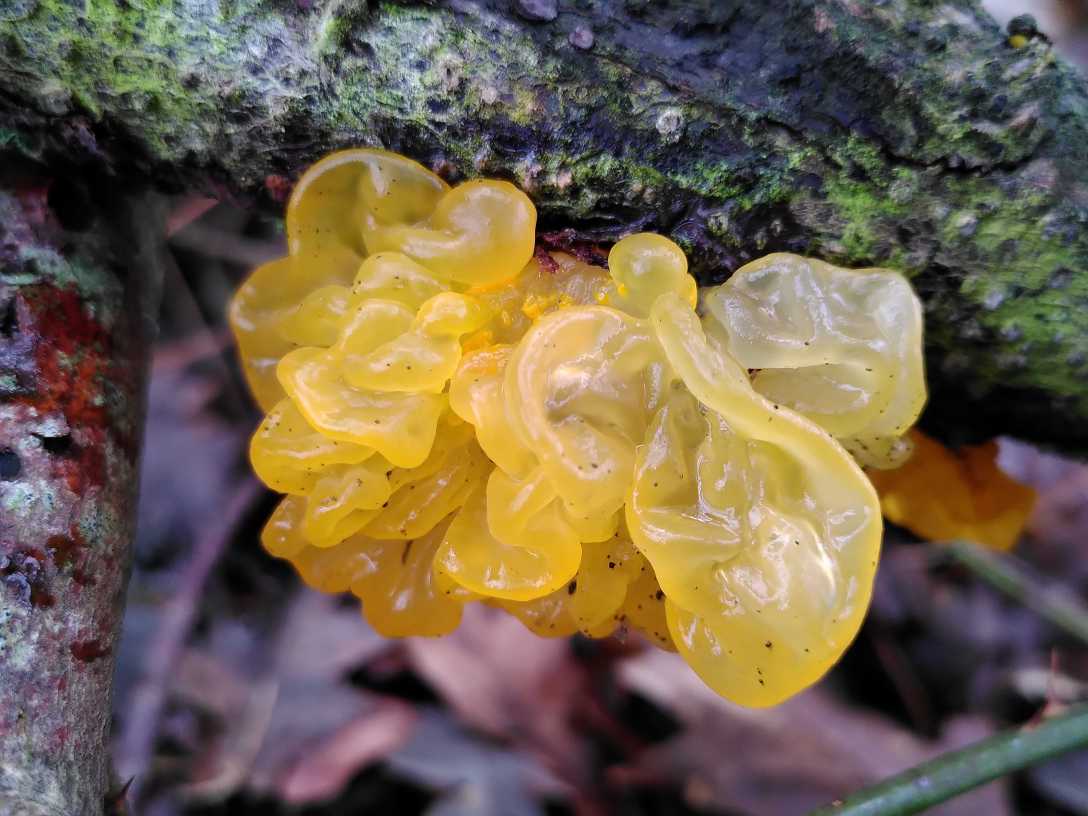
Yellow brain fungus
For the benefit of international readers, in England we’re supposed to only do walks from home or those involving a short journey. I’ve not been to my usual local woods in a while, but I can get to the edges of them or at least some mature, tree-lined avenues within a couple of miles whilst keeping away from other people. The standout fungus during walks this winter has been yellow brain, Tremella mesenterica. It is such a beautiful fungus and so unusual to see something so bright in the dark scenes of an English winter.
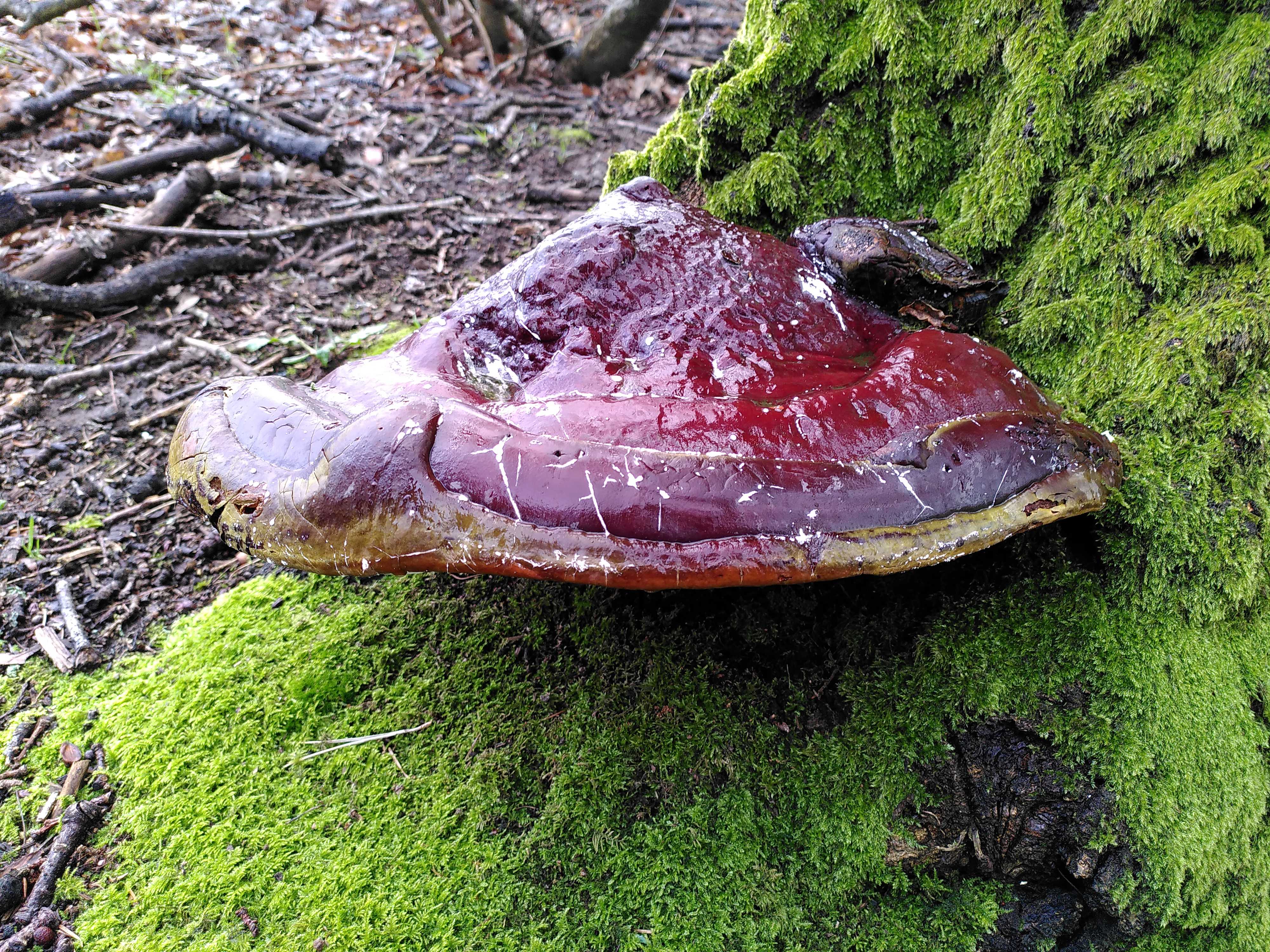
Lacquered bracket (Ganoderma lucidum)
There’s a reason so few soil-based mushrooms are found in winter – the ground freezes and most fungal hyphae are unable to move through the frozen substrate. Fungi that grow from dead wood or other material can continue to do their thing. This rather pooed-upon bracket fungus is known in the UK as lacquered bracket. On social media you see lots of American accounts raving about reishis. There is even a website dedicated to the species under that name.
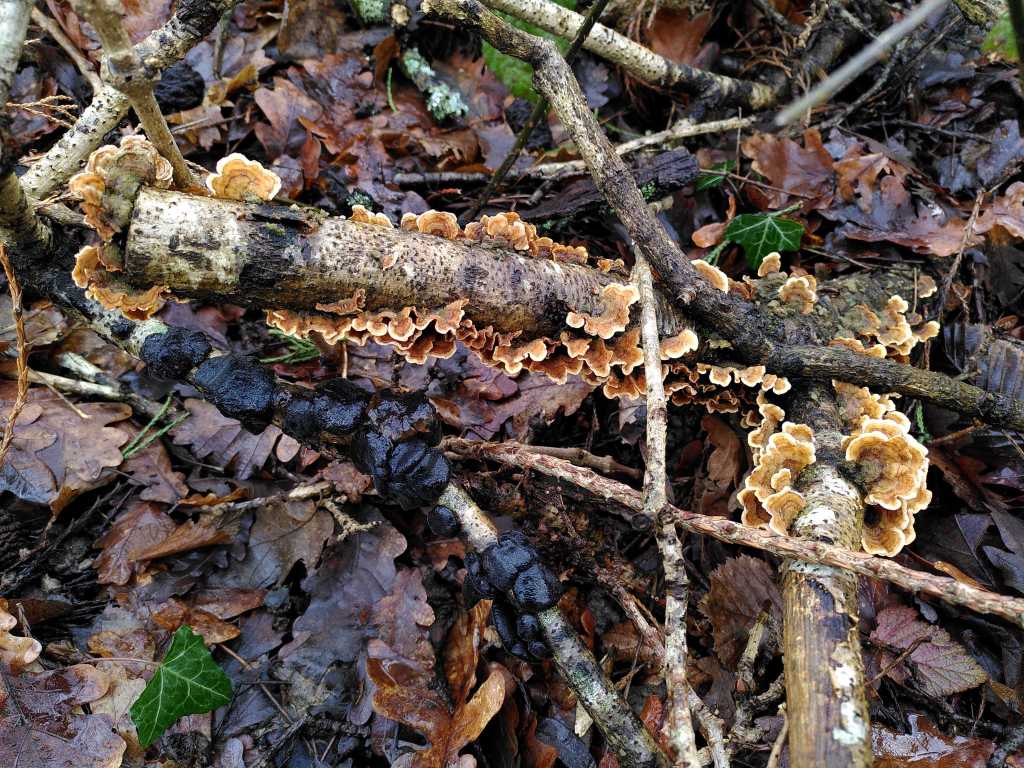
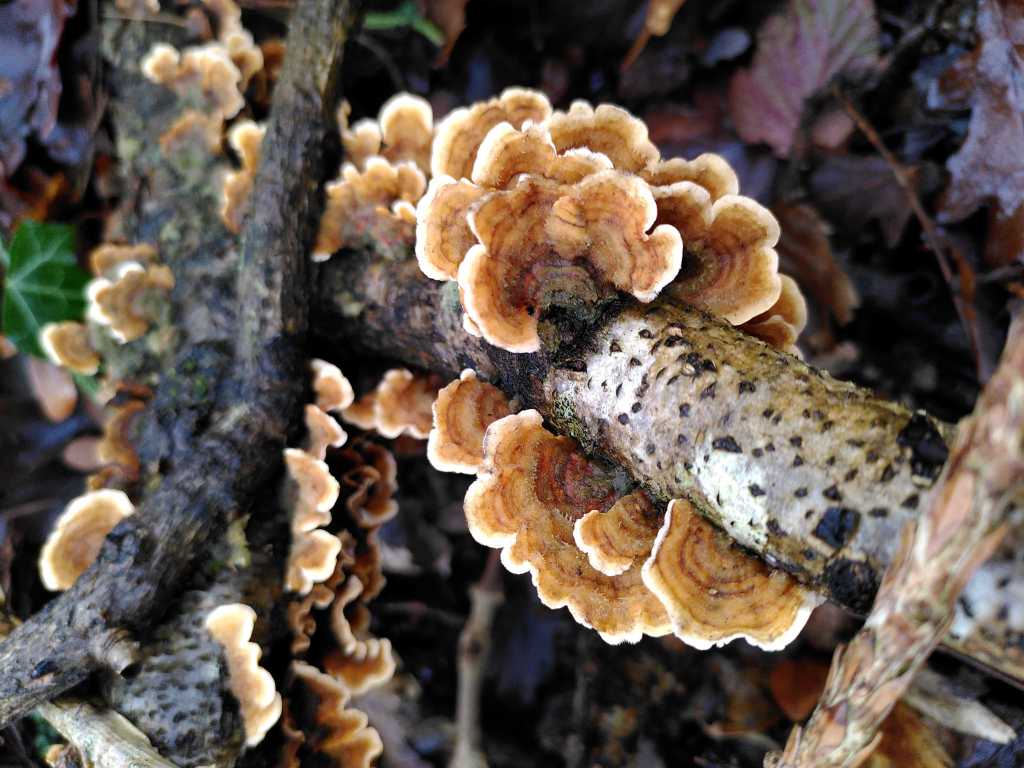
A stick rich in life
I wrote a little bit about turkey tail last week, and this week’s post is late because I entertained the idea of a turkey tail post in itself but eventually didn’t have the time. I think this is turkey tail. It’s quite a variable species so if you don’t know the basic features, can be confused with others. I’m it that camp.
Jelly ear
Jelly ear has to be one of the species people notice first. It was my first ever #FungiFriday post! It looks like a body part, is tactile, non-toxic and grows on a common European tree – elder (Sambucus nigra). It’s also very common in urban woodlands and green spaces, which means it reaches a wider audience.
Curtain crusts
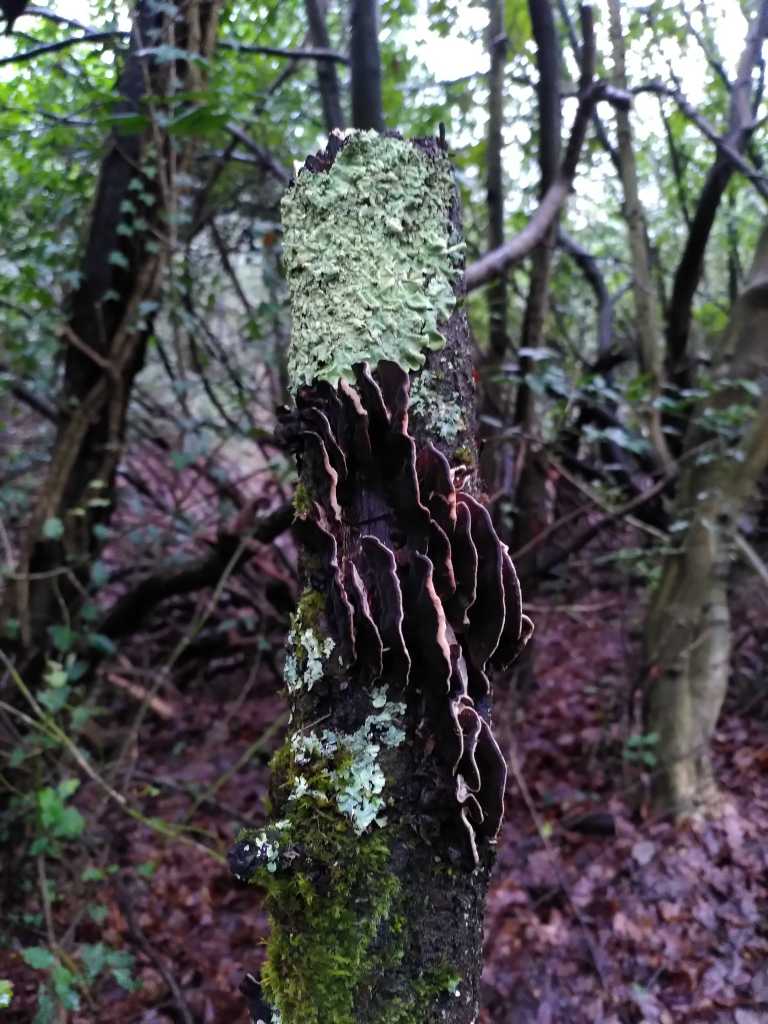
Quite similar to turkey tail is the Stereum family. This is probably hairy curtain crust (yep) and is very common in these months when rainfall is high and temperatures are hovering between 5-15 degrees Celsius.
Ganoderma bracket fungus on a veteran beech tree
On a longer local walk I found this veteran beech tree. It had a massive bracket fungus growing at its waist. This fungus had become very woody in texture, which shows how they can survive cold weather. I’d like to get back to see it when it starts to build up its next layer. You can read more about bracket fungi here.
For a long time I’ve been intending to watch Fantastic Fungi, a feature-length film about, you guessed it, fungi. You can watch the film for a fee via the Fantastic Fungi website.
I thought the film was inspirational. In dark times it gave a sense of the deep resilience of fungi and their role in the world. The time-lapse footage is some of the best you will see, from my experience. There is also stunning CGI visualising the interconnectedness of fungal hyphae and the roots of trees and plants. The image of a perished mouse decaying, being recycled by insects and fungi, and then sprouting with plants, will stay in my memory.
A clip from Fantastic Fungi
Perhaps that’s one of the things about fungi that is so hopeful – it can give a vision for life beyond dying. Death is not an end.
One surprise with the film was the extensive coverage of Paul Stamets, one of America’s leading mycologists. As one person commented to me on Twitter, he was so prevalent in the film it could really have been named after him! He is an incredibly engaging speaker and has achieved fame with his YouTube talks.
Stamets makes a great point about the need to protect old growth woodlands, especially those where he lives in North America. The argument (beyond many, many others) is that they are reservoirs of undiscovered medicines and scientific advancements. There are species going extinct which we have not yet even identified. There are plants and fungi which could change the world, or indeed save it, which are being destroyed with their habitats. Much of this is for logging and clearing land for agriculture.
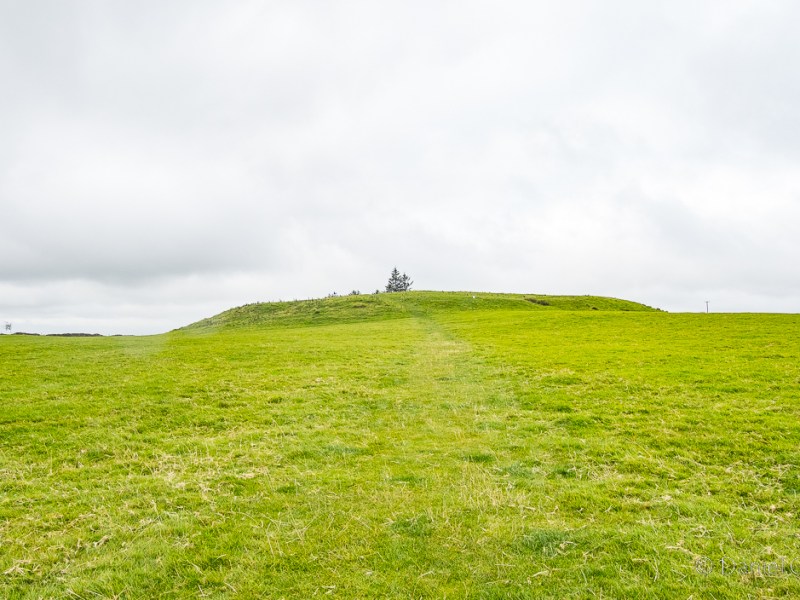
Rathcroghan, Roscommon, Ireland, September 2024 This short post shows some of the images I snaffled from a pit stop at the ancient Celtic landscape of Rathcroghan, while travelling from Mayo to Dublin. Apologies if I mangle any of the Irish mythology, it is not a subject I’m at all familiar with. Rathcroghan is one of…
Amberley to Washington, West Sussex, 4th June 2024 The photos in this post are a mix of Olympus EM-1 MIII mirrorless camera images using a 12-100mm (24-200mm full-frame) lens, with a few phone pics for detail. The photos have been cropped, marked and enhanced in places using Adobe Lightroom. I do not purposefully use Generative…
The other day I saw a baffling tweet from someone angry that people were declaring ‘spring is here’. The person mansplained February and told people to ‘get your head down’. For me, observing even the most minute hint of spring in midwinter is a real cause for hope, especially in a pandemic. For me it’s the vixen’s glass-shattering bark in January, a sign that foxes are mating, and that cubs will soon be playing in the railway sidings among primroses and (in British urban environs) Spanish bluebells.
The seasons are not chunks of meat separated out through the year. I think it’s important we notice and appreciate the smaller things. They can teach us about our changing world.
Now to the macro. Last week we had one day of glorious sunshine, amongst what has otherwise been a grey sky shutdown. My personal relationship with direct sun is getting more complicated, with skin that burns within minutes without protection. This is the kind of weak winter sunlight I can get behind, or in front of?
On that sunny day I popped into my garden for just 10 minutes to catch some of those gentler rays and see what was stirring in the wild micro-world.
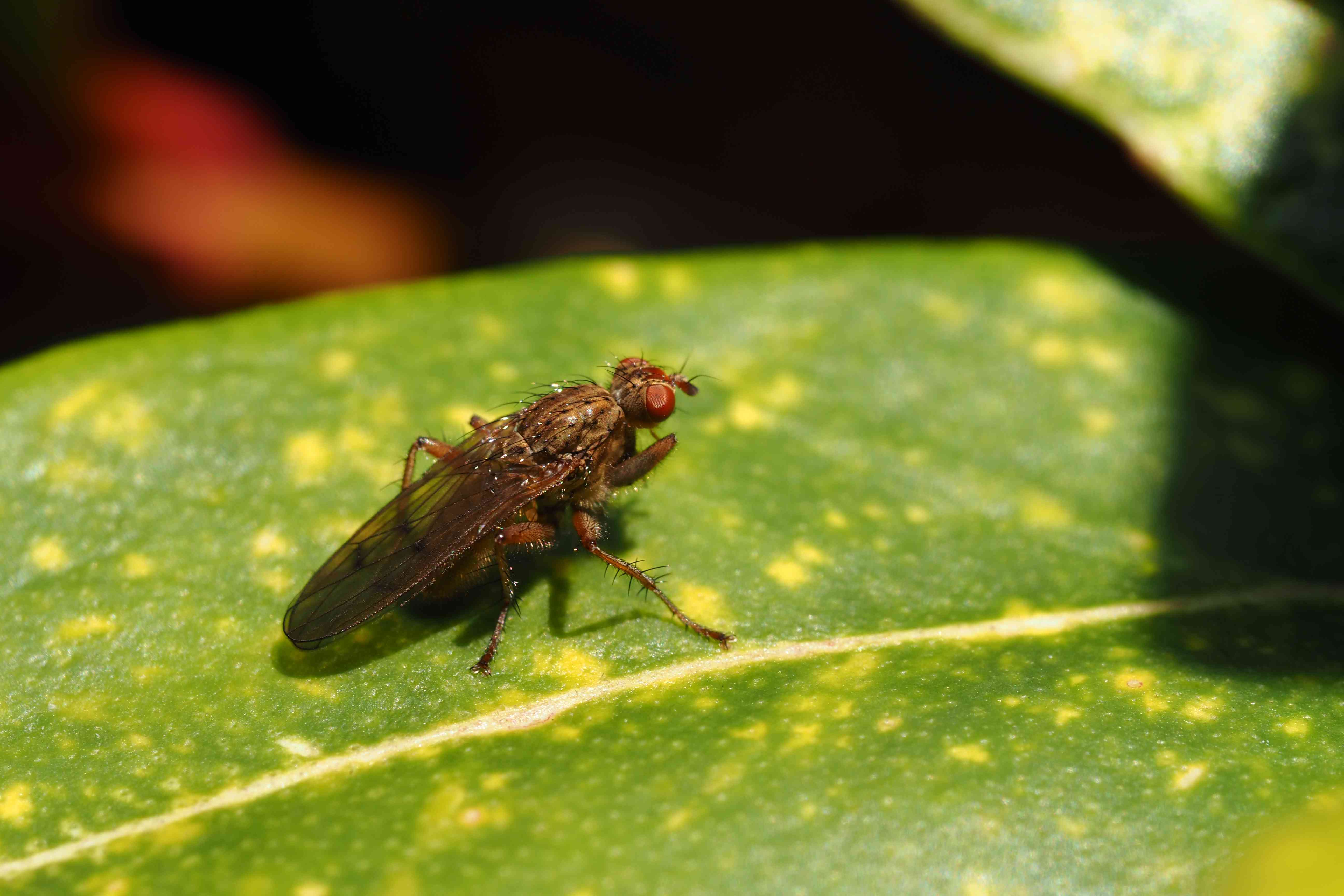
This fly was not bothered at all by my presence. I think it’s something like a yellow dung fly.
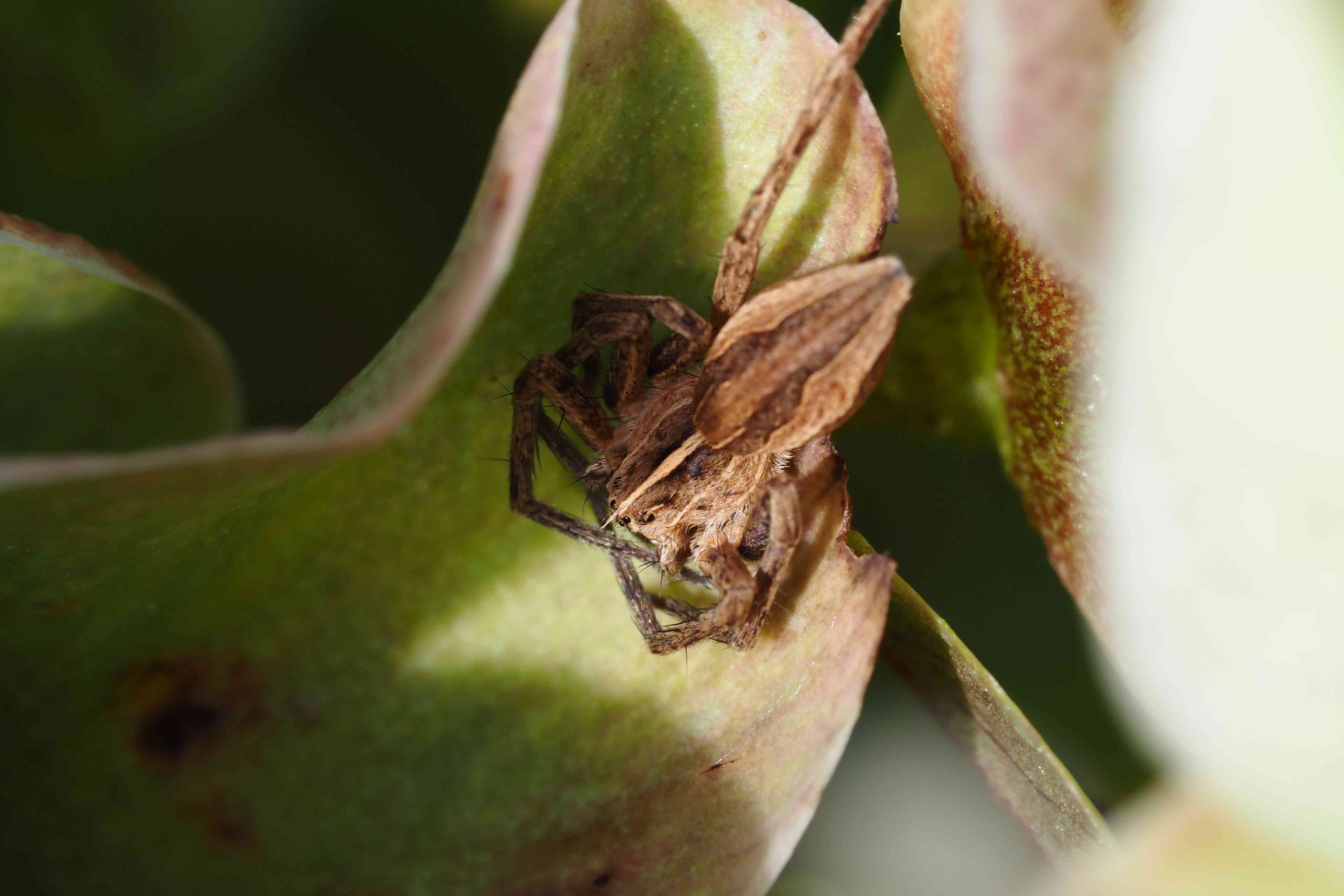
Revisiting one of the best patches for spiders and other inverts in my garden, I found this nursery web spider basking on the petal of a winter hellebore. They remind me of early spring, the time of lesser celandines.
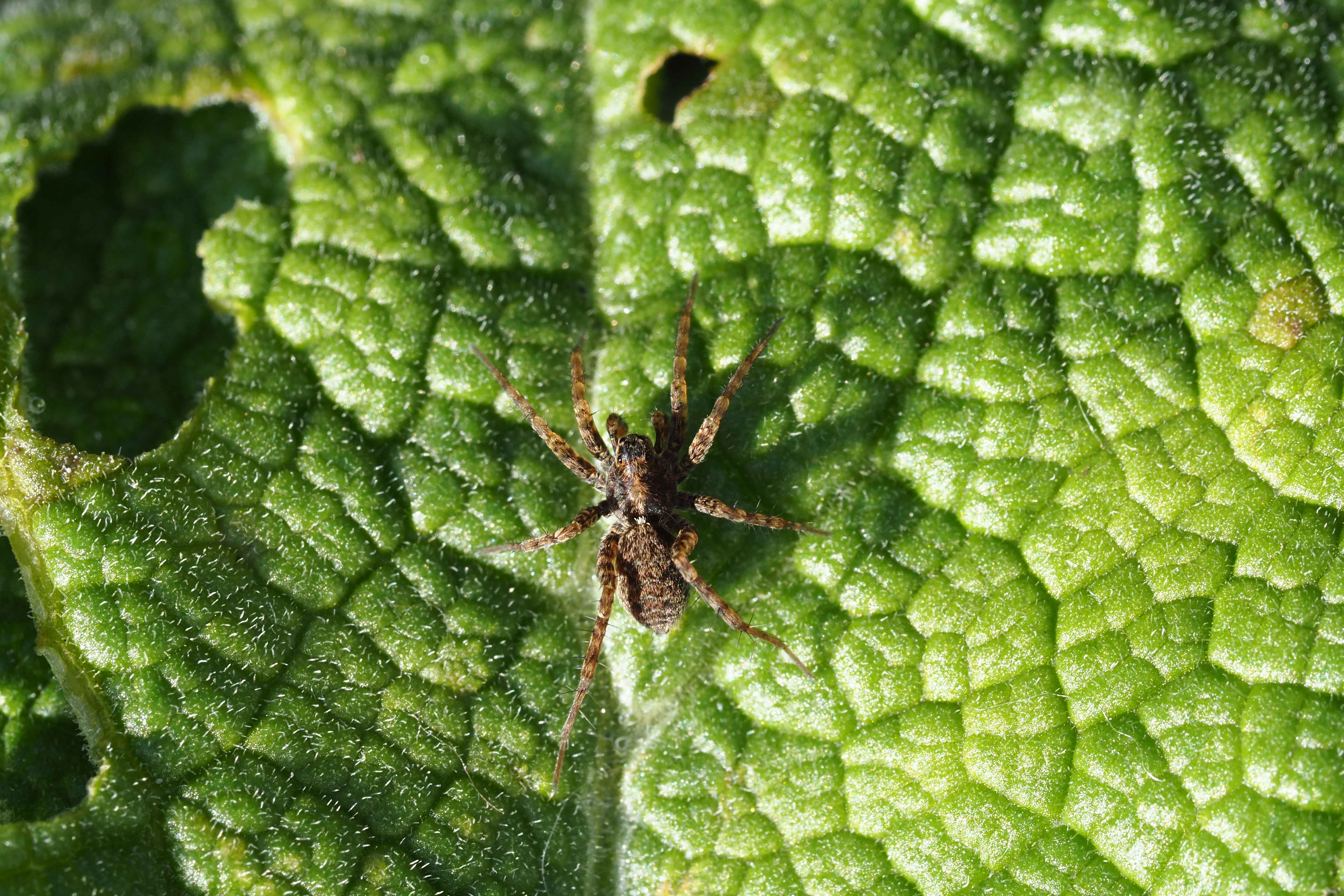
On a nearby foxglove leaf was another spider. This is a species of wolf spider which is commonly found in this little patch. My spider knowledge is basic, but I would say these two species are common in urban areas.
Finally, it was nice to see some genuine larger fungi growing. This is maybe turkey tail or smokey bracket, a small polypore nonetheless. It’s growing on a small stump left from a tree of a former owner. I’m glad it’s there!
Get ready for bad mushroom photography. But first I wanted to link to this interesting Mushroom Hour podcast with Learn Your Land, that I listened to this week. Some very thought-provoking ideas around landscape conservation, belonging in the landscape and our own impact as individuals. Here’s an example of one of the Learn Your Land YouTube videos:
Back to the bad fungi photography.
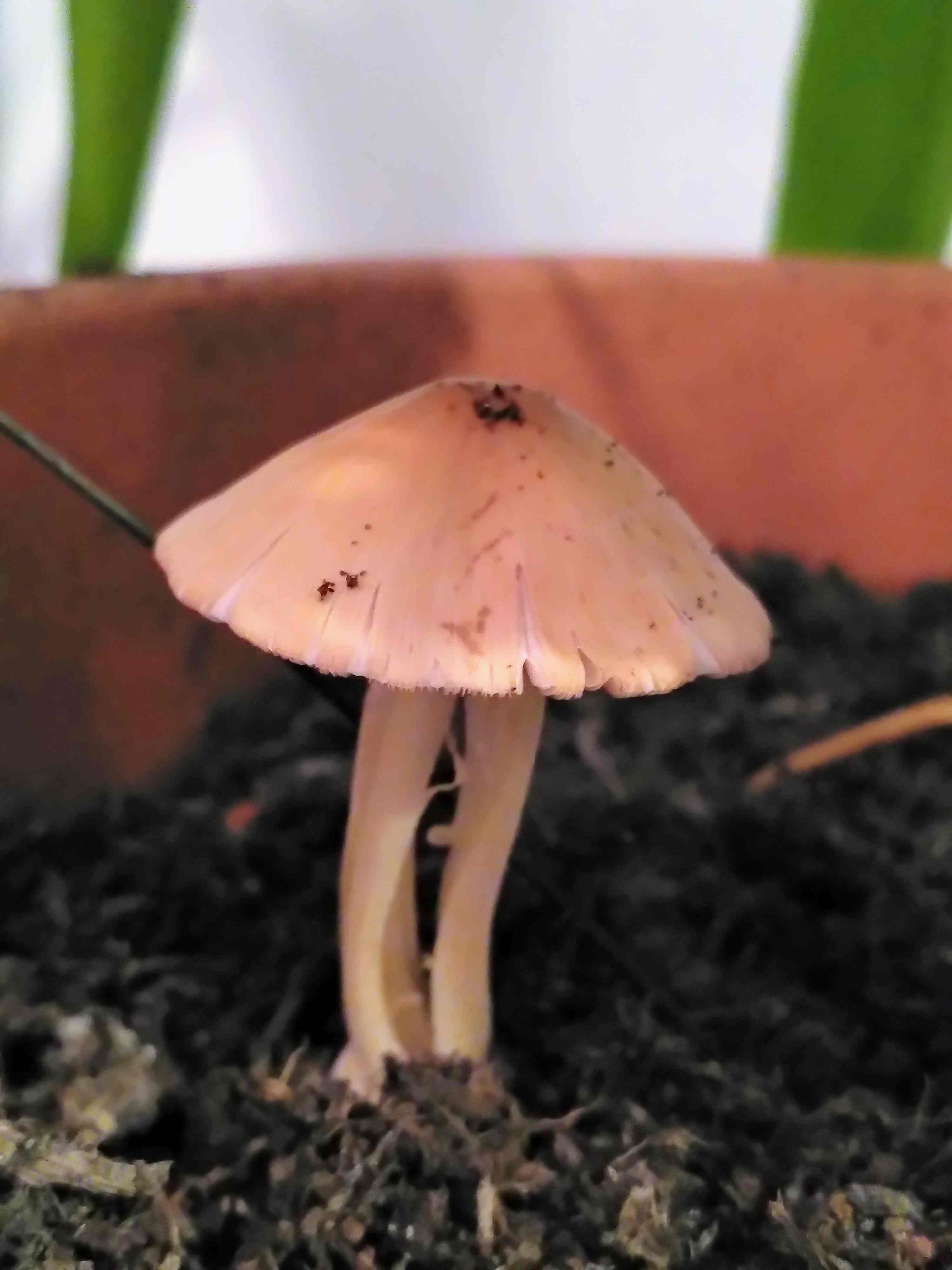
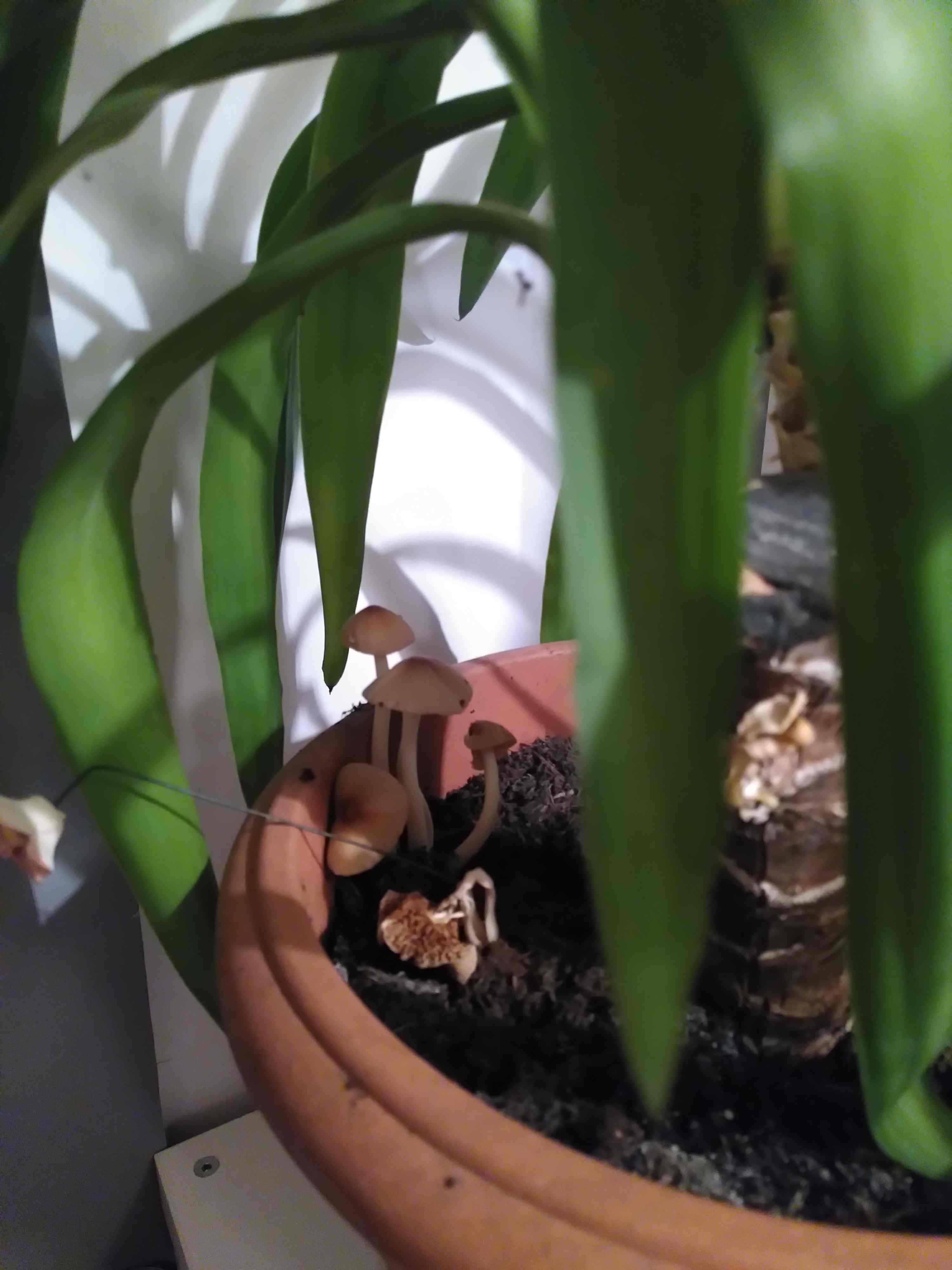
In December, I was sitting at my desk, working from home, when I turned around and saw a mushroom growing behind me. This was quite unexpected. The mushroom was growing from the soil of a houseplant on a cabinet behind me.
The plant itself had spent the summer outdoors, so I expect the spores of the fungus have landed on the soil while outside. You can see that the stipe (or stem) has split, probably due to rapid growth and the heat coming from the nearby radiator.
Here is that same mushroom possibly a couple of hours earlier. It moved incredibly quickly through its fruiting stages.
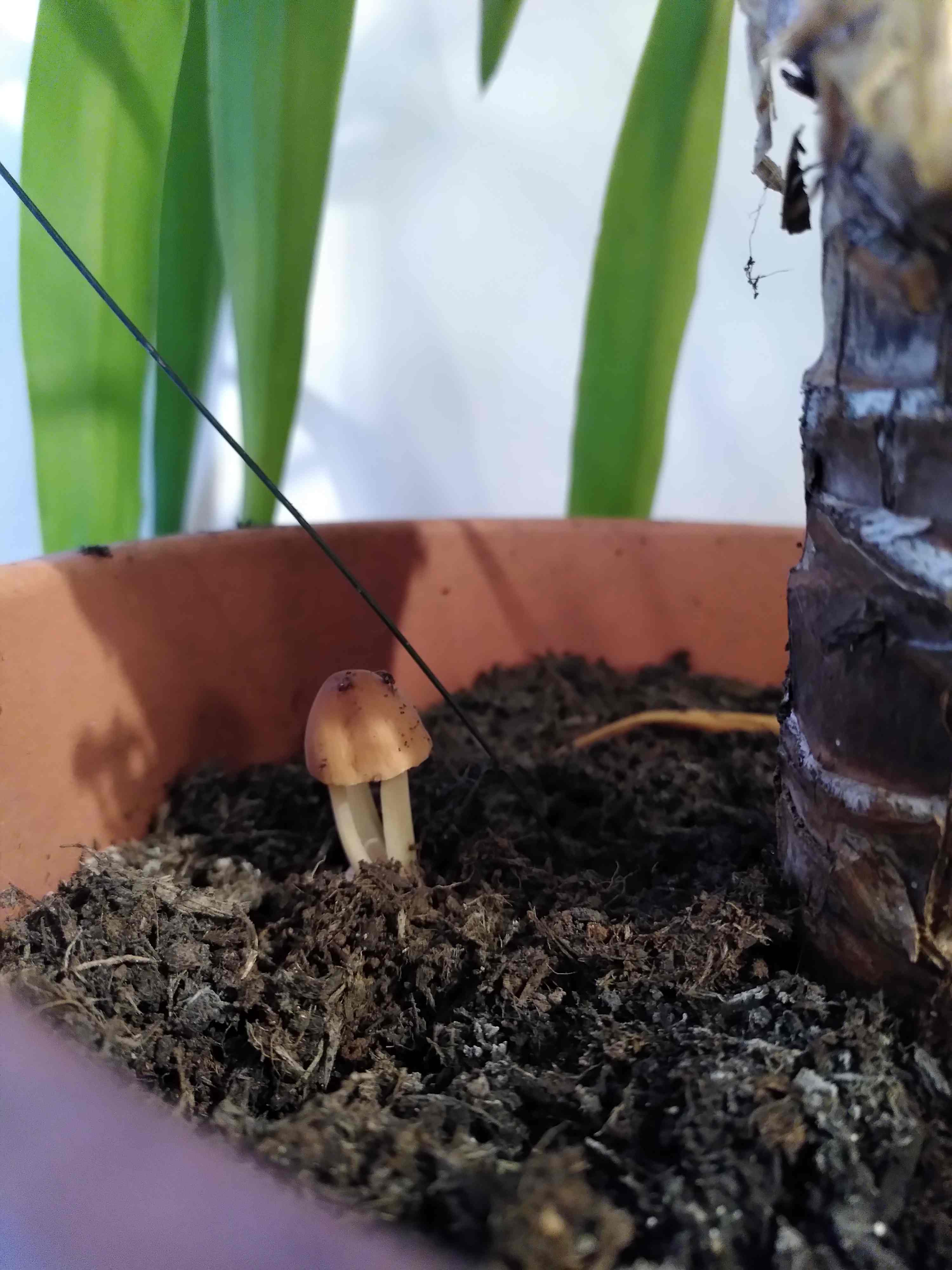
That wasn’t to be the end of it. The following day I noticed more shrooms appearing at the edge of the pot.
This shroom family also moved fast. I think they’re a species in the very big brittlestem or Psathyrella family.
Didn’t I promise you the pics would be bad?
It’s probably not great having mushrooms growing in your house, and I fully expect a barrage of comments about how my house is going to fall down now from builders. All in all, however, I was quite pleased with the tropical scene on those dark midwinter nights.
I’ve had a burst of American visitors in recent days (to my blog, not my house). So thanks for visiting, y’all, and sorry about the year you’ve had. You may have noticed I’ve slipped to monthly posts on here. Between April and October I posted blogs every Monday without pause, which is a tricky task…
I’m really pleased to say that I’m in the process of launching a podcast. It’s called Unlocking Landscapes and will, unsurprisingly, be about people and landscapes. Below you can listen to the podcast intro:
I grew up in the historic territory of the Great North Wood in south-east London, so this subject is of big personal interest for me.
It’s pretty daunting starting a podcast and also fairly cringe-worthy listening to your own voice. I’m hopeful of posting the first episode on Monday 8th February. It’s an hour long and I’m still working through the edit. The first one will be the most difficult because of all the work submitting it to podcast channels and getting used to editing audio again.
The podcast is now being accepted to podcast providers so it should be on Google, Apple and Spotify in the next couple of days. Please subscribe!
At the moment this is a labour of love and is totally funded by yours truly.
The episode will be of particular interest to those who live in south London and are keen to understand more about London’s rural and cultural history. It will also be of interest to those who want to learn more about the how human history has impacted woodlands over time.
This has been a surprisingly good winter for fungi. One thing I have learned about following the stuff all year round is that it is everywhere, all the time. I knew before that fungi ruled the world, now I know it. Look at the blusher mushroom dominating this post and try and tell me it ain’t true.
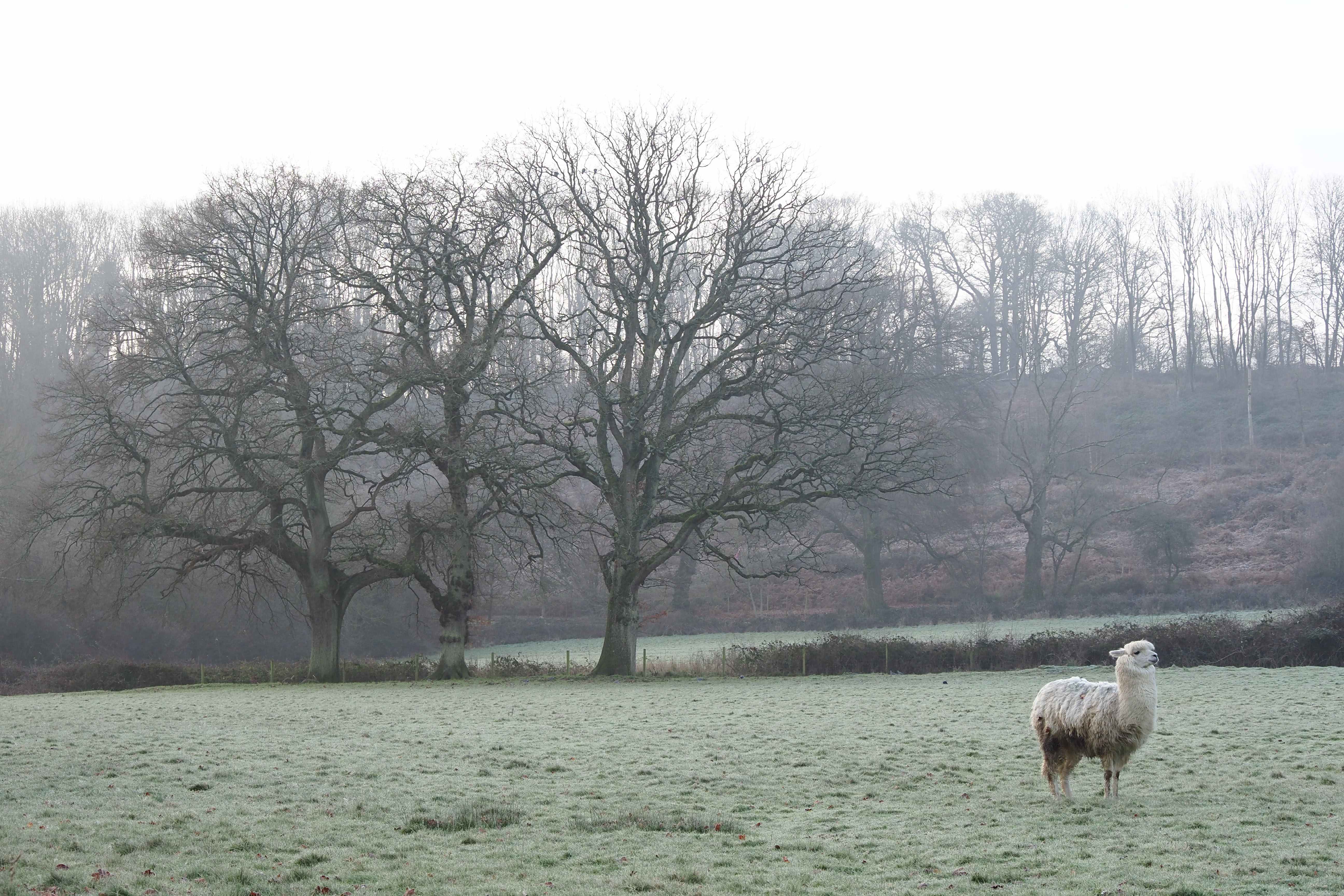
Frosty the alpaca
December in southern England has been colder than we are used to. In the past decade some Decembers have been, on average, around 10 degrees Celsius (remember him?), with one Christmas Day rocking an incredible 16 degrees. Instead we have had temperatures around zero for longer periods and last weekend there was snow. It lingered in London, Hampshire and other parts of the UK but in Sussex, it didn’t. Oh well.
I should probably move on, I have a lot of photos to catch up on.
I learned a new species in December, thanks to an ID on iNaturalist. I was walking in woodland in the Sussex Weald, in my local area, looking for macro subjects. By chance I saw some small white mushrooms on a piece of oak wood on the ground. I have a new camera which can stack together several photos to make one which has a large range of focus.
I hunkered down with these tiny shroomlets and managed to work the image stacking, as seen above. These tiny white mushrooms are oak pin (Cudoniella acicularis).
On the same day, and on several following, I noticed the prevalence of blewits. The blewit above (probably wood blewit) was growing from some leaf litter on the buttress of an old oak.
Around Christmas I found some other populations in a local cemetery. It obviously was having a little winter fruiting period, or shroom-boom.
This felled fungus offered a good chance to show off the mycelium. The white fibres in the substrate of twigs and leaves, are the hyphae of the fungus. They are what produce the mushroom that we see above ground. These hyphae will be extracting the minerals and nutrients from this detritus and turning it into soil. Fungi rule the world.
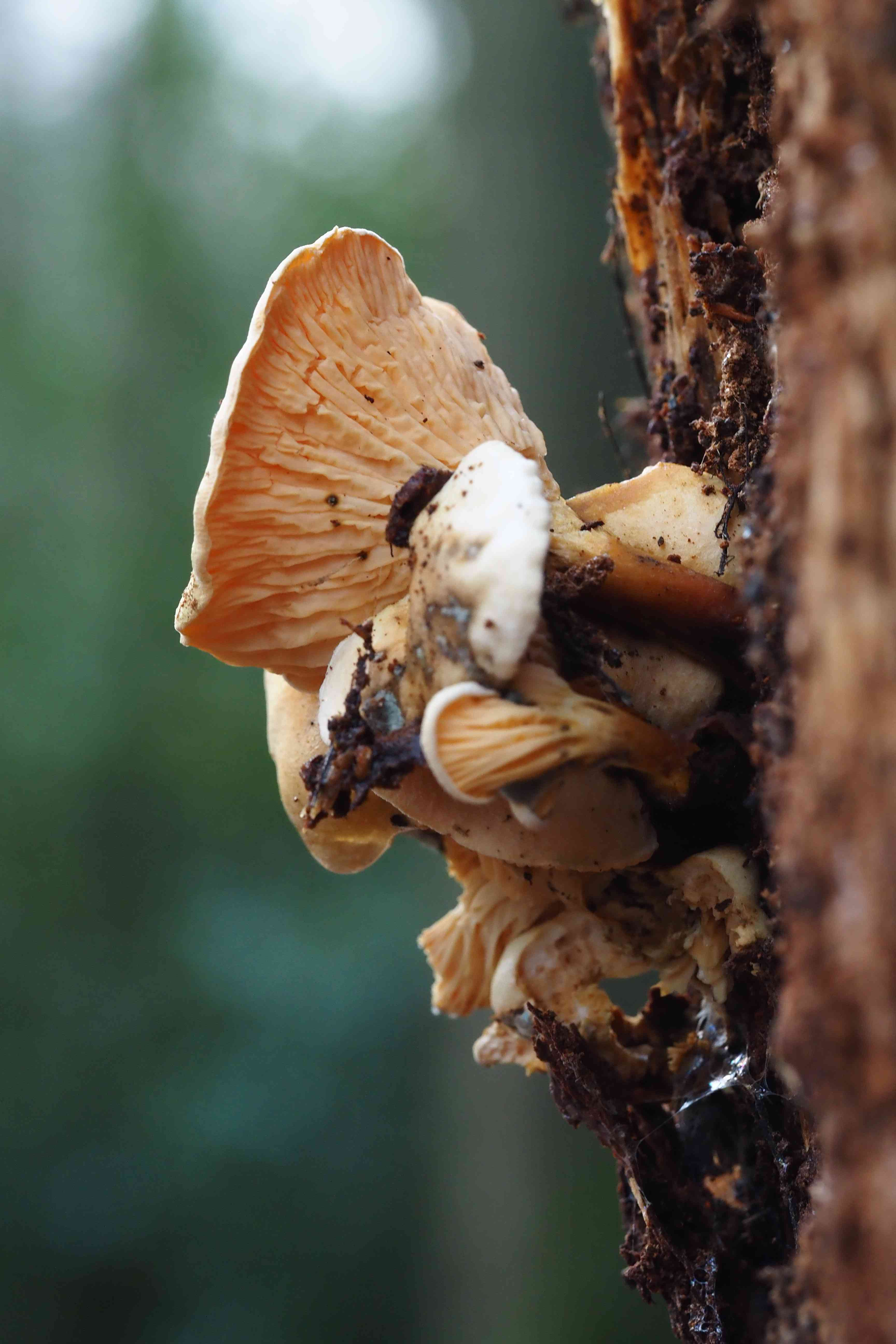
In that same cemetery I found an absolute stonker of a twig. This is a species of oysterling (Crepidotus). From above they look like weird little white bits on a damp twig, but when you turn them over, they are beautiful. I always look for them in December when there is generally not as much to see.
Also in the cemetery I found this. What on earth is this? It was growing on the single lobe of an oak leaf, lying on the soil near to the oysterling twig above. This image is also a stack done in the camera. I think it’s probably a slime mould, so not a fungus, but behaving in a way that is similar of course. If you know what this is, please do enlighten us the comments!
While we’re on slime moulds, this is a very happy cluster of something like dog vomit slime mould. You can see its journey across the ivy leaf from the white trails in the background. Let’s leave that one there.
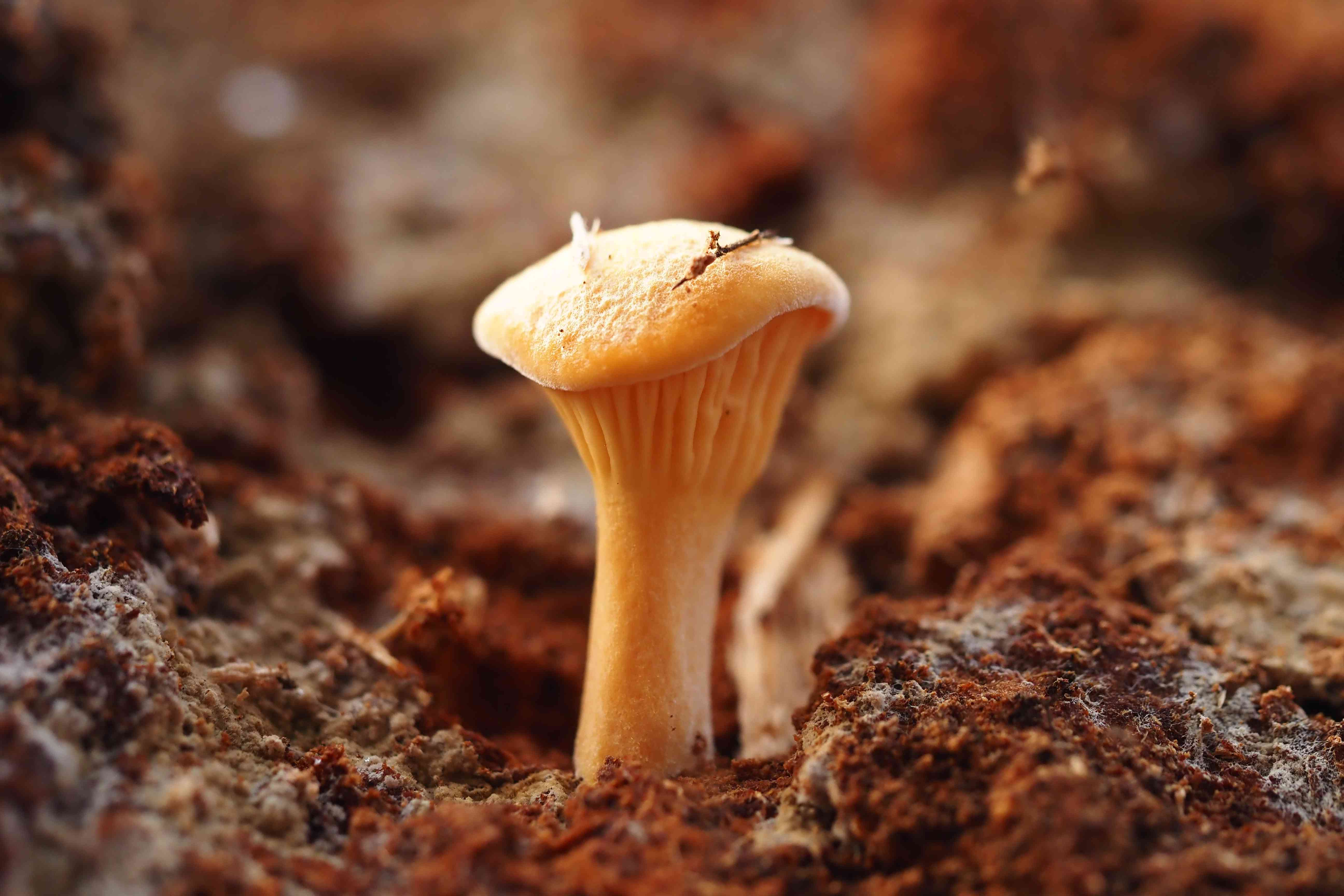
This one kept me guessing over Christmas. I found several of this species growing out of a standing dead pine tree in oak woodland. It smelled really nice, so sweet, just like chantarelles in fact. People on social media were unable to identify it, but the consensus was that it was probably false chantarelle.
You can see why people might confuse it with the real deal. There are several features which will help you not to make that mistake… Maybe another time.
I have been lamenting my lack of luck with the flammulina family, as in the mushroom, not a group of people. That would be a great surname though. My one true encounter with velvet shank, the most common of this family, was at a distance from a boardwalk surrounded by high levels of water.
This illustrates that point rather well. This is funny (only for me) because they are one of the most photogenic species you can find:
Velvet shank in January 2019
One rests one’s case.
While this toffee-like secretion may not be quite so eye-catching, it’s a new species for me. It’s cushion bracket (Phellinus pomaceus) growing on a blackthorn or other cherry family wood.
It’s probably best to end with a more appropriate species for the times. My walks are now close to home, in a town and into the rural edges if there’s time and light. On one lunchtime walk I found this colony of coral fungus from right next to the pavement. I have seen this before in London, at the roadside.
It’s even difficult to get photos of something like this because people are passing by and me lingering too long can literally force someone into the road to avoid me. So the photos aren’t focus stacked and they’re a fast food alternative to the slower pace I usually prefer for taking a mushroom pic.
In 2008 I began experimenting with urban night photography. It shows how much things have changed for camera technology that I don’t even need a tripod now. Cameras today can capture much more light without reduce the image quality than they could in the 2000s.
As we’re now unable to leave the house for much other than essential things such as food and exercise, it’s drawn me closer to home. At this time of year I be looking to do some astro photography on these dark January nights. At the moment I can’t travel away from light pollution but I’m still trying to learn as much about the stars as I can. Maybe I will post some of those home images, it’s not like things are going to change anytime soon.
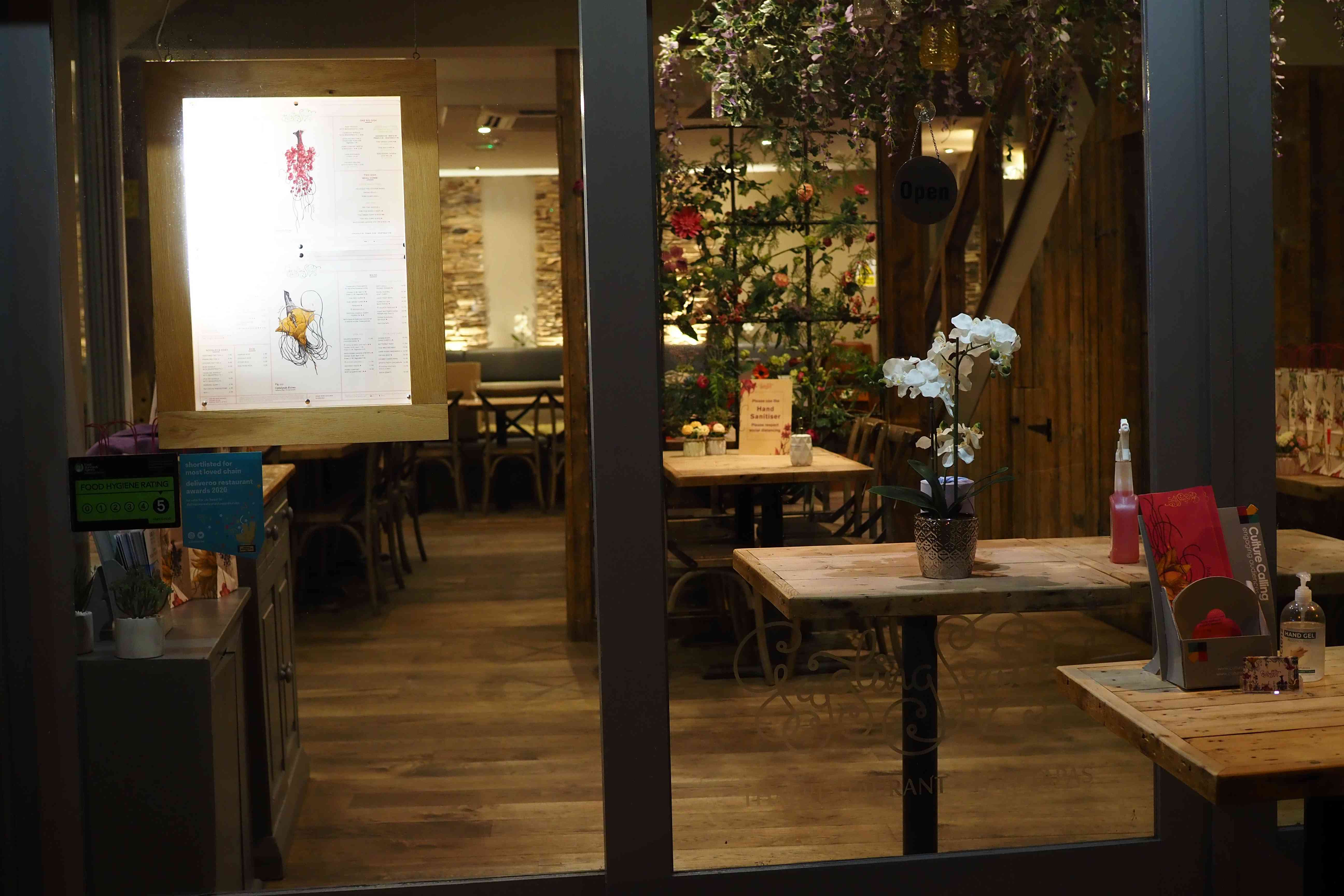
Usually this small town in West Sussex is bustling on a weekend night, with people visiting pubs and restaurants. On 10th January 2021 it was deserted but for people passing through.
Restaurants that you might once have been unable to book a table for were empty and only offering a remote delivery service. Note the disinfectant indoors and hand sanitiser outside on the menu table. A sign of the times.
Elvis is also staying at home.
These large stickers urge people to keep to the left, but it seems to have very little impact. You would need to completely redesign the townscape to make it work. This is going on for so long, you wonder if that will begin to happen, especially for new developements?
The local shopping centre was still open to visitors, though everything essential had closed for the day. I wonder if these handsanitising units will remain in place permanently now.
Christmas lights are perfect for practicing bokeh, the blurry circles created when the camera is out of focus.
Businesses have been hit hard by the pandemic, but I wonder if some local shops are doing better in places where people used to commute.
This local statue at least offers a sense of humour to passersbys. We need it.
Dartmoor is renowned for its moorland and rocky hillscape in Devon, south-west England. It’s famous for its graphite outcrops or ‘tors’ which dot the landscape. It’s a very wet place, another reason why it’s so boggy. All in all a tremendous place for lichens and other moisture-loving organisms like mosses.
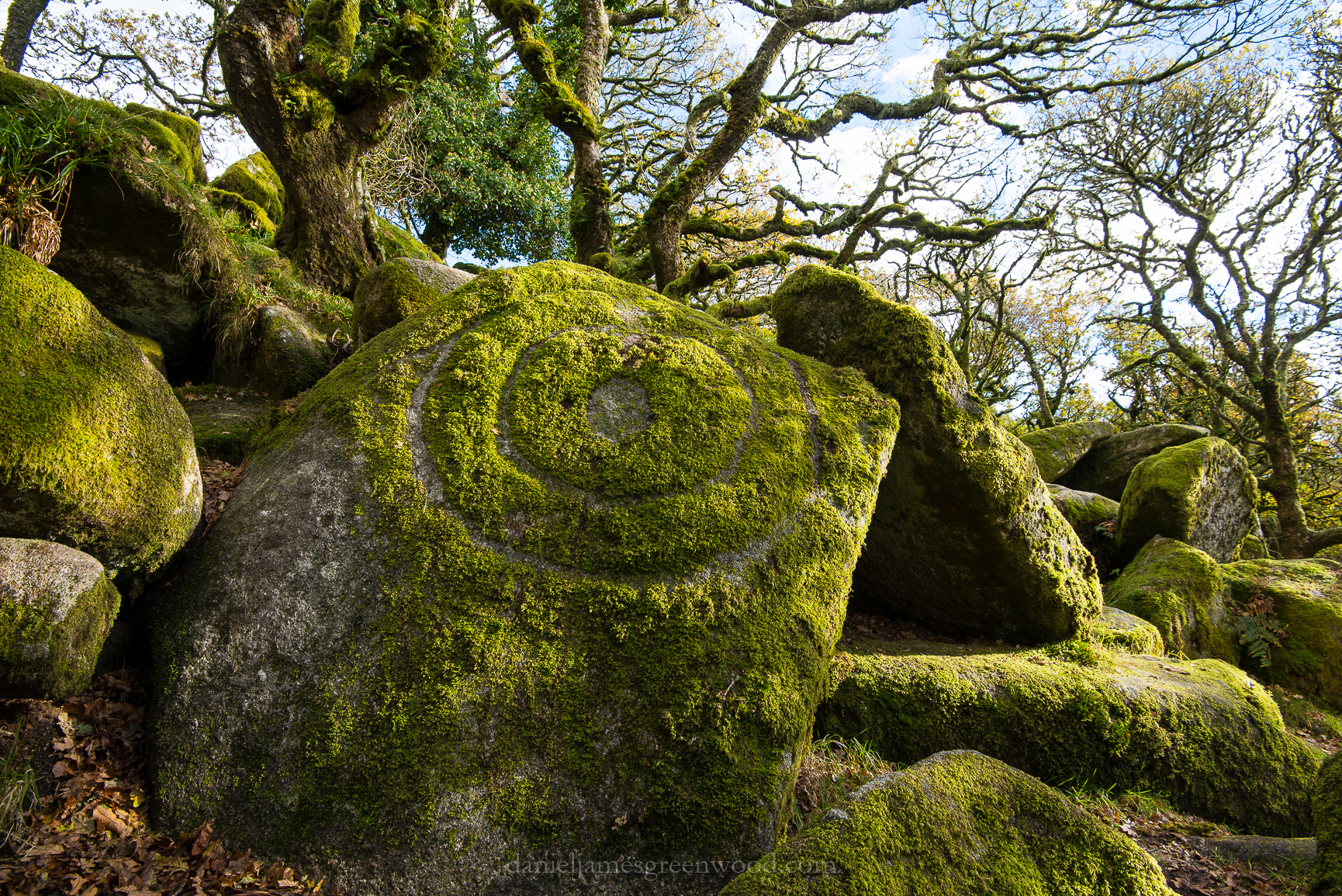
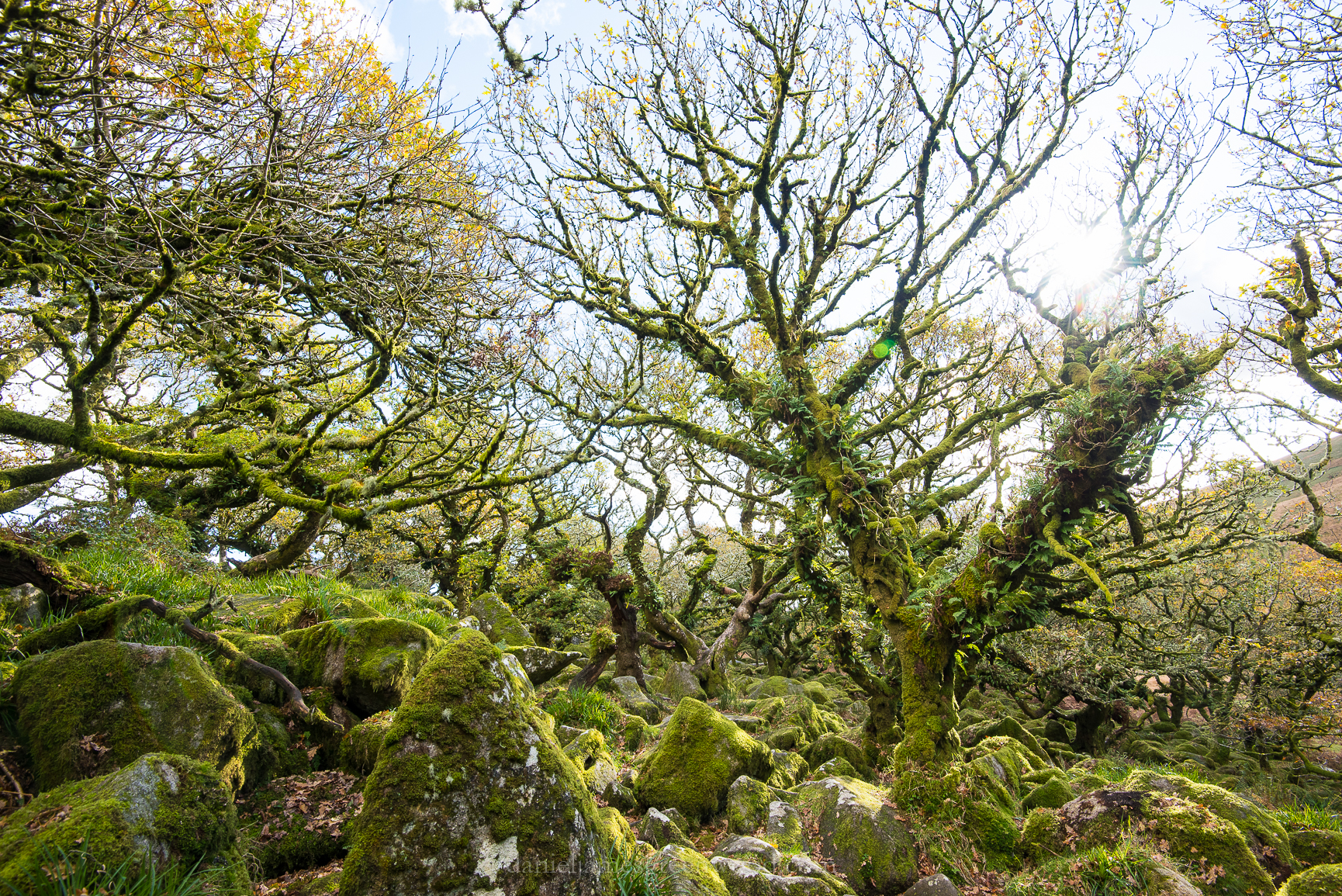
One of the most famous places in Dartmoor is a small area of woodland called Wistman’s Wood, a National Nature Reserve near Postbridge. This well-loved wood is home to scraggly oaks dripping in moss and lichen. These are also exceptional places for lichens. The wood itself is known for its misty scenes, with the trees clinging on to the moisture in the air. That is only a good thing for lichens and mosses.
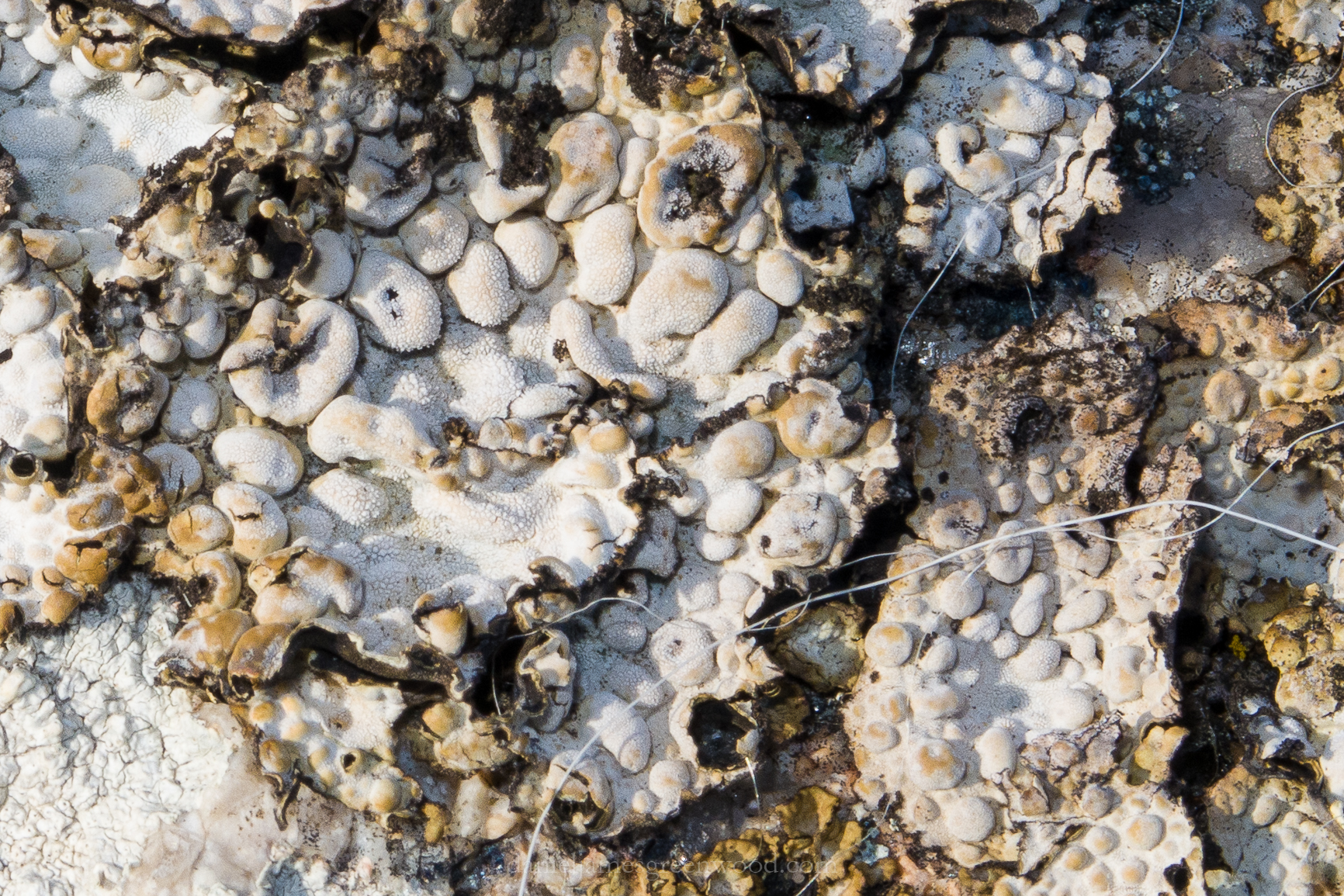
This bubbly-looking boulder lichen was growing on the approach to Wistman’s Wood. The threads in the lower right-hand part of the image are hairs from sheep or cattle which have squeezed past the rock.
Another boulder held a spidery community of foliose (leafy) lichens.
Mandarin duck with ducklings
Here is a rather nice example of a lichen-covered boulder in the river Dart. This is a female mandarin with her ducklings. This was in June and while rain isn’t unusual in Dartmoor in summer, you can see it has been warmer around the time of the photo because the mosses are blackened and dessicated.
Wistman’s Wood
The lichens in woodland like Wistman’s are found on rocky substrates and the branches of the trees. It’s interesting that these boulders are at great density in this woodland but not the same in the wider landscape. That is probably because the wider landscape has been cleared of woodland and then the boulders left behind, for livestock grazing. Woodland was cleared from Dartmoor long ago, mainly during the Bronze Age, from what I know.
This photo won’t display in portrait, but it’s an oak trunk covered in epiphytes – lichens, mosses and ferns coating the bark. This is the British and Irish equivalent of rainforest, or Atlantic oak woodland.
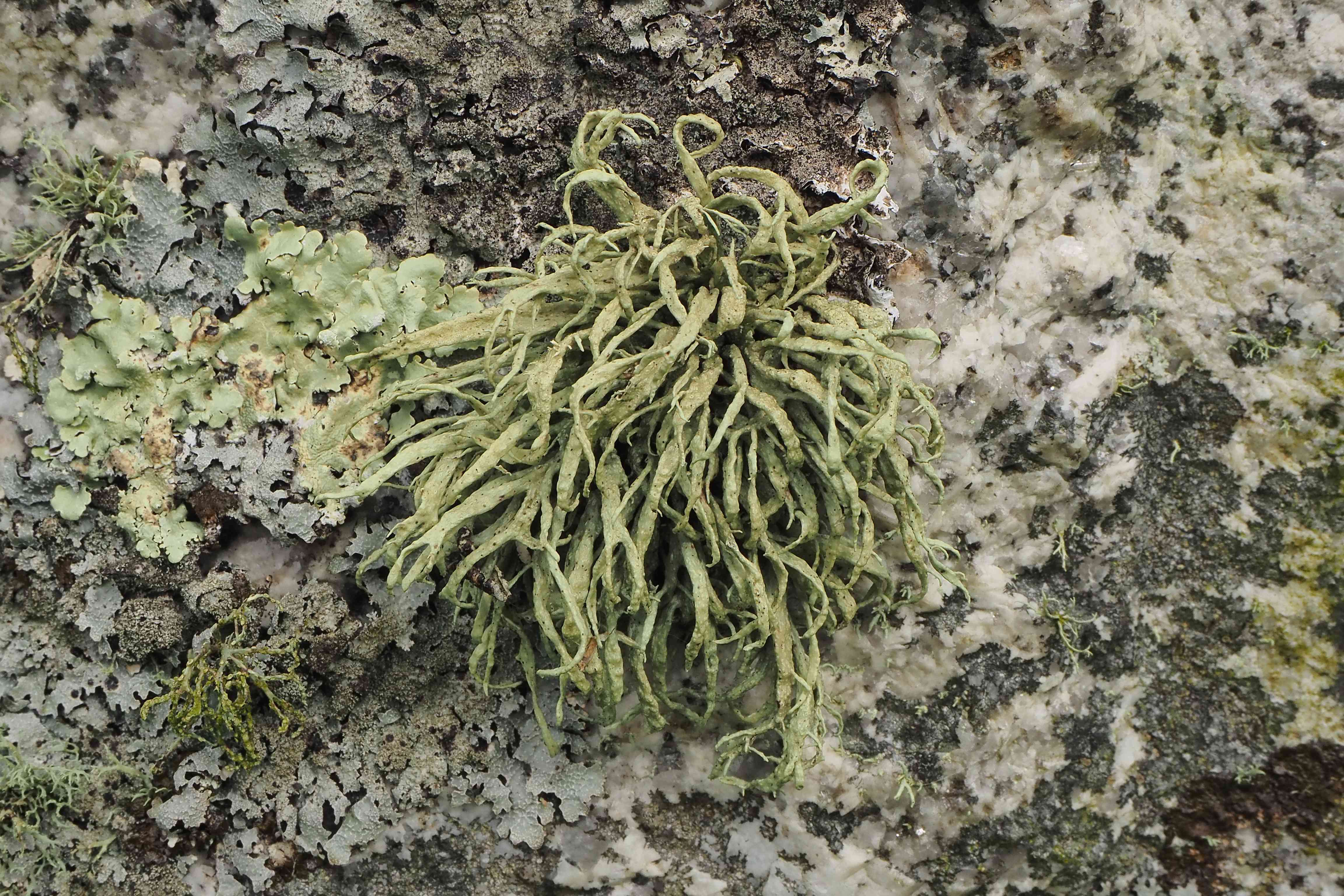
Dartmoor’s oak branches are rich in beard lichens, I think this is a species of usnea.
Some of the less flamboyant lichens, but probably more common, are these pore lichens. I think pore lichen is an American name, which isn’t used in Britain. I don’t really care and am always frustrated with the rigidity by which species recorders approach these issues. We need common names to encourage more interest in nature. I know Tyrannosaurus rex is a popular name, but Latin names do not capture the imagination in the way that common names do. Stinkhorn, anyone?
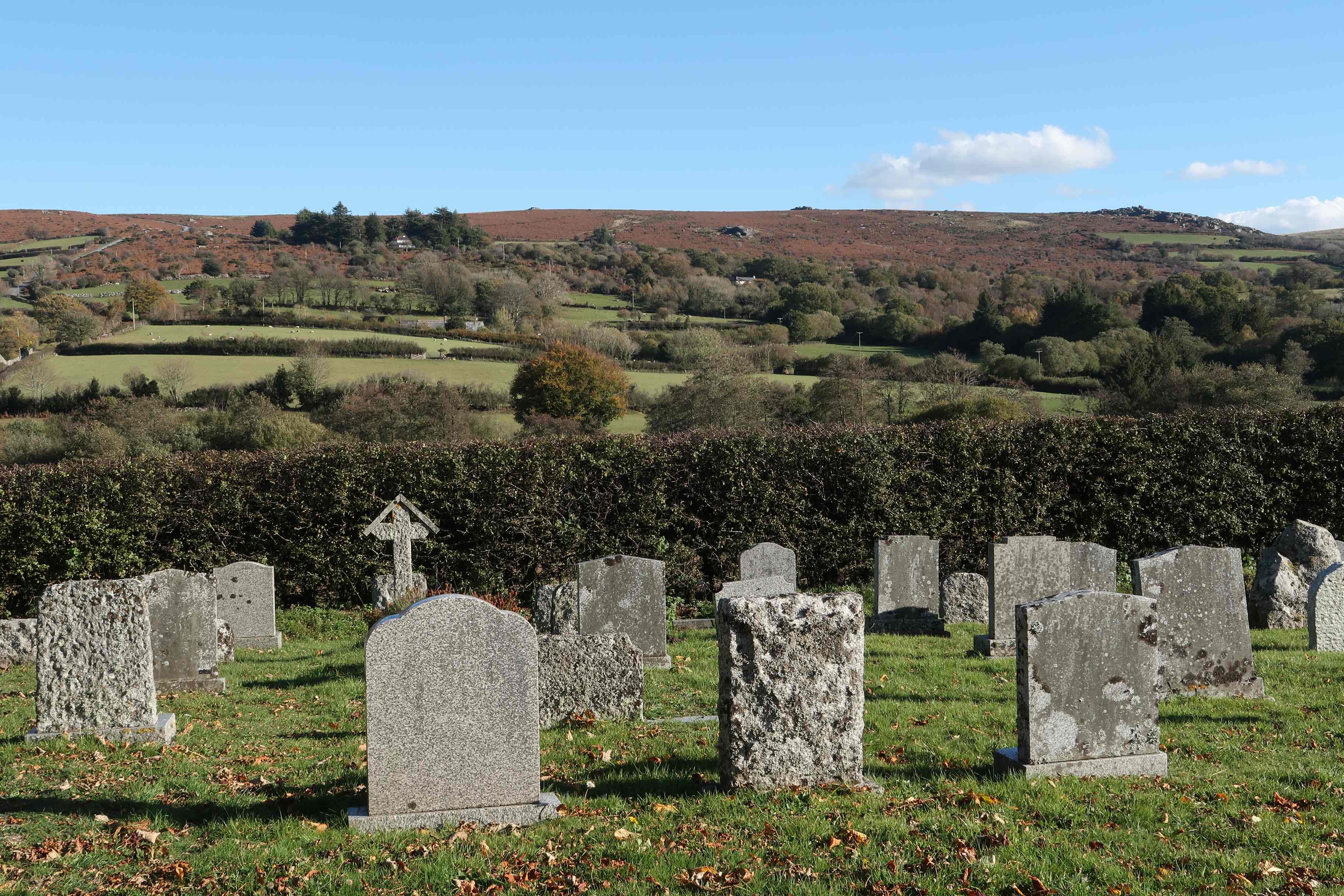
As someone who grew up in a city, cemeteries were some of the first places I began to notice wildlife. I think they are special places also because their atmosphere is so different to the rest of the built-upon or managed landscape. At Widecombe-in-the-Moor, there is one of the best lichen cemeteries I know. Not that they’re dead, they’re well and truly alive and kicking.
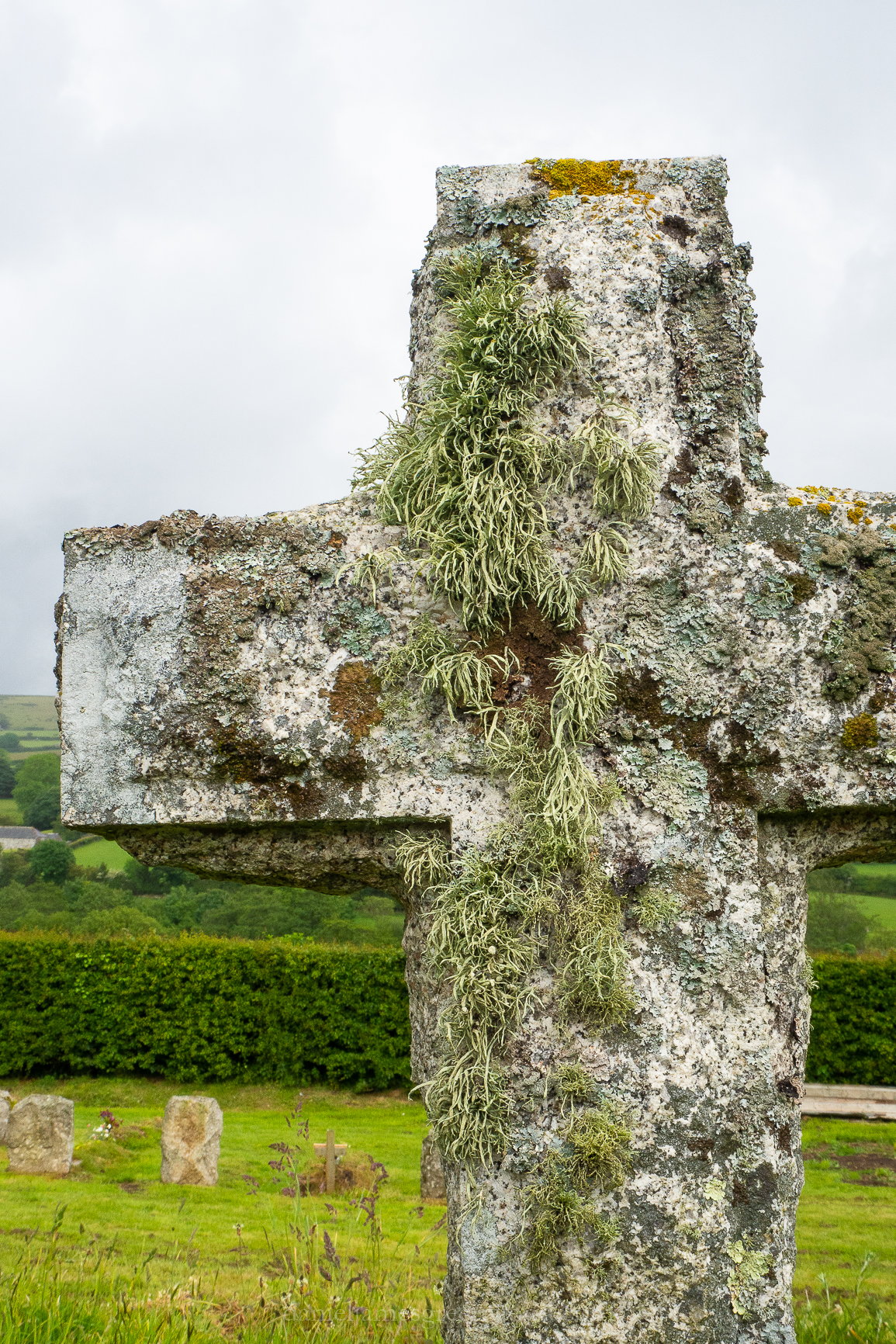
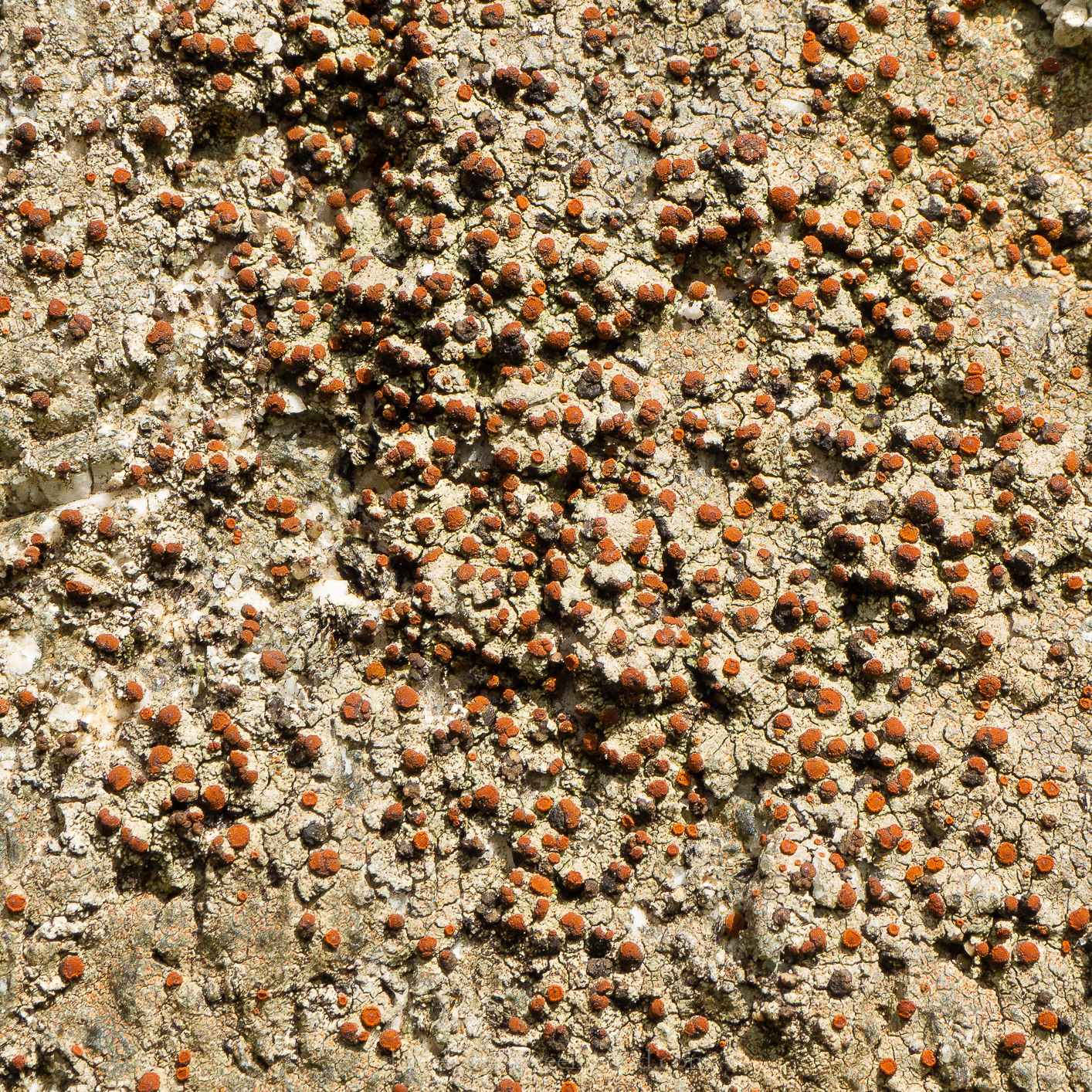
This cross is a dream. There are foliose and crustose lichens, and it hasn’t been tidied up by the cemetery managers (I don’t. The air quality is also excellent in this area, allowing for more species to find a place to live. Below is a selection of the species I found growing on gravestones in this cemetery:
I couldn’t let this woodlouse get away without being included along with these frosty fruiting cups.
Above is a really cool insect, a downlooker snipefly! I’ve also found this species on lichen-encrusted boulders in Western Ireland, a similar climate and landscape type.
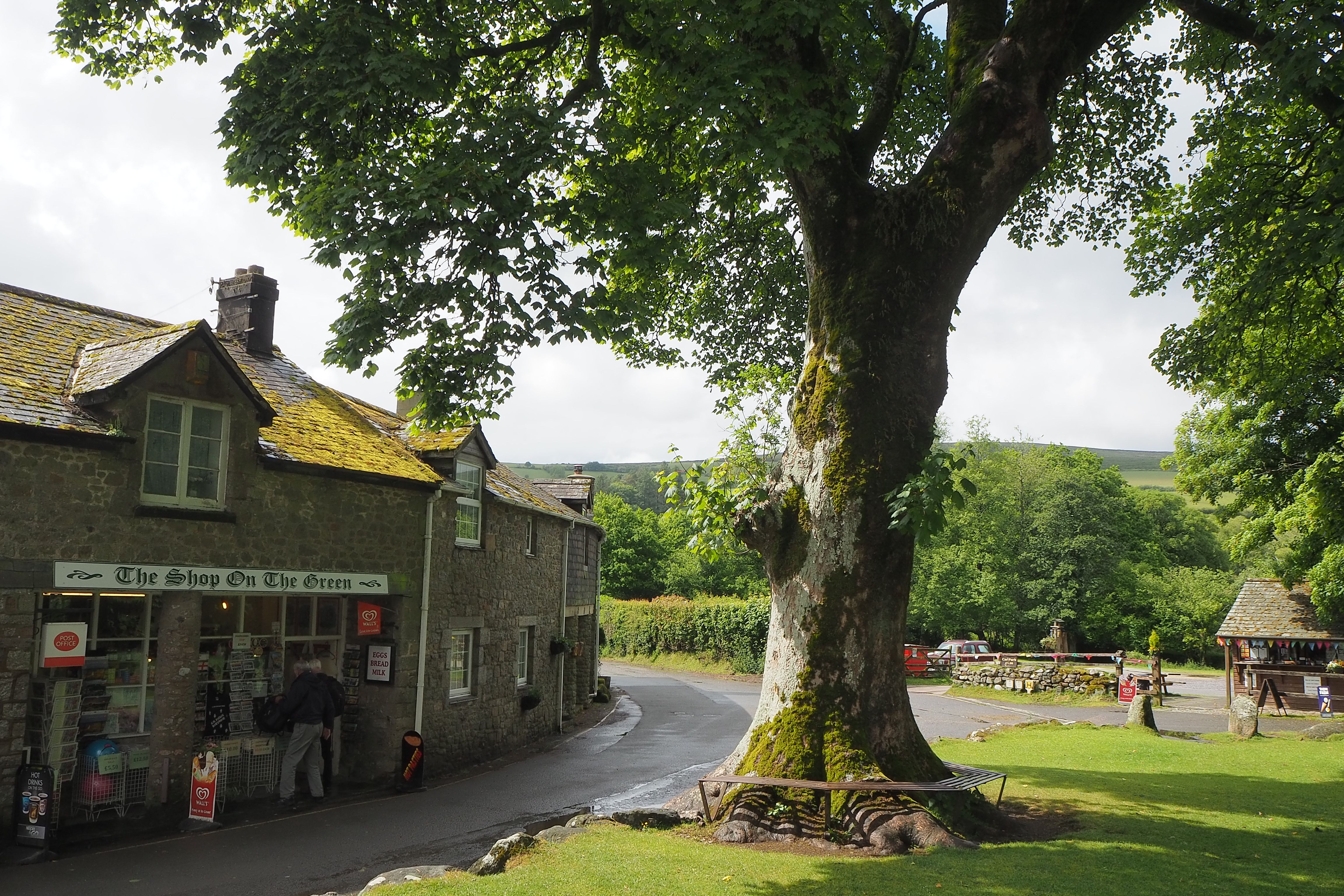
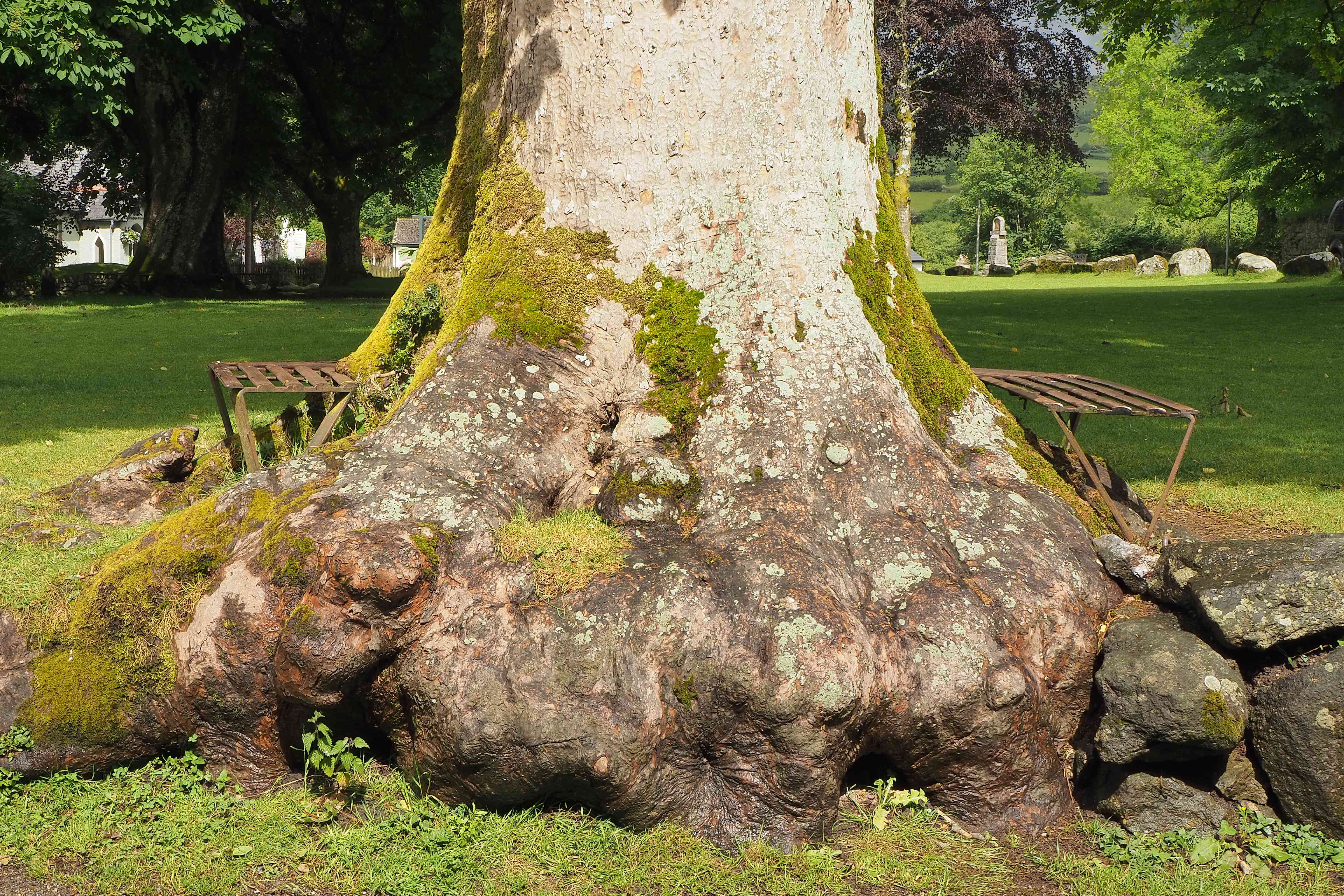
The village of Widecombe has a large sycamore growing on the edge of the green. This tree shows why scyamore (Acer pseudoplatanus) is a good wildlife tree, because it can provide habitat for lichens.
It looks like a perfect place to sit and cotemplate the amazing lichens you can find in Dartmoor.
This week it’s a continuation of #LichenJanuary. It’s a time of year when winter is at its deepest, more grey than snowy in southern England. In towns and cities lichens come to the fore. If you’re looking for something to take your mind of the wider world this month, lichens are your friend.
The other day I had the idea to post on Twitter asking for people to share their lichen photos from around the world. In a time when we are unable to travel anywhere and people are suffering, it felt like a positive thing to do:
Dear People of the World (cc #LichenTwitter): where are good places anywhere in the world to see lichens?
I will start. My mum's side are from a very rainy Western Ireland, where lichens are in charge.
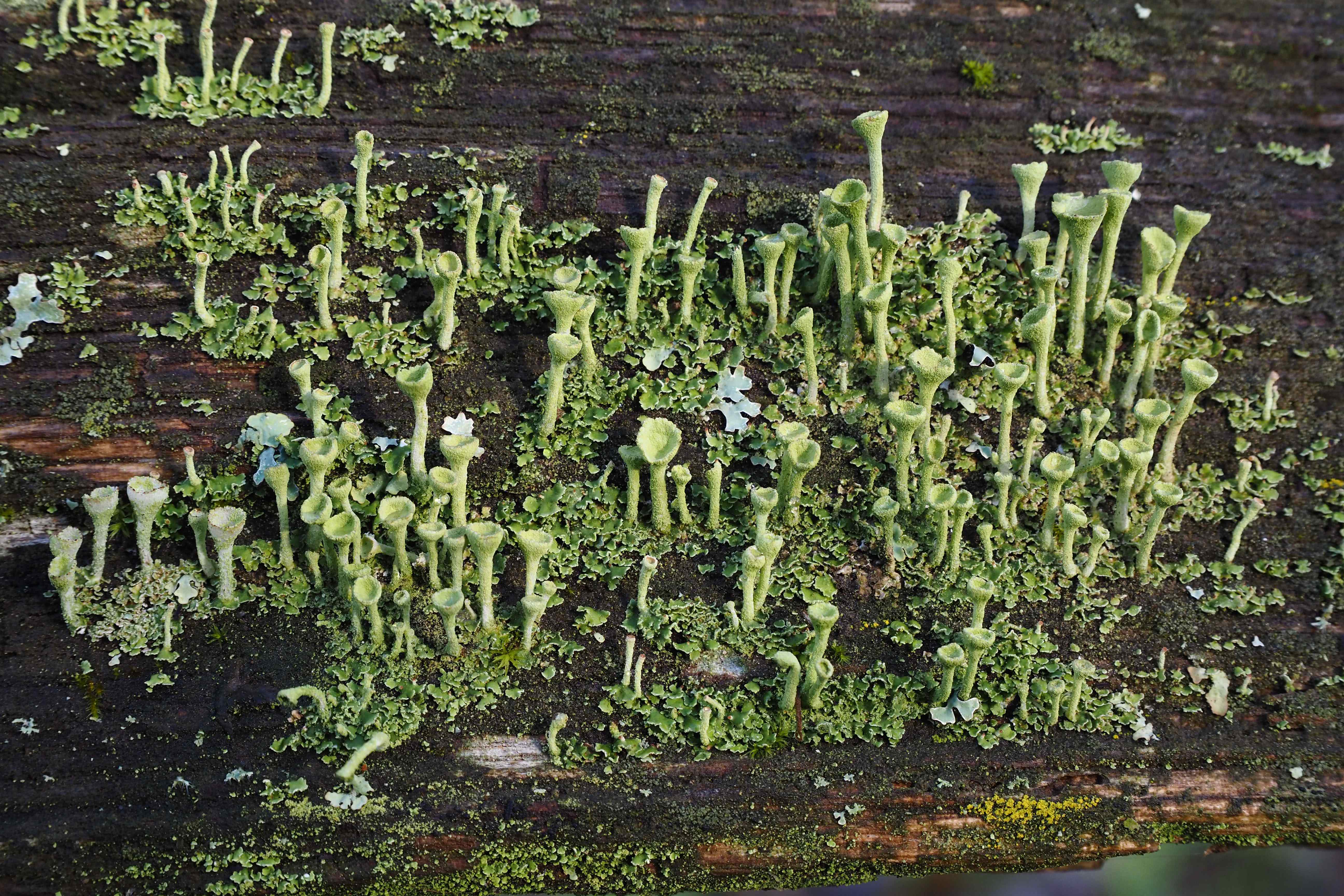
After a little while, people from all over the world began to post their photos. Over night UK time there were a series of posts from Japanese lichen lovers. It is one of the most incredible things about social media and the Internet, that someone can post in Japanese and the software does a decent job of translating it. A couple of the Japanese tweets included Cladonia lichens, what in English we generally refer to as cup lichens:
My interest in lichen originates from my Irish roots. There is a track at the foot of the Ox Mountains in Mayo, western Ireland, that I have walked many times with my family. It is surrounded by old boulders and bogs, all drenched in lichens. Some of the species I got to know there were reindeer lichens, Cladonia portenosa.
Reindeer lichen, February 2012
Reindeer lichens seem to get their name from the fact their structure is like reindeer antlers. They are also known to be grazed by reindeer where they grow in Scandinavia. I believe they are also used as for dyeing cloth and as a delicacy in posh restaurants.
Lipstick lichens, May 2017
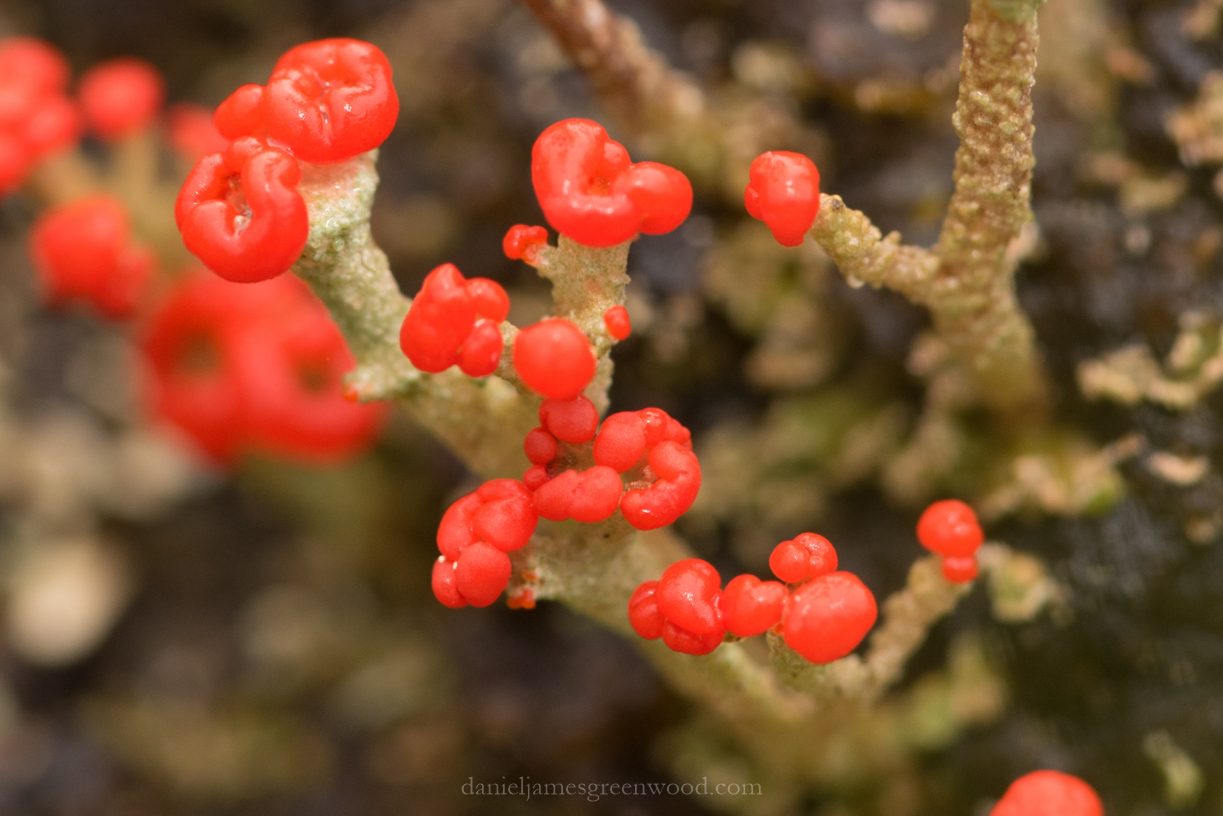
One Cladonia that catches the eye is Cladonia floerkeana, also known as devil’s matchstick lichen. Seriously, anything red is devilish?! I like the name lipstick lichens, and I will be calling them that.
Lipstick lichens, May 2017
These lichens were growing on top of the Ox Mountains (what are really hills when it comes to height). They are covered by boglands on the plateau. Mayo is a place with very high levels of annual rainfall, making it perfect for these moisture dependent organisms.
Lipstick lichens, March 2013
The lipstick lichens were growing on top of a boulder, while others could be found growing among vegetation in the bogs. I can’t wait to go back there and see what I can find. Here is an image from a few years earlier, when I didn’t own a macro lens. It gives a sense of their habitat.
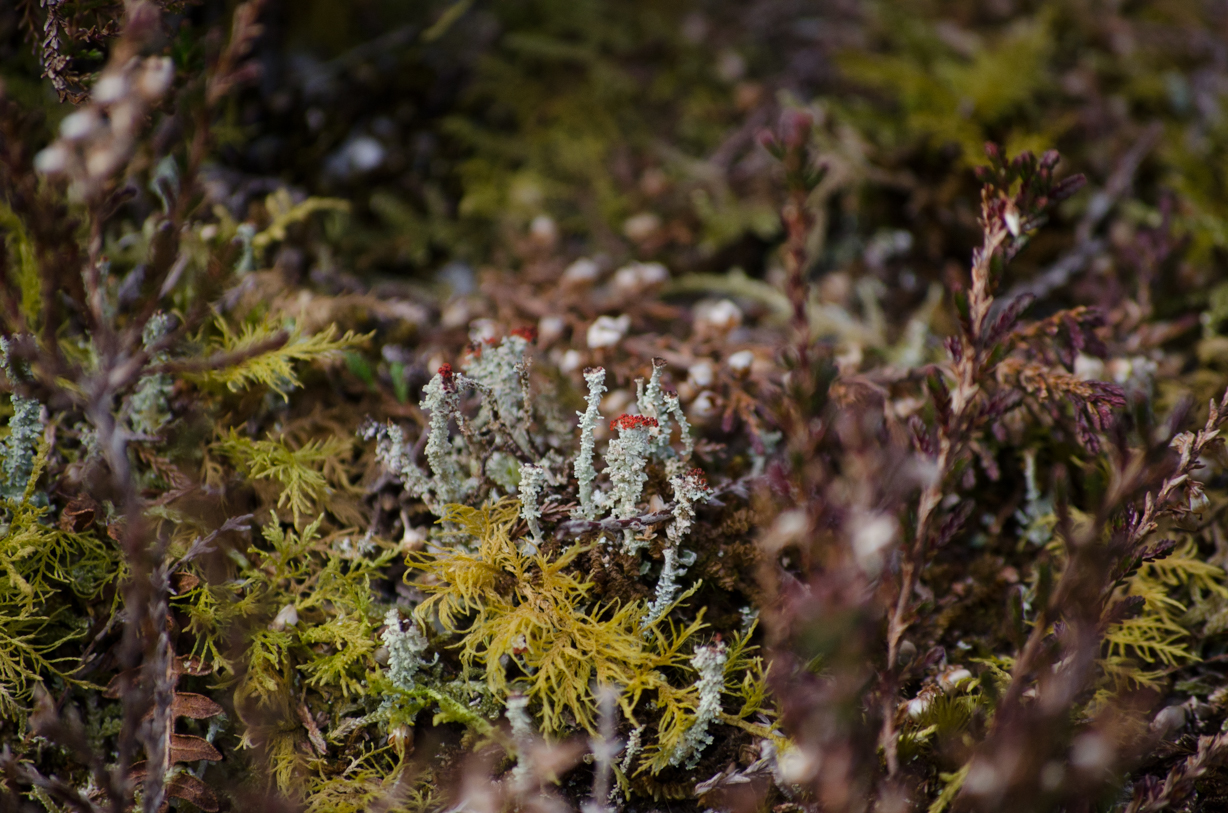
There is a farm near to where I live now in Sussex that has its own populations of cup lichens. I have noticed in recent years how fencing posts which are not treated with chemicals can important habitats for lichen, moss and fungi. The cup lichens above are very happy with their current abode.
Cup lichens, 2019, Sussex
These lichens seem to be noticed more than any other. They look splendid holding onto droplets of water in their cups, and their very nature of reaching upwards draws them to our attention. They are the quintessential ‘pixie’ cup lichens.
Here’s my seasonal update of stuff you don’t need to know about, but then welcome to the Internet. What I’m writing Soon I will be self-publishing my third poetry collection, Fool’s Wood. It’s seven years since my last one and this collection has taken longer because of LIFE. There will be a booklet and also…
Here’s another entry in my slow-blogging Oak Timbers series. You can view my galleries and posts archive here. I visited Salisbury in Wiltshire (south-west England) for the first time in 2023 and was really charmed by the place. If you’re interested in this kind of thing, Salisbury is the place for you. Here’s a gallery…
I’m getting into more of a routine of recording and editing audio, so here is the latest episode of Unlocking Landscapes. Listen on Podbean or via the usual platforms. Also via YouTube: https://youtu.be/y1K9Pqx68to?si=B-Fdhf3sdDH35Z8w Following on from July’s rather optimistic fungi walk, I popped back to the same area of ancient Wealden woodland to see if…