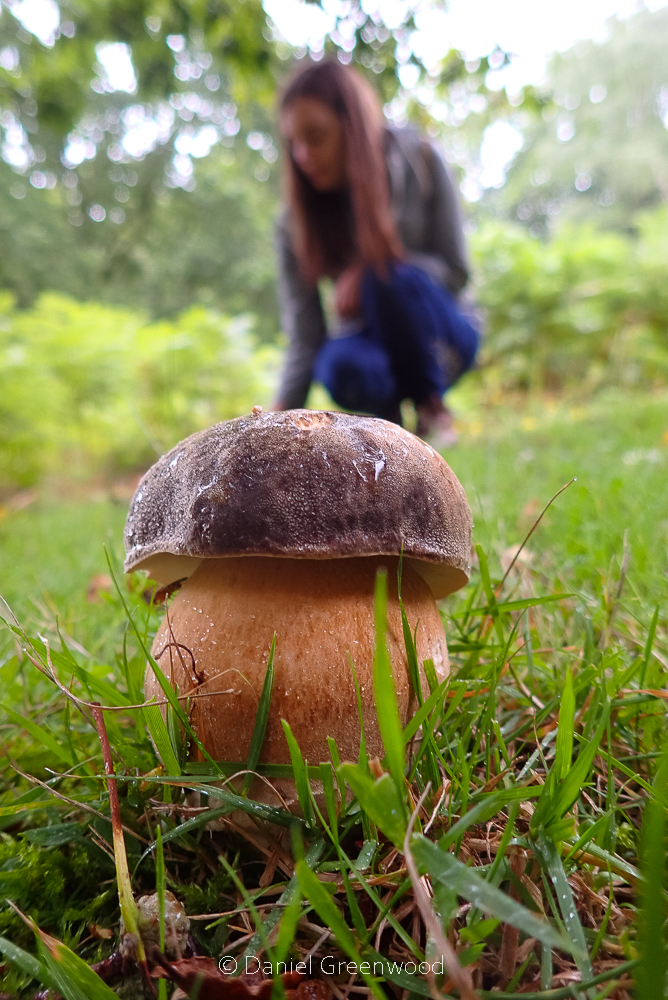
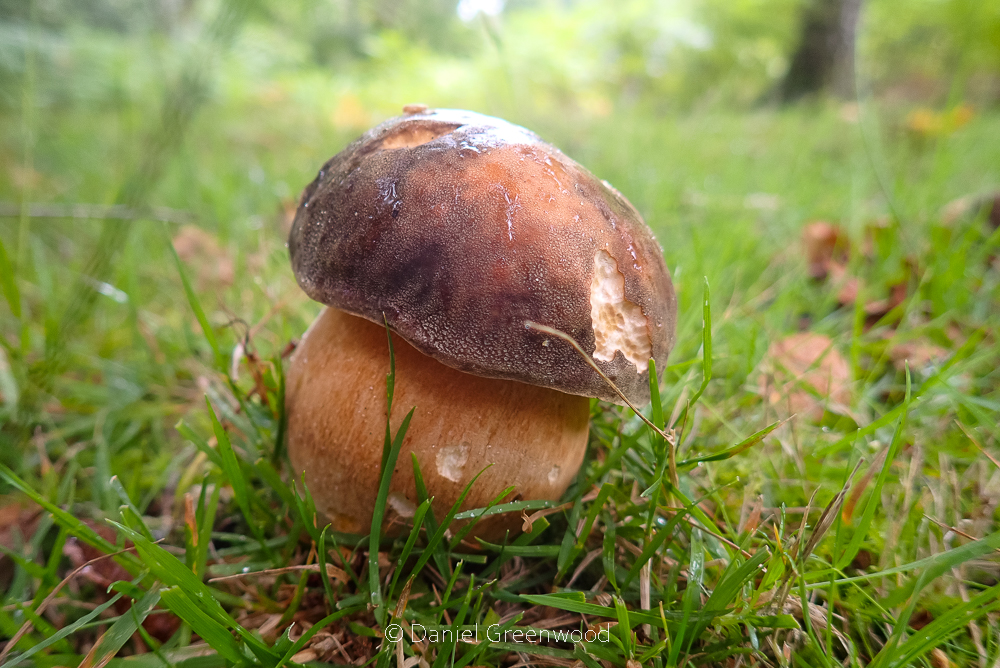
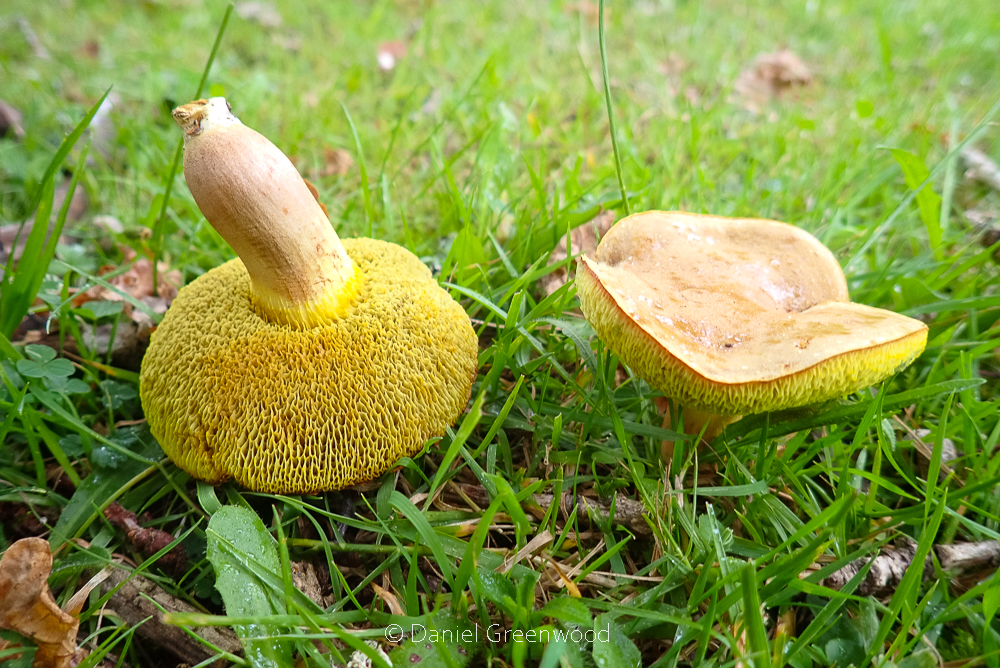
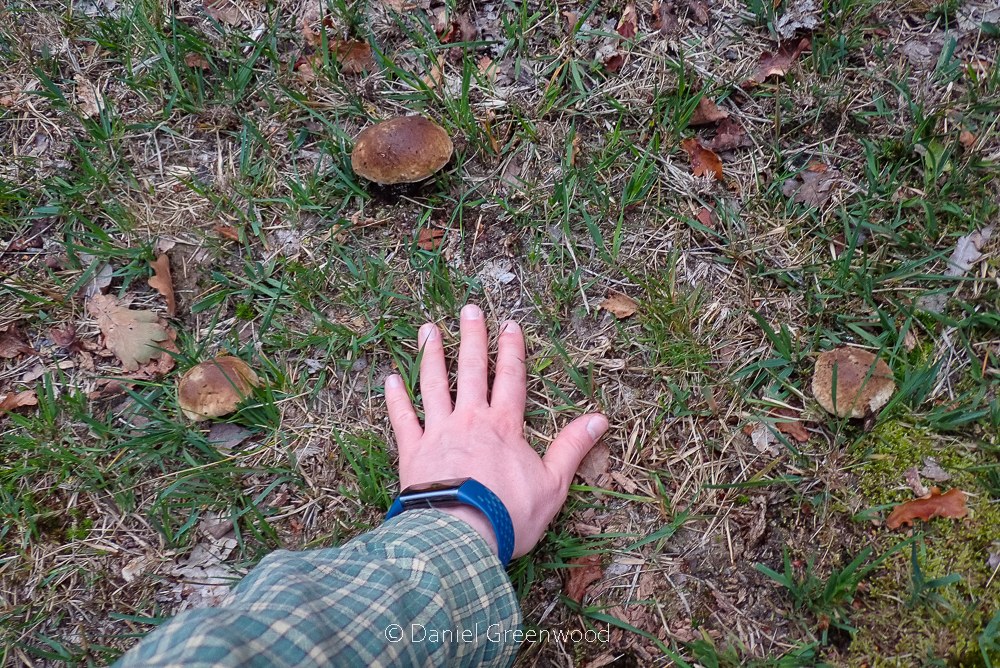
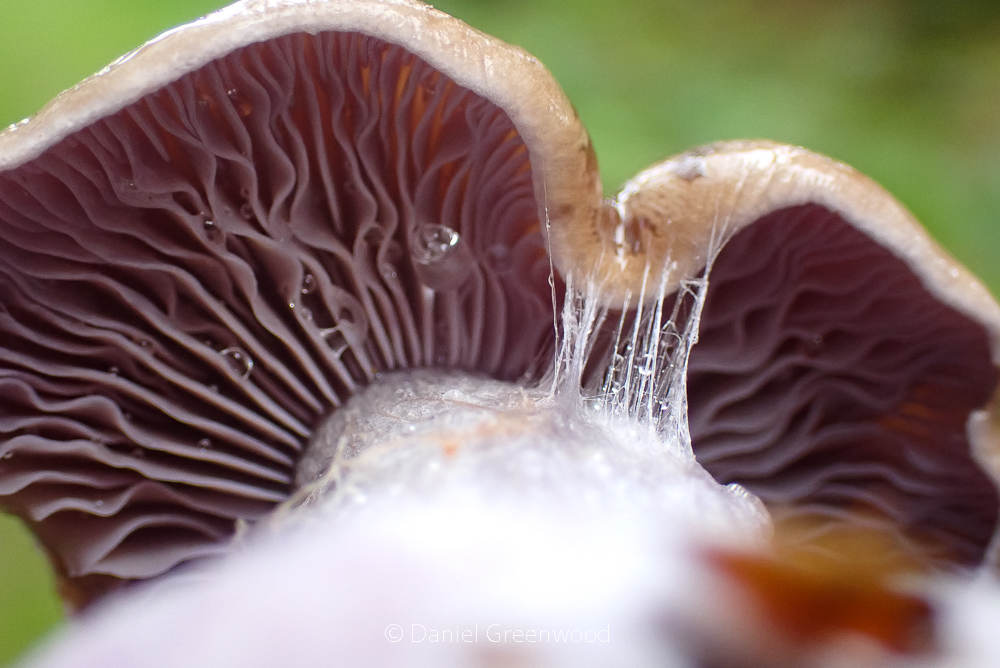
This walk will be a good way to learn about the common species of fungi in woodlands, their ecology and cultural significance. Though we won’t be picking mushrooms to eat, there will be some guidance around edibility generally as a safety guide. This is a great site for fungi with a lot of the ‘big-hitters’ and other unusual species to be found.
Here are my recent astro photos from Mayo’s International Dark Sky Park. County Mayo is of course in the north-west of the Republic of Ireland.
During this short period of skywatching I saw a meteor streak across the sky. It was amazing.
The weather on this trip was typical August in Ireland – rainy! Luckily there was a couple of clear hours one night, and the Milky Way was clear to the naked eye.
Here’s the view south with the Milky Way stretching across the sky. The shapes at the base of the photo are a conifer plantation. The light pollution is coming from the direction of Foxford.
I love the images of a glowing window with stars above. Here you can see the plough (Ursa major) over the rooftop.
Disclaimer: this blog is now riding high in the search engines under the tag ‘Kent Fungi’ (not sure why, to be honest). On the back of this Forestry England contacted me to ask for me to point out to any readers that foraging is an offence, or more specifically:
‘Bedgebury Pinetum is protected by Forestry Commission bylaws that prohibit the damage or removal of any plant on site.’
While this is a photography and mycology post and not a foraging blog, it’s important that if you do go looking for fungi at Bedgebury that you don’t get caught out. Regardless of the fact that fungi are not plants, I think that byelaw must include fungi for some taxonomically archaic reason. I’ve written about this wider issue here.Thanks.
I visited Bedgebury Pinetum in Kent for the first time in early September 2023. It was impressive to see a noticeboard highlighting the Pinetum as one of ‘the best places for fungi in the country’!
Here’s the proof:
It has 12,000 specimen trees and a ‘world-leading collection of conifers’
Tell you what, though – they were not wrong about the dragonflies. The most impressive sight of the visit was dragonflies swarming on the margins of a field of, erm, monkey puzzles! Here’s the video:
It was dry and rather hot so I don’t think the Pinetum was at its best in the funga stakes, compared with the dragons.
As usual, I wasn’t there to forage, just to photograph. I don’t think Forestry England are fans of foraging on their sites. One of the first sightings of the visit was that common species in this part of the world – sulphur tuft.
I haven’t seen brick or conifer tuft yet, to my knowledge, so was wondering if this landscape where conifers were so dominant might change that. Looking at the gills and the caps, I don’t think I’m there yet.
Here’s the nice early stages of a bracket, which I haven’t identified yet. Might be a mazegill.
Tawny grisette is a lovely early Amanita. There were a couple at Bedgebury.
I have cobbled these together, even though they’re in different stages. I think they’re in the Clitocybe group, and are very likely funnels. The habitat and seasons are right, and the features look right (gills). It seems that there has been a taxonomic shake-up with this group, but it’s beyond this blogpost (and author!) to go into detail on that. Please comment if you have any suggestions.
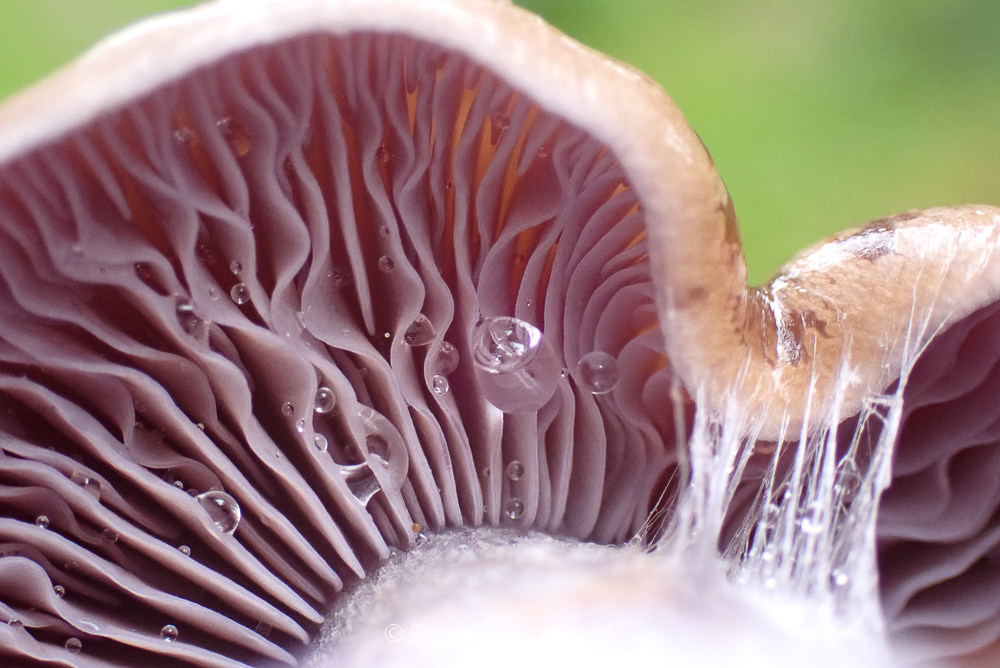
It’s easy enough to plop these mushrooms into the ‘dungi’ category, and am confident that they’re mottlegills (Panaeolus). I’m half suspicous that the pale-capped shroom is a yellow fieldcap, rather than a saturated older fruiting body, just hanging out in the dung.
I haven’t done much work on trying to identify these yet, but they look like a group I am not familiar with. They were growing under an unusual type of turkey oak, but I don’t think there will be a mycelial connection there. Then again, what do I know.
So was it one of the best places to see fungi in England? I have no idea, but it will definitely be a good place to visit in the autumn months. Bear in mind the car parking fee is about ยฃ14, and I don’t know about public transport links in the area.
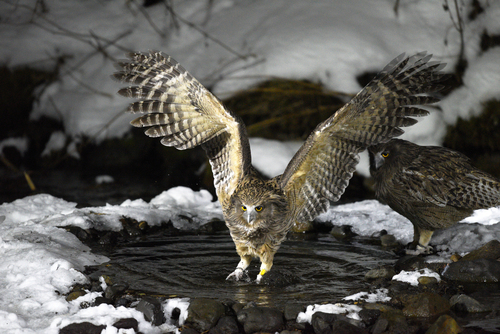
So here we have the tonic to the ‘My Search for insert species‘ books that dominate the ever-growing nature writing bookshelf. It’s the story of years of scientific research trips conducted by American PhD student Jonathan C. Slaght seeking the endangered Blackistonโs fish owl of far eastern Russia, before their illegal war and genocide in Ukraine began (Russia, not the owls).
But itโs not necessarily the owls that draw the most interest here, itโs the people:
People arrive at the authorโs shabby accommodation with bottles of ethanol (and sometimes cleaning fluid) as their ‘poison’ of an evening.
A local man shows up drunk, having been that way for days, perhaps weeks.
Bottles of vodka are sold without caps but instead foil tops, as it’s rude not to finish a bottle among strangers.
Anatoliy, a man who lives in a cabin in a remote part of the woodlands the author is surveying, says he can’t sleep at night sometimes because the elves tickle his toes. He is said to be hiding out after a business deal with dangerous Vladivostok people went awry.
There are the hunters and the poachers (poaching being extremely frowned-upon), the young lad who admits to shooting a fish owl to provide meat for his trap. An endangered bird killed for scraps by someone who doesnโt know better. Though it has to be said it’s not the same for all the hunters who appear in the pages of the book. The author fumes at the news, but what can he do? Work harder, complete his project and get his conservation scheme approved.
One of Slaghtโs recurring themes is the viscousness of poverty, which leads local people to brutalise starving deer wandering into the villages when a terrible snow storm strikes.
Then there are the loggers expanding their roads and business into the old growth forests likely never touched by forestry of this scale and intrusion. Thankfully (spoiler) the author does conclude that the logging companies work with his findings to help preserve the owls’ habitat and feeding areas.
Even the despot Putin gets a mention for his conservation interest in the Siberian tiger (there are no tigers in Siberia, and should really be called ‘Amur tigers’), more evidence that even the most vile public figures will use nature to embellish their popularity. That man has since visited ecocide on an epic scale in Ukraine.
Tigers stalk the pages of this book like mythological creatures, but still the focus of persecution from fearful and poorly-informed locals.
I loved this book (sent to me by my friend Eddie, thanks!). It’s probably not for everyone due to the talk of surveying and monitoring, the detail of the owl’s territory and behaviour. But the stories of the people who could either threaten or salvage the lives of these precious birds, are perhaps what really bring the book to life. An absolute classic of the bird writing genre, if there is one.
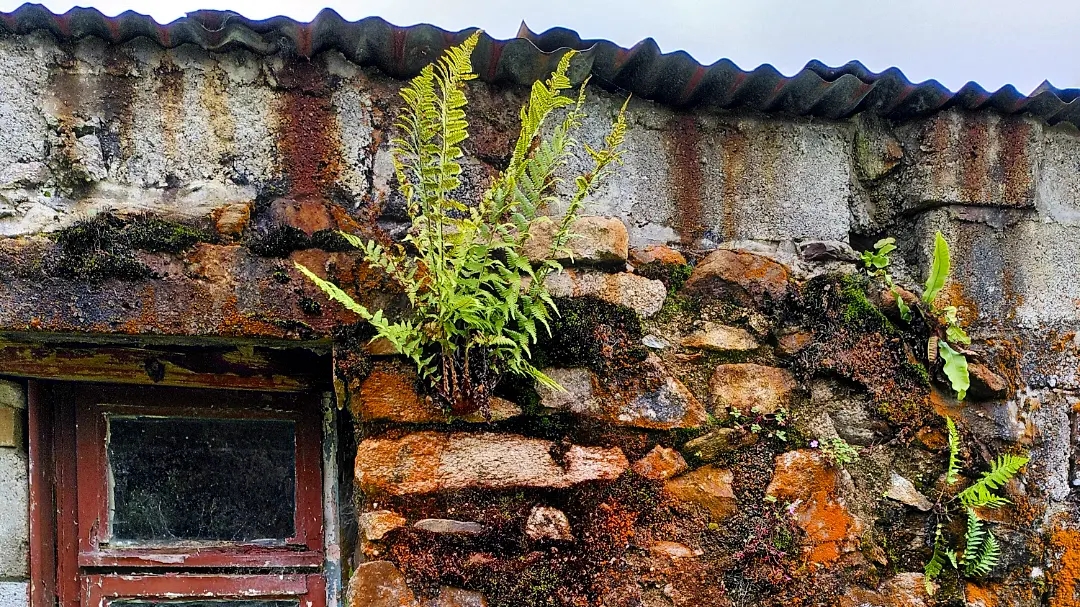
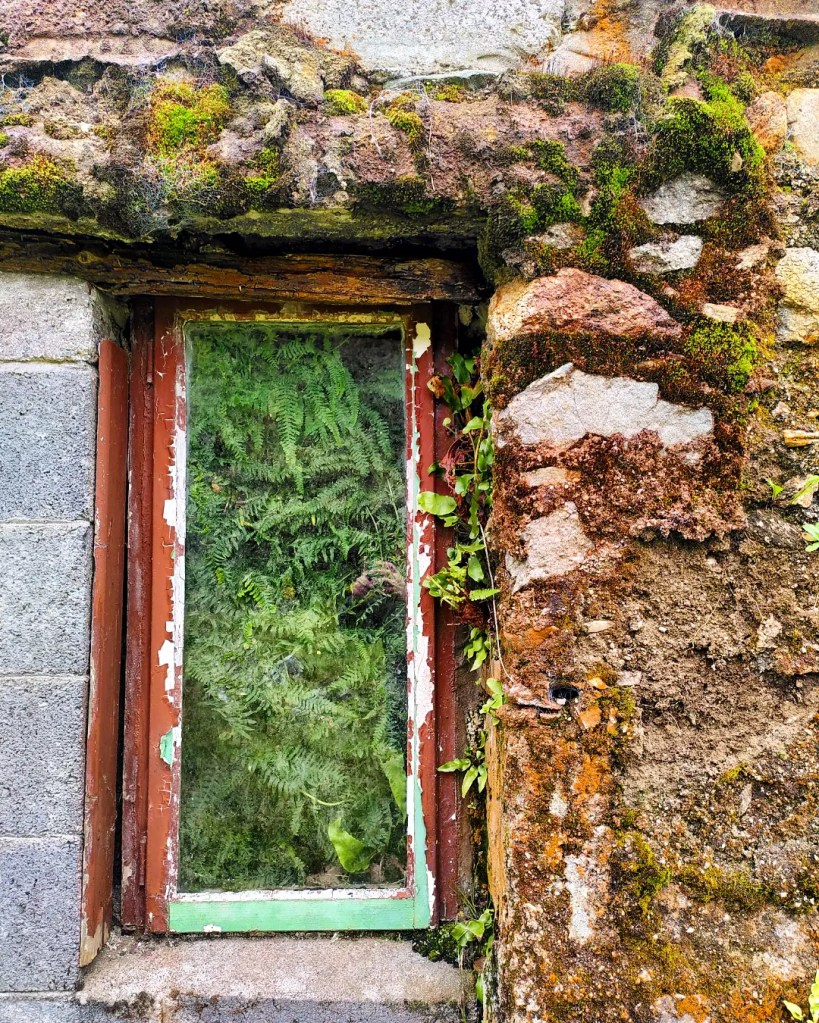
Phone pics of a shed that, year on year, ‘returns to nature’.
These are ferns growing on the inside. This is probably an old stone dwelling or animal shelter that was rebuilt as a tool shed and store in the second have of the 20th century.
The orange is algae or fungi, like a portal into the past.
I spent a couple of days in the Lake District in July and was indeed blown away by those mighty hills, and the rain.
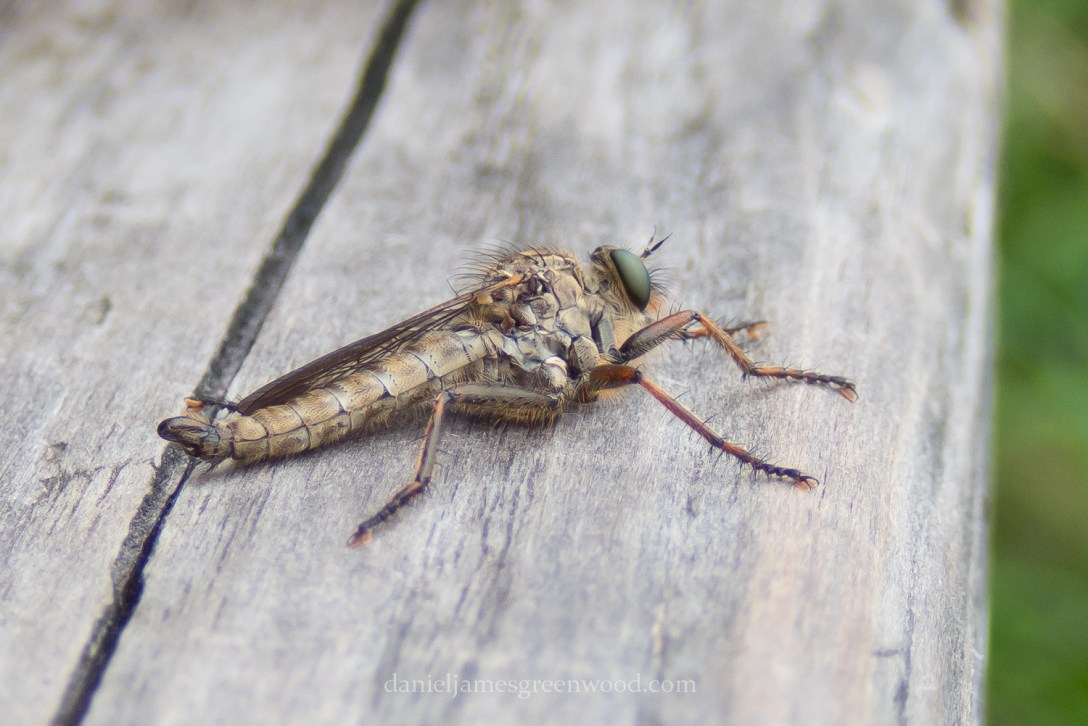
This very short post is one of lamentation, in truth, seeing as I managed to scare away an interesting insect waiting for its free portraits.
On a walk that crossed through Grisedale (a stunning valley), I passed a gate alongside a lane. I spotted the lingering shape of large insect on the gate’s top rail.
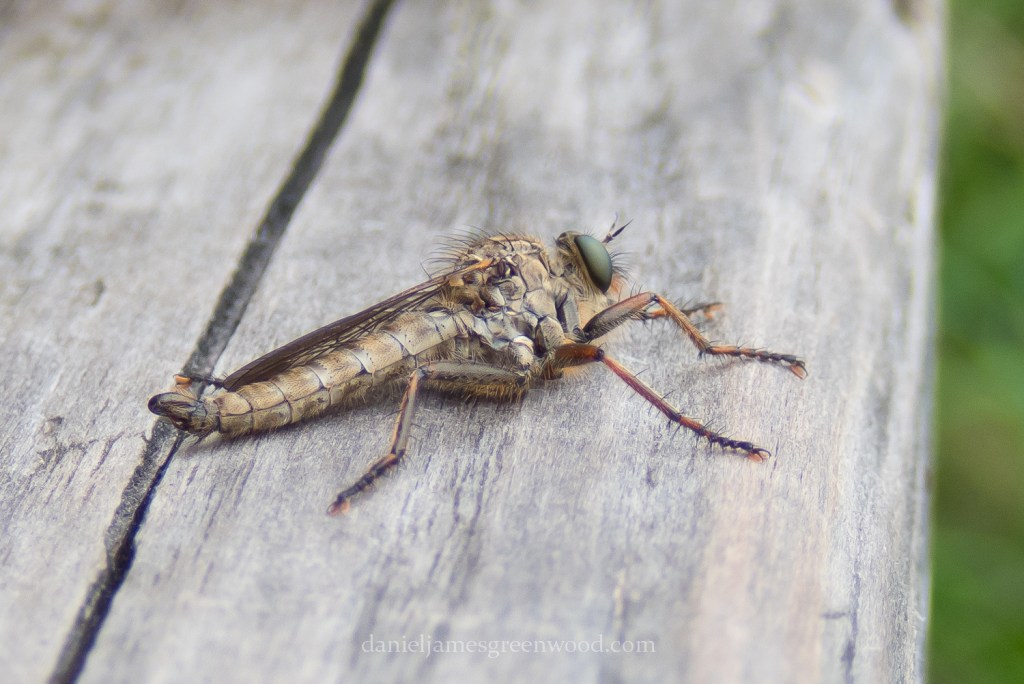
I was so happy to see this, but didn’t contain my excitement enough. Approaching what turned out to be a robberfly, I spooked it and it flew far, far away. It had been so chilled and the lighting was perfect, so I could have got some really nice pics.
Robberflies are predatory flies and are some of the most photogenic insects you can find in the UK. They are also not hugely common which gives them an air of respectability and intrigue.
I told my friend that this had effectively ruined the walk, and nothing could salvage it now.
This was wrong though because Ullswater (above) was just a mile away and we got on a boat which felt like something from Jurassic Park minus the dinosaur threat. But the pain of disturbing that robberfly was real, one must contain oneself next time.
I’m pleased to say that I’ve created a new home for my mushrooming fungi content – www.FungiFriday.co.uk
I’ll still be posting about fungi from time to time on here, but I felt it would be interesting to explore a fungi-only site, such is the breadth, depth and diversity to that area of nature. There is also massive interest in fungi nowadays.
I do have a lot of fungi posts that don’t make it onto here because they seem to species-focused and fungi is just such a massive area. Sometimes just dipping your toe in doesn’t feel like enough.
I don’t post photos on Twitter anymore because it has gone downhill so much. So I needed a new home for my stream of mushroom content!
It’s not a science website or one I would ever describe as being ‘expert’. Instead it’s a feed of fungi photos, events and info, with a bias towards southern England and the UK (with a bit of continental Europe). We’ll see how it goes over the first year. I’m inviting some fungi friends to contribute posts too which will be nice.
Itโs been a very busy summer so far for me of working and commuting. I had a free afternoon and so headed to my local dreamspace, but with no mushrooms on the mind – literally or figuratively.
Red admiral (phone pic)
The number of butterflies was remarkable, perhaps the sense of doom about 2023โs poor invertebrate spring had dampened my expectations too much. There were red admirals, skippers, whites of course, and even a white admiral on the sandy track. White admiral is something I donโt see that often, mainly because I lived in London for so long. Then again, it is cropping up in SE London now, which is interesting.
I was enjoying the sense of a butterfly summer, when I nearly spilled my invisible coffee at the sight of a deep red mushroom on the edge of the track.
Mushrooms, so abrupt, unapologetic. They know how welcome they are, even if you donโt realise it yourself at the time.
This was one of the summery, colourful boletes that can be found at this time of year. Itโs probably a neoboletus, but my iNaturalist record is without community input and I havenโt had the time to do any research myself. So it remains an unknown jewel.
A few paces away was a more common and typical summer shroom, what I would guess is a blusher.
This short walk on the edge of the High Weald was notable for its green-ness, surely close to peaking as August nears.
Weโre lucky over here that we arenโt experiencing the mega burns and record high temperatures of Greece, Italy and Arizona. You have to wonder how some of our fungi will cope with the drought and the impact on our woods. No doubt fungi will outlive humans in the long, long run (they can survive and thrive in nuclear reactors) but the heat canโt be good for the health of our woods which may struggle to adapt to pace and intensity of change.
When are we going to see serious action on climate, rather than flip-flopping by both major political parties? The kind of urgency we saw in crisis-managing COVID-19? Am I destined to see meaningful environmental policy remain as a marginal ideal in my lifetime?
No doubt fungi will rise into conservation thinking beyond the obsession with bringing back questionable, extinct species. But will that be too late as the heat rises and the woods burn?
Fungi, ever-resilient, have been found to benefit from burning in Australia, but of course that is just a handful of species.
It would be foolish no to follow one of the key messages fungi can teach us: donโt forget the present, you never know what might pop up.
In April 2023 I visited Achill Island in County Mayo for the first time in 10 years.
I have happy memories of a visit to Achill in March 2013 with my parents. Returning with my mum in April after the passing of my dad in 2021, we followed the same route as a decade ago, stopping at Cloughmore to see the Atlanticโs wild waves crashing against the rocks. It brought back strong memories of that last visit a decade earlier, and thoughts of dad heading out onto similar rock formations to fish, further south in Cork during 1990s summer holidays.
In the surrounding sheep-cropped grasslands pipits, likely the rock variety, skipped and flew between boulders. A man cast a drone along the coastal edge before packing his kit (and three generations of his family) into the car and went off again.
I walked around looking for lichens to add to my iNaturalist map and picked off two small pieces of quartz that came away with ease.
The power of the waves, the overwhelming sound of the sea โ the hiss and crash โ and the sheer beauty of the view north along the coastline silenced me. See for yourself.
If you were to head directly west from here by sea, you would arrive in Newfoundland or Labrador in eastern Canada. My relatives made similar journeys, some of them never came home but instead built lives of their own in New York City. Some were of Irish heritage and were born in America, but returned to Ireland.
I recently read Brooklyn by Colm Toibin. I’ve been on an Irish fiction streak, in some ways to try and understand the experiences of my Irish relatives, who made the same crossings and who also built lives in Brooklyn before the book’s setting of 1950. Other than Toibin I’ve read most of the Donal Ryan novels, where migration is again a key theme.
Eileen, my great-great auntEva, my long-lost great grandmother
Two of my relatives who went to America are my long-lost great-grandmother Eva Sugrue (right), and her sister Eileen (left). My family have confirmed Eileen was married in the same Brooklyn courthouse that progressed one of the many cases against ex-President Donald Trump, which is nice. No one in my family today, or even my grandmother, knew Eva (her mother) or Eileen. That mystery trickles down, and it was only through the diligence and commitment of my family’s desire to find out more that the photos above ever came to light.
On our way off of Achill we stopped at a craft shop. I wanted to buy some proper knitwear (oh yes) and a few gifts for home. We got talking to a woman called Kathleen who was running the shop. She had lived in London, Littlehampton, and Winchester, the latter when her husband was working on the creation of the M3 cutting through the South Downs at Twyford. They had lived in a caravan park while the work was being undertaken, a community of Irish families cropping up with all the workers there to do the job.
In talking we covered all the major issues: English nationalism, Brexit, Trump, Putin. She had a way of saying, โI donโt care either way, butโฆโ. We also discussed the ‘shock’ of living in rural West Sussex compared to most other places, how beautiful the South Downs were.
Kathleen was readying herself for the influx of American tourists expected in line with a visit from US President Joe Biden, ‘a Mayo man’, as the whole world now knows. She asked if we would be staying around for Bidenโs visit, but we were already planning to leave for Dublin before his arrival. The payment machine didnโt work as the signal was so poor, and she felt embarrassed that sheโd have to ask the Americans to pay in cash.
Achill has a long history of people coming and going as Biden’s family did, though particularly to England, as the video above shows.
In June I spent some time at the Weald & Downland Living Museum in Singleton, West Sussex. I was trying out a new wide-angle lens and in the perfect place to do so. I focused on Poplar Cottage, one of the most attractive ‘installations’ at the museum. Below are some images and also the italicised text which is written in the cottage’s binder, and therefore copyright Weald & Downland Living Museum.
Poplar Cottage was originally built on a small plot of common land on the edge of Washington Common in West Sussex. It is a building of a distinctive type with a hipped roof at one end and a gabled roof at the other. The gabled end originally contained a smoke bay.
Washington is a village at the foot of the South Downs in West Sussex, near Chanctonbury Ring. Its name relates to “Wassa’s people” rather than a place renowned for cleaning.
ยฉ Weald & Downland Living Museum
This cottage type is associated with ‘wasteland’ or ‘wayside’ encroachment onto common land. The earliest occupants of the cottage are likely to have been husbandmen or rural craftsmen. Husbandmen were socially inferior to yeomen but superior to labourers.
Many cottagers engaged in small-scale craft activities, like making wooden hoops for barrels or spars for thatching, or indeed shoe-making. We have evidence to suggest that a shoe-maker may have lived here in the 17th century.