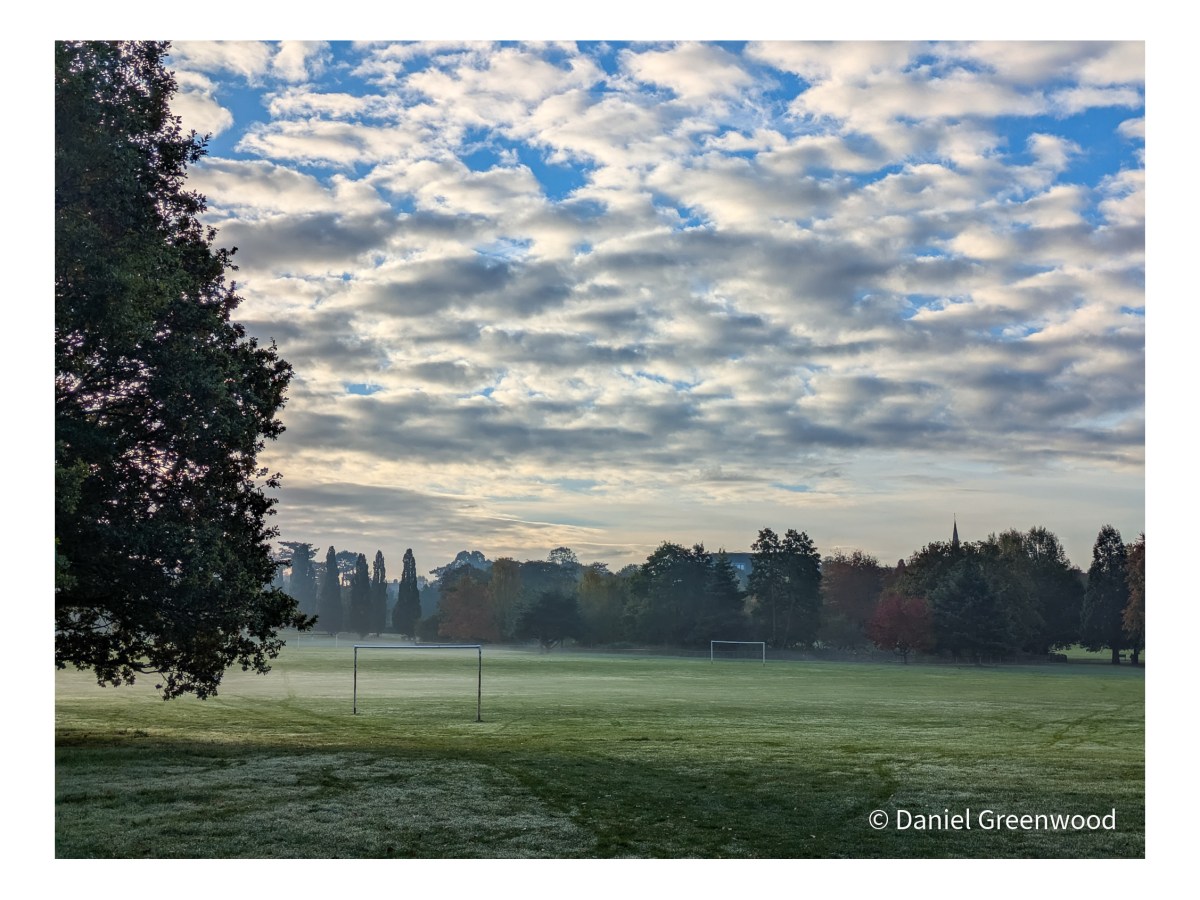
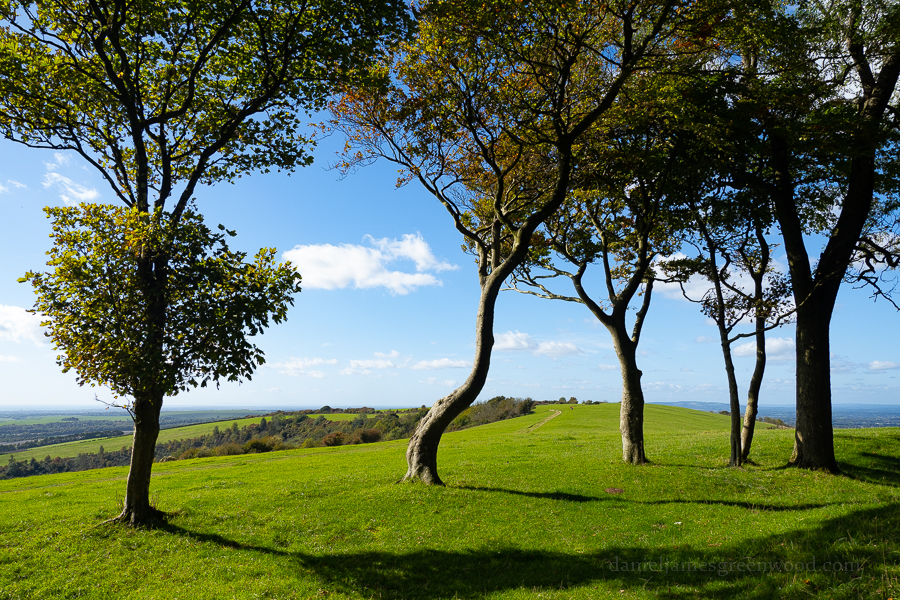
There’s a field I pass by on walks near where I live. Recently I was walking along the path next to the field and took the photo above, the oaks turning to yellow across the landscape.
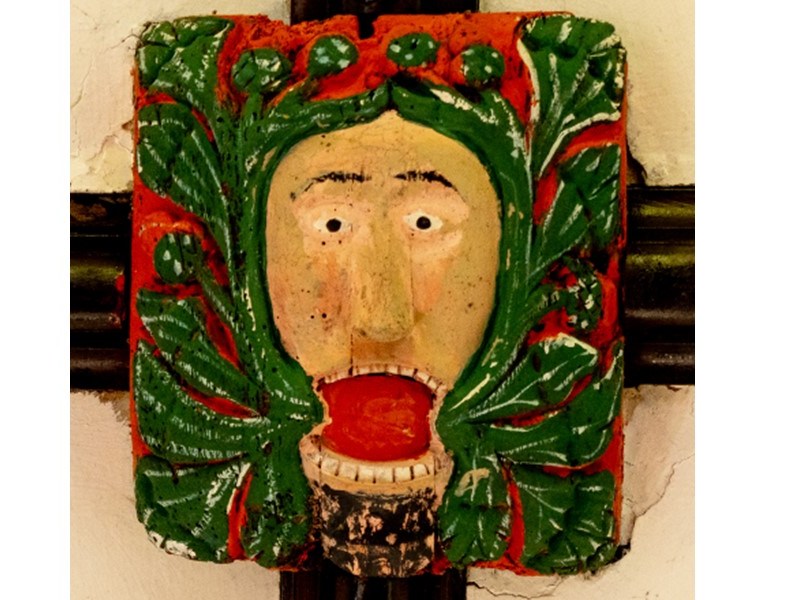
The shadow of trees to the right, combined with the sunbeam, make it look like half of the Green Man’s face. At least that’s what I see.
There is a campaign called Keep Muggeridge Field Green where you can read more about attempts to protect it from being built on: https://keepmfgreen.wordpress.com/
In early December I was passing through the village of Amberley in West Sussex. It’s a very quaint village at the foot of the South Downs in West Sussex. This rather well updated cottage is located at the roadside, at the end of the village’s main throughway. It was surrounded by rather sinister, leaden skies, as rain threatened to pass through. Thankfully it didn’t.
It’s very difficult to get photos of these buildings without cars nearby, but I feel that it gives a sense of the cottage’s place in time. The model and type of vehicle will likely be very different in 50 years time, when the cottage should still be there, such is the level of investment and care that goes into these buildings in this area.
On the left hand side you can see part of an old barn, with its sloping thatched roof and its clapboard-style entranceway, where wagons would once have been drawn in to unload.
A grey heron (Ardea cinerea) at the edge of a woodland at Warnham Nature Reserve in West Sussex, Sunday 4th December 2022.
The heron was looking back and forth across the reeds and wetlands. The temperatures have dropped to more typical winter levels, meaning birds and mammals that don’t hibernate will be under added pressure to find food.
Recent mild Decembers have been replaced this year with colder than average temperatures.
On 24th October 2022 I spent the morning taking photos of fungi in the Sussex Weald, and was treated to one of the final flourishes of the season. There had been heavy rainfall in recent days and the beech leaf fall had begun, meaning that the mushrooms were beginning to disappear. This often marks the end of the main mushroom glut in autumn, from my experience.
To fast forward to the end, just as I was on my way out of the woods and putting my camera away, I noticed what looked like discarded tissue in a ditch at the edge of the track.
I soon realised that these were white saddles (Helvella crispa).
This is a very unusual looking fungus and isn’t the typical gilled mushroom despite their appearance of having a stipe and something resembling a cap. They’re actually ascomycete fungi, so spore-shooters, rather than the often gilled basidiomycetes.
The sun shifted into the line of this false deathcap (Amanita citrina – about to become several different species!) and made a very nice autumn scene.
Brittlegills are some of the most photogenic little mushrooms, largely due to their clean stipe and gills, and fruit gum-like caps. I’m not sure of this species but I like it.
I’ve had a burst of American visitors in recent days (to my blog, not my house). So thanks for visiting, y’all, and sorry about the year you’ve had. You may have noticed I’ve slipped to monthly posts on here. Between April and October I posted blogs every Monday without pause, which is a tricky task…
A new blog post series of single images, maybe, to counteract the decline of Twitter and the TikTok-isation of Instagram?
This image was taken at Cowdray Park near Midhurst on Monday 14th November. It was a stunning autumn evening, with trees in shades of gold, yellow and orange all the way to the sumptuous Downs.
On a warm and clear day in October I walked between two of Sussex’s most famous and well-loved hillforts: Chanctonbury Ring and Cissbury Ring. This is a walk that you can access by public transport, with buses to Washington and then from Findon off the A24.
I didn’t know much about Iron Age hillforts until I worked in the South Downs National Park and had the chance to learn from people working at the National Trust and other heritage experts. Still, my knowledge is not strong on this subject.
It is amazing to think that these hilltops might once have held the equivalent of small villages, using the hilltops to monitor the movement of people across land in the north, and at sea in the south.
The walk winds its way up through woodland to Washington chalk pits, an old chalk quarry that’s now habitat for butterflies and orchids. Here you get good views north to the Greensand Hills where Leith Hill, the highest point in SE England can be spotted (out of shot on the right hand side in the north).
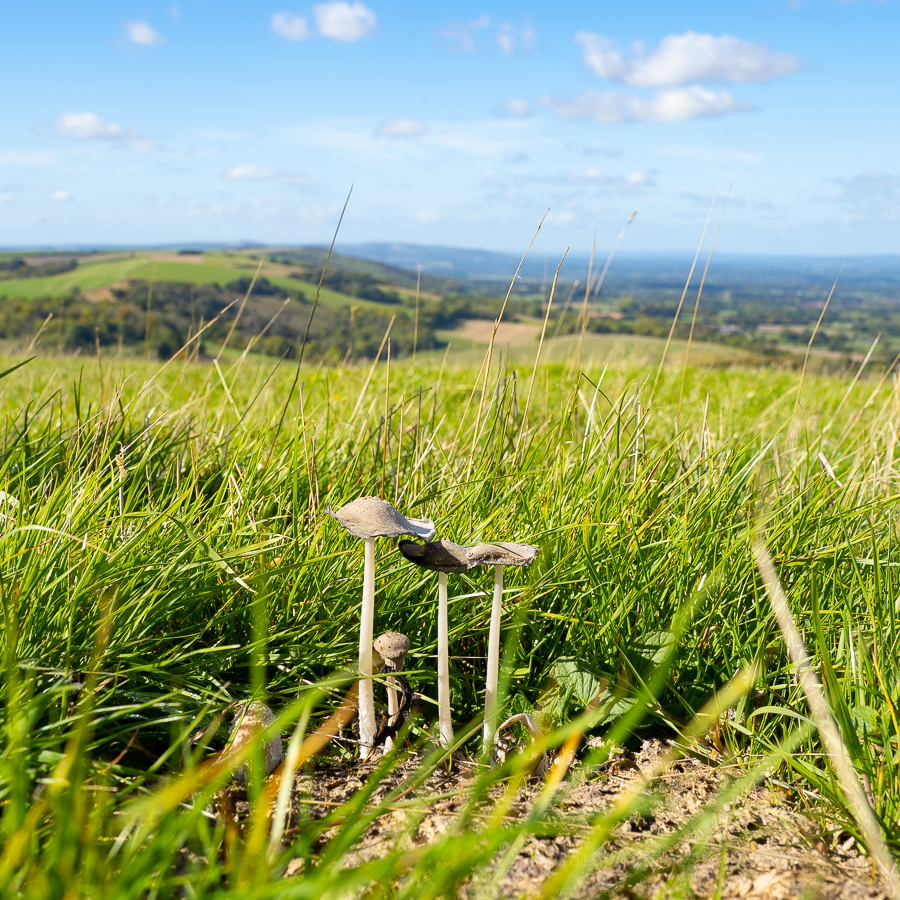
It wouldn’t be a walk for me without the sighting of something fungal. The cow pats in a field approaching Cissbury Ring contained some inkcaps which may be the uncommon snowy inkcap. In the distance the ridge of the Downs bowls away west towards Amberley and the Arun Valley.
Immediately upon ascending the Downs, you can get good views south to Cissbury Ring, a hillfort much, much bigger than Chanctonbury Ring. In the distance are views of the south coast and, in this image, the Rampion windfarm. It’s named after ‘the pride of Sussex’, round-headed rampion, a flower more common in the South Downs.
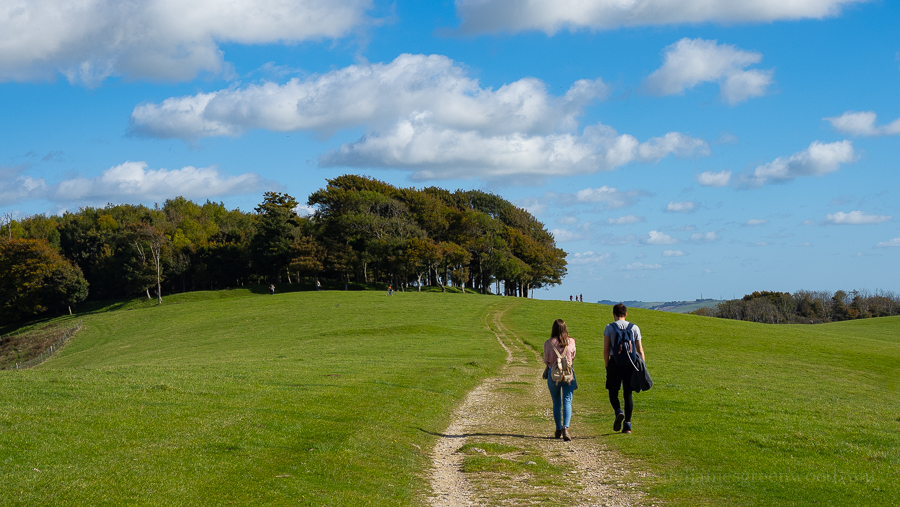
You approach Chanctonbury Ring on the South Downs Way. I like this subtle stretch of the trail, with the beech trees that cover the ring giving a parkland feel.
In the distance beyond Chanctonbury Ring are the aerial towers of Truleigh Hill, home to the Youth Hostel and secret bunkers (apparently).
I first heard of Chanctonbury Ring when reading Robert Macfarlane’s The Old Ways. There are stories of the ring being ‘haunted’, not just by nature writers. It’s a welcome place to sit and rest, taking in the views under the fair shade of the beech trees. You can understand why this smaller hillfort would be such a good location to observe the comings and goings in the surrounding landscape.
Continuing east on the South Downs Way, views of Devil’s Dyke begin to open out. During the walk the site was visible through the glinting of the sun hitting car windows in the National Trust car park!
Devil’s Dyke (what is one of the most dramatic and awe-inspiring parts of the Downs) can be seen in the mid-left/centre of the image where the dark lump of woodland sits atop the ridge. Truleigh Hill is again visible with the masts.
Turning back to look over your shoulder gives a nice view of Chanctonbury Ring. I think the lump of hills in the right hand side of the image is Black Down, the highest point in the South Downs National Park, near Haslemere in Surrey.
Leaving the site of Chanctonbury Ring gives the impression of walking straight into the sea.
There’s a southern turning to take towards Cissbury Ring and off the South Downs Way. The track leads alongside arable fields and shooting cover. In this view the distant shape of the Isle of Wight is visible in the top right.
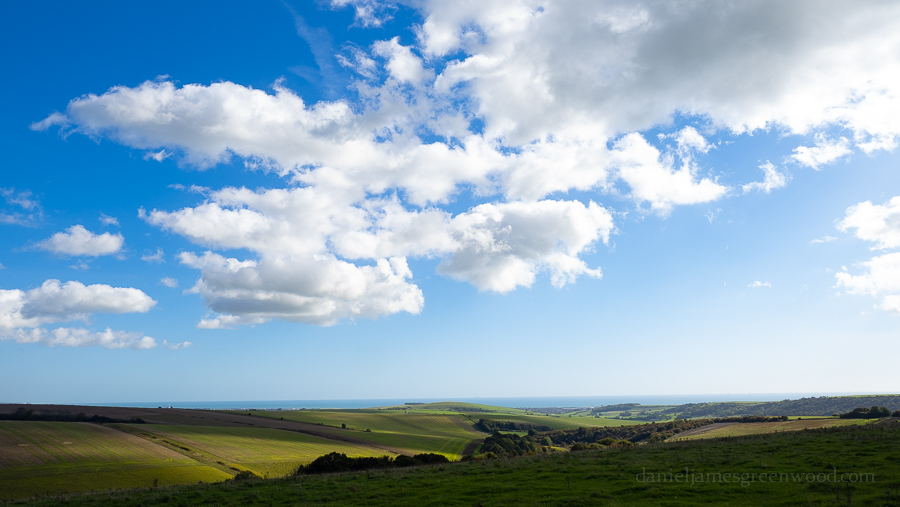
The resplendent South Downs set against a ribbon of blue sea and cloud-scattered sky.
Approaching views of Cissbury Ring.
Cissbury Ring is owned by the National Trust, thank god.
On Cissbury Ring there are better views of Brighton and the Seven Sisters cliffs reaching round to Eastbourne. This was a good way to observe the landing of invading armies but probably also to monitor trade.
Out at sea you can get closer views of the white turbines of the windfarm. The development required cables to be dug into the landscape, with a long strip having to be cut through the Downs to reach the electricity terminal. One person I know who lives in Hove said they were comforted by the red flashing lights on the horizon at night.
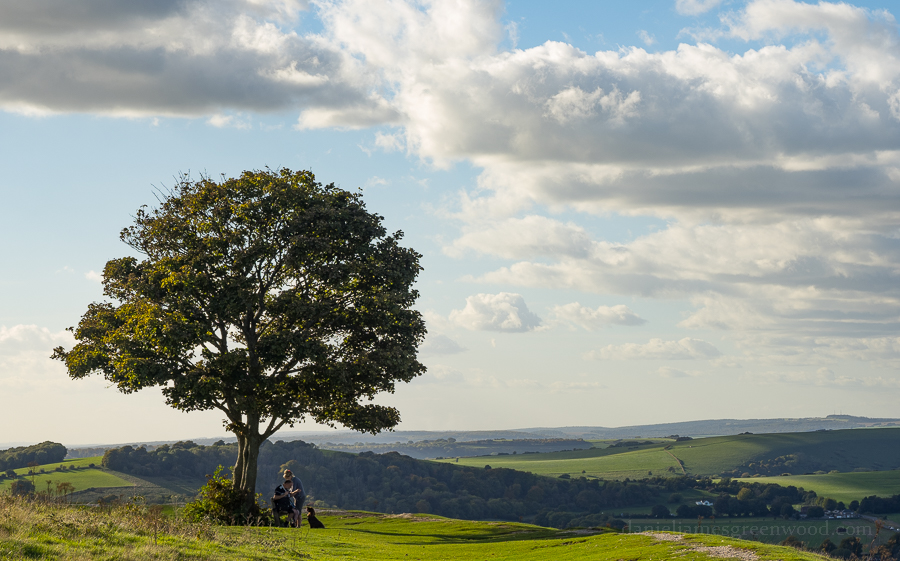
This sycamore tree got quite a lot of Instagram interest during lockdown, when a local person posted stunning phone pics of the sunsets up here. This is looking towards the Findon Valley.
Looking back where we’d travelled from, Chantoncbury Ring’s mini-hillfort can be seen as a beech clump on the hill, but much smaller now.
To the west, if you have binoculars, you can see the City of Portsmouth outlined on the horizon.
A last look across the Findon Valley, west into the Downs. The ramparts of the hillfort are in the image’s foreground.
Here’s my seasonal update of stuff you don’t need to know about, but then welcome to the Internet. What I’m writing Soon I will be self-publishing my third poetry collection, Fool’s Wood. It’s seven years since my last one and this collection has taken longer because of LIFE. There will be a booklet and also…
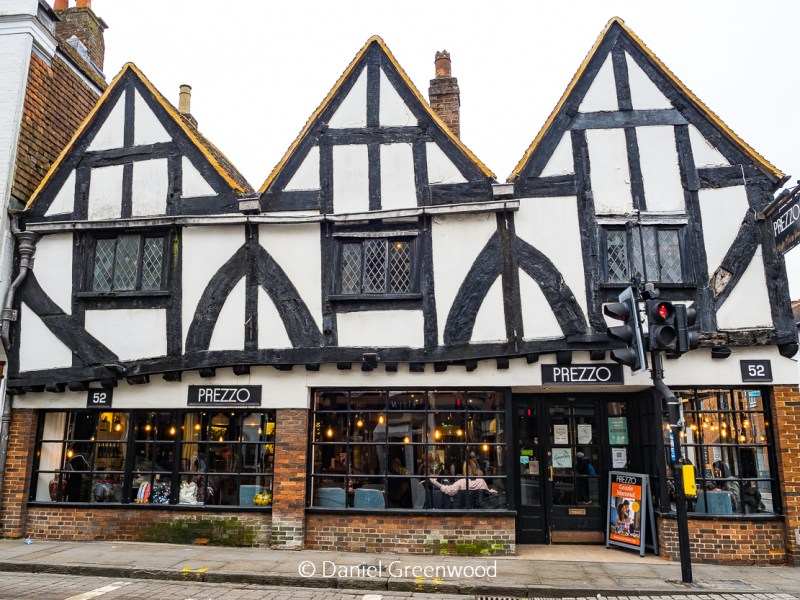
Here’s another entry in my slow-blogging Oak Timbers series. You can view my galleries and posts archive here. I visited Salisbury in Wiltshire (south-west England) for the first time in 2023 and was really charmed by the place. If you’re interested in this kind of thing, Salisbury is the place for you. Here’s a gallery…
I’m getting into more of a routine of recording and editing audio, so here is the latest episode of Unlocking Landscapes. Listen on Podbean or via the usual platforms. Also via YouTube: https://youtu.be/y1K9Pqx68to?si=B-Fdhf3sdDH35Z8w Following on from July’s rather optimistic fungi walk, I popped back to the same area of ancient Wealden woodland to see if…
Last week I went for a walk in rather grey and glowery weather. It was in hope of seeing some earlier spring signs but was more a reminder that winter persists.
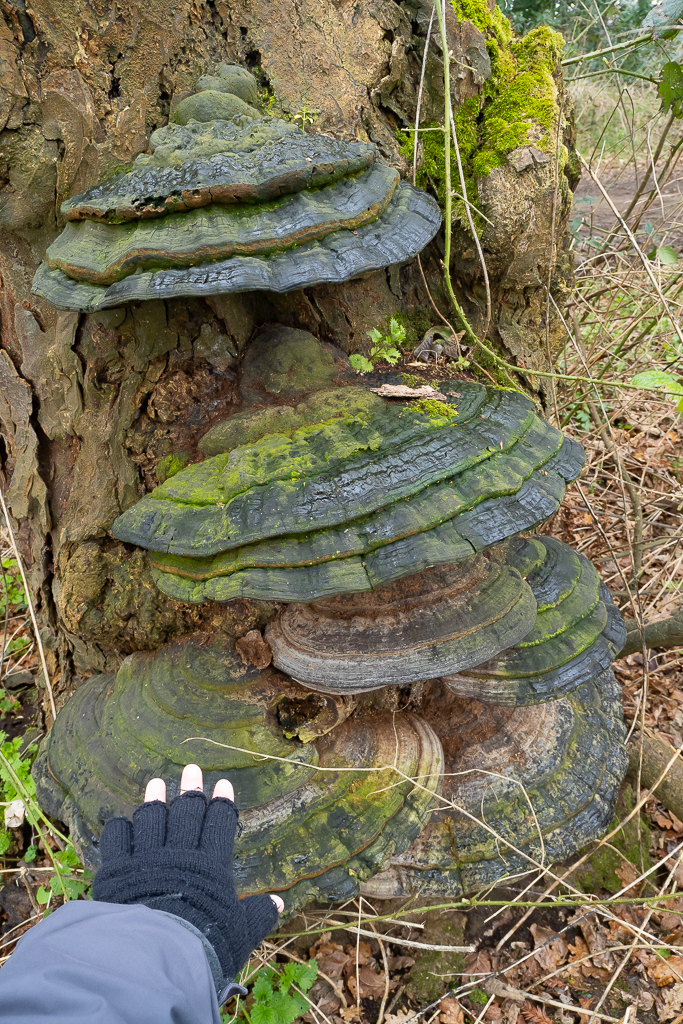
I found a small collection of glistening inkcaps, along with one of my favourite large brackets. Those are pictured here with my hand for scale.
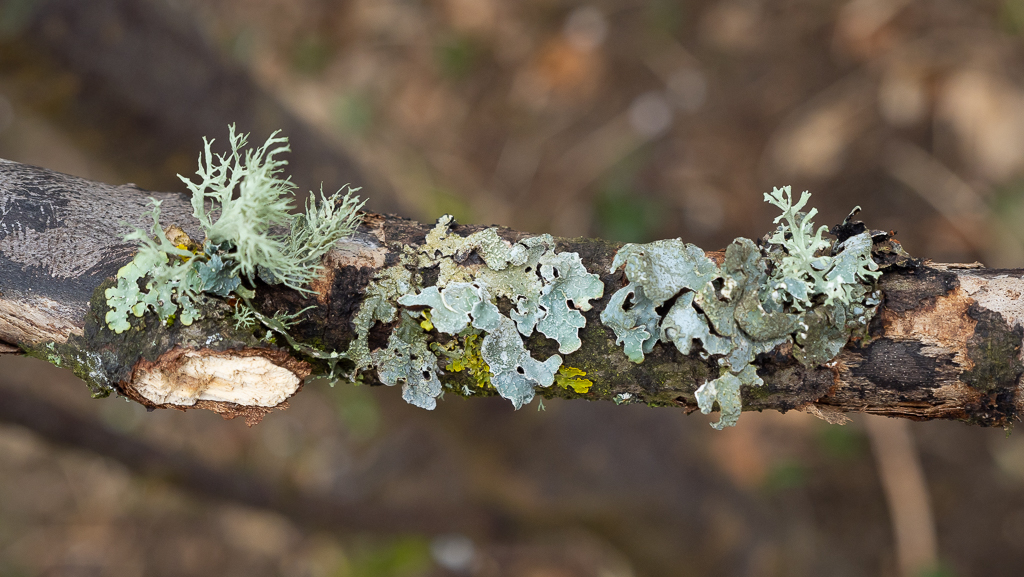
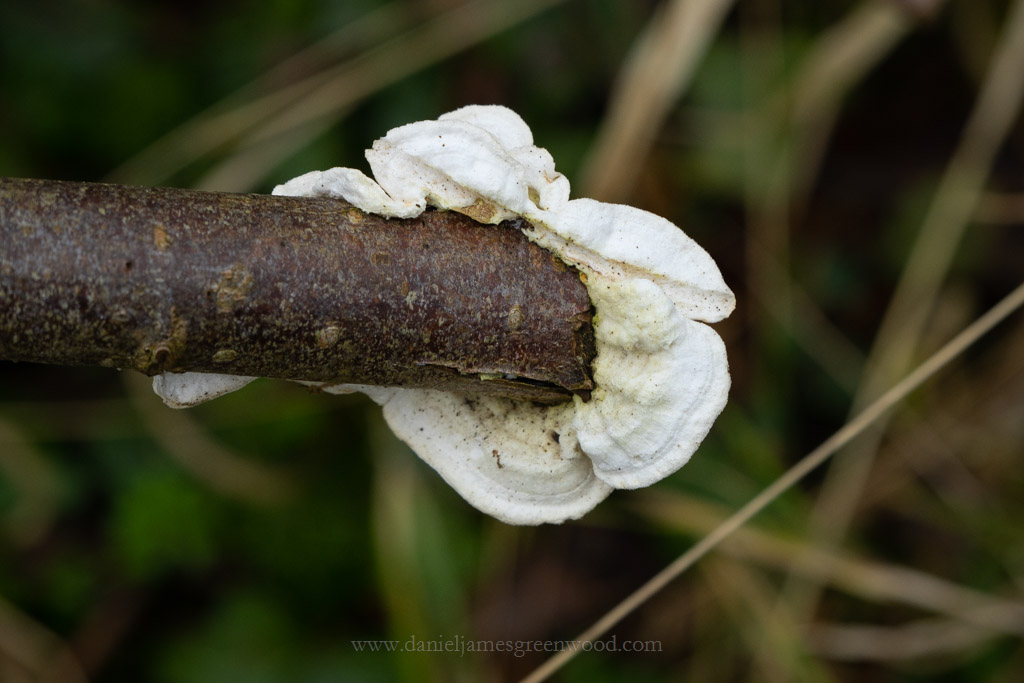
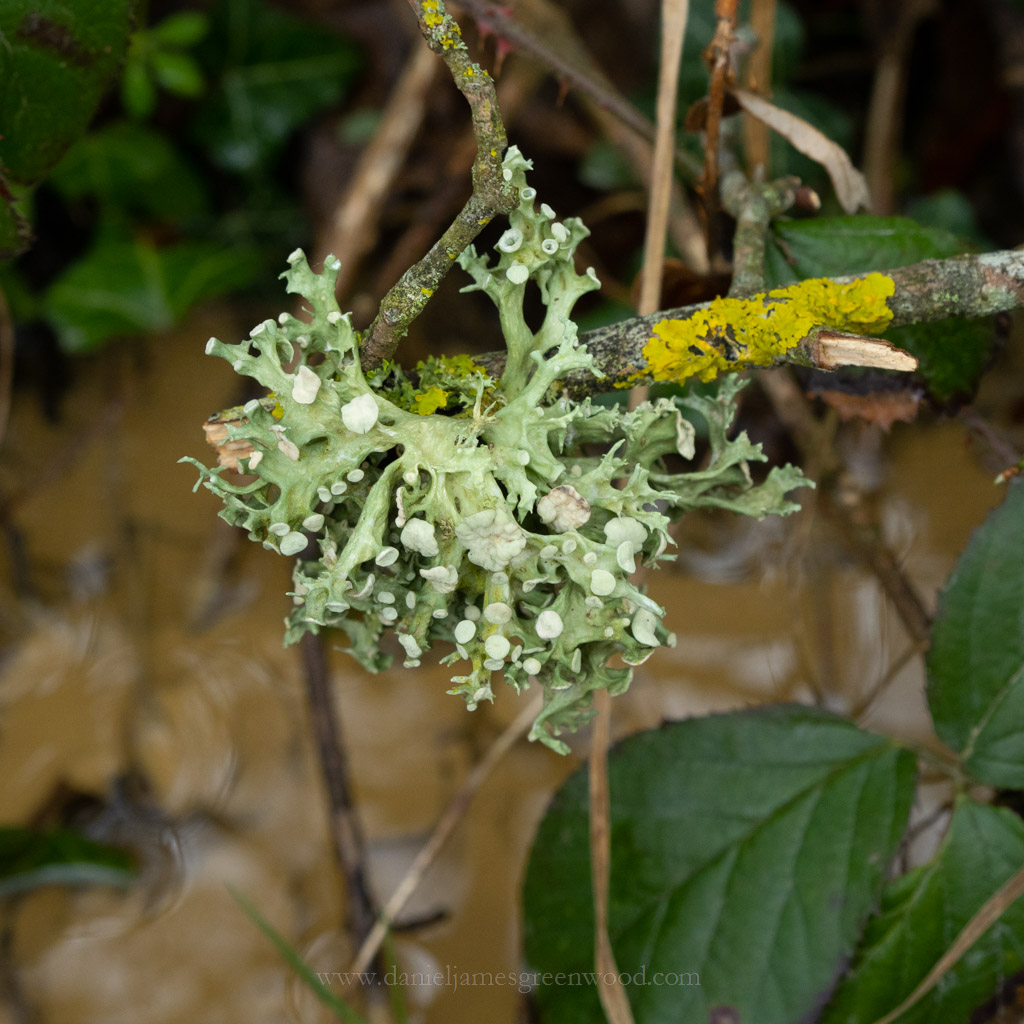
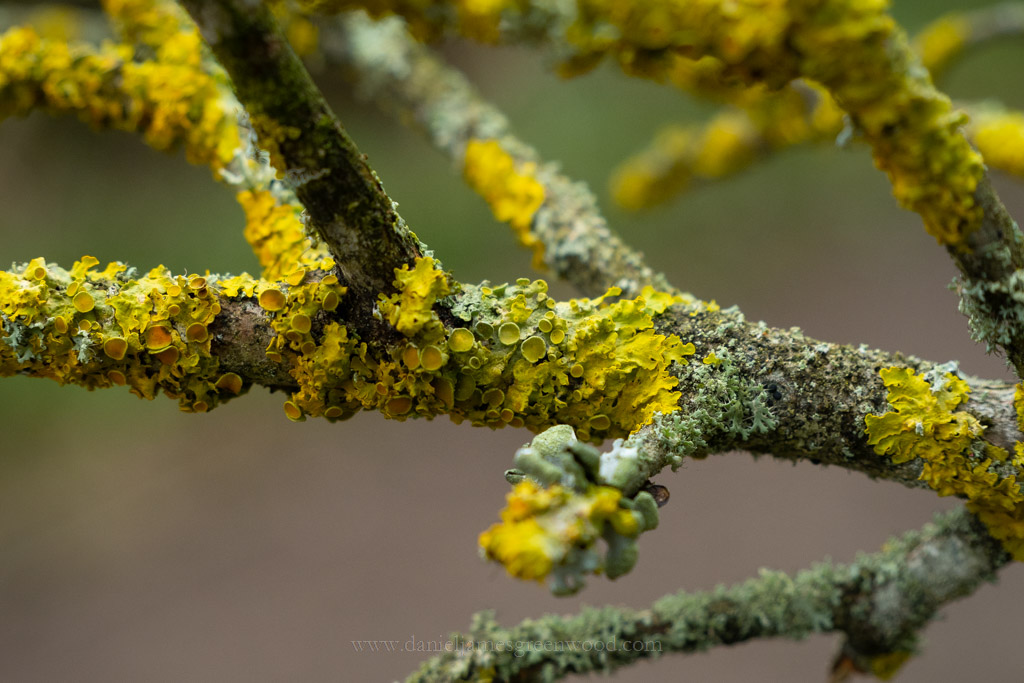
Otherwise there were some small polypores (probably turkey tail) and a few lichens that had been enriched by recent rain.
Life is rather full-on at the moment so I’m not finding the time or energy to write something longer or more detailed. It’s also a mental thing, just don’t have a lot to say. Photography will be the focus in posts for a little while.
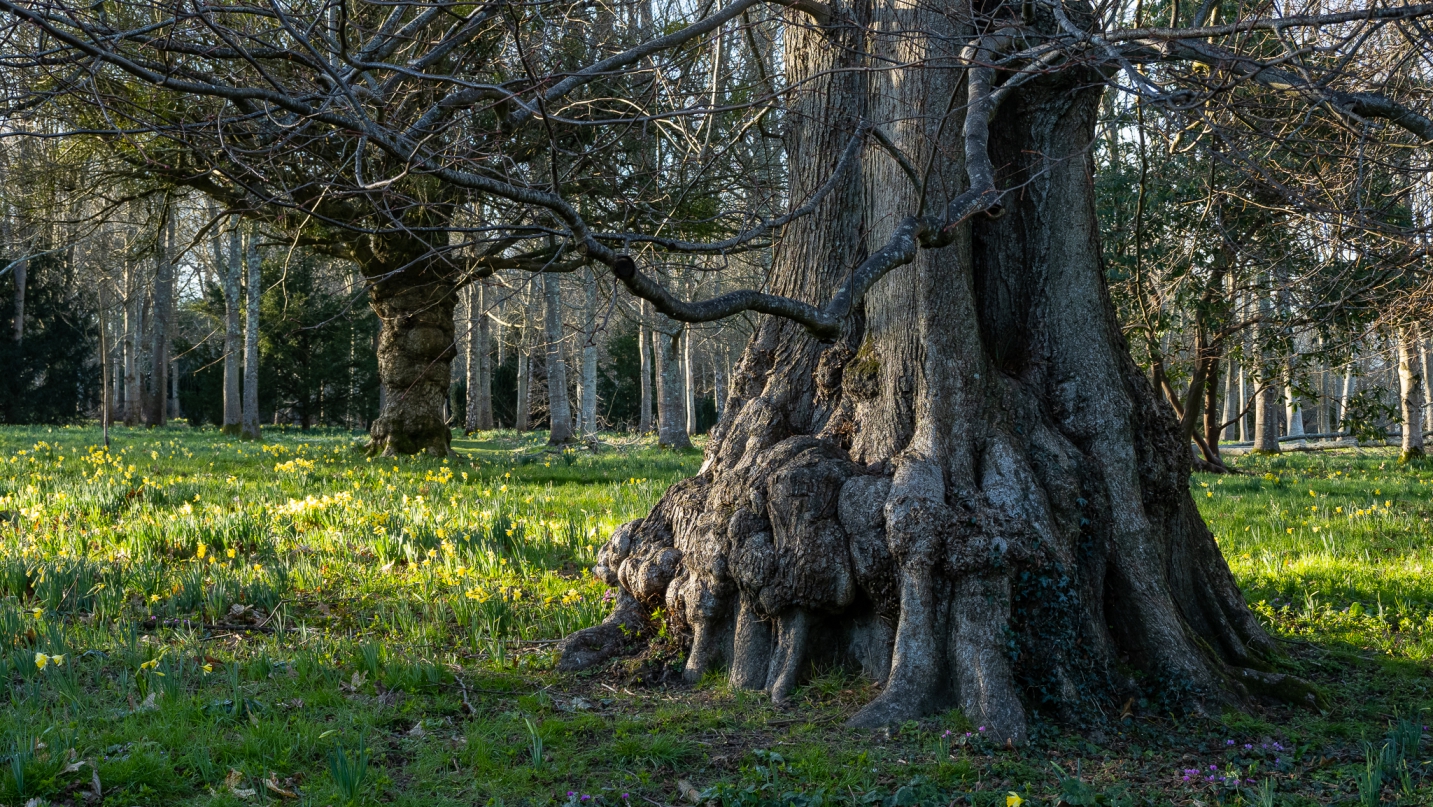
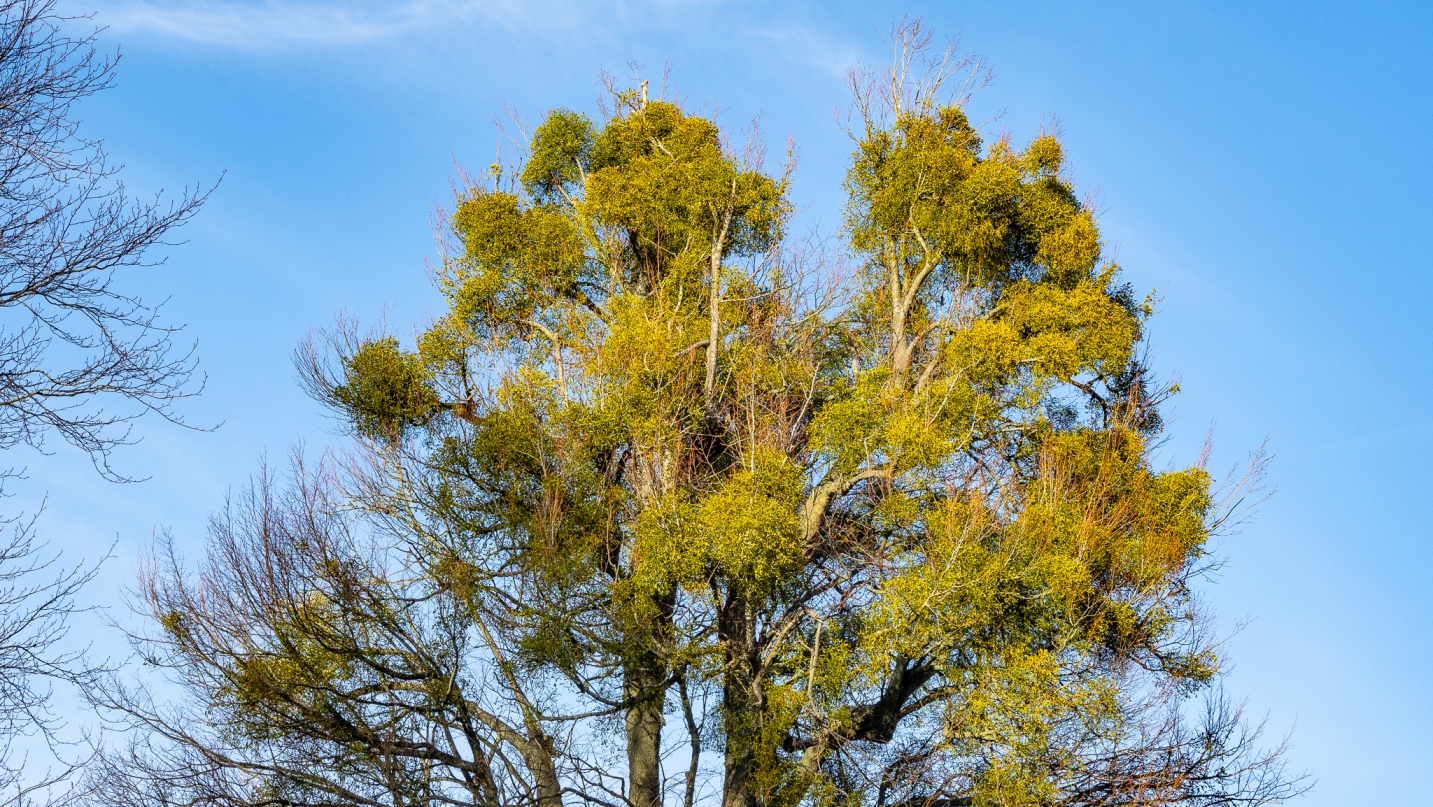
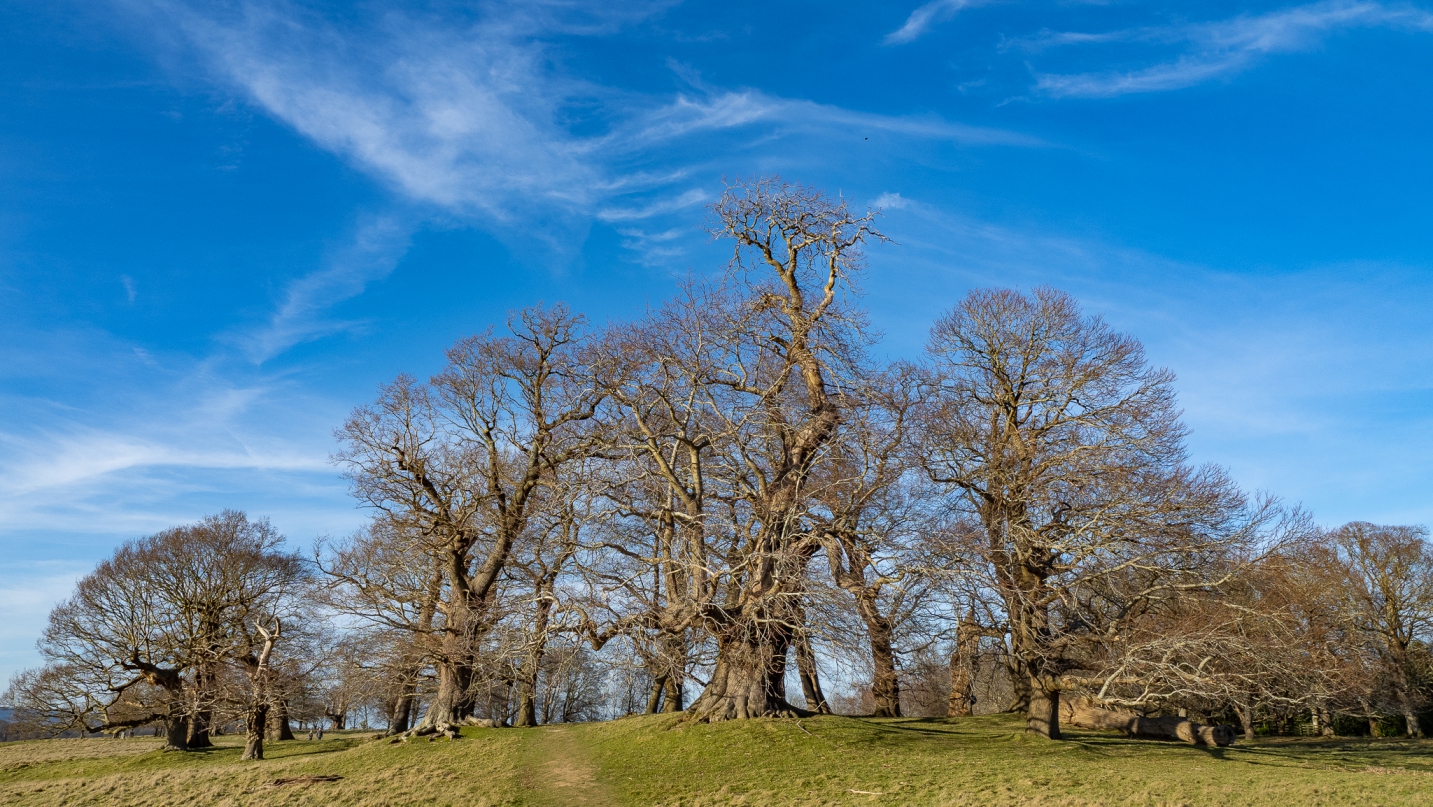
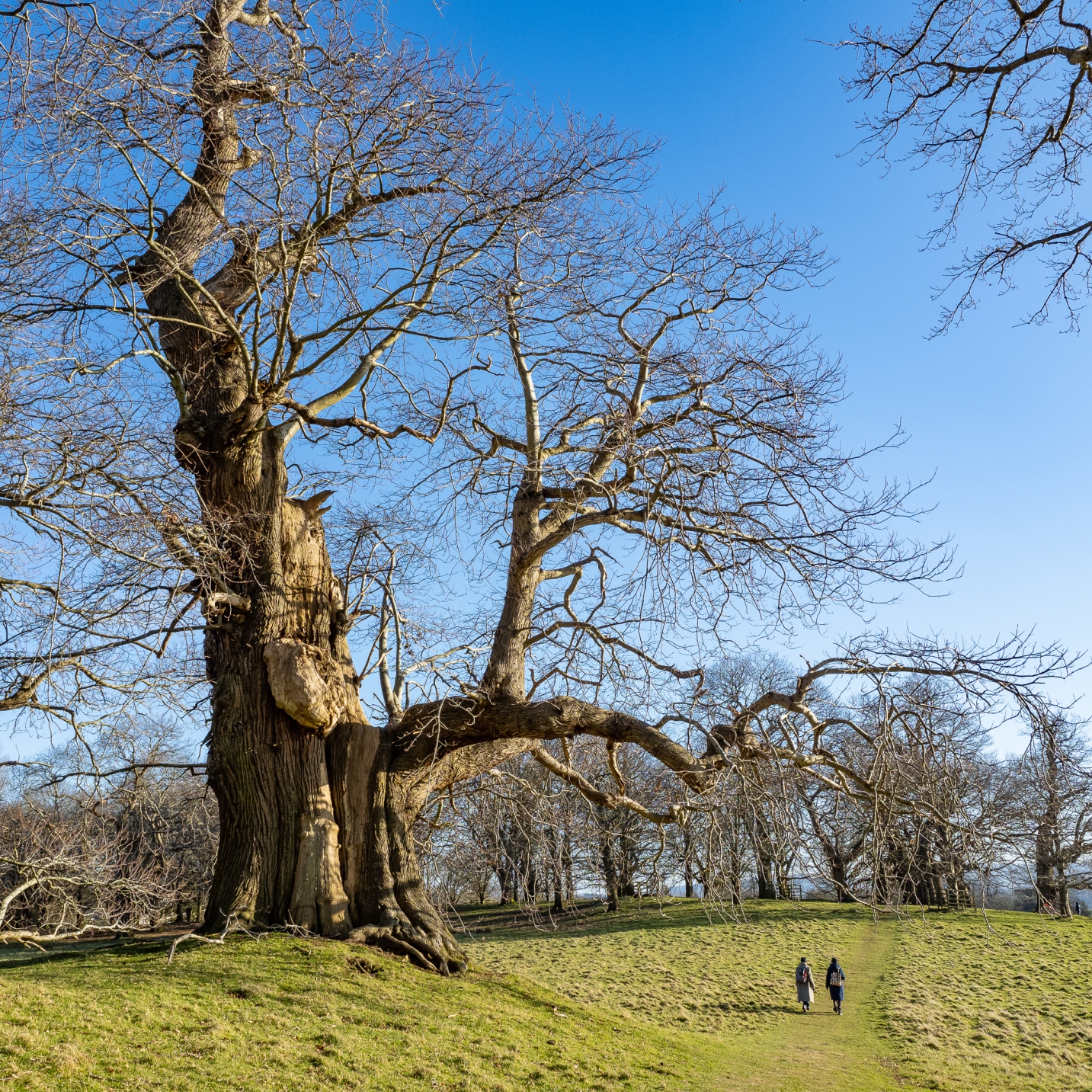
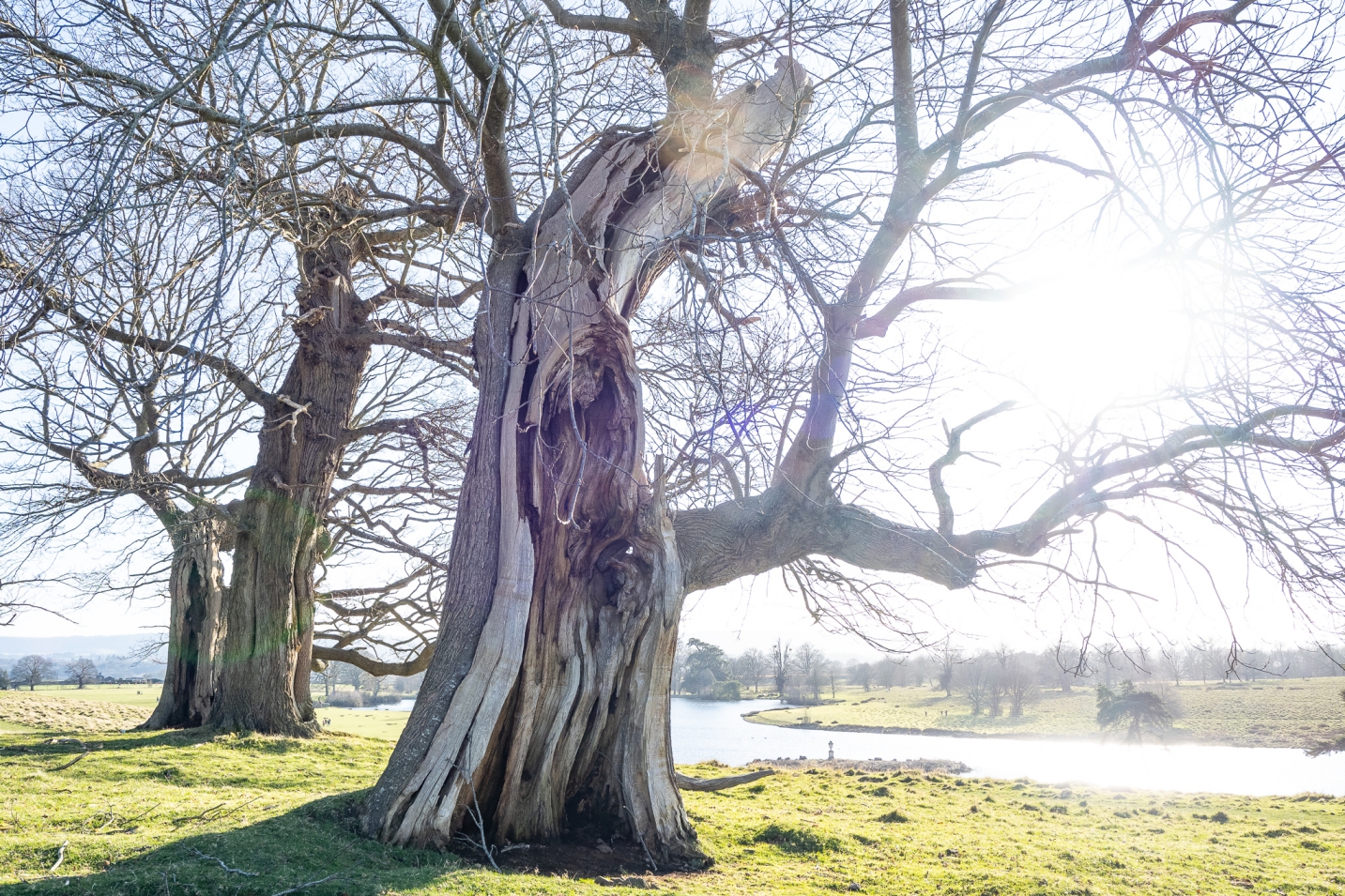
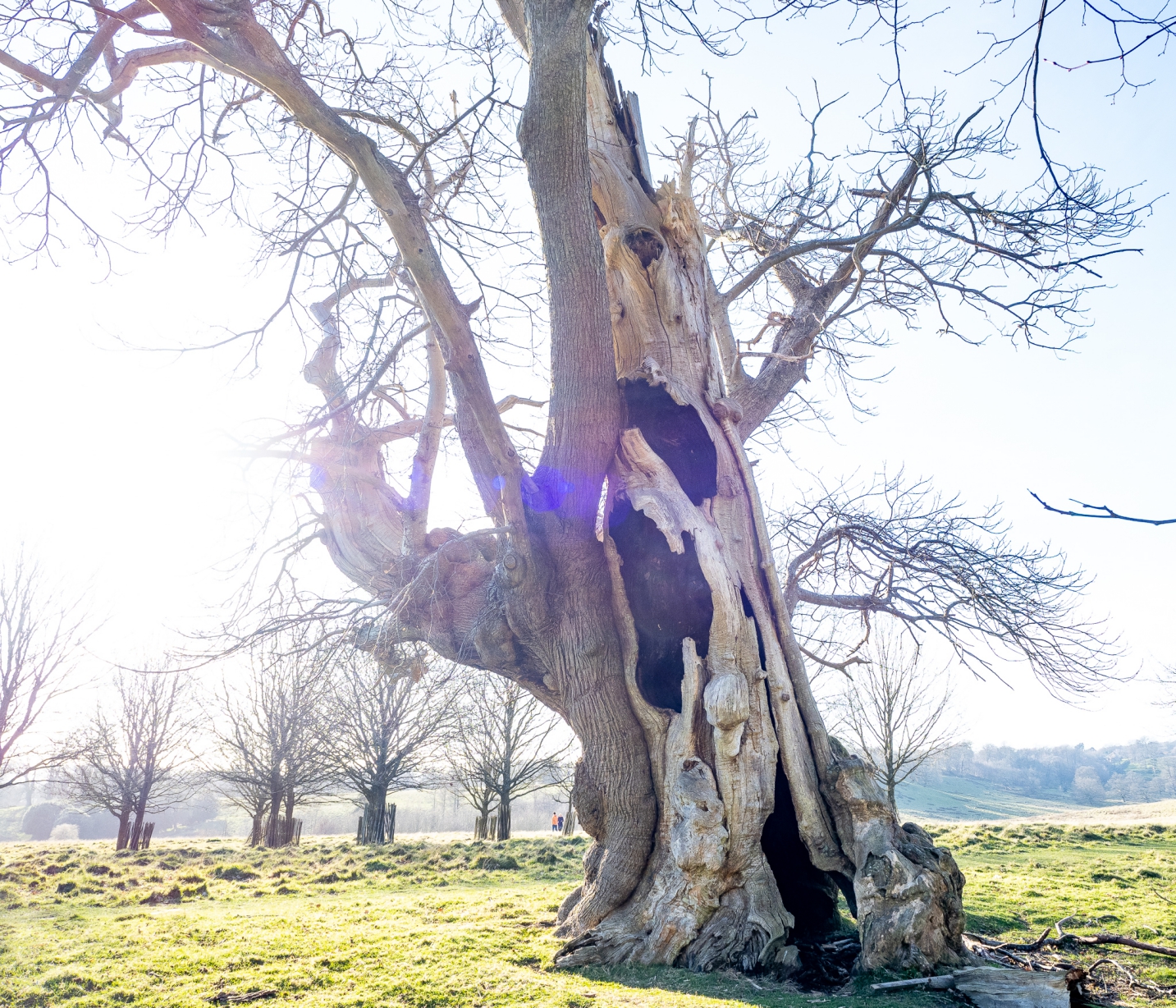
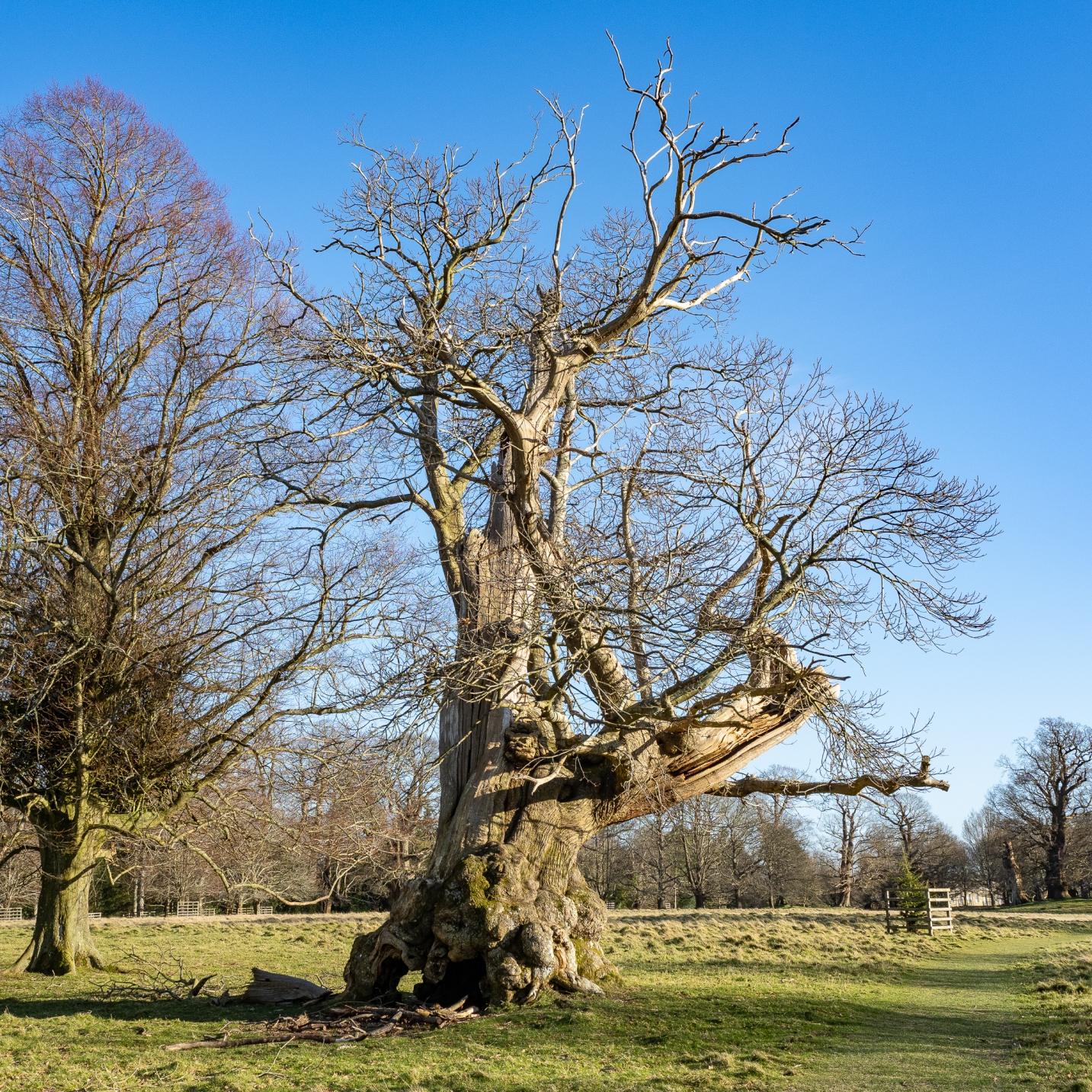
A series of photos from a sunny late winter/early spring afternoon in Petworth Park. Though it’s located in the South Downs National Park, it’s a Wealden landscape of huge ancient oak and sweet chestnut trees. The views of the South Downs from Petworth are heavenly.
The oaks and chestnuts seen here are very old. The wider landscape contains some of the oldest oaks in Britain.
Photos taken with an Olympus E-M5 MIII + 12-45mm f4 lens, lightly enhanced in Adobe Lightroom.
On the evening of Wednesday 19th January at about 21:00, I spent some time photographing the winter night sky. I was in my West Sussex garden, where there is a surprisingly good clarity of starlight despite the nearby town and railways, etc.
A few nights before when it was a bit cloudier I spent the time just looking through binoculars at the stars. As someone new to stargazing, I was amazed by the gains made from looking through glass. In among the cloud were hundreds of tiny stars where nothing appeared to the eye. This will sound quite dim to more seasoned observers, but the difference made was a joy.
One little cluster I had my eyes on was the Pleiades. This appears to the naked eye like a dusting of light, to the east of Orion. Looking through binoculars gives much greater clarity. On Wednesday night I used my camera to get some images, later cropped and edited a bit in Lightroom.
The Pleiades, from West Sussex, approx. 21:30, 19-1-2022 (Olympus E-M5 MIII + 45mm f1.8 lens(cropped)
The Pleiades is made up of seven larger stars, giving it another name of the ‘Seven Sisters’. That’s the third time that name is used, to my knowledge, in place-naming alongside the Seven Sisters cliffs near Eastbourne in Sussex, and the main road in north-east London. The Seven Sisters road is named after elm trees which are no longer there.
The above photo by Carlos Budassi is obviously not as good as my attempts (JOKE). It does, however, help to illustrate this star cluster beautifully. I’m not sure of the camera, lens, settings or editing required to produce this image but it is of astonishing quality. Also, how good of Carlos to share this image with Wikimedia Commons so people can use it. Thank you, Carlos.
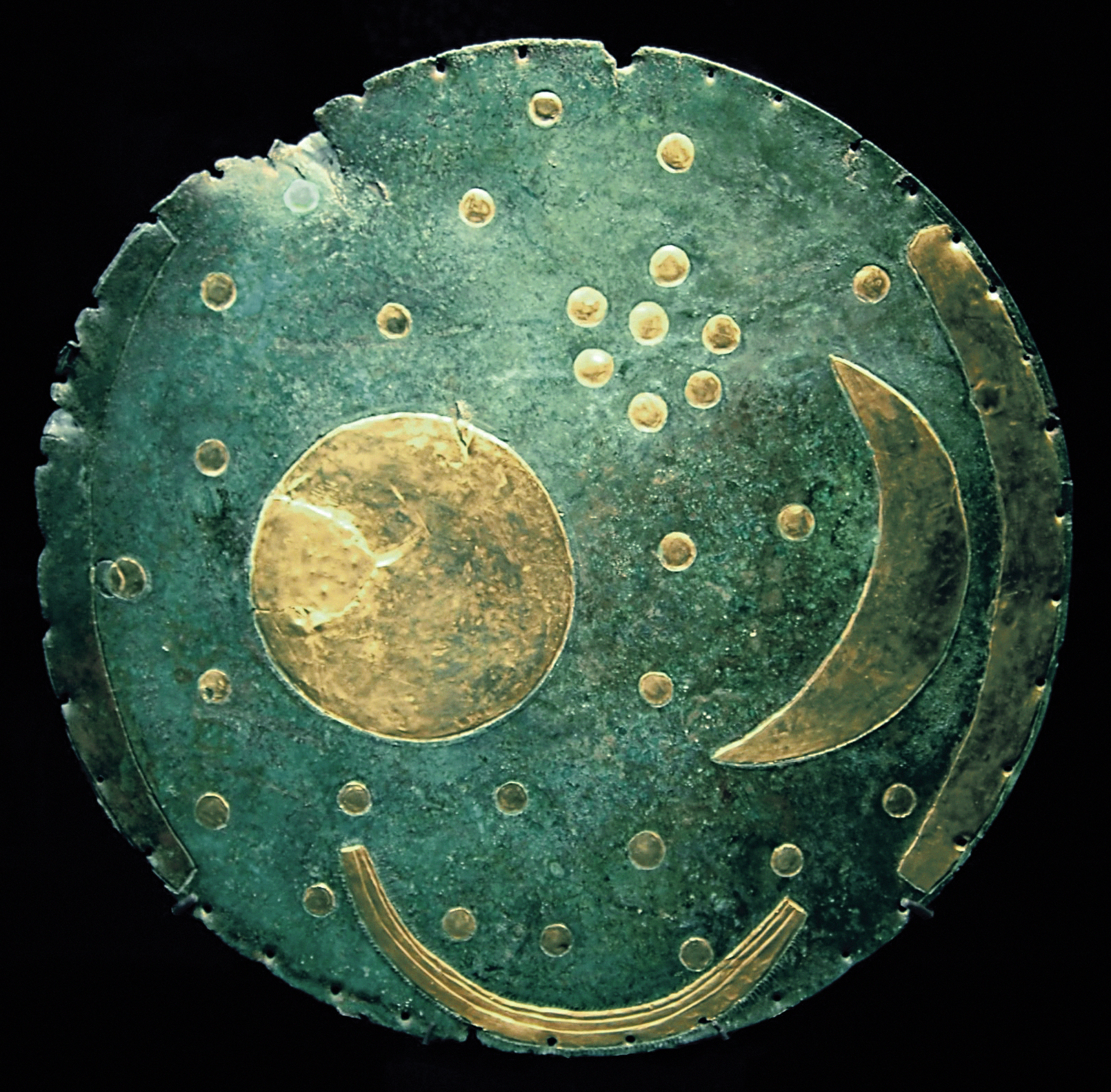
The first known depiction of the Pleiades comes from the Bronze Age as seen in the image above. Wikipedia titles the image: “The Nebra sky disk, dated circa 1600 BC. The cluster of dots in the upper right portion of the disk is believed to be the Pleiades.” Indeed, there are seven of them.
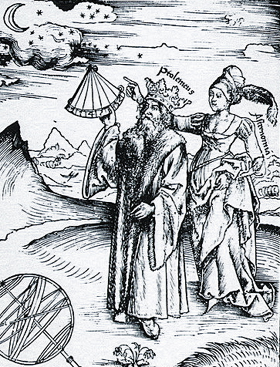
Ptolemy, Public domain, via Wikimedia Commons
The name ‘Pleiades’ is said to come from the Ancient Greek and is related to sea-faring rather than the Seven Sisters.
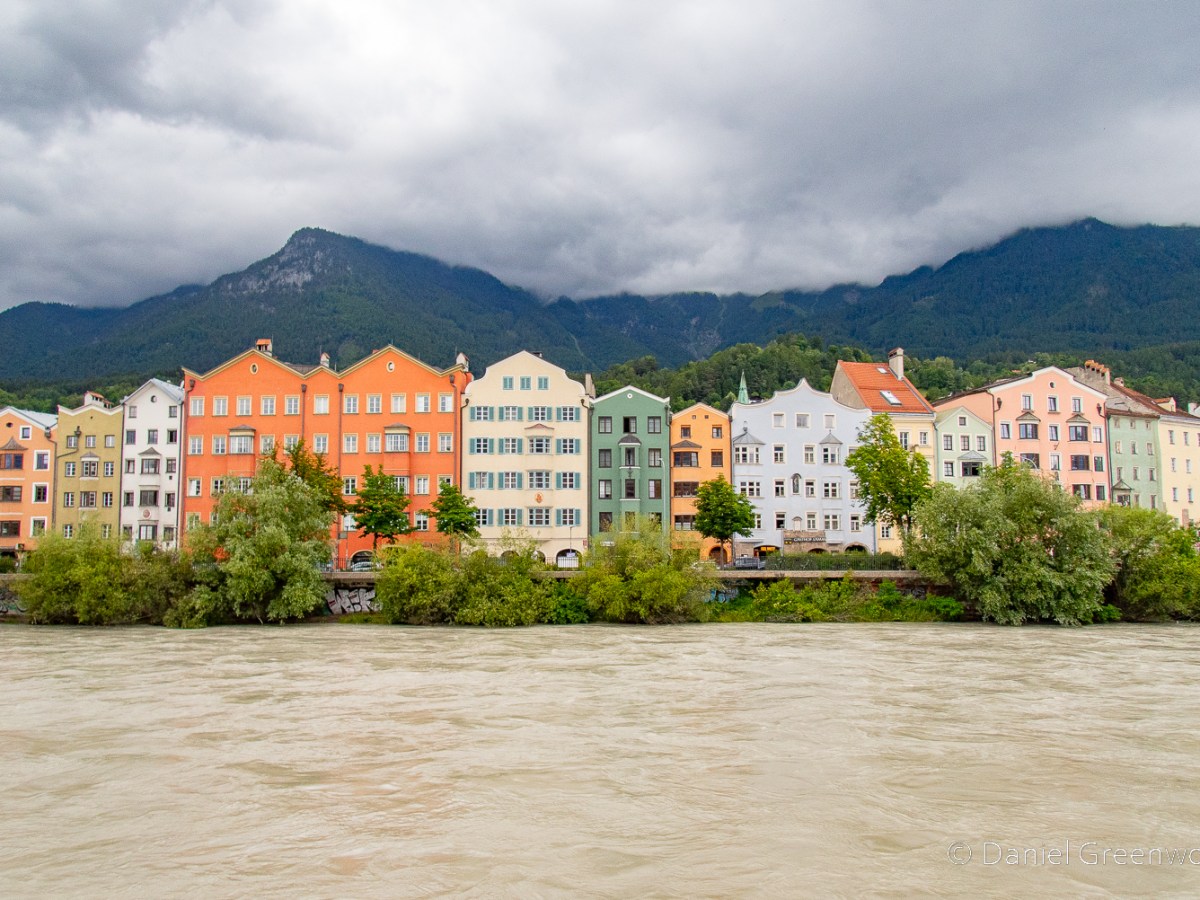
Innsbruck, Tyrol, Austria, June 2025 This is a longer post of the images I captured during a recent visit to Innsbruck in the Austrian Alps. We travelled to Innsbruck on a sleeper train from Amsterdam. It’s such a great experience and is significantly lower in carbon emissions compared with flying. If you consider the fact…
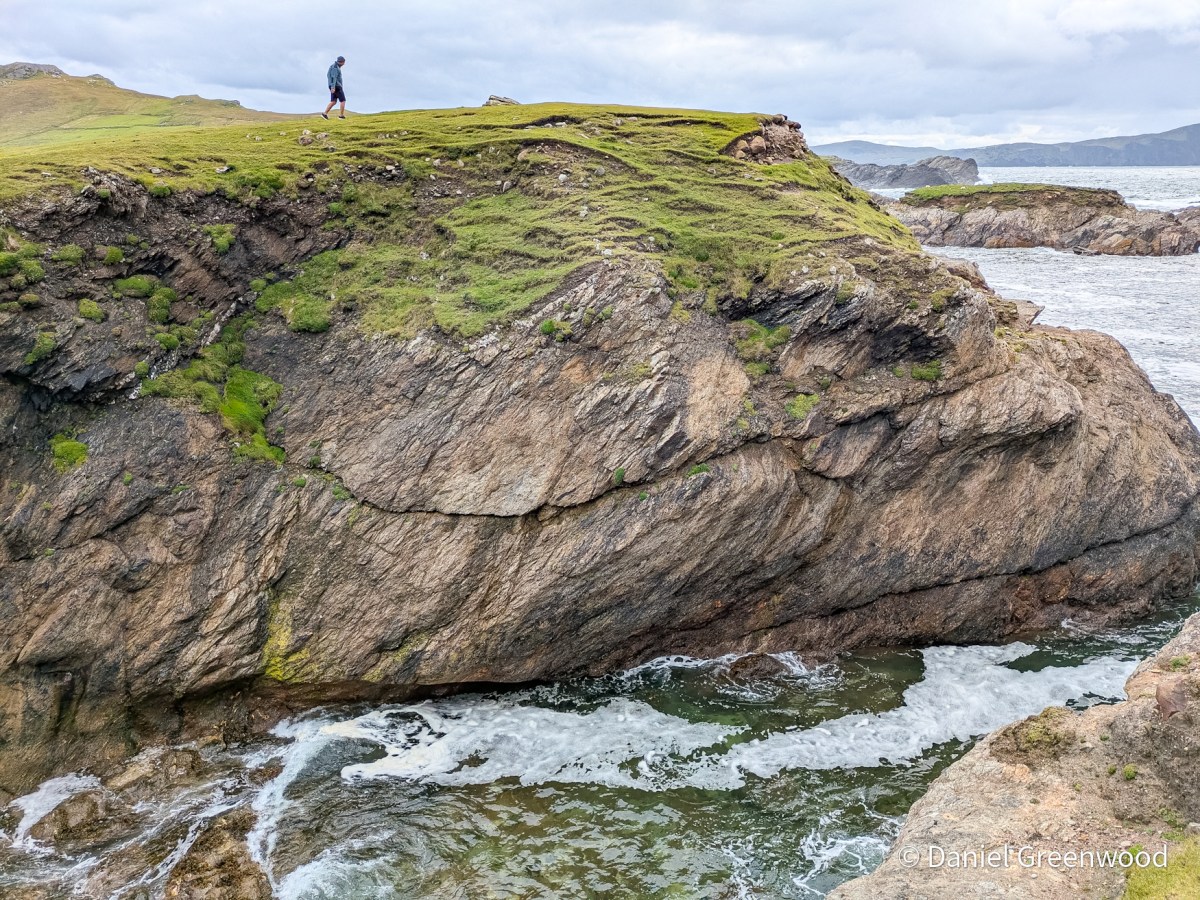
I’m back from my annual visit to the west of Ireland. I managed a couple of day trips to forage for photos, which will crystallise later this year into dedicated posts, all being well. Like many people I enjoy the Blind Boy Podcast, none more so when I have the headspace to take in all…
This is the first of a series of posts I’ve been working on covering national relationships with mushrooms. It’s just a bit of fun, but there’s definitely some interesting stuff to share.


























 Unlocking Landscapes