Blog

The Sussex Weald: the swelling night sky

Midhurst astro - 6-11-2019 blog-2

Midhurst, West Sussex, November 2019

Nightfall. The traffic throbs white and red along North Street. The streetlamps light a line of trees penning the cars in against the buildings that crowd one side of the road. The illuminated frame of a church window stands between two black trees like a section of the Taj Mahal.

I’m here to drink in the swelling night sky. Above Midhurst the Plough sits like an advert for something half-formed or untranslated. As the night deepens more stars cluster around iconic constellations I can’t put a name to.

People pass on a couple of occasions, one man greets me, his scotty dog with a green collar glowing around its neck in the dark. The night has not dimmed its senses, it seems enlivened, sniffing at the night with ears pricked up.

Midhurst astro - 6-11-2019 blog-4

Over the Rother, where it funnels past the Cowdray ruins, the moon draws up mist from the river, matched in the cloud that sits beneath its white beam. Who knows what could be creeping in towards me under that white veil.

Aeroplanes blink and roar in the sky, male pheasants clash in metal at the margins of the wet grasslands separating the Cowdray ruins from the Midhurst traffic. The stars seep through yet more.

Explore the Sussex Weald

The Sussex Weald: autumn crashes into view

Woolbeding - 6-11-2019 blog-1

The Rother, Midhurst, November 2019

Autumn is entering its deepest phase but summer’s life still has a breath. Along the Rother path a neon spider pushes across the mud into the wet grass. The young oaks stand like upright bonfires burning from green to gold. College students wile away their lunchbreaks on the urban netherlands of the Rother. One young woman sits on the exposed roots of a tree watching the sluice, while another rests her head on the concrete structure supporting a drainage pipe. Her male friend stands by, nervous, unsure of how to respond.

Woolbeding - 6-11-2019 blog-2

Passing through the woods the trunk of an ancient hornbeam has been revealed again from the screen of saplings and bramble. The latter’s leaves bright yellow with flecks of red like nicks of flesh. A small flock of tits, wrens and robins lift up at the arable edges, ticking into the green bowers of a mature oak. They cross the felled and repurposed trunk of an old conifer with electrical wires, warning: RISK OF DEATH KEEP OFF.

At the gate into Woolbeding autumn crashes into view. Reds, yellows, and browns glow in a break of the sun from clouds. The South Downs loom in silhouette beyond austere pine plantations on Midhurst Common, framing the autumn trees that edge the fields I’m entering. In the meadows dandelions and knapweeds flower in isolation. The air has warmed in recent days and these flowers have taken their chance.

Woolbeding - 6-11-2019 blog-3

Explore the Sussex Weald

The Sussex Weald: the safety of the Rother

Angels bonnets - Oct 2019 blog-1

River Rother, Midhurst, West Sussex, October 2019

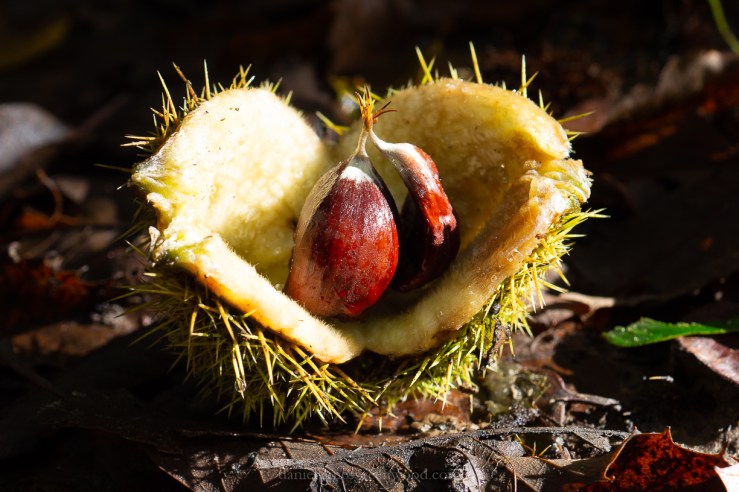
The Rother wends its way around the foot of St. Ann’s Hill, the site of a motte-and-bailey-castle probably built by the Normans in the 11th century. The water is high and brown after heavy rain that has fallen for several days. Atop the hill the ground is carpeted by the spiky cases of sweet chestnuts, freshly fallen from the huge trees that dominate the hill. The sun, shining on what feels a rare occasion, lights the open shells, their chestnut fruits glimmering where they lie.

Away from the hilltop I follow a path that whips back across the prow of the hill. Here dead oaks lie on either side of the path. Angel’s bonnet mushrooms grow in a cluster from crevices in the sinewy wood, their white caps used as a post by a dung fly. Under one mushroom cap I notice another fly’s head poking out as it rests on the stem.

Rother - Oct 2019 blog-1

I hear the loud clopping of a dog coming towards me on the path. In my stillness it doesn’t know I’m here. As it comes closer and closer into view, its legs are in fact long and thin. It’s a roe deer, young and carefree. It sees me at a distance of ten feet and splashes through ivy, hazel and brambles down to the safety of the winding Rother.

Explore the Sussex Weald

The South Downs: the otherworldly nature of Kingley Vale

Kingley Vale - 27-10-2019 blog-7

Kingley Vale, South Downs, West Sussex, October 2019

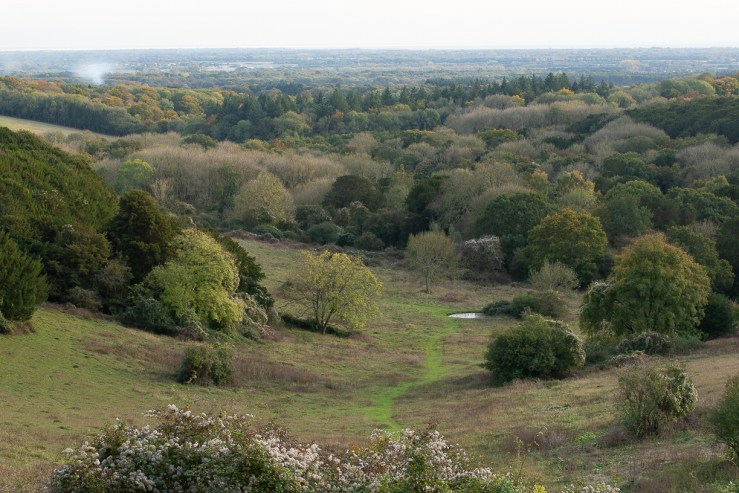
We enter the ashy woods of Kingley Vale, one of the most spellbinding places in the South Downs. Mushrooms are everywhere at the feet of yew, ash and oak trees as the season enters its peak.

Kingley Vale - 27-10-2019 blog-1

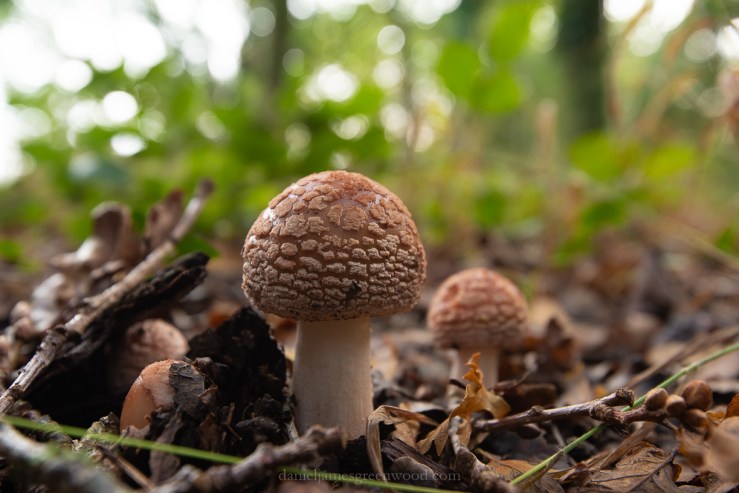
The light is weak so we kneel down next to the mushrooms to look more closely. We find blushers, ceps, deceivers and many brown species that are very difficult to identify.

Kingley Vale - 27-10-2019 blog-3

Archetypal mushrooms grow with black gills and caps that glow purple. Their collars hang loose like pastry over the edges of a tin.

Kingley Vale - 27-10-2019 blog-6

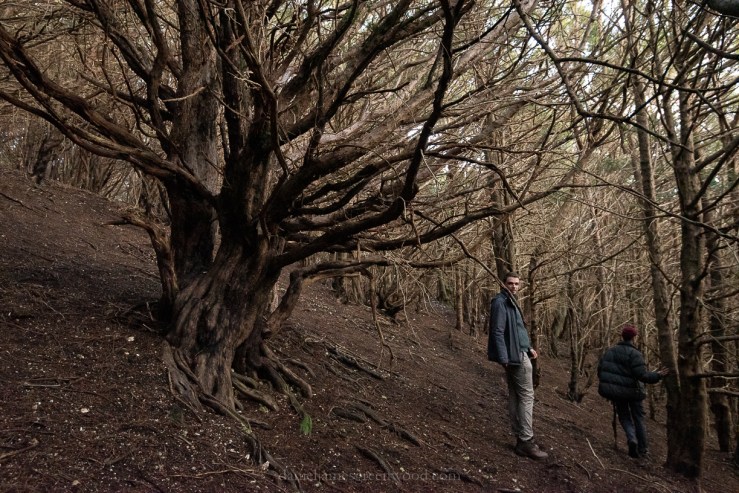
Kingley Vale is famed for its ancient yew trees, particularly one area that is heavily visited, the roots of the trees beginning to show above ground from the impacts of footfall eroding the ground around them. They feel like one of the most still and unmoving of tree species, owing to their hardness and strength. Their living tissue is some of the strongest in the plant kingdom and their heartwood is not at all needed for them to remain upright. Their roots can go on producing new trees even when those above ground have died, like the Borrowdale yews in the Lake District.

Kingley Vale - 27-10-2019 blog-8

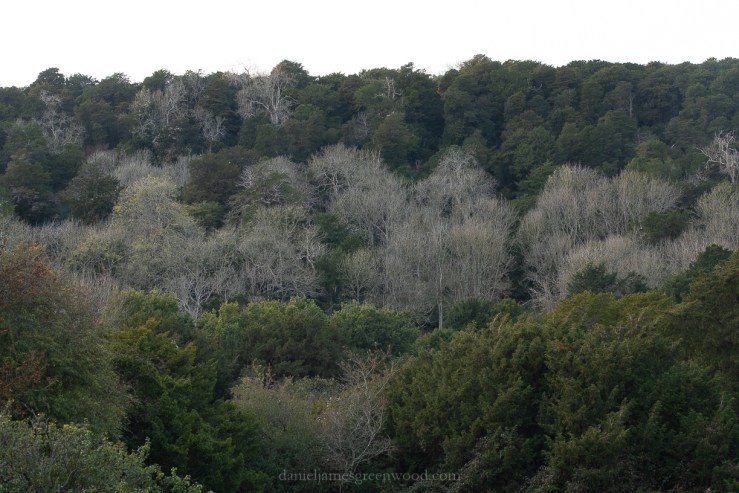
Out from under the yews chalk grassland spreads to the foot of the ridge where yew and ash woods cover the hills. Many of the ash trees are succumbing to ash dieback disease, in a landscape where they are content. It is a tragedy but then it is our own fault for unchecked trade of wood products, combined with the eventual spread of fungal spores.

Kingley Vale - 27-10-2019 blog-9

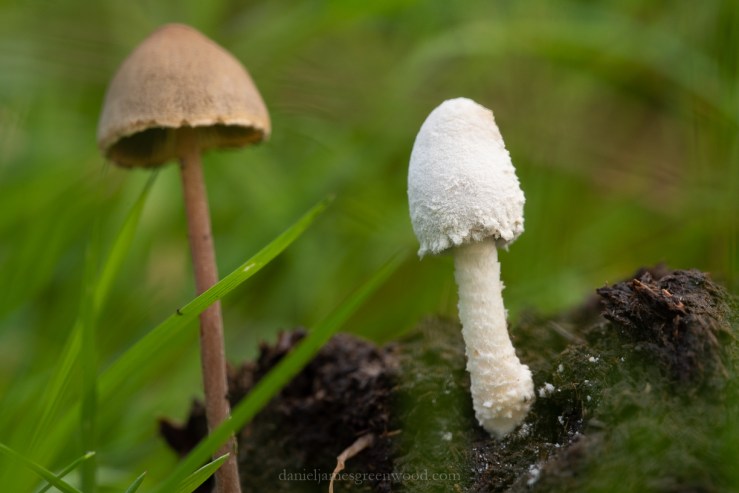
In the chalk grasslands we find a cowpat with mushrooms popping from the poo. One of them is snowy inkcap, a species I have never seen before, with its powdery cap and stem. It looks like something you might find in a snow globe.

Kingley Vale - 27-10-2019 blog-16

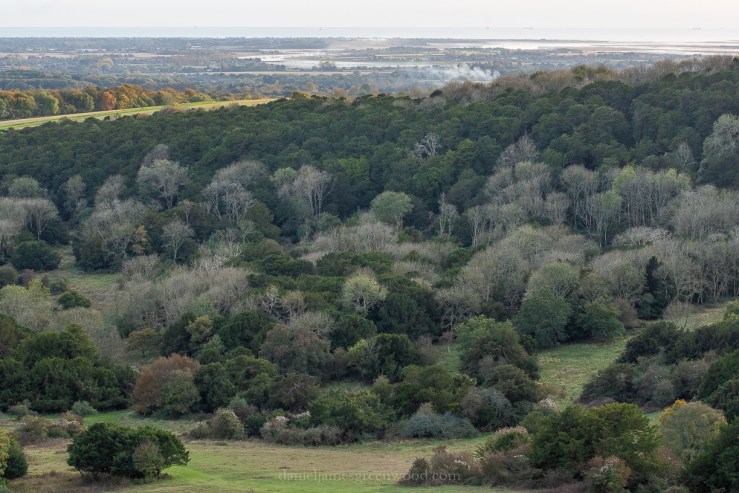
Climbing up onto the ridge the sun slips away in the west, casting a final glow across the chalky bowl of Kingley Vale.

Kingley Vale - 27-10-2019 blog-12

The grunting of a male deer echoes in the yew woods broken by the white stags of bare bone ash branches. Knowing some of these trees may be dead lends them a ghoulishness. Their brushheads are fading into history. Many will not be here in years to come.

Kingley Vale - 27-10-2019 blog-33

The sun glimmers in Chichester Harbour and the sea. A plume of smoke spirals into the evening sky.

Kingley Vale - 27-10-2019 blog-37

In the dense and dark yew woods on the slope we hear the strange, tropical bubbling of a tawny owl. Here yews reach out into the light at the edges like multi-limbed bodies sucked into a vortex. The yews have clarified the soil, no other plant can compete. Combined with the tawny’s song, the experience is otherwordly.

Kingley Vale - 27-10-2019 blog-42

At dusk rooks flock in a sea of black over a field-edge wood. Their cawing grows louder and closer as they envelop the sky above our heads, drawing in jackdaws, drifting back beyond the tops of the trees. On the darkening hilltops deer graze like slow-footed, four-legged people. We are left with so many questions.

Explore my Wood-Wide-Web

The Sussex Weald: A movement in the shadows

Warnham - 27-10-2019 blog-13

Warnham, West Sussex, October 2019

It’s so warm in the sun. Dragonflies touch the edge of the boardwalk as they mate in heavy flight. The sun glistens in the water. Flocks of tits have formed as winter approaches. I wait for one group to appear from shadowy alder carr but they keep their distance. Long-tailed tits chirrup and bounce between branches well beyond the boardwalk and space of water that separates us.

A couple of weeks ago we were shown harvest mice nests in the reeds and willows by a local ecologist. One of them is still here, the small bundle of grasses and leaves. Not much bigger than a cricket ball. I turn again to the alder woodland and a willow has crashed and fallen in the water. Its trunk has split, creating an entrance into its rotten core. The sun floods this wet woodland and the light brightens the dark glut of trees.

The broken willow again:
a movement in the shadows.
Whiskers and a pink nose.
Brown fur and paws.

It exits a hole where the heartwood used to be and slips back inside, down to water level. Out again it reveals itself on the willow bark with two paws spread out like furry stars, a white throat and breast. It turns its head to one side and sniffs the air. It dances back inside and disappears.

Warnham - 27-10-2019 blog-17

A couple approach me with caution. Aware I am now kneeling on the boardwalk I stand up and turn to them:

‘I’ve just seen an American mink,’ I say.

Explore the Sussex Weald

The Sussex Weald: Riders of the mushroom storm

Owlbeech - 18-10-2019 lo-res-28

St. Leonard’s Forest, West Sussex, October 2019

After a night of stormy weather, the high winds blew through the woods and really I probably shouldn’t have been there. But October is such a special time in the woodland year that any time spent there is to be cherished.

Owlbeech - 18-10-2019 lo-res-3

I walked for three or so hours in the Forest and found lots of species, masses of small brown and grey mushrooms in the leaf litter that don’t make great photos. My first find was a lovely species known as twig parachute.

Owlbeech - 18-10-2019 lo-res-4

Staying in macro mode these miniscule bonnets were were growing from a bed of moss on the buttress of a tree.

Owlbeech - 18-10-2019 lo-res-6

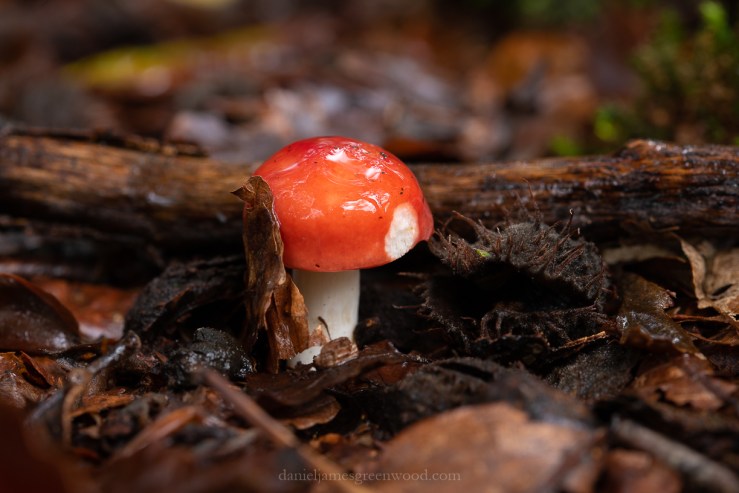
There is a small clearing I’ve recently found, well hidden from paths but obviously the secret space for other visitors as well. Here a thick humus of leaf litter and, in particular, beech nuts were creating good fruiting ground for mushrooms. This little brittlegill (I always prefer their Latin name of Russula, indicative of their redness) was one of those to benefit.

Owlbeech - 18-10-2019 lo-res-5

A beech tree has dropped a large limb and deadwood fungi have begun to colonise it. This is a splitgill and only really comes to life after prolonged rain. It’s a process of re-hydration. They’re tricky to photograph but always look nice with some bokeh (the baubles of light) in the background.

Owlbeech - 18-10-2019 lo-res-8

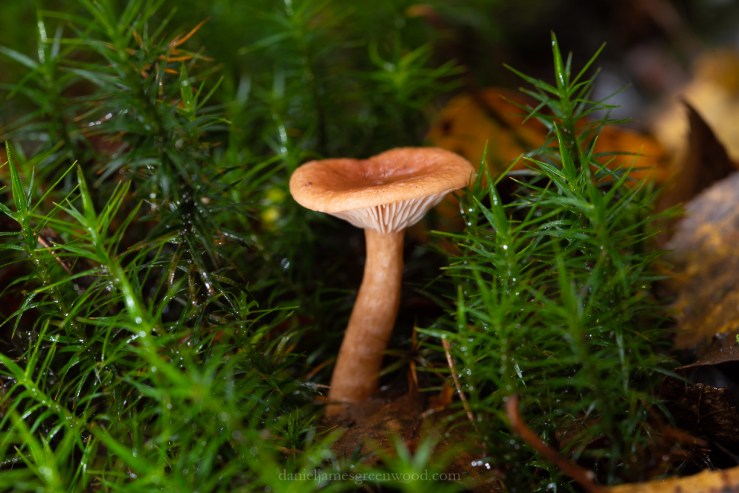
In the mosses growing in the dark and wet corners under holly trees, species like what-I-think-is curry milkcap were fruiting. This species is said to have a curry-like taste.

Owlbeech - 18-10-2019 lo-res-14

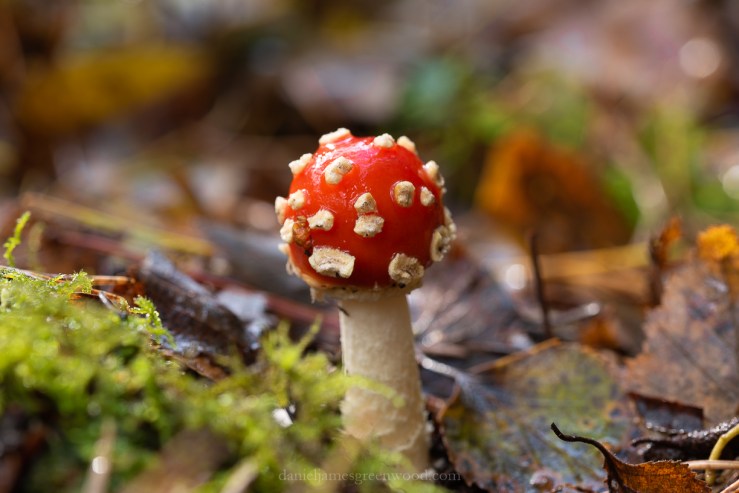
St. Leonard’s Forest sits on the edge of sandy heathland soils and Wealden clay. Passing into the heathy areas which make it a ‘Forest’ (forests were open landscapes used for hunting by the aristocracy, and don’t denote woodland alone) fly agaric suddenly arrived. These shrooms are thought to have given Father Christmas his red and white outfit and provided the hallucinatory impact that gave visions of reindeer flying. I’ll write something about that one day but still, these should be treated as deadly poisonous.

Owlbeech - 18-10-2019 lo-res-39

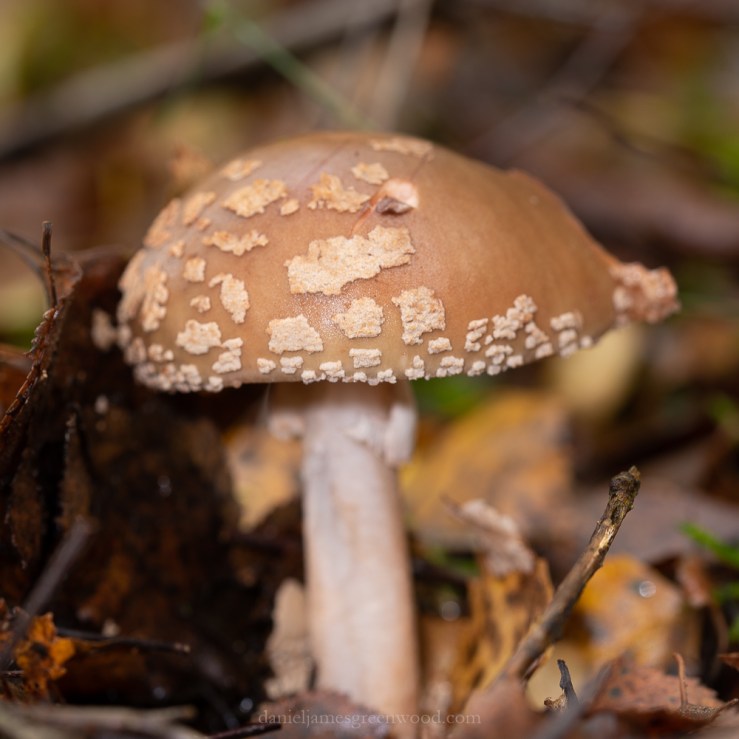
While we’re on deadly shrooms, this relative of fly agaric is panther cap. It’s definitely poisonous and is more photogenic when it’s in its bulbous stage. Again it’s common on sandy heathland soils.

Owlbeech - 18-10-2019 lo-res-25

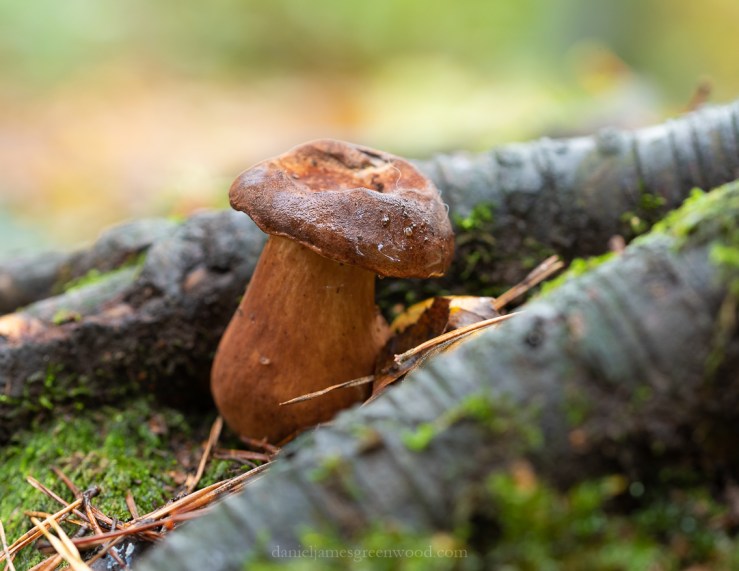
There is some constant pleasure about seeing boletes. Perhaps it’s because the cep/penny bun/porcini is the tastiest. This bolete scares me. Can you see the smiley face and squiggle of hair on the cap?

Owlbeech - 18-10-2019 lo-res-20

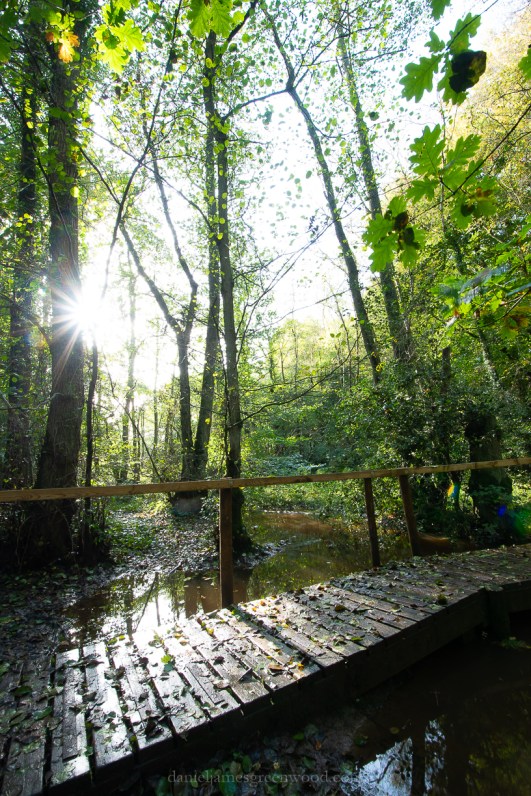
Days of cloud were broken up by the storm and it was a relief to see some sunshine. This footbridge runs over a gill that cuts between the clay woods and the heathland on that travels further east into St. Leonard’s Forest and the wider Weald. The gill was as full as I’d seen it because of torrential downpours.

Owlbeech - 18-10-2019 lo-res-51

On my way back home I found a gang of clustered bonnets on a trunk that crossed a path. It had been chainsawed in half so people can still walk through. It’s the perfect height and position for photos.

Owlbeech - 18-10-2019 lo-res-45

Owlbeech - 18-10-2019 lo-res-38

The sun broke through the trees and lit the bonnets where they had squeezed their way out from behind the bark. To me they look a little bit like they’re hiding from something beyond the wood they cower behind.

Read more:

The Sussex Weald

My Wood-Wide-Web


The Sussex Weald: a mushroom cloud rests over West Sussex

Ebernoe - 11-10-2019 djg-3

Ebernoe Common, Sussex Weald, October 2019

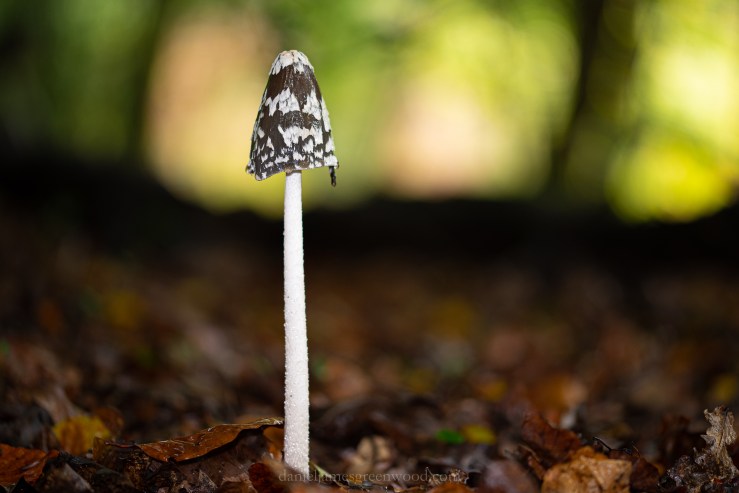
Last week I spent a drizzly and dark afternoon at Ebernoe Common, a National Nature Reserve managed by Sussex Wildlife Trust. It was raining not only water but mushrooms. The first signs of the good times came in the shape of a magpie inkcap. This is something I’ve only seen three times, twice at Ebernoe and once on the North Downs.

Ebernoe - 11-10-2019 djg-1

The word magpie relates to the English phrased ‘pied’ which means black and white. This species goes into the delicious state of deliquesce (an inky kind of melting), just like its relative the shaggy inkcap. Unlike the shaggy inkcap, though, it’s toxic so don’t eat it. The thing I like about this image is the glow of green in the background gradually turning to yellow as autumn progresses. Beech usually provides this kind of backdrop.

Ebernoe - 11-10-2019 djg-4

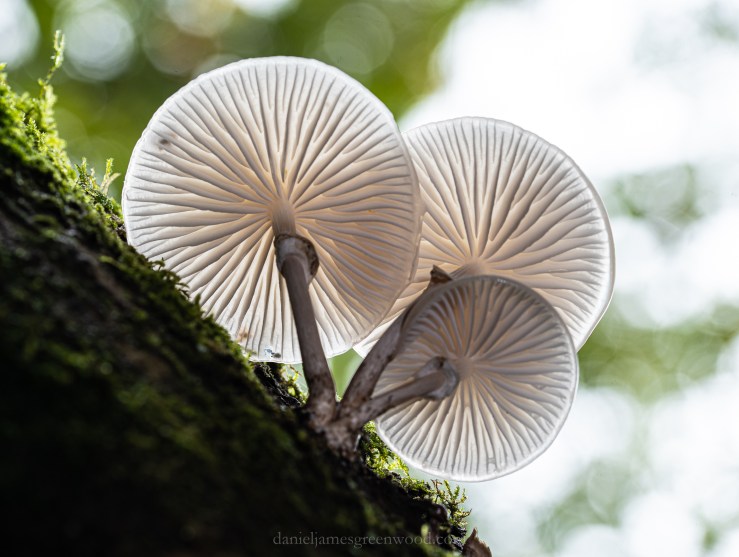
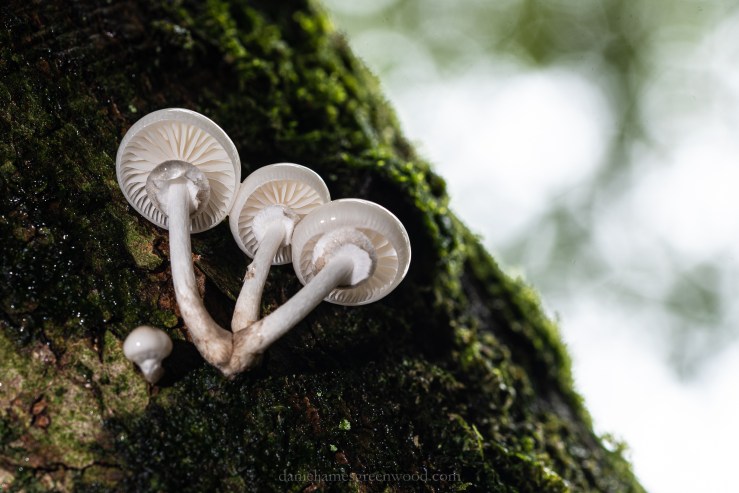
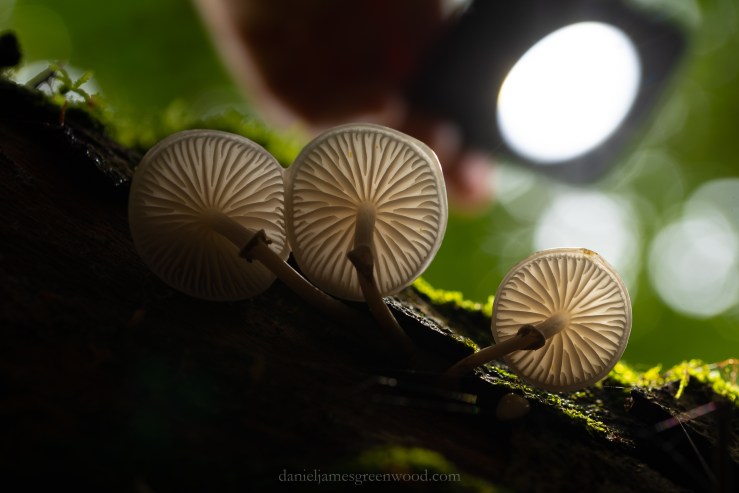
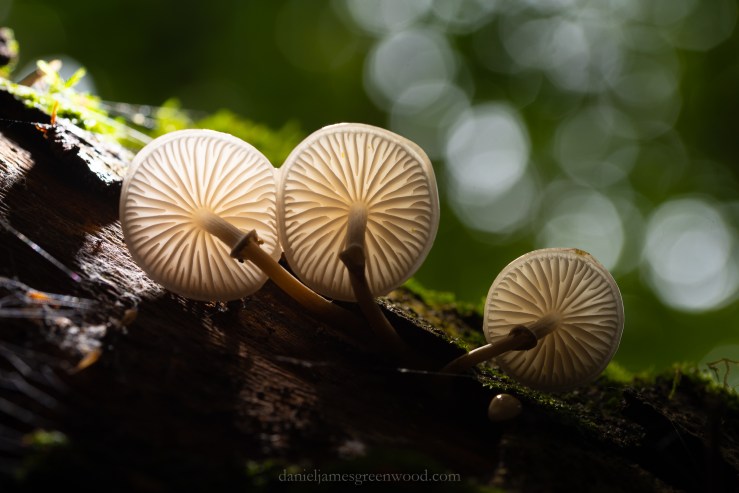
Porcelain fungus is a reliable species. It fruits in the same place, often en masse, each year. It is a beautiful species but the beauty, like so many things, lies underneath.

Ebernoe - 11-10-2019 djg-7

The gloopy glimmer of the cap is photogenic but the gills of porcelain fungus are stunning.

Ebernoe - 11-10-2019 djg-13

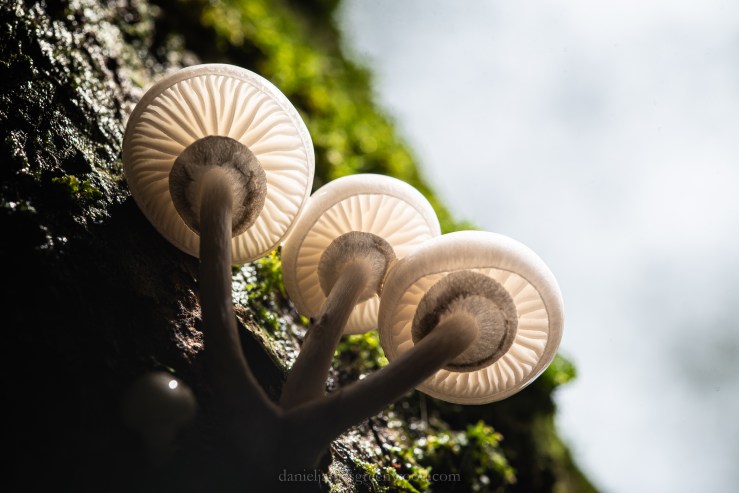
I use a small LED light to illuminate mushrooms in this way. I can’t tell you how much more character this can offer to photos. Actually I can: a lot more.

Ebernoe - 11-10-2019 djg-21

Here you can see my roving light (yes, I meant this!) mixing it with some delicious bokeh in the background. Leaves and branches create lovely bokeh because of the break of light in the gaps.

Ebernoe - 11-10-2019 djg-20

Here is one of ‘the finished images’. I like that the light circles can imitate the caps of mushrooms in photos and offer a deeper layer of resonance and reflection. Who knew.

Ebernoe - 11-10-2019 djg-38

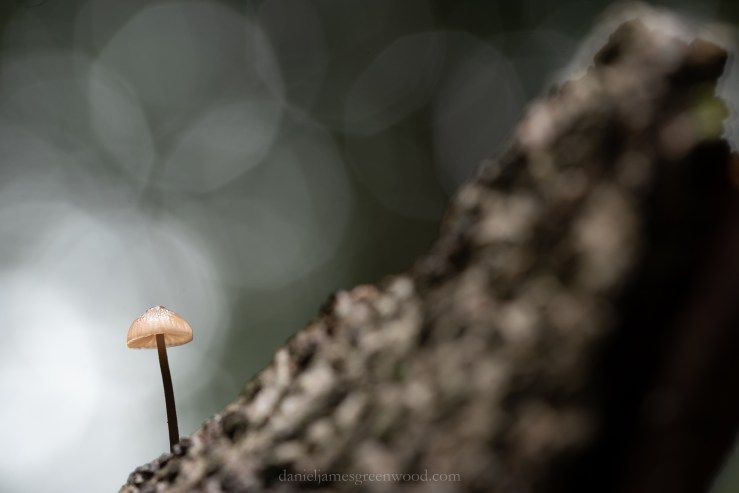
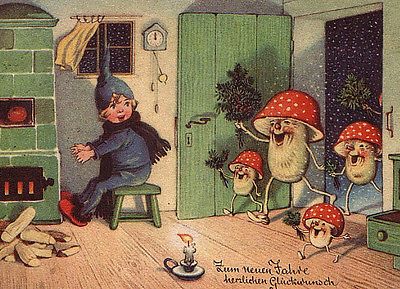
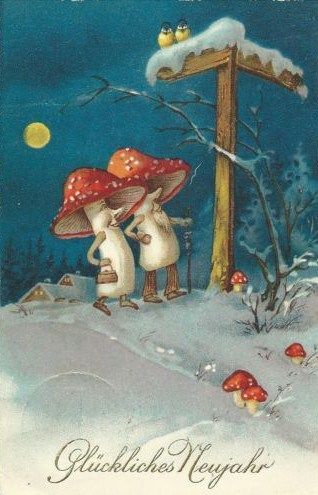
In photography, macro is where the fun happens. There are so many amazing things happening at our feet that our eyes are incapable of seeing without the help of magnification. If you want to have a go at macro, don’t hesitate. Just do it. I call this one ‘Climb every mountain’. The piece of deadwood does have the appearance of a peak in this light. The mushroom is like a protagonist, playing on a theme of mushrooms as individuals or sentient beings throughout human history:

16a9e28079e352a3d6d8ff664898b820-christmas-themes-christmas-cards

5d58176f8caa8c1e9faf25e0ab9f6bc8-picture-postcards-mushrooms

This seems to be particularly prevalent in German culture and Christmas or New Year celebrations. Christmas has evolved from Pagan traditions (Paganism was once considered any religion which was non-Christian) and the place nature has in the human imagination is pretty clear here.

Ebernoe - 11-10-2019 djg-16

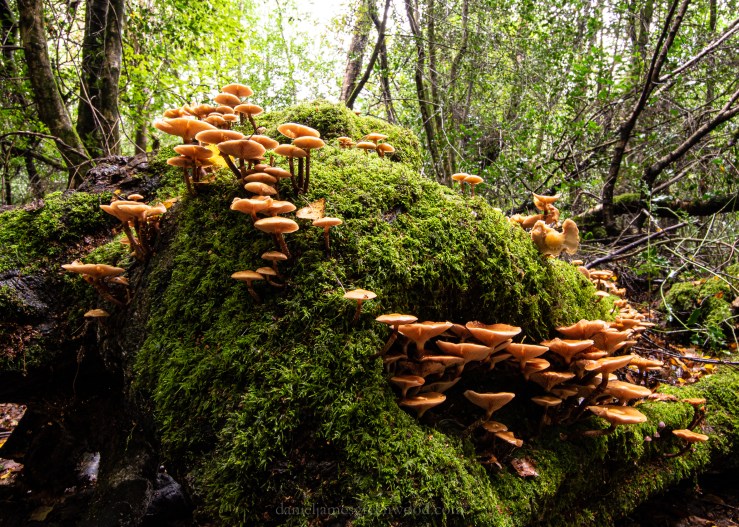
Back to life, back to reality. Honey fungus is enjoying its first boom phase and seems to be having a good year.

Ebernoe - 11-10-2019 djg-18

There is a dead veteran beech tree at Ebernoe Common which is basically where all the mushrooms live. This wide angle image shows just how many larger species were making a home within the tree. Here you can see giant polypore (bottom left), honey fungus in the middle and Ganoderma brackets everywhere. This is a stunning tree and of the highest ecological importance because of all the species, not just fungi, it supports. All of these species are contributing to the tree’s decay and recycling into organic matter (soil).

Ebernoe - 11-10-2019 djg-9

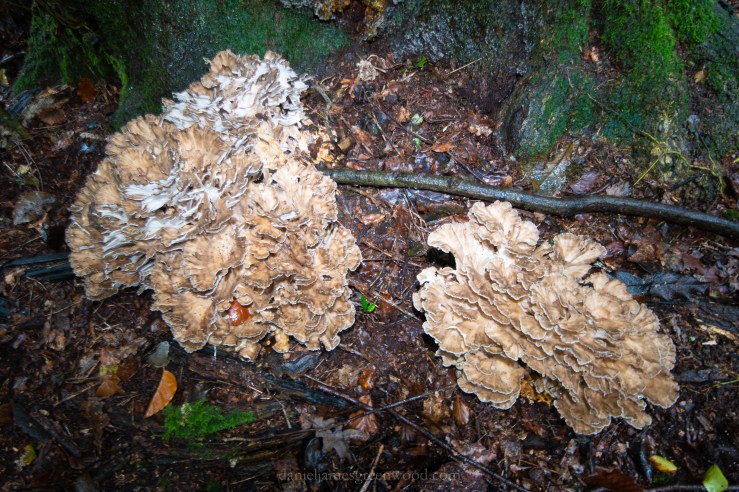
Not far away was a patch of hen-of-the-woods, an aggressive root-rotter (harsh). It’s said to smell like mice (more harsh).

Ebernoe - 11-10-2019 djg-42

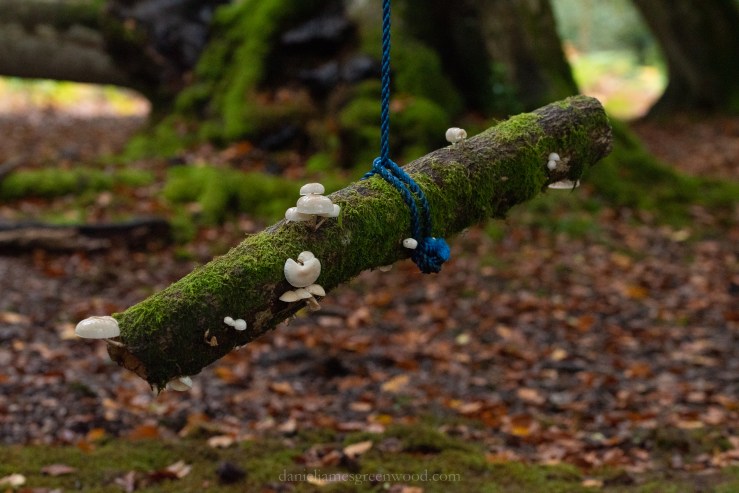
You can imagine how I thought someone was playing a trick when I passed this. A swing made from a beech log that was covered in porcelain fungus. It was embarrassingly hard to photograph well. Thankfully only the mushrooms were looking and they haven’t evolved to use Twitter yet.

Ebernoe - 11-10-2019 djg-47

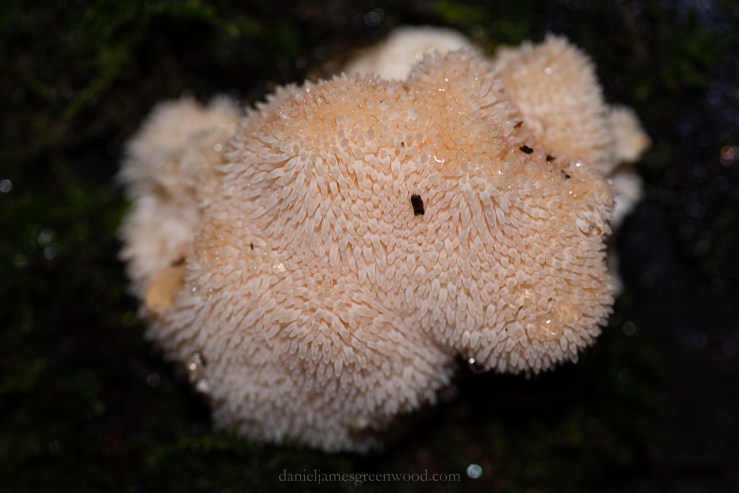
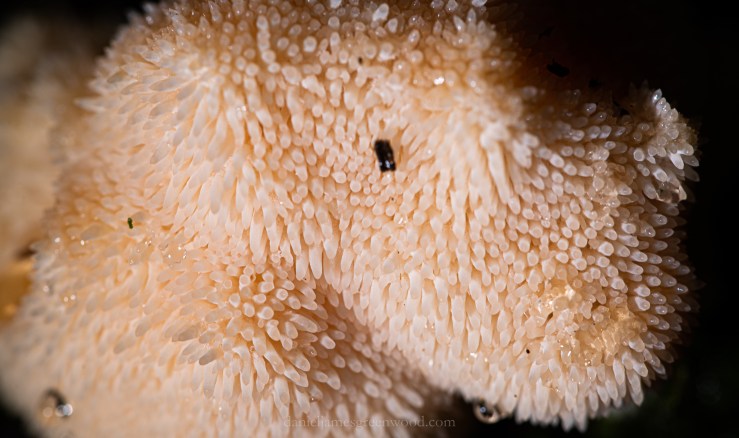
On my way out I spotted this slurp of fungus low on a log by the path.

Ebernoe - 11-10-2019 djg-50

Looking closely with the macro lens it has the appearance of something you might find in a coral reef. Then that’s the beauty of woodland, it has a depth to it that you have to dive in to experience for yourself.

Thanks for reading.


Read more:

The Sussex Weald

My Wood-Wide-Web


The Howgills: walking the folds of the Cumbria fells

Yorkshire Dales - October 2019 blog-6-2

Howgill Fells, Yorkshire Dales National Park, October 2019

At the beginning of October, my friend Eddie Chapman and I walked ten miles into the Howgill Fells in the Cumbrian reaches of the Yorkshire Dales National Park. You can view and download the walk on ViewRanger here.

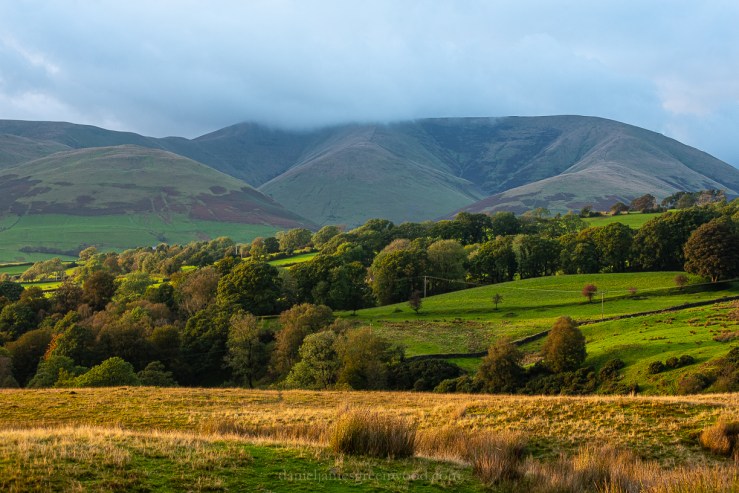
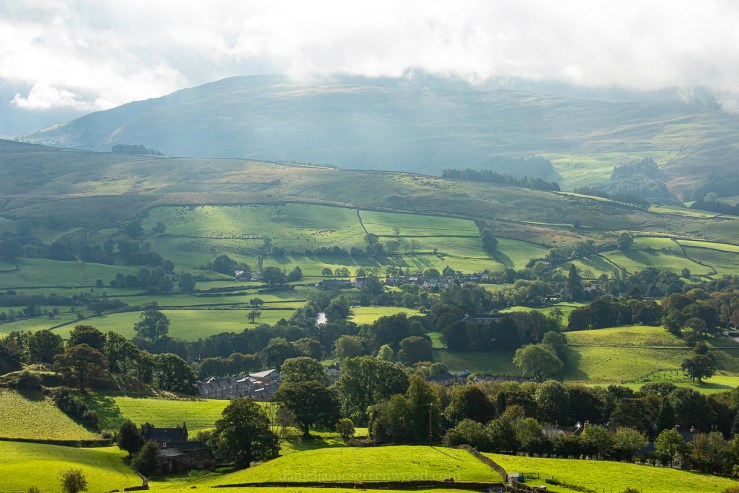
The evening before the walk we passed the Howgills during the golden hour. A day of heavy rain dried up and the sun cast its glaze across the folds of the fells.

Yorkshire Dales - October 2019 blog-10-2

Cloud hung over the Calf, the highest peak in the area and was to remain for the next day.

Yorkshire Dales - October 2019 blog-4-2

The stone barns are one of the Yorkshire Dale’s most iconic features. Swaledale seems to have the greatest compliment of these beautiful structures.

Yorkshire Dales - October 2019 blog-11-2

The walk began from Sedbergh, the largest settlement in the Yorkshire Dales National Park. The day was sunny and surprisingly warm.

Yorkshire Dales - October 2019 blog-12-2

The cloud still lingered over the highest points but the fields glowed in the morning sun.

Yorkshire Dales - October 2019 blog-13-2

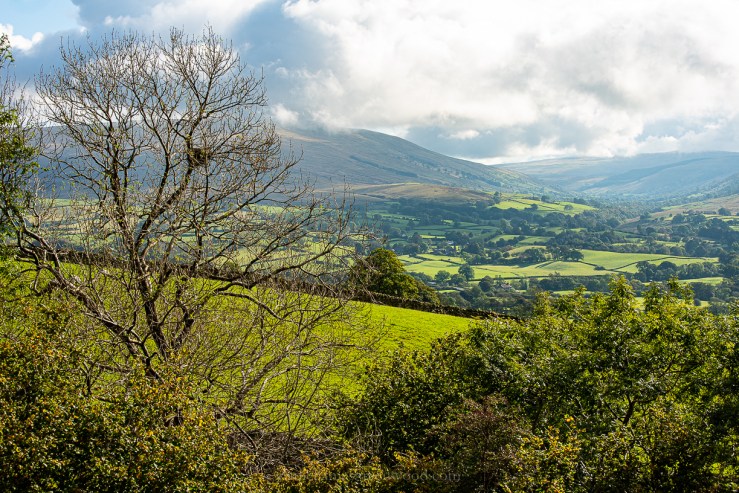
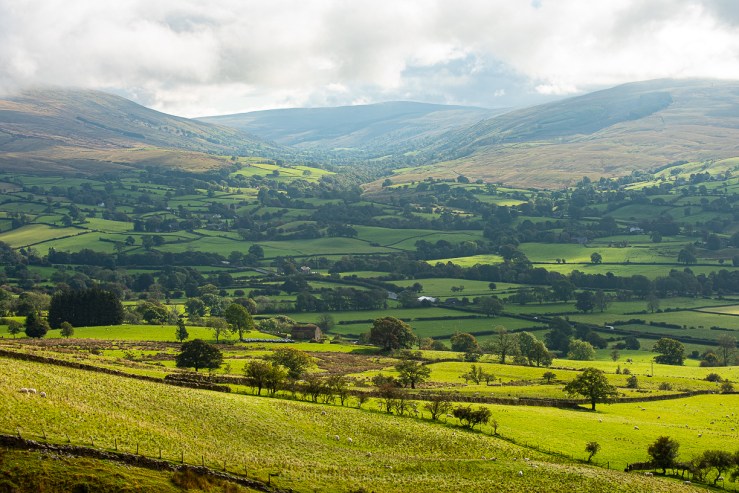
Looking east towards Garsdale, the Yorkshire Dales are always more wooded than I remember.

Yorkshire Dales - October 2019 blog-4

As we made our way up into the hills through a steady ascent, the clouds settled in overhead.

Yorkshire Dales - October 2019 blog-3

Here Eddie could still make out a small family group of stonechat in some bracken.

Yorkshire Dales - October 2019 blog-6

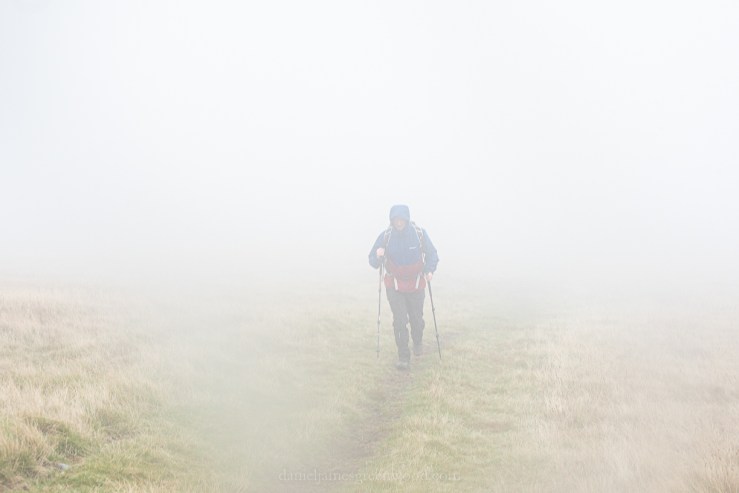
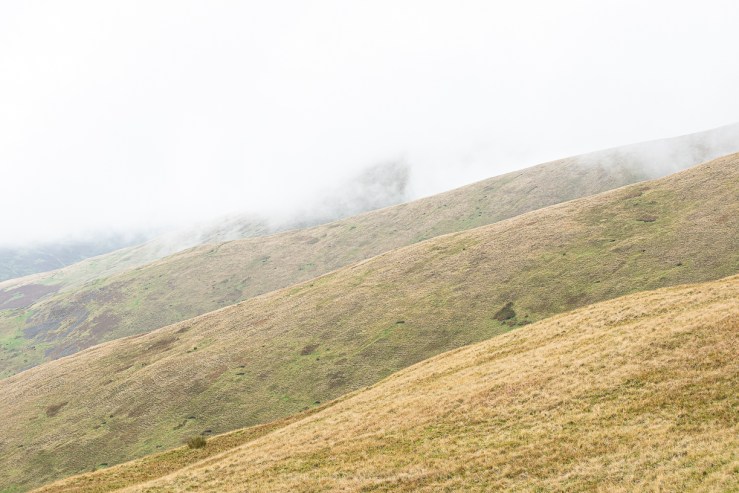
Climbing higher onto Arant Haw the mist locked down, a strange and claustrophobic experience.

Yorkshire Dales - October 2019 blog-10

Up and over our first peak, the mist began to clear only when we headed towards the Calf, the highest point of the Howgills.

Yorkshire Dales - October 2019 blog-14

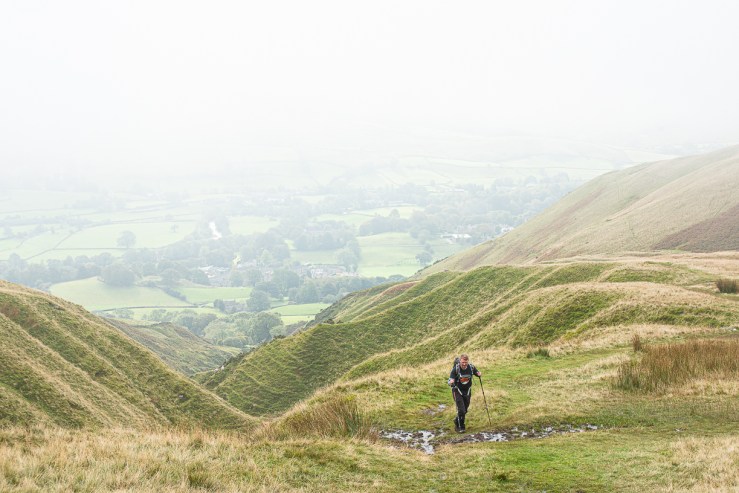
It was a great relief to have the folds of the fells reappearing from the cloud.

Yorkshire Dales - October 2019 blog-12

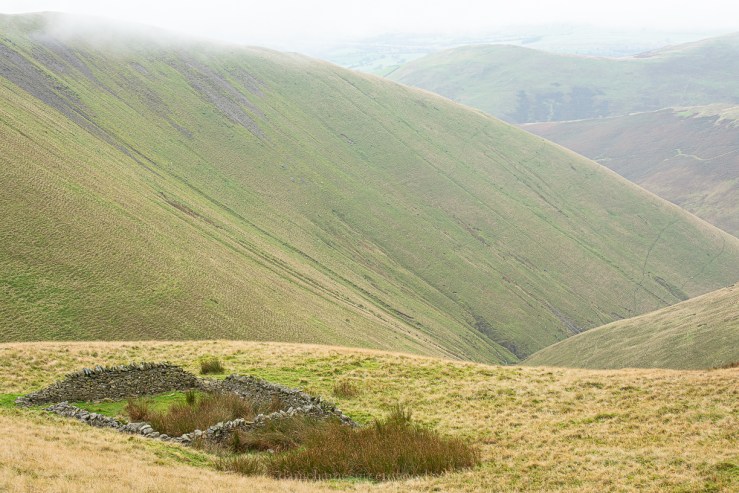
Anyone who has travelled between Glasgow and Manchester will have passed the Howgills. At this junction in the fells the motorway can be heard in the distance and the small specks of vehicles passing. Above you can see what looks like the remains of an old sheep pen.

Yorkshire Dales - October 2019 blog-22

The clouds lifted and the fells appeared. The creases speak of millenia-old waterways.

Yorkshire Dales - October 2019 blog-16

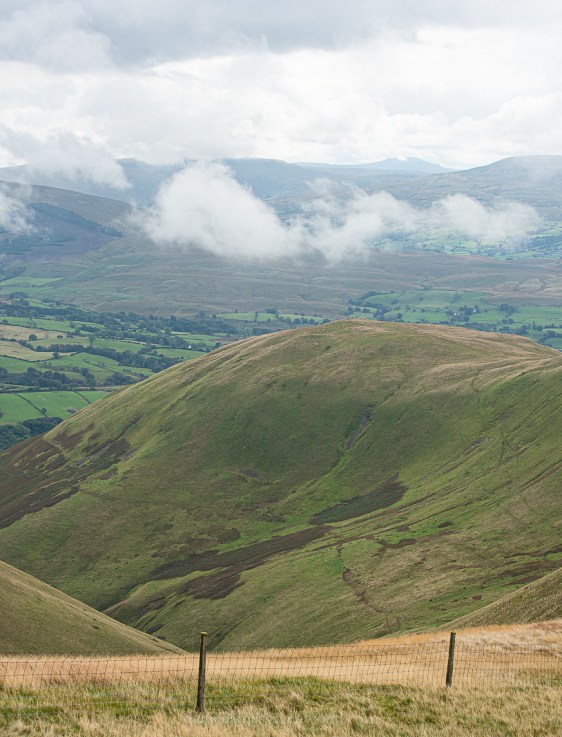
Greater views began to appear, with Ribblesdale appearing in the distance in the shape of Whernside, one of the three peaks famed for the 30-mile day hike challenge.

Yorkshire Dales - October 2019 blog-24

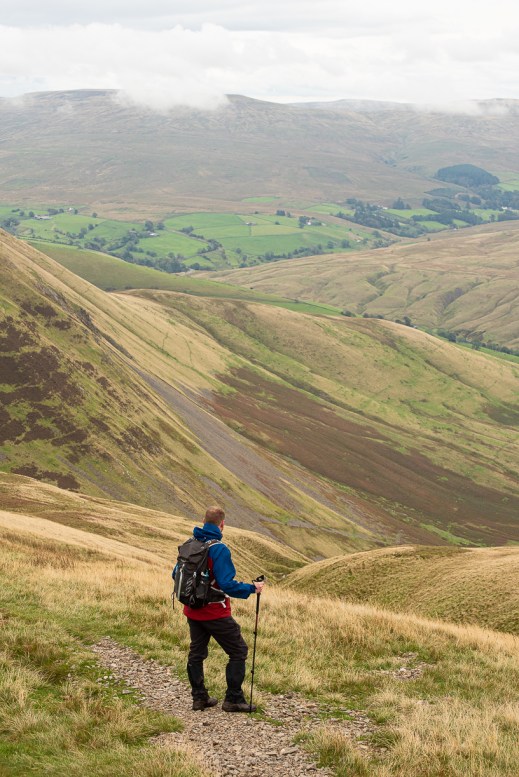
Atop the Calf, Eddie is happy to be out of the clouds for once.

Yorkshire Dales - October 2019 blog-30

This sheep felt like it was being watched.

Yorkshire Dales - October 2019 blog-26

The light began to dip as we headed deeper into the folding Howgills.

Yorkshire Dales - October 2019 blog-33

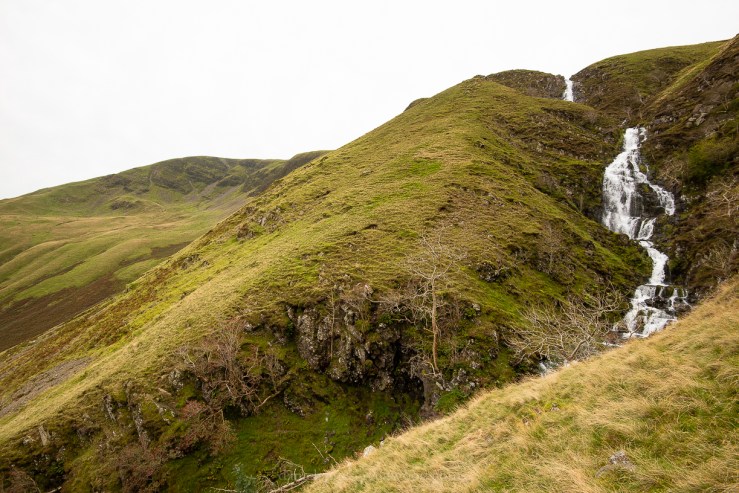
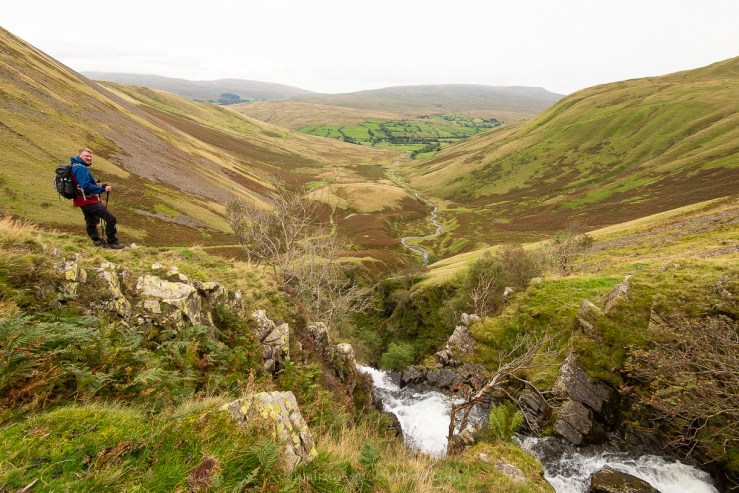
Our target was Cautley Spout, the waterfall that would lead us down into the valley for a return to Sedbergh along the river Rawthey.

Yorkshire Dales - October 2019 blog-47

The waterfall thunders down into the valley from Cautley Crag.

Yorkshire Dales - October 2019 blog-55

The waterfall is a safehaven for trees, unlike the wider hillsides which are either unsuitable due to the boggy nature of the moorland or because of sheep grazing. Rowan, ash, holly and elm were all growing in the gully.

Yorkshire Dales - October 2019 blog-50

The limestone surrounding the falls is covered by map lichens glowing neon.

Yorkshire Dales - October 2019 blog-49

Yorkshire Dales - October 2019 blog-58

This area holds evidence of an Iron Age settlement. It isn’t surprising. There is protection, the river provides food and once woodland will have been more prevalent providing fuel. This landscape was potentially a site of spiritual significance. The allure is undeniable.

More photography

ViewRanger route

The Sussex Weald: Happy 800th autumn to you, old oak

Cowdray Park - 16-9-2019 djg lo-res-14

Cowdray Park, Sussex Weald, September 2019

It’s a grey and dark September evening. Robins sing solitary from trees in their autumnal fashion. Cars wash nearby on the A272, to and from the village of Easebourne. The bracken rests in stages of green, yellow and brown. In Cowdray Park a sign warns of the bull in the field, but there are no cattle. The only beasts are the trees sat across the undulating hillside of parkland. Here lives the 1000 year old Queen Elizabeth oak and the Cowdray Colossus, the biggest sweet chestnut in England.

I pass creeping thistle still in flower and others with their leaves thinning to a translucent yellowy green. Walking under one of the ancient oaks, it looks like a rabbit’s head, its heartwood torn out and lying on the ground. An alcove has become of its bark, like a doorway to another place. It’s a fair metaphor, the word oak derives from an old name for door.

Cowdray Park - 16-9-2019 djg lo-res-15

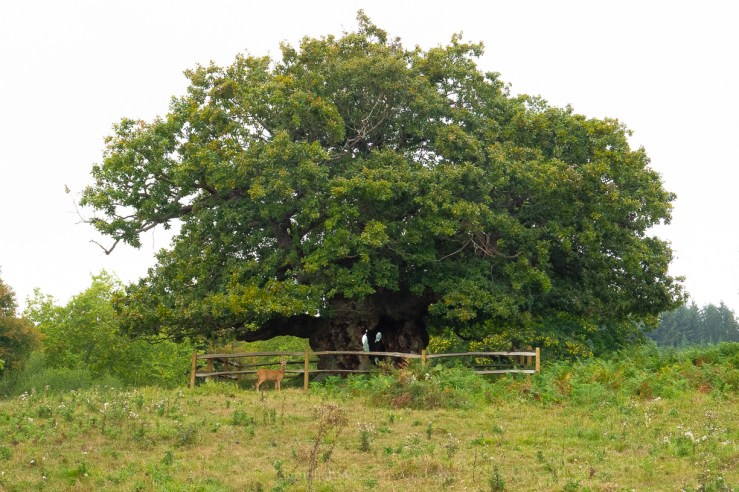
The second oldest oak sits on the hill, its heartwood also lost, mainly trampled out by cattle and people. But now it has a fence around it. In front of the fence stands a roe deer. It watches me in complete stillness. I approach one slow step at a time, taking a photo each time I get closer. Soon it turns on its heels and disappears off behind the tree, springing into the air. I see it rising up and down beyond the fence like a merry-go-round.

I approach the oak and see it is producing acorns. How many millions of acorns has this sessile oak tree produced in its 800 or so years of life. How many autumns has it lived through? Perhaps as many as 800. Our lives seem so small and precious, fragile in comparison to this natural treasure.

Cowdray Park - 16-9-2019 djg lo-res-16

Explore my Wealden archive

Loch Lomond, where two continents collide

Scotland - September 2019 djg lo-res-37

Loch Lomond, Scotland, September 2019

I am very fortunate to be able to visit relatives at the foot of the Scottish Highlands. It’s a landscape that I first experienced when visiting family in Perthshire and Stirlingshire about 10 years ago. My family haven taken me to visit the dramatic hills north of Perth, places like the Pass of Killicrankie, the ancient Birnam oak and sycamore, and Rob Roy’s grave in Balquhidder. My cousin was married in Pitlochry one Christmas and the misty woods of the southern Scottish Highlands left their mark on my sense of the place: dark, mysterious and forbidding. Little did I know that it was so close to an ancient continental clash, the Highland Boundary Fault:

Around 430 million years ago two small continents, one equating to modern Scandinavia and the other to the eastern seaboard of North America slammed, geologically speaking, into each other throwing up a vast mountain range similar in many respects to the modern Himalayas. At the height of the uplifting phase the peaks may have breached even the 30,000ft ceiling. – via Greg Murray, Scotlandinfo.eu

Those mountains thrown up are the Scottish Highlands, themselves now ground down to the rounded hills they largely present themselves to be. Just imagine, two continents once with their own flora and fauna now fused together.

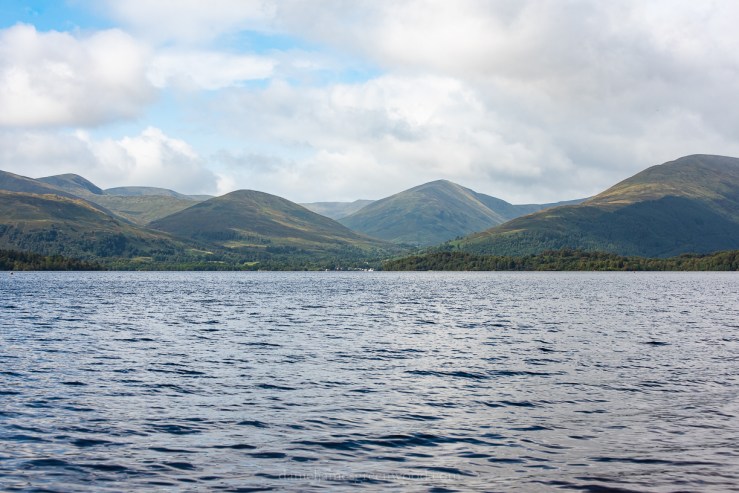
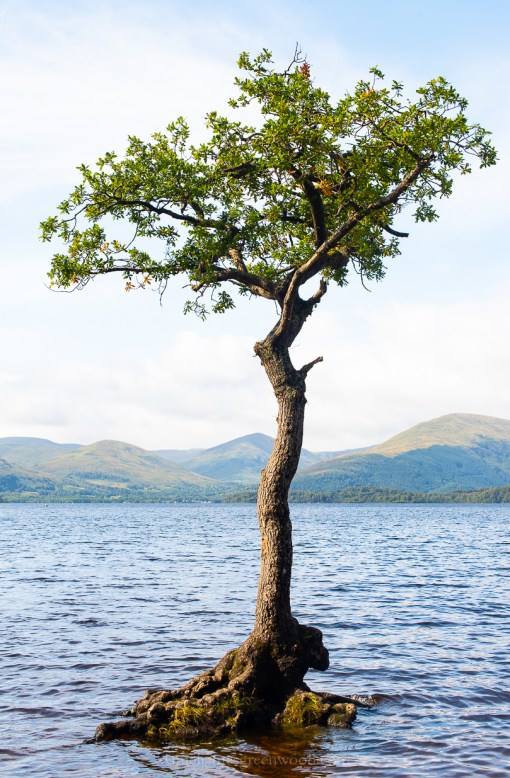
The Highland Boundary Fault actually cuts through the northern part of Loch Lomond. If my geology is correct this picture was taken on the south-eastern side of the fault. Two worlds, long since collided.
Scotland - September 2019 djg lo-res-46

Like so many of the landscapes we hold dear in the UK, Loch Lomond was formed by the retreating glaciers over a period over several hundred thousand years. On the shore this oak tree protruded from an area of soil, still managing to survive with most of its roots probably under water.

Scotland - September 2019 djg lo-res-41

Oaks don’t like it too wet in the UK, unlike willow, aspen or alder, the last of which actually needs flowing water to prosper. Oaks like soil that drains well which makes this one all the more unusual. Like everything in nature, there will be an explanation.

Scotland - September 2019 djg lo-res-55

Loch Lomond is a Site of Special Scientific Interest, made more diverse by the series of islands that are dotted across the surface of the lake. The result of the messy retreat of glaciers, dragging rocks and debris along with them, the ensuing flow of water from the melting ice carving out more of the landscape and filling it with water.
Loch Lomond - September 2019 djg lo-res-1

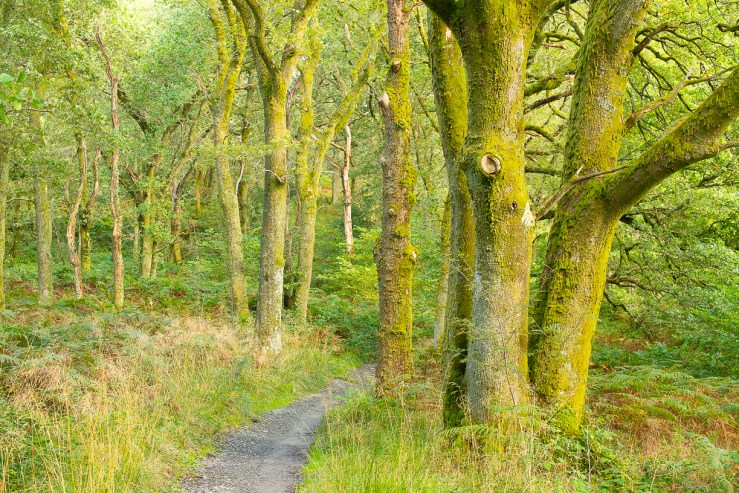
Along the shores of Loch Lomond, Western Atlantic Woodlands grow mossy and wild. More civilised was the flow of walkers along the West Highland Way. Americans, Germans, French, English and indeed Scots were present in a constant flow (bar the pic above). I know this type of woodland as Celtic Rainforest. They are found in the western, wet areas of the British Isles such as here in Scotland, Wales, south-western England and western Ireland. They abound with mosses and liverworts, and they drip with lichens. They get branded as Celtic from the fact they exist in areas where the ancient Celtic-speaking tribes of Britain presided. They consist of oak, birch and hazel in the main.
Scotland - September 2019 djg lo-res-49

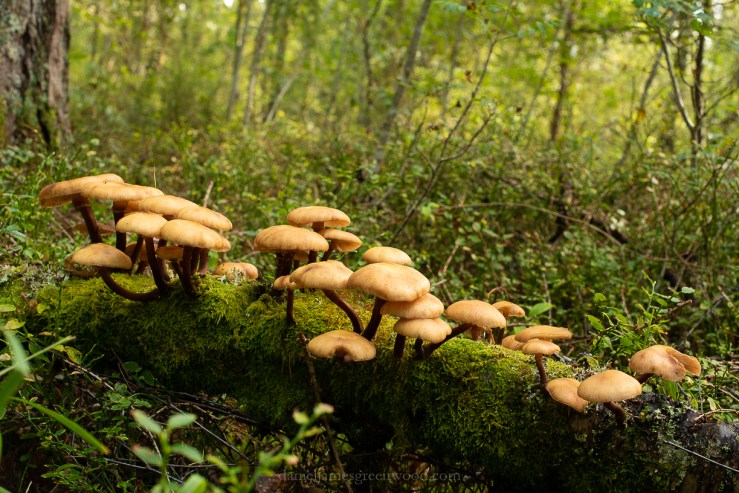
For anyone who has seen this website before it will come as no surprise to read that I was on the lookout for fungi. I found this species of what I reckon might be a kind of honey fungus (Armillaria) and some pleasing spreads of sulphur tuft:

Scotland - September 2019 djg lo-res-50

Scotland - September 2019 djg lo-res-52

These mushrooms were at a part in the West Highland Way where walkers would pause to catch their breath. I heard lots of snapshots of conversations here, like the two Americans remarking that Donald Trump was a conspiracy theorist (no, really?).

I was quizzed by a couple from Yorkshire about what I would do with the fungi photos.

‘Do you print them or put them in an album?’ a woman asked.

‘I put them online, usually,’ I said. ‘But the main thing is to enjoy being out here.’

I was trying to sound virtuous, then again they were the ones who were walking the near-100 miles of the trail in pretty woeful conditions before then. The woman showed me that she had a film camera with her, a passion she had held for decades. More than anything when looking for or photographing mushrooms, the pleasure is in the moment of finding something, be it new, interesting or unusual.
Scotland - September 2019 djg lo-res-60

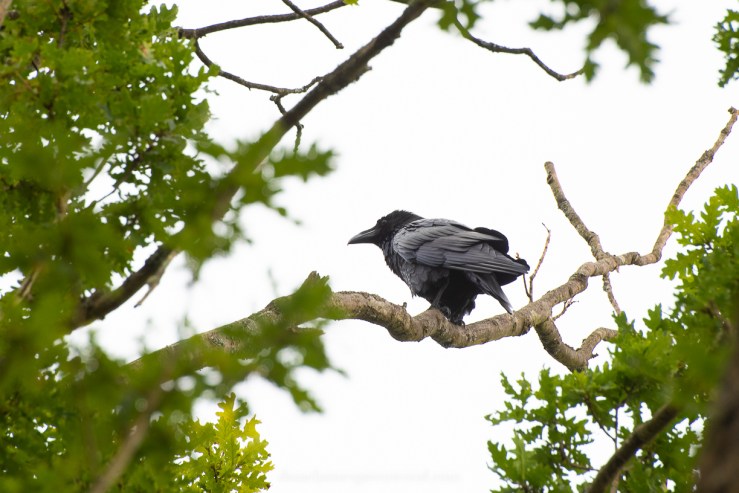
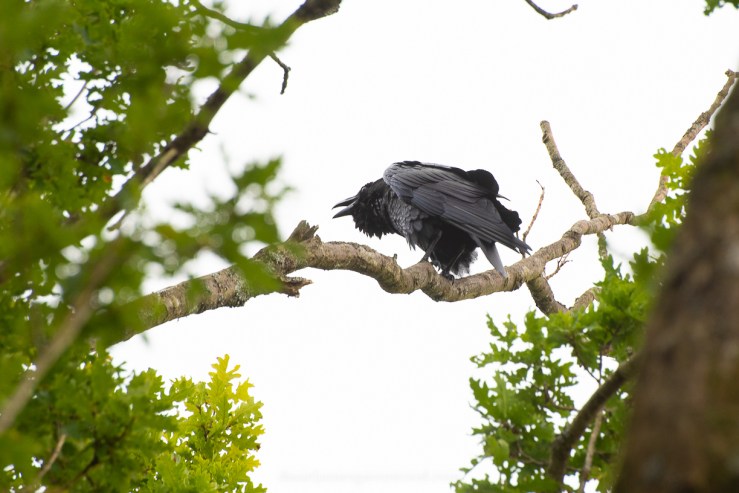
Before heading back beyond the Highland Fault to visit my family for the evening, I was taken aback to hear a raven low in an oak, belting out its call. I had never seen one so close. It sounded so much like its words were oak, oak, oak!
Scotland - September 2019 djg lo-res-61

Whatever it meant, the raven surely could not have known that its flight across Loch Lomond took in two continents.

Thanks for reading.

View my woodland archive