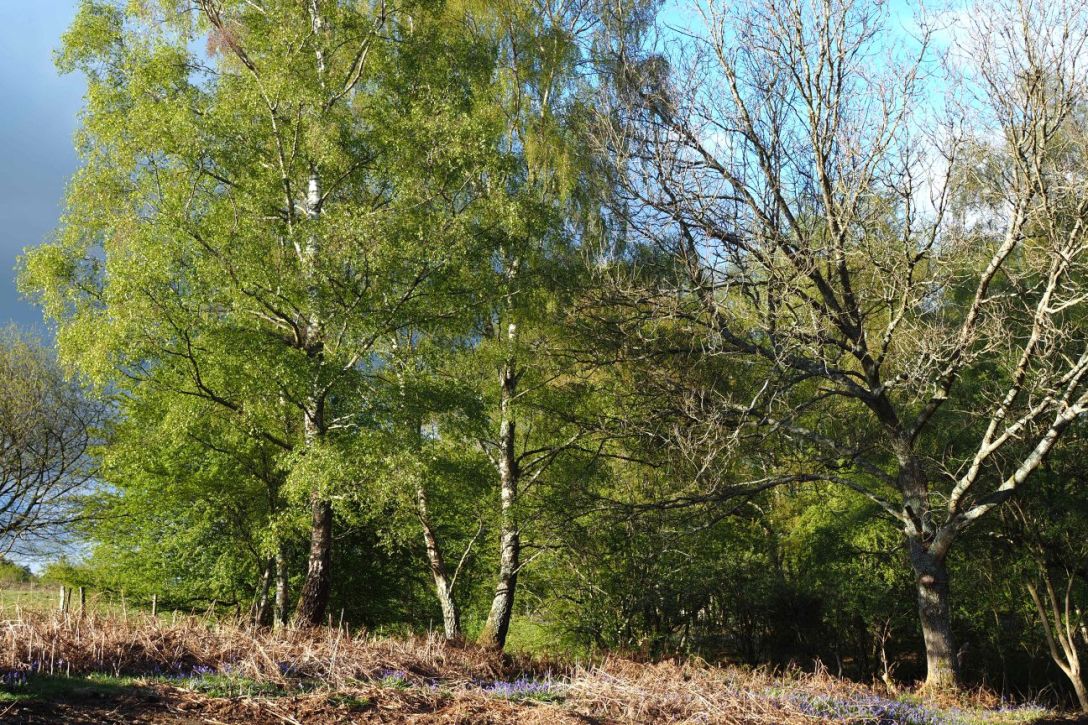
Last week I went to visit a woodland that was for sale. I wasn’t buying and the woodland was quickly snapped up anyway. I hope it went to someone who will care for its wonderful ancient woodland wildlife, and that the badger sett within it will go undisturbed. Leaving this beautiful snippet of the Sussex Weald, I found some mushrooms growing in an area of grassland alongside more woodland.
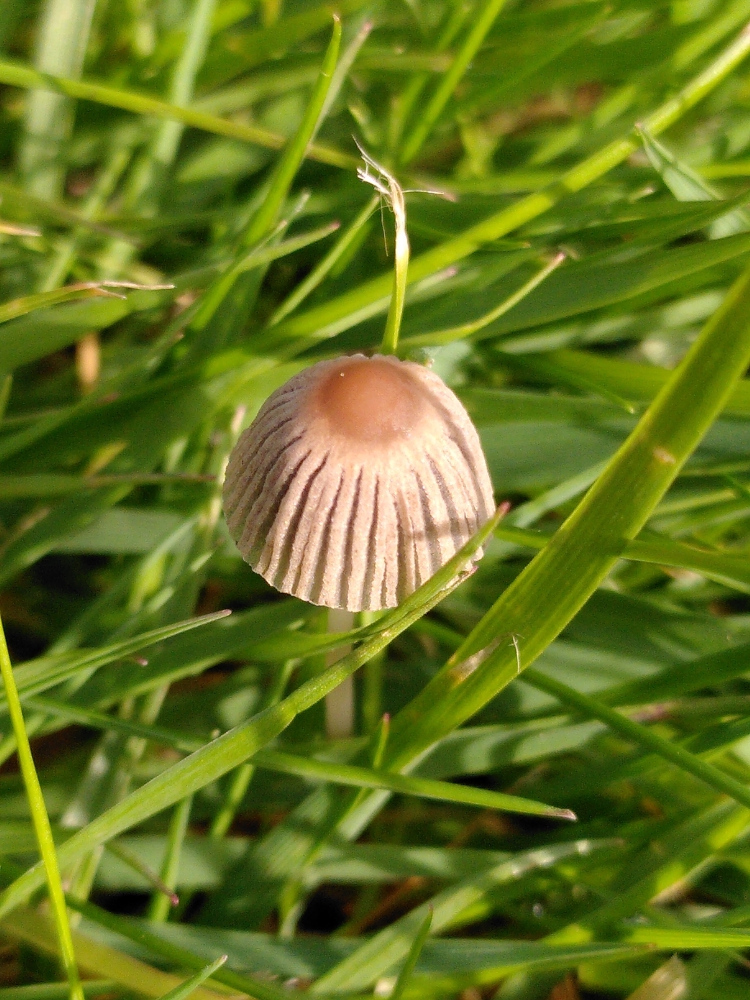
Common inkcap
We have been inundated with rain in the past 10 days, after a very dry April in southern England. Things are leafing and flowering later than last year, and there have been no spring mushrooms from what I have seen. These were mushrooms that were so plain I really wasn’t sure what they were. I took some photos and posted them on iNaturalist.
They are common inkcaps. I’m not sure how I’ve missed this species before, as this was my first known sighting of them. That wasn’t the final grassland inkcap I was to see in that week.
I have a small garden which is ‘managed’ for wildlife and gentle recreation. We’re currently in the midst of #NoMowMay, an initiative in the UK to let any grasslands grow so flowers can thrive, and all the life that comes with that. It’s not just about flowers, though. I was pleased to see (and nearly step on) a tiny inkcap in the lawn.
This is a golden haired inkcap, quite easily confused with pleated inkcap, I would say. The most obvious difference is the size, with the former much smaller.
After all the rain we’ve had, quenching the woods’ thirst, I’m hopeful of some more shrooms appearing in the next week or so. Fingers crossed!
*Update: this record has now been accepted as correct by the county expert and has become official 😁*
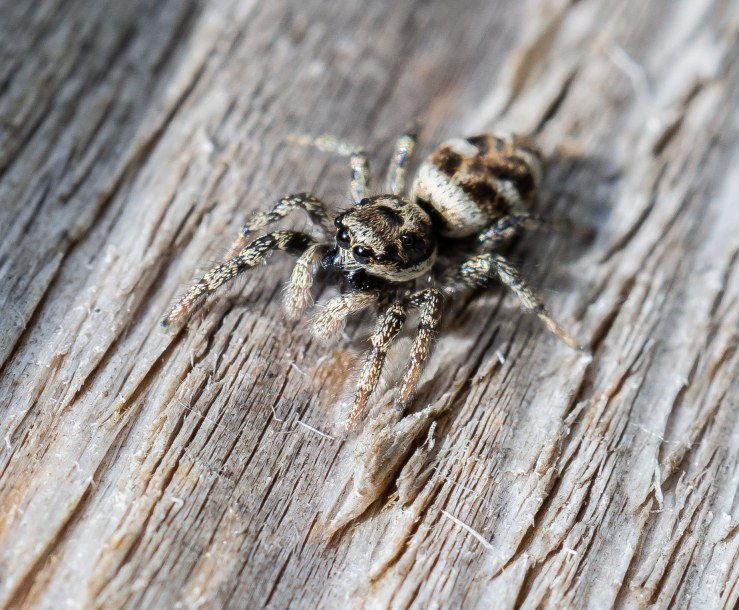
Most of the jumping spiders I find in my garden are sitting on the fence, LITERALLY.
The jumping spiders are a group of beautiful arachnids (spiders and arachnids are not insects FYI) that are renowned for their cartoon eyes and ‘cuteness’. There is something very ‘floofy’ about them. This video by Thomas Shahan has some lovely images of some American species:
I love to see them in my house, exploring the doors and window frames. One got into difficulty recently and was captured as prey by another window-dwelling species. Even the indoor parts of our homes are wild places at macro level.
Most of my macro is getting done through intensive 5 minute breaks during my working day, in which I take rushed and low quality photos (as seen here). I am stuck at a computer all week at the moment and these micro-macro garden safaris are keeping me ‘productive’.
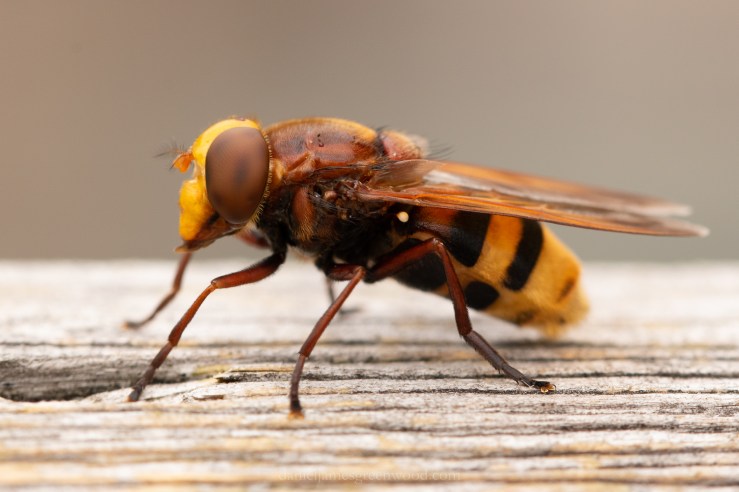
I spent some of the time checking out one of the fences where I’ve found lots of interesting species like hornet-mimic hoverflies, digger wasps and jumping spiders (above).
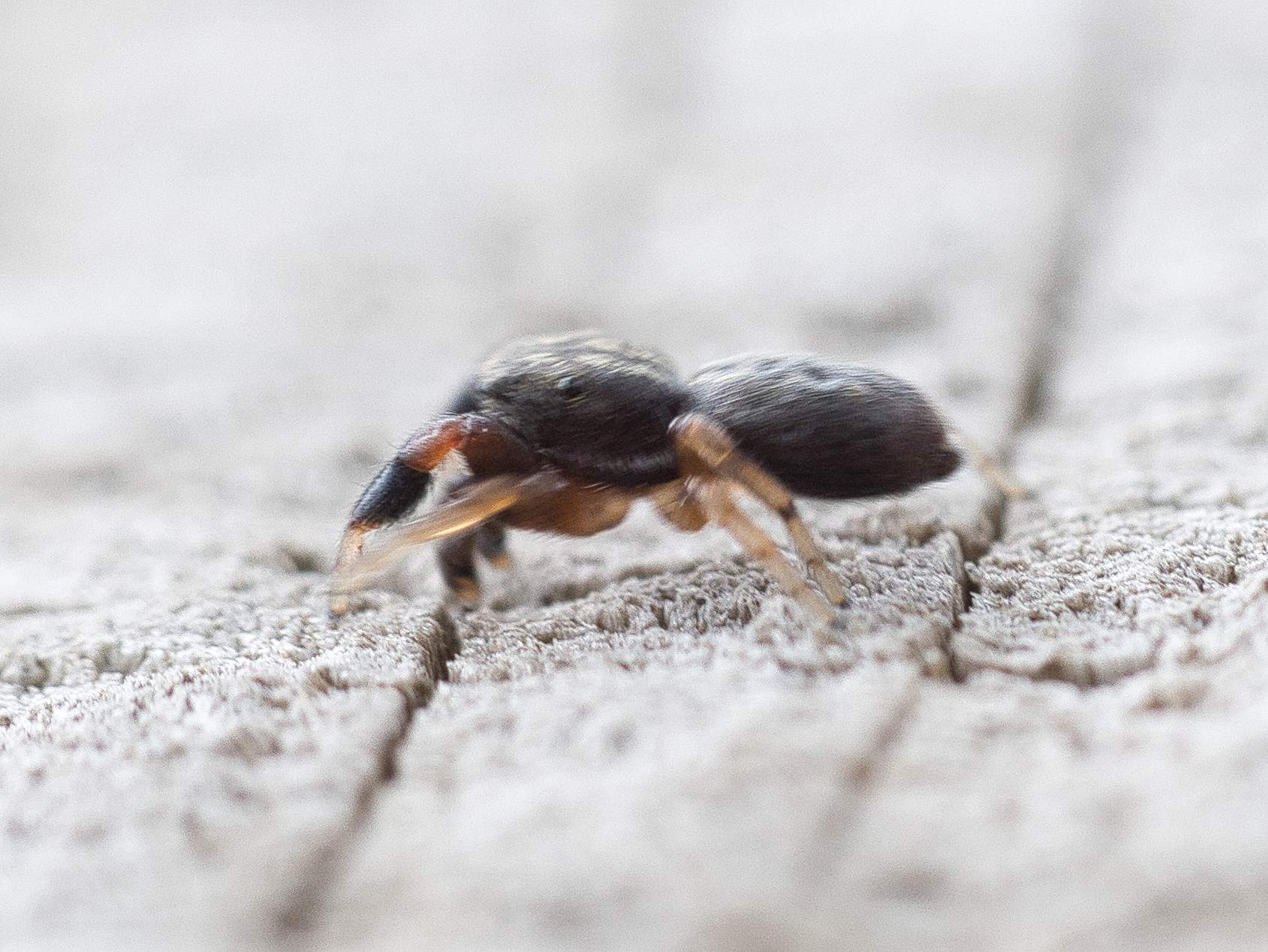
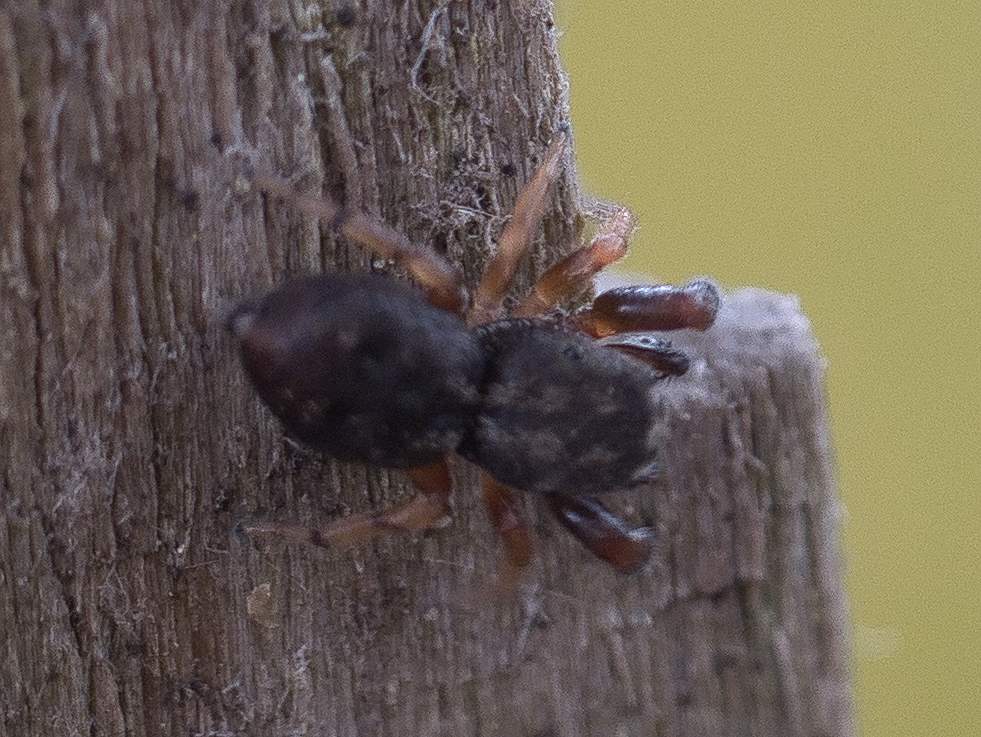
During one break I noticed a tiny jumping spider exploring one of the posts and attempted some snaps. The pics are grainy and nowhere near portfolio quality, but that’s not what matters here. I put the photos on iNaturalist and an Italian spider expert gave an ID of Ballus chalybeius.
I tweeted the British Arachnological Society and they were happy enough that it was this family, with only one species within that family in the UK. Looking at the map of their records, it has not yet been recorded in this part of West Sussex. It’s also Nationally Scarce. Bingo!
One of conservation’s big problems in the UK is its insularity and misanthropic tendencies. Thankfully organisations like BAS are active on sites like Twitter to speak up for spiders and to engage with people online. Nature conservation in the UK is claimed to be better when bigger and more joined up. You could say the same for its ability to communicate and gather information. That’s me off the fence, then.
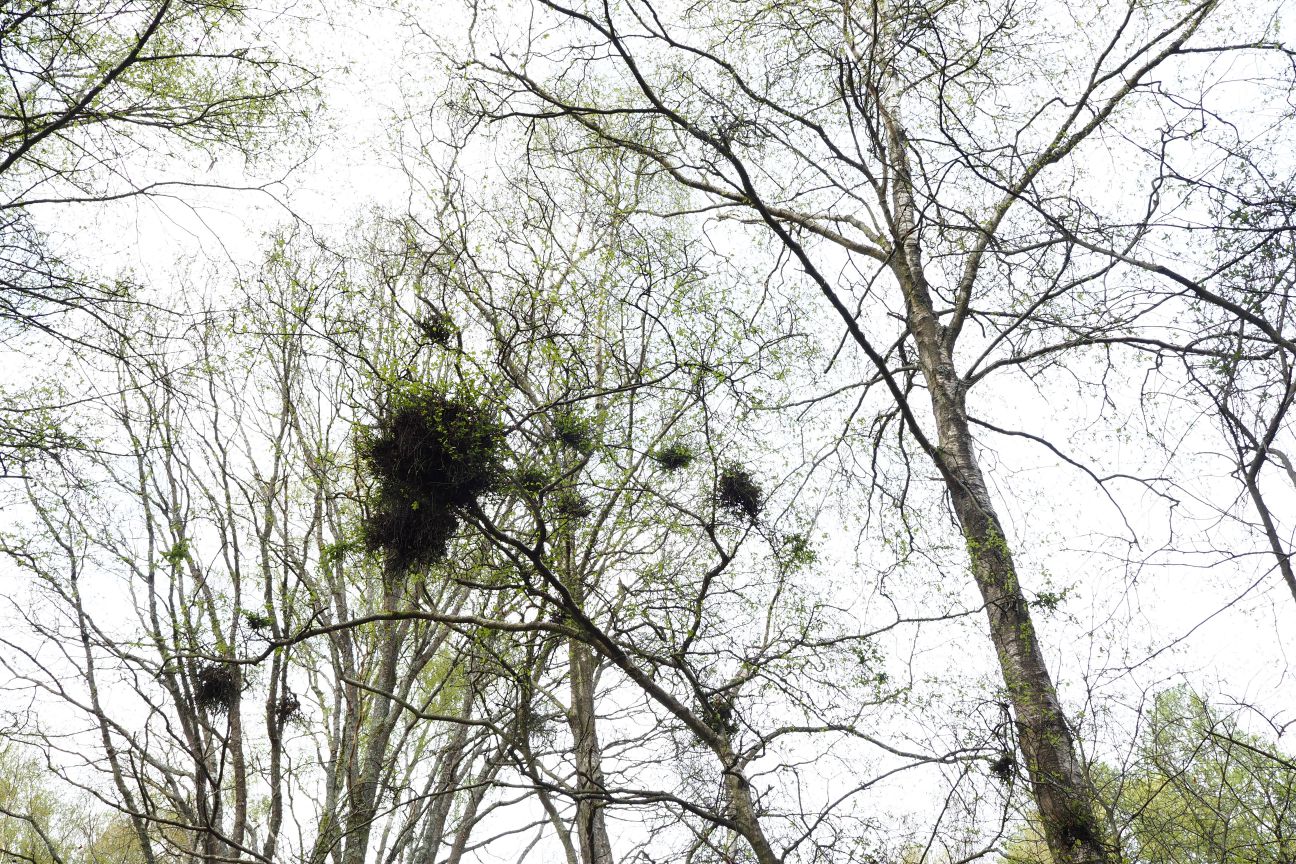
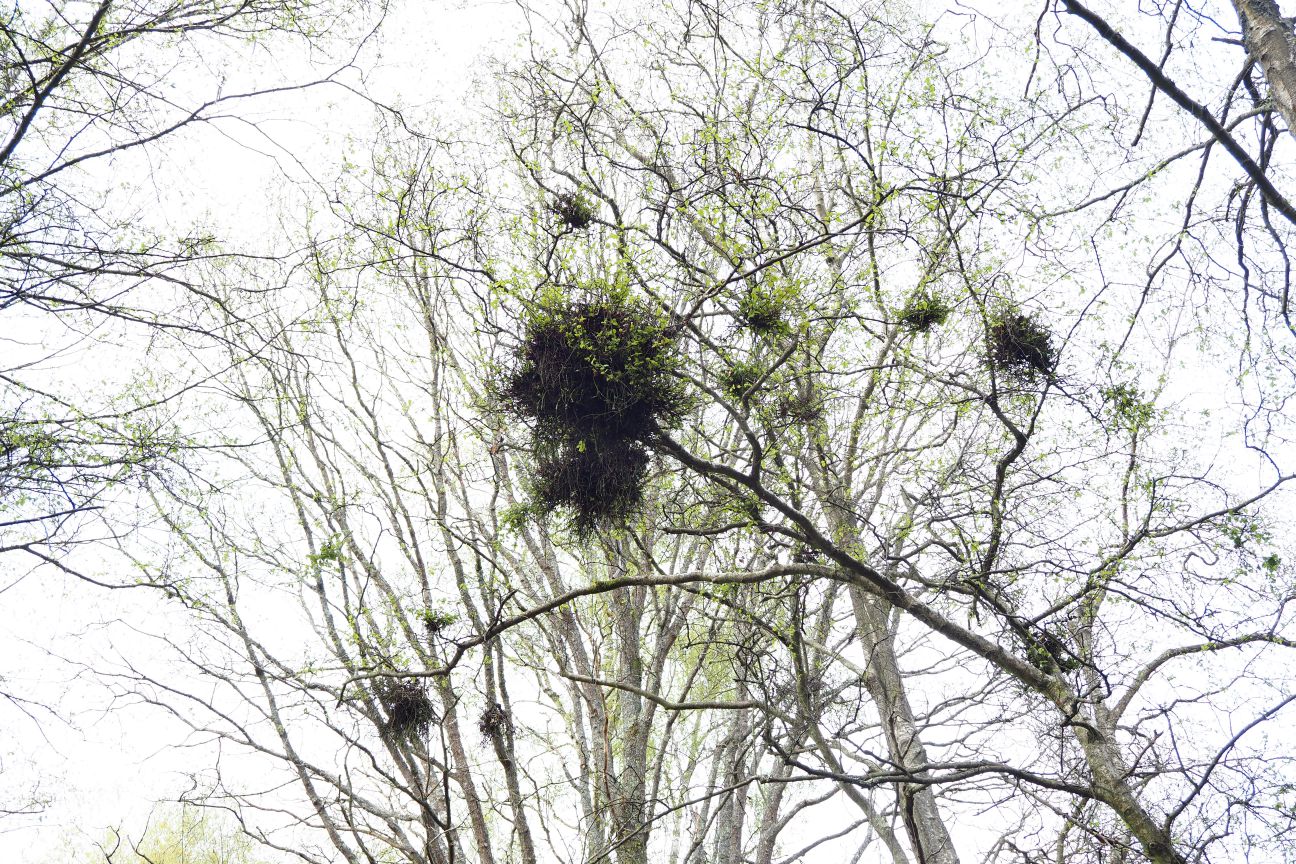
For a long time I’ve noticed an explosion of twigs among the canopies of birch trees but never taken the time to find out what it was. Recently I read that this unusual grow pattern, if that’s what it was, could be caused by fungi. Last week I was out walking in a woodland not far from home when I saw a fine example of this strange occurence.
You can see how this could simply be confused with mistletoe, a similarly bushy growth high up in the tree. But mistletoe is caused by the sticky seeds of the plant becoming attached to a branch. The ‘deformity’ in birch trees looks all the more unusual. I took some photos and had a look online when I got back. When I submitted the record to iNaturalist for some help, I got the result of a fungus with the scientific name of Taphrina betulina. ‘Betulina’ relates to birch in Latin, Betula pendula.
A sunburst lichen with the ascomycete fungi visible in the form of the fruiting cups
This fungus is an ascomycete, related to cup fungi and the fungal fruiting bodies found in lichens. Unfortunately I couldn’t get close enough at this point to ever see those details on the witches’ broom.
It could easily be confused with random birds nests, and you have to wonder if they may actually form decent nesting habitat for some species, probably woodpigeons more than anything else. One thing I notice about the cultural significance of the species is its name – another reference to witches. It must be that anything which looked unusual in nature was referred to as the work of ‘a witch’.
Yellow brain fungus
In the fungal lexicon (is that a thing?) there are a host of jelly fungi which go by the name of witches’ butter. It may be in the case of witches broom that the cluster of twigs looked like the flying broom of a witch, as per the old folktale. That or Harry Potter, anyway.
One of the things I love about the insect season in England is the diversity. We are surrounded with doom messaging around wildlife in the UK – it really is too much – but that’s what you get if you only look for birds. The invertebrate world is far richer, more complex and fundamental.
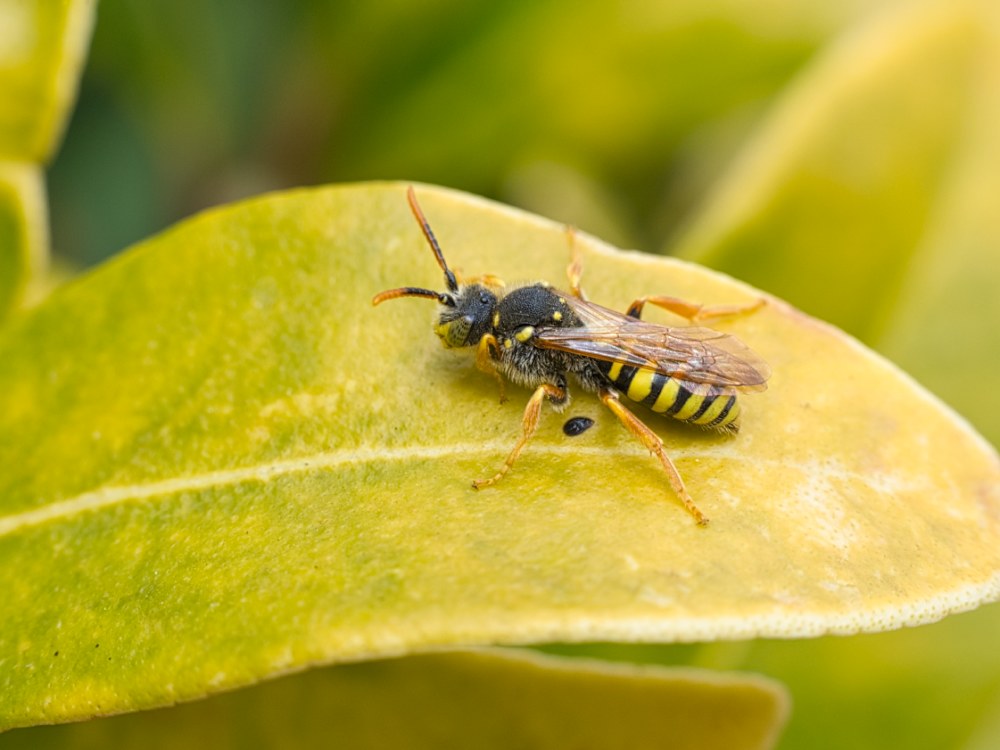
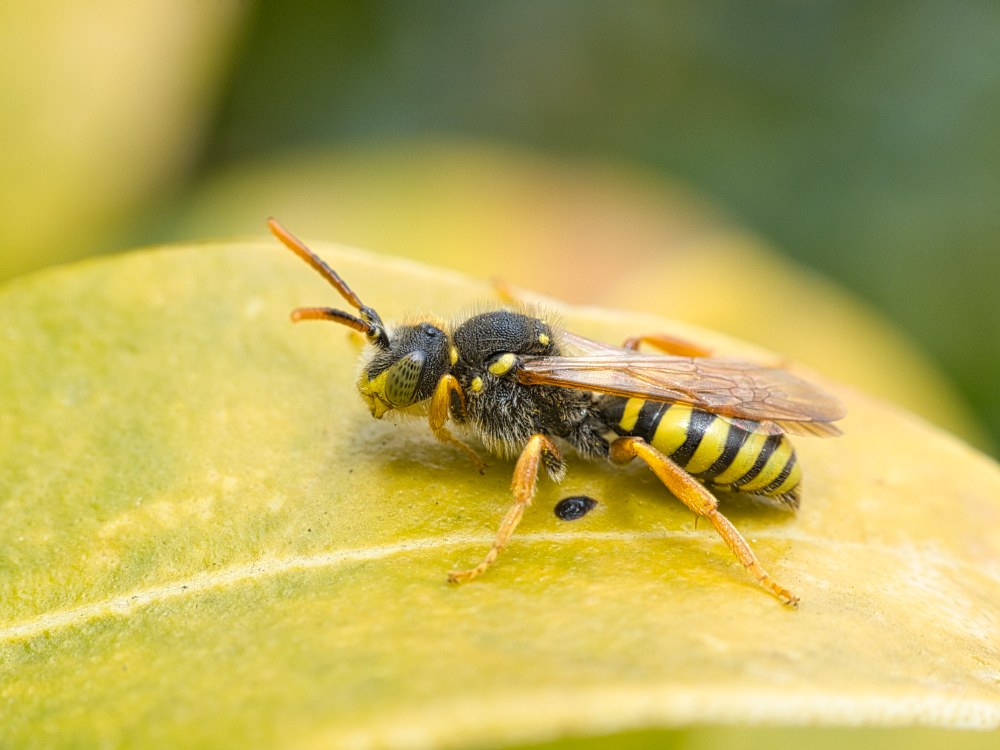
In April and May the first of the nomad bees make their appearances. I spend a lot of time making a fool of myself trying to keep up with these solitary bees. They are extremely beautiful and very cool-looking. Twice in April I witnessed nomad bees in my garden and on both occasions they passed me by.
One afternoon while #WorkingFromHome I went downstairs for a break. I noticed an insect on the inside of the windowpane. It was a nomad bee! I couldn’t believe my luck. I grabbed my camera and attempted to get some photos of this now very slow bee (it was a cool, wet and grey day). I got some average images and then decided it was time to get this bee back into the wild. I ushered it onto my hand and found that it didn’t want to leave my skin. It gave me a great opportunity to take some better images. I’m not sure of the species, they are difficult to separate.
I had another bee-break but this time in my garden and on a better day. There was so much happening in the hedge I didn’t know where to look. I saw three nomad bees flying around and resting but never long enough for me to get a decent pic.
The sun dipped in momentarily and the cooler air forced the nomad bee to remain on this leaf. I got as close as possible. When I submitted the photo to iNaturalist someone suggested it was Gooden’s nomad bee. That’s… Goodenough for me. Now do people see why iNaturalist is so much more preferable to iRecord? You get help with your identifications, not just thanks but no thanks from our man in the shires.
What do nomad bees do? They’re parasites of solitary bees, with some species laying their eggs in the sites of others. Their eggs hatch and the larvae consumes the eggs of the host, before eating its food stash. Not nice in human terms (because we’re all so lovely) but definitely something that has been occurring for many millions of years.
It’s been such a dry spring that I’m starting to wonder if there are any on this planet! They’re probably not on Mars but it’s a nice idea. Here’s more info on that story.
While I have your attention, allow me to explain some changes to the way this blog works. I am moving from the fixed days of #FungiFriday or Macro Monday. If you’re a regular reader you may have noticed that already. Now I’m making a monthly podcast, I need more flexibility with posting, and I actually sometimes have more to post about on both macro and fungi than just once a week. Also deadlines of Thursday and Sunday are not ideal!
Back to life. After a barren period (no morels for me), I did manage to find a couple of species on a long walk the other day, hiding away in the shade of a country lane. Get ready for phone pics.
This is turkeytail, one of the most common fungi you can find, distributed across the world. It is sometimes used to make tea and extracts are used for their anti-cancer properties.
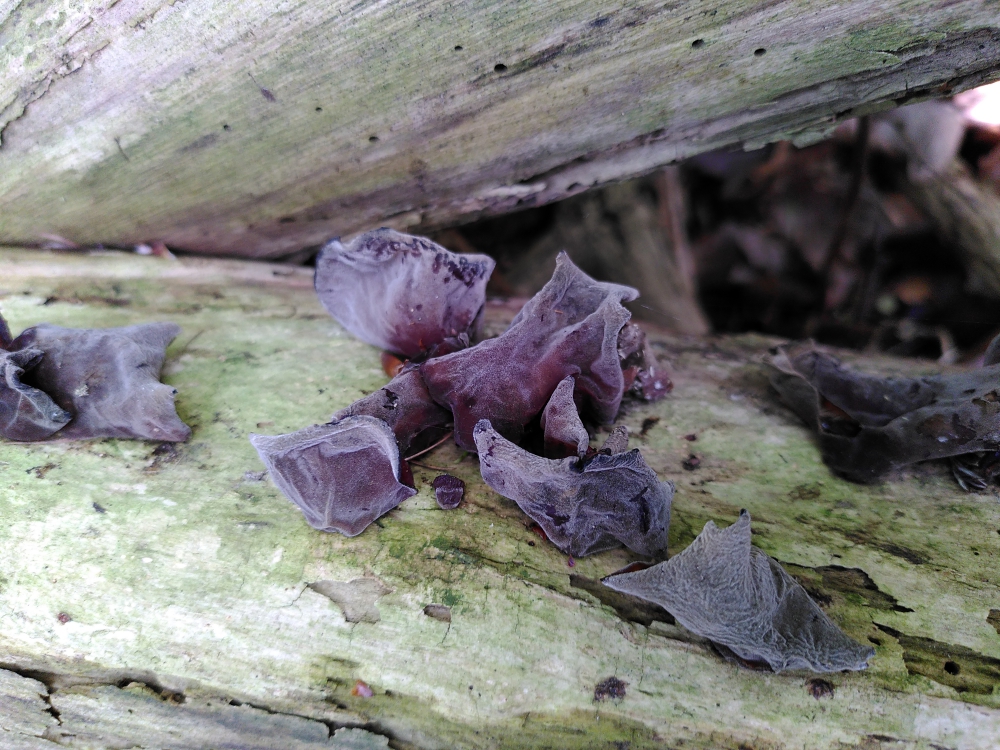
Dehydrated jelly ear, sometimes known as ‘wood ear’
In Sussex we have recently had rain after a very dry April indeed. If this is climate crisis related, it means that the British tradition of April showers could be confined to the past. Once again, wildlife can point to wider issues in the environment which we are often oblivious to.
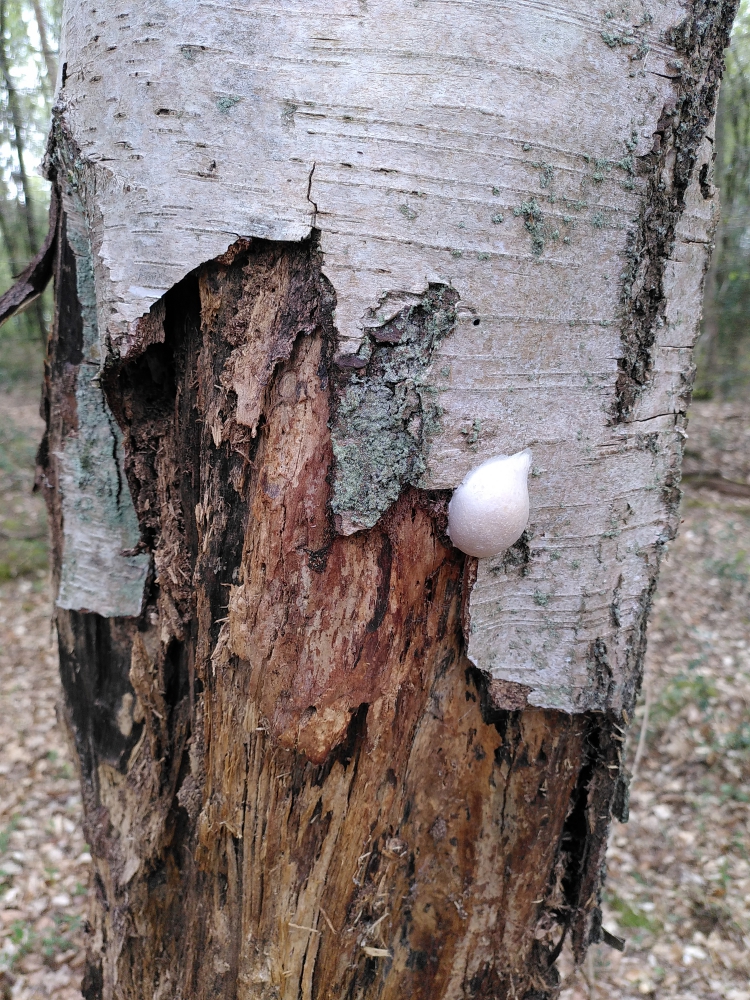
In that not-quite-fungi-but-probably-animal category are the slime moulds, of which I found one on the same walk.
This is a great advert for fungi and slime mould because it’s so blatant. It’s a species you see cropping up on social media time and again, with many people intrigued by its presence, often on deadwood. It’s false puffball, a slime mould. Looking at iNaturalist, April seems to be its peak month.
In other news, I’m giving a fungi talk online on Tuesday 18th May at 19:00 (London, UK time) for Bell House, a charity that supports people with dyslexia. There is a suggested donation of £5 towards their work. You can see the full details and how to book here.
This morning I recorded a 3 minute video zipping through the key areas of my garden and how they support wildlife. Just before I pressed record a sparrowhawk nearly took my head off as it was chased away by a starling! Wish I’d caught that on the video.
Here I quickly outline the key habitats and luckily manage to film some bees demonstrating why ‘weeds’ are important, too.
I think I promised something like this a few months ago, so enjoy! Of course I’d love to do some more in future if I can find the time.
In recent months I’ve become somewhat addicted to iNaturalist. It’s a website or app which collects species records but has AI which can identify a species from a photograph. It can be used by anyone and even has an auxiliary app called Seek which can scan plants, animals, fungi and other animals and identify in real time. It’s the way ecological monitoring is going. Nature conservation is dominated by too small a cohort of people and needs to find ways to open its doors to more people. I will never forget hearing of a lifelong species recorder who wouldn’t provide their sightings to science, and that they would rather be buried with them than share them.
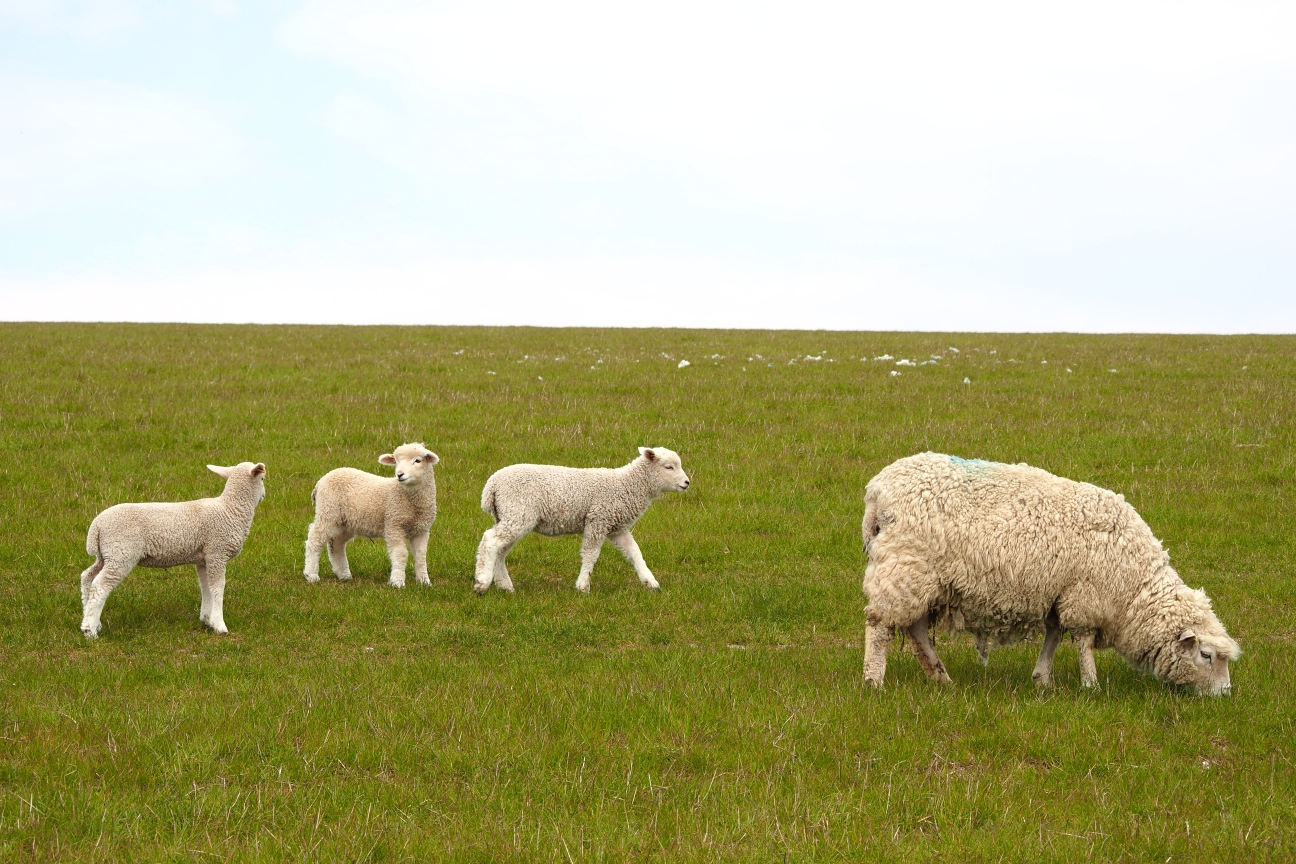
It’s lamby time
Onto more inclusive ways of thinking, over this bank holiday weekend it’s the City Nature Challenge (CNC) where people the world over submit species records to iNaturalist and into the project. As of 10pm on Sunday 2nd May there have been 631,418 sightings submitted. Amazing!
I went to a part of the South Downs that was just about included in the Brighton CNC catchment. I used my zoom lens rather than a dedicated macro because I was doing general ‘work’ with creatures great and small. I used an Olympus 12-45mm lens which can still do macro to a degree (in normal camera terms it’s 24-90mm because I was using a Micro Four Thirds camera, which has a cropped sensor). It worked like a dream.
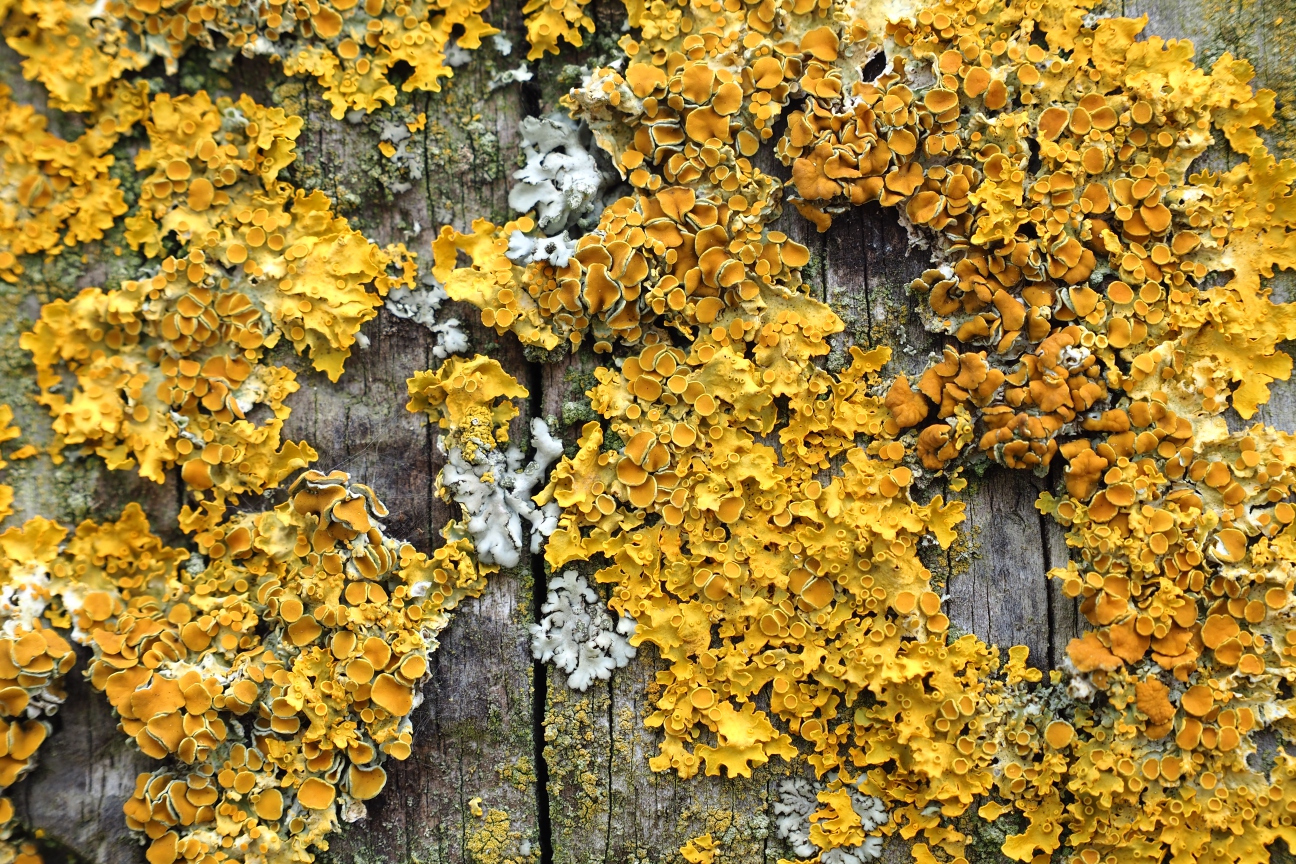
Xanthoria parietina, a sunburst lichen
I photographed each species once, rather than everything, which would never work – can you imagine? I’d still be there now. I really noticed how, even though I probably recorded about 100 species on the South Downs Way, it was dominated by a small number of species. Ground ivy was very common, as was hogweed, white deadnettle and nettles.
Another Xanthoria sunburst lichen
The most dominant species were nitrogen-loving, just like this golden shield lichen above which is able to deal with fertiliser and other agricultural pollutants. I wonder how different things might have been before the Second World War’s agricultural boom. The Downs is known to have lost a vast area of chalk grassland in the 20th century, one of the rarest and richest habitats in Britain.
Two ravens (centre) and a red kite
I will save you all the generic images of flower-less plants. I did manage to capture record shots of ravens mobbing a red kite, of which there were several. I love ravens, they are such intelligent and characterful birds. They are also not quite common enough to feel as familiar as crows or jackdaws.
A heath snail
One of my favourite encounters was with this heath snail which was curled up (so to speak) in the flower head of a dandelion or hawkbit. I instantly saw this and started talking to myself dangerously loudly about what a nice image it was. I hope you agree!
Hawthorntrees with the ArunValley in the background
I inspected some old hawthorns that were dotted on the edges of the grasslands. I’ve heard they’re good places in the South Downs to find lichens. Though I found nothing outrageous, there were some beautiful species growing on the branches.
These are possibly the beard lichen Ramalina farinacea. iNaturalist has a weird name of farinose cartilage lichen. Farinose seems to mean mealy or floury. That’s a new one for me.
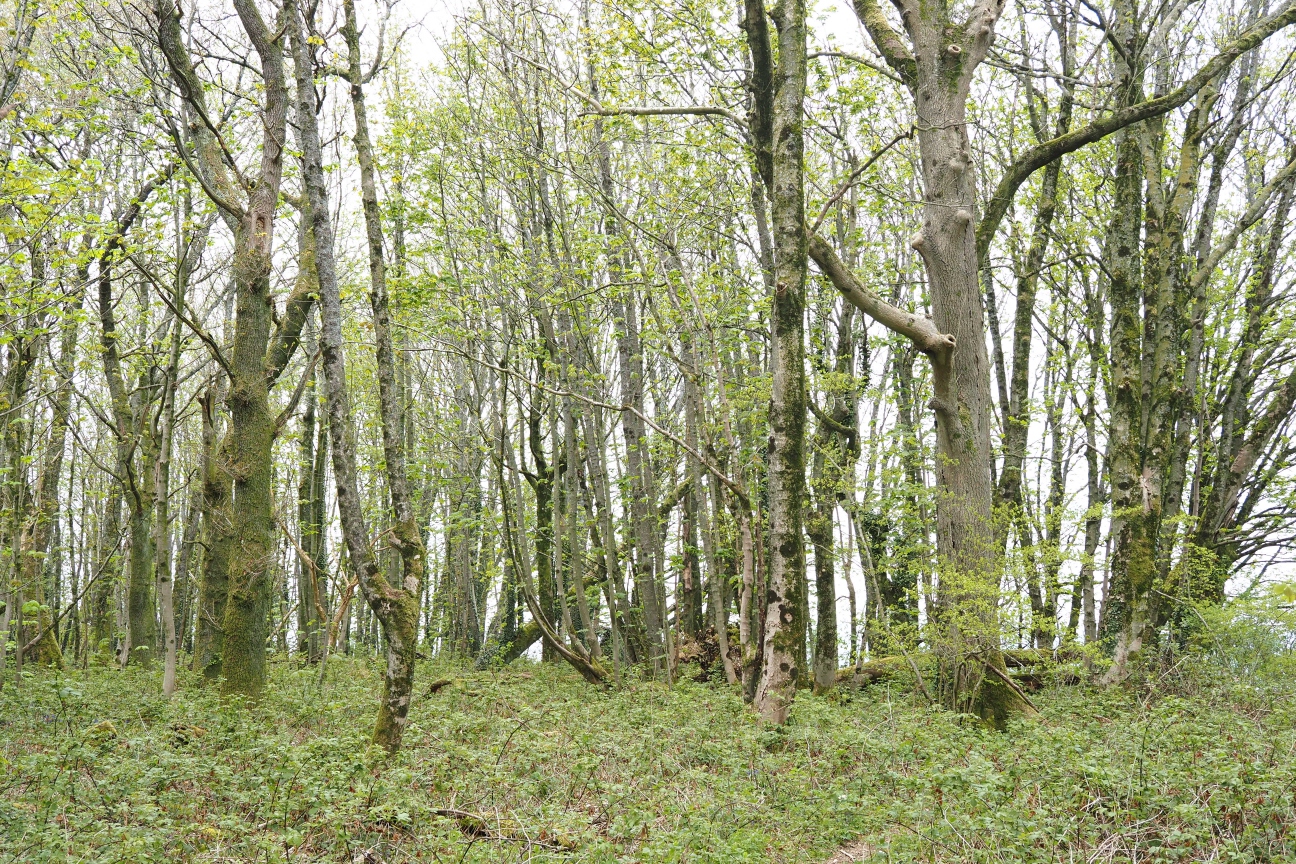
A small parcel of woodland atop the Downs
On this section of the South Downs Way there is a sudden square of woodland which the path cuts through. I had always thought this was perhaps planted or some recent woodland that had grown up on fallow land. But I found something that makes me think very differently about it.
Town hall clock
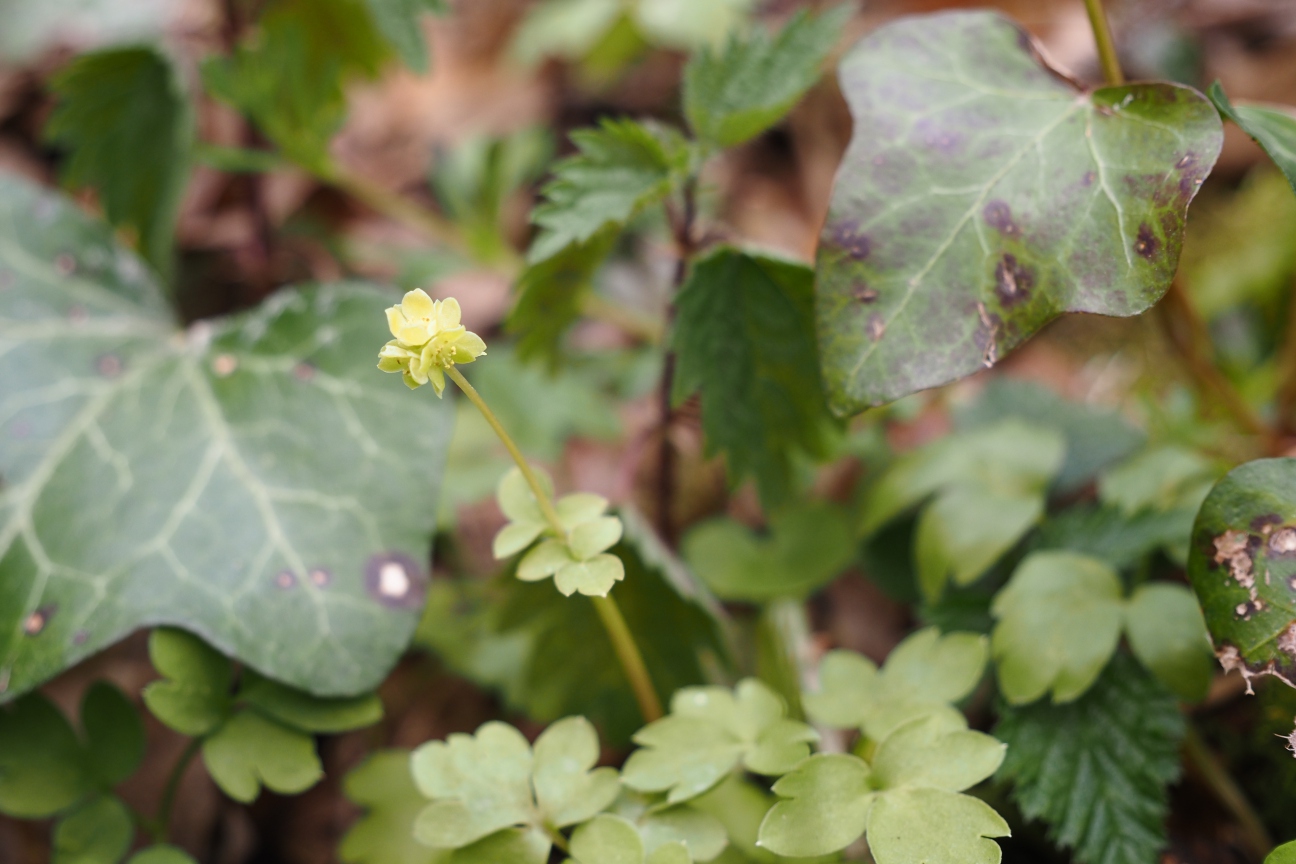
This is the first time I’ve seen town hall clock or moschatel. I was amazed to find it. It’s an ancient woodland indicator, which suggests that the woodland is far older than I had realised.
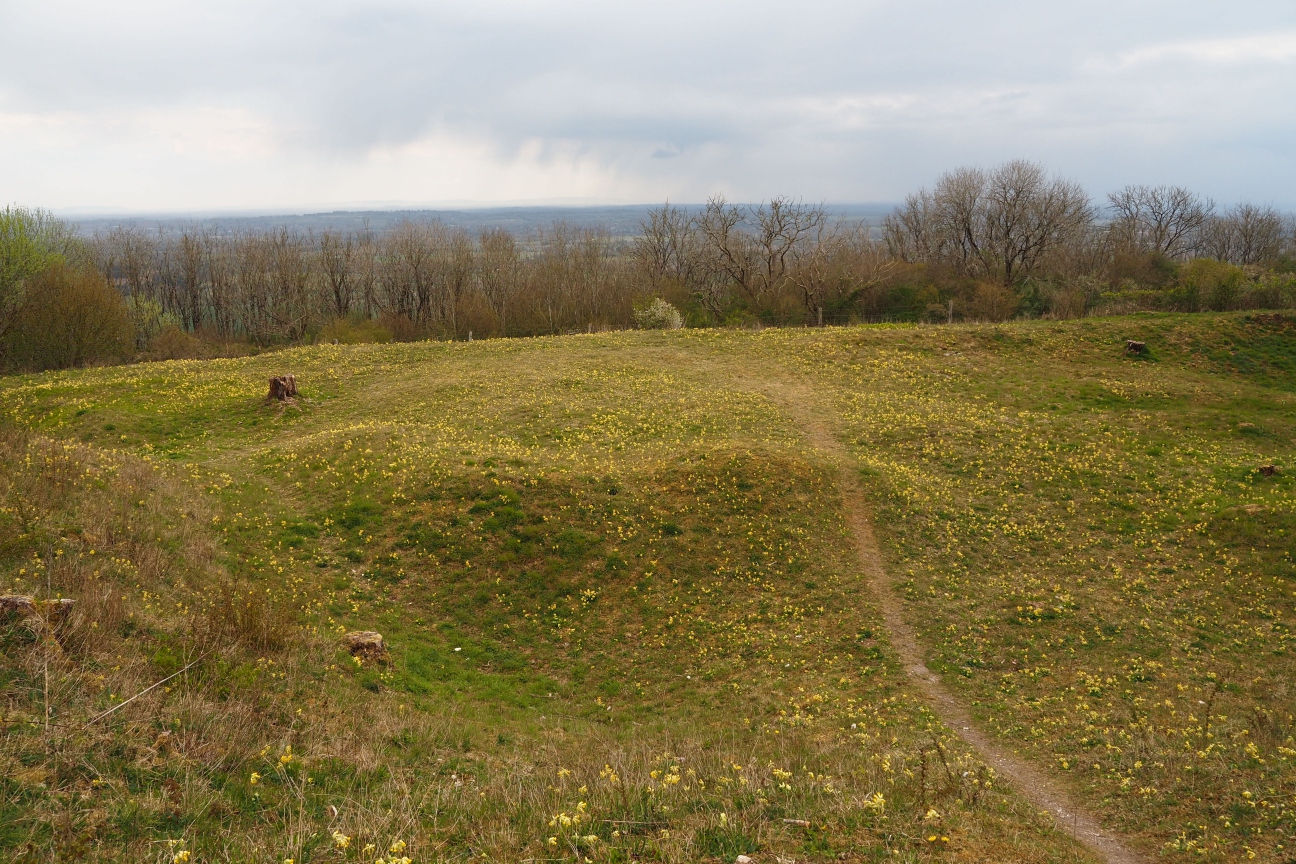
Cowslips flowering en masse
It was nice to witness the typical downland spread of cowslips. Last year we got locked down before this began, and now I’m just getting back here at the point that they’re peaking.
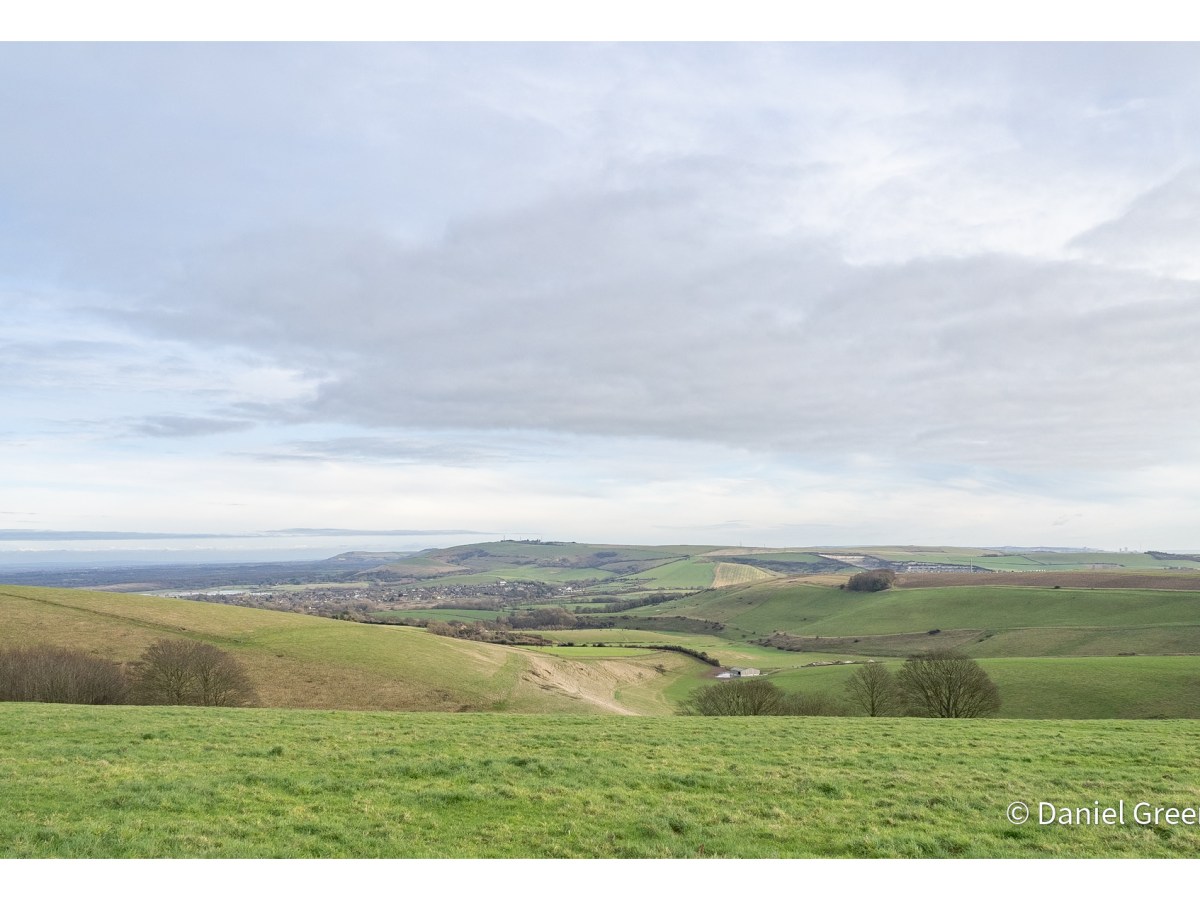
The view towards Amberley
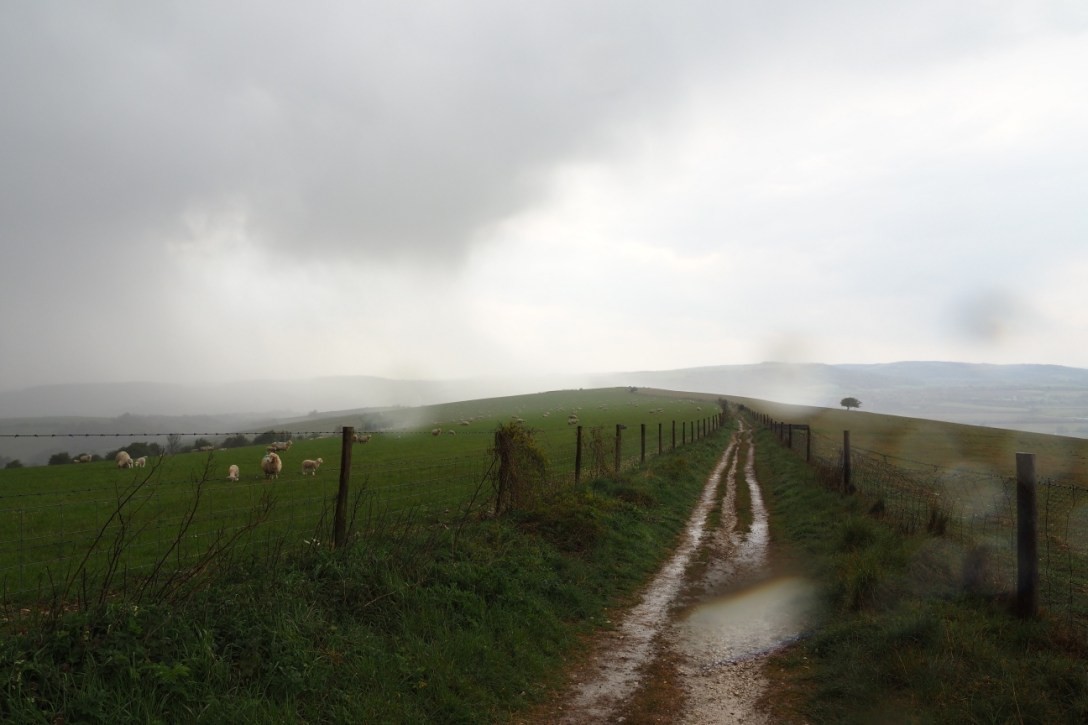
The weather started behaving like something you’d expect in the Yorkshire Dales which cut my species recording short, bar a few desperate snaps in the cold and wet march back to the start.
I managed to capture this footage of a hunting kestrel, hardly macro, but worth sharing.
Social media is a dangerous place sometimes. People can end their careers at the click of a button. This blog may end my career as a bee-keeper, which hasn’t started yet.
Last week a video appeared in my Twitter timeline of a bee-keeper filming the swatting of a wasp. “Don’t tell Chris Packham” was the punchline (pun not intended). For any readers outside of the UK, Chris Packham is a wildlife conservationist with a large following and strong presence in the media. The video drew criticism from many established conservationists, Dave Goulson, for example, who has written several books about the importance of a wide range of insects, many of which are found in gardens.
The video was deleted and the bee-keeper evidently realised they had made a mistake and had something to learn (great stuff, now stop killing wasp queens please). But it was the kind of interesting insight that can only sometimes be provided by a mistake. Is the crushing of wasp queens (this person claimed to have killed more than 40) common practice? Is it encouraged by people within the industry, on the quiet? Judging from the bee-keepers I know, I would be absolutely astonished by that. What did astonish, however, was that this individual used to provide a monitoring service for the English government’s department for agriculture!
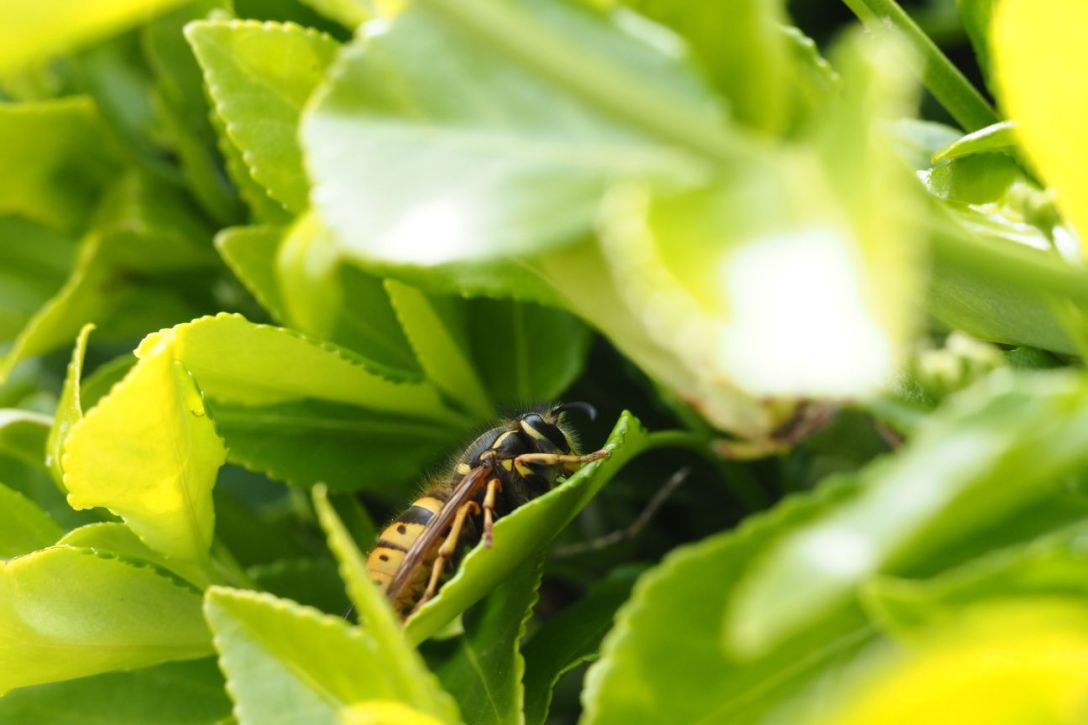
A German wasp harvesting woodshavings in my garden to build a nest somewhere
In keeping with that, a fellow bee-keeper pointed out that wasps remove a huge number of agricultural pests from the environment, which will ultimately benefit the farming of honey bees. Therefore killing wasp queens was harmful to far more than that squashed insect. Unfortunately this dim-wittedness is all too common in Britain, a micro-version of the continental European hunter’s desire to kill anything with a curved bill and talons, as I once heard someone say about the situation in eastern Europe.
It offers uncomfortable questions around industrial bee-keeping, which is a form of livestock farming, that may need to be fully addressed.
In much better news, there was a watershed moment for wasps in the media in the same week, however. Damian Carrington of The Guardian published this excellent article about the importance of wasps. It has some amazing science in it but also pointers to the economic importance of social wasps. This paragraph stood out:
Overcoming prejudice against wasps will not be easy, the scientists said, because they have long been portrayed as hateful. The ancient Greek polymath Aristotle wrote that “hornets and wasps … have nothing divine about them as the bees have”. In the Bible, God sends hornets as punishment to sinners in three different books.
Anyone who read this blog last year knows I have been trying to make this point in a more amateur way week after week. Wasps are not just one black-and-yellow species that annoys you at the picnic table every August. In the UK we have thousands of species, something you can’t say about most animals on these isles.
Take this solitary wasp, which I referenced in a previous post. iNaturalist reckons these are in the family Cheloninae, a group of ichneumon wasps. This wasp was absolutely tiny, with about 20 of them gathering on the edges of a shrub. They are one of several thousand species we have in the UK, with their value potentially not understood by science and certainly not economically. For 99.9% of the population that is the case due to their size and the fact that, you know, why would you look unless you blog about this stuff?
A median wasp pollinating raspberries in my garden last year
In recent weeks I’ve watched a wasp queen land in my basin pond to drink, sometimes several times a day from what I can see. She flies in and always picks the same spot. I love to see her. On a sweeter note, I watched another queen (or perhaps the same one?) visiting gooseberry flowers to nectar. In the late summer we’ll pick the fruit she helped to create, and wasps will be welcome here. This offer is unconditional, despite how annoying their workers will be in the summer to come.
It was a quick lunchtime visit to the household recycling centre, the kind of thing that is exciting enough in a year of lockdowns.
Having been waved in and asked to mask-up, I got out of the car and began searching the options to recycle some fabric. A workman was collecting materials and asked me to make it easier for him and drop it straight into his dumpy bag. It made it easier for me, too.
It was a warm and cloudy afternoon with the sun breaking through. The air held that acrid whiff of landfill, like sickening vinegar.
Returning to the car, I was distracted by something. The one-way system that takes you through the recycling centre was edged by wrought iron fencing. Beyond that an old, overgrown hedge with brambles, hawthorn and perhaps willow, marked by a large oak tree. This area sits on Weald Clay, which I’ve learned was once known geologically as Oak Tree Clay, so common is the species in this landscape.
A bird was singing from somewhere along the hedgeline, mixing in with other bird calls and sounds. Typical late April in southern England, with the new arrivals from Europe and Africa breaking out in song after unthinkably dangerous and long journeys north. After resting, you would sing, too.
The song was being thrown around, I couldn’t pin it down. Then I heard the rapid, reverb-laden drip-drip-drip-drip-drip.
Nightingale.
I had heard this song a few times before in Sussex, with their stronghold at Knepp or else at Woodsmill in Henfield. In 2017 I’d honed my understanding of their incredible song while on a conservation study tour of the Oostvaardersplassen in the Netherlands. Hearing this bird in little olde England is something else.
The song was unmistakable. I took out my phone and recorded a short clip. Just 20 seconds.
I had to drive along to the next bay to dispose of some cables and empty tins of emulsion. I wanted to tell the men working on there what they could hear if they listened, and ask if they already knew. They might have known. I asked one worker a question about solvents and he replied with eastern European-accented English. Nightingales are not so rare in that part of the world, perhaps he knew their song from his childhood.
It’s why I love John Keats’s poem so much (below), because he knew how important birdsong was to all people. Not just landowners who know how to welcome nightingales, those who can afford holidays to hear them, or those as privileged as me to live in this beautiful place. By that I mean Sussex, not the tip.
Thou was not born for death, immortal Bird!

No hungry generations tread thee down;

The voice I hear this passing night was heard

In ancient days by emperor and clown
This bird had flown all the way from Africa in a time of globalised trauma, when they are disappearing from our island as a species. We are all connected, we just need reminding sometimes.
We are at that point in British springtime that feels like a tipping point. The leaves of most deciduous trees are out in small, decorative versions of their summer selves.
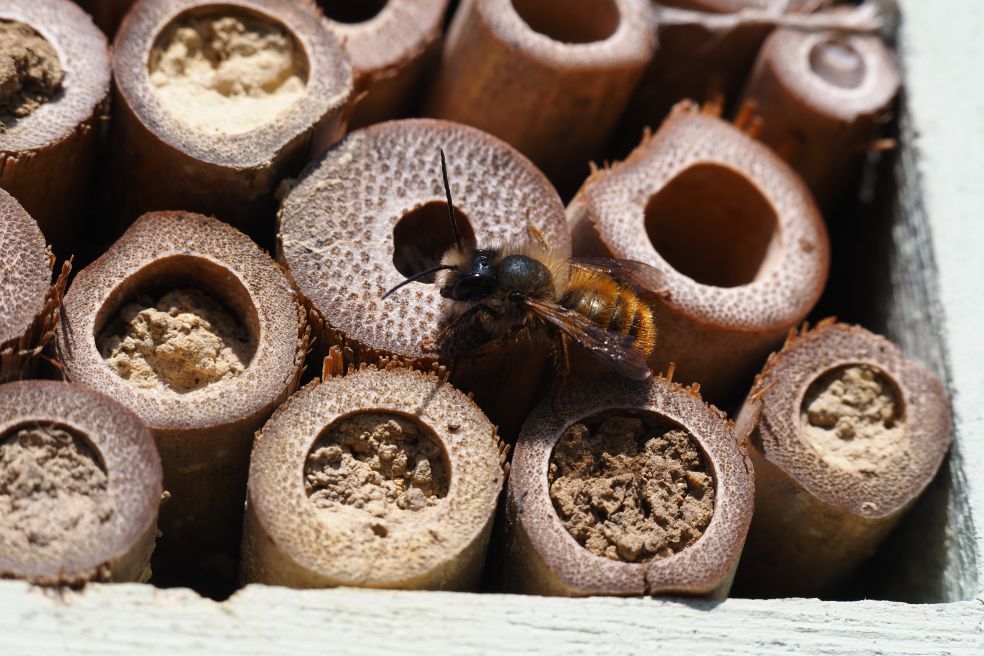
The insect life has passed meaningful boundaries: mason bees have have hatched from the hotels and the early species are looking a little overwhelmed by the new life around them. Take the hairy footed flower bees. Now they will rest for a photo, after a month of never settling much at all.
I spent a five minute screen break in my garden observing the silent flight of a mourning bee, a bee that targets the hairy-feet. Its flight was deceptive, hard to know what kind of insect it was. That must be part of its success.
My small chunk of ornamental hedge was once again alive with insect action. There was a party of solitary wasps dancing at the edge of the hedge where I have had to cut back and replant. I will never be able to tell you their truest selves, such is their familial diversity.
A solitary bee that I see often but haven’t yet identified was flying in good numbers. It is such a hairy thing, with a flush of ‘facial’ hair and bristles jutting out from its abdomen. I think it’s an Andrena mining bee.
Hoverflies are always part of the picture. Droneflies flew in midair, legs akimbo, or else bathed with their motorbike helmet compound eyes monitoring my distance.
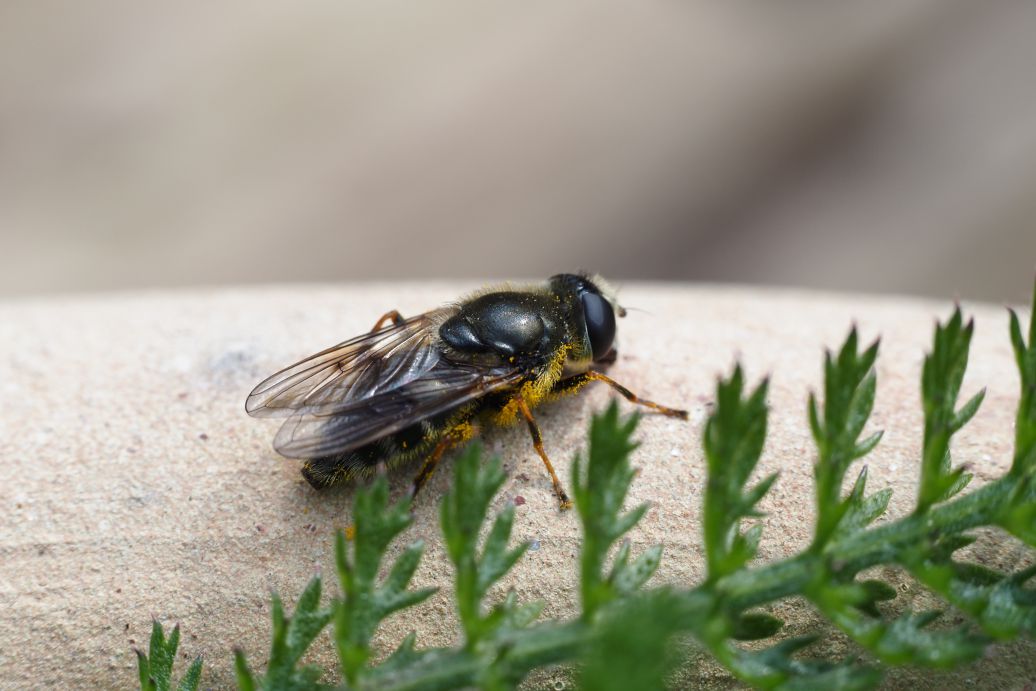
A brief visitor to the edge of a flower pot turned out to be something more interesting. Users on iNaturalist identified it as a species which is likely an accidental introduction to the United Kingdom, a species I haven’t knowingly seen before.
I spent some time with my camera-mounted face glued to the bee hotel. I am beyond caring what onlookers now think, simply because I’ve shared sightings with my neighbours and they are so keen to let me know what I’ve missed.
I’ve taken their advice on garden plants. Now a beautiful blue Lithodora sits in a pot on the patio, nectared on by hairy-footed flower bees. Lithodora is a borage relative, native to southern Europe.
Evening when the sun is softer can be a good time to check hedges for calmer insects at the end of a busy day. I found a non-biting midge with its punk-antennae. An expert on iNaturalist informed me that it is rare to identify these insects beyond family level, of which there are many! Whatever its acute identify was as a life form, this miniscule, barely visible to the naked eye. Its bottlebrush headpiece was the perfect way to see out a hairy day in the hedge.
Photos taken with an Olympus E-M5 MIII and 60mm f2.8 macro lens with 16mm extension tube
I’ve had a burst of American visitors in recent days (to my blog, not my house). So thanks for visiting, y’all, and sorry about the year you’ve had. You may have noticed I’ve slipped to monthly posts on here. Between April and October I posted blogs every Monday without pause, which is a tricky task…
Here’s my seasonal update of stuff you don’t need to know about, but then welcome to the Internet. What I’m writing Soon I will be self-publishing my third poetry collection, Fool’s Wood. It’s seven years since my last one and this collection has taken longer because of LIFE. There will be a booklet and also…




















 Unlocking Landscapes