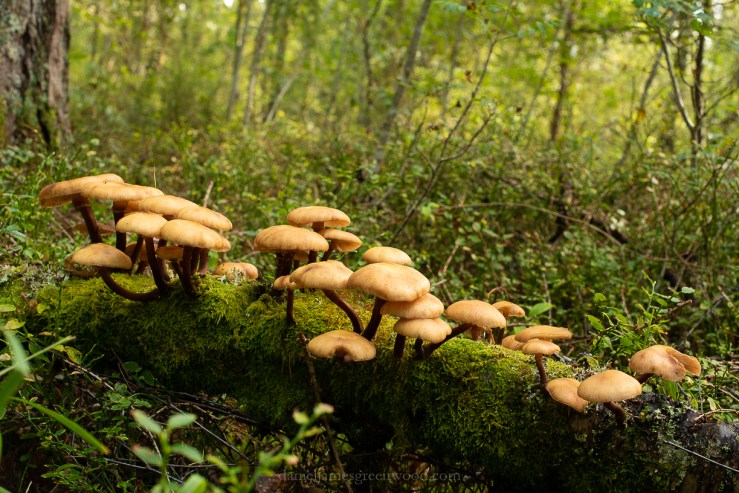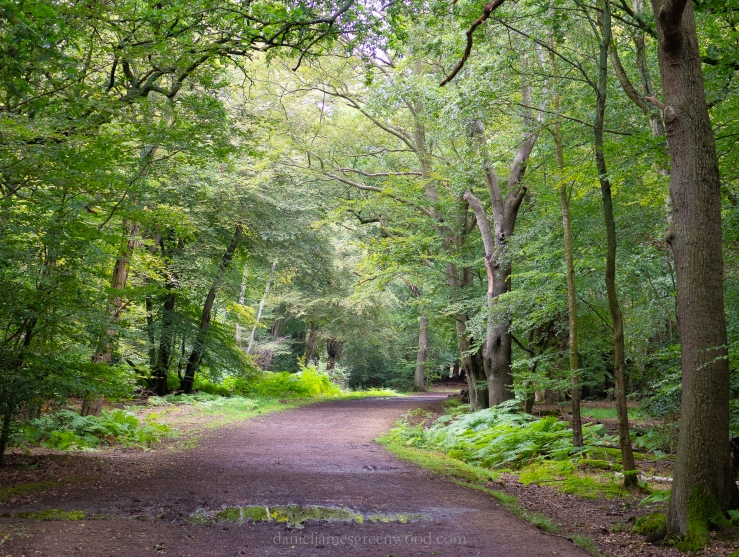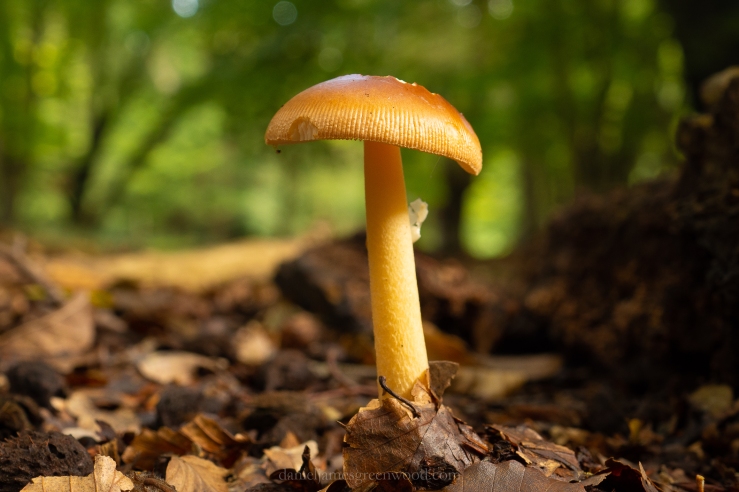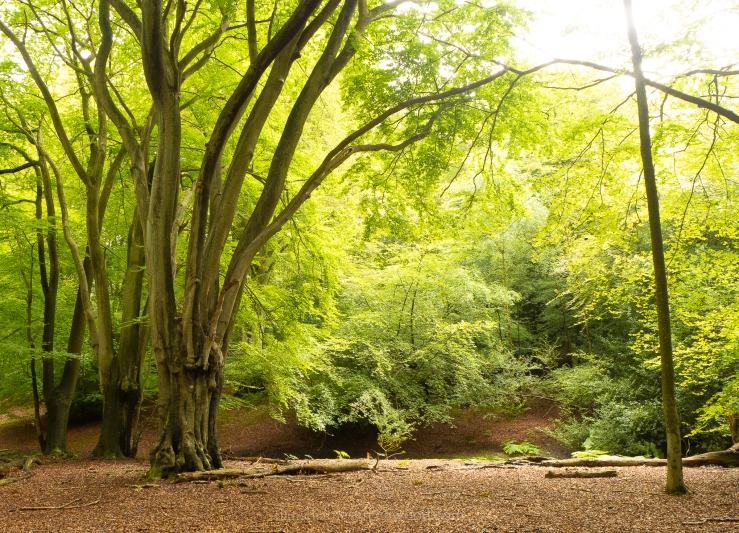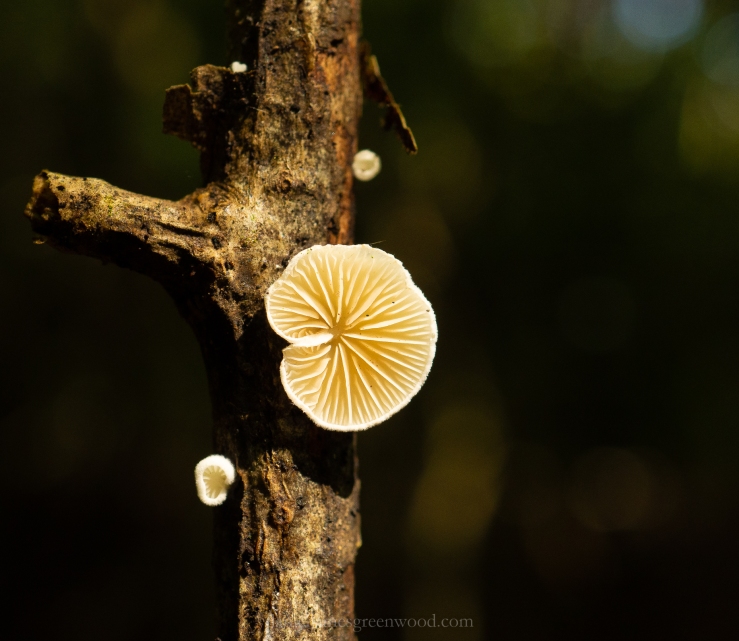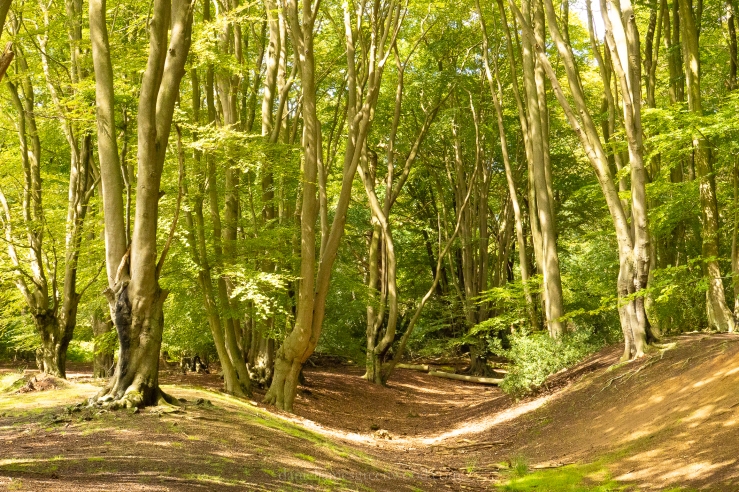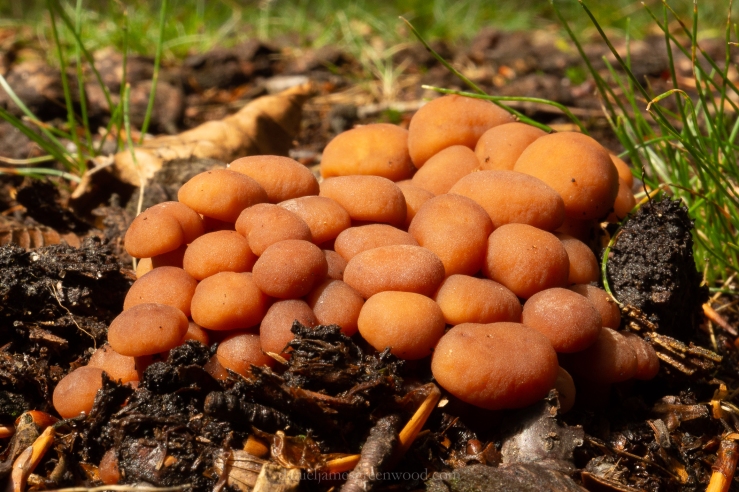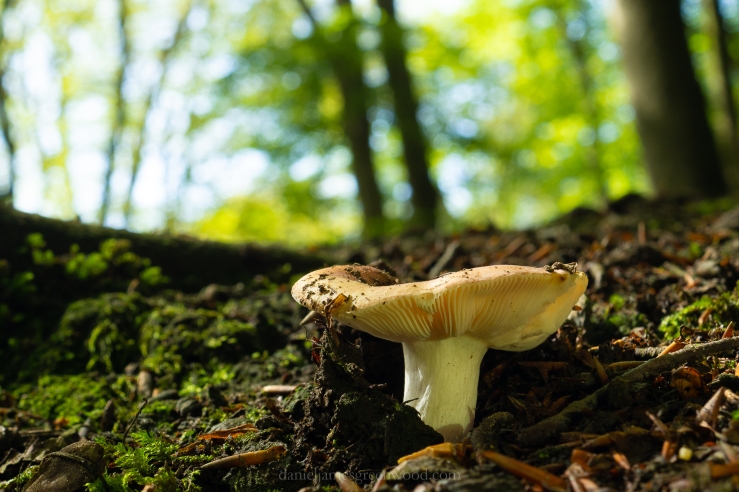
September ‘shrooms in the misty hills of Strathyre Forest

Scotland - September 2019 djg lo-res-21

Strathyre Forest, Loch Lomond and the Trossachs National Park, Scotland, September 2019

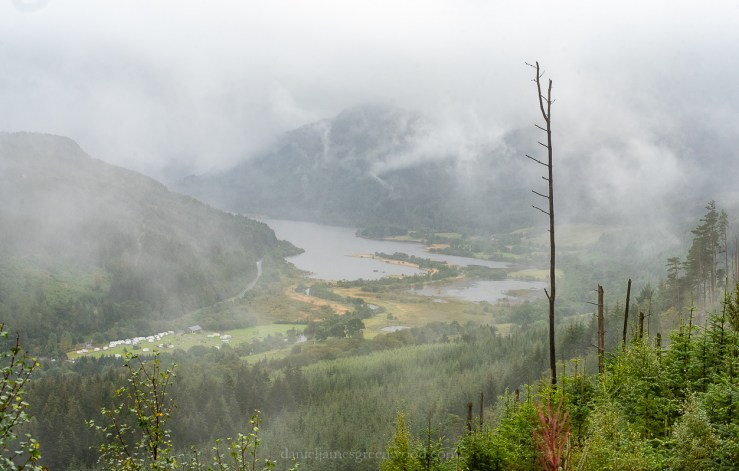
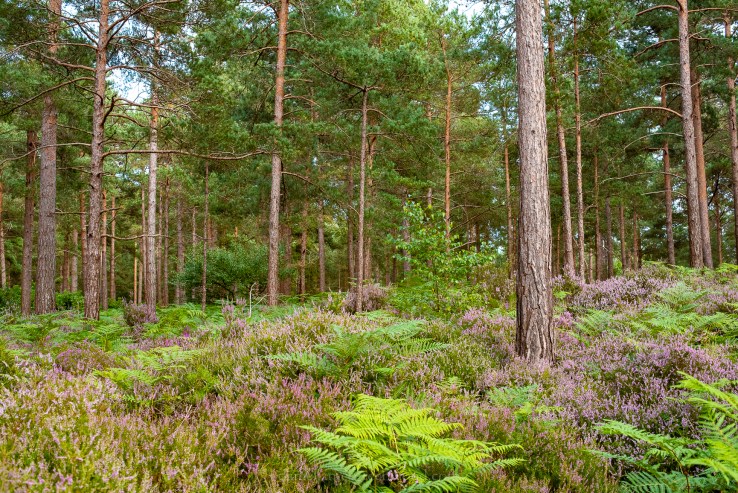
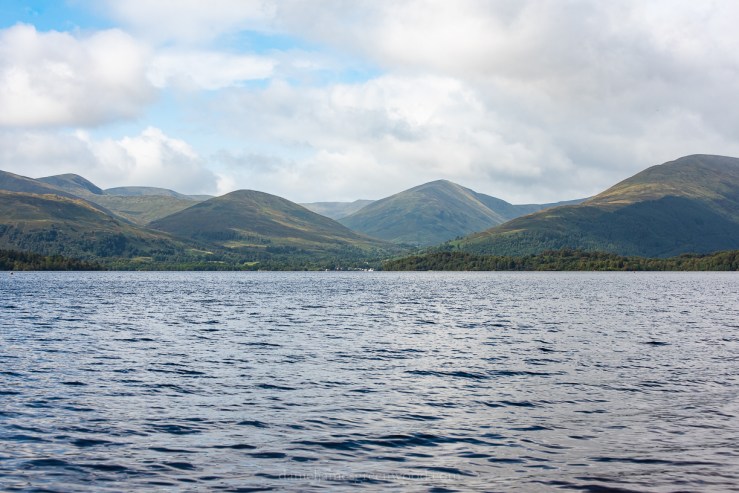
I’m in Strathyre Forest, a Forestry Scotland plantation in the Loch Lomond and the Trossachs National Park. The view of Loch Lubnaig comes and goes as the mist travels between the hills with the cars, lorries and motorbikes along the road down below. I’m sitting on a lump of rock, surrounded by the dead trunks of spruce trees, their successors rising below at their rotting toes. Around old spruce stumps felled by foresters, heather grows and flowers. Birch saplings and rosebay willowherb enjoy this pause in the blanket of monolithic trees.

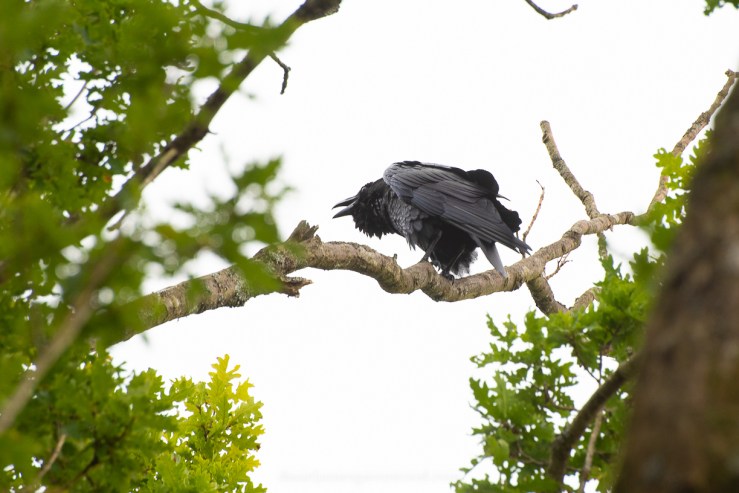
Looking up for a moment, I’m given a shock by the sudden appearance of the loch and the surrounding hills. The mist has cleared and the shape of the loch’s marshy edges, fringed by the Lego shapes of a caravan park, where the river winds its way in, has appeared. A single spruce stands broken and dead, a mast of decay over Strathyre. A bird flies up, gradually picking a spot to perch on. It sits on the top branch and calls out.

Scotland - September 2019 djg lo-res-13

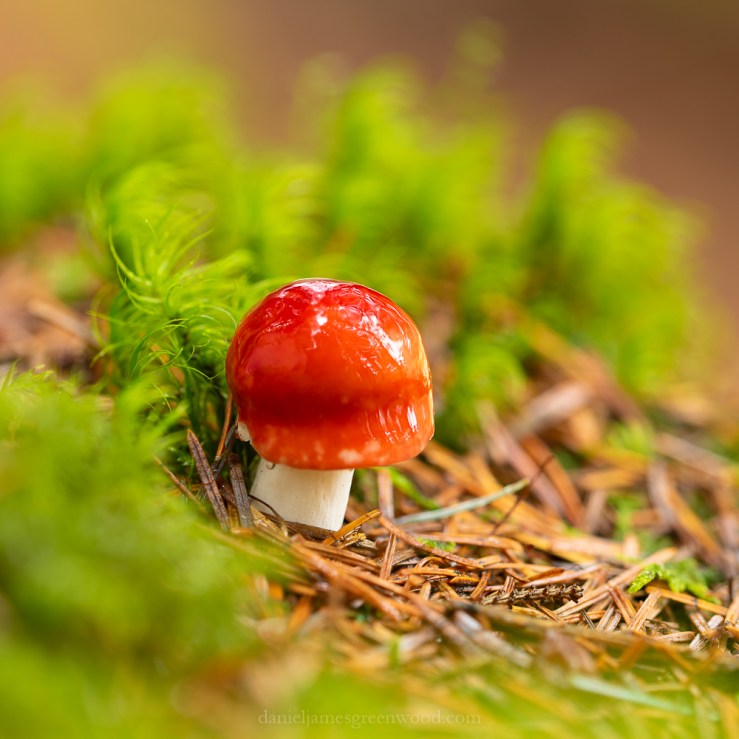
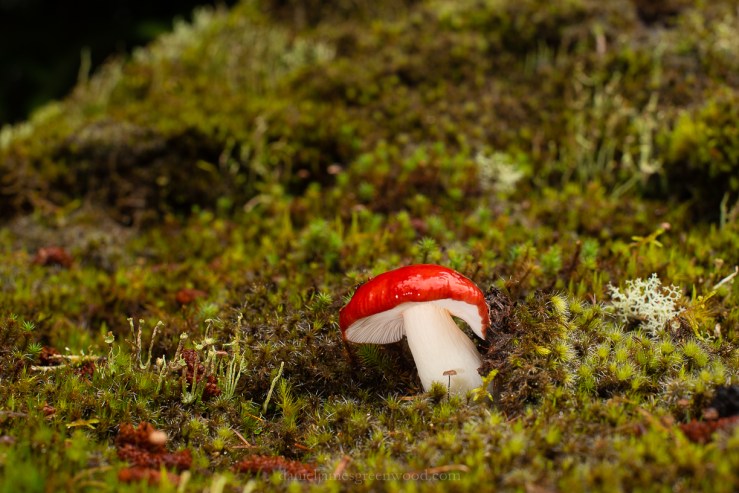
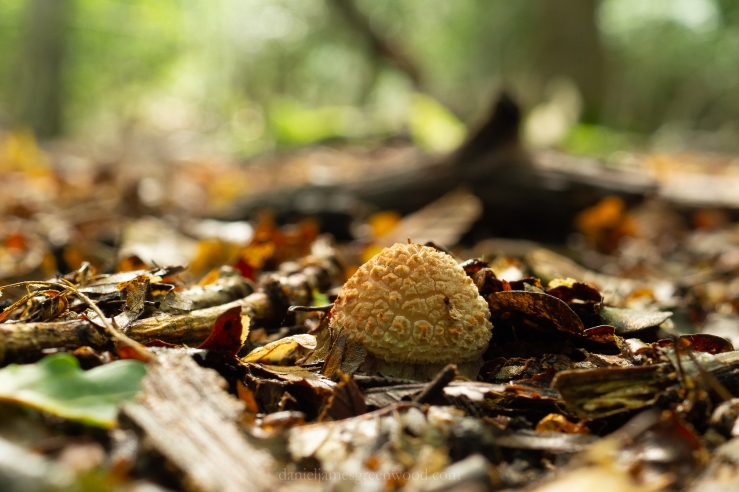
On the slow and drizzly ascent up to this point, I’ve spent most time on ground level photographing mushrooms. Under the dark monoculture of spruce red russulas are fruiting in profusion. I take photos using the camera’s timer so need to be really still so as not to disturb the camera, otherwise the picture will blur.

Scotland - September 2019 djg lo-res-15

The details are very fine and sometimes the focus is on a very small thing. This means stillness for me.

Scotland - September 2019 djg lo-res-27

My stillness meant birds flocking nearby came very close: goldcrests in their tens, with one within reach of my hand, then a young robin in a half-youth, half-adult plumage.

Scotland - September 2019 djg lo-res-19

It flew right at me and swooped away to land on a branch. It followed me back out onto the track and, perhaps, led me to a the biggest Boletus edulis I have seen. ‘Stick with me,’ I said, ‘and you’ll see mushrooms.’ I didn’t see the robin again after that.

Scotland - September 2019 djg lo-res-24

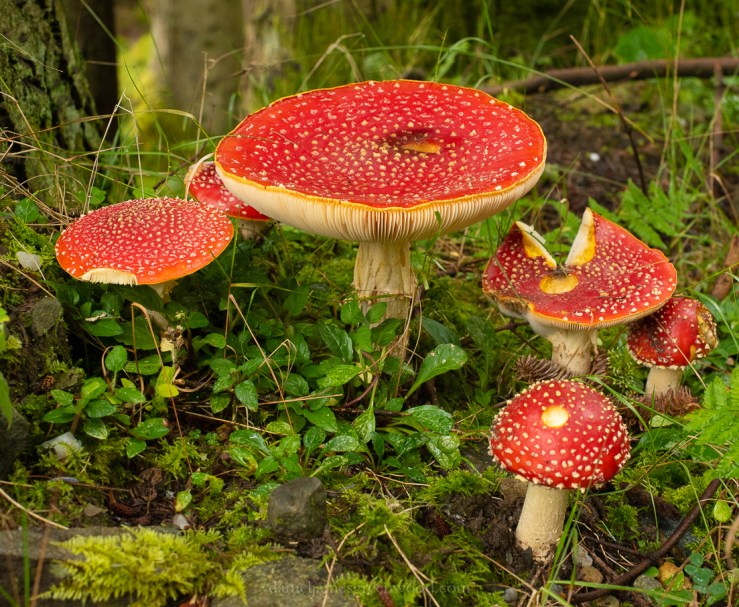
Away from the dark stands of plantations mosses, lichens and smaller mushrooms flourished at the buttresses of huge spruce and pine trees. One of the largest fly agarics I have ever seen opened like an upturned umbrella amidst its little brothers and sisters. There was light and life here that the close stocking together of trees does not allow.

Scotland - September 2019 djg lo-res-5

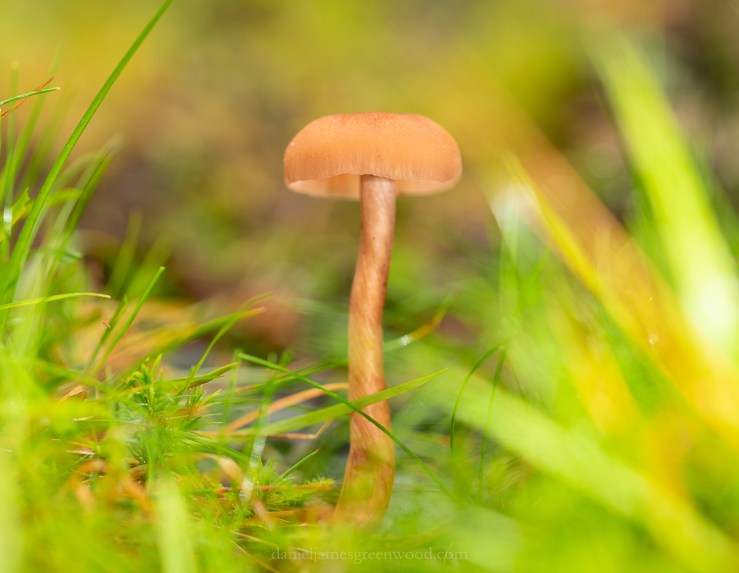
There I found lots of small mushrooms like deceivers, webcaps and plenty of others like milkcaps and lots of boletes sodden by days of rain. They reflect the attitude of a woman I heard in the pub last night as she discussed the wet forecast over the coming days. She would still be going out and enjoying her holiday. ‘It’s just water,’ she said.

Explore my Wood Wide Web

The Sussex Weald: Seven miles of sunset hills in the Wealden Downs

Midhurst to Singleton on the New Lipchis Way, West Sussex, August 2019

Midhurst is a market town in rural West Sussex, right in the geographical heart of the South Downs National Park. A friend and I spent the evening walking a section of the New Lipchis Way that connects Midhurst and Singleton. It was a walk of 8 miles through several different habitats, undulating over varied geology. The New Lipchis Way sounds like something from Pagan Britain, but really it’s just that the walk begins in Liphook in Hampshire and ends in Chichester.

Mids-Singleton - 8-8-2019 djg-6

We began at Midhurst via the Cowdray Ruins, along the river Rother at the bottom of St. Ann’s Hill which once held a castle on its top. Remnants of the castle are still printed onto the hilltop. The way carries on through fields where ginormous sweet chestnuts are set in an avenue at the bottom of farmland. Soon the agricultural world is left behind for plantations imprinted on heathland around Heyshott and Ambersham Commons. Here the heather was beginning to bloom. The way crosses the old railway line that once served Midhurst.

Mids-Singleton - 8-8-2019 djg-13

Soon the South Downs break into view and the heathlands of the Greensand are left behind for Heyshott village. The use of the word ‘shot’ at the end of a placename usually refers to an extra piece of land extending from a settlement. Hence Aldershot and the variable Oakeshot. The church is a combination of chalk flint from the South Downs, oak timbers, sandstone blocks and clay tiles from the Weald and wooden panels and slats, presumably also from the Weald. The church probably dates from the 13th century.

Mids-Singleton - 8-8-2019 djg-14

I love the feeling of moving between settlements and countryside when walking and that drop-off in noise and activity for the stillness of an open or natural landscape. Here we passed through fields of wheat to reach the ridge of the South Downs at Heyshott. In the image above you can see the gradual dying back of ash trees on the ridge as the disease takes effect.

Mids-Singleton - 8-8-2019 djg-15

Looking back from the wheatfields you can see the ridge of Greensand Hills in the background, the woody heathlands in the middle and then the churchspire of Heyshott one layer closer.

Mids-Singleton - 8-8-2019 djg-16

Rising with the chalk, in the distance you can see Bexleyhill where the mast pokes out. These hills are part of the same Greensand ridge as Woolbeding Common, to the west or left hand side in this image. The river Rother runs from left to right (west-east) in this image, cutting between the distant hills and those of Heyshott and Ambersham Commons. Note the arrival of ash and whitebeam trees on either side on this rural chalky lane.

Midhurst-Singleton D750 - 8-8-2019 (99)

The light began to fade as the clouds came in and we made our ascent up onto the ridge of the South Downs. It was a dark, horsefly-occupied stretch which was so steep it shut any conversation down. Yew woods covered the northern slopes, such is their want on chalk. They give off an eerie vibe, light rarely breaks their cover. They are rare as woodlands.

Mids-Singleton - 8-8-2019 djg-17

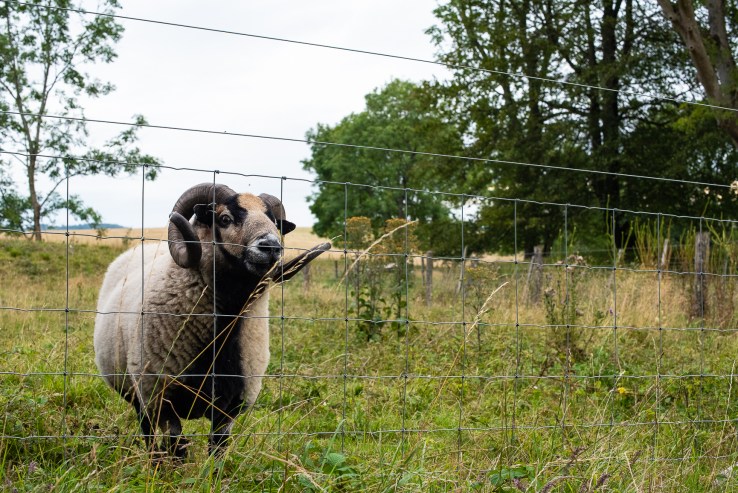
Up on Heyshott Down we were met by some badger-faced sheep, evidently they get fed by passersby or people who, like us, get to this point and hit the deck. Heyshott Down is rich in chalk grassland flowers but also in burial mounds. I heard someone say once that the South Downs ridge, all 100 miles of it, was the equivalent of a really long, ancient graveyard.

Mids-Singleton - 8-8-2019 djg-18

The Lipchis Way then slips down through the non-stop beech plantation of Charlton Forest. Rain came in and the light was so low I took few pictures. We found this vast clearing where new conifers had been planted. You may be able to spot the hunting seats. This is the kind of heavily industrialised landscape that is found across Europe. It could be the Czech Republic, France or Scotland. It is a controlled landscape. Hunting and shooting are common past times in this part of West Sussex.

Mids-Singleton - 8-8-2019 djg-19

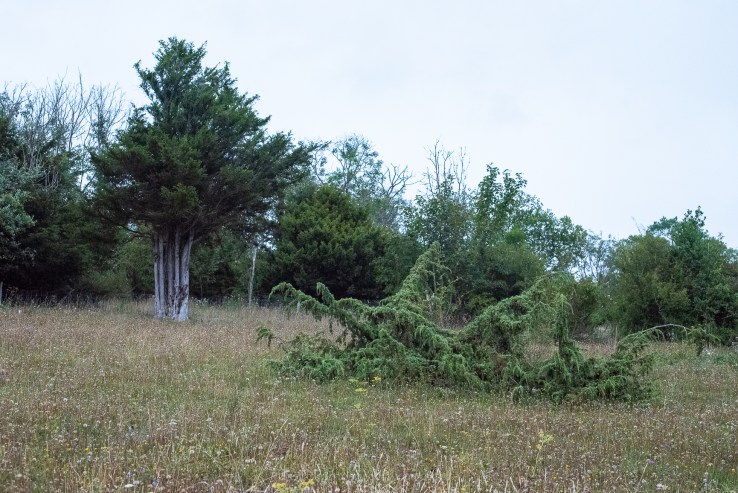
Leaving Charlton Forest behind after a good 20 minutes, you arrive at Levin Down, a Sussex Wildlife Trust nature reserve. On the edge of the reserve sits this twisted ash tree, recoiling from the woods and reaching out into the open landscape. This is another eerily open landscape, set against the wonderful diversity of Levin Down. The name derives from ‘Leave Alone’ because it was too steep to plough, thank God.

Mids-Singleton - 8-8-2019 djg-27

The light was so dull here that my camera’s excellent low-light skills came into action. Levin Down is chalk grassland with some stunning veteran juniper trees. Juniper would once have been much more common in areas of chalk downland. I have only ever seen it at Box Hill in the wild in the UK. In the White Carpathians of the Czech Republic, a landscape similar to the South Downs, they replant them to try and resurrect their populations.

Mids-Singleton - 8-8-2019 djg-25

Mids-Singleton - 8-8-2019 djg-24

Mids-Singleton - 8-8-2019 djg-23

You may know juniper from their berries because it is used to produce gin. The junipers on Levin Down are works of art. Like grim reapers their limbs look to be covered by overhanging sleeves, reaching out across the ground, rearing up like the pointed tips of hats. It feels like they’re pointing at you as they reach out to you from their place in the meadows.

Mids-Singleton - 8-8-2019 djg-30

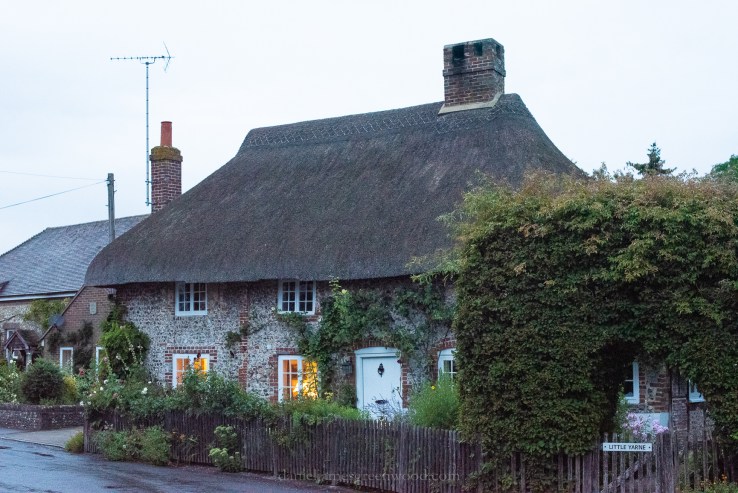
Leaving Levin Down behind, we dropped down through chalk heath (a super rare habitat), one of the most pungent meadows I’ve ever smelt due to the wild marjoram or oregano. The way drops into the old part of Singleton, a village known for the Weald and Downland Museum. Thatched cottages with chalk flints sit with windows showing a cosy inner glow. A lovely place to end the walk.

Mids-Singleton - 8-8-2019 djg-29

Explore my Wealden archive

The Sussex Weald: Something is right with the world (and it’s mushrooms)

Ebernoe Common, Sussex Weald, August 2019

Looking out of the window at work one morning, a colleague agreed with me:

If there are no mushrooms after this rain, then something is very wrong with the world.

Fast forward a few hours and there is something ok about the world.

Stepping out onto the track and into the woods there was a clear indicator of a mushroom party with lots ofย Boletus-like species typical of the season. This time, I was invited. All too often looking for mushrooms can be like arriving at a party the morning after when everyone is discarded like shells around the living room and slime coats the walls.

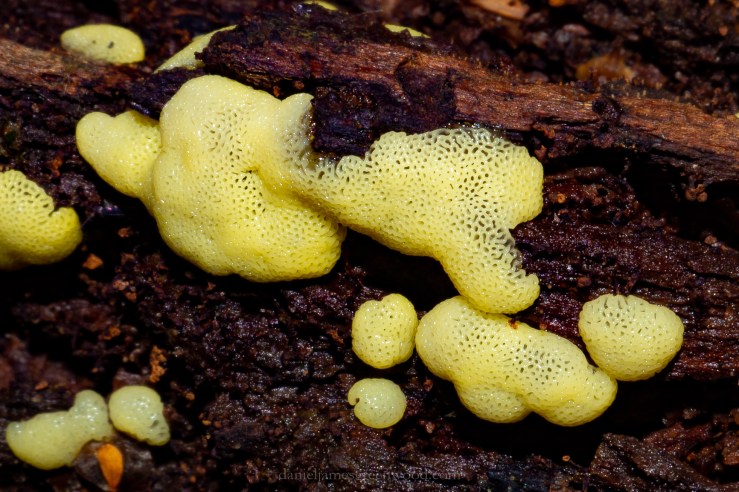
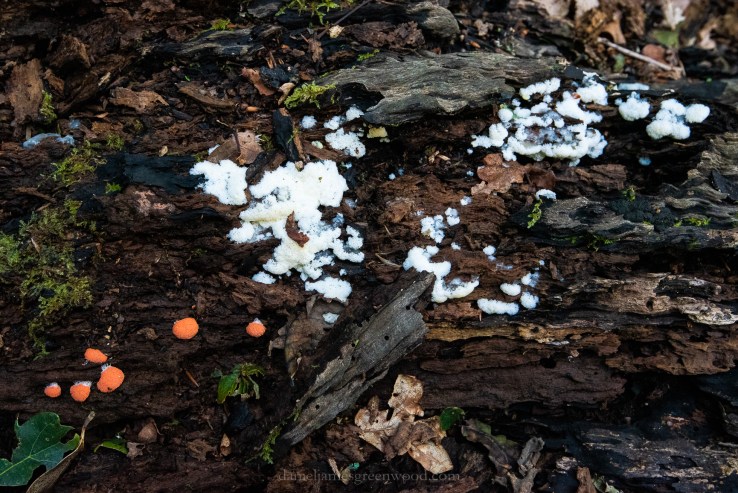
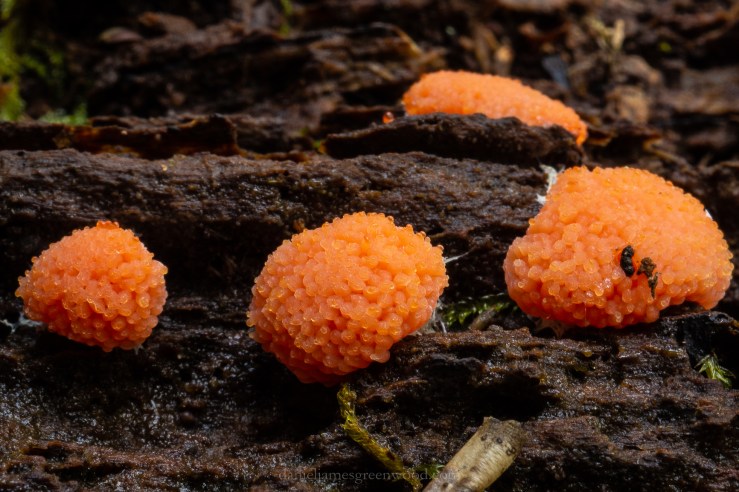
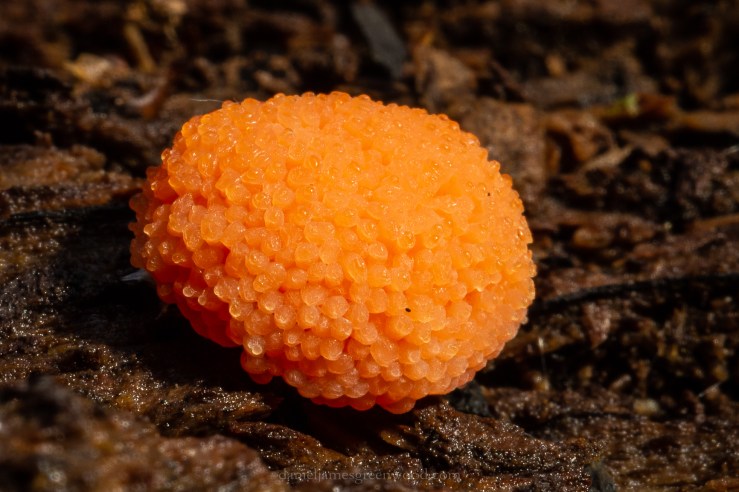
There was still slime on the walls on this pleasant summer’s evening at Sussex Wildlife Trust’s magnificent Ebernoe Common. It’s part of the Low Weald, an area or ancient woodland that is very much intact and once connected Canterbury with the New Forest. The slime here was the real deal, with beautiful splodges of slime mould spreading across fallen oak trunks.

Further inspection with my trusty macro lens showed the intricate beauty of this slime mould. Trouble is I don’t have the field guide yet so I’m stuck for an identification. But really does it matter? I’m not a scientist in the traditional sense and it’s their beauty I cherish most. Scientists, while we’re here, don’t even know where to put slime mould in their taxonomic kingdoms. That sounds like one hell of a euphemism.

This walk was a blitz of about 3 miles with eyes scanning the woodland floor alongside the path. By pure fluke I found this small mushroom, not dissimilar to something like a funeral bell, popping out of the soil. It is surrounded by the most beautiful palmate leaves of star mosses. The wonders of macro photography allow this world to be glimpsed and indeed shared. Macro photography is an art (not necessarily in this case) as fine as landscape photography.

I also had my larger DSLR slung round my neck with a wide angle lens. The golden hour is not quite so golden in an August wood, but it’s still worth appreciating. Notice the growth of lichens and algae on the north-facing side of this beech here for 10 points.

Ebernoe - 15-8-2019 djg-17

One of the recent additions to my mushroom portraiture war-chest is an LED light. It’s a pretty fun way to add a new layer of interest to photos, especially of mushrooms. I also have a mini tripod for it so it is a bit like a pet android that wanders the woodland floor for me illuminating fungi. This shroom was growing down between two big boughs of a fallen beech tree. It was land of the mosquito and I made substantial donations to their bloodthirsty cause. This does look rather angelic if I may say so.

A trio of bonnets were evidence of the recent rain. Up they spring before collapsing not long after.

Ebernoe - 15-8-2019 djg-32

Have you ever noticed just how long bluebell seed casings linger after spring? It’s a good way to identify an ancient woodland out of season. This flower was present on the edge of the woodland where a field opens out. The sun poured in and lit the tulip-like papers of the bluebell.

Ebernoe - 15-8-2019 djg-29

My dad said he read my last post and had to look up what ‘bokeh’ is. It’s the circles or light in this image above that are caused by isolated areas of light. They are most pronounced when you have a wide aperture, so f1.4 on my brightest lens but usually f5.6 on most SLR lenses. It creates a beautiful blurred effect. Of course, I couldn’t resist it here. Looking at this image being photographed in the moment, what you can’t see is the twinkling of the light as the leaves moved in the breeze and the sun slid down. It took the breath far more than the image ever will.

Thanks for reading.

Explore my Wealden archive

Explore my wood-wide-web

Summer rain must mean mushrooms in Epping Forest

Epping - 17-8-2019 djg-15

Epping Forest, Essex, August 2019

Unlike most, I’ve welcomed the wet weather of recent weeks in southern England. In August, this means mushrooms. Hopefully not only an early burst in August but a good autumn clutch. ‘The coming of the fungi’ in autumn is an event in nature’s calendar that I would put in the same bracket as the first migrant willow warbler, swallow or swift, or the first butterfly. Autumn is a time of plenty. When mushrooms arrive en masse, we are witnessing a spectacle many millions of years old.

Epping - 17-8-2019 djg-6

A weekend visit to family in Essex meant a chance to visit the famous Epping Forest. This woodland is very close to London and is owned by the City of London Corporation (other sites outside London in Surrey and Hertfordshire also belong to them. I think they do a very good job). The Forest shows the scars of this proximity to one of the world’s biggest cities, namely the M25. It was interesting talking to family recently who grew up locally and their reminiscences of putting ‘stop the M25’ posters up in their windows. Epping Forest is also prey to nature writers (guilty as charged, but not published) framing their own ego against this ancient wooded landscape. The Forest and its mycelia feature in Robert Macfarlane’s recent award-winning book Underland, a book from a writer I love reading and admire greatly. However, I must to admit to disappointment in the lighting of a fire in that book. Even more so when I saw a tent and a fire in the Forest when I visited. The two obviously are not linked, but having been an urban woodland warden where fires were lit both in ignorance and violence, it is hugely galling (no pun intended). Leave no trace people, seriously.

Epping - 17-8-2019 djg-2

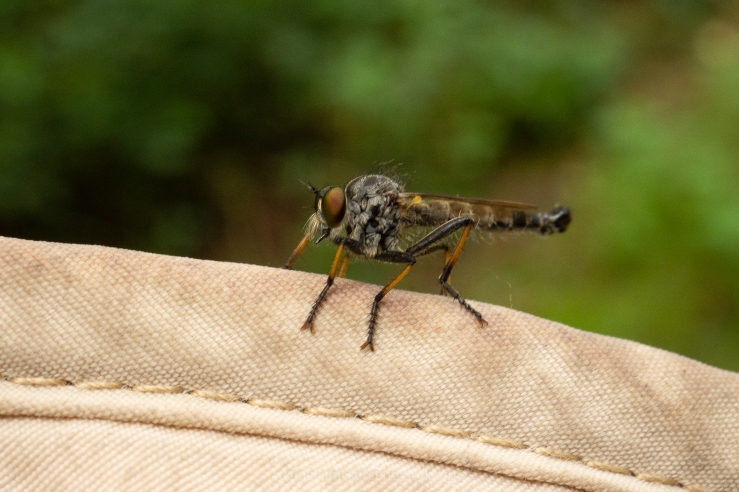
I mentally (and verbally) built up my visit to Epping Forest due to the rain throughout the week. The mushroom boom in my eyes (let’s call it that) was spilling out from every path and Epping Forest’s many visitors were tripping up over them. The early signs upon entering were not good. The ground was battered by recent rain and the sloping nature of the landscape had meant the soil was scarified by the heavy downpours. Mushrooms, washed away. The first wildlife encounter of any note was the above robberfly which I noticed out of the corner of my eye on the brim of my (it needs to go in the wash) sunhat. These predatory flies (not of humans) have had a good summer and I’ve seen more than I ever have before this year. #LifeGoals.

Epping - 17-8-2019 djg-3

It was only getting near to Ambresbury Banks (Aims-bury) that the mushrooms were in any way ‘common’. A slug-munched Boletus edulis or cep lay prone at the trackside. Then, half eaten, I found this:

Epping - 17-8-2019 djg-7

Moving my little camera around to the right angle, you would never know the cap on the other side was almost completely gone. This is a tawny grisette (Amanita fulva). This was probably the least photogenic specimen I’ve ever found, but with the green flow of woodland behind and a bit of bokeh, anyone can look good.

Epping - 17-8-2019 djg-16

Cheered by the sight of a half-eaten mushroom I checked out the swampy dog-poo realm alongside a path. There I spied these beautiful white parachutes (Marasmius) in wet soil amongst bramble twigs. My books are telling me they are Marasmiellus candidus AND Delicatula integrella. A woman passing by on her Saturday jog asked what I was looking at. She said how much she loved spending time in the Forest and that she was moving away soon. She said how important is was for her to see the seasons changing and how different the trees were in different parts of the Forest.

Epping - 17-8-2019 djg-4

She’s not wrong. The bizarre pollard areas near Ambresbury Banks are unique. Their pollarding stopped as a local practice some 150 years ago due to a wrangle of Acts of Parliament – who could lop what and where. They are of significance to the whole of Europe (ecosystems are European-wide, people). In some areas holly dominates and things get a lot darker.

Epping - 17-8-2019 djg-39

In one of the those areas I found an oysterling (Crepidotus) on a twig and found a nice tree to perch it in for its close-up. The gills look like flames to me and not of the campfire kind. See the darkness of high canopy beech and holly understorey? Creepy. A deer was hiding away here.

Epping - 17-8-2019 djg-19

Ambresbury Banks is always worth visiting. This is an ancient earthwork or Iron Age Hillfort, which was likely created by the pre-Roman (-AD43) inhabitants of Britain. Legend has it that Boudicca battled the Romans here in AD61 but people say that about so many hills in London, trust no one. Also for anyone espousing ‘Indigenous British’ as a phrase about themselves as a pedestal for their polticial views, those Britons who built Ambresbury Banks were probably the last group of people who could say that. It is now populated by ancient beech pollards which have no view on Brexit, other than that it may remove their Natura 2000 protections as a site of European Significance. But then again we may not have food and medicine by 1st November.

Epping - 17-8-2019 djg-22

In all fungal seriousness there were actually a pleasant number of ‘shrooms around this Iron Age propaganda ditch. Spindle shank (Collybia fusipes) was bubbling up nicely at the roots of beech trees, likely nibbling away at their wood under the soil. Bridges of beech are likely to be built across those ancient earthworks in the decades that come, if you get my drift(wood).

Epping - 17-8-2019 djg-23

For photography brittlegills (Russula) are one of the most annoying. I have seen grey squirrels pull them from the soil and chew their gills down like some turbo corn-on-the-cob eating contest. Slugs also love them. Thankfully for you I found this Russula largely un-squirreled with some pleasant bokeh to be had in the world above. I lit the gills with my phone torch.

Epping - 17-8-2019 djg-37

Another sign that autumn is not actually here yet was the state of the Amanita mushrooms. Two years ago I found many, many of these beauties near Connaught Water in the holly woods (nope, not that Hollywood) and they were in the same state. If I’ve learned one thing from mushrooms it’s:

You can’t hurry poisonous fungi

There is no basis of fact in that. Not that it matters nowadays. Fake ‘shrooms.

Epping - 17-8-2019 djg-25

When you see so many Amanitas pretending to be beech nuts, you know autumn is tickling your toes. Winter is snoring.

Epping - 17-8-2019 djg-30

This cheery chap was reaching out from under a ghastly bit of deadwood to say good afternoon. I’m not sure of the species and it will require a bit of rifling through the field guides to get a general idea. Answers on a postcard in the comments box please.

Epping - 17-8-2019 djg-28

A beautiful morning in Epping Forest but what did fungi teach me? If you just walked in and found everything you ever wanted in fungi terms there would be no fun and you wouldn’t learn anything. Also, appreciate every chance you have to spend time in these special places and try not to make a campfire. Next up: Autumn.

Thanks for reading.

Explore my wood-wide-web

The Sussex Weald: under the trees mushrooms glow

SLF - 13-6-2019 djg-6

St. Leonardโ€™s Forest, Sussex Weald, June 2019

Gentle rain falls as dog walkers share tales in the car park. Squirrels saved from their petโ€™s jaws giving thanks with a bite of their own. Birdsong swells from the understorey, perhaps five song thrush sing to sure up territories. Either side of the track is a wall of green, from the shrubs to the canopy of oak, birch and beech.

There is a feeling of a deeply wooded landscape here, the continuity of the Weald stretching away east to Kent. Of course it has now been broken, so many times, but there is a sense of the wilderness that faced the Romans and later the Saxons upon their respective invasions of Britain. It is thought St. Leonardโ€™s Forest was part of a wooded landscape that stretched all the way to the New Forest, as recently as a thousand years ago.

The rain has drawn me out here. It is such a relief that this June is one of mini-monsoons, compared to last yearโ€™s heatwave hell. The nearby South Downs were rendered brown for months. At the side of the path, under the darkness of a beech, mushrooms glow. They sprout peach-coloured, or maybe apricots on sticks, from a tree stump. They are sulphur tuft, one of the most common species but very photogenic.

SLF - 13-6-2019 djg-3

Further into the forest chiffchaff sing from the pines, a distant willow warblerโ€™s melody decaying in the darkening evening air. There is a scale to this landscape that feels expansive. Woods challenge our human senses of depth and time. Moving along the footpaths the woodland shifts from clay where beech and oak prevail, to the pine and birch dominated sands where heathland once was kept open by local people expressing their rights of common.

Down a track through birch and holly a single flute-like note comes from the trees above my head: a bullfinch. It calls over and again. Itโ€™s a beautiful sound.

Returning round through dark areas of oaks and veteran beeches, I find a small toadstool uprooted at the edge of the footpath. Itโ€™s an amanita of some kind, a ring around its neck like Shakespeare or a ruff, patches of white webbing still on its grey-brown cap. Amanitas are a fearful family of mushrooms, being home to the deathcap and destroying angel, to name but the most potent. But Iโ€™m not here to eat these marvels of nature, so I take my photos, capturing memories to take back to the town, to ease the sense of dislocation from this ancient wooded landscape, its bullfinches and mushrooms.

Explore the Sussex Weald

The Sussex Weald: Cuckfield, the village named after an absent bird

Cuckfield - 6-5-2019 jpeg-1

Cuckfield, West Sussex, May 2019

With some hours of Bank Holiday Monday to spare, we drove to Cuckfield in West Sussex. Pronounced ‘Cook-field’, it gets its name from the cuckoo.

Cuckfield - 6-5-2019 jpeg-4

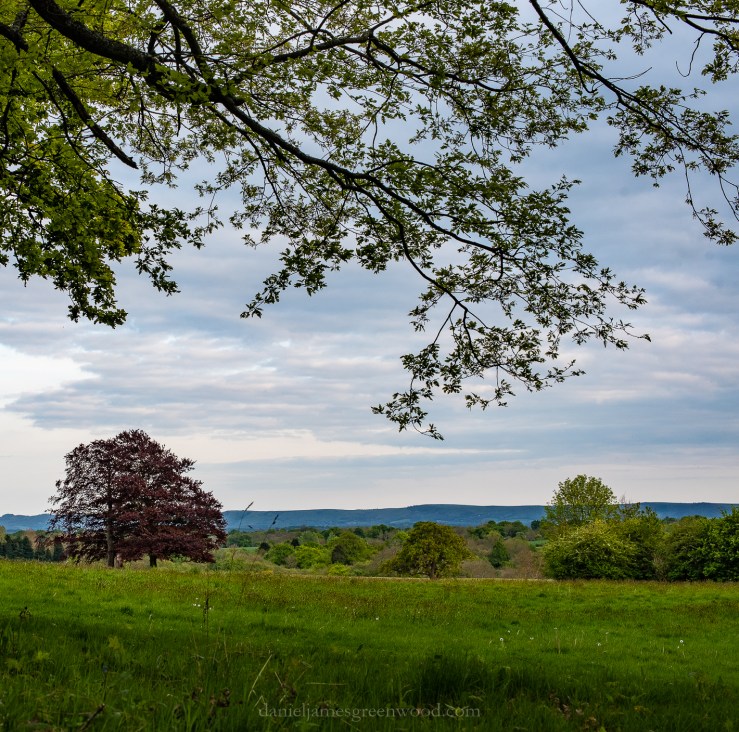
The chuchyard in Cuckfield is vast. A country walk in Sussex is never complete without a visit to at least one church (which, if it’s old enough, usually has an ancient yew tree next to the building). Entering it from village streets dominated by a cedar of Lebanon, it spreads over the gentle crest of a hill, the South Downs rolling along in the distance. On that evening, they were so green and clear they seemed within arm’s length.

Cuckfield - 6-5-2019 jpeg-43.jpg
The South Downs beyond the spread of Wealden woodland, from Cuckfield Park

Entering into a church I am always struck by the smell, like an antique shop. There is cool and a sudden stillness. The small churches of English villages hold the scars of our history often with lists of names of people killed in the First World War, or sometimes with gruesome histories stitched into tapestries. Most of them are not actually English but Norman (1066). The yew trees in their grounds often date to pre-Saxon times (500AD), even before Christianity was dominant in Britain.

img_20190506_163456353.jpg

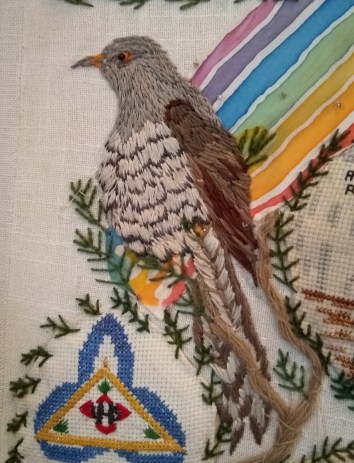
In the church a tapestry of a tree held symbols of the village. Perched on a branch was a cuckoo with its sharp bill and grey head.

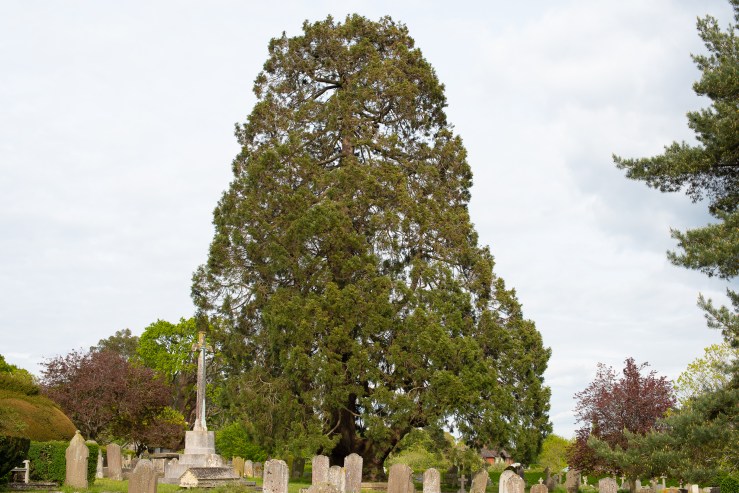
Cuckfield - 6-5-2019 hi-res-2

No cuckoos sang in the churchyard and no yew tree had lived long enough to recall Pagan Britain, but a castle of a giant sequoia grew amongst the graves.

Cuckfield - 6-5-2019 jpeg-5

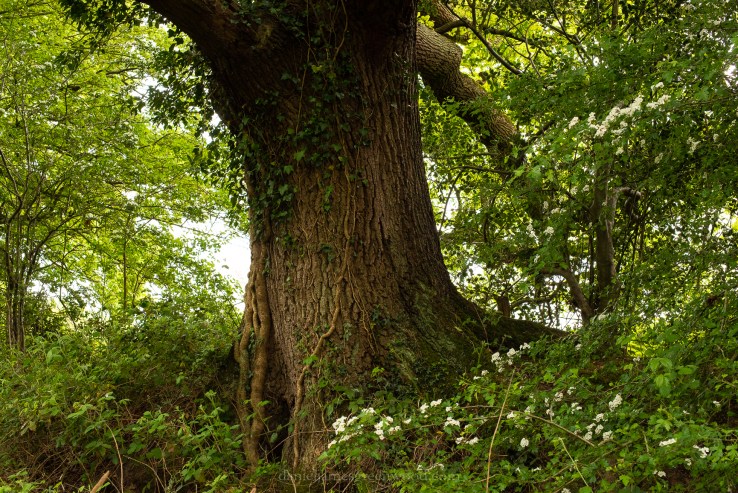
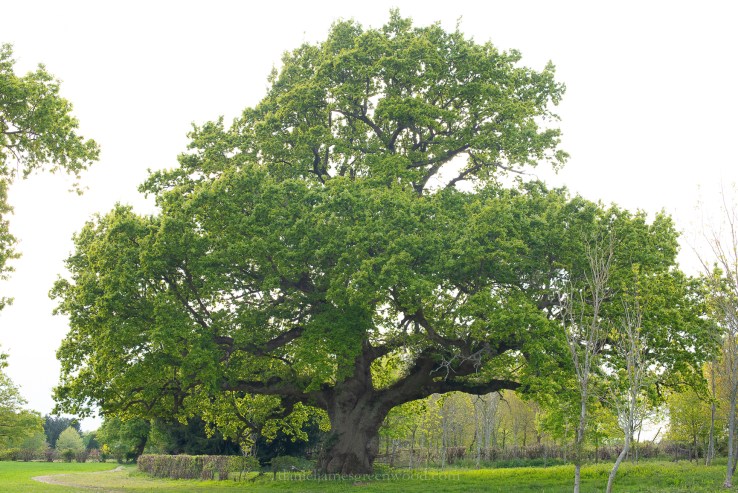
We walked for four miles into the woods and fields that edged the village. Great veteran oaks sat on field margins, quintessential Wealden scenes of sprawling boughs and hefty trunks with woodland on one side and an open field on the other.

Cuckfield - 6-5-2019 jpeg-50

I spend a lot of time traveling by car between the Weald and the South Downs. From the corner of my eye I can tell when the Downs are done and the Weald has returned. It’s a case of oaks sitting in hedgerows of neatly set fields. Looking at a map of the Weald, these fields are glades carved out of the ancient woodland that once cloaked the entire area between the North and South Downs. No, it probably was not wall-to-wall woodland (as people say), but its openness was more rugged and less formal. Less civilised. It’s not all oaks in fields, however. Here a Scots pine stood in a private field, framed by the woodland footpath we were taking and the rounds of hay rolled up against the fenceline.

Cuckfield - 6-5-2019 jpeg-30.jpg

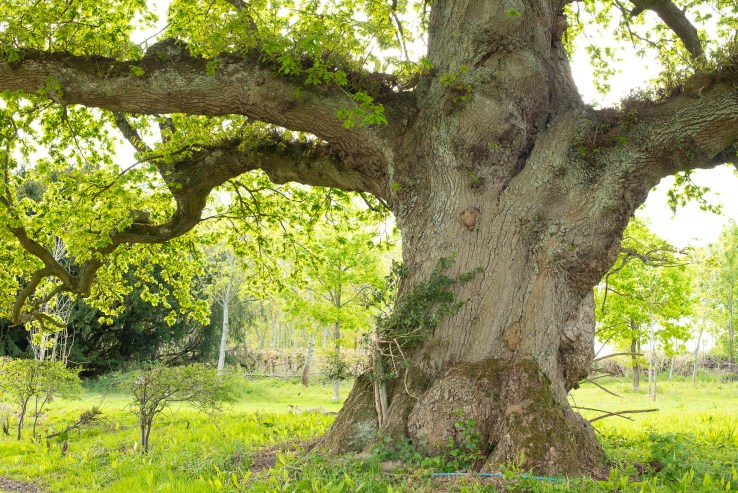
As is the way in the Weald, the most spectacular trees are the oaks like this one here. At the edge of a field this oak has lived without woodland close by for probably over 500 years.

Cuckfield - 6-5-2019 jpeg-34.jpg

As with so many oaks like this one, as they age they begin to tell a tale of all they have survived. The boles, knobbles and scars, the direction of the boughs and their sprawl.

Cuckfield - 6-5-2019 jpeg-17.jpg

In the plentiful chunks of remnant ancient woodland, the oaks are smaller and white with algae. The latter is a measure of better air quality, of less chemical pollution from farming. They are smaller because they have to put up with competition from other trees. In May their toes are decorated with spreads of red campion, stitchwort and yellow archangel.

Cuckfield - 6-5-2019 jpeg-15.jpg

To see these flowers in this state is one of the moments of the year. It takes the breath away. It is a measure of what we have lost in Britain (mainly between 1960-1990) to our brutal, thoughtless treatment of the landscape.

Cuckfield - 6-5-2019 jpeg-21.jpg

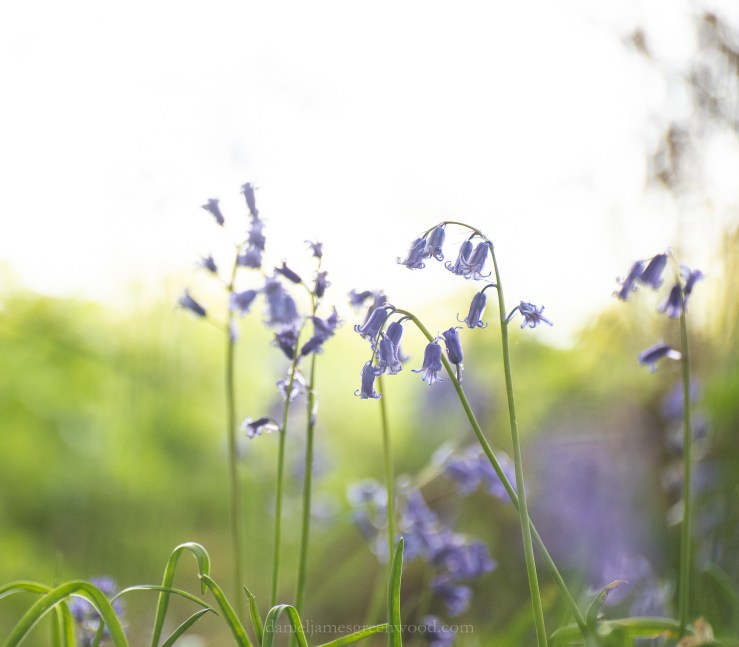
Bluebells were at their crispy peak. I love them in the evening, all that frames them: the light coming through the new green leaves of trees at the field’s edge, a silhouetted oak trunk and the faintest of light reaching those curling petals.

Cuckfield - 6-5-2019 jpeg-41.jpg

Not all of the trees in the woods make sense. Walking down a lane as we looped back to Cuckfield I noticed this ogre of a beech tree sat on a wood bank. Was it an old hedgerow tree? The trees around it were young, bluebells spread around its buttresses. Perhaps it was in a more open landscape that had now become closed. It showed signs of severe cutting, that is what had given it the look of an octopus.

Cuckfield - 6-5-2019 jpeg-48.jpg

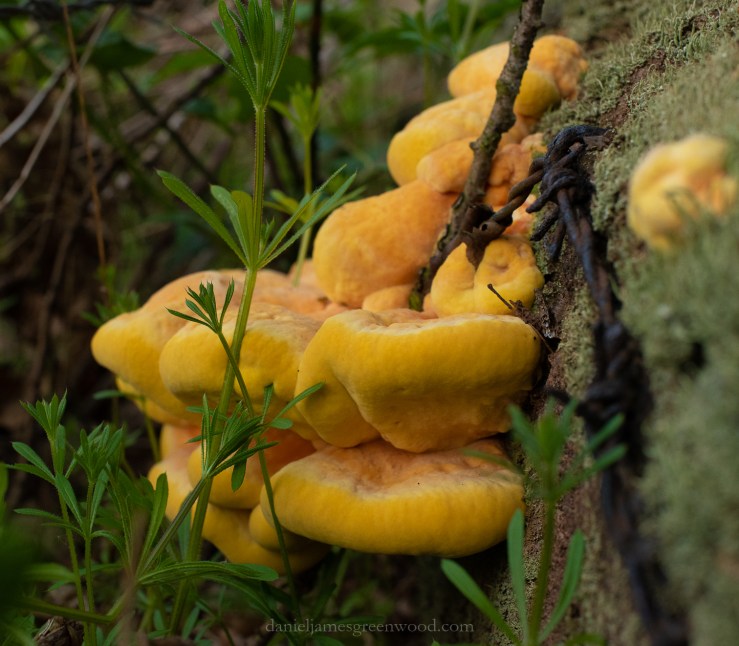
Passing through Cuckfield Park on the return to the village, the bright yellow and orange of chicken of the woods broke the lowering evening light. Growing from the felled trunk of an old oak at the edge of wood and field, it spread through barbed wire and even goosegrass, a sign of how quickly it was growing. This is a sign of spring turning towards summer and even, like the fox’s bark in January, the first sign of autumn. Seasons are not set things, their threads reach out far beyond the timescales in which we define them.

Cuckfield - 6-5-2019 jpeg-52.jpg

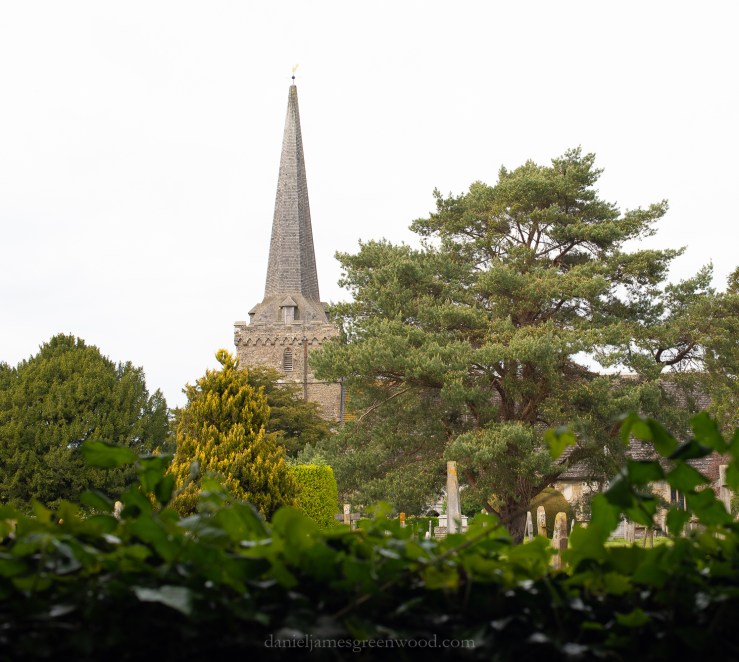
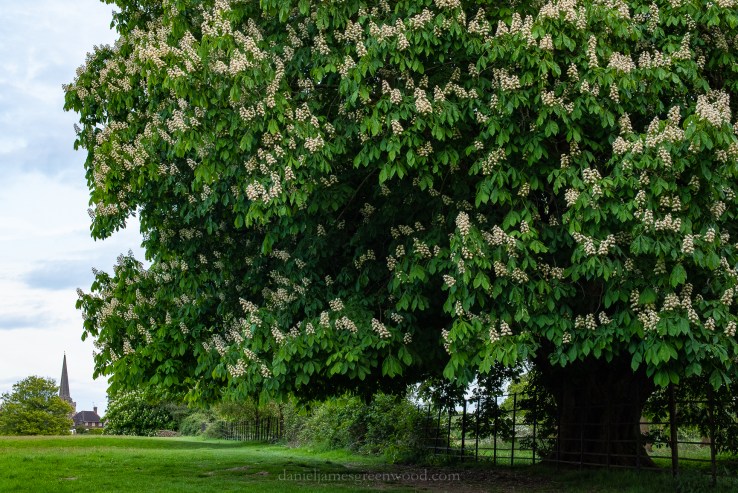
A quick up and over through gill woodland, so typical of the High Weald with its alders and snaking stream, we found the churchspire peeking out from a horse chestnut in flower. Here a queen bumblebee took the last of her nectar for the evening on flowers that appear almost as orchids up close.

View my Wealden archive

The Sussex Weald: gambling on a grey sky

Shelleys - 26-4-2019 djg-4

The Sussex Weald, West Sussex, April 2019

I visited a small woodland in the Sussex Weald after work to make the most of a break in the showers. My aim was to catch the bluebells in the early evening light when I think they look best. The forecast was for cloud but it was windy enough for some sunlight to break through. This woodland is coppiced and was where I photographed the wood anemones last month. It is the bluest bluebell woodland I’ve ever seen. My friend always tells me, ‘no, it’s purple!’. He’s right.

Shelleys - 26-4-2019 djg-70

Bluebells are a huge draw for anyone who has a camera (so that’s everyone). It’s part of the traditional spring experience to go to a bluebell wood, in most places that still have them. That’s something that shouldn’t be taken for granted, ancient woodlands like those in the Sussex Weald are being lost, despite the fact that they are irreplaceable habitats. Their species diversity has evolved over thousands of years. At a coppiced wood like this, their ecosystems have coalesced with our management of them for wood products. The oak above might be a coppice, but it could also be three oak saplings fused together.

Shelleys - 26-4-2019 djg-94

Something felt quite gentle and warming about this oak plugged in amongst bluebells. Perhaps it’s the slight lean, it’s almost an invitation to pass by. The mental and physical benefits of spending time in woodland are great.

Shelleys - 26-4-2019 djg-77

I’ve noticed the flush of new green oak leaves and how quickly that freshness is lost to the stiff darker shade.

Nymans - 20-4-2019 djg-6

Take these two oaks in the High Weald from a week earlier. Their new green is incredibly fresh but will now have darkened. You have to enjoy every moment of spring before it goes.

Shelleys - 26-4-2019 djg-37

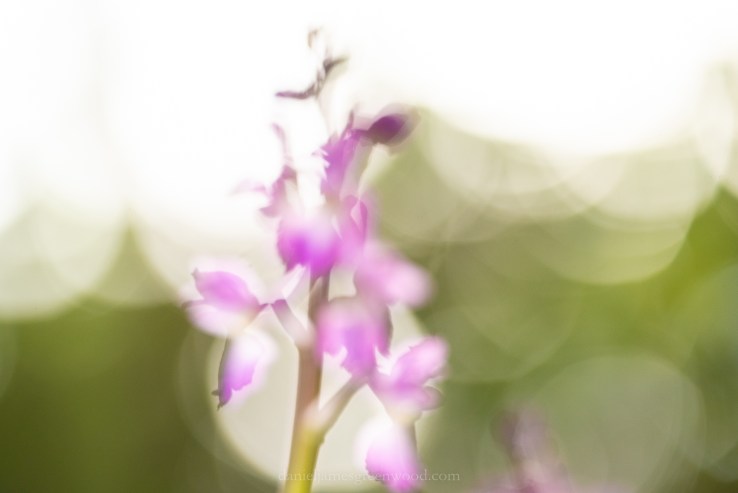
Back to the wildflowers. Before visiting the wood I spoke to a colleague whose job it is to survey woods. He said he’d seen very few early purple orchids this year, possibly due to the colder than average January and then sudden heatwave in February. I said I would report back on my findings. I discovered a patch of about 10 flowering on the wood’s edge with plenty of other spotted leaves yet to produce flowers. I had seen them in the same patch a couple of years ago so knew where to go.

Shelleys - 26-4-2019 djg-32

I find orchids that grow in woods to be twice as exciting as those out in the open landscape. It’s a personal thing, because the diversity is far greater out there. There’s something about woodland versions of other species, birds or butterflies for example. There is something so interesting about the fact some species have made a niche for themselves in certain types of woodland only. Don’t get me started on firecrests. It’s even more interesting when these species, especially the wildflowers, escape out into the surrounding landscape.

Shelleys - 26-4-2019 djg-122

It’s not possible for the flowers to do much of that in this slither of the Sussex Weald because it’s surrounded by a monoculture of oilseed rape. On the contrary the farm is making its way into the woodland through the run off of fertiliser and water being piped in. You can see where the wildflowers are being pushed further into the woodland, away from the polluted areas. It’s something happening to almost every small woodland in England in one way or another.

Shelleys - 26-4-2019 djg-17

Photographing the orchids was tricky because it was windy, dull and the plants were small. I used a telephoto lens and tried to maximise the bokeh around the flower. These flowers are beautiful even when out of focus.

Shelleys - 26-4-2019 djg-40

The woodland flowers felt as if they were at their peak. Elsewhere yellow archangel spread amongst bluebells.

Shelleys - 26-4-2019 djg-14

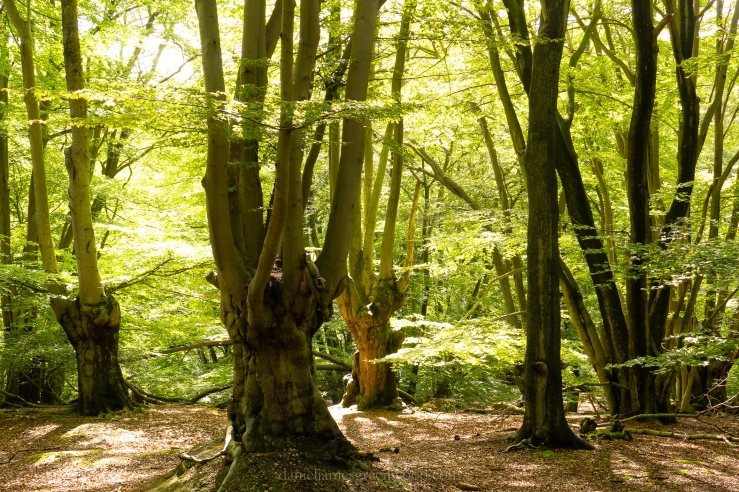
The details of a wood at this time of year are incredible. If you look closely it’s not just the bluebells that will attract you, the fronds of bracken unfurling are worth investigating. These primitive plants reproduce through spores and pre-date flowering plants like bluebells by millions of years. It’s a tough plant and can be a bit invasive. Oliver Rackham reckoned it was the most common plant across the whole of the UK.
Shelleys - 26-4-2019 djg-99

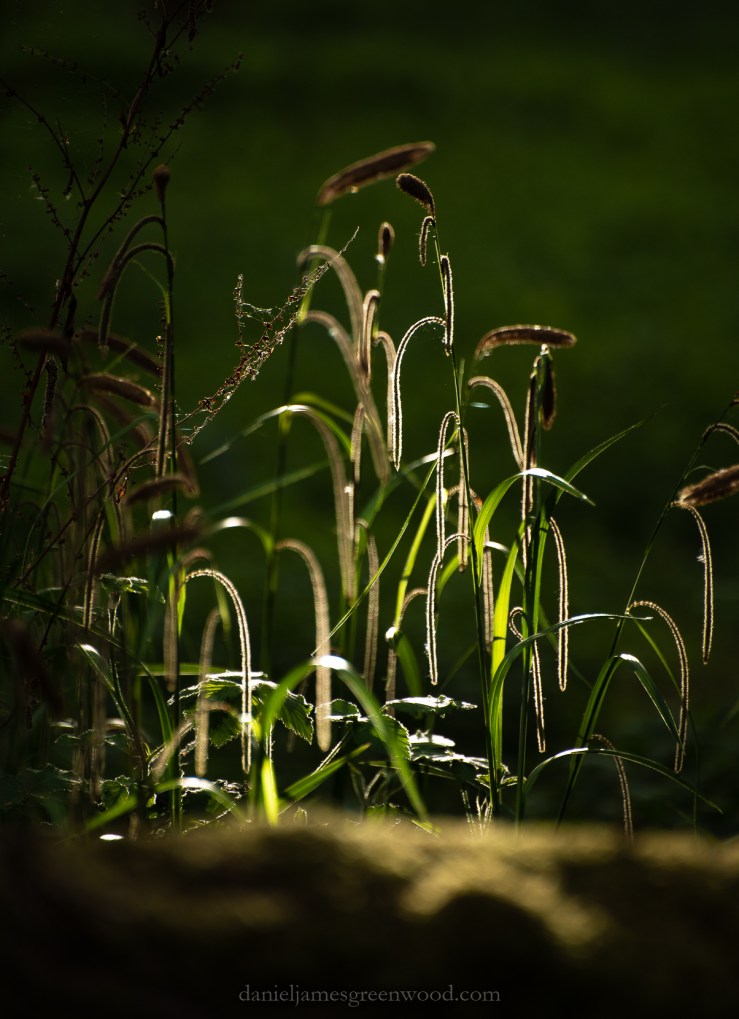
People often say they spend a lot of time trying to remove pendulous sedge from their gardens. It gets around. It’s actually a resident of ancient woodland and can be found in the wood. I passed this community of sedges on my way out as a few bands of sunlight broke through the clouds and lit their drooping seedheads.

Shelleys - 26-4-2019 djg-110

That light broke free as I made my way out again, illuminating bluebells either side of tree trunks. It was a reward for gambling on a grey sky.

View my Wealden archive

Photography: Hawthorns on a hazy day up on the South Downs

Storrington, The South Downs, April 2019

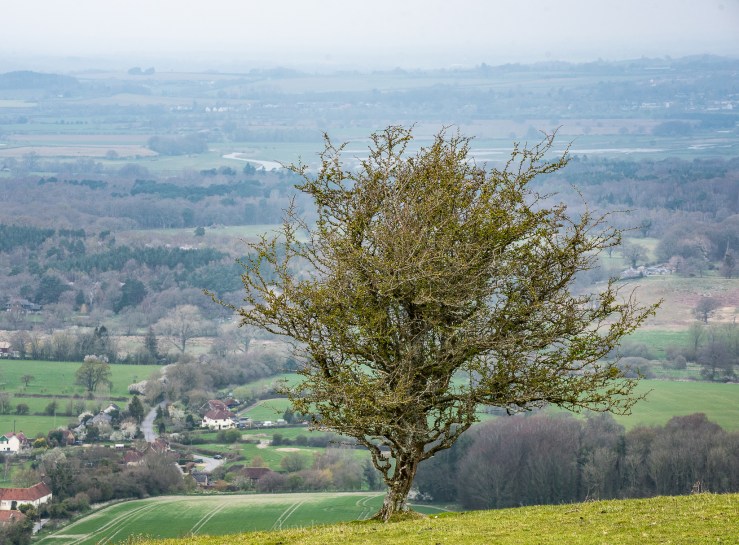
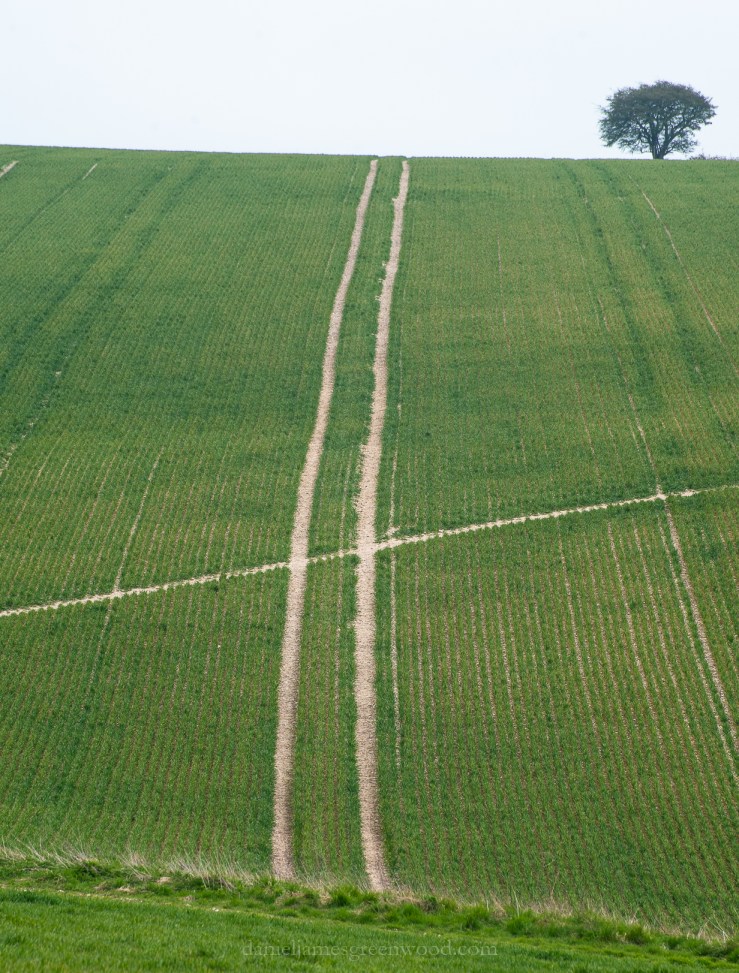
A recent walk along the the South Downs on a hazy day with hawthorns. They tough it out in some of the most intensively managed landscapes the UK has to offer.

A hawthorn stands alone, overlooking the folding Downs as they run deeper into West Sussex.

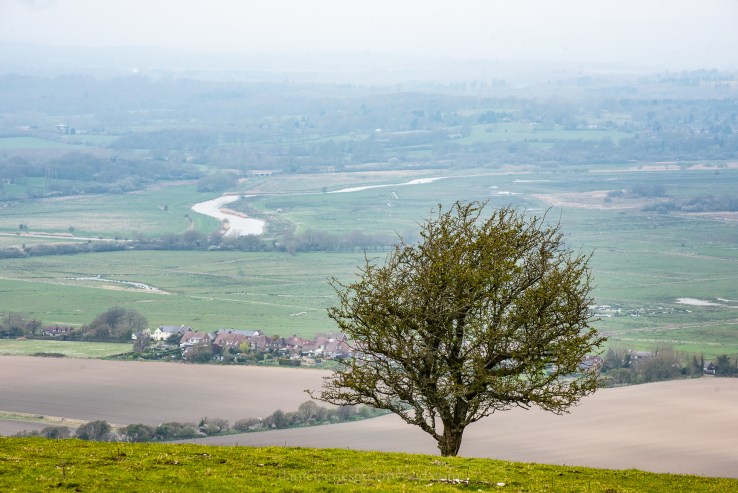
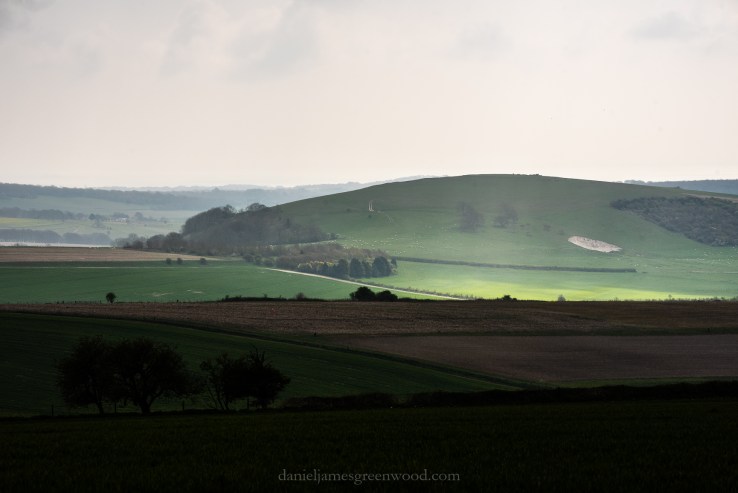
This hawthorn faces out over the Arun Valley towards Pulborough. The Low Weald is hidden by mist in the north.

Along the South Downs Way the trees show signs of pathway lopping, or an extreme politeness to the thousands of users of the National Trail.

A hawthorn obscuring a village built along spring-lines. The Arun snakes away in the background.


A tanker sits in an open field. I think that’s a hawthorn splodged against the South Downs Way towards Amberley.

Chantry Hill - 7-4-2019 djg-31

A monoculture of wheat (I think) with a single oak on the horizon. Wheat has been grown in the South Downs for thousands of years. It has only become mechanised and intensified in the past 100 years. We may idealise the days of horse and plough in the South Downs but it was a harsh and unforgiving existence. Few people could cope with it today. There were also fewer people to feed.

There was a single break of light over the Downs. The hazy nature of the day makes the photo look like a painting. My friend said it was good that the simple things matter to me, which apparently wasn’t an insult. I agree.


The Sussex Weald: an evening with wood anemones

The Sussex Weald, March 2019

My time in the woods has thinned. Just like the seasoned photographers in magazines tell you, planning your time is key to getting the photos you most enjoy. It also becomes dependent on weather forecasts. A few years ago a friend of mine was leading me around his favourite sites in the Czech Republic and he made a point I haven’t forgotten. Nothing matters more with photography than light. You could have the most amazing scene in front of you, but light is everything. It adds contrast, shadow and colour. It makes you feel good.

Bearing that in mind, I had a few hours in the afternoon before the sun went down to visit an ancient coppice woodland in the Sussex Weald. The Weald is a chunk of southern England that runs from the Hampshire border of West Sussex all the way to Kent in the east. It was once an ‘impenetrable forest’ but now is a large mosaic of oak-dominant woodland with a Conservation Board to protect it. Coppicing is the practice of cutting trees low to the ground to harvest the materials for wood products. It’s effectively farming the woods. Our ancestors have been doing it for thousands of years. Even beavers do it.

It produced the multi-stemmed trees see above and allows light to enter in, often resulting in a profusion of flowers indicative of a woodland that has remained there for over 400 years. March-May is the time when these flowers arrive, benefiting from the fact the canopy is still open. Wood anemones are the first of this swathe.

Like many people before (and after) me, I fell for this small white flower when I learned of its charming lifestyle. The petals close when the sun is gone and they are punished for this delicateness. It takes about 100 years to spread 2 metres across the ground. In the past it has been my job to try and protect wood anemones from trampling. I agonised over it.

Wood anemone is a member of the buttercup family. The similarity to buttercups is in the number of petals, the leaves and the reproductive parts of the flowers (the stamens and anthers) that protrude from the centre. At this time of year in continental Europe purple anemones push through crusts of snow that we don’t really have in the UK. Our friends in Europe have wood anemones, also.

Bluebells and anemones can create beautiful spreads of flowers in woods. But they don’t always make the photos you want. Anemones look wonderful with a bit of early morning or evening light passing through their petals. I went with that thought in mind to see the Sussex anemones.

This is a special time – perhaps the best in the year? – when winter has been overcome and the promise of longer days, of warmth and green is on the cusp. It could also be a genetic memory we have from our ancestors who found winter to be more uniformly cruel than we experience today.

It’s really important for me that photographing any wildlife does not add to disturbance. With woodland flowers it means taking photos from the path or sparse areas. I’ve already said how long it takes them to travel. The photo above may reinforce that: a vulnerable, delicate flower isolated in a darkening wood.

You sometimes find a single flower left over from a trampled population, like a single cottage left from an abandoned village.

Everywhere in wild corners of the UK ther are signs of a micro-shift in a season. The wood anemones hold the floor today, but the first bluebells are unfurling. In this old coppiced wood the bluebells will run rampant and the wood anemones will be squeezed. It’s just the natural order of things.

For now the windflowers, as they were once known, break out from beds of dead bracken in still leafless woods.

Photography: People’s Vote March, London

Peoples Vote march - 23-3-2019 djg-21

On Saturday 23rd March 2019 I attended the People’s Vote march in central London. The march was attended by over 1,000,000 people, the biggest ever pro-European Union march in history.

Peoples Vote march - 23-3-2019 djg-27

The march came at a time of growing public disillusionment with the government’s handling of negotiations with the EU.

Peoples Vote march - 23-3-2019 djg-6

A petition calling for Article 50, the mechanism that counts down to Britain leaving the EU, to be revoked had been signed by 5,000,000 people at the time of the march. The theme of ‘revoke’ rippled across placards throughout the walk.

Peoples Vote march - 23-3-2019 djg-46

There were a lot of young people at the march, people of all ages were represented. The result of the referendum in 2016 has been a catalyst for people who were under-18 at the time to make their voices heard. The placard above gives the sense of how some young people feel about their lack of a say in the process.

Peoples Vote march - 23-3-2019 djg-49

The catastrophic process of Britain negotiating to leave the EU has galvanised a lot of people to campaign for change but they feel that government is not listening. Despite Theresa May’s references to issues other than the referendum in that fateful TV interview, toxic party politics and the usual haze of anti-European politicians has settled over the airwaves once more. Politicians are failing young people and it will come back to haunt them in the decades to come.

Peoples Vote march - 23-3-2019 djg-52

There is a strong sense of anger about the lies of the anti-European campaigns and also the shambolic failure of those leading the Remain campaign. People do not understand why more is not being said about illegal activity undertaken in the referendum campaign in 2016.

Peoples Vote march - 23-3-2019 djg-50

The convergence of political and cultural messages was seen in many of the signs, like the one above which references the musical Hamilton: ‘Immigrants – we get the job done’. Politicians have failed to highlight the fundamental role that immigration has in UK society. Britain is a nation of immigrants, from the Windrush generation to the Anglo-Saxons, Romans and the first people to set foot on our wild island before it became physically separate from Europe, 10,000 years ago. Recent political events, combined with inadequate social media policing and xenophobic newspaper reporting have allowed racist, far-right voices to be heard once more.

Peoples Vote march - 23-3-2019 djg-55

Alongside the anger was the ‘good old British wit’, with plenty of references to tea and mild disquiet: ‘I’m quite cross!’

Peoples Vote march - 23-3-2019 djg-59

There was colour and character to the march. It was a chance for people to express their love for the European Union creatively.

Peoples Vote march - 23-3-2019 djg-68

This man’s hat drew a lot of attention. It is a surreal union of Theresa May and Donald Trump, with bare plastic bums at the back.

Peoples Vote march - 23-3-2019 djg-72

This man on stilts was interacting with the crowd around him, much like many others who participated in costume.

Peoples Vote march - 23-3-2019 djg-1

In terms of creativity, few creations drew more attention and phone pics than this group.

Peoples Vote march - 23-3-2019 djg-9

What I felt most encouraged by was the sheer diversity and age range of people. This whole issue has affected everyone. What is encouraging is that young people, even children as small as those seen here, are aware of the issues and wanted to take part. The fact they could do so in comfort gives a sense of a movement that is open and good, the anger measured and directed in peaceable and often witty terms.

Peoples Vote march - 23-3-2019 djg-15

In 2016 my main motivation for our continued EU membership was the role it has played in protecting our wildlife, especially in banning bee-killing pesticides. This was done against the wishes of our own government initially, but who have now accepted the need to do so. During the march this bee rested on my friends hand to get some warmth. When the time was right, off she went out over the heads of the many thousands around us who had gathered to make their voices heard.