The Sussex Weald: spring is a memory

SLF_21-7-2020-lo-res-8

St. Leonard’s Forest, West Sussex, July 2020

Evening. The sun kindles embers in dangling birch leaves. The songs of birds have gone, spring is a memory. I think of autumn: the cool that grows where the sun can no longer reach. My footsteps crunch and snap in the dry, leaf-littered banks beside the gill. This stream was dammed centuries ago for the Wealden iron industry. But it still runs, just not now. The hammer pond it’s been forced to feed is now the realm of private fishing.

The beeches twist and turn on the slopes, in this light you might have thought they’re creeping up behind your back. It is so quiet that any sound feels like a warning. I hear the first faint murmur of a tawny owl.

SLF_21-7-2020-lo-res-5

The bracken is high and it’s hard to see around the bend of this winding desire line. On the hill the sun lends the ranks of pines some splendour. But it’s the heather battling down in the bracken that holds most promise. Men have stolen the sun from this heath with forestry, but the pines have been forgotten. Nature lies in wait, its disruptive forces breaking rank in a way so slow it’s not known until it’s done. This place will not be the same in decades to come.

Blackbirds and thrushes shuffle song-less in the shrub layer. The dryness amplifies the sound of their size to large mammal. That old fear ticks and tocks in me. A barometer I forgot I had.

Out on the woodland ride the ditches promise an explosion of new flowers: fleabane, ragwort, valerian, hogweed, and hemp agrimony where small cream moths nectar. One is held aloft, frozen in mid-air. Peering round, I see the camouflage of a crab spider hidden among the florets.

The Sussex Weald

Macro Monday: do you really need to destroy that wasp’s nest?

GDN_25-7-2020-lo-res-43

Macro Monday 27th July 2020

The garden is very dry and the insects are becoming more scarce, but that can help to focus on a species and reach deeper into their ecology and the relationship we have with them. We’ll get to that in good time.

I’m writing this on a rainy day so hopefully summer won’t come to an end prematurely. I have one plant which I’m hoping will flower soon that my invertebrate friends will like.

GDN_25-7-2020-lo-res-14

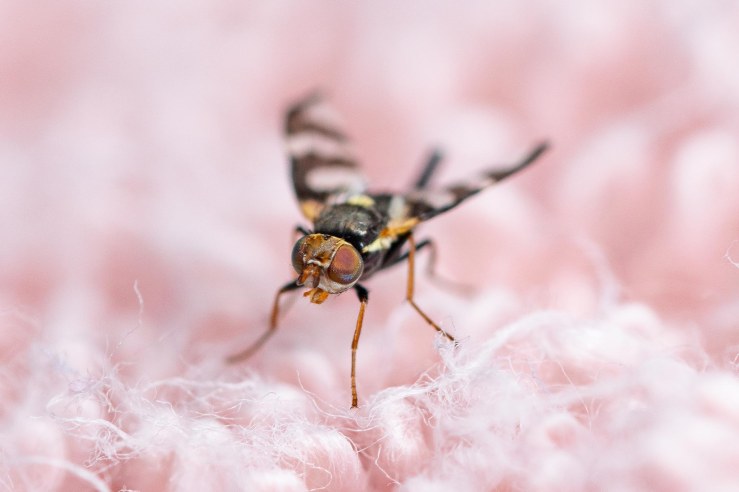
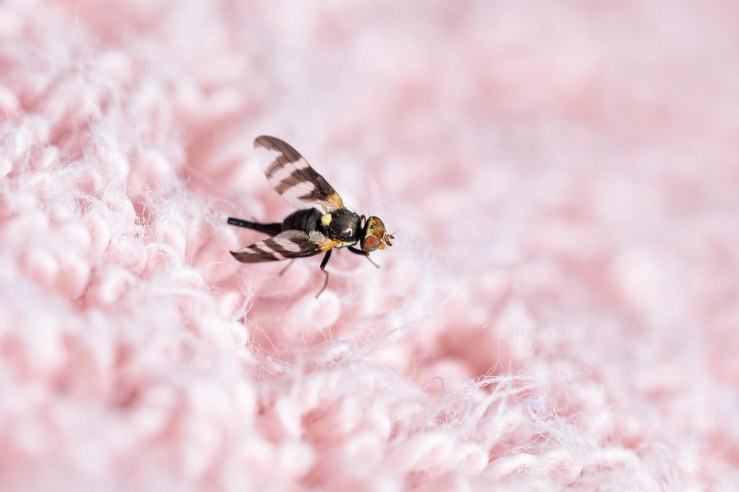
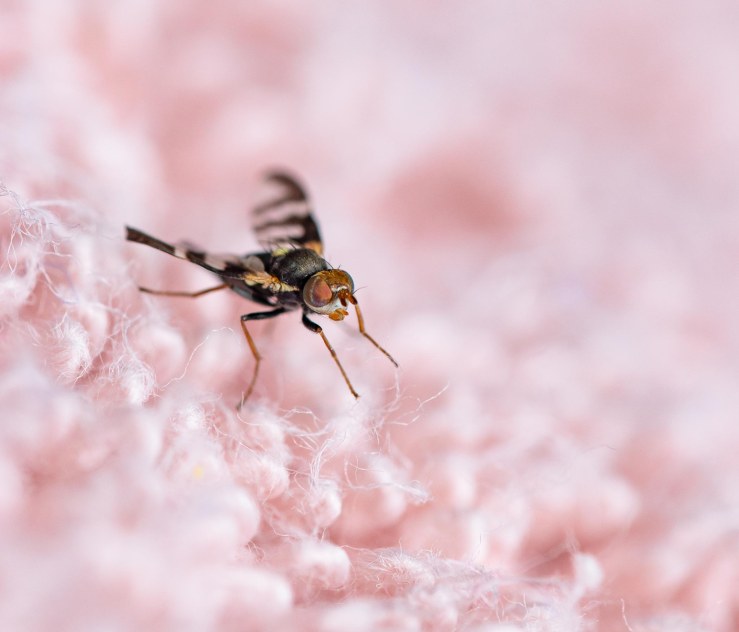
I did a lunchtime circuit of my garden on a warmer, sunnier day and found pretty much nothing. I was just heading back into the house when I spotted this zebra-like patterning on a towel that was drying in the sun.

GDN_25-7-2020-lo-res-15

I realised it was a species of picture-winged fly! I think it’s a species of Urophora.

GDN_25-7-2020-lo-res-13

I snapped a few pics and luckily they focused in on the eye. Looking at a towel this close shows what we fail to see with the naked human eye in terms of microfibres.

GDN_25-7-2020-lo-res-08

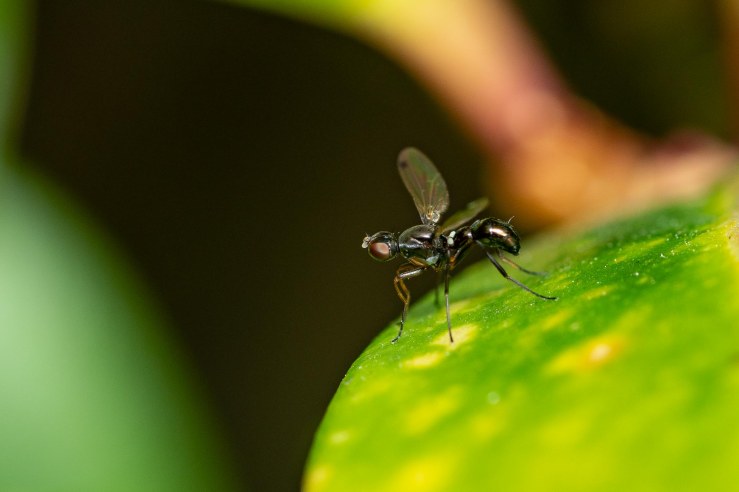
The fly family were the most visible subjects in the past week. This is a species that seems not far from picture-winged flies. It’s probably Sepsis cynipsea, a scavenger fly. Its wings do this rotating movement as it hops around in the hedge. They’re known for their relationship with cattle dung, and there are farms about 2 miles away so maybe they travel into small towns as well for fun.

GDN_25-7-2020-lo-res-07

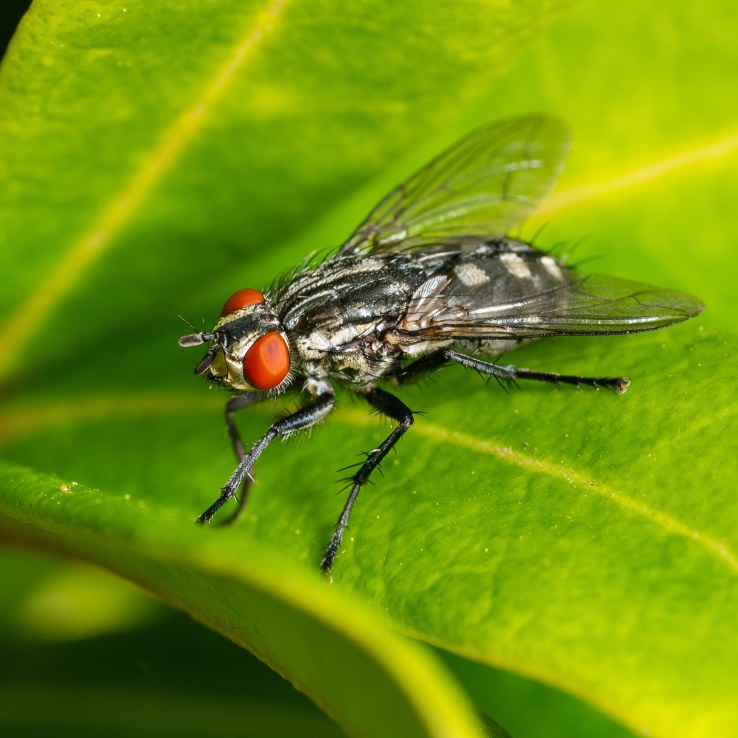
Another black and white fly but much larger than the other species above. I really like these flesh flies, their black and ash-white patterning, and bright red eyes are really attractive. I appreciate that is probably not to everyone’s taste.

GDN_25-7-2020-lo-res-12

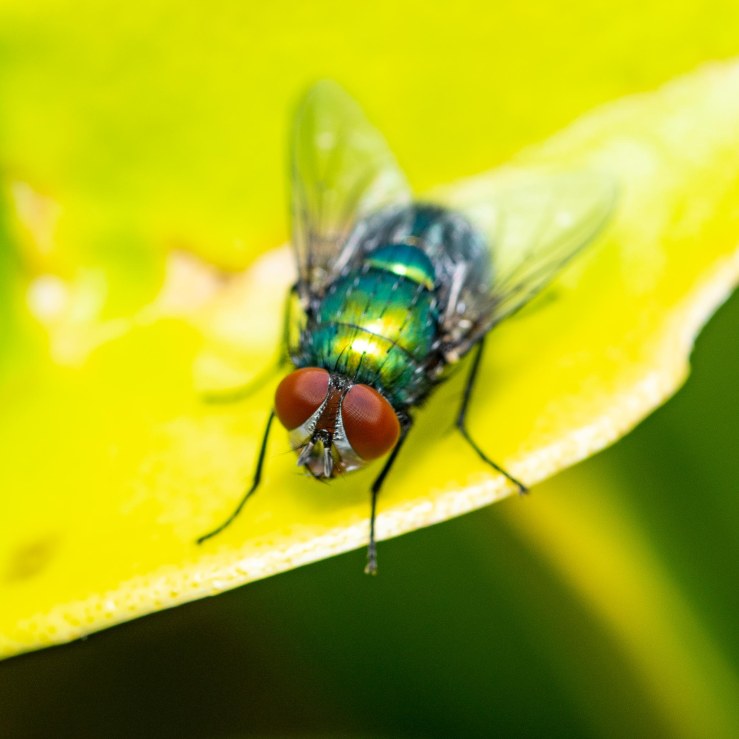
But of course, this blog would not be complete without checking in on those gorgeous greenbottles.

GDN_25-7-2020-lo-res-03

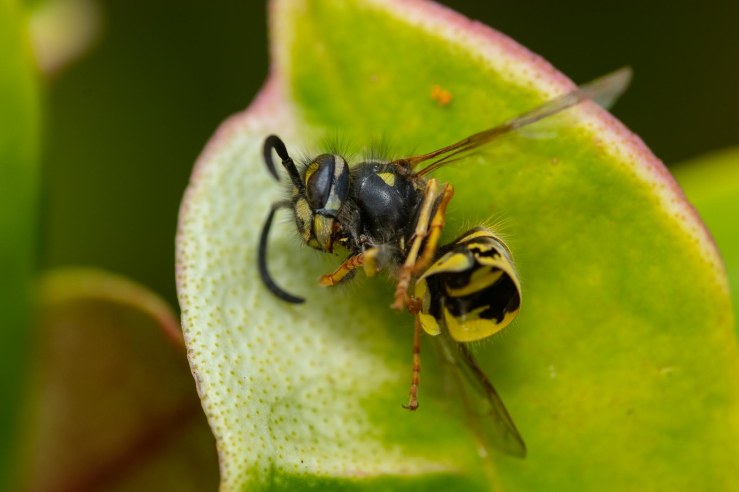
To The Man on the Street’s acute frustration, wasps are now active. I saw a wasp peeking out from behind a leaf in a hedge one lunchtime and found that it wasn’t moving. I picked it up and saw that it had been predated, with its lower abdomen missing. I think this was probably the work of a bird, as species like great tit are known to eat bumblebees by basically disemboweling them. House sparrows are also in good numbers in my garden and I often see them picking bees, flies and butterflies out of the air. In this case I’m praying that insects don’t feel pain 😦

GDN_25-7-2020-lo-res-43

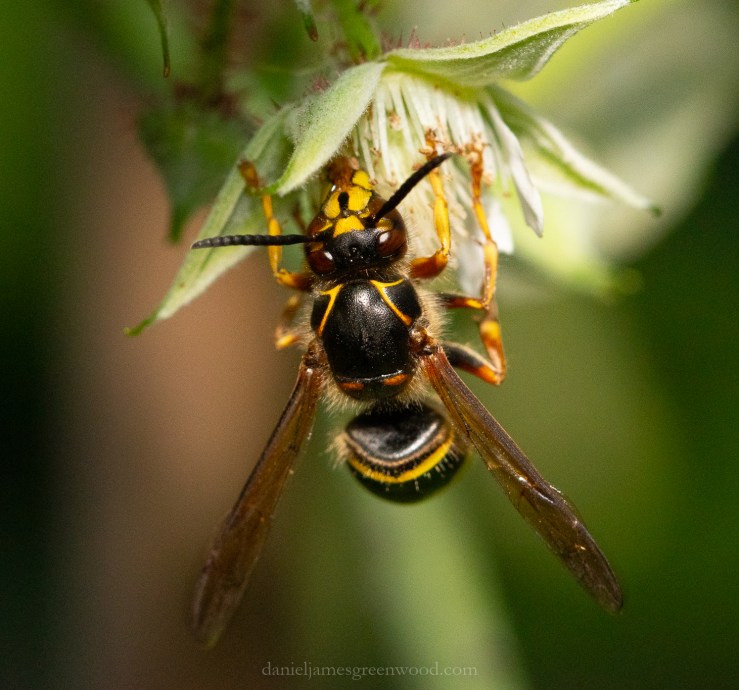
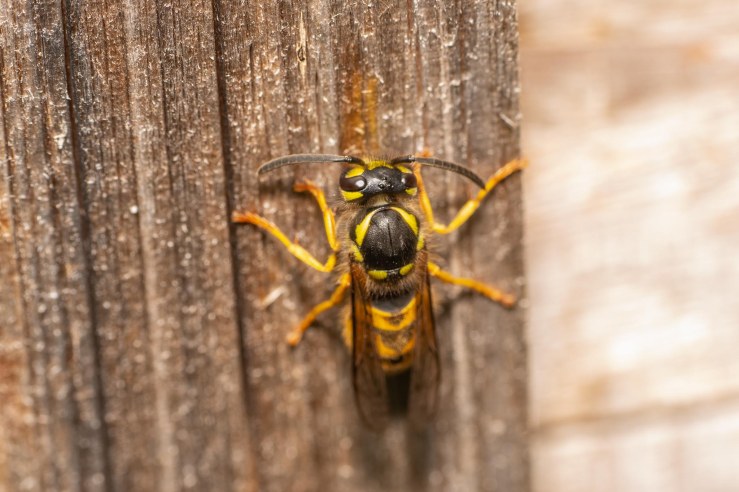
Over on the other side of the garden, this wasp was doing its woodcarving work. These woody fibres will be taken away and used to build the stunning nests they make. For anyone who has read this blog series before, you’ll know that I love wasps and am keen to promote their conservation in any way I can. Let’s talk about their nests a bit.

Czechia August 2016 lo-res-1961

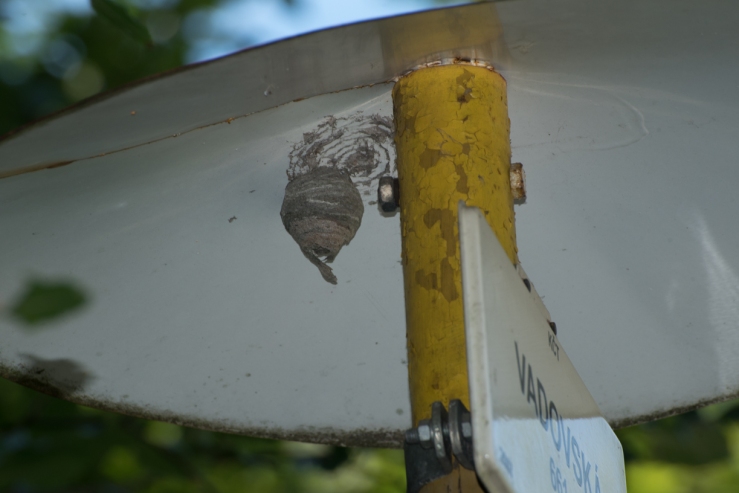
This probably isn’t a common wasp nest but it’s the best external image I have. It’s a nest in a protected landscape in Czechia, the White Carpathians. I think it’s a social wasp nest, rather than a solitary species because it’s a bit bigger but I could be wrong.

czech-rep-2016-blog-29

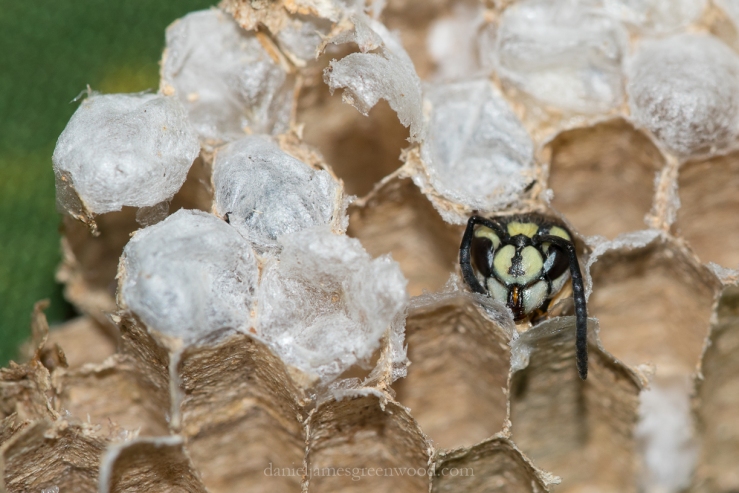
This was also taken in Czechia but in a different location. This is what it looks like inside a social wasp’s nest. Can you believe that this is built by wasps? It’s absolutely mind-blowing. We were walking along a forest road and it was sitting there on the ground. The best explanation we could come up with was that the nest had been predated by a honey buzzard and dropped in flight. Honey buzzards mainly eat this kind of thing. At least, that is the most spectacular explanation for why we found it.

Czech Rep 2016 blog-33.jpg

So next time you consider needlessly destroying a wasp nest, think about all the craft and insect-skills that went into it. Do you really need to harm it? Can you learn to accept them and keep a safe distance? Can you learn to love them?

Thanks for reading.

More macro


#FungiFriday: the charcoal burners

OLYMPUS DIGITAL CAMERA
Brittlegill mushrooms

#FungiFriday 25th July 2020

It’s a great relief to be able to share some fungi from the Wood Wide Web this week. There has been steady rainfall in recent weeks which gave the sense that some summer shrooms might be ready to appear. At this time of year I’m looking for the early indicators of autumn’s fungal moment, which appear in the form of brittlegills or Russulas, in scientific language.

OLYMPUS DIGITAL CAMERA
A mixed secondary/ancient woodland in the Sussex High Weald

The fungi described this week are garnered from two walks in the woods of the Sussex Weald in West Sussex. The first walk was a short evening wander to a mixed woodland with signs of ancient woodland flowers like bluebell, but with lots of birch, hazel and some oak. It then pretty abruptly turned to pine, which happens quite often in the Weald because of the arrival of sandier soils where the Weald clay ends, and the prevalence of forestry.

OLYMPUS DIGITAL CAMERA

It was much more dry than I had hoped but mushrooms are tenacious things. This nicely illustrated a new fungal phrase I learned in Robin Wall Kimmerer’s book Braiding Sweet Grass (p.112 in the ebook). You can listen to an interesting podcast with the author about mosses.Tthe Native American language of the Anishinaabe describes “the force which causes mushrooms to push up from the earth overnight” as ‘Puhpowee’. And so was this very small brittlegill pushing through the leaf litter.

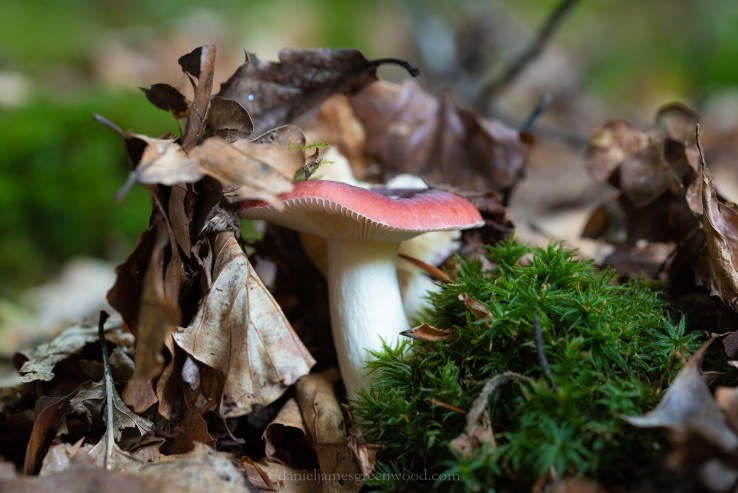
I have never really tried to identify brittlegills to species level because they are so numerous and similar. I would guess this species is the charcoal burner. But I could be wrong about that.

The Mens - 21-8-2018 djg-13

This is one of the red brittlegills from August 2018 in the Weald, something to expect in August through to September.

OLYMPUS DIGITAL CAMERA

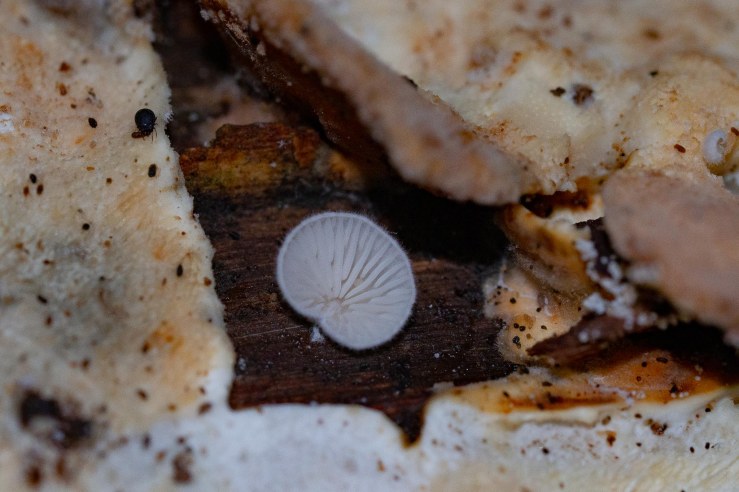
It’s a very dim view due to the light but my companion found this fungus within a fungus. It’s a species of oysterling. You can see a black springtail (or maybe even a tick?) on the left hand side for scale.

SLF_19-7-2020_djg-5

The second walk was in the afternoon at another Wealden woodland I am getting to know quite well. I recorded an Instagram story guided walk of this experience which you can see here. If you have the Gram.

SLF_19-7-2020_djg-2

Again it was well-nibbled brittlegills that could be found. This is probably the work of a small mammal with some input from a slug. I’ve seen grey squirrels pick these mushrooms, and spin them around by the stem and nibble down the gills. That interested me because grey squirrels are an American species. Brittlegills are also found in North America, so perhaps they are just returning to their roots. Does belittle the idea that grey squirrels don’t belong in European landscapes, the evidently do. Yes, I know about red squirrels.

SLF_19-7-2020_djg-18

I’m sure these species are not in any way appetising for the reader. This is probably one of the green brittlegills. It looks a bit ghoulish but I was pleased to find it. All these finds were just at the edge of footpaths.

SLF_19-7-2020_djg-13

A common summer mushroom is rooting shank, one of the toughshanks. ‘Shank’ has a pretty dark meaning in modern language, particularly in London, but it’s an old name for leg. That’s where the names of red or greenshank come from in the bird world. Americans call similar species ‘yellowlegs’. I prefer the olde Englishe names.

Czechia 2017 lo-res djg-33

Rooting shank is quite an abrupt shroom, it just shows up where it likes. You can find it from now through to September from the woodland floor to stumps and buttresses of trees. This dream of a shroom was in the White Carpathian mountains in the borders of Czechia/Slovakia but I first saw it in urban south-east London.

SLF_19-7-2020_djg-7

It’s not a fungus, but this dog vomit slime mould was a lovely find (believe it or not). This amazing video gives a much better explanation of what this slime mould is up to:

I have recently learned that slime moulds have memory!

SLF_19-7-2020_djg-9

It was only after taking this photo of the slime mould’s birch log that I realised how much was happening. You can see the early stages of small polypore fungi moving in from the outer edge as the wood degrades. I think the greyish blobs next to the slime mould may be Lycogola species, sometimes known as wolf’s milk. Lyco means wolf. The puffballs, Lycoperdon mean ‘wolf’s fart’. Oh dear. And we don’t even have wolves in the UK anymore, just in Downing Street, LOL!

Thanks for reading.

More mushrooms

Macro Monday: now there’s a spider-hunting wasp in my living room

GDN - 15-6-2020 djg-11

Macro Monday 20th July 2020

Happy 4th month to this blog. I started it as a way to find some focus in the impending lockdown back in March. Since then I’ve taken probably some of my best macro photos, but not necessarily from an aesthetic point of view. I’ve been getting to know my small garden, this being the first year of living with it. I’ve had some amazing encounters with tiny wild animals, and this week was no exception.

GDN 18-7-2020-lo-res-1

On Saturday morning we were sitting in our living room watching the latest episode of Ru Paul’s Drag Race All Stars (#TeamShea). The pause button was hit when I noticed a wasp-like creature trying to get out of the window.

GDN 18-7-2020-lo-res-2

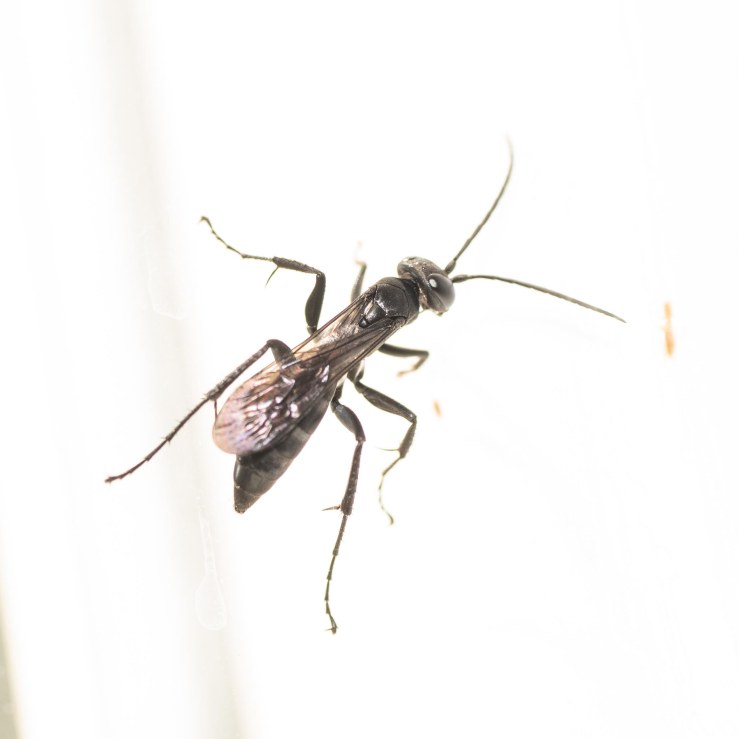
This image gives a sense of how active the insect was. It was running non-stop, which gave me a hint at what type of insect it was – a spider-hunting wasp! Also note the very curly antennae. This was a great moment because it’s only the first of its kind I’ve seen in the UK. The only other time I’ve seen one is in Czechia. There are over 40 species of spider-hunting wasp in the UK and I’m not about to try and identify it! They get their name from their hunting of – you guessed it – woodlice. Kidding, spiders. I’ve never seen one with spider prey but I know they need to move fast. They paralyse spiders with a sting and then drag it to their burrow. It’s a tough life out there in macro world.

GDN 18-7-2020-lo-res-5

Earlier in the week it was a real pleasure to listen to a podcast featuring macro photographer Joseph Saunders. Joseph takes photos of amphibians and invertebrates. In the podcast he talks about the challenges of being a black man with a disability in America, but also his desire to work in conservation. Anyone who doesn’t think systemic racism is real needs to listen to what he has to say.

He’s an accomplished photographer who knows his stuff and has had a passion for amphibians in particular since a young age. It would be wonderful to see people like Joseph being given greater prominence in the photography and conservation world, as movements such as black birders and black botanists weeks have done in the United States.

Have a listen to the podcast, it’s excellent.

▶️ Aperiology (MACRO PHOTOGRAPHY) with Joseph Saunders 

Apparently macro photography now has its own ology – Aperiology, ‘to describe the tiny aperture used to keep these creatures in focus, and the huge world it opens up to us.’

Amen to that!

GDN - 15-6-2020 djg-34

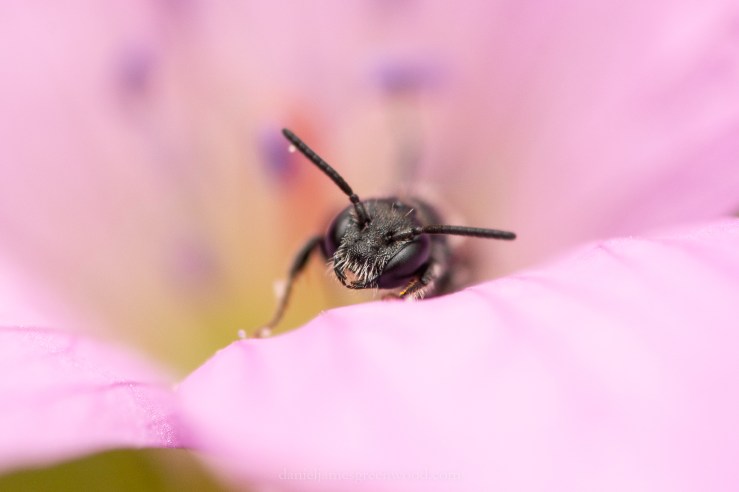
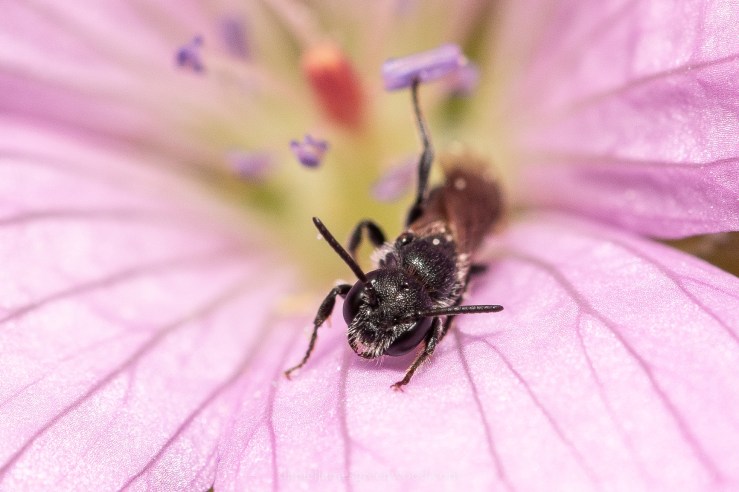
Now back to my garden, where I am failing to grow courgettes at every turn. However, the yellow flowers have proven attractive for small bees like this yellow-face bee. Not that I’ve seen them taking nectar or pollen from the flowers.

GDN - 15-6-2020 djg-5

There is a patch of cranesbill which has been the main lure for both pollinator and macro photographer in recent weeks (sounds like I’m talking about someone else – I mean me). The garden is drying out and many flowers have gone to seed, including the lamb’s ears, which has been such a feature this summer.

GDN - 15-6-2020 djg-11

I didn’t get a chance to ID this bee, but I wonder if it might be a blood bee taking a break after pretty much decimating the populations of mining bees that had been in the lawn. That area has now grown silent. I expect it is also the end of their flight season.

GDN - 15-6-2020 djg-15

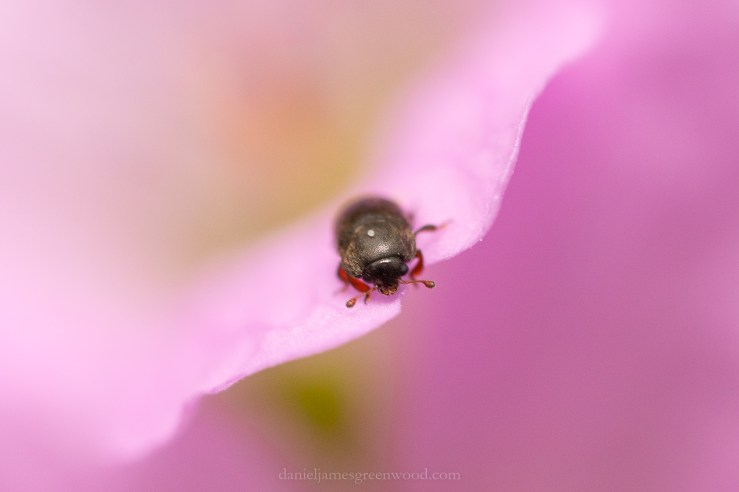
This tiny pollen beetle was trying to work out how to make its way down from the flower. I enjoy the little pollen grain attached to its back, as in previous weeks.

GDN - 15-6-2020 djg-2

Greenbottles are one of the most common larger insects in my garden. I think they’re beautiful. Though their faces do have the look of a corset to them. I remember coming home from family holidays to Ireland after two weeks and finding loads of dead flies in our kitchen. We don’t get insect numbers like that anymore, likely due to the insect armageddon (‘insectageddon‘) we are working so hard on right now.

GDN - 15-6-2020 djg-19

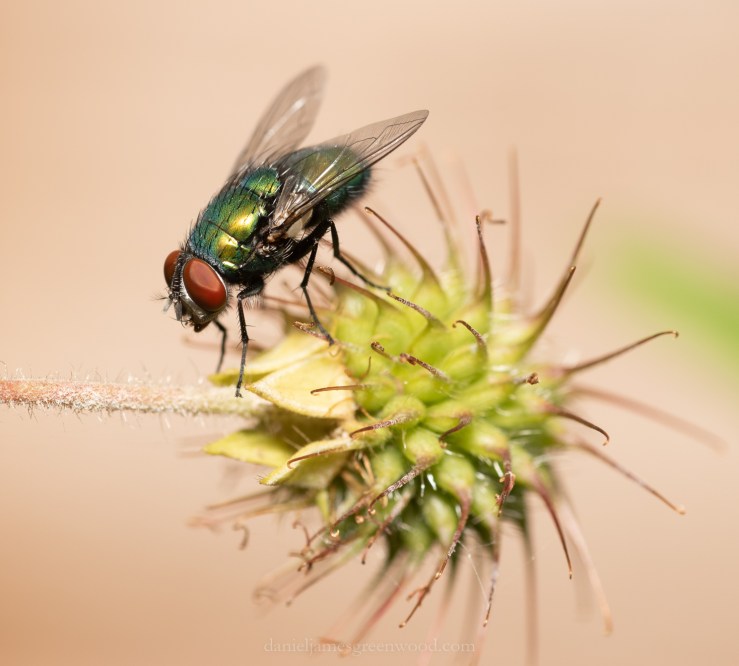
They also can be very willing subjects. This greenbottle is perched on the seed-head of wood avens, which anyone with a cat will know well.

GDN - 15-6-2020 djg-1

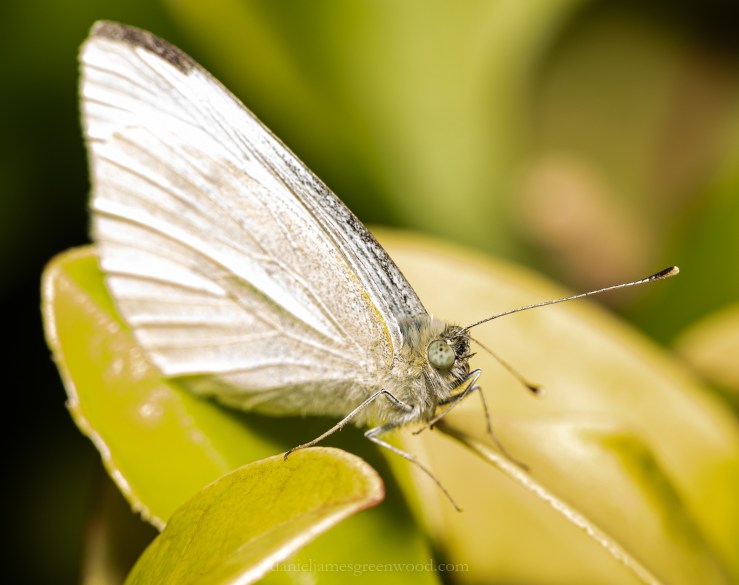
Most of the time spent in the garden was under grey skies and low light. This small white butterfly was roosting in the hedge. I totally over-exposed it and had to under-expose it again in post-processing, which you may be able to tell from the harsh tones to the left-hand side. It’s nice and sharp on the butterfly’s eye though.

GDN - 15-6-2020 djg-23

Not far away a hoverfly was perched on the broken tip of a branch. Ther weather was cool enough to keep the hoverfly at bay, so I managed to get a couple of photos.

GDN - 15-6-2020 djg-31

Again, finding one place that is easy to get to is going to be where you will probably find most ‘success’ with macro photography. If you’re travelling a long way to a place you don’t know there are so many things to stop you from getting on with the fun stuff of actually finding things and photographing them. Macro should slow us down and cut out a lot of the messing around. You need to chill out.


Thanks for reading.

More macro

#FungiFriday: how hunter gatherers used fungi to make fire

horrible-histories-series-6-episode-2-awesome-alfred-the-great-king-alfred-song7
King Alfred (not a hunter gatherer) burning a woman’s cakes © BBC Horrible Histories

Fungi Friday 17th July 2020

I have been taking an online archaeology course through the website FutureLearn. You can imagine my sheer delight when one of the sections was focused on, you guessed it, FUNGI!

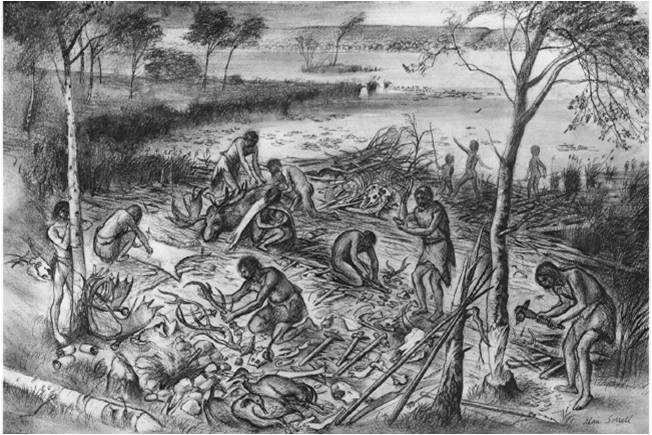
The course explores the Mesolithic (Middle Stone Age) archaeological site of Star Carr in Yorkshire. The fungi section of the course covers the species discovered at the site and what they might have been used for by the people living there between 15,000 and 5,000 years ago.

star_carr
Image of the Excavation site Star Carr located in North Yorkshire England. The image is a reconstruction Alan Sorrell’s reconstruction of Star Carr in 1951, Illustrated London News 3 (via Wikimedia Commons)

The Mesolithic followed the Paleaeolithic (Old Stone Age) in 13,000BC, ending with the Neolithic (New Stone Age) around 5,000BC.

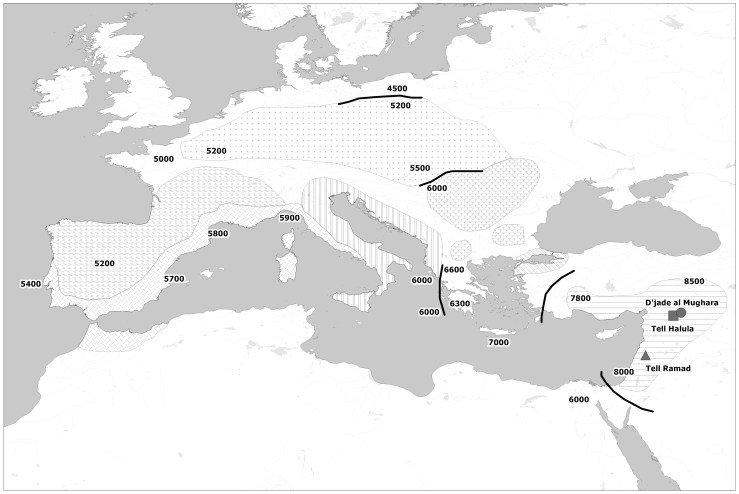
The Neolithic is seen as the period where human populations became more settled after the development of farming. These agricultural developments are what gave us much of the world we live in today. Current European farming techniques originated in the Middle East, slowly spreading west to replace the old hunting and gathering of the Mesolithic.

map_of_the_spread_of_neolithic_farming_cultures_in_europe
Map of the spread of Neolithic farming cultures in Europe, dates in year BCE (via Wikimedia Commons)

But this isn’t Farmy Friday, so let’s get back to the pre-agricultural times when mushrooms were a key resource.

South Downs - 12-7-2018 Canon (7).JPG
King Alfred’s cakes

King Alfred’s cakes

The fungal finds at Star Carr have produced specimens of hoof fungus, willow bracket and birch polypore. This doesn’t include the species known as crampballs, King Alfred’s cakes, or in scientific language Daldinia concentrica. From experience, this is the fungus that people in Britain today most recognise as one which can be used in the process of making fire. This is probably because of the recent boom in bushcraft. The fungus gets its most evocative name of King Alfred’s cakes after an English folk story.

alfredandthecakes

To people outside the UK or without a grasp of English history, this name is quite meaningless. It is based on the tale of King Alfred who was exiled in the Somerset Levels during the Viking invasion of Winchester. Alfred failed to keep an eye on a woman’s loaves of bread that were on the fire and they burned. It is said that she had no idea he was the king, so far removed was he from his throne. Don’t worry, he eventually came back and pushed the Danes away a bit and established England.

Chaldon to Oxted - 17-10-2015-26.JPG
Birch polypore

Birch polypore

Last week I donated 1000 of my own words to the cause of bracket fungi. The findings from Star Carr have taught me about how these fungi were used by our ancient ancestors. Perhaps most interestingly, the fungi found were largely there because they had been foraged from elsewhere. Star Carr is a site next to a lake, so any woodland surrounding it will have been wet and it’s likely the people living there travelled to other places to gather fungi. There is evidence of the trading of ornaments and other items from across Europe, so people were not confined to the area itself in the way we live now.

SLF_LRCC_14-2-2020-07
Birch polypore in winter, West Sussex

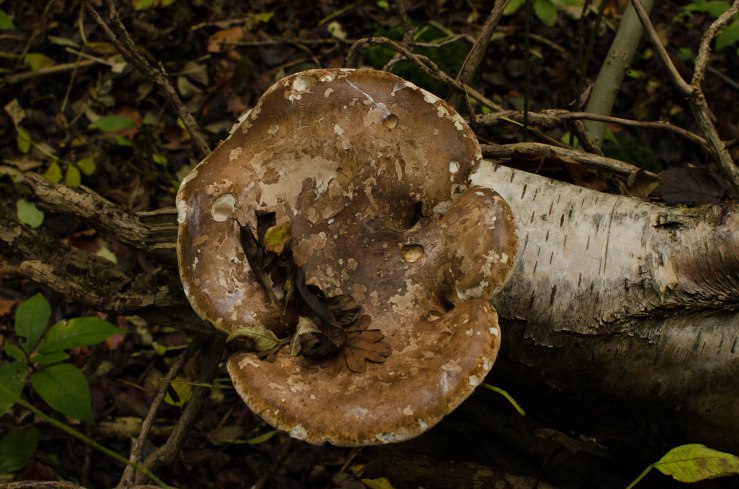
Birch polypore or razorstrop fungus haunts me out there in the woods. It is the one that catches the corner of my eye and fools me into thinking it’s autumn. It is a very common species where it acts to control population density. It plays a crucial ecological role in that it breaks birch trees down into nutrients and minerals, and therefore a substrate which can become soil. Fungi in woodlands are life-giving organisms. As a resource it was once used to sharpen tools in the manner of a leather strop, but it is also very useful in its ability to burn slowly and for long periods. This would have been crucial for people who were travelling and needed to make regular camps as we know Mesolithic peoples did.

Warnham - 14-4-2019 djg-23
Birch trees coming into leaf in West Sussex

Birch trees

Birch is an incredible resource. Like fungi, it can be used to make fire. There is no doubt that birch will have been used by hunter-gatherers for this purpose. The bark was used to make slippers, matting, boxes, even canoes. At Star Carr birch bark rolls were discovered. The evidence is that they were cut from a tree and would have been used as torches. The ‘tar’ inside birch bark could have been extracted and used to secure flint arrow heads. Nowadays it’s known for being able to make birch wine when the sap begins to run in spring.

Bavarian Forest 2014 blog 2020-13
The Bavarian Forest

Hoof fungus and hunter gatherers

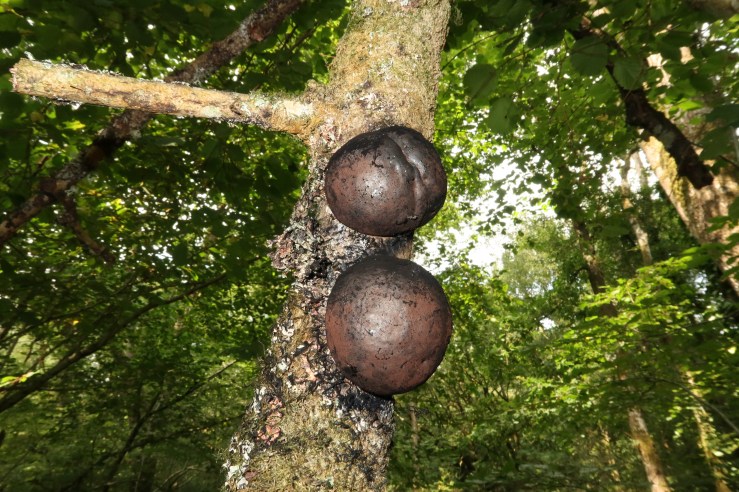
The image above is of a dead beech tree covered in bracket fungi. Hoof fungus, so named because it looks like a horse’s hoof, appears to be a key species in Mesolithic Europe. It’s present across the Northern Hemisphere so it will also have been of use to Native American peoples. It has another common name of tinder fungus. An important material deriving from hoof fungus is amadou. This is the spongy inside of hoof fungus that can be used to make embers. The video below by the team at Star Carr shows how it can be used, along with pyrite, to make a fire. This is exactly what people in Mesolithic times would have done.

It just goes to show how resourceful people were in the Stone Age. It also reminds us of how important fungi has been to us, not just on the ecological level of recycling organic matter and its place in the woodland ecosystem. It helped to keep people warm and therefore alive.

Thanks for reading!

More mushrooms

Macro Monday: the blood bee’s cuckoo spree

GDN_6-7-2020_lo-res-31

Macro Monday 13th July 2020

The cooler weather continues, interspersed with rain and cloudier days. These are good macro conditions. I spent a couple of lunchtimes outside this week with my heavier macro equipment – I have been very lazy recently only using my smaller mirrorless camera with in-built flash – and what I saw was pretty harrowing but also quite amazing.

GDN_6-7-2020_lo-res-02

I have mentioned before that part of my lawn is dying, likely due to the lack of spring rain. I don’t mind this because it annoys people who like tidy gardens and it provides a habitat niche for wildlife. In this case, it was for the benefit of yellow-legged mining bees (I still haven’t confirmed that ID but will go with it). The ground will recover anyway in the autumn and winter. I was sitting on the grass to see if some of the mining bees would be coming out. I noticed a dead bee and took a photo. Then I noticed another one. There was another insect hovering over the area of mining bee nests which at first thought was something like a ruby-tailed wasp, as I could see its red ‘tail’ or lower body. I was desperate for it to land so I could get a photo. When it did, I was amazed at what happened next.

GDN_6-7-2020_lo-res-30

It flew down straight to the nesting holes and pulled a roosting mining bee out.

GDN_6-7-2020_lo-res-29

A wrestling match then ensued among the dead grasses surrounding the nesting hole.

GDN_6-7-2020_lo-res-28

I recognised that the insect was a blood bee, having seen them for the first time last month on the South Downs. The blood bee was the stronger of the two.

GDN_6-7-2020_lo-res-08

This was the best image I got from what I realised was the blood bee stinging (perhaps) the mining bee and either paralysing or killing it. By this point the adrenaline was pumping for me also. The mining bee began to thrash around when it was released by the blood bee and it lay next to another mining bee which was still alive but fading away. I believe the blood bee had pulled the mining bees out of the nests (perhaps they were a male and female together in one nest) and killed them to use the nest for itself. It was at this point that I began to notice more dead mining bees and it dawned on me – I was watching the raid of a blood bee on an entire colony of mining bees in my own small garden.

GDN_7-7-2020-lo-res-05

I had gone back to work after that somewhat shocked by the smash and grab episode. I did feel sadness for the mining bees and the killing field which had appeared in my garden. But that’s a human response to an issue that doesn’t exist. We should feel much greater sadness or anger for a wider loss of habitat than we should say a magpie or jay raiding a nest. You have to remember the bigger picture.

The next day I went out again at lunchtime to see how the mining bees were doing. I found a detached ‘doorway’ of soil which had a dead mining bee in it but there were several sitting in their doorways.

GDN_7-7-2020-lo-res-01

I don’t think there can be any sense of change for this community of bees (bearing in mind they’re not social but solitary, beyond their pairs). They will be aware of the threats they face, not least the house sparrows that often pluck bees and butterflies from the air. Some were still visiting flowers and there was no sign of the blood bee.

GDN_7-7-2020-lo-res-03

There was need for a lockdown here, the mining bees had no choice but to go on. Of course, that is not comparable to the situation our species finds itself in.

GDN_6-7-2020_lo-res-47

Nearby, this common yellow-face mining bee was recharging its battery in the hedge. It was really nice to finally get a decent image of this very small badger-like insect.

GDN 10-7-2020-lo-res-08

It’s been a tough week for the mining bees in general. I was looking around a patch of cranesbills in a shadier corner and saw a dead bee floating in midair. Then I noticed the crab spider which had caught it. The spider was so well camouflaged, reflecting the fact that this species is able to change colour to match the flower it is hunting from. This is probably Misumena vatia, a common crab spider found in gardens, woods, meadows and urban habitats. This spider was turning the bee around and dropped it from its perch. I wonder if it climbed down to get it.

GDN 10-7-2020-lo-res-27

Only a couple of inches away, another crab spider had caught a mining bee. Not a good day at the office!

GDN 10-7-2020-lo-res-47

Wasps have had a lot of coverage in this blog and I was delighted to find a species of big-headed digger wasp (Ectemnius) on the fence one lunchtime. I was involved in a conversation with a neighbour at the time and had to say, sorry, I need to try and photograph this wasp! It would have been great to see it head on, but it didn’t hang around.

GDN 10-7-2020-lo-res-36

We’ve let the grass grow long in parts of our small garden. At times I’ve heard the sibilant sound of a cricket or grasshopper, showing the importance of allowing the grass to grow. In the hedge one lunchtime I found this speckled bush cricket. It really did not like me noticing it and would shuffle into the leaves to try and hide.

GDN_6-7-2020_lo-res-34

Ending on a gentler note than this post began with, I have been trying to grow courgettes this year after experiencing the same panic that many people felt about supermarkets back in March. I didn’t stockpile toilet roll-shaped pasta though. Many of the courgettes are now flowering and I was interested to see if they had any value for insects. Sure enough, this flower was rammed with pollen beetles.

Thanks for reading.
More macro


#FungiFriday: on bracket mushrooms and illegal logging

Bialowieza-1-18

Fungi Friday 10th July 2020

I went on a bike ride to the edge of a large woodland complex on Fungi Friday Eve (AKA Thursday). I went in hope of finding that mushrooms, after a fair amount of rain, were bursting forth from the soil, fresh and bright, ready for their close up. As usual I was wrong. There was pretty much nothing, not that I managed to make it into the best areas, it’s quite a trek. I did find some fungi though, a cluster of giant brackets that are there all year round:

IMG_20200709_184708576_HDR

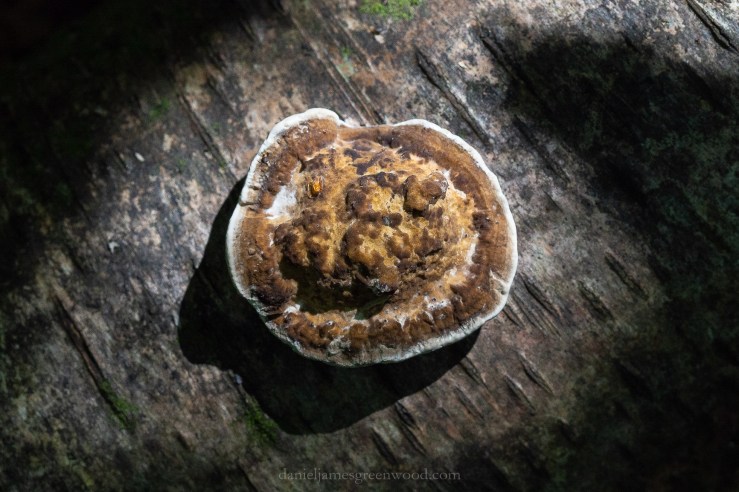
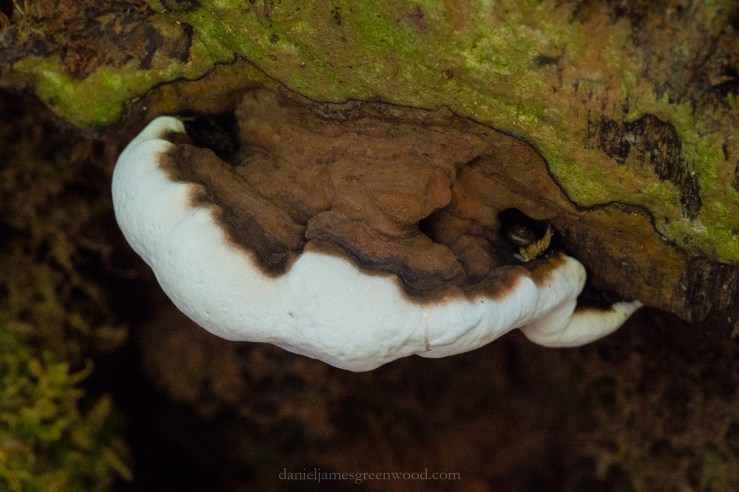
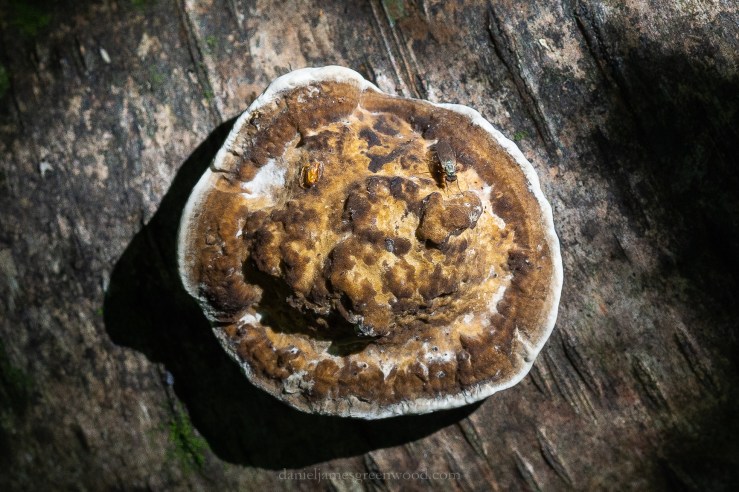
This is probably artist’s bracket or something similar. They live on decaying wood in living or dead trees. They are an important controllers of tree species and contribute therefore greatly to tree diversity in woodlands. Unlike what you might think, their presence does not always mean the tree is dying or that they are harming the tree.

BenVrackie_Sept2018-9

Birch polypore is a nice example of a tree-controller, a species which is commonly seen on birch. It has a fantastic scientific name – Piptoporus betulinus! It’s also known as razor strop, probably because people once used it to sharpen their knives (which were a day-to-day essential) in the way that you might use a piece of leather. That connection between people and fungi is one I think it’s sad we’ve lost. I wonder, is this still a living connection anywhere else in the world today?

Bavarian Forest 2014 blog 2020-6
Bracket fungi, Bavarian Forest

Bracket fungi are something we’re losing from the wooded landscapes of Europe largely from the explosion of forestry in the past 100 years and an intensification of woodland management. The oldest woodlands I’ve ever been to (I know that doesn’t mean much) were covered in dead or decaying trees with large brackets. The Bavarian Forest, as seen above, was a fine example.

Carpathians lo-res-26
Red belted polypore in the mountains of the Romanian Carpathian

One reason why we have less brackets is because large trees have not been left to live their lives to the full and beyond. Most trees in forests have a target age and size, bracket fungi are a pest in those places, not that most trees would ever get to the age where substantial brackets could develop.

Czechia 2017 lo-res djg-41
Red belted bracket in the White Carpathians, Czech/Slovak border

In the intensively managed woods of places like Czechia, it’s only a fallen tree stump that will give a home for a bracket.

Bialowieza-1-12
Białowieża Forest in north-eastern Poland

Possibly the most bracket-rich landscape I’ve visited is Białowieża Forest in Poland, famed for its ancient stretches of woodland and rich diversity of tree species, said never to have been logged. Not even by the Nazis invading in the Second World War.

Bialowieza-1-16
A small-leaved lime (I think) in Bialowieza Forest, north-eastern Poland

From experiences of visiting these rich woodland landscapes, a sign of brackets is often a symbol of a healthy ecosystem. The brackets are softening wood inside of trees which make a greater range of habitat niches for other life.

Palava djg-100

Saproxylic invertebrates (those which live in or depend on dead or decaying wood) are the most threatened species group in Europe. Many of these insects have important, dove-tailing ecological relationships with fungi. The stag beetle is a nice example, a species which is born with its own fungus used to decay wood in its wood-boring larval stage (we’ve all been there). Woodpeckers are also dependent on this wood-softening created by bracket fungi.

Carpathians lo-res-23-2
Old-fashioned forestry practices in the Romanian Carpathians

I read this week that furniture behemoth IKEA have been linked to illegally felled beech woodlands in the Ukrainian Carpathians. They are selling products in the UK made from timber felled with a licence approved by the FSC but which is in fact thought to be illegal. IKEA has been here before, not least for accusations of using timber from ancient woodlands in Karelia, a region in northern Russia. For the recent Ukraine story, please watch the excellent (and witty) Channel 4 report here:

The Carpathians are a mountain range that cut through Europe, fizzling out in Czechia, reaching their most epic heights in Romania. They are one of the most incredible landscapes Europe has to offer. They also cross through the Ukraine, where the high beech woodlands are some of the oldest in Europe. Recently some of these woodlands were designated as a Unesco World Heritage Site. As so often is the case, outlying areas can be prone to exploitation through illegal forestry operations.

Carpathians lo-res-6

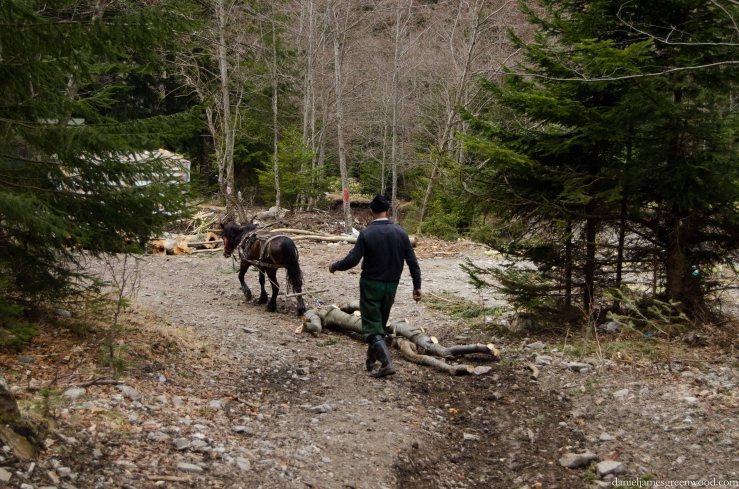
In 2015 I visited the Romanian Carpathians. My friend and I hiked out of the Transylvanian town of Sinaia and into the mountains. There we witnessed the logging of beech trees using horses. It was amazing to see, and something far more ecologically kind to a woodland, rather than using heavy machinary that destroys the soil (and all the fungi in it). We can only presume this was a legal operation. However, illegal loggingin in some of Romania’s most important woodlands has become so serious that rangers and woodland protectors have been murdered for attempting to stop it. The EU has to do more, as it did in protecting Bialowieza Forest from ecologically-illiterate forestry.

Carpathians-140
Ancient beech and spruce woodlands in the Carpathians

We are dependent on fungi and woodlands to make our world inhabitable. There need to be core areas of woodland which are allowed to follow cycles which are not interrupted or undermined by economic activity like intensive forestry. We can play our part in conserving things from afar by knowing who we are buying products from and where they originate from. That said, it’s not made any easier for the woodland or the consumer if ancient beech woodlands are being converted to fold-out chairs under a Forestry Stewardship Council certificate.

Thanks for reading.
More mushrooms


Macro Monday: pollen gains

OLYMPUS DIGITAL CAMERA

Macro Monday 6th July 2020

Cooler temperatures greeted us this week after the recent heatwave. The gusting winds didn’t go away, though, and that makes it tricky for macro. The constant blowing sways the plants where the insects are, meaning that the number of photos you’ll get in focus will be far fewer than if it was still. It doesn’t mean you shouldn’t try, though.

OLYMPUS DIGITAL CAMERA

Though our small garden isn’t up on a hill, it’s beginning to feel rather exposed where it sits in the Arun valley in urban West Sussex. I’m open to letting more of the shrubs grow to create wind buffers, not that it will make a huge different. One of the buffers is this ornamental hedge (which, after 6 months I still haven’t checked the name of in a garden centre). I found this ladybird in a state of metamorphosis, shifting from larva to adult ladybird. You can see its shell appearing from the skin of the larva, like superman minus the phonebox and slower.

OLYMPUS DIGITAL CAMERA

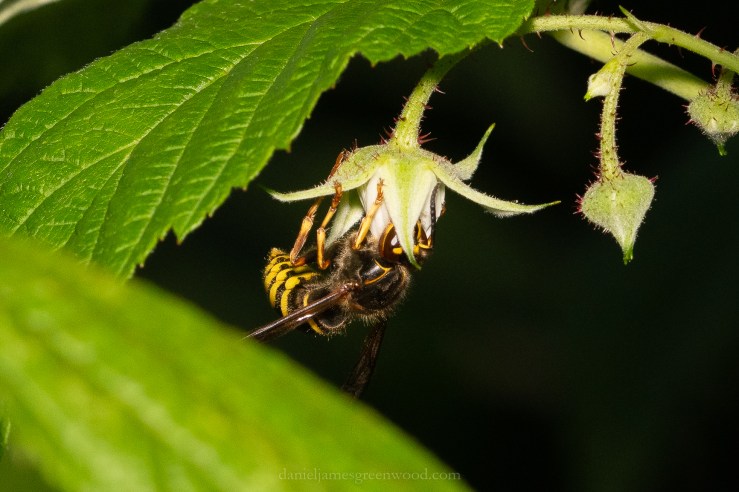
In the raspberry patch I found a solitary wasp. My insect guide gives nothing close to a resemblence to any species.

OLYMPUS DIGITAL CAMERA

The most popular plant in the garden now is this mallow. Lots of different species are foraging from it, to the point where I know an insect has been there because of those massive pollen grains. This is a red-tailed bumblebee, as you can probably imagine.

OLYMPUS DIGITAL CAMERA

I’ve noticed this ichneumon wasp (one of over 2500 species in the UK) spending a lot of time flitting over the flower buds. I presume it is using that needle-like ovipositer to lay its eggs. It has a beautiful chrome-blue eye. Again it has a pollen grain on its shoulder.

OLYMPUS DIGITAL CAMERA

This is another yellow-faced bee that I haven’t managed to identify. I love how papery the petals of the mallow appear here.

OLYMPUS DIGITAL CAMERA

The wool carder bees are still busy in good numbers on the lamb’s ears. This plant has been a revelation this year. At most I’ve counted 5 wool carder bees and this week I saw 3. They seem to be more at ease with me now (if that’s a thing, probably not) and don’t fly a mile when I sit next to the plant to get photos. They also allow me to get much closer than I could back in May.

OLYMPUS DIGITAL CAMERA

They are really attractive bees. What interests me is that they aren’t at all interested in the mallow but only the lamb’s ears and a foxglove which has popped up nearby.

OLYMPUS DIGITAL CAMERA

The lamb’s ears continue to be a perch for lots of different insects. I would say this is a common froghopper.

OLYMPUS DIGITAL CAMERA

The hot weather really has killed part of the lawn but I don’t care. I haven’t even cut it since April! One thing I have noticed is that our yellow-legged mining bee friends have begun to proliferate further into the other living areas of the grass.

OLYMPUS DIGITAL CAMERA

This was one of those cooler days, so perhaps this bee didn’t quite have the energy to get going just yet. Or perhaps it was just wondering what a giant was doing pointing a camera into their doorway.

OLYMPUS DIGITAL CAMERA

On my way back into the house one lunchtime I found a moth fluttering around at the door. I didn’t think much of it with my normal human eyesight but the photograph shows up something far more beautiful. The (undiffused) flash exposes the carpet-like patterns of the scales, with a hint of tiger stripes to the wing tips. It reminds me of curtains closed in a living room.

Thanks for reading.
More macro

#FungiFriday: rain brings mushrooms great and small

OLYMPUS DIGITAL CAMERA

Fungy Friday 3rd July 2020

At last the rain has arrived. But did it bring a deluge of the mushroom kind? On a lovely clear evening after work I went to the woods to find out.

OLYMPUS DIGITAL CAMERA

Even in dry times there is one fungus that will not desert you. Artist’s bracket is a bracket fungus in the family Ganoderma. It gets its common name from the fact you can draw on the sporey underside of the fungus, usually something like noughts and crosses. I’ve seen these fungi get to be huge but in most places they are usually broken off by human hands.

OLYMPUS DIGITAL CAMERA

They have the ability to renew themselves, though, as this one above has begun to do. I read somewhere that this fungus produces 30billion spores an hour. Suppose I’ve taken a few home with me then.

OLYMPUS DIGITAL CAMERA

After rain like we’ve had in the past week in southern England, you don’t dream of bracket fungi. Or do you?

OLYMPUS DIGITAL CAMERA

Walking along a path in an area of open woodland my eyes nearly popped out of my head when I saw this massive dryad’s saddle sprouting from a dead sycamore tree. This area has been hammered by the combination of no rain and heavy footfall impacting after clearance work of sycamore has taken place, so I wasn’t considering the possibility of fungi being present.

OLYMPUS DIGITAL CAMERA

This is a fungus to find at this time of year. Due to its size, it will often find you. It’s an edible species but probably not at this stage. I’m writing this rather bleary eyed because I’ve spent the past couple of days researching the cultural heritage of oak trees for a talk I gave this week. Little did I know that dryad actually means ‘oak tree nypmh’, rather than simply ‘wood nymph’. The idea is that a nymph, or woodland sprite, or fairy, would sit on this bracket and hurl abuse at passers-by.

OLYMPUS DIGITAL CAMERA

I was looking down at some moss on the woodland floor when I discovered these baffling, miniscule mushrooms. They were about the size of a grain of rough sea salt. On their caps were these spikes, at first thought perhaps another fungus or mould growing on top.

OLYMPUS DIGITAL CAMERA

It just made me realise how much we can miss, these were some of the smallest fruiting bodies I’ve ever seen. I have no idea what they are.

OLYMPUS DIGITAL CAMERA

Next door was something a little larger, probably a bonnet of some kind. I don’t have the knowledge to get any closer than that. Again, this wasn’t much bigger than the weird fruiting dudes alongside it.

OLYMPUS DIGITAL CAMERA

After a good couple of hours searching, it was time to head home. Dramatic clouds built over the heath, perhaps with more rain to feed the fungi. We shall see.

Thanks for reading.
More mushrooms


The Sussex Weald: beech trees blighted by fire

OLYMPUS DIGITAL CAMERA

St. Leonard’s Forest, West Sussex, June 2020

Rain spots my shirt as a storm threatens overhead. The heat in Sussex has been blistering this week, with a breach of the thirty-degree mark yesterday. Today it is much cooler. I waited until the late afternoon to head out while the last embers of the heatwave petered out.

I’m amazed to see that the leaves of a fallen beech limb are still alive, still in their early spring state. It brings me back to those promising early weeks when spring appears.

OLYMPUS DIGITAL CAMERA

There is something sad about these paused beech leaves, perhaps because the tree has died with the fracture that has meant the leaves are so easy to reach and photograph. The tree had become rotten through its heart and base. A spring storm smashed through it and now here it lies. The leaves are beautiful, corrugated, and a fresh green.

Passing through a screen of holly and oak, I enter into an opening where giant beech trees live with great limbs like giant octopi. Everytime I come here someone has had a fire on the roots of the main beech tree. This is frustrating. The tree will be harmed by damage to the roots. The roots of a tree sit closer to the surface of the soil than you might think. This time, there is more than one firepit and signs of small trees like hazel being cut, sawn up and piled, either for another fire or a den. These old trees have clearly taken a beating over the years and I worry that people don’t understand their fragility, especially to fire.

OLYMPUS DIGITAL CAMERA

In the raised buttresses of this veteran beech white sawdust has been left, the trail of saw blades having cut into the tree’s bark. In a sheltered nook of exposed roots a bunch of freshly cut twigs and small sticks has been piled for kindling. Could this have been a place where someone wanted to start a fire, could people really think the tree would not be harmed? I gather the sticks and scatter them among the holly.

The Sussex Weald